


Abstract
Although apartheid ended in 1994, its legacy continues to shape South Africa’s higher education system, reinforcing disparities in access, funding, and representation. This study aims to critically examine how apartheid diplomacy has influenced higher education and asks: how do its strategies continue to shape academic practices, institutional relationships, and systemic inequalities in post-apartheid South Africa? It conceptualises apartheid diplomacy as the use of education to entrench racial hierarchies, reproduce class domination, and suppress indigenous knowledge. Grounded in Marxist and Weberian class theories and Crenshaw’s intersectionality framework, the analysis traces how apartheid-era policies institutionalised systemic inequalities and how these legacies persist within institutions. A scoping review was conducted using five databases (EMBASE, APA PsycINFO, Cochrane Library, CINAHL, and Scopus) between January 2007 and April 2025, guided by PRISMA ScR and Arksey and O’Malley’s six-stage framework. Of 75 articles retrieved, 15 met the inclusion criteria. Findings reveal that apartheid diplomacy shaped academic governance, resource distribution, and knowledge production, leaving enduring inequities despite ongoing reforms. Transformation efforts, including financial aid schemes, equity policies, and curriculum debates, have achieved progress but remain constrained by structural, cultural, and intersectional barriers. The study underscores that achieving lasting equity requires continuous policy interventions, inclusive leadership, and curriculum decolonisation, alongside advocacy and interdisciplinary research. It reframes higher education as a diplomatic arena where equity and epistemic justice are negotiated, offering an original lens for understanding and dismantling apartheid’s enduring influence on South African academia.
1. Introduction
Strict racial segregation and inequality were enforced during apartheid in South Africa, with laws and policies designed to keep power in the hands of a privileged minority (Langa et al. 2021; Nanthambwe 2025; Marutlulle 2022). Higher education was deliberately used to entrench this system: the Bantu Education Act forced Black South Africans into poor-quality schooling that prepared them for menial work rather than advancement (Donohue and Bornman 2014). Although apartheid officially ended in 1994, its legacy endures in persistent disparities in resource allocation, institutional representation, and campus cultures (Volker et al. 2022; Muyambi and Ahiaku 2025). This study introduces apartheid diplomacy as its central analytical anchor. By apartheid diplomacy, I refer to the strategies through which the apartheid state sought to secure international legitimacy, defend racial segregation, and maintain global academic and political ties despite widespread condemnation (de Kiewiet 1974; Masters and Landsberg 2024; C. Saunders 2011). These strategies included cultural and educational exchanges, selective international partnerships, and diplomatic movements aimed at sustaining white minority rule (Nawa et al. 2017; Heleta and Dilraj 2024). Unlike colonial diplomacy, which often pursued expansion and resource extraction, apartheid diplomacy was defensive, designed to preserve segregation while projecting legitimacy abroad (Misra 2025). It also differs from broader structural racism, which describes systemic inequality in general, by specifically capturing the diplomatic practices through which the apartheid state sought to normalise segregation internationally. In other words, apartheid diplomacy explains how South Africa’s regime actively used international relations to sustain racial hierarchy abroad, something neither colonial diplomacy nor structural racism alone can fully account for. This clarification highlights the originality of the concept and its explanatory power. Operationalising apartheid diplomacy allows us to trace how diplomatic practices shaped higher education structures, influencing access, institutional hierarchies, and South Africa’s positioning in the global academic community (Muraina et al. 2024; Mutongoza 2025).
To analyse this legacy, the study draws on class theory (Karl Marx and Max Weber) (Kozyr-kowalski and Sven 1968; Daoxin 2020; Manna 2024) alongside Kimberlé Crenshaw’s intersectionality framework (Crenshaw 1989) (Figure 1). Class theory provides a lens to examine how apartheid diplomacy is embedded in economic and institutional hierarchies, privileging certain universities and social groups while marginalising others (Kozyr-kowalski and Sven 1968; Daoxin 2020; Manna 2024). Intersectionality highlights how race, class, and gender intersect to compound disadvantage, demonstrating that apartheid diplomacy reinforced multiple, overlapping forms of inequality (Crenshaw 1989, 1991). These frameworks enable a deeper understanding of how historical diplomatic strategies continue to shape access, institutional hierarchies, and power dynamics in contemporary South African higher education. The enduring legacy of apartheid diplomacy is evident in persistent racial and economic inequality, with wealth and land still disproportionately concentrated in the hands of a white minority (Shain 2013; Bunting 2018).
Figure 1.
Conceptual framework integrating Karl Marx and Max Weber’s class theories with Kimberlé Crenshaw’s intersectionality to explain transformative reforms in higher education, addressing systemic inequalities and advancing social justice.
Education and healthcare systems remain deeply uneven, as historically disadvantaged communities continue to face under-resourced institutions and limited access to quality services (Walker and Archung 2003; NASEM et al. 2023). Spatial segregation also persists: many Black South Africans live in townships far removed from economic hubs, a direct consequence of apartheid-era urban planning (Muyambi and Ahiaku 2025; Cooper 2019). Social cohesion is further strained by lingering mistrust and collective trauma, as the nation grapples with the psychological scars of systemic oppression. While South Africa is the central focus, the study situates apartheid diplomacy within a global comparative frame. Evidence from India, Brazil, Malaysia, and the United States shows that equity-oriented reforms such as affirmative action and quotas have expanded access but remain contested, fragile, and context-dependent (Nandi and Pathak 2024; Francis-Tan and Tannuri-Pianto 2024; Heringer 2024; Lee 2024; Warikoo and Allen 2019; Mokgotho et al. 2023).
These cases demonstrate that apartheid diplomacy offers insights into how states defend or normalise racialised hierarchies in higher education worldwide, while also clarifying South Africa’s distinctiveness given its uniquely entrenched racial order.
This review therefore aims to critically examine the legacy of apartheid diplomacy in shaping South African higher education. It is guided by the central research question: How have the diplomatic strategies of apartheid continued to influence academic practices, institutional relationships, and systemic inequalities in post-apartheid higher education? The specific objectives are to: (1) define and apply apartheid diplomacy as an analytical framework; (2) assess its enduring impact on academic practices and institutional ties; (3) analyse the intersections of class, race, and gender in perpetuating inequality; and (4) identify strategies for dismantling systemic barriers within higher education. As higher education remains pivotal to social transformation and development, addressing these systemic issues is vital not only for South Africa but also for global efforts to create fair and accessible academic environments.
2. Literature Review
2.1. Apartheid-Era Policies and Methods of Inequality
Apartheid policies were systematically anchored in racial and class hierarchies, with education strategically employed as a tool of inequality (Roueff 2024; Mubanga 2012). The Bantu Education Act of 1953 institutionalised inferior schooling for Black South Africans, preparing them for menial labour rather than advancement (P. Saunders 2001; Mabokela and Mlambo 2017). This deliberate design of education as a mechanism of social control ensured that Black South Africans were denied access to quality schooling, thereby restricting upward mobility and reinforcing systemic inequality. Education was not neutral; it was weaponised to reproduce apartheid’s political and economic order. From a Marxist perspective, this policy exemplifies how ruling elites used education to reproduce economic dominance, confining Black learners to low-wage labour and ensuring the continuation of white economic supremacy (P. Saunders 2001; Hlatshwayo and Fomunyam 2019; Seekings 2003; Badat 2009). Through a Weberian lens, apartheid education also functioned as a system of status closure. The monopoly over credentials, language, and institutional prestige by white institutions reinforced social stratification and curtailed opportunities for leadership (Kozyr-kowalski and Sven 1968; Daoxin 2020). Weber’s perspective underscores that apartheid exclusion was both material and symbolic, stabilising privilege through entrenched cultural and institutional hierarchies. Intersectionality further illuminates how race, class, and gender converged to compound disadvantage (Crenshaw 1989; Vohra-Gupta et al. 2022). Black women, for instance, faced both racial exclusion and gendered marginalisation, leaving them particularly disadvantaged in accessing education and leadership opportunities. While Marxist analyses emphasise economic reproduction (Roueff 2024; Hlatshwayo and Fomunyam 2019; Seekings 2003), Weberian approaches stress symbolic closure (Kozyr-kowalski and Sven 1968; Daoxin 2020). This tension reveals that apartheid education was not only material but also cultural. Few studies integrate these perspectives, which leaves gaps in holistic accounts of inequality. Intersectional approaches (Crenshaw 1989; Vohra-Gupta et al. 2022) add further nuance, but gender remains comparatively underexplored, highlighting a contradiction between policy rhetoric and lived realities. Methodologically, archival analyses of apartheid policy (P. Saunders 2001; Chisholm 2012) foreground structural continuities, while qualitative accounts (Hlatshwayo and Fomunyam 2019) emphasise lived experiences, producing divergent emphases that require synthesis. Taken together, these perspectives demonstrate that apartheid education institutionalised inequality through both structural and cultural hierarchies. These hierarchies became deeply embedded in higher education. They continue to shape access and representation in contemporary academic institutions.
2.2. Legacy in Current Academic Practices
Despite apartheid’s formal end, its legacy persists in funding disparities and institutional cultures (Crenshaw 1991; Treiman 2007). Historically disadvantaged universities remain under-resourced, while privileged institutions continue to dominate research output and global rankings (Holman et al. 2021; Evans-Winters 2021). Beyond material inequalities, change requires dismantling symbolic hierarchies (Chisholm 2012; Treiman 2007). The tenacity of the ‘hidden curriculum’ embedded in academic culture sustains systemic inequities by legitimising Eurocentric knowledge systems and privileging elite cultural capital (Hlatshwayo and Fomunyam 2019; Holman et al. 2021). From a Marxist perspective, the hidden curriculum functions as an ideological tool of class domination. Intersectional analyses highlight that exclusions are compounded for Black women. They face multiple barriers to leadership, research, and visibility (Crenshaw 1989; Vohra-Gupta et al. 2022; Dsouza and Verma 2026). Apartheid ’s legacy also endures in subtle practices and interactions that shape academia. Everyday dynamics such as “polite racism” reproduce inequality in ways that appear civil but reinforce racial hierarchies. Coen-Sanchez (2025) describes polite racism as normalised, indirect exclusion, while Wiltgren (2023) shows how classroom interactions perpetuate racial hierarchies under the guise of equality. These concepts bridge structural analysis and live experience, demonstrating how institutional cultures sustain inequality through routine interactions. Global evidence reinforces that these legacies are not unique to South Africa. In India, British colonial policies institutionalised class and linguistic hierarchies (Dsouza and Verma 2026); in Brazil, post-colonial higher education continues to reproduce racial exclusion (Denise 2010); comparative work on South Africa and Brazil highlights how colonial legacies shape internationalisation and racial justice (Majee and Ress 2018); and in the United States, racialised capitalism and decolonial critiques reveal enduring colour lines in academia (Tegama 2023). These cases show both parallels and divergences: while global systems grapple with colonial and racial hierarchies, South Africa’s apartheid diplomacy uniquely institutionalised exclusion through both structural and epistemic hierarchies. This comparative lens clarifies that reforms must be intersectional and globally informed, but also adapted to South Africa’s distinct historical context (Crenshaw 1991, 2025). Here, tensions emerge between structural accounts that emphasise resource disparities (Treiman 2007; Holman et al. 2021; Evans-Winters 2021) and cultural analyses that foreground hidden curricula (Hlatshwayo and Fomunyam 2019; Holman et al., 2021). Intersectional studies (Crenshaw 1989; Dsouza and Verma 2026) complicate this further, but gender remains underexplored relative to race and class. Methodological differences also shape findings: comparative studies (Denise 2010; Majee and Ress 2018; Tegama 2023) highlight global parallels, while qualitative accounts (Denise 2010; Majee and Ress 2018) reveal micro-level exclusions. A synthesis of these approaches demonstrates that apartheid diplomacy embedded both structural and cultural hierarchies into academic life. Global cases mirror aspects of this legacy, but South Africa’s experience remains distinctive in the depth of its institutionalisation, underscoring the need for reforms that are both intersectional and context-specific.
2.3. Intersection of Class, Race, and Gender
The convergence of class, race, and gender compounds inequality in higher education. Black women, for instance, face systemic barriers to leadership and academic opportunities (Mabokela and Mlambo 2017; Harris and Leonardo 2018). These barriers are not isolated but layered, reflecting how apartheid diplomacy embedded multiple axes of disadvantage into the structures of higher education. The persistence of these compounded inequalities demonstrates that inequality cannot be fully understood through a single lens of race or class alone. Crenshaw’s intersectionality framework illuminates how racism, sexism, and classism intersect to produce unique forms of oppression (Harris and Leonardo 2018). This perspective moves beyond description, showing that apartheid’s legacy is not only class-based but also deeply gendered and racialised. Intersectionality clarifies that the lived experiences of Black women in academia are shaped by overlapping systems of discrimination, which magnify exclusion and limit opportunities for advancement (Walker and Archung 2003; Mabokela and Mlambo 2017). From a Marxist perspective, these compounded inequalities reflect the reproduction of privilege through resource concentration, where historically advantaged institutions continue to monopolise funding, infrastructure, and academic capital (Hlatshwayo and Fomunyam 2019; Seekings 2003). Weber’s framework adds that status closure operates through credentialing, language hierarchies, and institutional prestige, reinforcing barriers to leadership and recognition (Kozyr-kowalski and Sven 1968; Daoxin 2020). Together, Marx and Weber highlight how structural and symbolic mechanisms stabilise privilege, while intersectionality reveals how these mechanisms converge to intensify marginalisation. Comparative evidence from the United States and the United Kingdom demonstrates that intersectional inequalities are a global phenomenon (Evans-Winters 2021). This suggests that South Africa’s challenges are part of a broader pattern in higher education systems worldwide, where race, class, and gender intersect to reproduce inequality. However, the South African case is uniquely shaped by apartheid diplomacy. This system institutionalised disadvantages that became deeply entrenched in academic culture. These disadvantages also remain embedded in governance structures today. Thus, the intersection of class, race, and gender underscores the need for integrative, intersectional policy interventions (Cooper 2019; Mubanga 2012). Addressing one axis of inequality in isolation risks reproducing exclusion for groups who experience multiple, overlapping disadvantages. Transformation therefore requires reforms that simultaneously confront economic, racial, and gender disparities, embedding accountability into leadership, curricula, and institutional practices. While Marxist and Weberian frameworks highlight structural and symbolic mechanisms of privilege (Kozyr-kowalski and Sven 1968; Daoxin 2020; Hlatshwayo and Fomunyam 2019; Seekings 2003), they sometimes underplay the overlapping oppressions captured by intersectionality (Crenshaw 1989; Harris and Leonardo 2018). This tension reveals that no single framework fully explains the persistence of inequality. Intersectionality fills this gap, but gender remains comparatively underexplored in South African scholarship (Mabokela and Mlambo 2017; Evans-Winters 2021). Methodological differences also shape findings: archival analyses (P. Saunders 2001; Chisholm 2012) emphasise structural continuities, while qualitative accounts (Hlatshwayo and Fomunyam 2019; Holman et al. 2021) highlight lived experiences. Comparative studies (Evans-Winters 2021) extend the analysis globally, but they risk overlooking apartheid’s unique diplomatic embedding of inequality. Synthesising across these approaches shows that apartheid diplomacy institutionalised disadvantages in ways global cases only partially capture.
2.4. Addressing Systemic Barriers
Strategies to dismantle systemic barriers include equity-focused policies, financial support for disadvantaged institutions, and inclusive leadership practices (Strydom 2024). Teacher training and frameworks such as Universal Design for Learning (UDL) and Differentiated Instruction (DI) are critical for advancing inclusive pedagogies (Volker et al. 2022). These approaches emphasise that inclusivity is not simply about access but about transforming the structures, cultures, and practices of higher education to accommodate diverse learners and dismantle inherited inequalities. From a class theory perspective, these reforms aim to redistribute educational capital, challenging the resource concentration that historically advantaged white institutions (Crenshaw 1989; Shain 2013). By directing funding and infrastructural support to disadvantaged universities, reforms disrupt the economic base of inequality and create opportunities for broader participation in knowledge production. Through a Weberian lens, systemic barriers are understood as forms of status closure, where credentialing systems, language hierarchies, and leadership pathways stabilise privilege (Kozyr-kowalski and Sven 1968; Daoxin 2020). Inclusive leadership practices and diversified governance structures weaken these hierarchies, opening access to prestige and authority that was historically monopolised by elite institutions (Vohra-Gupta et al. 2022; Chisholm 2012). Crenshaw’s intersectionality framework highlights the need to address overlapping forms of disadvantage. Race, class, gender, and disability often converge to compound inequality, meaning that reforms must embed intersectional accountability (Crenshaw 1989). Policies that focus narrowly on one axis risk reproducing exclusion for groups who experience multiple, intersecting barriers. International examples from Canada and Finland show that collaborative stakeholder engagement and flexible curriculum design can foster inclusivity (Strydom 2024). However, these global cases differ significantly in historical context: Canada’s reforms emerged from multicultural policy frameworks, while Finland’s inclusivity is shaped by welfare-state traditions. By contrast, South Africa’s higher education system is uniquely marked by apartheid diplomacy, which institutionalised marginalisation through both structural and epistemic hierarchies. This tension underscores that while global models provide useful lessons, they cannot be transplanted wholesale. Instead, they highlight the importance of adapting comparative experiences to South Africa’s distinct legacy. A synthesis of these cases demonstrates that apartheid diplomacy provides a framework for analysing how states defend or normalise racialised hierarchies in higher education globally. It also clarifies the limits of universal reform strategies. These cases illustrate that transformation requires not only national policy reform but also global learning and adaptation, where South Africa can draw on comparative experiences to strengthen its own higher education system (Marutlulle 2022; Donohue and Bornman 2014). Only by integrating these dimensions can South Africa move toward a higher education system that advances equity, diversity, and social justice. However, tensions remain between reforms that emphasise redistribution of resources (Crenshaw 1989; Shain 2013) and those that prioritise epistemic transformation (Strydom 2024). This divergence underscores that inclusivity cannot be reduced to material change alone. Methodological differences also shape these debates: policy analyses (Mubanga 2012; Mabokela and Mlambo 2017) highlight structural reforms, while qualitative accounts (Holman et al. 2021) emphasise lived experiences of exclusion. Comparative studies from Canada and Finland (Strydom 2024) provide useful models, but their contexts differ significantly from South Africa’s apartheid legacy, highlighting a gap in adapting global lessons to local realities. A synthesis of these approaches demonstrates that apartheid diplomacy embedded systemic barriers. Addressing them requires both structural and epistemic dismantling.
2.5. Enduring Legacy of Apartheid
The end of apartheid did not erase inequality; instead, it left enduring disparities in wealth, land, and access to resources (Donohue and Bornman 2014; Walker and Archung 2003). Poverty, unemployment, and under-resourced schools remain daily realities for many Black South Africans (Volker et al. 2022; Muyambi and Ahiaku 2025), while housing patterns and urban segregation continue to reflect apartheid-era planning (Bindhani and Gopinath 2024). These persistent inequalities demonstrate that apartheid diplomacy was not simply a political system but a structural project that embedded disadvantage into the economic, social, and spatial fabric of South Africa (Donohue and Bornman 2014; Volker et al. 2022). From a Marxist lens, these outcomes illustrate the persistence of class exploitation, where economic capital and land ownership remain concentrated in the hands of a minority (Kozyr-kowalski and Sven 1968). The reproduction of inequality through education, employment, and housing demonstrates how apartheid’s economic base continues to shape opportunities and restrict upward mobility. Through Weber’s framework, the legacy is visible in status hierarchies that privilege historically advantaged groups (Daoxin 2020). Credentialing systems, institutional prestige, and access to professional networks reinforce exclusion, ensuring that social closure remains a defining feature of South African society. Crenshaw’s intersectionality framework further clarifies that these disadvantages are not experienced uniformly (Crenshaw 1989). Race and gender intensify inequality, with Black women and other marginalised groups facing compounded barriers in education, employment, and leadership. Intersectionality reveals that apartheid’s legacy cannot be dismantled by addressing race or class alone; reforms must confront overlapping systems of oppression that sustain inequality (Kozyr-kowalski and Sven 1968; Daoxin 2020). Civil society movements continue to press for transformation, underscoring the unfinished project of social cohesion (Treiman 2007; Harris and Leonardo 2018). Campaigns for land reform, equitable education, and decolonisation highlight that apartheid’s legacy is not a historical memory but a lived reality, requiring structural, cultural, and epistemic change to achieve genuine transformation. Yet, scholars diverge on whether these legacies are primarily economic (Marxist analyses (Kozyr-kowalski and Sven 1968; Seekings 2003) or symbolic (Weberian analyses) (Daoxin 2020). This tension reveals that apartheid’s reproduction of inequality cannot be reduced to one dimension. Intersectional approaches (Crenshaw 1989; Harris and Leonardo 2018) complicate the picture further, but gender remains comparatively under-explored in South African scholarship. Methodological differences also shape findings: archival studies (P. Saunders 2001; Chisholm 2012) emphasise structural continuities, while qualitative accounts (Hlatshwayo and Fomunyam 2019; Holman et al. 2021) highlight lived experiences of exclusion. Civil society analyses (Treiman 2007; Harris and Leonardo 2018) add another layer, showing contradictions between reform rhetoric and persistent inequality. A synthesis of these approaches demonstrates that apartheid diplomacy uniquely institutionalised overlapping disadvantages. These disadvantages became embedded in governance and everyday life in ways that global cases only partially capture.
2.6. Higher Education Today
Apartheid’s structural imprints remain visible in South Africa’s universities. Historically white institutions benefited from superior funding and infrastructure, while Black universities were deliberately underdeveloped (Klein et al. 2018). Curricula remain Eurocentric, sidelining African knowledge systems and sparking student-led movements such as #RhodesMustFall and #FeesMustFall, which demand decolonisation and equitable access. Rising tuition costs and language barriers further restrict entry for disadvantaged groups (Majee and Ress 2018). Staff demographics reflect slow transformation, with leadership positions still dominated by white scholars, underscoring the persistence of institutional hierarchies. From a Marxist perspective, the unequal distribution of resources and opportunities reflects the reproduction of class domination, where ruling elites ensured that historically advantaged institutions retained economic and academic capital (Kozyr-kowalski and Sven 1968). Weber’s framework highlights how status closure continues to operate through credentialing, language regimes, and institutional prestige, stabilising privilege and restricting access to leadership and high-status roles (Daoxin 2020). Crenshaw’s intersectionality lens clarifies that inequality is not experienced along a single axis: race, class, and gender intersect to compound disadvantage, particularly for Black women and other marginalised groups who face multiple barriers to participation and recognition (Crenshaw 1989). Unlike Section 2.2, which emphasises legacy practices such as hidden curricula and polite racism, Section 2.6 foregrounds contemporary activism and reform. Student-led movements reveal contradictions between formal policy commitments and lived realities. They underscore the unfinished project of decolonisation. These campaigns demonstrate that transformation requires not only material redistribution but also cultural and epistemic reform, including decolonising curricula, diversifying leadership, and embedding intersectional accountability in governance and pedagogy. Tensions remain between structural accounts that emphasise redistribution of resources (Kozyr-kowalski and Sven 1968; Klein et al. 2018) and cultural analyses that foreground epistemic hierarchies (Strydom 2024; Majee and Ress 2018). Intersectional studies (Crenshaw 1989; Evans-Winters 2021; Boadu 2021) complicate this further, but gender remains under-explored relative to race and class. Methodological differences also shape findings: comparative studies (Dsouza and Verma 2026; Denise 2010; Majee and Ress 2018) highlight global parallels, while qualitative accounts (Hlatshwayo and Fomunyam 2019; Holman et al. 2021) reveal micro-level exclusions. The enduring influence of apartheid diplomacy is evident in today’s universities, where overlapping disadvantages persist. Curricula, governance, and leadership structures still reflect entrenched hierarchies. Global reform models provide useful lessons, but they only partially capture the depth of South Africa’s institutional challenges.
3. Materials and Methods
3.1. Protocol Design for the Scoping Review
This scoping review followed Arksey and O’Malley’s framework (Arksey and O’Malley 2005), refined by Levac et al. (2010), and aligned with the Joanna Briggs Institute (JBI) manual (JBI n.d.). Reporting adhered to PRISMA-ScR stands for Preferred Reporting Items for Systematic reviews and Meta-Analyses extension for Scoping Reviews (PRISMA ScR) guidelines (Tricco et al. 2018). The PRISMA ScR checklist is provided in the Supplementary Materials (Supplementary Table S1). No prior reviews addressed this topic. The review followed five stages: identifying the research question, identifying relevant studies, study selection and data extraction, data synthesis, and reporting results. The protocol was tailored to operationalise apartheid diplomacy as the analytical anchor. Search terms, inclusion criteria, and synthesis were designed to capture how apartheid-era practices shaped higher education structures, resource distribution, and institutional hierarchies. The theoretical framework guided the protocol. Marx’s class theory focused on resource concentration, Weber’s status closure on institutional hierarchies, and Crenshaw’s intersectionality on overlapping exclusions. The protocol was registered a priori with the Open Science Framework (DOI: https://doi.org/10.17605/OSF.IO/TYFS9).
3.2. Data Sources and Search Strategy
Comprehensive searches were conducted across EMBASE, APA PsycINFO, Cochrane Library, CINAHL, and Scopus (2007–2025). Supplementary searches included Google Scholar, ProQuest Dissertations, and citation mining. Search strings (Table 1) were designed to capture literature explicitly linking apartheid diplomacy to higher education. Terms combined diplomacy, segregation, institutional autonomy, knowledge production, and transformation.
Table 1.
Initial search terms, Query strings and Boolean Search Strings used to cover the literature.
Grey literature (policy documents, institutional reports, advocacy materials) was included to reflect intersectional dimensions of apartheid’s impact. Search validation followed Daudt et al. (2013), with structured procedures for defining terms, selecting databases, applying inclusion/exclusion criteria, and cross-verifying findings (Table 2). By embedding Marx’s focus on resource concentration, Weber’s emphasis on status closure, and Crenshaw’s intersectionality, the search strategy ensured that retrieved literature could be analysed through a theoretical lens rather than remaining descriptive. Both quantitative and qualitative studies were included, with selection guided by the Population–Concept–Context (PCC) framework and informed by the three theoretical models.
Table 2.
Scope of Search Validation Procedure.
3.3. Inclusion Criteria
Inclusion criteria focused on sources directly addressing apartheid diplomacy’s impact on higher education. Eligible studies included peer-reviewed articles, government/policy documents, and historical analyses linking diplomatic strategies to institutional structures and knowledge production. This targeted scope operationalised the theoretical framework: Marx’s class theory guided inclusion of studies on resource distribution, Weber’s status closure informed selection of works on institutional hierarchies, and intersectionality ensured sources captured overlapping exclusions across race, class, and gender (Table 3).
Table 3.
Inclusion and exclusion criteria.
3.4. Selection, Screening, Data Extraction
Citations were exported to Zotero (2023) and duplicates removed. Remaining records were uploaded to Rayyan (Ouzzani et al. 2016) for blinded title and abstract screening. Three reviewers (M.E.A., G.N.O, and R.A.O.) independently screened all records, with a calibration exercise on 10% to ensure consistency. Full texts were assessed independently, and disagreements resolved by consensus through team discussions. Data abstraction focused on article characteristics (author, year, design, aims, methodology, findings) (Table 4), and was organised into standardised tables adapted from the JBI Scoping Review Template (Harris and Leonardo 2018). Importantly, coding categories were aligned with the theoretical framework: Marx (resource concentration and institutional capital), Weber (credentialing, language regimes, and elite associations), and Crenshaw (intersectional exclusions in leadership, curriculum, and student access). This ensured that extracted data could be systematically interpreted through theory, addressing the reviewers’ concern about weak integration. The process is summarised in the PRISMA flow diagram (Figure 2), showing records identified, screened, assessed, and included.
Table 4.
Selected characteristics of the 15 articles, published between 2015 and 2025, included in the scoping review assessing the enduring legacy of apartheid-era diplomacy in shaping South Africa’s higher education system.
Figure 2.
PRISMA flow diagram of information through the different phases of the Preferred Reporting Items for Systematic Reviews and Meta-Analyses (PRISMA) extension for scoping reviews (Klein et al. 2018).
Narrative synthesis was conducted in two stages: charting and thematic synthesis (Arksey and O’Malley 2005). Charting captured breadth and recurring patterns, while synthesis grouped findings into themes using the PAGER framework (Pattern, Advances, Gaps, Evidence for Practice, Research Recommendations) (Bradbury-Jones et al. 2021). Findings were interpreted through the theoretical framework: Marx (apartheid diplomacy concentrated resources in historically white universities), Weber (status closure operated through credentialing and institutional prestige), and Crenshaw (race, class, and gender intersected to compound exclusion). This integration transformed synthesis from descriptive reporting into analytical argumentation.
3.5. Ethical Considerations and Dissemination
As this review relied exclusively on publicly available sources, ethical approval was not required. Transparency was maintained through protocol registration and systematic documentation of inclusion/exclusion decisions. Findings were disseminated at the South African Sociological Association (SASA) 2025 Annual Congress (University of Mpumalanga, 23–26 June 2025), emphasising how the conceptual framework of apartheid diplomacy, class theory, and intersectionality can inform ongoing debates about transformation, equity, and social justice in higher education.
4. Results
4.1. Search Results
The search yielded 470 studies, of which 70 were assessed in full text. After applying inclusion/exclusion criteria, 15 studies were retained (Figure 2; Table 4). As Table 4 shows, the included studies collectively demonstrate how apartheid diplomacy entrenched systemic inequities in higher education.
4.2. Study Characteristics
The fifteen included studies (Tjønneland 2017; Patel et al. 2024; Majee and Ress 2018; Soudien 2007; Beckmann 2016; Soudien 2008; Walton and Engelbrecht 2024; Batisai et al. 2022; Engelbrecht 2020; Mzangwa 2019; Scott and Ivala 2019; Ogunnubi and Shawa 2017; Wheeler and Wiese 2025; Knowles et al. 2023; Du Plessis 2021), ranging from 2017 to 2025 (Supplementary Table S2), were all conducted in South Africa, reflecting the country specific focus on apartheid diplomacy’s legacy in higher education. The included studies focused on four areas: exclusionary policies and apartheid-era methods (n = 5) (Tjønneland 2017; Patel et al. 2024; Majee and Ress 2018; Soudien 2007; Beckmann 2016), legacy effects on current practices (n = 4) (Soudien 2008; Walton and Engelbrecht 2024; Batisai et al. 2022; Engelbrecht 2020), intersection of class, race, and gender (n = 3) (Mzangwa 2019; Scott and Ivala 2019; Ogunnubi and Shawa 2017), and strategies to dismantle systemic barriers (n = 3) (Wheeler and Wiese 2025; Knowles et al. 2023; Du Plessis 2021).
4.3. Impact of Apartheid-Era Policies and Methods of Exclusion
Five studies (Tjønneland 2017; Patel et al. 2024; Majee and Ress 2018; Soudien 2007; Beckmann 2016) show that apartheid policies systematically excluded marginalised groups, with the Bantu Education Act enforcing inferior education for Black South Africans. This restriction of access to quality education reflects apartheid diplomacy as a mechanism of class domination, aligning with Marx’s view that elites reproduce inequality through institutional control. Structural barriers confined Black South Africans to subordinate economic roles and sustained class exploitation (Tjønneland 2017; Patel et al. 2024). From a Weberian perspective, exclusion also operated through credentialing and institutional closure, privileging white institutions and reinforcing status hierarchies that limited life chances (Patel et al. 2024; Majee and Ress 2018). Apartheid-era universities acted as gatekeepers of prestige through language policies, selective admissions, and professional networks, restricting access to high status roles. These systems persisted beyond formal legal change, reproducing inequality through entrenched institutional practices (Patel et al. 2024; Majee and Ress 2018; Soudien 2007). Crenshaw’s intersectionality framework shows that exclusion operated across race, class, and gender. Black women, for instance, faced both racial and gendered marginalisation, limiting their access to leadership and knowledge production (Soudien 2007; Beckmann 2016). This highlights that apartheid’s legacy cannot be addressed through single axis reforms but requires attention to overlapping systems of oppression in higher education.
4.4. Effects of Apartheid Legacy on Current Practices and Relationships
Four studies (Soudien 2008; Walton and Engelbrecht 2024; Batisai et al. 2022; Engelbrecht 2020) show that apartheid’s legacy continues to shape academic practices through unequal funding, infrastructure, and leadership representation. Institutional cultures maintain exclusionary norms and power imbalances, indicating that formal change did not dismantle entrenched inequalities. These patterns persist in both material and cultural forms. From a Weberian perspective, this reflects status closure, where historically advantaged institutions retain prestige and authority (Soudien 2008; Walton and Engelbrecht 2024). Certification systems, language hierarchies, and elite networks continue to select groups and limit access for marginalised communities. A Marxist lens highlights unequal resource distribution, with historically white universities maintaining advantages while others remain under-resourced, reinforcing class inequality (Walton and Engelbrecht 2024; Batisai et al. 2022). Crenshaw’s intersectionality framework shows that exclusion disproportionately affects Black women and other marginalised groups (Soudien 2008; Batisai et al. 2022). Their experiences reflect the combined effects of race, class, and gender, shaping everyday academic opportunities and relationships. Addressing these inequalities requires breaking down status-based barriers, ensuring fair resource distribution, and integrating intersectional accountability into academic systems.
4.5. Empirical Evidence on Intersectional Inequalities in Higher Education
Three studies (Mzangwa 2019; Scott and Ivala 2019; Ogunnubi and Shawa 2017) highlighted how intersecting inequalities exacerbate exclusion in South African higher education. Black women, in particular, face compounded barriers to leadership and academic recognition, reflecting how apartheid diplomacy’s legacy continues to shape access and opportunity. These findings demonstrate that exclusion is not experienced along a single axis but emerges from the convergence of multiple structural disadvantages, requiring theoretical interpretation to fully grasp their depth. From Crenshaw’s intersectionality framework, the evidence reveals how race, class, and gender interact to produce unique forms of oppression that single-axis analyses fail to capture (Mzangwa 2019). The compounded nature of these disadvantages explains why Black women encounter heightened challenges in academic progression and recognition, as their experiences are shaped by overlapping systems of discrimination. Through Marx’s lens, these intersecting exclusions are embedded in broader structures of resource distribution, where historically advantaged institutions continue to monopolise funding and academic capital, leaving marginalised groups with limited opportunities for advancement (Scott and Ivala 2019). From a Weberian perspective, the persistence of credentialing barriers, language hierarchies, and elite professional associations illustrates how status closure reinforces exclusion (Ogunnubi and Shawa 2017). Thus, these mechanisms ensure that access to high-prestige roles remains restricted, thereby stabilising institutional hierarchies that disadvantage women and racial minorities simultaneously. Hence, these findings underscore the necessity of integrative policy interventions that simultaneously address economic, racial, and gender disparities.
4.6. Addressing Systemic Barriers to Create More Inclusive Institutions
Three studies (Wheeler and Wiese 2025; Knowles et al. 2023; Du Plessis 2021) identified strategies to reduce systemic barriers: equity oriented policies, targeted resource allocation, teacher training, inclusive pedagogies, and governance reform. These approaches address structural inequalities rooted in apartheid diplomacy and emphasise the need for changes in material, cultural, and epistemic foundations of higher education (Wheeler and Wiese 2025). From a Marxist perspective, these reforms focus on redistributing resources to historically disadvantaged institutions, reducing inequality in funding and infrastructure and improving participation in knowledge production (Wheeler and Wiese 2025). Without such redistribution, reforms risk remaining symbolic as material inequalities persist. A Weberian lens highlights the need to reduce status closure by diversifying leadership and reforming certification systems, governance, and language practices (Knowles et al. 2023). These changes expand access to institutional power and challenge entrenched hierarchies that privilege select groups. Crenshaw’s intersectionality framework emphasises that reforms must address overlapping inequalities across race, class, gender, and disability (Du Plessis 2021). Policies focused on a single dimension risk overlooking compounded disadvantage. Embedding intersectional accountability in governance, curricula, and teaching is essential. These findings show that transformation requires structural, cultural, and epistemic change. Addressing apartheid diplomacy’s legacy depends on fair resource distribution, reducing status-based barriers, and integrating intersectional accountability across higher education.
4.7. Discussion
The findings of the scoping review are synthesised and situated within broader theoretical and comparative frameworks. The analysis critically examines how apartheid diplomacy continues to influence higher education in South Africa. Apartheid diplomacy is understood as the use of education to entrench racial hierarchy, reproduce class domination, and suppress indigenous knowledge. Operationalising apartheid diplomacy as both a structural and epistemic system reveals its historical foundations, enduring effects, and potential pathways for transformation. The analysis is organised into sub-themes that integrate Marxist, Weberian, and intersectional perspectives to explain how inequities are reproduced and how reforms can dismantle them. The legacy of apartheid diplomacy remains a defining feature of South Africa’s educational landscape, shaping institutional policies, interpersonal dynamics, and societal equity (Vally 2020; Cassim 2005; Pant and Sharma 2024). In this study, apartheid diplomacy is operationalised as the deliberate use of education as a diplomatic instrument to entrench racial hierarchies, reproduce class domination, and suppress indigenous knowledge. This framing goes beyond description by conceptualising apartheid diplomacy as both a structural and epistemic system. It explains how higher education was used to reproduce privilege and marginalisation, and how these effects persist in contemporary institutions.
During apartheid, diplomacy actively reinforced segregation and exclusion in the education sector (Majee and Ress 2018; Walton and Engelbrecht 2024). Policies such as the Bantu Education Act were intentionally designed to privilege the elite while marginalising Black South Africans and other under-represented communities. This Act institutionalised unequal schooling by preparing Black learners for low-skilled labour rather than professional advancement, embedding inequality into the education system. Higher education institutions became critical tools in maintaining class and racial hierarchies, serving as gatekeepers of privilege and reproducing systemic exclusion. Limited access to universities entrenched socioeconomic disparities, ensuring education functioned as an instrument of apartheid’s broader societal control (Nanthambwe 2025; Wheeler and Wiese 2025). From a Marxist perspective, these policies exemplify how ruling elites used education to reproduce economic dominance, restricting upward mobility for the majority and consolidating class exploitation (Daudt et al. 2013; Tjønneland 2017). Weber’s lens further clarifies that apartheid education operated as a system of status closure, monopolising credentialing and institutional prestige to stabilise privilege (Levac et al. 2010; Tricco et al. 2018). Crenshaw’s intersectionality framework shows that exclusion was uneven, with Black women experiencing compounded barriers of race, class, and gender that limited access to higher education (Majee and Ress 2018; Beckmann 2016).
This historical context is crucial for understanding the structural inequities that persist within institutions today. Apartheid diplomacy embedded exclusion into South African higher education, shaping curricula, governance, and institutional cultures that continue to reproduce inequality (Daudt et al. 2013; Tjønneland 2017). These disparities reflect deliberate historical policies that entrenched privilege and marginalisation rather than accidental outcomes. Despite significant reforms, systemic inequities persist in higher education (Scott and Ivala 2019; Ogunnubi and Shawa 2017). Resource allocation remains unequal, with disadvantaged universities lacking the funding and infrastructure to compete with historically privileged institutions. This reproduces apartheid-era hierarchies, enabling elite institutions to dominate research output, rankings, and international collaborations. These disparities reduce educational quality and opportunities for marginalised communities, reinforcing cycles of exclusion. Enrollment patterns and staff demographics still reflect racial and class dynamics (Mzangwa 2019; Du Plessis 2021). Although student access has increased, leadership and senior academic roles remain disproportionately occupied by white scholars. This imbalance demonstrates that apartheid diplomacy’s legacy persists in both material inequalities and symbolic hierarchies of authority and recognition (Tjønneland 2017; Patel et al. 2024). Persistent exclusionary institutional cultures show that reforms have not fully dismantled gatekeeping, epistemic dominance, and marginalisation.
From a Marxist perspective, economic and institutional privilege remains concentrated, reproducing class domination across generations (Majee and Ress 2018; Beckmann 2016). Weber’s status closure explains how credentialing, language, and institutional prestige sustain privilege and restrict access for disadvantaged groups (Walton and Engelbrecht 2024; Batisai et al. 2022). Crenshaw’s intersectionality shows that Black women and other marginalised groups face compounded exclusion through race, class, and gender (Engelbrecht 2020; Mzangwa 2019). These perspectives demonstrate that apartheid diplomacy’s legacy is not only historical but continues to shape the present. Persistent inequities in funding, representation, and culture highlight the need for deeper reforms based on redistribution, cultural change, and intersectional accountability. Marx and Weber’s class theory provides a critical foundation for analysing social stratification and its impact on higher education. Marx’s concept of class struggle highlights how economic disparities continue to shape access to quality education, with the conflict between the bourgeoisie and the proletariat underscoring persistent inequities (Daoxin 2020; Manna 2024). Weber’s notion of life chances reveals how systemic stratification perpetuates cycles of inequality, limiting opportunities for disadvantaged groups and constraining their access to institutional resources (Hlatshwayo and Fomunyam 2019). These perspectives show how socioeconomic status and privilege shape academic experiences, decisions, and opportunities in higher education. Yet, diplomacy toward equity has yielded mixed results (Rammbuda 2023; Roueff 2024). Collaborative governance often faces resistance and power imbalances, while academic interactions mirror apartheid-era gatekeeping and exclusion (Beckmann 2016; Mzangwa 2019).
Crenshaw’s intersectionality framework adds further nuance by showing how compounded inequities across race, gender, class, language, disability, and migration interact (Vohra-Gupta et al. 2022). These dynamics silence African and feminist epistemologies and perpetuate epistemic violence (Roueff 2024; P. Saunders 2001; de Clercq 2020). Intersectionality reframes student mobilisations and curriculum reform as transformative practices that resist exclusion and seek structural change. It emphasises equity in race, gender, and knowledge production within South Africa’s postcolonial context. South Africa’s experience reflects broader post-colonial struggles to address historical injustice and promote inclusion in higher education (Batisai et al. 2022). Comparative evidence shows that many systems have adopted equity-oriented reforms to expand access and representation. India’s affirmative action for Scheduled Castes, Scheduled Tribes, and Other Backward Classes increases access to elite institutions and challenges caste hierarchies (Nandi and Pathak 2024; Francis-Tan and Tannuri-Pianto 2024). Brazil’s quotas for Afro-Brazilians and Indigenous students improve representation in public universities, while the University for All Program (ProUni) extends access for low-income students in private institutions (Heringer 2024; Lee 2024). Malaysia’s Bumiputera policies and institutions such as Universiti Teknologi MARA (UiTM) prioritise access for historically disadvantaged groups (Warikoo and Allen 2019). In the United States, affirmative action and financial aid programmes such as Pell Grants aim to improve access for underrepresented and low-income students (Mokgotho et al. 2023). Australia’s Indigenous education initiatives, including targeted scholarships and support services, seek to expand participation and retention among Aboriginal and Torres Strait Islander students (Nakata et al. 2017; Thackrah et al. 2021), while New Zealand’s policies emphasise Māori and Pasifika inclusion through culturally responsive curricula and dedicated funding streams (Krzyzosiak and Stewart 2019; Salahshour 2020; Everatt et al. 2025). These global cases reveal both parallels and divergences with South Africa’s trajectory.
India’s caste-based affirmative action and Brazil’s racial quotas institutionalise inclusion through targeted policies, yet both face debates about meritocracy and legitimacy, echoing South Africa’s own contestations over equity and excellence (Nandi and Pathak 2024; Francis-Tan and Tannuri-Pianto 2024; Heringer 2024; Lee 2024). Malaysia’s Bumiputera policies highlight how affirmative action can entrench ethnic privilege if not carefully balanced, offering a cautionary contrast to South Africa’s equity agenda (Warikoo and Allen 2019). In the United States, affirmative action has been repeatedly challenged in courts, underscoring the fragility of reforms when political will and institutional accountability waver (Mokgotho et al. 2023). Australia’s experience illustrates the importance of sustained institutional support to ensure Indigenous student success (Thackrah et al. 2021; Durmush et al. 2024), while New Zealand demonstrates how embedding Indigenous knowledge systems into curricula can advance epistemic justice (Salahshour 2020; Everatt et al. 2025). A synthesis of these examples indicates that while education can serve as a tool of inclusion, reforms are always contested, context-dependent, and vulnerable to reversal. Analysis of apartheid diplomacy within this global context shows that South Africa’s experience is part of a wider international transformation agenda, but also uniquely shaped by apartheid’s institutionalisation of exclusion. This comparative lens clarifies both opportunities and limits: global models provide inspiration, yet South Africa’s distinct legacy requires reforms that balance equity with institutional credibility, ensuring inclusion strengthens rather than weakens the system. Higher education thus becomes a space for negotiating justice, equity, and global competitiveness.
South Africa has made progress in reducing inequalities since the end of apartheid. The National Student Financial Aid Scheme (NSFAS) has expanded access for low-income students (Mokgotho et al. 2023). The Higher Education Act of 1997 provided a legal framework for inclusion and redress (Pant and Sharma 2024). University mergers were introduced to reduce apartheid-era divisions and promote collaboration across institutions (Walton and Engelbrecht 2024; Batisai et al. 2022). Leadership programmes such as the Women in Leadership and Mentoring Programme have improved representation and begun addressing gender gaps, particularly for Black women (Rampersad 2024). Despite these reforms, significant gaps remain. Financial exclusion persists as rising costs outpace available support (Mokgotho et al. 2023). Infrastructure inequalities continue, with historically advantaged universities retaining better facilities and resources (Cooper 2019; Nandi and Pathak 2024). This limits the competitiveness of under-resourced institutions and reinforces hierarchies of prestige and research output. High dropout rates among marginalised students further reflect limited academic support, language barriers, and weak institutional integration. From a Weberian perspective, these patterns reflect status closure, where institutional cultures and credentialing systems privilege some groups while excluding others. Gender inequalities also persist, particularly in leadership, where women, especially Black women, remain underrepresented (Francis-Tan and Tannuri-Pianto 2024; Warikoo and Allen 2019). Crenshaw’s intersectionality framework shows how race, class, and gender combine to deepen disadvantage (Roueff 2024; P. Saunders 2001). These challenges indicate that apartheid diplomacy’s legacy continues in new forms of exclusion, requiring structural, intersectional, and epistemic interventions (Wheeler and Wiese 2025). Marxist analysis highlights unequal resource distribution, while Weberian and intersectional perspectives explain how privilege is reproduced. Reducing entrenched inequities and strengthening South Africa’s global competitiveness requires reforms that build a more inclusive higher education system.
Addressing systemic disparities requires recognising historical injustice and committing to transformation. Apartheid diplomacy, defined as embedding exclusionary structures and epistemic hierarchies in higher education, must be reframed as equity oriented diplomacy (Cooper 2019; Ainscow 2020). This requires reforms that dismantle privilege and embed inclusion in governance, curricula, and leadership. Equity focused hiring, gender parity programmes, and curriculum decolonisation are key pathways (Mokgotho et al. 2023; Albertus 2019). Student movements such as #FeesMustFall and #RhodesMustFall have advanced debates on decolonisation and equity, positioning higher education as a site of resistance and transformation (Muyambi and Ahiaku 2025; Ainscow 2020). These movements show how activism challenges institutional inertia and demands accountability. From a Marxist perspective, reform requires redistribution of educational resources to support historically disadvantaged universities. Weber’s status closure highlights the need to dismantle credentialing hierarchies and institutional barriers. Crenshaw’s intersectionality framework shows that reforms must address overlapping exclusions across race, class, gender, language, and disability (P. Saunders 2001; Mabokela and Mlambo 2017). These perspectives show that equity requires structural redistribution, cultural change, and epistemic justice (Majee and Ress 2018; Engelbrecht 2020). Comparative evidence from India, Brazil, Malaysia, and the United States shows that equity-oriented reforms expand access but face challenges of legitimacy and sustainability (Nandi and Pathak 2024; Francis-Tan and Tannuri-Pianto 2024; Heringer 2024; Lee 2024; Warikoo and Allen 2019; Mokgotho et al. 2023). In India, affirmative action policies have broadened access but continue to provoke debates about meritocracy and caste privilege (Nandi and Pathak 2024; Francis-Tan and Tannuri-Pianto 2024). Brazil’s racial quotas and ProUni programme have improved representation, yet critics question their long-term sustainability and impact on institutional standards (Heringer 2024; Lee 2024). Malaysia’s Bumiputera policies illustrate how affirmative action can entrench ethnic privilege if not carefully balanced (Warikoo and Allen 2019), offering a cautionary contrast to South Africa’s equity agenda.
In the United States, affirmative action and financial aid programmes such as Pell Grants have expanded opportunities, but repeated legal challenges underscore the fragility of reforms when political will and institutional accountability waver (Mokgotho et al. 2023). A synthesis of these cases indicates that while education can serve as a tool of inclusion, reforms are always contested, context-dependent, and vulnerable to reversal. In South Africa, balancing inclusion with institutional credibility requires embedding equity as a core principle. This tension between equity and legitimacy is not unique to South Africa but is sharpened by apartheid diplomacy’s legacy, which institutionalised exclusion more deeply than in many other contexts. Global comparisons highlight both opportunities and limits: they provide inspiration for reform but also caution against assuming universal solutions.
5. Strengths
A key strength of this study is its clear operationalisation of apartheid diplomacy as a structural and epistemic framework. It defines apartheid diplomacy as the use of education to entrench racial hierarchy, reproduce class domination, and suppress indigenous knowledge. This operationalisation provides a strong conceptual anchor for analysing higher education inequities in South Africa. The analysis also offers historical depth by tracing how apartheid-era diplomatic strategies shaped governance, resource allocation, and knowledge systems. An interdisciplinary approach strengthens the discussion by integrating sociology, political history, and education. The consistent use of Marxist, Weberian, and intersectional lenses ensures theory is directly applied to interpret findings, enhancing analytical coherence and depth.
6. Limitations
The South Africa focus limits generalisability. Reliance on local case studies reduces comparative insight. Although global examples are included, the analysis remains largely centered on South Africa, which restricts international applicability. As a scoping review, the work synthesises existing literature rather than generating new empirical data, thereby limiting evidentiary depth.
7. Implications of Study Findings
This research has important implications for understanding and transforming higher education in South Africa. By defining apartheid diplomacy as the use of education to entrench racial hierarchy, reproduce class domination, and suppress indigenous knowledge, the framework provides a conceptual anchor that moves beyond description. It demonstrates that inequities in access, representation, and resources are outcomes of deliberate policy design rather than chance. The analysis highlights the value of integrating Marxist, Weberian, and intersectional perspectives to explain persistent structural and epistemic inequalities. It underscores the need for substantive reforms such as equity focused hiring, curriculum decolonisation, and targeted funding to dismantle entrenched privilege. Higher education is positioned as a diplomatic arena where equity, inclusion, and epistemic justice must be negotiated. This reinforces that transformation is necessary both to address historical injustices and to strengthen South Africa’s global competitiveness.
8. Conclusions and Recommendations
The analysis demonstrates that apartheid-era policies continue to shape South African higher education, reinforcing inequalities in access, representation, and resources. These inequities are not incidental but stem from enduring structural systems that persist in new forms. Grounded in class theory and informed by Marxist, Weberian, and intersectional perspectives, the findings highlight how historical hierarchies continue to influence contemporary institutions. Transforming higher education requires equity-driven reforms that address these legacies. Policy reform should prioritise inclusive access, sustainable funding, and leadership development that advances gender and racial parity. Advocacy and awareness initiatives are needed to challenge institutional cultures, alongside interdisciplinary research to support evidence-based change.
9. Global Context and SDG Alignment
By aligning with SDG 4 (Quality Education) and SDG 10 (Reduced Inequalities), South Africa’s higher education reforms can be positioned as part of a global movement toward equity and inclusion. This connection enhances the international context and policy relevance of the analysis, demonstrating that dismantling apartheid-era hierarchies contributes not only to national transformation but also to global development priorities. Linking reforms to the SDGs underscores the responsibility of multiple stakeholders to advance inclusive education and reduce inequality in ways that resonate beyond South Africa.
Practical recommendations by stakeholder group include:
- Government: Expand funding for historically disadvantaged universities; strengthen accountability mechanisms for equity targets; support land and housing policies that reduce spatial segregation.
- Universities: Decolonise curricula by embedding African knowledge systems; diversify leadership structures; adopt transparent recruitment and promotion practices.
- Faculty: Implement inclusive pedagogies such as Universal Design for Learning (UDL) and Differentiated Instruction (DI); mentor under-represented students and junior scholars; challenge everyday practices of exclusion in academic culture.
- Students: Continue to drive transformation through activism (#RhodesMustFall, #FeesMustFall); participate in governance structures; advocate for equitable access and representation.
- Civil society: Monitor progress on transformation goals; build partnerships with universities to support community engagement; amplify voices of marginalised groups.
- Global partners: Share comparative lessons from equity-oriented reforms in contexts such as Canada, Brazil, and Finland; support collaborative research and exchange programs that strengthen South Africa’s global academic positioning.
Supplementary Materials
The following supporting information can be downloaded at: https://www.mdpi.com/article/10.3390/socsci15060361/s1, Table S1: Preferred Reporting Items for Systematic reviews and Meta-Analyses extension for Scoping Reviews (PRISMA-ScR) Checklist; Table S2: Fifteen (15) included studies were published between 2017 and 2025.
Author Contributions
Conceptualization, M.E.A., G.N.O. and R.A.O.; methodology, M.E.A., G.N.O. and R.A.O.; software, M.E.A., G.N.O. and R.A.O.; validation, M.E.A., G.N.O. and R.A.O.; thematic analysis, M.E.A., G.N.O. and R.A.O.; investigation, M.E.A., G.N.O. and R.A.O.; resources, M.E.A., G.N.O. and R.A.O.; data curation, M.E.A., G.N.O. and R.A.O.; writing—original draft preparation, M.E.A., G.N.O. and R.A.O.; writing—review and editing, M.E.A., G.N.O. and R.A.O.; visualisation, M.E.A., G.N.O. and R.A.O.; supervision, M.E.A. and R.A.O.; project administration, M.E.A., G.N.O. and R.A.O.; funding acquisition, M.E.A. All authors have read and agreed to the published version of the manuscript.
Funding
The authors did not receive any funding for this research.
Institutional Review Board Statement
This study did not require ethical approval.
Informed Consent Statement
Not applicable.
Data Availability Statement
No new data were created or analysed in this study.
Acknowledgments
We would like to thank South African Sociological Association (SASA) 2025 Annual Congress (University of Mpumalanga, 23–26 June 2025) for the conference platform to present this paper and for a thought provoking roundtable discussion. We would like to thank David Cooper at University of Cape Town, Cape Town, South Africa for the insightful discussions around this paper. Monica Ewomazino Akokuwebe acknowledges her affiliation with the Department of Science and Innovation and the National Research Foundation (DSI-NRF) Centre of Excellence (CoE) in Human Development at the University of the Witwatersrand, Johannesburg, South Africa. The views expressed in this study are solely those of the authors and do not necessarily reflect the perspectives of any affiliated institutions. Finally, we would like to thank Helen Thomas for her meticulous support in language editing, which significantly enhanced the clarity and precision of this work. The statements, opinions and data contained in all publications are solely those of the individual author(s) and contributor(s) and not of the Journal and/or the editor(s).
Conflicts of Interest
Authors declare that there are no competing interests.
Abbreviations
The following abbreviations are used in this manuscript:
| DI | Differentiated Instruction |
| JBI | Joanna Briggs Institute |
| NSFAS | National Student Financial Aid Scheme |
| PAGER | Pattern, Advances, Gaps, Evidence for Practice, Research Recommendations |
| PCC | Population–Concept–Context |
| PRISMA | ScR Preferred Reporting Items for Systematic reviews and Meta-Analyses extension for Scoping Reviews |
| ProUni | University for All Program |
| SASA | South African Sociological Association |
| UDL | Universal Design for Learning |
| UiTM | Universiti Teknologi MARA |
References
- Ainscow, Mel. 2020. Promoting Inclusion and Equity in Education: Lessons from International Experiences. Nordic Journal of Studies in Educational Policy 6: 7–16. [Google Scholar] [CrossRef]
- Albertus, Rene W. 2019. Decolonisation of Institutional Structures in South African Universities: A Critical Perspective. Cogent Social Sciences 5: 1620403. [Google Scholar] [CrossRef]
- Arksey, Hilary, and Lisa O’Malley. 2005. Scoping Studies: Towards a Methodological Framework. International Journal of Social Research Methodology 8: 19–32. [Google Scholar] [CrossRef]
- Badat, Saleem. 2009. Theorising Institutional Change: Post-1994 South African Higher Education. Studies in Higher Education 34: 455–67. [Google Scholar] [CrossRef]
- Batisai, Kezia, Kgaladi P. Makhafola, and Phomolo Maoba. 2022. Rethinking Inclusion in Higher Education: Lessons for the South African Academic Space. South African Journal of Higher Education 36: 210–30. [Google Scholar] [CrossRef]
- Beckmann, Johan. 2016. Exclusion and Education in South Africa: An Education Law Perspective of Emerging Alternative Understandings of Exclusion. In Education Provision to Everyone: Comparing Perspectives from Around the World. Sofia: Bulgarian Comparative Education Society, vol. 14, pp. 295–302. [Google Scholar]
- Bindhani, Sonali, and Geetha Gopinath. 2024. Inclusive Education Practices: A Review of Challenges and Successes. IJFMR 6: 1–9. [Google Scholar]
- Boadu, Gideon. 2021. Developments in History Education in Ghana. Yesterday and Today 25: 1–22. [Google Scholar] [CrossRef]
- Bradbury-Jones, Caroline, Helen Aveyard, Oliver Rudolf Herber, Louise Isham, Julie Taylor, and Lisa O’Malley. 2021. Scoping Reviews: The PAGER Framework for Improving the Quality of Reporting. International Journal of Social Research Methodology 25: 457–70. [Google Scholar] [CrossRef]
- Bunting, Oladele Emmanuel. 2018. Historical Analysis of Educational Policies in Colonial Nigeria (1842–1959) and Its Implication to Nigerian Education Today. International Journal of Scientific Research in Education 11: 392–410. [Google Scholar]
- Cassim, Shireen. 2005. Reflections on Equity and Diversity at Higher Education Institutions in South Africa. South African Journal of Higher Education 19: 653–65. [Google Scholar] [CrossRef]
- Chisholm, Linda. 2012. Apartheid Education Legacies and New Directions in Post-Apartheid South Africa. Storia Delle Donne 8: 81–103. [Google Scholar] [CrossRef]
- Coen-Sanchez, Karine. 2025. Polite Racism and Cultural Capital: Afro-Caribbean Negotiations of Blackness in Canada. Social Sciences 14: 451. [Google Scholar] [CrossRef]
- Cooper, David. 2019. South African University Student Trends by ‘Race’ and (Possibly) Social Class, 1988–1998 and 2000–2012: Further Insights into a ‘Stalled Revolution’. In Race, Class and the Post-Apartheid Democratic State. Edited by John Reynolds, Ben Fine and Robert van Niekerk. Durban: University of KwaZulu-Natal Press, pp. 282–337. [Google Scholar]
- Crenshaw, Kimberlé. 1989. Demarginalizing the Intersection of Race and Sex: A Black Feminist Critique of Antidiscrimination Doctrine, Feminist Theory and Antiracist Politics. University of Chicago Legal Forum 1989: 139–67. [Google Scholar]
- Crenshaw, Kimberlé. 1991. Mapping the Margins: Intersectionality, Identity Politics, and Violence against Women of Color. Stanford Law Review 43: 1241–99. Available online: https://daily.jstor.org/kimberle-crenshaws-intersectional-feminism (accessed on 2 January 2026). [CrossRef]
- Crenshaw, Kimberlé. 2025. Intersectionality. Encyclopaedia Britannica. Available online: https://www.britannica.com/topic/intersectionality (accessed on 4 January 2026).
- Daoxin, Shen. 2020. Comparison of Social Stratification Theories between Marx and Weber. International Journal of English Literature and Social Sciences 5: 1838–41. [Google Scholar] [CrossRef]
- Daudt, Holly M., Catherine van Mossel, and Susan J. Scott. 2013. Enhancing the Scoping Study Methodology: A Large, Inter-Professional Team’s Experience with Arksey and O’Malley’s Framework. BMC Medical Research Methodology 13: 48. [Google Scholar] [CrossRef] [PubMed]
- de Clercq, Francine. 2020. The Persistence of South African Educational Inequalities: The Need for Understanding and Relying on Analytical Frameworks. Education as Change 24: 1–22. [Google Scholar] [CrossRef]
- de Kiewiet, Cornelis Willem. 1974. South Africa’s Foreign Policy, 1945–1970 by James Barber. The Journal of Modern African Studies 12: 703–5. [Google Scholar] [CrossRef]
- Denise, Leda. 2010. Brazilian Higher Education from a Post-Colonial Perspective. Globalisation, Societies and Education 8: 219–33. [Google Scholar]
- Donohue, David, and Juan Bornman. 2014. The Challenges of Realising Inclusive Education in South Africa. South African Journal of Education 34: 1–14. [Google Scholar] [CrossRef]
- Dsouza, Steffi Brian, and Sushil Verma. 2026. Impact of British Colonial Policies on Modern Indian Education. International Journal for Research Trends in Social Science & Humanities 4: 1–17. [Google Scholar]
- Du Plessis, Pierre. 2021. Decolonisation of Education in South Africa: Challenges to Decolonise the University Curriculum. South African Journal of Higher Education 35: 54–69. [Google Scholar] [CrossRef]
- Durmush, Gul, Richard G. Craven, Alexander S. Yeung, Joanne Mooney, Megan Horwood, Daniel Vasconcellos, Andrew Franklin, Christopher Duncan, and Rebecca Gillane. 2024. Enabling Indigenous Wellbeing in Higher Education: Indigenous Australian Youth-Devised Strategies and Solutions. Higher Education 87: 1357–74. [Google Scholar] [CrossRef]
- Engelbrecht, Petro. 2020. Inclusive Education: Developments and Challenges in South Africa. Prospects 49: 219–32. [Google Scholar] [CrossRef]
- Evans-Winters, Venus E. 2021. Race and Gender Intersectionality and Education. Oxford Research Encyclopedia of Education. Available online: https://oxfordre.com/education/view/10.1093/acrefore/9780190264093.001.0001/acrefore-9780190264093-e-1345 (accessed on 24 May 2025).
- Everatt, John, John Fletcher, Jihyun Kim, and Yogesh Bala Subramaniam. 2025. What Do New Zealand Teachers and Principals Perceive Is Happening for English as an Additional Language Students with the Changing Architecture of New Zealand Schools? Educational Review 77: 1105–24. [Google Scholar] [CrossRef]
- Francis-Tan, Aureo de Paula, and Maria Tannuri-Pianto. 2024. Affirmative Action in Brazil: Global Lessons on Racial Justice and the Fight to Reduce Social Inequality. Oxford Review of Economic Policy 40: 642–55. [Google Scholar] [CrossRef]
- Harris, Angelina E., and Zeus Leonardo. 2018. Intersectionality, Race-Gender Subordination, and Education. Review of Research in Education 42: 1–27. Available online: https://www.jstor.org/stable/44668711 (accessed on 24 May 2025). [CrossRef]
- Heleta, Savo, and Ishara Dilraj. 2024. Decolonisation Is Not Even a Footnote: On the Dominant Ideologies and Smokescreens in South African Higher Education. Transformation in Higher Education 9: a416. [Google Scholar] [CrossRef]
- Heringer, Rosana. 2024. Affirmative Action Policies in Higher Education in Brazil: Outcomes and Future Challenges. Social Sciences 13: 132. [Google Scholar] [CrossRef]
- Hlatshwayo, Moses N., and Kehdinga G. Fomunyam. 2019. Views from the Margins: Theorising the Experiences of Black Working-Class Students in Academic Development in a Historically White South African University. The Journal for Transdisciplinary Research in Southern Africa 15: a591. [Google Scholar] [CrossRef]
- Holman, David, Sarah Salway, Amy Bell, Brian Beach, Ade Adebajo, Nadeem Ali, and Joanne Butt. 2021. Can Intersectionality Help with Understanding and Tackling Health Inequalities? Perspectives of Professional Stakeholders. Health Research Policy and Systems 19: 97. [Google Scholar] [CrossRef]
- JBI. n.d. JBI Template Source of Evidence Details, Characteristics and Results Extraction Instrument. Available online: https://jbi-global-wiki.refined.site/space/MANUAL/355863340/Appendix+10.1+JBI+template+source+of+evidence+details,+charact+eristics+and+results+extraction+instrument (accessed on 25 April 2025).
- Klein, Martin, Kai Barg, and Michael Kühhirt. 2018. Inequality of Educational Opportunity in East and West Germany: Convergence or Continued Differences? Sociological Science 6: 1–26. [Google Scholar] [CrossRef]
- Knowles, Christine, Allan James, Lungile Khoza, Zamokuhle Mtwa, Mandla Roboji, and Mandla Shivambu. 2023. Problematising the South African Higher Education Inequalities Exposed during the COVID-19 Pandemic: Students’ Perspectives. Critical Studies in Teaching and Learning 11: 1–12. [Google Scholar] [CrossRef]
- Kozyr-kowalski, Stanisław, and Eliaeson Sven. 1968. Weber and Marx. The Polish Sociological Bulletin 17: 5–17. Available online: https://www.jstor.org/stable/44815408 (accessed on 24 May 2025).
- Krzyzosiak, Jakub, and Georgina Stewart. 2019. Can Culturally Responsive Policies Improve Māori Achievement? Curriculum Matters 15: 42–58. [Google Scholar] [CrossRef]
- Langa, Molefi, Johan Wassermann, and Mandla Maposa. 2021. Perspectives in Education. Perspectives in Education 39: 3–16. [Google Scholar] [CrossRef]
- Lee, Hwok-Aun. 2024. Group-Based Redistribution in Malaysia: Polarization, Incoherence, Stasis. Social Inclusion 12: 1–18. [Google Scholar] [CrossRef]
- Levac, Danielle, Heather Colquhoun, and Kelly K. O’Brien. 2010. Scoping Studies: Advancing the Methodology. Implementation Science 5: 69. [Google Scholar] [CrossRef]
- Mabokela, Reitumetse Obakeng, and Yemisi Akinbobola Mlambo. 2017. Access and Equity and South African Higher Education: A Review of Policies after 20 Years of Democracy. Comparative Education Review 61: 780–803. [Google Scholar] [CrossRef]
- Majee, Upenyu S., and Susanne B. Ress. 2018. Colonial Legacies in Internationalisation of Higher Education: Racial Justice and Geopolitical Redress in South Africa and Brazil. Compare: A Journal of Comparative and International Education 50: 463–81. [Google Scholar] [CrossRef]
- Manna, Arup Kumar. 2024. Economic Understanding of Society: A Comparison of Marx and Weber. International Journal of Emerging Knowledge Studies 3: 483–90. [Google Scholar] [CrossRef]
- Marutlulle, Ndivhuwo K. 2022. Critical Analysis of the Role Played by Apartheid in the Present Housing Delivery Challenges Encountered in South Africa. Africa’s Public Service Delivery and Performance Review 10: a373. [Google Scholar] [CrossRef]
- Masters, Lesley, and Chris Landsberg. 2024. South Africa Foreign Policy and the National Interest: Which Interest? Revista Brasileira de Política Internacional 67: e017. [Google Scholar] [CrossRef]
- Misra, Arun Narayan. 2025. Apartheid’s Legacy: A Critical Analysis of the Enduring Socio-Economic and Racial Inequities in Post-Apartheid South Africa. International Journal of Education, Modern Management, Applied Science & Social Science 7: 134–41. [Google Scholar]
- Mokgotho, Mpho Gift, Mlungisi Bright Njoko, and Christopher J. Burman. 2023. Assessing the Utility of the National Student Financial Aid Scheme towards Skills Development: A Case of a Rural University in South Africa. South African Journal of Higher Education 37: 76–91. [Google Scholar] [CrossRef]
- Mubanga, Derrick. 2012. Educational Policies in Post-Apartheid South Africa: The National Curriculum and the Social Stratification of Working Class Families. Ph.D. thesis, Faculty of Humanities, University of the Witwatersrand, Johannesburg, South Africa. [Google Scholar]
- Muraina, Lukman, Yolanda Toshe-Mlambo, and Sibongile Cingo. 2024. South African Higher Education: Transformation or/and Decolonisation? Scholarship of Teaching and Learning in the South 8: 183–205. [Google Scholar] [CrossRef]
- Mutongoza, Blessing H. 2025. Nothing but Noise: Challenges Impeding the Transformation of Higher Education in South Africa. Interdisciplinary Journal of Education Research 7: a06. [Google Scholar] [CrossRef]
- Muyambi, Godfrey C., and Prince Kwaku A. Ahiaku. 2025. Inequalities and Education in South Africa: A Scoping Review. International Journal of Educational Research Open 8: 100408. [Google Scholar] [CrossRef]
- Mzangwa, Sam T. 2019. The Effects of Higher Education Policy on Transformation in Post-Apartheid South Africa. Cogent Education 6: 1592737. [Google Scholar] [CrossRef]
- Nakata, Martin, Victoria Nakata, Alison Day, and Michael Peachey. 2017. Closing Gaps in Indigenous Undergraduate Higher Education Outcomes: Repositioning the Role of Student Support Services to Improve Retention and Completion Rates. The Australian Journal of Indigenous Education 48: 1–11. [Google Scholar] [CrossRef]
- Nandi, Esha, and Bishnu Kumar Pathak. 2024. Affirmative Action in Indian Higher Education. International Higher Education 117. Available online: https://ihe.bc.edu/pub/d4d0mnb7 (accessed on 24 May 2025).
- Nanthambwe, Patrick. 2025. Addressing Systemic Racism in South Africa: A Missio-Public Theological Perspective. Verbum et Ecclesia 46: a3385. [Google Scholar] [CrossRef]
- National Academies of Sciences, Engineering, and Medicine (NASEM), Division of Behavioral and Social Sciences and Education (DBASSE), Board on Behavioral, Cognitive, and Sensory Sciences (BBCSS), Committee on Advancing Antiracism, Diversity, Equity, and Inclusion in STEM Organizations (CAADEISTEM), Emily A. Vargas, Layne A. Scherer, and Susan T. Fiske, eds. 2023. Advancing Antiracism, Diversity, Equity, and Inclusion in STEMM Organizations: Beyond Broadening Participation; Washington, DC: National Academies Press (US). Available online: https://www.ncbi.nlm.nih.gov/books/NBK593028/ (accessed on 14 July 2025).
- Nawa, Loveness L., Mzo Sirayi, and Mosebenzi Kanyane. 2017. Cultural Diplomacy in Post-Apartheid South Africa’s International Relations: Cosmetic or Genuine Change? International Journal of Public Policy 13: 117–33. [Google Scholar] [CrossRef]
- Ogunnubi, Olusola, and Lindokuhle B. Shawa. 2017. Analysing South Africa’s Soft Power in Africa through the Knowledge Diplomacy of Higher Education. Journal of Higher Education in Africa (JHEA/RESA) 15: 81–107. [Google Scholar]
- Ouzzani, Mohammed, Hossam Hammady, Zbys Fedorowicz, and Ahmed Elmagarmid. 2016. Rayyan: A Web and Mobile App for Systematic Reviews. Systematic Reviews 5: 210. [Google Scholar] [CrossRef]
- Pant, Nirmalya, and Anuradha Sharma. 2024. Equity Initiatives for Sustainable Development: A Comparative Study of Affirmative Action in the USA and India. Social Sciences & Humanities Open 10: 101102. [Google Scholar] [CrossRef]
- Patel, Meera, Tahir A. S. Mohammed, and Ridwaan Koen. 2024. Ubuntu in Post-Apartheid South Africa: Educational, Cultural and Philosophical Considerations. Philosophies 9: 21. [Google Scholar] [CrossRef]
- Rammbuda, Mpho C. 2023. Analysis of Funding and Access Challenges to Higher Education in Post-Apartheid South Africa. Journal of Public Administration and Development Alternatives 8: 34–50. [Google Scholar] [CrossRef]
- Rampersad, Roshnee. 2024. Breaking the Glass Ceiling: Mentoring as Support for African Women’s Academic Career Trajectories. African Journal of Inter/Multidisciplinary Studies 6: 1–12. [Google Scholar] [CrossRef]
- Roueff, Olivier. 2024. Social Class. In Global Handbook of Inequality. Edited by Surinder S. Jodhka and Boike Rehbein. Cham: Springer. [Google Scholar] [CrossRef]
- Salahshour, Neda. 2020. A Critique of New Zealand’s Exclusive Approach to Intercultural Education. New Zealand Journal of Educational Studies 56: 111. [Google Scholar] [CrossRef]
- Saunders, Christopher. 2011. South African Diplomacy in the Apartheid Years and After: A Valuable Source-Book, Not a History. South African Journal of International Affairs 18: 429–33. [Google Scholar] [CrossRef]
- Saunders, Peter. 2001. Class: Social. In International Encyclopedia of the Social & Behavioral Sciences. Oxford: Pergamon, pp. 1933–38. [Google Scholar] [CrossRef]
- Scott, Candice L., and Eunice N. Ivala, eds. 2019. Transformation of Higher Education Institutions in Post-Apartheid South Africa, 1st ed. London: Routledge. [Google Scholar] [CrossRef]
- Seekings, Jeremy. 2003. Social Stratification and Inequality in South Africa at the End of Apartheid. Centre for Social Science Research. CSSR Working Paper No. 31. Cape Town: University of Cape Town, pp. 1–67. [Google Scholar]
- Shain, Farzana. 2013. Race, Nation and Education. Education Inquiry 4: 63–85. [Google Scholar] [CrossRef]
- Soudien, Crain. 2007. The ‘A’ Factor: Coming to Terms with the Question of Legacy in South African Education. International Journal of Educational Development 27: 182–93. [Google Scholar] [CrossRef]
- Soudien, Crain. 2008. The Intersection of Race and Class in the South African University: Student Experiences. South African Journal of Higher Education 22: 662–78. [Google Scholar] [CrossRef]
- Strydom, Bronwyn. 2024. Universities, Apartheid, and Decolonisation: Uprooting University Apartheid in South Africa: From Liberalism to Decolonisation. Yesterday and Today 31: 149–51. [Google Scholar] [CrossRef]
- Tegama, Nyasha. 2023. Racialised Capitalism, Decoloniality and the University: An Exploration of the Colour Line and Colonial Unreason in Higher Education. Frontiers in Sociology 8: 979579. [Google Scholar] [CrossRef]
- Thackrah, Rosalie D., Dawn. Bessarab, Lynette Papertalk, Sue Bentink, and Sandra C. Thompson. 2021. Respect, Relationships, and ‘Just Spending Time with Them’: Critical Elements for Engaging Aboriginal Students in Primary School Education. International Journal of Environmental Research and Public Health 19: 88. [Google Scholar] [CrossRef]
- Tjønneland, Elling N. 2017. Crisis at South Africa’s Universities—What Are the Implications for Future Cooperation with Norway? CMI Brief 16: 1–4. [Google Scholar]
- Treiman, Donald J. 2007. The Legacy of Apartheid: Racial Inequalities in the New South Africa. In Unequal Chances: Ethnic Minorities in Western Labour Markets. Edited by Anthony F. Heath and Sin Yi Cheung. London: Oxford University Press, pp. 403–50. [Google Scholar]
- Tricco, Andrea C., Erin Lillie, Wasifa Zarin, Kelly K. O’Brien, Heather Colquhoun, Danielle Levac, David Moher, Micah D. J. Peters, Tanya Horsley, Laura Weeks, and et al. 2018. PRISMA Extension for Scoping Reviews (PRISMA-ScR): Checklist and Explanation. Annals of Internal Medicine 169: 467–73. [Google Scholar] [CrossRef]
- Vally, Salim. 2020. Between the Vision of Yesterday and the Reality of Today: Forging a Pedagogy of Possibility. Education as Change 24: 1–24. [Google Scholar] [CrossRef]
- Vohra-Gupta, Swathi, Laura Petruzzi, Catherine Jones, and Christy Cubbin. 2022. An Intersectional Approach to Understanding Barriers to Healthcare for Women. Journal of Community Health 48: 89. [Google Scholar] [CrossRef]
- Volker, Emily, Shaelyn Gupta, and Brindy Brown. 2022. Inclusive Education: Advantages and Overcoming Barriers. MacEwan University Student eJournal 6: 1–6. [Google Scholar] [CrossRef]
- Walker, Vanessa S., and Kenneth N. Archung. 2003. The Segregated Schooling of Blacks in the Southern United States and South Africa. Comparative Education Review 47: 21–40. [Google Scholar] [CrossRef]
- Walton, Elizabeth, and Piet Engelbrecht. 2024. Inclusive Education in South Africa: Path Dependencies and Emergences. International Journal of Inclusive Education 28: 2138–56. [Google Scholar] [CrossRef]
- Warikoo, Natasha, and Utaukwa Allen. 2019. A Solution to Multiple Problems: The Origins of Affirmative Action in Higher Education around the World. Studies in Higher Education 45: 1–15. [Google Scholar] [CrossRef]
- Wheeler, Anri, and Laurika Wiese. 2025. Reforming Higher Education in South Africa by Addressing Gender Inequalities. Journal of Adult and Continuing Education 31: 347–65. [Google Scholar] [CrossRef]
- Wiltgren, Lisa. 2023. ‘So Incredibly Equal’: How Polite Exclusion Becomes Invisible in the Classroom. British Journal of Sociology of Education 44: 435–451. [Google Scholar] [CrossRef]
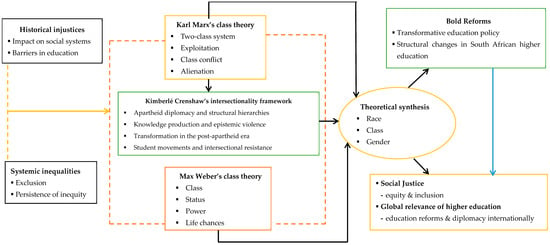
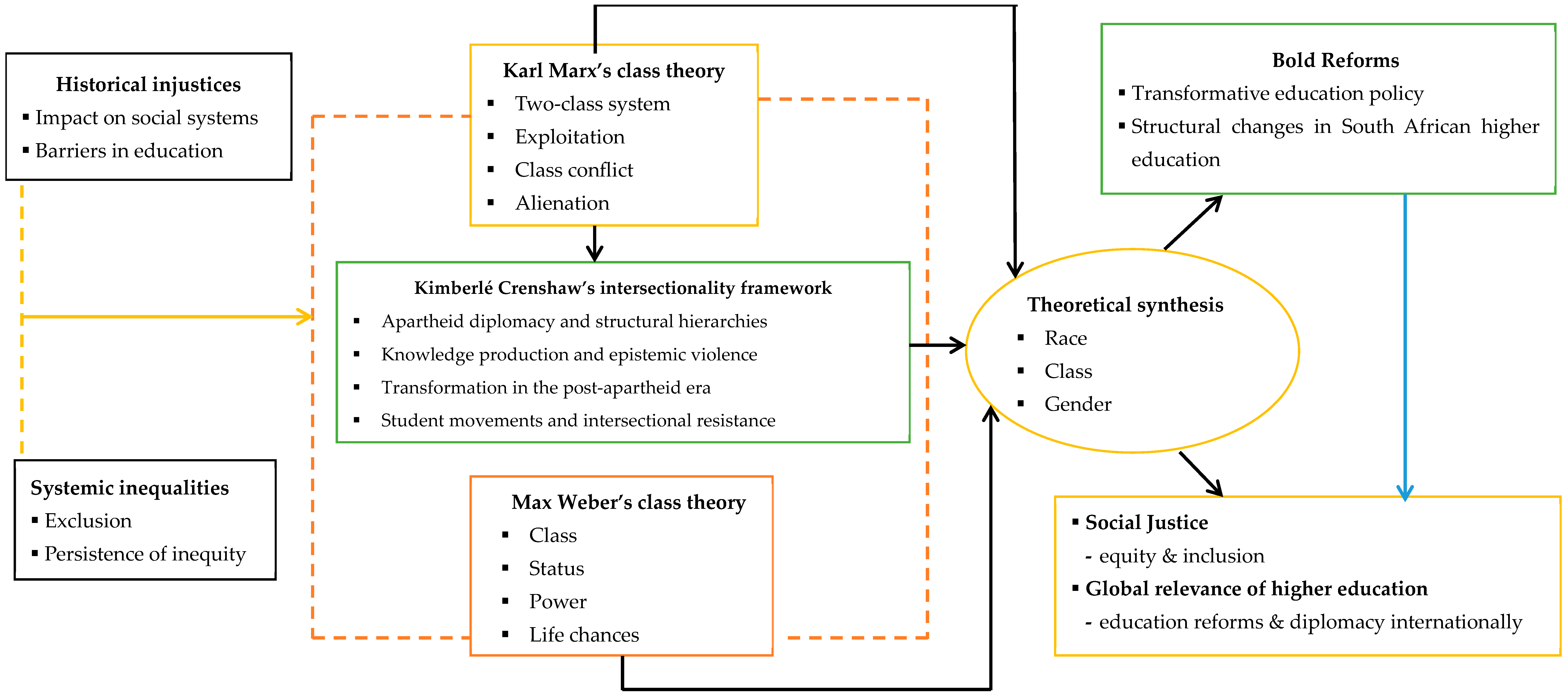
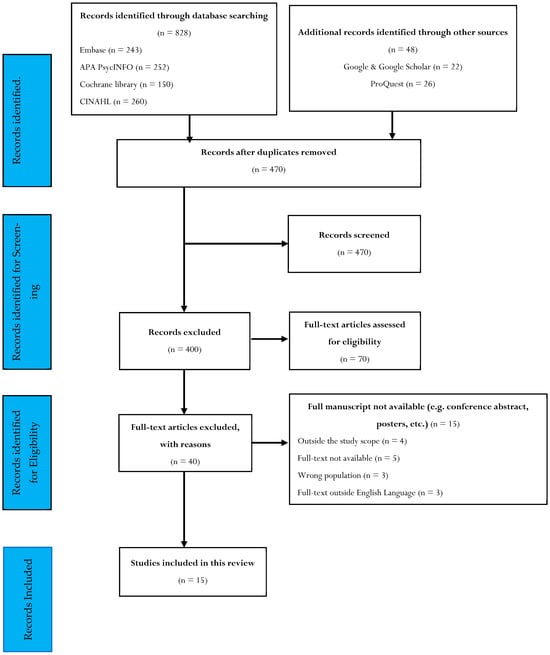
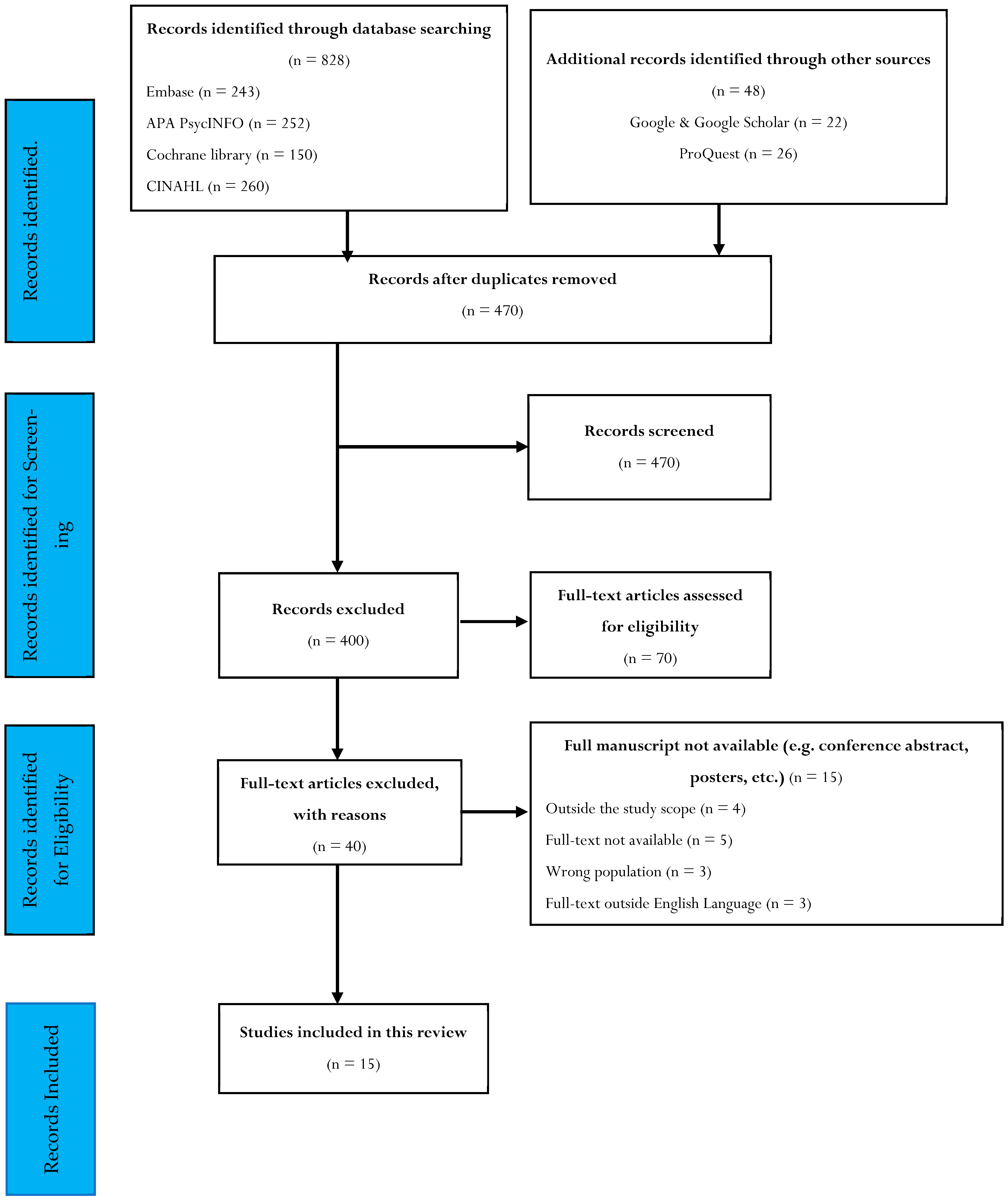

Disclaimer/Publisher’s Note: The statements, opinions and data contained in all publications are solely those of the individual author(s) and contributor(s) and not of MDPI and/or the editor(s). MDPI and/or the editor(s) disclaim responsibility for any injury to people or property resulting from any ideas, methods, instructions or products referred to in the content. |
© 2026 by the authors. Licensee MDPI, Basel, Switzerland. This article is an open access article distributed under the terms and conditions of the Creative Commons Attribution (CC BY) license.