


Abstract
Extracellular vesicles (EVs) are key mediators of intercellular communication across biological kingdoms, with central roles in immune regulation and disease processes. Despite shared structural features, EVs derived from bacteria, plants, and mammalian cells differ substantially in their biogenesis, molecular composition, and immunological functions. EV formation pathways generate vesicles with distinct cargo profiles, including pathogen-associated molecular patterns (PAMPs) in bacterial EVs, regulatory small RNAs in plant-derived vesicles, and cytokines, microRNAs, and antigen-presenting complexes in mammalian EVs. Differences in cargo result in divergent immune outcomes. Bacterial EVs predominantly activate innate immunity via pattern recognition receptors such as Toll-like receptors, whereas plant-derived EVs exhibit low immunogenicity and mediate cross-kingdom RNA interference. In contrast, mammalian EVs primarily regulate immune responses by modulating antigen presentation and cytokine signaling. These findings support a framework in which EV origin determines immunological function and therapeutic applicability. This perspective highlights the importance of selecting appropriate EV sources for vaccine development, regenerative medicine, and targeted delivery strategies, while addressing current challenges related to heterogeneity, standardization, and safety.
1. Introduction
Extracellular vesicles (EVs) are membrane-bound nanoparticles released by nearly all cell types across different biological kingdoms and are increasingly recognized as essential mediators of cell-to-cell signaling. Once thought to be cellular debris, EVs are now understood to be involved in a wide array of physiological and pathological activities, including immune regulation, tissue maintenance, microbial interaction, and host–pathogen dynamics [1,2,3,4,5].
The remarkable heterogeneity of EV populations has led to ongoing challenges in classification and nomenclature [1,6]. According to the latest MISEV23 guidelines, the nomenclature for vesicles has been refined to promote clarity and precision in the field. The term ‘extracellular vesicles’ (EVs) is defined as particles enclosed by a lipid bilayer that are incapable of autonomous replication, representing the vesicular component of extracellular particles [1]. While operational terms are recommended for describing vesicles, researchers are advised to use these terms cautiously, as separation methods may influence their accuracy. Biogenesis-related terminology should be avoided unless the specific subcellular origin of an extracellular vesicle can be demonstrated, given that most research addresses a broad population of EVs rather than distinct subtypes such as ectosomes or exosomes. In this context, ‘extracellular particles’ is used as an overarching term for cell-derived multimolecular assemblies ranging from nanometer to micron scale, encompassing both vesicular and non-vesicular entities, while ‘non-vesicular extracellular particles’ specifically refers to the non-vesicular fraction. These definitions are based on structural characteristics, independent of source or intended application, and reflect the most current recommendations for the accurate classification of vesicles [1].
Vesicles differ substantially in size, membrane composition, molecular cargo, and mechanisms of biogenesis, while considerable overlap exists between traditionally defined EV subpopulations [1,7]. Historically, EVs have often been categorized according to size and presumed origin, resulting in classifications such as exosomes, microvesicles, and apoptotic bodies [6]. However, accumulating evidence indicates that size alone cannot adequately predict EV function [1]. Although EV size influences physical characteristics such as cargo capacity and cellular uptake, increasing evidence indicates that cargo composition and biological function are primarily determined by biogenesis and the physiological state of the parent cell. For example, large mammalian EVs may contain mitochondrial components, cytokines, or damage-associated molecular patterns (DAMPs), whereas bacterial vesicles of comparable size can be enriched in pathogen-associated molecular patterns (PAMPs) and virulence factors, and plant-derived EVs (PDEVs) may carry regulatory small RNAs, defense-related molecules, and bioactive metabolites. Consequently, EV function emerges from the combined influence of size, cargo composition, membrane architecture, and biological origin rather than any single characteristic alone [5,6,7].
Interestingly, many of the therapeutic applications currently being explored for EVs appear to reflect these native biological functions. Mammalian EVs are primarily investigated for regenerative and immunomodulatory therapies, bacterial extracellular vesicles—outer membrane vesicles (OMVs)—have emerged as attractive platforms for vaccines and immune stimulation, whereas PDEVs are increasingly studied as oral delivery vehicles for bioactive compounds and RNA-based therapeutics [8,9,10,11]. Although these relationships are not necessarily causal, they suggest that the physiological functions fulfilled by EVs in their source organisms may provide valuable insight into their translational strengths and limitations.
Despite rapidly growing interest in EV biology, the relationship between EV origin, physiological function, and therapeutic applicability remains incompletely understood. Although EVs from mammalian, bacterial, and plant systems share common features as membrane-bound carriers of biological information, they arise through distinct biogenetic pathways, carry different molecular cargoes, and fulfill different physiological functions within their source organisms. These differences are increasingly reflected in their emerging biomedical applications, ranging from regenerative and immunomodulatory therapies to vaccine development and targeted delivery strategies. Therefore, this review adopts a cross-kingdom perspective to examine how EV origin shapes vesicle composition, immune interactions, and translational applicability, with particular emphasis on mammalian recipient systems. By integrating these aspects within a comparative framework, the review aims to provide a broader understanding of the relationship between biological origin, physiological function, and therapeutic potential.
2. Size and Origin-Specific Extracellular Vesicle Generation
Although membrane-based long-distance communication via EVs is not exclusive to mammalian organisms, it is also well established in plants, while the most extensive literature is available for humans and other mammals [12] and for bacterial cells [13] (Figure 1). The following section discusses EV generation across biological kingdoms.
Figure 1.
Schematic overview of extracellular vesicle (EV) biogenesis in mammalian, bacterial, and plant cells.
2.1. Mammalian Extracellular Vesicles (MEVs)
In mammalian systems, EVs comprise a heterogeneous population of membrane-bound structures that differ in biogenesis, size, and functional properties [14]. In this section, the classification of mammalian EVs is discussed with emphasis on size and biogenetic origin, as these features are closely linked to vesicle composition and function. The major EV subtypes include exosomes, microvesicles, and apoptotic bodies, each generated through distinct cellular pathways and characterized by specific size ranges and molecular compositions [14].
Exosomes are small vesicles, typically 30–150 nm in diameter, that are generated through the endosomal pathway [15]. Their formation begins with the inward budding of the limiting membrane of early endosomes, leading to the generation of intraluminal vesicles within MVBs [16]. This process is regulated by both Endosomal Sorting Complexes Required for Transport (ESCRT)-dependent mechanisms, involving proteins such as Tumor Susceptibility Gene 101 (TSG101) and Programmed Cell Death 6-Interacting Protein (ALIX), and ESCRT-independent pathways, including ceramide-driven membrane curvature [17,18,19]. When MVBs fuse with the plasma membrane, the intraluminal vesicles are released into the extracellular space as exosomes, a step regulated by RAB proteins [20]. Their cargo, including proteins, lipids, and nucleic acids, is selectively sorted and reflects the origin and physiological state of the parent cell [21].
In contrast, microvesicles, also referred to as ectosomes, are larger vesicles, typically ranging from approximately 100 nm to more than 500 nm, that form through direct outward budding and shedding of the plasma membrane [22]. Their biogenesis involves cytoskeletal remodeling, calcium influx, and redistribution of membrane phospholipids, particularly the externalization of phosphatidylserine, mediated by enzymes such as scramblases and flippases [23,24,25,26,27]. Apoptotic bodies, which may exceed 1 µm in diameter, are generated during programmed cell death and contain fragmented cellular material, including organelles and nuclear components [28].
These differences in size and biogenetic origin are not merely structural but also have important functional consequences. Smaller, exosome-sized vesicles show enhanced tissue penetration and are readily internalized by non-phagocytic cells through endocytic pathways, including clathrin-mediated endocytosis and macropinocytosis [15,29]. In contrast, microvesicles and apoptotic bodies are more commonly taken up by professional phagocytes, such as macrophages and dendritic cells, thereby promoting antigen processing and presentation [2]. As a result, vesicle size and biogenesis influence biodistribution, cellular uptake, and immunological outcomes, which are critical considerations for therapeutic applications [3].
2.2. Bacterial Extracellular Vesicles (BEVs)
The biogenesis of BEVs is a complex process regulated by both genetic and environmental factors, but it is fundamentally constrained by bacterial cell envelope architecture and its dynamic remodeling [30]. In bacteria, EV production serves not only as a means of communication but also contributes to virulence and to the protection and transfer of nucleic acids [10].
Selective cargo sorting in BEVs begins early during vesicle formation, once membrane curvature is established [5,31]. Membrane-associated proteins are preferentially incorporated, often through sequence-dependent mechanisms, whereas essential cellular enzymes are excluded [31]. This process can enrich vesicles in virulence factors and antibiotic-degrading enzymes, thereby increasing their local concentration. BEV formation is also accompanied by changes in lipid composition, with vesicle membranes often enriched in specialized signaling lipids relative to the parent membrane [4,31]. In addition to proteins and lipids, nucleic acid packaging—particularly of RNA—is regulated by RNA-binding proteins that recognize structural motifs, facilitating the incorporation of these molecules into vesicles involved in horizontal gene transfer and host gene modulation [32,33]. Not all BEVs, however, arise through regulated cargo-sorting pathways. Alternative mechanisms, including explosive cell lysis, can generate vesicles containing cytoplasmic material, DNA, and membrane fragments released during bacterial disruption [34]. Overall, BEVs act as biologically active carriers of molecular information that support bacterial survival, adaptation, and host interaction [35].
The cargo composition of BEVs is closely linked to their biogenetic origin. Vesicles generated through regulated membrane budding may show selective enrichment of proteins, RNAs, signaling molecules, and virulence-associated factors that support bacterial survival and host interaction. By contrast, vesicles formed through explosive cell lysis arise from bacterial envelope disruption and may contain cytoplasmic constituents, DNA, and membrane fragments released during cell death. Accordingly, the degree of cargo selectivity can vary substantially among BEV subpopulations, reflecting differences in their biogenesis [30,34,35].
2.2.1. Gram-Negative Bacterial Extracellular Vesicles
In Gram-negative bacteria, vesicle biogenesis primarily involves controlled outer membrane blebbing that occurs when local connections between the outer membrane and the underlying peptidoglycan layer are weakened. This process can be promoted by periplasmic protein accumulation or by curvature-inducing molecules embedded in the outer membrane. As the membrane protrudes and subsequently seals, a vesicle is released, capturing selected components of the periplasmic space [36].
EV composition and biological function are closely linked to vesicle origin and membrane architecture in Gram-negative species. Vesicles derived exclusively from the outer membrane are termed outer membrane vesicles (OMVs) [37]. These vesicles typically contain outer membrane components, including lipopolysaccharides (LPS), phospholipids, outer membrane proteins, and periplasmic proteins, including stress-associated factors such as heat-shock proteins, and may also contribute to the dissemination of antibiotic resistance determinants [38,39,40]. OMV formation is strongly influenced by the structural organization and lipid composition of the outer membrane [41]. Current models propose several mechanisms that may lead to vesicle formation. Current models propose several non-exclusive mechanisms of OMV biogenesis. One involves local changes in membrane properties caused by lipid or LPS remodeling, which generate curvature and promote vesicle budding [40,42]. A second mechanism suggests that increased periplasmic turgor drives outward bulging of the outer membrane, whereas a third proposes that reduced numbers of stabilizing links between the outer membrane and the peptidoglycan layer permit membrane blebbing and vesicle release [37].
In addition to classical OMVs, Gram-negative bacteria can produce vesicles that contain both outer and inner membrane components. These vesicles, often termed outer–inner membrane vesicles (OIMVs), are thought to arise through inward protrusion of the inner membrane into the periplasm before release, resulting in vesicles that also contain cytoplasmic material. Although OIMVs differ from mammalian exosomes in membrane architecture and biogenesis, both belong to the broader class of extracellular vesicles and share fundamental features, including a lipid bilayer boundary, cargo-transport capacity, and roles in intercellular communication. Gram-negative bacteria can also generate EVs through explosive cell lysis, a process in which the cell envelope ruptures and membrane fragments subsequently reassemble into spherical vesicles [43]. The resulting vesicles, often referred to as explosive outer membrane vesicles (EOMVs), can contain a broader range of cellular constituents, including DNA, cytoplasmic proteins, and inner membrane fragments, and may therefore facilitate horizontal gene transfer and biofilm formation [44]. Because these vesicles can encapsulate intracellular genetic material, this pathway is particularly relevant to the environmental dissemination of DNA [34].
2.2.2. Gram-Positive Bacteria
In Gram-positive bacteria, vesicle biogenesis presents additional structural challenges because protrusions originating from the cytoplasmic membrane must traverse a thick and rigid peptidoglycan layer. This process is facilitated by specialized autolytic enzymes, known as autolysins, which generate localized perforations and channels within the cell wall [45]. Under the influence of internal turgor pressure, these openings permit vesicle passage without necessarily compromising cell viability. In this way, Gram-positive bacteria can release extracellular vesicles that support intercellular communication and may contribute to immune evasion [46].
2.3. Plant-Originated Extracellular Vesicles (PEVs)
Plant-derived EVs display considerable size heterogeneity, although reported distributions vary widely across studies. Many reports describe plant extracellular vesicles, often referred to as exosome-like nanovesicles, within size ranges comparable to mammalian small EVs, whereas other vesicle populations, including exocyst-positive organelle-derived (EXPO) vesicles, may extend into the 200–500 nm range [11,47]. As a result, plant EV preparations often appear more heterogeneous than mammalian EV isolates. Direct comparisons remain difficult, however, because reported size distributions are strongly influenced by plant species, tissue source, isolation method, and analytical approach. Thus, although a general trend toward broader size distributions is evident, no consensus has yet been reached on the characteristic size range of plant-derived EVs [48,49]. This diversity likely reflects multiple routes of plant EV biogenesis, the structural constraints imposed by the cell wall, and substantial variation among plant species and isolation protocols [50].
EVs have recently gained increasing attention as important mediators of intercellular communication in plants. Similar to their counterparts in mammalian systems, plant-derived EVs are membrane-bound nanoparticles that transport a diverse cargo, including proteins, lipids, small RNAs, and other signaling molecules [51]. These vesicles are secreted into the apoplast and contribute to multiple physiological processes, including immune responses [11]. Growing evidence indicates that plant EVs play a central role in plant–pathogen interactions by delivering defense-related molecules to invading microorganisms and facilitating communication between plant cells. This EV-mediated transfer of bioactive cargo is an important component of plant innate immunity and highlights the broader significance of EVs across kingdoms [51].
The mechanisms underlying EV formation in plants are still being elucidated, but current evidence indicates that multiple biogenetic pathways contribute to EV production [52]. One well-characterized route involves multivesicular bodies (MVBs), which generate intraluminal vesicles through inward budding of the endosomal membrane. Upon fusion of MVBs with the plasma membrane, these vesicles are released into the apoplast as exosome-like EVs [53]. In several plant species, including Arabidopsis and tobacco, the tetraspanin-family proteins TET8 and TET9 have been identified as markers of these vesicles [54,55]. TET8-positive EVs are enriched in defense-related proteins and small RNAs, including small interfering RNAs (siRNAs), and accumulate during pathogen infection, supporting their role in plant immune responses [56,57].
In addition to MVB-derived vesicles, plants also produce EVs through a distinct pathway involving EXPOs, which have been implicated in defense against fungal and bacterial infection [58]. These double-membrane structures are characterized by the exocyst subunit Exo70E2 and are thought to contribute to unconventional protein secretion [59]. EXPO-derived vesicles are proposed to fuse directly with the plasma membrane, thereby releasing their internal vesicles into the extracellular space. Although the functional differences between MVB-derived EVs and EXPO-derived vesicles remain under investigation, the existence of multiple secretion routes suggests that plants use diverse vesicle-trafficking mechanisms to regulate extracellular communication and deliver defense-related cargo [51,58].
3. Origin-Specific Immunology
EV origin is a key determinant of biogenesis and strongly influences biodistribution, cellular uptake, and immune outcomes. These features are shaped not only by vesicle size but also by the structural and physiological properties of the parent cell, which differ systematically across biological kingdoms [8]. In the context of immunology, EVs can be considered from two complementary perspectives: the physiological conditions and cellular processes that drive their release, and the immune responses they elicit in recipient host cells after uptake [9] (Figure 2).
Figure 2.
Immune effect summarization of the EVs across kingdoms.
3.1. Mammalian Extracellular Vesicles (MEVs) Immune Responses
In mammalian systems, the physiological roles of EVs and their immune-modulatory effects are closely interconnected. Rather than representing distinct processes, EV release and EV-mediated immune communication are integral components of the same regulatory networks that maintain immune homeostasis, coordinate inflammation, and support tissue repair. Accordingly, the following section discusses these functions together.
Physiological Roles of EVs in Mammalian Systems and Immune Modulation Mechanisms of the MEVs
In mammalian organisms, extracellular vesicles (EVs) function as highly specialized mediators of intercellular communication that coordinate tissue homeostasis, immune surveillance, cellular adaptation, and tissue repair. In multicellular systems, communication between spatially separated cell populations is essential, and EVs contribute to this process by transferring proteins, lipids, nucleic acids, metabolites, and other signaling molecules [17,60,61]. Through this cargo transfer, EVs enable cells to respond dynamically to developmental cues, environmental changes, tissue injury, and infection. As a result, mammalian EVs participate in both the initiation and resolution of immune responses, with their effects largely reflecting the physiological state of the parent cell [62].
Within the immune system, EVs contribute to antigen presentation, adaptive immune activation, immune regulation, and tissue regeneration. EVs derived from dendritic cells (DCs) and B cells carry major histocompatibility complex (MHC)–antigen complexes together with co-stimulatory molecules such as CD80 and CD86, thereby enabling either direct T-cell activation or the transfer of antigenic information to other antigen-presenting cells through a mechanism termed “cross-dressing” [63].
EVs derived from natural killer (NK) cells are enriched in cytotoxic effector molecules, including perforin, granzymes, and granulysin, which enable them to exert direct cytolytic activity against target cells [64]. Similarly, B-cell-derived EVs carry MHC class II molecules and functional B-cell receptors, thereby supporting antigen presentation and promoting antigen-specific immune responses [65].
Placenta-derived EVs are important for establishing and maintaining maternal–fetal immune tolerance during pregnancy, thereby supporting the specialized immunological environment required for fetal development [66].
EVs also play an important role in immune tolerance. Regulatory T cell (Treg)-derived EVs exert immunosuppressive effects by inhibiting effector T-cell proliferation and promoting the release of anti-inflammatory cytokines such as transforming growth factor-beta (TGF-β) and interleukin-10 (IL-10), thereby limiting inflammation and supporting immune regulation [66,67]. In addition, T cell-derived EVs can transport Fas ligand and APO2 ligand, both of which contribute to activation-induced cell death and help maintain immune homeostasis [68,69,70]. Beyond cellular origin, the immunological activity of EVs is strongly influenced by the nature and relative abundance of their molecular cargo. Anti-inflammatory mediators and regulatory microRNAs promote immune tolerance and support tissue repair [71,72].
By contrast, EV-associated mitochondrial DNA, extracellular DNA, heat shock proteins, and other danger-associated molecules can activate pattern-recognition receptors, including TLR9 and cGAS-STING signaling pathways, thereby promoting innate immune activation and inflammatory responses. Importantly, EV activity depends not only on the presence of these mediators but also on their relative abundance and molecular context. Consequently, vesicles with similar physical properties may elicit markedly different immune responses depending on cargo composition and enrichment [71]. These observations highlight the dynamic and context-dependent roles of immune cell-derived EVs in regulating immune function.
3.2. Bacterial EV Immune Responses
3.2.1. Physiological Roles of BEVs Immune Response
In bacterial systems, EVs are integral to cellular physiology and are closely linked to envelope dynamics and stress adaptation [73]. Vesicle production is not merely constitutive but is modulated by environmental and cellular stressors, including oxidative stress, antibiotic exposure, nutrient limitation, and the accumulation of misfolded proteins in the periplasm [74,75]. Under these conditions, increased vesiculation functions as a protective response that helps maintain envelope integrity by removing damaged lipids, misfolded outer membrane proteins, and toxic compounds [76]. This process is often associated with envelope stress response pathways, such as RpoE-mediated signaling in Gram-negative bacteria, which regulate outer membrane protein folding, turnover, and membrane remodeling [76,77]. Although EV formation has been extensively studied in bacterial systems, the biological consequences of vesicle release extend well beyond microbial physiology. In multicellular organisms, bacterial EVs also act as important mediators of host interaction and immune modulation [78].
Beyond maintaining cellular homeostasis and mediating stress responses, bacterial EVs also facilitate communication among prokaryotic cells and contribute to microbial community dynamics [79]. By transporting signaling molecules, enzymes, and extracellular DNA, these vesicles support biofilm formation, matrix organization, and structural stability. Within biofilms, EVs may also carry quorum-sensing molecules that help coordinate collective bacterial behavior [79]. In addition, bacterial EVs are enriched in virulence-associated components, including LPS, invasins, adhesins, immunomodulatory compounds, and lytic enzymes [80]. Many bacteria also package antimicrobial factors into EVs, such as peptidoglycan hydrolases, which can lyse competing Gram-negative and Gram-positive bacteria. In this way, EV release enhances bacterial fitness, competitiveness, and survival in polymicrobial environments [43].
Bacterial EVs also facilitate horizontal gene transfer by encapsulating DNA, RNA, and plasmid fragments, thereby promoting the dissemination of antibiotic resistance genes and virulence factors [40,81]. Their composition and abundance depend strongly on the physiological state of the producing bacteria, with stress conditions often favoring the release of vesicles enriched in cytoplasmic material, particularly those generated through explosive cell lysis [4,34].
Overall, bacterial EV production represents a multifaceted strategy that integrates stress adaptation, envelope maintenance, and ecological competition. Rather than being passive byproducts, these vesicles function as dynamic extensions of the bacterial cell that promote survival in fluctuating and competitive environments.
3.2.2. Immune Modulation Mechanisms of the BEVs in Host Cells
Bacterial EVs can strongly influence host immune responses by presenting pathogen-associated molecular patterns (PAMPs) that are recognized by innate immune pattern-recognition receptors (PRRs). These molecules are detected by host PRRs, particularly Toll-like receptors (TLRs), thereby activating innate immune signaling pathways. Because BEVs can arise through multiple biogenetic routes—including OMVs, OIMVs, and EOMVs—they contain a diverse repertoire of immunologically active molecules [82].
OMVs carry surface-exposed PAMPs such as LPS and lipoproteins. Their nanoscale size favors transport to draining lymph nodes and interaction with pattern-recognition receptors on innate immune cells, which underlie their strong adjuvant activity in vaccine settings [83]. The PAMPs are primarily recognized by TLR4, whereas bacterial lipoproteins activate TLR2-dependent signaling. Engagement of these receptors triggers downstream pathways, including NF-κB activation and pro-inflammatory cytokine production, thereby initiating innate immune responses and shaping subsequent adaptive immunity [82].
Growth phase and environmental stress can alter OMV size distributions, and some bacteria produce multilamellar or enlarged blebs under specific conditions, further illustrating the influence of parental physiology on vesicle size [44,84].
From an immunological and translational perspective, vesicle size influences both therapeutic utility and potential adverse effects. Smaller EVs tend to distribute more systemically and may modulate distal immune responses or cellular programs through delivery of microRNA (miRNAs) and protein cargo, which is advantageous for regenerative or tolerogenic approaches. Larger vesicles and OMVs, by contrast, are well suited to delivering PAMPs and antigenic proteins to antigen-presenting cells and lymph nodes, making them attractive platforms for vaccines and cancer immunotherapies while also raising important safety considerations, including reactogenicity and endotoxin burden [83,85,86,87].
Gram-positive bacterial EVs can carry toxins, including hemolysins, and may induce host cell death or modulate immune responses through the transfer of blood-coagulation-related factors [88,89]. They have also been reported to interact with and inhibit the complement system and to influence both T-cell-dependent adaptive immunity and B-cell-mediated humoral responses, including the lysis of IgM- and IgG-coated antigens [90,91,92].
3.3. Plant-Originated EV Immune Responses
3.3.1. Physiological Roles of Plant-Originated EV Immune Responses
In plants, EVs play a central role in intercellular communication and defense-related signaling. These vesicles are actively involved in plant innate immunity, particularly in response to pathogen invasion [93].
Plant-derived EVs are increasingly recognized for their immunological functions, with exosome-like vesicles serving as carriers that deliver host small RNAs into fungal cells, thereby inhibiting fungal virulence mechanisms. The protein components of their cargo are also considered critical mediators of molecular recognition and signal transduction. These components play important roles in pathogen detection and in the initiation of immune signaling pathways [57,93].
A key mechanism underlying plant EV function is the delivery of siRNAs and miRNAs into invading pathogens, enabling cross-kingdom RNA interference. These RNAs are incorporated into RNA-induced silencing complexes (RISC) containing Argonaute proteins, particularly AGO1, and are processed by Dicer-like (DCL) enzymes prior to loading into EVs. Upon transfer into fungal cells, these RNAs target virulence-related genes, leading to gene silencing and reduced pathogenicity [57,94].
Plant EVs are also closely associated with pattern-triggered immunity (PTI). Membrane-bound pattern recognition receptors like Flagellin-Sensing 2 (FLS2) and Chitin Elicitor Receptor Kinase 1 (CERK1) identify PAMPs and initiate downstream signaling pathways, including MAP kinase routes and transcriptional changes [95]. EVs assist these processes by transporting defense-related proteins, such as pathogenesis-related (PR) proteins, proteases, and enzymes that modify the cell wall, into the apoplastic space, where they can directly engage with pathogens [96].
In addition to defense, plant EVs participate in physiological processes such as stress adaptation, tissue repair, and root development. Their cargo reflects environmental conditions and cellular status, suggesting that EV-mediated transport is integrated into broader plant stress-response networks, including salicylic acid- and jasmonic acid-dependent signaling pathways [97].
3.3.2. Host Immune Modulation of PEVs
Plant-derived extracellular vesicles have garnered growing scholarly interest due to their capacity to interact with mammalian systems while exhibiting minimal intrinsic immunogenicity. Following oral administration, these vesicles remain stable in the gastrointestinal tract and engage intestinal epithelial and immune cells, thereby helping preserve gut barrier integrity and modulating innate immune responses [97,98,99].
Mechanistically, plant EVs can be internalized by mammalian cells via endocytic pathways, enabling delivery of bioactive cargo, including small RNAs, lipids, and proteins. These molecules may influence host gene expression and immune signaling pathways, although the precise mechanisms remain under investigation. Compared to bacterial EVs, plant EVs generally lack strong PAMPs, resulting in reduced activation of TLR signaling and lower pro-inflammatory responses. This property makes them attractive candidates for therapeutic delivery systems, particularly for nucleic acid-based therapies and anti-inflammatory applications [11,98,99,100].
However, the functional properties of plant EVs are highly dependent on their source, isolation method, and physicochemical characteristics. Studies using vesicles derived from edible plants such as ginger and grapefruit have demonstrated variability in cargo composition, uptake efficiency, and biological activity. This heterogeneity presents a major challenge for standardization, dosing, and reproducibility in clinical applications [101].
These properties support the maintenance of gut barrier integrity, the modulation of innate immune responses, and low systemic immunogenicity, collectively making plant EVs promising candidates for the oral delivery of small RNAs and pharmaceutical agents. However, heterogeneity in source material and isolation methods, including differences among vesicles derived from plants such as ginger and grapefruit, may strongly influence their functional properties and therapeutic efficacy [76,99,101].
The therapeutic applicability of extracellular vesicles closely aligns with the physiological functions they serve in their source organisms. Mammalian EVs are enriched in regulatory mediators that support tissue homeostasis, immune modulation, and intercellular repair, thereby underpinning their relevance in regenerative medicine and immunomodulatory interventions [18]. In contrast, bacterial outer membrane vesicles (OMVs) contain pathogen-associated molecular patterns that efficiently activate innate and adaptive immune pathways, making them promising platforms for vaccine development and adjuvant design despite important safety considerations [32,83]. Plant-derived EVs generally exhibit low intrinsic immunogenicity and can transport small RNAs and bioactive compounds across biological barriers, supporting their investigation as oral delivery systems [11]. Collectively, these observations indicate that EV origin shapes cargo composition, cellular interactions, immune signaling, and, ultimately, therapeutic suitability.
In summary, neither origin nor cargo alone can reliably predict immune outcomes without concurrent compositional and functional characterization. For the field to advance translationally, head-to-head comparisons using standardized isolation methods and orthogonal sizing techniques are needed to link size-defined subpopulations to specific immune readouts and potency metrics (Table 1).
Table 1.
Summary of cross-kingdom extracellular vesicles.
4. Application of Extracellular Vesicles in Therapeutic Strategies
EVs have emerged as promising therapeutic tools due to their ability to transfer bioactive molecules and modulate immune responses. Importantly, the therapeutic potential of EVs is strongly dependent on their biological origin, as vesicles derived from plants, mammalian cells, and bacteria exhibit fundamentally different immunological properties. This diversity enables the rational selection of EV sources for specific clinical applications, ranging from anti-inflammatory therapies to vaccine development.
Despite the rapid expansion of EV research, several challenges continue to limit the translation of extracellular vesicles into routine therapeutic applications. Considerable progress has been achieved in the standardization of mammalian EV research through the MISEV guidelines, which provide recommendations for EV isolation, characterization, functional studies, and reporting practices. However, comparable frameworks remain underdeveloped for EVs derived from other biological kingdoms, particularly plant and bacterial systems, where differences in isolation procedures, nomenclature, and characterization methodologies continue to complicate direct comparisons between studies [1].
Furthermore, although numerous reports demonstrate promising immunomodulatory and therapeutic effects of mammalian-, bacterial-, and plant-derived EVs in experimental models, important questions regarding safety, biodistribution, dosage, long-term toxicity, and reproducibility remain unresolved and are still evolving [1,6]. This is particularly relevant for emerging therapeutic applications of plant-derived EVs and bacterial vesicles, where the relationship between cargo composition, immune activation, and potential adverse effects is not yet fully understood. While EV-based approaches already show substantial promise as diagnostic and prognostic tools, further mechanistic and translational studies are required before their therapeutic use can be broadly implemented in clinical practice. Future research should therefore focus on establishing standardized methodologies across all biological kingdoms, improving cargo characterization, clarifying dose–response relationships, and identifying the molecular mechanisms that govern EV-mediated biological effects. Such advances will be essential for translating the unique properties of EVs into safe and effective therapeutic strategies.
4.1. Therapeutic Strategies for MEVs
EVs derived from mammalian cells, human mesenchymal stem cells (MSC-EVs), and immune cell-derived EVs are widely investigated for their immunomodulatory and regenerative properties. These vesicles typically exert anti-inflammatory effects and contribute to immune regulation through multiple mechanisms.
MSC-derived EVs have been shown to promote macrophage polarization toward an anti-inflammatory M2 phenotype, inhibit dendritic cell maturation, and induce regulatory T cell (Treg) responses [105]. These effects are mediated by EV-associated cytokines, growth factors, and regulatory miRNAs, which collectively suppress excessive immune activation and support tissue repair. As a result, MSC-EVs are being explored in the treatment of autoimmune diseases, inflammatory disorders, and tissue injury [106].
Clinical translation of mammalian EVs is already underway. Multiple clinical trials are evaluating the safety and efficacy of MSC-derived EVs in regenerative medicine and inflammatory diseases (e.g., NCT05787288), and meta-analyses indicate a generally favorable safety profile [107]. In addition, immune cell-derived EVs are being investigated for their ability to enhance antigen presentation or modulate immune responses in cancer immunotherapy [108].
A particularly illustrative example of the relationship between physiological function and therapeutic application is provided by mitochondrial-containing extracellular vesicles (mitoEVs). Under physiological conditions, these vesicles contribute to intercellular metabolic communication by transferring mitochondrial components or intact mitochondria between cells, thereby supporting cellular adaptation and tissue homeostasis. This naturally occurring mechanism has attracted growing interest for regenerative medicine, where mitoEV-mediated mitochondrial transfer has been investigated as a potential strategy to restore bioenergetic function, reduce oxidative stress, and promote tissue repair following cellular injury [72,109,110]. Although the therapeutic potential of mitoEVs remains under active investigation, their development highlights how endogenous EV functions may inspire novel translational approaches.
4.2. Therapeutic Strategies for Bacterial-Derived EVs and Outer Membrane Vesicles
BEVs, particularly outer membrane vesicles (OMVs), represent a distinct class of therapeutic candidates with potent immunostimulatory properties. Unlike mammalian and plant EVs, which are more often explored for immune modulation or cargo delivery, OMVs are primarily investigated for their ability to activate innate immune responses [111].
As mentioned before, OMVs’ naturally immunostimulatory effect as intrinsic adjuvants makes them highly effective vaccine platforms by combining antigen delivery with immune activation [112]. To improve safety and broaden therapeutic applicability, several engineering strategies have been developed. These include detoxifying lipid A to reduce endotoxicity, genetically modifying bacterial strains to remove virulence factors, and optimizing antigen display on vesicle surfaces [113]. Such approaches have enabled the successful development of OMV-based vaccines, including licensed vaccines against Neisseria meningitidis, and continue to support research into their use against infectious diseases and in cancer immunotherapy [39,114].
However, the potent immunostimulatory nature of OMVs also raises safety considerations. Experimental studies have shown that OMVs can induce strong inflammatory responses, including activation of microglia and the NLRP3 inflammasome in the central nervous system. In mouse models, OMV exposure has been associated with neuroinflammation, disruption of blood–brain barrier integrity through downregulation of tight junction proteins such as zonula occludens-1 (ZO-1), occludin (OCLN), and claudin-5 (CLDN-5), and accumulation of β-amyloid, leading to cognitive impairment and tau phosphorylation [115,116]. These findings underscore the importance of carefully controlling OMV composition and dosing in therapeutic settings.
Despite their considerable therapeutic potential, several challenges continue to limit the clinical translation of bacterial EVs. The strong immunostimulatory properties that make OMVs attractive vaccine adjuvants may also provoke excessive inflammatory responses and reactogenicity [37,83,104]. Although genetic engineering and detergent-based detoxification strategies have reduced endotoxin-associated toxicity in several OMV-based platforms, maintaining an optimal balance between safety and immunogenicity remains a major challenge [85]. In addition, cargo composition can vary with bacterial strain, growth conditions, and vesicle isolation procedures, contributing to batch-to-batch variability and potentially affecting therapeutic consistency [31,76]. These limitations highlight the need for standardized production methods and comprehensive safety assessment in the future clinical development of bacterial EV-based therapeutics.
4.3. Therapeutic Strategies for PEVs
PEVs are increasingly recognized as low-immunogenic delivery systems with strong potential for oral and mucosal therapies. Their natural origin, stability in the gastrointestinal tract, and ability to carry small RNAs and bioactive compounds make them particularly attractive for therapeutic applications [114].
Plant-derived EVs have attracted considerable interest as delivery platforms due to their stability in the gastrointestinal tract, low intrinsic immunogenicity, and ability to transport diverse therapeutic cargoes [100,117,118]. A key mechanistic feature of PEVs is their involvement in cross-kingdom RNA interference. Plant EVs can deliver small RNAs into fungal or mammalian cells, where they regulate gene expression through RNA silencing pathways. This property has been proposed as a strategy for delivering pathogen-targeting RNAs in agriculture, but also highlights their broader potential as nucleic acid delivery systems [98].
Preclinical studies have demonstrated that PEVs can exert significant anti-inflammatory effects. For example, ginger-derived nanoparticles have been shown to reduce pro-inflammatory cytokine production, alleviate acute colitis, promote intestinal repair, and prevent the development of chronic colitis and colitis-associated cancer [114]. These effects are associated with the modulation of intestinal immune responses and the maintenance of epithelial barrier integrity. In addition to nucleic acids and conventional pharmaceutical agents, PEVs have also been proposed as carriers for naturally occurring bioactive compounds. Plant-derived polyphenols and bioactive organic acids have demonstrated anti-inflammatory, regenerative, and anticancer activities in experimental models, suggesting that EV-mediated delivery may further enhance their stability, bioavailability, and therapeutic potential [118].
In addition to anti-inflammatory applications, PEVs are being explored as carriers for drug delivery and nutraceutical formulations. Their low systemic immunogenicity and capacity to interact with gut epithelial and immune cells support their use in oral therapies and tumor-targeting strategies, although variability in source material and isolation methods remains a challenge for standardization [49].
Despite these encouraging findings, several factors continue to complicate the therapeutic development of PEV-based formulations. The biological composition of PEV preparations is strongly influenced by plant species, tissue source, growth conditions, extraction procedures, and isolation methodology, making direct comparisons between studies difficult [119]. Consequently, it remains unclear whether the observed therapeutic effects are primarily attributable to conserved vesicular mechanisms or to bioactive compounds naturally enriched in particular plant sources [120,121,122,123]. Furthermore, while oral administration is the most extensively investigated route of delivery, relatively limited information is available on dose–response relationships, biodistribution after repeated administration, and long-term safety. These questions become particularly important given reports that certain PEV populations may cross biological barriers, including the blood–brain barrier, potentially extending their systemic effects beyond the gastrointestinal tract [124]. These uncertainties are particularly relevant when considering systemic applications, where the immunological consequences of introducing plant-derived vesicles into mammalian tissues remain incompletely characterized. Therefore, although PEVs represent promising candidates for RNA delivery and mucosal therapies, additional mechanistic and translational studies are required before their therapeutic suitability can be fully assessed [11,12,124].
5. Conclusions
EVs have emerged as fundamental mediators of intercellular communication across biological kingdoms, with functions ranging from microbial ecology to complex immune regulation in multicellular organisms. Despite shared structural features, EVs derived from bacteria, plants, and mammalian cells exhibit distinct biological properties that reflect the physiological context and evolutionary pressures of their origin.
Taken together, the evidence reviewed here indicates that the immunological behavior and translational potential of EVs are determined chiefly by their cellular origin and molecular cargo.
BEVs, particularly OMVs, are enriched in PAMPs and act as potent activators of innate immunity through pathways that include TLR signaling and downstream NF-κB activation. In contrast, plant-derived EVs are characterized by low immunogenicity and the capacity to mediate cross-kingdom RNA interference, making them promising platforms for nucleic acid delivery and mucosal therapies. Mammalian EVs, especially those derived from stem cells and immune cells, predominantly exert regulatory effects by modulating cytokine signaling, antigen presentation, and immune cell differentiation.
These distinctions support the concept of “choosing the right EV” for a given therapeutic application. Bacterial EVs are well suited to vaccine development and other immunostimulatory strategies, whereas mammalian EVs are more appropriate for anti-inflammatory and regenerative interventions. Plant-derived EVs occupy an intermediate position as biocompatible delivery systems with minimal immunogenicity. Accordingly, the therapeutic promise of EVs lies not in a universal platform, but in the deliberate selection and engineering of vesicles with context-specific immunological properties.
Although the diagnostic value of EVs is increasingly supported by experimental and clinical evidence, their therapeutic application remains limited by unresolved challenges related to standardization, safety, dosing, and biological variability [73]. Overcoming these barriers will require continued mechanistic investigation together with careful translational development.
Emerging engineering strategies are increasingly being explored to overcome some of the intrinsic limitations associated with naturally derived EVs. Surface modification approaches, targeted ligand display, cargo loading techniques, and hybrid vesicle platforms have been developed to improve cellular targeting, enhance therapeutic potency, and increase cargo consistency. In mammalian EV systems, engineering approaches have been used to enrich specific RNAs, proteins, or immunomodulatory molecules and to improve tissue-specific delivery. Similar strategies have been applied to bacterial OMVs to reduce endotoxin-associated toxicity while preserving immunostimulatory activity. In plant-derived EVs, engineered cargo loading and formulation approaches may help address variability associated with natural source materials. Although these technologies remain at various stages of development, they illustrate how EV engineering may bridge the gap between naturally occurring biological functions and the requirements of standardized therapeutic products.
Future research should integrate mechanistic insight with advances in EV engineering, including targeted cargo loading, surface modification, and scalable production methods. A deeper understanding of how EV origin, cargo, and physicochemical properties shape immune responses will be essential for the rational design of next-generation EV-based therapeutics. Further investigation of the relationships among EV biogenesis, cellular stress conditions, and functional outcomes will be necessary to enable more precise control over vesicle composition and activity.
In conclusion, EVs represent a versatile and biologically grounded platform for immunomodulation and drug delivery. By leveraging the inherent diversity of EVs across biological kingdoms, it may be possible to develop tailored therapeutic strategies that harness their distinct immunological functions. This cross-kingdom perspective provides a useful conceptual framework for advancing EV research from descriptive biology toward more precise translational applications.
Author Contributions
Conceptualization: B.S.-T. and G.A.; methodology: D.S.K.; resources: O.S. and G.J.; writing—original draft preparation: B.S.-T. and K.N.; writing—review and editing: B.S.-T., D.A., G.A., B.T.-M.; visualization: G.J.; supervision: T.B.; funding acquisition: D.S.K., O.S., I.T. All authors have read and agreed to the published version of the manuscript.
Funding
Project no. RRF-2.3.1-21-2022-00001 has been implemented with the support provided by the Recovery and Resilience Facility (RRF), financed under the National Redget estimatcovery Fund bue, RRF-2.3.1-21 funding scheme. This study was also supported by the strategic research fund of the University of Veterinary Medicine, Budapest, Grant No. SRF-003. The project was also supported by the Ministry of Culture and Innovation through the National Research, Development and Innovation Fund under Grant No. 2024-1.2.5-TÉT-2024-00064, within the framework of the 2024-1.2.5-TÉT funding programme.
Institutional Review Board Statement
Not applicable.
Informed Consent Statement
Not applicable for this review.
Data Availability Statement
In this review, no new data were created.
Acknowledgments
The authors have reviewed and edited the output and take full responsibility for the content of this publication.
Conflicts of Interest
The authors declare no conflicts of interest.
Abbreviations
The following abbreviations are used in this manuscript:
| ALIX | Programmed cell death 6-interacting protein |
| BEV | Bacterial extracellular vesicle |
| CERK1 | Chitin elicitor receptor kinase 1 |
| DC | Dendritic cell |
| DCL | Dicer-like |
| EOMV | Explosive outer membrane vesicle |
| ESCRT | Endosomal sorting complexes required for transport |
| EV | Extracellular vesicle |
| EXPO | Exocyst-positive organelle |
| FLS2 | Flagellin-sensing 2 |
| IL-10 | Interleukin-10 |
| LPS | Lipopolysaccharide |
| MEV | Mammalian extracellular vesicle |
| miRNAs | MicroRNA |
| MSC-EV | Mesenchymal stem cell-extracellular vesicle |
| MVB | Multivesicular body |
| NF-κB | Nuclear factor kappa-light-chain-enhancer of activated B cells |
| OIMV | Outer-inner membrane vesicle |
| OMV | Outer membrane vesicle |
| PAMP | Pathogen-associated molecular pattern |
| PEV | Plant-originated extracellular vesicle |
| PR | Pathogenesis-related |
| PRR | PAMP recognition receptor |
| PTI | Pattern-triggered immunity |
| RISC | RNA-induced silencing |
| siRNAs | Small interfering RNA |
| TGF-β | Transforming growth factor-beta |
| TLR | Toll-like receptor |
| Treg | Regulatory T cell |
| TSG101 | Tumor Susceptibility Gene 101 |
References
- Welsh, J.A.; Goberdhan, D.C.I.; O’DRiscoll, L.; Buzas, E.I.; Blenkiron, C.; Bussolati, B.; Cai, H.; Di Vizio, D.; Driedonks, T.A.P.; Erdbrügger, U.; et al. Minimal information for studies of extracellular vesicles (MISEV2023): From basic to advanced approaches. J. Extracell. Vesicles 2024, 13, e12404. [Google Scholar] [CrossRef] [PubMed]
- Hodge, A.L.; A Baxter, A.; Poon, I.K.H. Gift bags from the sentinel cells of the immune system: The diverse role of dendritic cell-derived extracellular vesicles. J. Leukoc. Biol. 2022, 111, 903–920. [Google Scholar] [CrossRef] [PubMed]
- van de Wakker, S.I.; Bauzá-Martinez, J.; Arceo, C.R.; Manjikian, H.; Blok, C.J.B.S.; Roefs, M.T.; Willms, E.; Maas, R.G.C.; Pronker, M.F.; de Jong, O.G.; et al. Size matters: Functional differences of small extracellular vesicle subpopulations in cardiac repair responses. J. Extracell. Vesicles 2024, 13, e12396. [Google Scholar] [CrossRef] [PubMed]
- Ciobanasu, C. Bacterial Extracellular Vesicles and Antimicrobial Peptides: A Synergistic Approach to Overcome Antimicrobial Resistance. Antibiotics 2025, 14, 414. [Google Scholar] [CrossRef] [PubMed]
- Sartorio, M.G.; Pardue, E.J.; Scott, N.E.; Feldman, M.F. Human gut bacteria tailor extracellular vesicle cargo for the breakdown of diet- and host-derived glycans. Proc. Natl. Acad. Sci. USA 2023, 120, e2306314120. [Google Scholar] [CrossRef] [PubMed]
- Théry, C.; Witwer, K.W.; Aikawa, E.; Alcaraz, M.J.; Anderson, J.D.; Andriantsitohaina, R.; Antoniou, A.; Arab, T.; Archer, F.; Atkin-Smith, G.K.; et al. Minimal information for studies of extracellular vesicles 2018 (MISEV2018): A position statement of the International Society for Extracellular Vesicles and update of the MISEV2014 guidelines. J. Extracell. Vesicles 2018, 7, 1535750. [Google Scholar] [CrossRef] [PubMed]
- Dixson, A.C.; Dawson, T.R.; Di Vizio, D.; Weaver, A.M. Context-specific regulation of extracellular vesicle biogenesis and cargo selection. Nat. Rev. Mol. Cell Biol. 2023, 24, 454–476. [Google Scholar] [CrossRef] [PubMed]
- Deshetty, U.M.; Singh, S.; Martínez-Cuevas, F.L.; Jain, S.; Buch, S.; Periyasamy, P. Extracellular Vesicles in Neuroinflammation: Insights into Pathogenesis, Biomarker Potential, and Therapeutic Strategies. Immuno 2026, 6, 12. [Google Scholar] [CrossRef]
- Meldolesi, J. Extracellular vesicles, news about their role in immune cells: Physiology, pathology and diseases. Clin. Exp. Immunol. 2019, 196, 318–327. [Google Scholar] [CrossRef] [PubMed]
- Ge, Y.; Sun, F.; Zhao, B.; Kong, F.; Li, Z.; Kong, X. Bacteria derived extracellular vesicles in the pathogenesis and treatment of gastrointestinal tumours. Front. Oncol. 2023, 12, 1103446. [Google Scholar] [CrossRef] [PubMed]
- Zhang, Q.; Duan, H.; Yang, Y.; Yu, H.; Wang, W.; Li, B. Recent Advances in Plant-Derived Extracellular Vesicles as Nanoparticles for Cancer Drug Delivery. Int. J. Nanomed. 2025, 20, 14977–15016. [Google Scholar] [CrossRef] [PubMed]
- Alzahrani, F.A.; Khan, M.I.; Kameli, N.; Alsahafi, E.; Riza, Y.M. Plant-Derived Extracellular Vesicles and Their Exciting Potential as the Future of Next-Generation Drug Delivery. Biomolecules 2023, 13, 839. [Google Scholar] [CrossRef] [PubMed]
- Turkova, K.; Balvan, J.; Ambrozova, G.; Galisova, A.; Hyzdalova, M.; Tripisciano, C.; Cerny, V.; Schabussova, I.; Holnthoner, W.; Pospichalova, V.; et al. A comprehensive summary of the ASEV-CzeSEV joint meeting on extracellular vesicles. Extracell. Vesicles Circ. Nucleic Acids 2024, 5, 765–784. [Google Scholar] [CrossRef] [PubMed]
- Nidhi, G.; Yadav, V.; Singh, T.; Sharma, D.; Bohot, M.; Satapathy, S.R. Beyond boundaries: Exploring the role of extracellular vesicles in organ-specific metastasis in solid tumors. Front. Immunol. 2025, 16, 1593834. [Google Scholar] [CrossRef] [PubMed]
- Kim, H.I.; Park, J.; Zhu, Y.; Wang, X.; Han, Y.; Zhang, D. Recent advances in extracellular vesicles for therapeutic cargo delivery. Exp. Mol. Med. 2024, 56, 836–849. [Google Scholar] [CrossRef] [PubMed]
- Kalra, H.; Drummen, G.; Mathivanan, S. Focus on Extracellular Vesicles: Introducing the Next Small Big Thing. Int. J. Mol. Sci. 2016, 17, 170. [Google Scholar] [CrossRef] [PubMed]
- Lee, Y.J.; Shin, K.J.; Chae, Y.C. Regulation of cargo selection in exosome biogenesis and its biomedical applications in cancer. Exp. Mol. Med. 2024, 56, 877–889. [Google Scholar] [CrossRef] [PubMed]
- Chigozie, V.U. Exosomal bioactive molecules: Molecular regulation, functional heterogeneity, and translational implications in disease diagnostics and therapeutics. Clin. Exp. Med. 2026, 26, 179. [Google Scholar] [CrossRef] [PubMed]
- Amabebe, E.; Kumar, A.; Tatiparthy, M.; Kammala, A.K.; Taylor, B.D.; Menon, R. Cargo exchange between human and bacterial extracellular vesicles in gestational tissues: A new paradigm in communication and immune development. Xtracell. Vesicles Circ. Nucleic Acids 2024, 5, 297–328. [Google Scholar] [CrossRef] [PubMed]
- Xu, M.; Ji, J.; Jin, D.; Wu, Y.; Wu, T.; Lin, R.; Zhu, S.; Jiang, F.; Ji, Y.; Bao, B.; et al. The biogenesis and secretion of exosomes and multivesicular bodies (MVBs): Intercellular shuttles and implications in human diseases. Genes Dis. 2023, 10, 1894–1907. [Google Scholar] [CrossRef] [PubMed]
- Li, J.; Zhang, Y.; Dong, P.-Y.; Yang, G.-M.; Gurunathan, S. A comprehensive review on the composition, biogenesis, purification, and multifunctional role of exosome as delivery vehicles for cancer therapy. Biomed. Pharmacother. 2023, 165, 115087. [Google Scholar] [CrossRef] [PubMed]
- McDaniel, K.; Correa, R.; Zhou, T.; Johnson, C.; Francis, H.; Glaser, S.; Venter, J.; Alpini, G.; Meng, F. Functional role of microvesicles in gastrointestinal malignancies. Ann. Transl. Med. 2013, 1, 4. [Google Scholar] [CrossRef] [PubMed]
- Chen, A.; Ding, W.-X.; Ni, H.-M. Scramblases as Regulators of Autophagy and Lipid Homeostasis: Implications for NAFLD. Autophagy Rep. 2022, 1, 143–160. [Google Scholar] [CrossRef] [PubMed]
- Clancy, J.W.; Schmidtmann, M.; D’Souza-Schorey, C. The ins and outs of microvesicles. FASEB Bioadv 2021, 3, 399–406. [Google Scholar] [CrossRef] [PubMed]
- Crawford, S.; Diamond, D.; Brustolon, L.; Penarreta, R. Effect of Increased Extracellular Ca++ on Microvesicle Production and Tumor Spheroid Formation. Cancer Microenv 2011, 4, 93–103. [Google Scholar] [CrossRef]
- Pasquet, J.; Dachary-Prigent, J.; Nurden, A.T. Calcium Influx is a Determining Factor of Calpain Activation and Microparticle Formation in Platelets. Eur. J. Biochem. 1996, 239, 647–654. [Google Scholar] [CrossRef] [PubMed]
- Pasquet, J.-M.; Dachary-Prigent, J.; Nurden, A.T. Microvesicle release is associated with extensive protein tyrosine dephosphorylation in platelets stimulated by A23187 or a mixture of thrombin and collagen. Biochem. J. 1998, 333, 591–599. [Google Scholar] [CrossRef] [PubMed]
- Santavanond, J.P.; Rutter, S.F.; Atkin-Smith, G.K.; Poon, I.K.H. Apoptotic Bodies: Mechanism of Formation, Isolation and Functional Relevance. In New Frontiers: Extracellular Vesicles; Mathivanan, S., Fonseka, P., Nedeva, C., Atukorala, I., Eds.; Springer International Publishing: Cham, Switzerland, 2021; pp. 61–88. [Google Scholar]
- Geng, T.; Tian, L.; Paek, S.Y.; Leung, E.; Chamley, L.W.; Wu, Z. Characterizing Extracellular Vesicles Generated from the Integra CELLine Culture System and Their Endocytic Pathways for Intracellular Drug Delivery. Pharmaceutics 2024, 16, 1206. [Google Scholar] [CrossRef] [PubMed]
- Federica, D.; Cosimato, I.; Salzano, F.; Mensitieri, F.; Andretta, V.; Santoro, E.; Boccia, G.; Folliero, V.; Franci, G. Adaptations of Bacterial Extracellular Vesicles in Response to Antibiotic Pressure. Int. J. Mol. Sci. 2025, 26, 5025. [Google Scholar] [CrossRef] [PubMed]
- Haurat, M.F.; Aduse-Opoku, J.; Rangarajan, M.; Dorobantu, L.; Gray, M.R.; Curtis, M.A.; Feldman, M.F. Selective Sorting of Cargo Proteins into Bacterial Membrane Vesicles. J. Biol. Chem. 2011, 286, 1269–1276. [Google Scholar] [CrossRef] [PubMed]
- Charpentier, L.A.; Stanton, B.A. Bacterial EVs contain small RNAs and transfer RNAs that regulate inflammation in lung infections. Front. Immunol. 2026, 17, 1677190. [Google Scholar] [CrossRef] [PubMed]
- Schemiko Almeida, K.; Rossi, S.A.; Alves, L.R. RNA-containing extracellular vesicles in infection. RNA Biol. 2024, 21, 1275–1289. [Google Scholar] [CrossRef] [PubMed]
- Turnbull, L.; Toyofuku, M.; Hynen, A.L.; Kurosawa, M.; Pessi, G.; Petty, N.K.; Osvath, S.R.; Cárcamo-Oyarce, G.; Gloag, E.S.; Shimoni, R.; et al. Explosive cell lysis as a mechanism for the biogenesis of bacterial membrane vesicles and biofilms. Nat. Commun. 2016, 7, 11220. [Google Scholar] [CrossRef] [PubMed]
- Lécrivain, A.-L.; Beckmann, B.M. Bacterial RNA in extracellular vesicles: A new regulator of host-pathogen interactions? Biochim. Biophys. Acta (BBA) —Gene Regul. Mech. 2020, 1863, 194519. [Google Scholar] [CrossRef] [PubMed]
- Toyofuku, M.; Nomura, N.; Eberl, L. Types and origins of bacterial membrane vesicles. Nat. Rev. Microbiol. 2019, 17, 13–24. [Google Scholar] [CrossRef] [PubMed]
- Furuyama, N.; Sircili, M.P. Outer Membrane Vesicles (OMVs) Produced by Gram-Negative Bacteria: Structure, Functions, Biogenesis, and Vaccine Application. BioMed Res. Int. 2021, 2021, 1490732. [Google Scholar] [CrossRef] [PubMed]
- Miao, B.; Han, J.; Jiang, Y.; Yu, L.; Liu, Y.; Du, F.; Zhu, X.; Gong, X.; Li, Z.; Chen, Z.; et al. Bacterial outer membrane vesicles: A novel target in mediating bacterial infection and host immune responses. World J. Microbiol. Biotechnol. 2025, 41, 363. [Google Scholar] [CrossRef] [PubMed]
- Zahid, A.; Ismail, H.; Wilson, J.C.; Grice, I.D. Bioengineering Outer-Membrane Vesicles for Vaccine Development: Strategies, Advances, and Perspectives. Vaccines 2025, 13, 767. [Google Scholar] [CrossRef] [PubMed]
- Rima, M.; Dakramanji, M.; El Hayek, E.; El Khoury, T.; Fajloun, Z.; Rima, M. Unveiling the wonders of bacteria-derived extracellular vesicles: From fundamental functions to beneficial applications. Heliyon 2025, 11, e42509. [Google Scholar] [CrossRef] [PubMed]
- Schwechheimer, C.; Kulp, A.; Kuehn, M.J. Modulation of bacterial outer membrane vesicle production by envelope structure and content. BMC Microbiol. 2014, 14, 324. [Google Scholar] [CrossRef] [PubMed]
- Bonnington, K.E.; Kuehn, M.J. Outer Membrane Vesicle Production Facilitates LPS Remodeling and Outer Membrane Maintenance in Salmonella during Environmental Transitions. mBio 2016, 7, e01532-16. [Google Scholar] [CrossRef] [PubMed]
- Pérez-Cruz, C.; Delgado, L.; López-Iglesias, C.; Mercade, E. Outer-Inner Membrane Vesicles Naturally Secreted by Gram-Negative Pathogenic Bacteria. PLoS ONE 2015, 10, e0116896. [Google Scholar] [CrossRef] [PubMed]
- Avila-Calderón, E.D.; Ruiz-Palma, M.D.S.; Aguilera-Arreola, M.A.G.; Velázquez-Guadarrama, N.; Ruiz, E.A.; Gomez-Lunar, Z.; Witonsky, S.; Contreras-Rodríguez, A. Outer Membrane Vesicles of Gram-Negative Bacteria: An Outlook on Biogenesis. Front. Microbiol. 2021, 12, 557902. [Google Scholar] [CrossRef] [PubMed]
- Briaud, P.; Carroll, R.K. Extracellular Vesicle Biogenesis and Functions in Gram-Positive Bacteria. Infect. Immun. 2020, 88, e00433-20. [Google Scholar] [CrossRef] [PubMed]
- Jeong, D.; Kim, M.J.; Park, Y.; Chung, J.; Kweon, H.-S.; Kang, N.-G.; Hwang, S.J.; Youn, S.H.; Hwang, B.K.; Kim, D. Visualizing extracellular vesicle biogenesis in gram-positive bacteria using super-resolution microscopy. BMC Biol. 2022, 20, 270. [Google Scholar] [CrossRef] [PubMed]
- Nueraihemaiti, N.; Dilimulati, D.; Baishan, A.; Hailati, S.; Maihemuti, N.; Aikebaier, A.; Paerhati, Y.; Zhou, W. Advances in Plant-Derived Extracellular Vesicle Extraction Methods and Pharmacological Effects. Biology 2025, 14, 377. [Google Scholar] [CrossRef] [PubMed]
- Rehman, T.U.; Li, H.; Martuscelli, M.; Aiello, F.; Esposito, L.; Ashraf, K.; Guo, M.; Mohsin, A. Plant-Derived Exosomes: Nano-Inducers of Cross-Kingdom Regulations. Pharmaceuticals 2025, 18, 1005. [Google Scholar] [CrossRef] [PubMed]
- Wu, H.; Shi, M.; Meng, L.; Qiu, J.; Jiang, Y.; Qian, D.; Shen, F. Plant-derived extracellular vesicles as a novel tumor-targeting delivery system for cancer treatment. Front. Cell Dev. Biol. 2025, 13, 1589550. [Google Scholar] [CrossRef] [PubMed]
- Nemati, M.; Singh, B.; Mir, R.A.; Nemati, M.; Babaei, A.; Ahmadi, M.; Rasmi, Y.; Golezani, A.G.; Rezaie, J. Plant-derived extracellular vesicles: A novel nanomedicine approach with advantages and challenges. Cell Commun. Signal. 2022, 20, 69. [Google Scholar] [CrossRef] [PubMed]
- Lian, M.Q.; Chng, W.H.; Liang, J.; Yeo, H.Q.; Lee, C.K.; Belaid, M.; Tollemeto, M.; Wacker, M.G.; Czarny, B.; Pastorin, G. Plant-derived extracellular vesicles: Recent advancements and current challenges on their use for biomedical applications. J. Extracell. Vesicles 2022, 11, 12283. [Google Scholar] [CrossRef] [PubMed]
- Carvalho Ferraz, L.; Pereira, P.; Ferreira, J.V. Molecular Mechanisms of Extracellular Vesicle Biogenesis and Their Impact on the Design of Custom EVs. Adv. Heal. Mater. 2025, 14, e2501349. [Google Scholar] [CrossRef] [PubMed]
- Li, X.; Bao, H.; Wang, Z.; Wang, M.; Fan, B.; Zhu, C.; Chen, Z. Biogenesis and Function of Multivesicular Bodies in Plant Immunity. Front. Plant Sci. 2018, 9, 979. [Google Scholar] [CrossRef] [PubMed]
- Kocholata, M.; Prusova, M.; Malinska, H.A.; Maly, J.; Janouskova, O. Comparison of two isolation methods of tobacco-derived extracellular vesicles, their characterization and uptake by plant and rat cells. Sci. Rep. 2022, 12, 19896. [Google Scholar] [CrossRef] [PubMed]
- Koch, B.L.; Rutter, B.D.; Borniego, M.L.; Singla-Rastogi, M.; Gardner, D.M.; Innes, R.W. Arabidopsis Produces Distinct Subpopulations of Extracellular Vesicles That Respond Differentially to Biotic Stress, Altering Growth and Infectivity of a Fungal Pathogen. J. Extracell. Vesicles 2025, 14, e70090. [Google Scholar] [CrossRef] [PubMed]
- Meng, X.; Jin, W.; Wu, F. Novel tomato miRNA miR1001 initiates cross-species regulation to suppress the conidiospore germination and infection virulence of Botrytis cinerea in vitro. Gene 2020, 759, 145002. [Google Scholar] [CrossRef] [PubMed]
- Cai, Q.; Qiao, L.; Wang, M.; He, B.; Lin, F.-M.; Palmquist, J.; Huang, S.-D.; Jin, H. Plants send small RNAs in extracellular vesicles to fungal pathogen to silence virulence genes. Science 2018, 360, 1126–1129. [Google Scholar] [CrossRef] [PubMed]
- Cui, Y.; Gao, J.; He, Y.; Jiang, L. Plant extracellular vesicles. Protoplasma 2020, 257, 3–12. [Google Scholar] [CrossRef] [PubMed]
- Gao, J.; Li, Y.; Zhang, S.; He, Y.; Liu, Z.; Wang, J.; Hua, J.; Chen, J.; Zhong, J.; Zhong, H.; et al. Structural and Functional Characterization of EXPO-Derived Extracellular Vesicles in Plants. Adv. Sci. 2026, 13, e06163. [Google Scholar] [CrossRef] [PubMed]
- Wessler, S.; Meisner-Kober, N. On the road: Extracellular vesicles in intercellular communication. Cell Commun. Signal. 2025, 23, 95. [Google Scholar] [CrossRef] [PubMed]
- Lee, Y.; Kim, J.-H. The emerging roles of extracellular vesicles as intercellular messengers in liver physiology and pathology. Clin. Mol. Hepatol. 2022, 28, 706–724. [Google Scholar] [CrossRef] [PubMed]
- Théry, C.; Ostrowski, M.; Segura, E. Membrane vesicles as conveyors of immune responses. Nat. Rev. Immunol. 2009, 9, 581–593. [Google Scholar] [CrossRef] [PubMed]
- Zeng, F.; Morelli, A.E. Extracellular vesicle-mediated MHC cross-dressing in immune homeostasis, transplantation, infectious diseases, and cancer. Semin. Immunopathol. 2018, 40, 477–490. [Google Scholar] [CrossRef] [PubMed]
- Cochran, A.M.; Kornbluth, J. Extracellular Vesicles From the Human Natural Killer Cell Line NK3.3 Have Broad and Potent Anti-Tumor Activity. Front. Cell Dev. Biol. 2021, 9, 698639. [Google Scholar] [CrossRef] [PubMed]
- Kato, T.; Fahrmann, J.F.; Hanash, S.M.; Vykoukal, J. Extracellular Vesicles Mediate B Cell Immune Response and Are a Potential Target for Cancer Therapy. Cells 2020, 9, 1518. [Google Scholar] [CrossRef] [PubMed]
- Lewis, E.; Lee, S.J.; Park, H.-R. Placenta-derived extracellular vesicles in fetal health: Emerging insights into brain development and environmental interactions. Exp. Mol. Med. 2025, 57, 2729–2738. [Google Scholar] [CrossRef] [PubMed]
- Lin, C.; Guo, J.; Jia, R. Roles of Regulatory T Cell-Derived Extracellular Vesicles in Human Diseases. Int. J. Mol. Sci. 2022, 23, 11206. [Google Scholar] [CrossRef] [PubMed]
- Cheon, S.Y.; Lee, J.E. Extracellular Vesicles and Immune System in Ageing and Immune Diseases. Xp. Neurobiol. 2021, 30, 32–47. [Google Scholar] [CrossRef] [PubMed]
- Garcia, M.J.C.; Hnit, S.S.T.; Shklovskaya, E.; Wang, Y. T cell-derived small extracellular vesicles in cancer–immune interactions. Cancer Immunol. Immunother. 2025, 74, 252. [Google Scholar] [CrossRef] [PubMed]
- Buzas, E.I. The roles of extracellular vesicles in the immune system. Nat. Rev. Immunol. 2023, 23, 236–250. [Google Scholar] [CrossRef] [PubMed]
- Hu, Q.; Lyon, C.J.; Fletcher, J.K.; Tang, W.; Wan, M.; Hu, T.Y. Extracellular vesicle activities regulating macrophage- and tissue-mediated injury and repair responses. Acta Pharm. Sin. B 2021, 11, 1493–1512. [Google Scholar] [CrossRef] [PubMed]
- Lou, P.; Zhou, X.; Zhang, Y.; Xie, Y.; Wang, Y.; Wang, C.; Liu, S.; Wan, M.; Lu, Y.; Liu, J. Harnessing tissue-derived mitochondria-rich extracellular vesicles (Ti-mitoEVs) to boost mitochondrial biogenesis for regenerative medicine. Sci. Adv. 2025, 11, eadt1318. [Google Scholar] [CrossRef] [PubMed]
- Choi, D.; Lee, E.-Y. Standardizing Bacterial Extracellular Vesicle Purification: A Call for Consensus. J. Microbiol. Biotechnol. 2025, 35, e2506011. [Google Scholar] [CrossRef] [PubMed]
- McMillan, H.M.; Kuehn, M.J. The extracellular vesicle generation paradox: A bacterial point of view. EMBO J. 2021, 40, e108174. [Google Scholar] [CrossRef] [PubMed]
- Hews, C.L.; Cho, T.; Rowley, G.; Raivio, T.L. Maintaining Integrity Under Stress: Envelope Stress Response Regulation of Pathogenesis in Gram-Negative Bacteria. Front. Cell. Infect. Microbiol. 2019, 9, 313. [Google Scholar] [CrossRef] [PubMed]
- Canalejo-Marco, G.; Arruebo, M.; Sebastian, V. Unlocking the potential of bacterial membrane vesicles: Advances in isolation techniques and biomedical applications. Colloids Surf. B Biointerfaces 2026, 258, 115235. [Google Scholar] [CrossRef] [PubMed]
- de Dios, R.; Santero, E.; Reyes-Ramírez, F. Extracytoplasmic Function σ Factors as Tools for Coordinating Stress Responses. Int. J. Mol. Sci. 2021, 22, 3900. [Google Scholar] [CrossRef] [PubMed]
- Fang, Y.; Wang, Z.; Liu, X.; Tyler, B.M. Biogenesis and Biological Functions of Extracellular Vesicles in Cellular and Organismal Communication With Microbes. Front. Microbiol. 2022, 13, 817844. [Google Scholar] [CrossRef] [PubMed]
- Cooke, A.C.; Florez, C.; Dunshee, E.B.; Lieber, A.D.; Terry, M.L.; Light, C.J.; Schertzer, J.W. Pseudomonas Quinolone Signal-Induced Outer Membrane Vesicles Enhance Biofilm Dispersion in Pseudomonas aeruginosa. mSphere 2020, 5, e01109-20. [Google Scholar] [CrossRef] [PubMed]
- Jeong, G.-J.; Khan, F.; Tabassum, N.; Cho, K.-J.; Kim, Y.-M. Bacterial extracellular vesicles: Modulation of biofilm and virulence properties. Acta Biomater. 2024, 178, 13–23. [Google Scholar] [CrossRef] [PubMed]
- Wen, M.; Wang, J.; Ou, Z.; Nie, G.; Chen, Y.; Li, M.; Wu, Z.; Xiong, S.; Zhou, H.; Yang, Z.; et al. Bacterial extracellular vesicles: A position paper by the microbial vesicles task force of the Chinese society for extracellular vesicles. Interdiscip. Med. 2023, 1, e20230017. [Google Scholar] [CrossRef]
- Gan, Y.; Zhao, G.; Wang, Z.; Zhang, X.; Wu, M.X.; Lu, M. Bacterial Membrane Vesicles: Physiological Roles, Infection Immunology, and Applications. Adv. Sci. 2023, 10, 2301357. [Google Scholar] [CrossRef] [PubMed]
- Garling, A.; Auvray, F.; Epardaud, M.; Oswald, É.; Branchu, P. Outer Membrane Vesicles as a Versatile Platform for Vaccine Development: Engineering Strategies, Applications and Challenges. J. Extracell. Vesicles 2025, 14, e70150. [Google Scholar] [CrossRef] [PubMed]
- Ghosal, S.; Leporati, R.; Yilmaz, B.; Kestecher, B.M.; Bodnár, B.R.; Fattah, M.A.; Menna, L.; Takács, A.; Hegyesi, H.; Kőhidai, L.; et al. Exosome Biogenesis: Meta-Analysis of Intraluminal Vesicle Size Across Species. Int. J. Mol. Sci. 2026, 27, 3176. [Google Scholar] [CrossRef] [PubMed]
- Baffetta, F.; Cecchi, R.; Guerrini, E.; Mangiavacchi, S.; Sorrentino, G.; Stranges, D. Relationship between Endotoxin Content in Vaccine Preclinical Formulations and Animal Welfare: An Extensive Study on Historical Data to Set an Informed Threshold. Vaccines 2024, 12, 815. [Google Scholar] [CrossRef] [PubMed]
- Pschunder, B.; Locati, L.; López, O.; Aispuro, P.M.; Zurita, E.; Stuible, M.; Durocher, Y.; Hozbor, D. Outer membrane vesicles derived from Bordetella pertussis are potent adjuvant that drive Th1-biased response. Front. Immunol. 2024, 15, 1387534. [Google Scholar] [CrossRef] [PubMed]
- Xiang, S.; Yao, Q.; Khan, A.; Wang, D. Recent advances in bacterial outer membrane vesicles: Effects on the immune system, mechanisms and their usage for tumor treatment. J. Pharm. Anal. 2024, 14, 101049. [Google Scholar] [CrossRef] [PubMed]
- Hong, S.-W.; Choi, E.-B.; Min, T.-K.; Kim, J.-H.; Kim, M.-H.; Jeon, S.G.; Lee, B.-J.; Gho, Y.S.; Jee, Y.-K.; Pyun, B.-Y.; et al. An Important Role of α-Hemolysin in Extracellular Vesicles on the Development of Atopic Dermatitis Induced by Staphylococcus aureus. PLoS ONE 2014, 9, e100499. [Google Scholar] [CrossRef] [PubMed]
- Sugimoto, S.; Okuda, K.-I.; Miyakawa, R.; Sato, M.; Arita-Morioka, K.-I.; Chiba, A.; Yamanaka, K.; Ogura, T.; Mizunoe, Y.; Sato, C. Imaging of bacterial multicellular behaviour in biofilms in liquid by atmospheric scanning electron microscopy. Sci. Rep. 2016, 6, 25889. [Google Scholar] [CrossRef] [PubMed]
- Rivera, J.; Cordero, R.J.B.; Nakouzi, A.S.; Frases, S.; Nicola, A.; Casadevall, A. Bacillus anthracis produces membrane-derived vesicles containing biologically active toxins. Proc. Natl. Acad. Sci. USA 2010, 107, 19002–19007. [Google Scholar] [CrossRef] [PubMed]
- Liu, Y.; Defourny, K.A.Y.; Smid, E.J.; Abee, T. Gram-Positive Bacterial Extracellular Vesicles and Their Impact on Health and Disease. Front. Microbiol. 2018, 9, 1502. [Google Scholar] [CrossRef] [PubMed]
- Resch, U.; Tsatsaronis, J.A.; Le Rhun, A.; Stübiger, G.; Rohde, M.; Kasvandik, S.; Holzmeister, S.; Tinnefeld, P.; Wai, S.N.; Charpentier, E. A Two-Component Regulatory System Impacts Extracellular Membrane-Derived Vesicle Production in Group A Streptococcus. mBio 2016, 7, e00207-16. [Google Scholar] [CrossRef] [PubMed]
- Liu, G.; Kang, G.; Wang, S.; Huang, Y.; Cai, Q. Extracellular Vesicles: Emerging Players in Plant Defense Against Pathogens. Front. Plant Sci. 2021, 12, 757925. [Google Scholar] [CrossRef] [PubMed]
- Zhao, Y.; Zhou, Y.; Xu, J.; Fan, S.; Zhu, N.; Meng, Q.; Dai, S.; Yuan, X. Cross-Kingdom RNA Transport Based on Extracellular Vesicles Provides Innovative Tools for Plant Protection. Plants 2024, 13, 2712. [Google Scholar] [CrossRef] [PubMed]
- Zhang, S.; Li, C.; Si, J.; Han, Z.; Chen, D. Action Mechanisms of Effectors in Plant-Pathogen Interaction. Int. J. Mol. Sci. 2022, 23, 6758. [Google Scholar] [CrossRef] [PubMed]
- Zhou, Q.; Ma, K.; Hu, H.; Xing, X.; Huang, X.; Gao, H. Extracellular vesicles: Their functions in plant–pathogen interactions. Mol. Plant Pathol. 2022, 23, 760–771. [Google Scholar] [CrossRef] [PubMed]
- Sahu, S.; Koningstein, G.; Bunduc, C.M.; van der Wel, N.; Luirink, J.; van Ulsen, P. Overproduction of β-barrel outer membrane proteins in Escherichia coli BL21(DE3) induces hypervesiculation. Extracell. Vesicles Circ. Nucleic Acids 2025, 6, 381–397. [Google Scholar] [CrossRef] [PubMed]
- Cai, X.; Wang, C.; Xu, Z.; Liu, W.; Liu, H.; Zhou, Z.; Yan, Y.; Wang, X. The roles of plant-derived extracellular vesicles in cancer: Focusing on drug delivery, anti-cancer immunity and renin-angiotensin system. J. Renin-Angiotensin-Aldosterone Syst. 2026, 27, 14703203261432784. [Google Scholar] [CrossRef]
- Yazdanpanah, S.; Romano, S.; Valentino, A.; Galderisi, U.; Peluso, G.; Calarco, A. Plant-Derived Exosomes: Carriers and Cargo of Natural Bioactive Compounds: Emerging Functions and Applications in Human Health. Nanomaterials 2025, 15, 1005. [Google Scholar] [CrossRef] [PubMed]
- Zhu, Y.; Zhao, J.; Ding, H.; Qiu, M.; Xue, L.; Ge, D.; Wen, G.; Ren, H.; Li, P.; Wang, J. Applications of plant-derived extracellular vesicles in medicine. MedComm 2024, 5, e741. [Google Scholar] [CrossRef] [PubMed]
- Wang, K.; He, S.; Wang, Y.; Guo, S.; Zhang, F.; Wang, Y.; Dong, W.; Zhang, L.; Wang, X.; Li, Y. Extracellular vesicles: A new frontier in deciphering the mechanisms of traditional Chinese medicine. Pharmacol. Res. 2025, 219, 107890. [Google Scholar] [CrossRef] [PubMed]
- Van Der Pol, E.; Coumans, F.A.W.; Grootemaat, A.E.; Gardiner, C.; Sargent, I.L.; Harrison, P.; Sturk, A.; Van Leeuwen, T.G.; Nieuwland, R. Particle size distribution of exosomes and microvesicles determined by transmission electron microscopy, flow cytometry, nanoparticle tracking analysis, and resistive pulse sensing. J. Thromb. Haemost. 2014, 12, 1182–1192. [Google Scholar] [CrossRef] [PubMed]
- Kanellopoulos, J.M.; Rieux-Laucat, F.; Ojcius, D.M. Biological functions of extracellular vesicles from mammalian cells. Biomed. J. 2024, 47, 100788. [Google Scholar] [CrossRef] [PubMed]
- Jung, D.; Shin, S.; Kang, S.; Jung, I.; Ryu, S.; Noh, S.; Choi, S.; Jeong, J.; Lee, B.Y.; Kim, K.; et al. Reprogramming of T cell-derived small extracellular vesicles using IL2 surface engineering induces potent anti-cancer effects through miRNA delivery. J. Extracell. Vesicles 2022, 11, 12287. [Google Scholar] [CrossRef] [PubMed]
- Wang, Y.; Zhu, J.; Ma, Q.; Zhou, W.; Yang, L.; Sheng, S.; Zhu, F.; Xia, Z. Trends in mesenchymal stem cell-derived extracellular vesicles clinical trials 2014–2024: Is efficacy optimal in a narrow dose range? Front. Med. 2025, 12, 1625787. [Google Scholar] [CrossRef] [PubMed]
- Zubair, M.; Abouelnazar, F.A.; Iqbal, M.A.; Pan, J.; Zheng, X.; Chen, T.; Shen, W.; Yin, J.; Yan, Y.; Liu, P.; et al. Mesenchymal stem cell-derived exosomes as a plausible immunomodulatory therapeutic tool for inflammatory diseases. Front. Cell Dev. Biol. 2025, 13, 1563427. [Google Scholar] [CrossRef] [PubMed]
- Dabrowska, S.; Andrzejewska, A.; Janowski, M.; Lukomska, B. Immunomodulatory and Regenerative Effects of Mesenchymal Stem Cells and Extracellular Vesicles: Therapeutic Outlook for Inflammatory and Degenerative Diseases. Front. Immunol. 2021, 11, 591065. [Google Scholar] [CrossRef] [PubMed]
- Bhat, A.; Malik, A.; Yadav, P.; Ware, W.J.; Kakalij, P.; Chand, S. Mesenchymal stem cell-derived extracellular vesicles: Recent therapeutics and targeted drug delivery advances. J. Extracell. Biol. 2024, 3, e156. [Google Scholar] [CrossRef]
- Yang, P.; Peng, Y.; Feng, Y.; Xu, Z.; Feng, P.; Cao, J.; Chen, Y.; Chen, X.; Cao, X.; Yang, Y.; et al. Immune Cell-Derived Extracellular Vesicles—New Strategies in Cancer Immunotherapy. Front. Immunol. 2021, 12, 771551. [Google Scholar] [CrossRef] [PubMed]
- Iorio, R.; Petricca, S.; Di Emidio, G.; Falone, S.; Tatone, C. Mitochondrial Extracellular Vesicles (mitoEVs): Emerging mediators of cell-to-cell communication in health, aging and age-related diseases. Ageing Res. Rev. 2024, 101, 102522. [Google Scholar] [CrossRef] [PubMed]
- Zhou, X.; Liu, S.; Lu, Y.; Wan, M.; Cheng, J.; Liu, J. MitoEVs: A new player in multiple disease pathology and treatment. J. Extracell. Vesicles 2023, 12, e12320. [Google Scholar] [CrossRef] [PubMed]
- Peregrino, E.S.; Castañeda-Casimiro, J.; Vázquez-Flores, L.; Estrada-Parra, S.; Wong-Baeza, C.; Serafín-López, J.; Wong-Baeza, I. The Role of Bacterial Extracellular Vesicles in the Immune Response to Pathogens, and Therapeutic Opportunities. Int. J. Mol. Sci. 2024, 25, 6210. [Google Scholar] [CrossRef] [PubMed]
- Mancini, F.; Rossi, O.; Necchi, F.; Micoli, F. OMV Vaccines and the Role of TLR Agonists in Immune Response. Int. J. Mol. Sci. 2020, 21, 4416. [Google Scholar] [CrossRef] [PubMed]
- Valderrama, J.D.; Gutierrez, F.R.S. Engineering of bacterial outer membrane vesicles. In Lipid Nanocarriers for Drug Targeting; Elsevier: Amsterdam, The Netherlands, 2018; pp. 199–229. [Google Scholar]
- Zhao, X.; Wei, Y.; Bu, Y.; Ren, X.; Dong, Z. Review on bacterial outer membrane vesicles: Structure, vesicle formation, separation and biotechnological applications. Microb. Cell Fact. 2025, 24, 27. [Google Scholar] [CrossRef] [PubMed]
- Xie, J.; Cools, L.; Van Imschoot, G.; Van Wonterghem, E.; Pauwels, M.J.; Vlaeminck, I.; De Witte, C.; EL Andaloussi, S.; Wierda, K.; De Groef, L.; et al. Helicobacter pylori-derived outer membrane vesicles contribute to Alzheimer’s disease pathogenesis via C3-C3aR signalling. J. Extracell. Vesicles 2023, 12, e12306. [Google Scholar] [CrossRef] [PubMed]
- Qiu, Y.; Zhao, Y.; He, G.; Yang, D. Porphyromonas gingivalis and Its Outer Membrane Vesicles Induce Neuroinflammation in Mice Through Distinct Mechanisms. Immun. Inflamm. Dis. 2025, 13, e70135. [Google Scholar] [CrossRef] [PubMed]
- Sadeghzadeh, M.; Farhadi, S.; Rahmati, H.; Darabi, Z.; Ehsani, F.; Basirat, M.; Amini, M. Probiotic-Derived Extracellular Vesicles as Immunomodulatory Agents in Autoimmune Disease Management. Nanomed. Res. J. 2025, 10, 375–389. [Google Scholar] [CrossRef]
- Zoheir, K.M.A.; Ali, N.I.; Ashour, A.E.; Kishta, M.S.; Othman, S.I.; Rudayni, H.A.; Rashad, A.A.; Allam, A.A. Lipoic acid improves wound healing through its immunomodulatory and anti-inflammatory effects in a diabetic mouse model. J. Diabetes Metab. Disord. 2025, 24, 56. [Google Scholar] [CrossRef] [PubMed]
- Qiu, X.; Wusiman, Y.; Yusufujiang, N.; Dilimulati, D.; Baishan, A.; Paerhati, Y.; Aikebaier, A.; Zhou, W. Engineering Strategies for Plant-Derived Extracellular Vesicles: Modification, Drug Delivery Performance, and Synergistic Effects with Gel Composite Systems. Pharmaceutics 2026, 18, 659. [Google Scholar] [CrossRef]
- Perut, F.; Roncuzzi, L.; Avnet, S.; Massa, A.; Zini, N.; Sabbadini, S.; Giampieri, F.; Mezzetti, B.; Baldini, N. Strawberry-Derived Exosome-Like Nanoparticles Prevent Oxidative Stress in Human Mesenchymal Stromal Cells. Biomolecules 2021, 11, 87. [Google Scholar] [CrossRef] [PubMed]
- Zeng, L.; Wang, H.; Shi, W.; Chen, L.; Chen, T.; Chen, G.; Wang, W.; Lan, J.; Huang, Z.; Zhang, J.; et al. Aloe derived nanovesicle as a functional carrier for indocyanine green encapsulation and phototherapy. J. Nanobiotechnology 2021, 19, 439. [Google Scholar] [CrossRef] [PubMed]
- Duan, T.; Wang, X.; Dong, X.; Wang, C.; Wang, L.; Yang, X.; Li, T. Broccoli-Derived Exosome-like Nanoparticles Alleviate Loperamide-Induced Constipation, in Correlation with Regulation on Gut Microbiota and Tryptophan Metabolism. J. Agric. Food Chem. 2023, 71, 16568–16580. [Google Scholar] [CrossRef] [PubMed]
- Sundaram, K.; Mu, J.; Kumar, A.; Behera, J.; Lei, C.; Sriwastva, M.K.; Xu, F.; Dryden, G.W.; Zhang, L.; Chen, S.Y.; et al. Garlic exosome-like nanoparticles reverse high-fat diet induced obesity via the gut/brain axis. Theranostics 2022, 12, 1220–1246. [Google Scholar] [CrossRef] [PubMed]
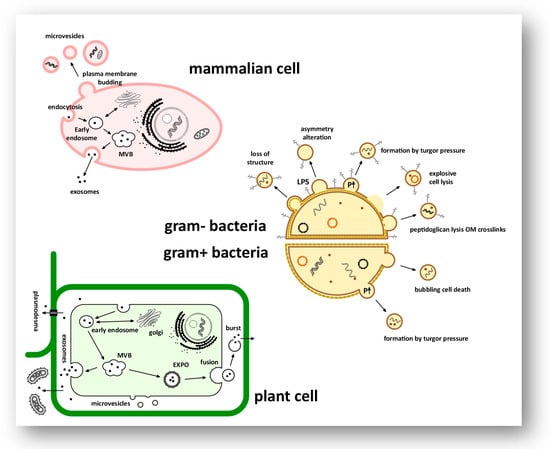
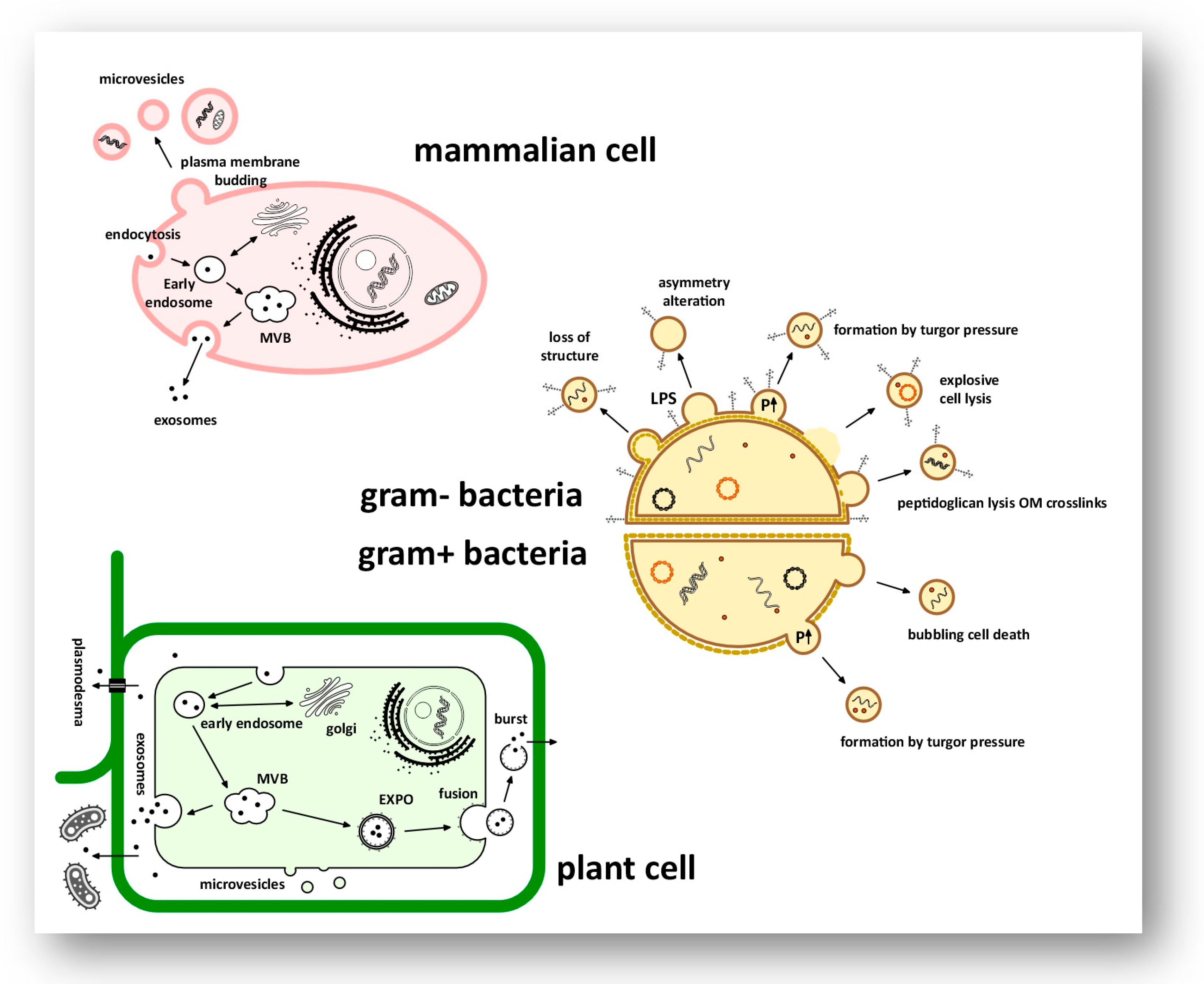
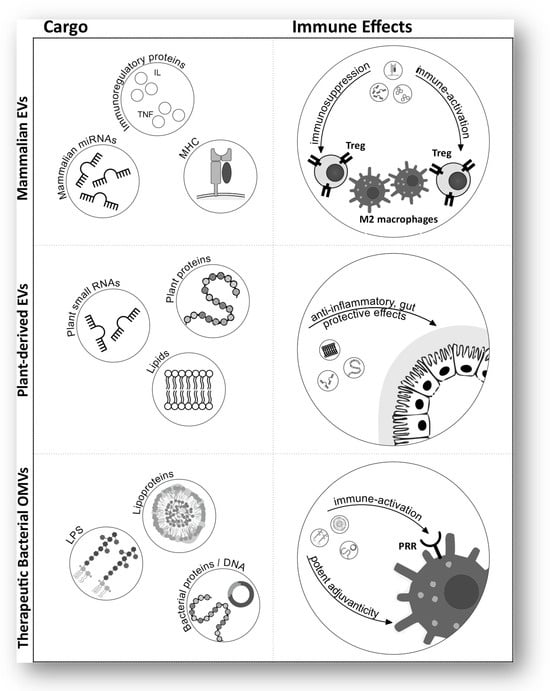
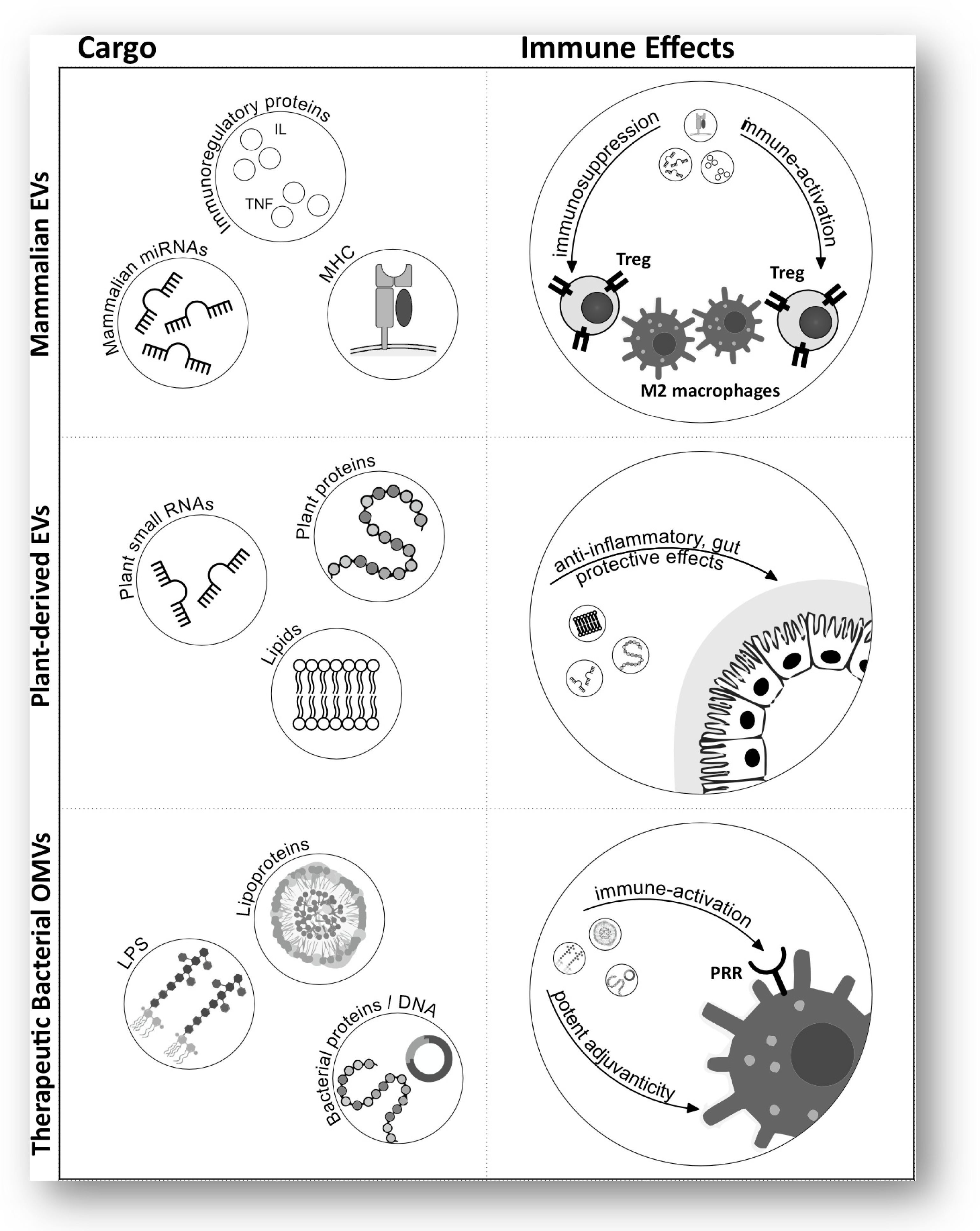

Disclaimer/Publisher’s Note: The statements, opinions and data contained in all publications are solely those of the individual author(s) and contributor(s) and not of MDPI and/or the editor(s). MDPI and/or the editor(s) disclaim responsibility for any injury to people or property resulting from any ideas, methods, instructions or products referred to in the content. |
© 2026 by the authors. Licensee MDPI, Basel, Switzerland. This article is an open access article distributed under the terms and conditions of the Creative Commons Attribution (CC BY) license.