


Abstract
Percussion instruments exhibit complex vibrational behavior characterized by transient excitation, high modal density, and strong structural–acoustic coupling. Numerical modeling—especially the finite element method (FEM)—has become essential for analyzing realistic geometries, material heterogeneity, and fluid–structure interaction. This review systematically synthesizes FEM-based studies on percussion instruments, organized by their physical classification into idiophones and membranophones. The present work thematically compares modeling strategies and their trade-offs and highlights actionable research gaps. FEM and coupled FEM–boundary element (BEM) approaches applied to bars, plates, shells, membranes, and vibroacoustic systems are reviewed, with emphasis on modal behavior, tuning strategies, excitation mechanisms, nonlinear phenomena, and fluid–structure interaction. A key feature is the consistent validation of simulations against experimental measurements. The analysis reveals that while FEM is mature for modeling bars, plates, shells, and single-membrane systems, significant gaps remain: bar–resonator coupling and damping/residual stress modeling in idiophones, coupled clapper–bell–air simulations for bells, and fully coupled double-membrane simulations for drums. The latter directly affects predictions of modal frequencies, decay rates, and timbre. The review concludes by identifying priority research directions: fully coupled double-membrane models, material nonlinear viscoelasticity, efficient FEM–BEM coupling, and integration of performer-informed excitation for sound synthesis.
1. Introduction
Percussion instruments form one of the oldest and most diverse families of musical instruments, appearing in virtually every musical culture. From a physical perspective, they are impulsively excited mechanical systems whose sound production is governed by the vibration of solid structures, membranes, and their interaction with the surrounding air. Compared with wind and string instruments, percussion instruments exhibit strongly transient behavior, high modal density, and often markedly inharmonic spectra, making their vibration and sound radiation particularly challenging to analyze [1].
Extensive experimental and theoretical research has been devoted to understanding the acoustics of percussion instruments, with a strong emphasis on identifying their modes of vibration and relating these modes to perceived pitch and timbre. Seminal review articles by Rossing and co-workers documented major advances in experimental modal analysis, holographic interferometry, and sound radiation measurements for a wide range of percussion instruments, including marimbas, cymbals, gongs, steelpans, bells, and drums [2,3]. These studies established the central role of structural vibration patterns—such as flexural modes in bars, complex plate and shell modes in idiophones, and membrane modes in drums—in shaping the acoustic output of percussion instruments.
Percussion instruments are commonly classified according to their sound-producing mechanism into idiophones and membranophones. Idiophones generate sound through vibration of the instrument’s solid body, as in bars, plates, disks, and shells, whereas membranophones rely primarily on the vibration of stretched membranes, often coupled to shells and enclosed air cavities. This physical classification is particularly relevant for vibration analysis, since each category is associated with distinct structural dynamics, dispersion characteristics, and radiation mechanisms [4].
While analytical solutions exist for idealized bars, plates, and membranes, realistic percussion instruments involve complex geometries, non-uniform thickness, material anisotropy, geometric nonlinearities, and strong fluid–structure interaction. As a result, numerical methods have become indispensable tools for studying their vibrational behavior. Among these, the finite element method (FEM) [5,6], often combined with the boundary element method (BEM) [7,8], has emerged as a dominant framework for modeling the structural vibration and sound radiation of percussion instruments. FEM studies have been successfully applied to bar tuning in marimbas and xylophones, nonlinear vibration and mode splitting in cymbals and gongs, circumferential mode families and strike tones in bells, and membrane–air coupling in timpani and other drums [9,10].
Despite the substantial body of literature, existing studies remain dispersed across instrument types and methodological approaches. A unified review that synthesizes finite element-based investigations of vibration and sound radiation across the full range of percussion instruments is still lacking. The present review aims to address this gap by providing a systematic overview of FEM studies on percussion instruments, organized according to their physical classification into idiophonic and membranophonic systems. Emphasis is placed on structural vibration mechanisms, excitation and nonlinear effects, fluid–structure interaction, and sound radiation modeling, with the goal of identifying common trends, limitations, and directions for future research.
The remainder of this review is organized as follows. Section 2 introduces a physical classification of percussion instruments based on their primary sound-producing mechanisms. Section 3 and Section 4 summarize numerical and experimental methodologies commonly employed in percussion acoustics, with emphasis on modal analysis, vibroacoustic coupling, and finite element-based modeling frameworks. Section 5 and Section 6 review finite element studies of idiophonic and membranophonic percussion instruments, respectively, highlighting dominant modeling strategies, validation approaches, and key findings. Finally, Section 7 and Section 8 discuss current challenges and future research directions and provide concluding remarks.
This review adopts a systematic scoping approach to identify, categorize, and synthesize peer-reviewed journal articles and conference proceedings that employ finite element analysis to study percussion instrument vibration and sound radiation. Sources were retrieved from Scopus, Web of Science, and acoustics society databases using keyword combinations: finite element method, percussion, vibration, modal analysis, sound radiation, idiophone, membrane, and boundary element method. Inclusion criteria required that studies (a) use FEM as a primary tool, (b) focus on structural vibration or vibroacoustic coupling, and (c) present validation against experimental data or analytical models. The analysis is structured around the idiophone/membranophone classification, with thematic sub-groupings used to compare modeling approaches, assumptions, and validation strategies. To provide an overview of the scope and coverage of the reviewed literature, Figure 1 and Figure 2 present the temporal distribution of FEM-based studies and the number of studies per instrument category, respectively.
Figure 1.
Temporal distribution of FEM-based studies on percussion instruments (1996–2025). Data are derived from the references cited in this review and reflect the main trends within the available peer-reviewed literature.
Figure 2.
Distribution of FEM-based studies across percussion instrument categories. Data are derived from the references cited in this review and reflect the main trends within the available peer-reviewed literature.
The data of Figure 1 shows a steady increase in research activity, with a marked acceleration after 2016. The period 2021–2025 accounts for 26 studies, reflecting growing interest in FEM for percussion instrument analysis, design, and sound synthesis.
In contrast to previous descriptive reviews, the present work goes beyond cataloging studies by thematically comparing modeling strategies and their trade-offs, and highlighting a specific, actionable research gap (double-membrane coupling) that has been overlooked in the literature.
2. Classification of Percussion Instruments
Percussion instruments may be classified in several ways depending on musical function, playing technique, or pitch organization. From the standpoint of vibration and acoustics, however, the most meaningful classification is based on the primary sound-producing mechanism. This physical classification distinguishes instruments according to whether sound is generated mainly by the vibration of a solid body or by a stretched membrane. Such a distinction is particularly relevant for vibroacoustic analysis and numerical modeling, since it directly determines the governing equations, dominant mode shapes, and coupling mechanisms involved [1,2,3].
Accordingly, percussion instruments are commonly divided into idiophonic and membranophonic systems. This organological classification, originally formalized in the Hornbostel–Sachs system, has been widely adopted in musical acoustics and vibration research because of its strong correspondence with structural dynamics [4,11].
2.1. Idiophonic Percussion Instruments
Idiophonic percussion instruments generate sound through the vibration of the instrument’s solid body itself, without the use of strings or membranes. The acoustic output arises from flexural, torsional, or shell-type vibrations of bars, plates, disks, or shells, depending on the geometry of the instrument. Idiophones are typically excited by impulsive forces, such as mallet strikes, and may exhibit strongly inharmonic modal spectra due to the dispersive nature of bending waves in solids.
Common idiophonic percussion instruments include mallet percussion instruments [4,12,13,14] such as marimbas, xylophones and chimes; plate- and disk-like structures [4,15,16,17] such as cymbals, gongs, and steelpans; and shell structures [4,18] such as bells and handbells. Each of these structural categories is associated with distinct vibration mechanisms. Bars are dominated by flexural modes whose frequencies depend on length, thickness, and material properties, while plates and disks display high modal density, mode splitting, and often pronounced nonlinear effects at large vibration amplitudes. Shell idiophones, particularly bells, are characterized by families of circumferential modes, strong modal coupling, and complex radiation patterns that contribute to perceptual phenomena such as strike tones and beating.
2.2. Membranophonic Percussion Instruments
Membranophonic percussion instruments produce sound primarily through the vibration of a stretched membrane, which may be coupled to a supporting shell and, in some cases, to an enclosed air cavity. The vibration characteristics of these instruments are governed by membrane tension, mass density, boundary conditions, and air–structure interaction effects.
Single-membrane instruments [4] such as timpani, frame drums, and conga are dominated by membrane modes whose frequencies are approximately described by Bessel functions in idealized cases. In real instruments, coupling between the vibrating membrane, the supporting shell, and the surrounding air significantly modifies the modal frequencies and damping characteristics [19]. Double-membrane systems and coupled membrane–air instruments, such as snare drum, tom tom, mridangam and mandar, exhibit even more complex behavior, in which membrane modes interact strongly with the resonances of the enclosed air and the structural modes of the supporting shell [4,8,20].
While the idiophone/membranophone classification is physically clear, numerical modeling reveals a small number of ambiguous cases. Some instruments exhibit hybrid behavior. For example, steelpans (classified as plate/disk idiophones in Section 5.2) feature localized note regions that introduce behavior reminiscent of loaded membranes, blurring the line between distributed and localized vibration. Conversely, membranophones such as timpani and mridangam have rigid or compliant shells whose vibration can significantly contribute to the radiated sound, introducing idiophonic characteristics. These overlaps mean that while the classification aids organization and comparison, it does not impose rigid physical boundaries. Numerical conclusions—such as FEM’s suitability for complex solids or the importance of fluid–structure coupling in membranes—remain valid because they are presented within their respective structural paradigms. The core modeling challenges—geometry, material anisotropy, nonlinearity, and fluid–structure interaction—are shared across both classes. Thus, the classification serves as an organizing principle, not a rigid boundary.
3. Numerical Methods for Percussion Instrument Analysis
Numerical methods are indispensable for the analysis of percussion instruments due to their geometric complexity, material heterogeneity, and strong coupling effects. Among available approaches, the finite difference method (FDM), the FEM, and BEM are the most employed in percussion acoustics and sound synthesis.
The FDM has been applied [21,22,23] mainly to membranes, bars, and plates, where regular grids and time-domain formulations facilitate the study of wave propagation, transient excitation, and nonlinear effects. However, its applicability is limited for instruments with complex geometries.
For idiophonic instruments, FEM is particularly effective in modeling bars, plates, disks, and shells with non-uniform thickness and complex boundary conditions. FEM studies have been widely used to investigate flexural modes and tuning strategies in bar idiophones, nonlinear vibration and mode splitting in plates and cymbals, and circumferential mode families and symmetry breaking in bells. Accurate representation of material properties and damping is critical in these models, as emphasized in studies of struck idiophones and metallic percussion instruments [9,10].
For membranophonic instruments, FEM enables modeling of tensioned membranes, supporting shells, and their mutual interaction. In single-membrane drums, FEM has been used to study the influence of membrane tension, boundary conditions, and shell compliance on modal behavior. In coupled membrane–air systems such as timpani, FEM-based structural–acoustic models have been developed to capture the interaction between membrane vibration, enclosed air resonances, and the structural response of the bowl, reproducing key features observed experimentally [8,9].
BEM is commonly used to model sound radiation from vibrating percussion instruments. BEM is well suited for unbounded acoustic domains and is frequently coupled with FEM to form hybrid FEM–BEM formulations, allowing structural vibration and acoustic radiation to be treated consistently [9,24,25,26].
FEM in the structural domain offers mature capabilities for handling complex geometries, anisotropic and inhomogeneous materials, and internal boundaries. It provides a natural formulation for solid vibration and fluid–structure interface deformation, and it is computationally efficient for bounded domains such as bars, plates, membranes, and shells. BEM in the acoustic domain is particularly advantageous for modeling unbounded radiation fields because it requires only surface discretization, automatically satisfies the Sommerfeld radiation condition without artificial absorbing boundaries, and reduces the number of degrees of freedom compared to volumetric acoustic FEM, especially at mid to high frequencies.
Simulation-driven design serves as a powerful complement to traditional craftsmanship rather than a replacement, fostering a synergistic relationship between numerical precision and experiential intuition. While methods like FEM enable the rapid exploration of vast design spaces, quantitative optimization of modal frequencies, and the ability to perform inverse design, they cannot fully capture the tacit knowledge of material behavior or the subtle sensory qualities—such as “warmth” and playability—inherent in artisanal work. Traditional craftsmanship remains essential for real-time auditory feedback, skill-based corrections for material heterogeneity, and the preservation of cultural techniques. Accordingly, the most effective contemporary approach is likely a hybrid one, leveraging FEM to identify optimal structural modifications and ensure reproducibility, while relying on the artisan’s ear and tactile expertise for final tuning and esthetic integration.
4. Experimental Modal and Acoustic Analysis of Percussion Instruments
Experimental investigations provide the primary empirical foundation for understanding vibration and sound radiation in percussion instruments and for validating numerical models. Because percussion instruments are typically excited impulsively, experimental techniques must be capable of capturing broadband, transient responses and resolving closely spaced modes with often inharmonic frequency distributions. For this reason, experimental studies may combine structural vibration measurements with acoustic measurements of the radiated sound field.
For idiophonic percussion instruments, experimental modal analysis focuses on the vibration of solid structures such as bars, plates, disks, and shells. Impact excitation combined with accelerometers or non-contact optical techniques has been widely used to identify natural frequencies, mode shapes, and damping factors [2,3,4,9,10]. Classical visualization methods, including Chladni patterns [27], remain valuable for qualitative identification of nodal configurations in bars, plates, and bells. More advanced optical techniques, such as laser Doppler vibrometry [9] and electronic speckle interferometry (ESPI) [2,3,4,28], enable full-field measurements with high spatial resolution and have been particularly effective for plate and shell idiophones exhibiting high modal density, mode splitting, and nonlinear vibration effects. Acoustic measurements play a complementary role by characterizing how structural vibration is converted into radiated sound. Microphone measurements, conducted in free-field or semi-anechoic conditions, have been used to determine sound pressure spectra, radiation efficiency, and directivity patterns of idiophonic instruments.
For membranophonic percussion instruments, experimental modal analysis is complicated by membrane tension, boundary conditions, and coupling with surrounding structures and air. Vibration measurements of membranes reveal modal families characterized by nodal diameters and nodal circles, while acoustic measurements capture the influence of air loading and cavity resonances on radiated sound. The membrane tension and material properties strongly influence both modal frequencies and radiation efficiency [9]. Zhao [29] quantitatively characterized the mechanical properties of tanned leathers (elastic modulus, density, thickness, and damping) and used them as direct inputs for an FEM model of a traditional percussion membrane, with simulation results validated against experimental sound spectra.
5. FEM Studies on Idiophonic Percussion Instruments
From a numerical perspective, idiophones are well suited to finite element modeling because their complex geometries, non-uniform thickness distributions, and material anisotropy cannot be treated accurately using analytical models alone. FEM studies have been widely employed to investigate modal behavior, tuning strategies, nonlinear vibration, and sound radiation in idiophonic percussion instruments [30,31,32,33,34,35,36,37,38,39,40,41,42,43,44,45,46,47,48,49,50,51,52,53,54,55,56,57,58,59,60,61,62,63,64,65,66,67,68,69,70,71,72,73,74,75,76,77,78,79,80,81,82,83].
5.1. Mallet Percussion Instruments
Bretos et al. [30] employed finite element analysis (FEA) to investigate the vibrational properties of wooden bars used in musical instruments, focusing on both constant-section and undercut designs. Using an orthotropic material model, the influence of wood’s elastic parameters on eigenfrequencies was analyzed, revealing that Young’s modulus, shear modulus, and density are critical. Undercut shapes (parabolic/rectangular) were evaluated for achieving harmonic frequency relationships, aiding xylophone bar design. Numerical results aligned well with experimental measurements, validating the model’s accuracy for flexural eigenmodes.
Bork et al. [31] performed experimental modal analysis and three-dimensional FE modeling of a low-pitched marimba bar. Measurements identified modal frequencies and mode shapes up to 8 kHz, revealing complex vibrational behavior not captured by simple beam models. An orthotropic FEM model, accounting for wood anisotropy, closely matched experimental results, with frequency discrepancies below 4% up to 4 kHz. The analysis shows that accurate modeling of torsional and lateral modes requires orthotropic material properties and highlights the sensitivity of tuning to small geometric variations in the bar’s central thickness.
Suits [32] investigated transverse wave behavior in finite vibrating bars, contrasting it with idealized string models and discussing the resulting musical implications. The Euler–Bernoulli and Timoshenko beam theories were compared, with experimental results showing that the Timoshenko model more accurately predicts the vibrational behavior of wooden bars. These findings were extended using finite element modeling to nonuniform bars, such as those used in xylophones and marimbas, demonstrating that the Timoshenko theory, when combined with appropriate elastic constants, reliably predicts vibrational frequencies in real musical instruments.
Henrique and Antunes [33] presented a computational approach for designing percussion instruments by combining FE eigenanalysis with optimization techniques to achieve target modal frequencies. The method employed orthogonal shape functions and deterministic optimization to efficiently design both conventional and novel instrument geometries, demonstrated through vibraphone and marimba bar optimizations. Additionally, nonlinear physical modeling enabled sound synthesis via modal representations, simulating vibratory responses. Mallet/bar interactions were modeled. While results were promising, bar/resonator vibroacoustic coupling, resonator optimization, and radiation effects were not incorporated. Henrique et al. [34] explored shape optimization of marimba bars and resonators using FEM models coupled with Timoshenko beam and 1D wave theory. The goal was to achieve target vibratory/acoustic eigenvalues under geometric constraints. Optimized shapes matched conventional designs, while also enabling unconventional spectral signatures. Simplified computational models proved effective for lower-frequency modes, aligning with complex 3D simulations. Prototype testing validated the approach, demonstrating potential for innovative instrument design.
Brancheriau et al. [35] investigated frequency shifts in xylophone bars during tuning by modeling structural irregularities with reduced Young’s modulus. The proposed analytical approach treated the bar as a 1D system in free–free vibration, showing that natural frequencies decreased as the weak element’s stiffness diminished, with shifts dependent on its position. FEA and dynamic tests validated the model, revealing similar frequency behaviors in longitudinal and transverse vibrations. The findings enhanced understanding of tuning effects in non-uniform wooden bars, offering insights for optimizing percussion instrument design.
Laukkanen and Worland [36] studied how undercut progressions affect the harmonic tuning of aluminum vibraphone bars, combining experimental measurements (spectrum analysis, ESPI) with FE modeling. Results demonstrated how material removal at specific locations alters natural frequencies, with the computational model validating empirical tuning rules. The approach enabled customized overtone ratios, offering manufacturers a systematic method to achieve desired harmonic relationships beyond traditional arched undercuts.
Bestle et al. [37] presented a sound synthesis method for virtual idiophones by deriving radiated sound pressure directly from surface velocities. The underlying structural vibrations were simulated using a reduced-order elastic body model, where elastic properties were obtained from an initial FEM discretization followed by modal truncation. This FEM–Elastic Multibody System approach was validated against laser Doppler vibrometer and microphone measurements for a vibraphone bar. The method was significantly faster than the BEM and allowed for sound evaluation using psychoacoustic criteria like inharmonicity for future geometric optimization.
A low-cost experimental method, complemented by FEM numerical simulations, ref. [38] was developed for instrument tuning and modal analysis validation on a marimba bar. While dual sensor triplets successfully detected and reconstructed the first vibrational mode, higher-order modes required denser sensor arrays for full spatial reconstruction. The combined experimental-simulation approach demonstrated promise for future applications involving more sensors, improved calibration, and Fiber Bragg Grating-based transient modal analysis.
Beaton and Scavone [39] employed 3D FEA and genetic algorithms to optimize marimba bar geometry, targeting both frequency tuning (typically three partials) and secondary criteria: torsional mode separation, symmetry, and professional shape resemblance. The automated workflow identified optimal undercut profiles while handling modal reordering, revealing diverse manufacturable solutions. Results demonstrated how computational methods can supplement traditional tuning approaches, offering manufacturers data-driven insights for bar design.
Rucz et al. [40,41] presented a 3D coupled vibroacoustic finite element model for simulating mallet percussion instruments in the time domain. The model incorporated orthotropic wood properties, nonlinear mallet–bar interaction, and acoustic radiation, using modal reduction for efficiency. Validated against measurements from an Orff xylophone, it demonstrated capabilities in energy balance analysis, resonator tuning effects, and torsional mode excitation. The approach enabled physics-based sound synthesis while capturing key acoustical and mechanical interactions and demonstrated its capability to simulate complex percussion instrument behavior from impact to radiation.
Soares et al. [42] presented a global optimization method for tuning mallet percussion bars using simplified rectangular undercuts. A one-dimensional Timoshenko beam model combined with FEA predicted modal frequencies, while an evolutionary algorithm optimized undercut geometry to match predefined tuning ratios. Additional penalty terms reduced extracted material and smooth profile transitions, improving manufacturability. Results demonstrated that accurate multi-modal tuning can be achieved with few design variables, even for demanding and unconventional tuning targets, with low computational cost. The approach offered a practical alternative to complex curvilinear undercuts showing potential for extension to 3D models.
The study by Beaton and Scavone [43] presented a 3D FEM framework for tuning both flexural and torsional modes of idiophone bars used in marimbas and vibraphones. Unlike traditional tuning approaches that focus on transverse modes, the method enabled simultaneous control of multiple mode families through geometric modification alone. A Newton–Raphson scheme with a Moore–Penrose inverse was employed to solve the underdetermined tuning problem. The results demonstrated that torsional modes, often responsible for undesirable timbral effects, can be controlled while preserving conventional harmonic relationships of flexural modes. Figure 3 presents representative finite element results illustrating the influence of geometric modification on the modal frequency ratios of a marimba bar. The figures demonstrate how controlled changes in bar geometry affect the alignment of flexural and torsional modes, highlighting the role of numerical optimization in managing inharmonicity and unwanted modal interactions.
Figure 3.
(a) Tuned geometry of model 1(f), a rosewood F3 bar tuned to modal frequency ratios: V1-1, V2-4, V3-10, T1-2, T2-8, L1-6; (b) tuned mode shapes of model 1(f), a rosewood F3 bar model tuned to frequency ratios: V1-1, V2-4, V3-10, T1-2, T2-8, L1-6. The undeformed bar position is shown as a black outline of the outer bar dimensions (cutaway omitted). Adapted from Ref. [43], with permission from [Acoustical Society of America].
Soares et al. [44] presented a reduced-order model for vibroacoustic coupling in marimbas/vibraphones, representing the bar as a disk oscillator and resonator as a cylindrical waveguide. Using axisymmetric 2D FE simulations, 3D radiation effects were reduced to dimensionless analytical expressions, enabling efficient lumped-parameter modeling. The approach captured key interaction dynamics while maintaining simplicity, with numerical validation confirming its ability to replicate real instrument behavior.
Stanciu et al. [45,46] presented a combined experimental and FEM investigation of musical triangles treated as curved bar idiophones. Impact hammer excitation and acoustic measurements were used to identify modal frequencies, damping, and transient responses for triangles of different materials and sizes. Three-dimensional FEM models incorporating realistic boundary conditions showed excellent agreement with experiments, with frequency errors below 2.5%. Results demonstrated that material properties and bar length strongly influence modal frequencies, damping, and sound decay, while modal shapes remain largely invariant. The work confirmed the validity of FEM for analyzing curved bar percussion instruments and highlighted the complementarity of experimental and numerical approaches.
Kimura et al. [47] proposed an FEM-based machine learning approach to design xylophones using sandwich beams as sustainable wood alternatives. A higher-order layer-wise beam FEM model predicted natural frequencies, validated experimentally. Machine learning then enabled inverse design of beam geometries for target frequencies. The method addressed wood’s limitations (environmental sensitivity, scarcity, variability) while maintaining acoustic performance, offering a data-driven framework for developing composite musical instruments.
Soares et al. [48] presented a simplified multi-modal model describing the vibroacoustic interaction between tuned bars and acoustic resonators in mallet percussion instruments such as marimbas and vibraphones. The formulation coupled mechanical bar modes with acoustic resonator modes using a small set of dimensionless parameters governing frequency tuning, damping ratios, and coupling strength. The model captured key trade-offs between enhanced sound radiation and reduced decay time and was validated experimentally through modal identification and controlled bar–resonator measurements. Results demonstrated the model’s effectiveness for both physical understanding and resonator-assisted instrument design. Figure 4 shows the measured frequencies of the first four acoustic modes of a cylindrical resonator as a function of the normalized bar–resonator distance d/a, comparing disk, single-bar, and triple-bar obstructions, where d is the bar–resonator distance and a the equivalent disk radius. Experimental results closely follow the proposed model predictions, confirming that the presence of a vibrating bar can be effectively approximated by a rigid disk of equivalent radius for low-frequency acoustic behavior.
Figure 4.
Measured frequencies of the first four resonator modes as a function of the dimensionless distance d/a, using a disk obstruction (blue), a single bar obstruction (red) and a triple-bar obstruction (yellow). Analogous results from the proposed model with η = 0.25 and η = 0.32 (η is an empirical dimensionless coefficient) are shown in black lines (solid and dotted, respectively). The reference frequency was taken as ωref = cπ/2(L + ΔL), where ΔL = 0.6133a and c = 342 m s−1. Reproduced from Ref. [48], with permission from [Elsevier].
Panagiotopoulos and Kouzoupis [49] employed two numerical methods—FEM and BEM—for optimizing the lowest three eigenfrequencies of idiophone bars (e.g., marimba, vibraphone) and their resonant tubes. While FEM enabled efficient gradient-based optimization via explicit sensitivity forms, BEM excelled for piecewise-uniform or hollow geometries by discretizing only boundaries. Both methods, paired with minimization algorithms, tuned frequencies, with BEM offering novel applications for discontinuous profiles. The work established foundational approaches for 1D problems while highlighting potential extensions to 2D/3D cases.
Table 1 presents representative FEM studies of different authors, focusing on xylophone/marimba bars from the previously presented research works of Section 5.1.
Table 1.
Representative FEM-based studies on xylophone and marimba bars.
Across mallet percussion instruments, three dominant modeling strategies emerge from the literature. First, orthotropic 3D FEM with experimental validation [30,31,39,43] achieves high frequency accuracy (typically <5% error) but requires detailed material property data and is computationally intensive. Second, reduced-order beam models (Timoshenko or Euler–Bernoulli) combined with optimization algorithms [33,42,49] enable rapid design iteration and inverse tuning but may miss torsional modes and higher-order flexural behavior. Third, fully coupled vibroacoustic FEM [40,41] captures sound radiation and mallet–bar interaction but at a significantly higher computational cost.
Regardless of strategy, orthotropic material modeling and accurate representation of undercut geometry are consistently identified as critical assumptions for achieving agreement with experimental results. Most studies converge on the conclusion that low-order flexural modes can be captured using reduced-order or beam-based models, whereas higher-order and torsional modes require full 3D FEM. The choice among strategies depends on the research question: modal frequency prediction favors 3D FEM; design-space exploration favors reduced-order optimization; and sound synthesis for digital instruments favors modal reduction or time-domain approaches.
While optimization strategies reliably achieve target frequency ratios, results diverge in their treatment of damping, sound radiation, and bar–resonator coupling. There remains limited consensus on how to simultaneously optimize frequency tuning, decay time, and radiation efficiency—objectives that may conflict—highlighting an open multi-objective design challenge. A persistent gap is the treatment of bar–resonator coupling: while simplified models exist [48], fully coupled vibroacoustic optimization across the entire instrument (bars + resonators + radiation) remains computationally prohibitive. Future work should prioritize efficient coupling schemes that preserve physical fidelity while enabling real-time design feedback.
5.2. Plate and Disk Idiophones
McLachlan [50] employed FEM to investigate how variations in gong geometry influence modal frequencies and acoustic spectra. Starting from flat disks, progressive geometric features such as bosses and rims were introduced and evaluated. Numerical predictions were compared with measured acoustic spectra of spun steel and cast bronze gongs manufactured by the author. The study demonstrated that specific geometric features play a decisive role in determining overtone relationships and timbre, illustrating the usefulness of FEM as a design tool for novel idiophonic instruments.
Tsai et al. [51] presented a combined FEM and experimental modal analysis of a traditional copper gong. Natural frequencies and mode shapes obtained from FEM were validated against experimental modal testing, showing good agreement. Acoustic measurements were used to identify the vibration modes most responsible for sound radiation. The validated model was then employed to study the influence of material properties and geometric parameters on vibration and sound characteristics, providing insight into how design choices affected gong timbre and pitch.
Gay [52] developed a 3D FEM model to study the vibrational behavior of steelpan instruments, modeled as compound shells with localized note regions and a surrounding skirt. The study revealed strong modal interactions between individual notes and the skirt, with frequency overlap depending on skirt length and geometry. Results highlighted the importance of shell–note coupling and demonstrate FEM’s effectiveness in capturing complex mode shapes and interactions in steelpan acoustics.
Wang and Jian [53] integrated FEA and experimental modal analysis to design a metallophone plate capable of producing a C-major chord. FEM simulations predicted modal frequencies and shapes, which are validated experimentally. Acoustic measurements confirmed the chordal sound radiation of the designed plate. The work demonstrated how combined numerical and experimental approaches can be used to tailor vibration characteristics and achieve novel musical functionality.
Umetani et al. [54] introduced an interactive design framework that integrated real-time FEM eigenanalysis with geometric editing to design metallophone plates of arbitrary shape and pitch. The system provided immediate visual and auditory feedback during shape modification, enabling non-expert users to design playable instruments. The work demonstrated the potential of concurrent numerical analysis for instrument design and highlighted the strong coupling between geometry and vibrational behavior in plate idiophones.
Jana and Raman [55] investigated the vibration of thin circular disks in fluid environments, with applications including cymbals. FEM and BEM were used to quantify viscous and acoustic fluid loading. Results showed that viscous damping dominated at low frequencies and for larger structures, while acoustic radiation became significant at higher frequencies. The work provided a fundamental framework for understanding fluid–structure interaction and sound radiation in disk-shaped percussion instruments.
McLachlan et al. [56] demonstrated how residual prestress introduced through controlled cold forging can be used to tune the overtone structure of gongs. FEA was employed to relate prestress distributions to modal frequency shifts. Experimental instruments were produced with overtones tuned close to the harmonic series. The study showed that prestress offers an effective alternative to geometric modification for controlling vibration and timbre in sheet-metal idiophones.
Wang et al. [57] presented the design of a glass plate percussion instrument capable of producing harmonic overtones. Material properties were calibrated using experimental modal analysis and refined through FEM. Geometry optimization was applied to tune modal frequencies, and acoustic measurements confirmed improved harmonicity compared to rectangular plates. The study demonstrated the feasibility of extending FEM-based tuning strategies to non-metallic plate idiophones.
Perrin et al. [58] performed an extensive experimental and numerical study of the normal modes of a small steel gamelan gong. Finite element modeling was combined with ESPI and laser Doppler vibrometry. The results revealed mode splitting, symmetry breaking, and nonlinear effects, and identified the modes most responsible for sound radiation. The study provided a detailed characterization of gong vibration and validated FEM for complex shell idiophones.
Kuratani et al. [59] investigated how hammering-induced residual stresses affected the vibration characteristics of cymbals. FEA was used to simulate stress distributions via thermal loading, followed by modal analysis. Results showed mode-dependent sensitivity to residual stress, leading to changes in frequency response and radiation efficiency. The work clarified the physical role of manufacturing processes in shaping cymbal sound and supported FEM as a tool for linking fabrication to acoustics.
Bamrungwong et al. [60] employed FEM with an inertia relief approach to analyze the free vibration of the Thai Khong Wong Yai gong, circumventing the limitations of Euler–Bernoulli beam theory for unconstrained systems. Key geometric parameters—flange thickness, cylinder thickness, and flange diameter—were identified as most influential on sound frequency. The FEM simulations, validated against experimental sound spectrum analysis, concluded that flange thickness is the primary factor for tuning. Bamrungwong et al. [61] employed FEM combined with the design of experiments, while a spectrum analyzer measured the eigenmode, to investigate the Mong, a bossed gong. The study revealed that the thickness and diameter of the horizontal flange were the most significant parameters affecting its natural frequency, consistent with findings for the Khong Wong Yai.
Wang et al. [62] employed FEM-based theoretical modal analysis to design and optimize pentagonal steel plates that produce a harmonic sound with a specific overtone at twice the fundamental frequency. An optimization routine iteratively adjusted plate dimensions to minimize frequency error against target musical notes. The designed plates were manufactured, and experimental modal analysis validated the FEM-predicted mode shapes and frequencies. A full two-octave percussion instrument set of 25 plates was successfully fabricated based on this FEM-driven design process.
Nguyen & Touzé [63] developed a geometrically nonlinear von Kármán plate model with variable thickness (taper) for physical sound synthesis of cymbals. The model was discretized using a Rayleigh–Ritz approach and integrated in time with a Störmer–Verlet scheme. FEM was used to compute and validate the linear eigenfrequencies of plates with different taper profiles against the proposed method. Results demonstrated that taper is crucial for generating the explosive, high-frequency “crash” sound when struck at the edge, while shape variation (curvature) aids in producing a distinct “bell” sound when struck near the center. Figure 5 presents time-domain displacement responses (top row) and corresponding velocity spectrograms (bottom row) of a circular plate struck at the edge for three thickness profiles. The parameter he denotes the edge thickness of the plate. A uniform plate, a moderately tapered plate with he = 0.7 mm, and a strongly tapered plate with he = 0.4 mm are considered. Reducing he increases flexibility near the rim, leading to larger vibration amplitudes and faster activation of high-frequency components, which enhances the cymbal-like timbral characteristics.
Figure 5.
Output displacements [first row, (a–c)] and velocity spectrograms [second row, (d–f)] for the simulations of the nonlinear vibrations of a thin circular plate with a uniform thickness h = 1 mm (a,d), with a linearly varying thickness down to he = 0.7mm (b,e) and to he = 0.4 mm (c,f). Displacement of an arbitrary point located at r = 0.1792 in m, and spectrogram of the velocity derived from the same displacement signal, in dB with a 90 dB dynamic. Reproduced from Ref. [63], with permission from [Acoustical Society of America].
Samejima [64] extended nonlinear physical modeling of cymbals (modeled as shallow spherical shells) by integrating the dynamics of supporting washers and striking mallets. The washer was modeled as a single-degree-of-freedom impedance boundary condition, while the mallet stick was modeled as a multi-degree-of-freedom system using FEM (Euler–Bernoulli beam elements). The coupled system was solved with finite difference schemes. Linear FEM analysis was used to reference eigenfrequencies and mode shapes. Results showed that including washer compliance and mallet grip conditions (modeled via rotational spring stiffness from FEM) realistically affected the excitation force, vibrational response, and timbre of the synthesized crash sound. Izawa et al. [65] used frequency response analysis via FEM to explore how the size of holes drilled into an effect cymbal influences its vibrational behavior, aiming to move beyond the costly trial-and-error process of prototyping for desired sound characteristics.
Kaselouris et al. [66] presented an extensive finite element and coupled FEM–BEM investigation of crash and splash cymbals. Modal, frequency response, and time-domain simulations were performed and compared with experimental data from the literature. The results demonstrated clear differences in decay rates and spectral content between crash and splash cymbals, with splash cymbals exhibiting faster decay and higher dominant frequencies. A key contribution was the direct comparison between structural velocity spectrograms and radiated sound pressure, highlighting the importance of coupled vibroacoustic modeling for realistic sound prediction and synthesis of cymbal instruments. Kaselouris et al. [24] introduced a novel approach to cymbal modeling by incorporating experimentally measured drumstick motion into time-domain FEM–BEM simulations. Real three-dimensional motion data from drummer–drumstick interactions were used as excitation inputs, enabling realistic transient vibroacoustic simulations. The study demonstrated that performer-dependent excitation significantly affected the radiated sound and decay characteristics. By linking human motion capture with multiphysics simulations, the work provided an important step toward performance-aware sound synthesis. Kaselouris and Dimitriou [26] investigated the transient vibrational response of a cymbal excited by a pulsed laser, using time-domain FEM–BEM simulations. The laser excitation provided a highly localized, repeatable impulse, enabling detailed analysis of bending-wave propagation and reflections from the cymbal edge and central dome. The numerical results showed good qualitative agreement with holographic experimental observations reported in the literature. The study provided valuable insight into early-time wave phenomena and mode formation in cymbals, complementing more conventional impact-excitation studies.
Bryde and Mahadevan [67] explained vibrational mode localization in steelpans using elastic shell theory and a generalized localization landscape framework. FEM simulations revealed that localized note vibrations arose primarily from curvature differences between note regions and the surrounding bowl, rather than from grooving alone. The work provided a rigorous physical explanation for how steelpans function as pitched percussion instruments. The work of Ali and Khan [68] discussed mathematical modeling and digital sound synthesis of steelpans in the context of safeguarding intangible cultural heritage. A physics-based model was proposed to represent steelpan acoustics, enabling analysis, comparison, and synthesis of different instruments. Beyond technical acoustics, the work emphasized the cultural significance of preserving tuning knowledge and performance traditions. The study highlighted how numerical modeling can support both scientific understanding and cultural documentation, positioning vibroacoustic simulation as a tool for heritage preservation.
Brezas et al. [69] combined roving-hammer frequency response measurements, ESPI, and FE modeling to study cymbal vibration. Experimental mode shapes and resonant frequencies were compared directly with FEM predictions, demonstrating good agreement when realistic geometry was used. The study emphasized the importance of combining experimental modal analysis with numerical modeling for validating vibroacoustic simulations. Brezas et al. [70] presented a detailed experimental–numerical investigation of a splash cymbal using impact hammer frequency response function measurements, ESPI visualization, and parametric CAD-FEM models. Different geometric approximations of the cymbal profile were evaluated, showing that non-smooth curvature introduced during manufacturing strongly influenced modal frequencies and shapes. Modal damping ratios derived experimentally were incorporated into the simulations, improving agreement with measurements. The work demonstrated the sensitivity of cymbal acoustics to geometric details. Figure 6 compares experimentally measured and finite element-predicted mode shapes of a splash cymbal, illustrating the influence of geometric detail on vibrational behavior. The figure shows that FEM models incorporating realistic cymbal profiles reproduce the experimentally observed nodal patterns more accurately than simplified geometries, highlighting the importance of precise shape representation for reliable vibroacoustic simulations of cymbals.
Figure 6.
Representative experimental and numerical results of vibrational modes. Reproduced from Ref. [68] under the terms of the Creative Commons Attribution (CC BY) license.
Moreover, Yoo and Rossing [71] investigated how geometry influenced the vibrational tuning of ancient stone chimes using a combination of experimental modal analysis and FE modeling. The authors analyzed L-shaped stone chimes from Chinese and Korean traditions, showing that vertex angle, curvature, and thickness distribution strongly affected modal frequency ratios. FEM results were validated against holographic interferometry measurements, revealing how historical geometries were optimized for musical performance. The study provided rare quantitative insight into prehistoric instrument design.
Table 2 presents representative FEM studies of different authors, focusing on gongs/cymbals from the previously presented research works of Section 5.2.
Table 2.
Representative FEM-based studies on gongs and cymbals.
Across plate and disk idiophones, a clear methodological divide exists between studies of gongs and cymbals (which emphasize nonlinearity, mode splitting, and prestress) and studies of steelpans and metallophone plates (which focus on geometric tuning and modal localization). For cymbals and gongs, linear FEM modal analysis agrees well with experiments at low excitation levels, but nonlinear plate/shell models [63,64] are necessary to reproduce amplitude-dependent timbral effects such as the “crash” sound. For steelpans, FEM has revealed that curvature differences, not grooving alone, are responsible for note localization [66].
FEM has demonstrated great capability in capturing dense modal spectrum, mode splitting, and the influence of geometry, prestress, and material properties. Despite methodological differences, studies consistently show that curvature, thickness variation, and residual stress play dominant roles in shaping both vibration patterns and radiated sound, with good qualitative agreement across independent investigations. For sound radiation modeling, coupled FEM–BEM approaches [24,66,70] have enabled direct comparison between structural velocity spectrograms and radiated sound pressure, highlighting the importance of vibroacoustic coupling for realistic sound prediction.
A common limitation across both subcategories is the phenomenological treatment of damping: most studies assume constant modal damping ratios, whereas real instruments exhibit frequency-dependent and amplitude-dependent damping due to viscoelasticity and air loading. Furthermore, the manufacturing processes that introduce residual stress (hammering, cold forging) are often simplified or ignored, despite their demonstrated influence on modal frequencies [56,59]. Future work should prioritize experimental identification of damping laws and residual stress distributions, and their integration into nonlinear FEM and coupled FEM–BEM frameworks.
5.3. Shell Idiophones (Bells)
McLachlan et al. [72] presented a method for designing musical bells with harmonically related overtones to improve pitch clarity and musical usefulness. Using FE modal analysis combined with gradient-based shape optimization, the authors adjusted bell geometry so that up to seven low-order vibrational modes aligned closely with the harmonic series. Key geometric parameters such as wall thickness, taper, curvature, and cone angle were systematically studied to control modal frequencies. Optimized designs were cast in silicon bronze and experimentally validated, showing tuning errors below 2%. Psychoacoustic analyses indicated reduced pitch multiplicity and dissonance compared to traditional European bells, enabling clearer perceived pitch and broader musical applicability.
Zhang et al. [73] investigated the famous two-tone behavior of ancient Chinese chime bells using FEM simulations of elastic wave propagation. The asymmetric bell geometry was shown to support two distinct fundamental frequencies depending on impact location. Time-domain simulations revealed how localized excitation selectively activated different modal families, explaining the two-tone phenomenon observed experimentally. The study advanced understanding beyond modal frequency analysis by explicitly modeling transient excitation and wave interaction, providing a physically grounded explanation for this unique acoustic feature.
Golas & Filipek [74] employed FEA to determine the directivity patterns (sound radiation directionality) of a Russian bell. A coupled structural–acoustic FEM model was created, integrating the bell with the surrounding air medium. Modal analysis identified the first three natural frequencies (hum, prime, minor third), and harmonic analysis computed the 3D sound pressure level distributions for each. The research also modeled the transient impulse response to simulate the bell’s sound. Results showed highly non-uniform radiation, strongest perpendicular to the bell walls. The same research team [75] presented a digital synthesis method for simulating the sound of Tibetan bowls and bells. Using an FEM model of the coupled mechanical–acoustic field, the system’s impulse response was derived. The synthesis was performed via convolution of this response with a forcing function. A meta-model, built using design of experiments and Response Surface methods, tuned structural parameters to achieve desired harmonic frequency ratios. The resulting synthesized sound pressure signals matched those of real instruments.
Klemenc et al. [76] studied the local dynamics of clapper–bell impacts using simplified experimental setups and explicit FEM simulations. By modeling repeated impacts between a steel cylinder and a bronze block, the study investigated contact forces, plastic deformation, and wear mechanisms. Numerical results were validated against laboratory measurements and used to identify stress concentrations and fatigue risk zones. Although simplified, the approach provided valuable insight into damage mechanisms in historical bells and informs strategies for reducing wear while preserving acoustic performance.
Yu and Kwak [77] developed an efficient design method to control acoustical (radiation) damping of bell vibration modes, which strongly influenced bell timbre and decay. Acoustical damping was computed from radiated sound power using a coupled FEM–BEM framework: FEM provided structural modes/velocities and BEM predicted the radiated acoustic field. The authors derived closed-form sensitivity expressions for modal acoustical damping with respect to design variables using an adjoint method, enabling fast optimization with many thickness variables. A mode-tracking scheme avoided errors from mode switching during optimization. The approach was demonstrated by optimizing a bell’s thickness distribution to achieve target harmonic frequency ratios and specified damping (decay-rate) values, producing a cleaner, more “musical” sound.
Debut et al. [78] virtually restored the sound of a broken 13th-century bell using a multidisciplinary approach. Material analysis determined the bronze’s properties, while FEA modeled its vibrational modes. Sound was synthesized directly from the simulated surface velocity via modal synthesis, using a physical model of the clapper impact. Parametric studies tested various clapper properties and strike locations. Results showed the bell had three reasonably tuned partials, giving it a discernible pitch. This methodology can be adapted to acoustic reconstruction of other damaged historical instruments. Carvalho et al. [79] presented a non-destructive method for tuning bells by attaching optimized masses rather than removing metal. Traditional tuning was irreversible and could damage historical instruments. Using an FEM model and a reduced-order modal formulation, the method calculated the optimal mass and location to shift the bell’s first five modal frequencies into the desired harmonic ratios (0.5:1:1.2:1.5:2). Results demonstrated effective retuning with minimal mass addition. This reversible technique offered a viable solution for improving the acoustics of culturally significant carillons without altering their original structure.
Debut et al. [80] introduced a reverse-engineering framework for analyzing historical bells by combining high-resolution 3D scanning with FE modal analysis. Accurate geometric reconstruction enabled detailed investigation of modal frequencies, mode shapes, and frequency splitting due to geometric asymmetries. Numerical results were validated against experimental modal data, demonstrating good agreement. Carvalho et al. [81] presented a comprehensive methodology for the dynamical characterization and sound synthesis of historical bells. It combined 3D structured-light scanning for precise geometry acquisition, FEA and experimental modal identification to determine vibrational properties. These parameters were used in a physics-based modal synthesis model of the bell-clapper impact to generate realistic sounds. The approach was validated on three historical bells, successfully reconstructing their acoustic signatures. Figure 7a shows the scanned 3D geometry of a large Witlockx bell from the Mafra National Palace carillon, captured using structured-light scanning. Figure 7b contains spectrograms for strikes at different heights along the bell’s profile. The symbol h represents the total height of the bell, while hc indicates the specific strike location as a fraction of that height. Each subplot corresponds to a different hc. Striking near the rim (low hc) favors lower modes, producing a fuller sound, while strikes closer to the head (high hc) more efficiently excite higher modes, resulting in a brighter timbre.
Figure 7.
(a) Scanned bell geometry of the large Witlockx bell; (b) computed vibratory responses of the bell velocity as a function of the impact location along the vertical direction, namely at heights hc = 0.2 h, 0.4 h, 0.6 h, 0.8 h and 0.95 h. Adapted from Ref. [81] under the terms of the Creative Commons Attribution (CC BY) license.
Lee et al. [82] improved the beat period of the 2018 Olympic Bell, where initial casting asymmetry caused an undesirably long beat. Using an FEM model based on measured vibration modes, the beat period was analytically optimized. By strategically reducing local thickness in the model, a stronger, appropriate beat was achieved. Experimental validation confirmed the bell produced the intended powerful and dynamic sound, demonstrating FEM’s effectiveness in post-casting acoustic tuning.
Cekus and Nadolski [83] investigated how variations in tin concentration in bell bronzes affected vibrational and acoustic characteristics. FEM modal analysis was used to compute natural frequencies of bells made from several bronze alloys with tin contents ranging from 7.5% to 20%, as well as alternative nickel–tin and aluminum bronzes. Numerical results were compared with acoustic measurements from real cast bells. Results suggested that aluminum bronze can provide comparable acoustic performance with improved durability, offering a potential alternative to traditional high-tin bell bronze.
Tsao et al. [84] presented a finite element-based optimization framework for designing dual-tone chime bells capable of producing two distinct pitches with harmonic octave relationships. Parametric geometry and modal analysis were combined with numerical optimization to align structural modes with target musical frequencies for face-tone and side-tone excitation. Prototypes were fabricated using 3D metal printing and validated through experimental sound measurements. Results demonstrated good agreement between predicted and measured frequencies, confirming that geometric tuning can achieve controlled dual-tone behavior with harmonic overtones. The combined use of FEM, experimental modal analysis, and operational modal analysis has also been demonstrated on Tibetan singing bowls, a bell-like idiophone, to extract natural frequencies, damping ratios, and mode shapes under actual playing conditions [85].
Table 3 presents representative FEM studies of different authors, focusing on bells from the previously presented research works of Section 5.3.
Table 3.
Representative FEM-based studies on bells.
FEM bell research represents the most mature area of FEM application to shell idiophones. Studies consistently show that small geometric modifications (wall thickness, taper, curvature, cone angle) can systematically shift modal frequencies, enabling harmonic tuning of up to seven partials [72]. Across the literature, strong agreement is found between FEM predictions and experimental modal data, confirming FEM as a reliable tool for bell design, restoration, and sound synthesis, especially when supported by high-fidelity geometric acquisition [80,81]. Shape optimization and material parameter studies consistently demonstrate that small geometric modifications significantly affect harmonic alignment and decay behavior.
A notable methodological divergence exists between shape optimization studies, which treat the bell as a linear elastic structure and optimize geometry for target frequency ratios, and transient impact studies, which model clapper–bell contact explicitly to understand wear, damage, and strike tone evolution. The former [77,84] are well suited for design and restoration; the latter [76,78] are essential for heritage preservation. Most models assume linear elastic behavior and rigid or simplified clapper interactions, which adequately predict modal frequencies but may underestimate transient contact effects and wear.
A persistent gap remains in coupled clapper–bell–air simulations that capture both the nonlinear contact dynamics and the full 3D radiation field over the audible spectrum. While modal families, strike tones, and radiation patterns are well characterized, fully coupled transient models that bridge structural dynamics, contact mechanics, and acoustic radiation are lacking. Future research should focus on experimentally validated, fully coupled transient models for both new bell design and conservation of historical instruments.
6. FEM Studies on Membranophonic Percussion Instruments
Membranophonic instruments present challenges for numerical modeling, as accurate simulations must account for membrane pretension, geometric nonlinearity, and fluid–structure interaction. Finite element methods, often combined with acoustic finite elements or boundary element techniques, have been successfully applied to study membrane vibration, pitch perception, transient response, and sound radiation in these systems [83,84,85,86,87,88,89,90,91,92,93,94,95,96,97,98].
Raouti et al. [86] presented one of the earliest comprehensive numerical models of a kettledrum, coupling a stretched circular membrane under uniform static tension with the surrounding air inside and outside the kettle-shaped bowl. A time-domain fictitious-domain formulation was employed, combining finite elements for the membrane with mixed formulations for the acoustic field. Mallet–membrane interaction, air loading, and sound radiation were included, allowing simulation of transient vibration and radiated sound. Numerical predictions of modal frequencies and decay characteristics were compared with available experimental measurements, showing good qualitative agreement. The results demonstrated the critical role of membrane tension and membrane–air coupling in determining modal frequencies, decay rates, and overall acoustic response, establishing a benchmark framework for subsequent vibroacoustic studies of membranophonic instruments.
Chaigne et al. [87] extended earlier fictitious-domain simulations of kettledrums [86] by presenting a more rigorous and comprehensive time-domain vibroacoustic model of the timpani. The formulation coupled a 2D stretched membrane with 3D acoustic wave equations describing both the internal cavity and the external radiation field, while treating the kettle as a rigid boundary. Emphasis was placed on the mathematical formulation of fluid–structure coupling, numerical stability, and energy conservation. Mallet excitation was modeled explicitly, and modal responses, transient decay behavior, and energy balances were analyzed in detail. The numerical approximation was based on standard and mixed finite elements for the spatial discretization and centered finite differences for time discretization.
Moosrainer and Fleischer [8] applied a hybrid FEM–BEM framework to the vibroacoustic analysis of the concert timpani. The stretched membrane was modeled using FEM, while the surrounding acoustic field was treated with the BEM to capture sound radiation into an unbounded domain. The approach enabled prediction of modal vibration patterns and far-field directivity associated with individual membrane modes. Numerical results were compared with experimental measurements obtained from laser vibrometry and microphone recordings, showing good agreement. The study demonstrated the suitability of coupled FEM–BEM techniques for analyzing membrane vibration, acoustic loading, and radiation efficiency in timpani.
Tronchin [88] presented a purely experimental investigation of kettledrum vibration and sound radiation using modal analysis and acoustic intensity measurements. A new parameter, the intensity of acoustic radiation (IAR), was introduced to relate membrane vibration patterns to radiated sound. Measurements on two timpani revealed strong correlations between modal shapes, frequency response functions, and radiation efficiency. The study confirmed earlier findings on air loading and mode-dependent directivity and provided valuable experimental benchmarks for validating numerical vibroacoustic models of membranophonic instruments.
Worland [89] presented a detailed experimental investigation of normal mode vibrations in single-headed drums subjected to non-uniform tension. Using ESPI, the work visualized mode shapes and frequency splitting associated with degenerate membrane modes, particularly the (1,1) mode, which plays a key role in practical drum tuning. The effects of localized tension perturbations at the rim were examined systematically, revealing mode rotation, curvature of nodal lines, and frequency splitting. A simplified FEM model was employed for qualitative comparison with experimental observations. The results provided important insight into how real tuning practices related to membrane physics.
Young [90] investigated how muting affected the natural frequencies of circular drumheads using FE modeling. The numerical results for unmuted membranes closely matched the classical analytical solutions based on Bessel functions. Various mute sizes, shapes, and locations were introduced to locally suppress vibration, leading to significant shifts and splitting of resonant modes that are otherwise degenerate. The analysis showed that mute diameter and position strongly influenced frequency changes, generally increasing modal frequencies. The findings suggested that controlled muting can be used deliberately to modify drum timbre and tuning for musical applications.
Worland [91] extended earlier experimental studies [89] by developing a combined experimental–theoretical framework to analyze drumhead modes under non-uniform tension. ESPI measurements were used to observe mode shapes and frequency splitting, while FEM modeling and group-theoretical arguments explained how symmetry breaking leads to degeneracy lifting. The study generalized the behavior of the (1,1) mode to higher-order modes and established selection rules governing which modes were affected by specific tension perturbations. The results showed strong agreement between experiments, FEM predictions, and perturbation theory, providing a comprehensive description of tension-induced modal behavior in drumheads.
Statchenko et al. [92] investigated the vibration modes of a Brazilian cuica drum using time-averaging ESPI. The method provided full-field, non-contact measurement of the membrane’s operating deflection shapes under harmonic excitation. Results showed significant asymmetry in these shapes due to the off-center connection of the internal stick, a finding supported by FEM simulations. Quantitative data from ESPI closely matched single-point validations from a laser Doppler vibrometer. The research demonstrated ESPI as an effective tool for analyzing complex vibrations in friction drums and revealed how structural asymmetries influence their dynamic behavior.
Kamper and Bekker [93] designed a musical instrument using a tensioned rubber membrane to visually and audibly demonstrate natural frequencies and mode shapes to students. The membrane’s hyperelastic properties were modeled using a Neo-Hookean material law, calibrated via uniaxial tensile tests and digital image correlation. Analytical solutions from the wave equation, FEEA, and experimental modal analysis with a laser vibrometer were compared. Results showed good agreement at lower modes, but discrepancies increased at higher frequencies due to the material’s viscoelasticity and strain-rate sensitivity.
Mohandas et al. [94] developed a one-dimensional analytical model of the double-conical air cavity inside a Mridangam, a South Indian drum. The model was used to study how the cavity’s shape affects its acoustics. The analytically derived natural frequencies aligned well with both 3D FEM simulations and experimental data. Shape sensitivity studies showed that while moderate geometry changes caused only minor frequency shifts, they altered the cavity’s response to boundary excitations from the membranes. Notably, a single-cone cavity exhibited a stronger acoustic response near its fundamental frequency, suggesting a potentially greater impact on the instrument’s overall vibroacoustic coupling and sound production compared to the traditional double-cone design.
Ibáñez-Arnal [95] investigated how structural features in a carbon fiber-reinforced epoxy (CFRE) drum shell affected its modal behavior. FEM modal analysis simulations were combined with experimental modal analysis, in which a resonance detection method based on external sine-wave excitation of the shell was used. The research analyzed how the shell’s thickness (number of laminate plies) and the length of its structural reinforcement edges influenced natural frequencies. Results showed that these geometric variables can be strategically combined to achieve desired resonant frequencies while significantly reducing material use without compromising acoustic performance. This demonstrated a cost-effective design approach for optimizing composite drum shell manufacturing. Figure 8 compares the amplitude vs. frequency response for the CFRE drum shell obtained from FEM simulations and experimental measurements. The plot demonstrates good agreement between the simulated and experimental data, with the (4,0) vibrational mode clearly identified at approximately 828 Hz (as depicted with arrow in Figure 8).
Figure 8.
CFRE drum shell amplitude vs. frequency obtained by FEM and experimentally. N refers to the number of composite layers, while lsr to the length of the structural reinforcement at the shell edge. Reproduced from Ref. [95] under the terms of the Creative Commons Attribution (CC BY) license.
The same team [96] demonstrated a direct link between drum shell properties and the instrument’s sound by introducing a coupling rule: specific shell vibrational modes excited corresponding membrane modes when they shared the same number of nodal diameters. Using FEM simulations and experimental validation, the research showed that realistic shell geometry, mounting conditions, and membrane tension significantly influenced these interactions and the overall acoustic spectrum. A new design methodology was proposed, based on the ratio of sound speeds between the shell and membrane, to predict and optimize these couplings. This provided a practical tool for selecting shell materials and membrane tunings to achieve desired acoustic characteristics.
Sinha [97] presented efficient computational algorithms to determine natural frequencies and mode shapes of circular membranes with concentric and eccentric mass non-uniformity, motivated by Indian musical drums such as the tabla. For concentric non-uniformity, a semi-analytical approach based on the theory of linear time-varying systems was developed, yielding accurate modal solutions without complex boundary matching. For eccentric mass distributions, the membrane response was expressed as a linear combination of symmetric eigenmodes, resulting in a reduced-order model. Numerical predictions were validated against FEM results and experimental data, demonstrating high accuracy and computational efficiency for modeling non-uniform membranophonic systems.
Gallardo et al. [98] developed an analytical sound model for orchestral timpani that incorporated viscoelastic damping of the membrane. Using the Green’s function method, the researchers modeled an air-loaded membrane to predict modal frequencies and decay times. The model was validated against recordings of real timpani, showing strong agreement: the mean frequency error was about 1–2 Hz across the first 10 modes. The viscoelastic term was found to reduce amplitude in the sound spectrum and improved the accuracy of decay times, making the synthetic sound more realistic, especially during fade-out. The approach was computationally efficient, suitable for real-time synthesis.
Kaselouris et al. [25] presented a coupled FEM–BEM vibroacoustic model to simulate sound radiation from a circular membrane excited by impact loading. Structural vibration was computed using modal and steady-state dynamic FEM analyses, while the radiated acoustic field was evaluated using the BEM. The influence of membrane pre-strain and material properties (leather, Mylar, Kevlar) on both vibration and sound radiation was systematically investigated. The study demonstrated how membrane tension altered dominant modal contributions and radiated sound spectra, offering a framework for predicting impact sound characteristics of drumheads.
Gorai et al. [99] investigated the vibrational behavior of the Indian percussion instrument Mandar using a combination of finite element modeling and experimental modal analysis. Although Mandar is physically a double-headed drum, the study focused exclusively on one membrane, modeled as a composite structure with a central mass-loading patch. Numerical modal results were validated experimentally through Chladni pattern visualization and sine-wave excitation using an electrodynamic shaker. The work confirmed the role of membrane tension and non-uniform mass distribution in producing quasi-harmonic overtones and contributed to the limited literature on traditional Indian instruments.
Dubey and Krishna [100] developed a detailed model of the multi-layered Mridangam drum membrane, solved using pseudospectral and FEM and validated experimentally. While the central mass loading created near-harmonic overtones, results revealed non-harmonic modes were also present. Analysis of a Chaapu playing stroke showed that the specific excitation technique significantly shaped the audible spectrum, suppressing these non-harmonic components. Thus, the Mridangam’s perceived harmonicity rose from a combination of its unique loaded membrane structure and the musician’s playing technique, not from the loading alone. Figure 9 presents a side-by-side comparison of the first ten vibrational mode shapes (eigenmodes) for the right membrane of the Mridangam, as computed using two numerical methods: the pseudospectral method (top row) and the FEM (bottom row).
Figure 9.
First ten eigenmodes of right membrane of the Mridangam. Top: Pseudospectral method Bottom: FEM. Reproduced from Ref. [100], with permission from [Elsevier].
Ozturk [101] performed a comprehensive experimental and numerical investigation of the traditional frame drum Erbane. Experimental modal analysis was performed using impact hammer excitation and accelerometer measurements, complemented by acoustic excitation and scanning laser Doppler vibrometry to capture high-resolution mode shapes. A validated FEM model was developed to predict natural frequencies and modal patterns. The work demonstrated strong agreement between measured and simulated results and highlighted the effectiveness of non-contact optical techniques for analyzing membranophonic percussion instruments. Bakarezos et al. [28] investigated the vibrational behavior of the Bendir, a traditional frame drum consisting of a single stretched membrane mounted on a wooden cylindrical frame. Experimental modal analysis was performed using ESPI to identify membrane eigenfrequencies and mode shapes under different tuning conditions. Membrane tension varied systematically from low to high tuning, and its influence on modal behavior was examined. An FEM model based on a detailed CAD representation was developed, incorporating membrane prestress through applied pressure loads. Experimental results showed good agreement with numerical predictions.
Table 4 presents representative FEM studies of different authors, focusing on membranophones from the previously presented research works of Section 6.
Table 4.
Representative FEM-based studies on membranophones.
A synthesis of the membranophone literature reveals three key insights. First, single-membrane systems (timpani, frame drums) are well modeled using coupled FEM–BEM or time-domain acoustic FEM if membrane tension, air loading, and boundary conditions are accurately represented. Most studies adopt simplifying assumptions—uniform tension, linear membrane behavior, and rigid or weakly coupled shells—which yield good agreement with experimental modal data for low- and mid-frequency modes. However, results diverge in the treatment of damping, non-uniform tension, and transient excitation. Second, non-uniform tension and mass loading (as in mridangam, mandar) produce quasi-harmonic overtones, but recent work [100] shows that harmonicity also depends on playing technique, not solely on structural design. Third, and most importantly, double-membrane instruments are almost universally simplified to single-membrane models in the numerical literature. Explicit modeling of membrane–membrane coupling through the enclosed air cavity, shell-mediated coupling, and venting effects remains largely unexplored. This gap is not merely a technical detail—it directly affects predictions of modal frequencies, decay rates, and timbre in instruments such as snare drums, toms, and many traditional drums. Future research must prioritize fully coupled double-membrane simulations, validated against dedicated experiments.
While the preceding sections have reviewed idiophone and membranophone studies separately, Table 5 consolidates the dominant FEM modeling strategies across both instrument families, providing a unified methodological reference for the entire review.
Table 5.
Comparison of dominant FEM-based modeling strategies in percussion acoustics.
7. Challenges, Limitations, and Future Directions
Despite advances in numerical modeling, fully coupled simulations incorporating nonlinear vibration, fluid–structure interaction, and broadband transient excitation remain computationally demanding. Percussion instruments have long been challenging to model with sufficient accuracy to enable sound synthesis based solely on physical models. Consequently, most studies adopt simplified or partially coupled formulations. Nevertheless, numerical methods, when informed and validated by experimental data, have significantly advanced the understanding of vibration and sound radiation in both idiophonic and membranophonic percussion instruments.
Beyond instrument-specific studies, a limited number of works have sought to bridge idiophonic and membranophonic modeling within unified numerical or interactive frameworks. Wang [102] introduced a virtual testing methodology combining FEM, experimental modal analysis and acoustic measurements for the design and redesign of percussion instruments. The proposed workflow—model verification, response prediction, and geometric modification—was demonstrated on a xylophone bar, a metallophone plate, and a copper gong, highlighting how validated FEM models can guide systematic tuning of structural modes and radiated sound. Ren et al. [103] developed a collaborative, touch-enabled virtual percussion environment in which physically informed percussion instruments could be performed in real time. Modal parameters were computed offline using FEM for structural vibration and BEM-based acoustic models for sound radiation and resonator effects, while real-time modal synthesis enabled low-latency, expressive interaction. These works illustrated how numerical modeling can extend beyond analysis into design, performance, and education.
The remaining challenges are organized below into five thematic areas.
7.1. Nonlinearity, Material Modeling, and Damping
Nonlinear effects—arising from large-amplitude vibration, geometric nonlinearity, and impact/contact phenomena—are intrinsic to many percussion instruments, yet are only partially addressed in most FEM studies. While nonlinear plate and shell models have been developed for cymbals and gongs, their integration into fully coupled vibroacoustic simulations remains rare due to high computational cost.
Material modeling and damping also remain sources of uncertainty. Many studies rely on linear, homogeneous material assumptions, whereas real instruments exhibit anisotropy, viscoelasticity, residual stress, and manufacturing-induced variability. Damping is often introduced phenomenologically, despite its critical influence on decay, timbre, and radiation efficiency.
7.2. Fluid–Structure Interaction and the Double-Membrane Gap
Fluid–structure interaction constitutes another major limitation, particularly for membranophonic instruments. Although membrane–air coupling has been modeled successfully for single-membrane systems such as timpani, fully coupled simulations of double-membrane instruments, explicitly capturing membrane–membrane interaction through enclosed air cavities, are largely absent from the literature.
The numerical complexity of double-membrane instruments stems from the necessity of simultaneously solving multiple interconnected physical phenomena. This includes the nonlinear vibrations of two pre-tensioned membranes under large deflection, the compressibility of the enclosed air cavity that mediates dynamic pressure exchange, and the structural influence of the supporting shell on stiffness and damping. Furthermore, the presence of a vent hole introduces nonlinear damping and amplitude-dependent frequency shifts, requiring a sophisticated coupling of structural FEM for the membranes and shell with acoustic FEM or BEM for the internal cavity. Because of these challenges, most existing studies simplify the problem by modeling only a single membrane or treating the cavity as a rigid boundary, leaving a persistent gap in the comprehensive modeling of these systems.
7.3. Methodological Trade-Offs in FEM Modeling
The reviewed literature reveals consistent trade-offs that researchers must navigate when selecting modeling approaches.
Modal vs. transient analysis: Modal analysis (eigenvalue extraction) is computationally efficient and sufficient for predicting natural frequencies and mode shapes. However, it cannot capture amplitude-dependent nonlinearity, contact duration effects, or decay evolution. Transient time-domain FEM captures these phenomena but is orders of magnitude more expensive and requires careful calibration of contact parameters and damping.
Linear vs. nonlinear material models: Linear elasticity is adequate for predicting modal frequencies at low excitation levels. For cymbals, gongs, and loud strikes, geometric nonlinearity (von Kármán plate theory) or hyperelastic membrane models are necessary to reproduce timbral characteristics.
FEM-only vs. FEM–BEM: FEM-only is sufficient for structural modal analysis. FEM–BEM is required for accurate sound radiation in unbounded domains but introduces dense matrices and frequency-domain limitations. Coupling FEM and BEM introduces additional challenges: interface matching requires consistent transfer of displacements and pressures; computational efficiency may decrease because FEM formulations typically generate sparse matrices, whereas BEM formulations produce dense system matrices with higher memory requirements; and accuracy trade-offs arise because BEM accuracy depends heavily on surface discretization and can degrade at very high frequencies or for complex boundaries. To manage these issues, most studies employ modal truncation (retaining modes up to a cutoff frequency), though this introduces errors when higher modes contribute significantly to radiated sound, as is common in cymbals and gongs.
Reduced-order vs. full-field models: Reduced-order models (beam theories, modal truncation, lumped parameters) enable real-time sound synthesis and inverse design but may miss mode families (e.g., torsional modes in bars, high-order circumferential modes in bells) that contribute to timbre.
The optimal choice depends on the specific research question, instrument type, and available computational resources.
7.4. Performer–Instrument Interaction and Real-Time Synthesis
To model real-time performer–instrument interactions, excitation parameters must be quantifiable and incorporated as boundary or forcing conditions in numerical simulations. Striking velocity and force can be obtained from high-speed motion capture, laser Doppler vibrometry, or load cell measurements, and entered as time-dependent impact forces or prescribed displacement/velocity boundary conditions over a short contact duration (typically 1–5 ms). Striking angle determines the force vector direction and contact area; it is represented via distributed transient loads applied to the corresponding surface nodes in the FEM mesh, with tangential components exciting torsional modes. Mallet stiffness and mass can be quantified experimentally through indentation tests. In an FEM framework, these properties are typically incorporated via contact parameters, such as penalty stiffness and damping coefficients, or through spring–mass representations coupled to the instrument’s surface. Coupling such data with time-domain FEM or FEM–BEM simulations enables performance-aware acoustic prediction. Integration with motion capture and haptic devices represents a promising future direction for physically informed, real-time sound synthesis.
7.5. Future Directions
Future research directions also include the development of fully coupled multiphysics models, improved experimental–numerical validation strategies, greater integration of FEM with model-order reduction and machine learning. These approaches offer the potential to balance computational efficiency with physical fidelity, enabling inverse design and real-time sound synthesis of percussion instruments.
Addressing the challenges outlined above will be essential for advancing predictive modeling, digital instrument design, and physically informed sound synthesis. Priority research directions include: (i) fully coupled double-membrane models that capture membrane–membrane interaction through enclosed air cavities; (ii) nonlinear and viscoelastic material models validated against experimental measurements; (iii) efficient FEM–BEM coupling schemes that balance accuracy and computational cost; and (iv) closer integration of numerical modeling with sound synthesis and interactive performance contexts. The integration of FEM–BEM simulations with unsupervised clustering has recently been explored to overcome the reliance on large labeled datasets for percussion-based non-destructive testing [104].
8. Conclusions
This review has systematically examined the application of the finite element method to the vibration and sound radiation of percussion instruments, structured according to the idiophone–membranophone classification. In contrast to previous descriptive reviews, the present work has thematically compared modeling strategies and their trade-offs, and highlighted specific, actionable research gaps. Three central conclusions emerge from the literature.
First, finite element modeling has reached a high level of maturity for idiophonic instruments, enabling accurate prediction of modal behavior, tuning effects, and radiation characteristics in bars, plates, and shells. Across mallet instruments, three dominant strategies are identified: orthotropic 3D FEM (high accuracy, computationally intensive), reduced-order beam models with optimization (fast, enables inverse tuning, but may miss torsional modes), and fully coupled vibroacoustic FEM (captures sound radiation, high computational cost). For plate and disk idiophones, a clear methodological divide exists between studies of gongs and cymbals (nonlinearity, mode splitting, prestress) and studies of steelpans and metallophone plates (geometric tuning, modal localization). For bells, a methodological divergence exists between shape optimization studies (linear elastic, geometry-focused) and transient impact studies (contact dynamics, wear, and strike tone evolution).
Second, for membranophonic instruments, FEM has proven particularly effective for single-membrane systems such as timpani and frame drums, where membrane–air coupling can be simplified or treated with coupled FEM–BEM approaches. However, despite the prevalence of double-headed drums, most numerical studies simplify the problem by modeling only one membrane, revealing a clear disconnect between physical instrument construction and current numerical practice. A synthesis of the membranophone literature reveals that while single-membrane systems are well modeled, results diverge in the treatment of damping, non-uniform tension, and transient excitation. Non-uniform tension and mass loading (as in mridangam, mandar) produce quasi-harmonic overtones, but harmonicity also depends on playing technique, not solely on structural design.
Third, a persistent gap across the literature is the simplification or neglect of fully coupled multi-physics interactions. For idiophones, gaps remain in bar–resonator coupling (mallet instruments), phenomenological damping and residual stress modeling (plate/disk idiophones), and coupled clapper–bell–air simulations (bells). For membranophones, double-membrane instruments are almost universally simplified to single-membrane models, leaving explicit modeling of membrane–membrane coupling through the enclosed air cavity, shell-mediated coupling, and venting effects largely unexplored. This gap directly affects predictions of modal frequencies, decay rates, and timbre in instruments such as snare drums, toms, and many traditional drums. Validation across the literature remains largely linear and modal; nonlinear vibration, damping mechanisms, and performer-dependent excitation are often simplified or neglected.
These findings underscore the need for a shift from simplified, single-domain models toward fully coupled multi-physics simulations that capture the intrinsic nonlinearities, fluid–structure interactions, and performer-dependent excitation mechanisms of percussion instruments. The most convincing studies to date combine finite element modeling with advanced experimental techniques—such as ESPI and laser Doppler vibrometry—and address both modal behavior and radiation efficiency. Future research should build on these foundations by moving beyond phenomenological damping models, incorporating manufacturing-induced effects (e.g., residual stress), and embracing hybrid experimental–numerical frameworks that integrate motion capture and contact mechanics. Such advances will not only deepen the physical understanding of percussion acoustics but also enable predictive design, digital restoration, and physically informed real-time sound synthesis for next-generation musical instruments.
Author Contributions
Conceptualization, E.K.; methodology, E.K.; investigation, E.K. and V.D.; writing—original draft preparation, E.K.; writing—review and editing, E.K. and V.D. All authors have read and agreed to the published version of the manuscript.
Funding
This research received no external funding.
Data Availability Statement
Data sharing is not applicable to this article as no new datasets were generated or analyzed in this study.
Conflicts of Interest
The authors declare no conflicts of interest.
References
- Fletcher, N.H.; Rossing, T.D. The Physics of Musical Instruments, 2nd ed.; Springer: New York, NY, USA, 1998. [Google Scholar] [CrossRef]
- Rossing, T.D. Acoustics of percussion instruments: Recent progress. Acoust. Sci. Technol. 2001, 22, 143–152. [Google Scholar] [CrossRef][Green Version]
- Rossing, T.D.; Yoo, J.; Morrison, A. Acoustics of percussion instruments: An update. Acoust. Sci. Technol. 2004, 25, 406–420. [Google Scholar] [CrossRef]
- Morrison, A.C.; Rossing, T.D. Percussion musical instruments. In Springer Handbook of Systematic Musicology; Bader, R., Ed.; Springer: Berlin/Heidelberg, Germany, 2018; pp. 157–170. [Google Scholar] [CrossRef]
- Zienkiewicz, O.C.; Taylor, R.L. The Finite Element Method, 7th ed.; Butterworth-Heinemann: Oxford, UK, 2013. [Google Scholar]
- Kaselouris, E.; Bakarezos, M.; Tatarakis, M.; Papadogiannis, N.A.; Dimitriou, V. A review of finite element studies in string musical instruments. Acoustics 2022, 4, 183–202. [Google Scholar] [CrossRef]
- Marburg, S.; Nolte, B. (Eds.) Computational Acoustics of Noise Propagation in Fluids: Finite and Boundary Element Methods; Springer: Berlin/Heidelberg, Germany, 2008. [Google Scholar] [CrossRef]
- Moosrainer, M.; Fleischer, H. Application of BEM and FEM to musical instruments. In Boundary Elements in Acoustics: Advances and Applications; WIT Press: Southampton, UK, 2000. [Google Scholar]
- Bucur, V. Methodology for percussion instruments testing. In Handbook of Materials for Percussion Musical Instruments; Springer: Cham, Switzerland, 2022; pp. 189–275. [Google Scholar] [CrossRef]
- Bucur, V. Struck idiophones played with mallets: Gongs, cymbals, chimes, sound plates, triangle. In Handbook of Materials for Percussion Musical Instruments; Springer: Cham, Switzerland, 2022; pp. 401–481. [Google Scholar] [CrossRef]
- von Hornbostel, E.M.; Sachs, C. Systematik der Musikinstrumente. Z. Ethnol. 1914, 46, 553–590. [Google Scholar]
- Bork, I. Practical tuning of xylophone bars and resonators. Appl. Acoust. 1995, 46, 103–127. [Google Scholar] [CrossRef]
- Yoo, J.; Rossing, T.D.; Larkin, B. Vibrational modes of five-octave concert marimbas. In Proceedings of the Stockholm Music Acoustics Conference (SMAC 2003), Stockholm, Sweden, 6–9 August 2003; KTH Royal Institute of Technology: Stockholm, Sweden, 2003; pp. 355–357. [Google Scholar]
- Yoo, J.; Rossing, T.D. Vibrational modes of pyen-gyoung, Korean chime stone. J. Acoust. Soc. Am. 2004, 116, 2621. [Google Scholar] [CrossRef]
- Touzé, C.; Chaigne, A. Lyapunov exponents from experimental time series: Application to cymbal vibrations. Acta Acust. United Acust. 2000, 86, 557–567. [Google Scholar]
- Chaigne, A.; Touzé, C.; Thomas, O. Nonlinear axisymmetric vibrations of gongs. In Proceedings of the International Symposium on Musical Acoustics (ISMA 2001), Perugia, Italy, 10–14 September 2001; Musical and Architectural Acoustics Laboratory FSSG-CNR: Venezia, Italy, 2001; pp. 147–152. [Google Scholar]
- Copeland, B.; Morrison, A.; Rossing, T.D. Sound radiation from Caribbean steelpans. J. Acoust. Soc. Am. 2005, 117, 375–383. [Google Scholar] [CrossRef]
- Rossing, T.D. Acoustics of Eastern and Western bells, old and new. J. Acoust. Soc. Jpn. (E) 1989, 10, 241–252. [Google Scholar] [CrossRef][Green Version]
- Skrodzka, E.B.; Hojan, E.; Proksza, R. Vibroacoustic investigation of a batter head of a snare drum. Arch. Acoust. 2006, 31, 289–297. [Google Scholar]
- Rossing, T.D. The physics of kettledrums. Sci. Am. 1982, 247, 172–178. [Google Scholar] [CrossRef]
- Bilbao, S. Percussion synthesis based on models of nonlinear shell vibration. IEEE Trans. Audio Speech Lang. Process. 2010, 18, 872–883. [Google Scholar] [CrossRef]
- Bader, R. Finite-difference model of mode shape changes of the Myanmar pat wain drum circle using tuning paste. Proc. Meet. Acoust. 2016, 29, 035004. [Google Scholar] [CrossRef]
- Doutaut, V.; Chaigne, A. Numerical simulations of bar percussion instruments. J. Phys. IV 1994, 4, C5-613–C5-616. [Google Scholar] [CrossRef]
- Kaselouris, E.; Paschalidou, S.; Alexandraki, C.; Dimitriou, V. FEM–BEM vibroacoustic simulations of motion driven cymbal–drumstick interactions. Acoustics 2023, 5, 165–176. [Google Scholar] [CrossRef]
- Kaselouris, E.; Alexandraki, C.; Orphanos, Y.; Bakarezos, M.; Tatarakis, M.; Papadogiannis, N.A.; Dimitriou, V. Acoustic analysis of impact sound on vibrating circular membranes. In Proceedings of the INTER-NOISE and NOISE-CON Congress and Conference Proceedings (InterNoise 2021), Washington, DC, USA, 1–5 August 2021; Institute of Noise Control Engineering: Wakefield, MA, USA, 2021; pp. 3378–3385. [Google Scholar] [CrossRef]
- Kaselouris, E.; Dimitriou, V. Study of transient wave and vibro-acoustic response of a cymbal during laser impact via FEM–BEM numerical simulations. AIP Conf. Proc. 2023, 2872, 120057. [Google Scholar] [CrossRef]
- Rossing, T.D. Chladni’s law for vibrating plates. Am. J. Phys. 1982, 50, 271–274. [Google Scholar] [CrossRef]
- Bakarezos, E.; Orphanos, Y.; Kaselouris, E.; Dimitriou, V.; Tatarakis, M.; Papadogiannis, N.A. Laser-based interferometric techniques for the study of musical instruments. In Computational Phonogram Archiving; Bader, R., Ed.; Springer: Cham, Switzerland, 2019; Volume 5. [Google Scholar] [CrossRef]
- Zhao, N. An Investigation into the Mechanisms of Leather Materials in Tone Regulation of Traditional Percussion Instruments. Text. Leather Rev. 2026, 9, 351–365. [Google Scholar] [CrossRef]
- Bretos, J.; Santamaría, C.; Moral, J.A. Finite element analysis and experimental measurements of natural eigenmodes and random responses of wooden bars used in musical instruments. Appl. Acoust. 1999, 56, 141–156. [Google Scholar] [CrossRef]
- Chaigne, A.; Bork, I. Comparison between modal analysis and finite element modelling of a marimba bar. J. Acoust. Soc. Am. 1999, 105, 1125. [Google Scholar] [CrossRef]
- Suits, B.H. The basic physics of xylophone and marimba bars. Am. J. Phys. 2001, 69, 743–750. [Google Scholar] [CrossRef]
- Henrique, L.L.; Antunes, J. Optimal design and physical modelling of mallet percussion instruments. Acta Acust. United Acust. 2003, 89, 948–963. [Google Scholar]
- Henrique, L.; Inácio, O.; Paulino, J.; Antunes, J. Optimization of vibratory and acoustical components of percussion instruments: Theoretical and experimental results. In Proceedings of the Forum Acusticum 2005, Budapest, Hungary, 29 August–2 September 2005; European Acoustics Association: Madrid, Spain, 2005; pp. 485–490. [Google Scholar]
- Brancheriau, L.; Baillères, H.; Sales, C. Acoustic resonance of xylophone bars: Experimental and analytic approaches of frequency shift phenomenon during the tuning operation of xylophone bars. Wood Sci. Technol. 2006, 40, 94–106. [Google Scholar] [CrossRef]
- Laukkanen, E.M.; Worland, R. Acoustical effect of progressive undercutting of percussive aluminum bars. Proc. Meet. Acoust. 2011, 14, 025003. [Google Scholar] [CrossRef]
- Bestle, P.; Eberhard, P.; Hanss, M. Musical instruments—Sound synthesis of virtual idiophones. J. Sound Vib. 2017, 395, 187–200. [Google Scholar] [CrossRef]
- Hammond, A.; Shumway, L.; Hurlbut, C.; Seng, F.; Velasco, I.; Blotter, J.; Schultz, S. Modal analysis using fiber Bragg gratings. Appl. Acoust. 2018, 136, 29–35. [Google Scholar] [CrossRef]
- Beaton, D.; Scavone, G. Optimization of marimba bar geometry by 3D finite element analysis. In Proceedings of the International Symposium on Music Acoustics (ISMA 2019), Detmold, Germany, 13–17 September 2019; German Acoustical Society (DEGA): Berlin, Germany, 2019; pp. 415–420. [Google Scholar]
- Rucz, P.; Ulveczki, M.Á. A coupled 3D finite element model of the sound production by mallet percussion instruments. In Proceedings of the 27th International Congress on Sound and Vibration (ICSV27), Virtual, 11–16 July 2021; International Institute of Acoustics & Vibration: Auburn, AL, USA, 2021. [Google Scholar]
- Rucz, P.; Ulveczki, M.Á.; Angster, J.; Miklós, A. Simulation of mallet percussion instruments by a coupled modal vibroacoustic finite element model. J. Acoust. Soc. Am. 2021, 149, 3200–3212. [Google Scholar] [CrossRef]
- Soares, F.; Antunes, J.; Debut, V. Multi-modal tuning of vibrating bars with simplified undercuts using an evolutionary optimization algorithm. Appl. Acoust. 2021, 173, 107704. [Google Scholar] [CrossRef]
- Beaton, D.; Scavone, G. Three-dimensional tuning of idiophone bar modes via finite element analysis. J. Acoust. Soc. Am. 2021, 149, 3758–3768. [Google Scholar] [CrossRef] [PubMed]
- Soares, F.; Antunes, J.; Debut, V. A minimal model of the bar–resonator vibroacoustic interaction in mallet percussion instruments. Appl. Acoust. 2022, 199, 109049. [Google Scholar] [CrossRef]
- Stanciu, M.D.; Trandafir, M.; Dron, G.; Munteanu, M.V.; Bucur, V. Numerical modal analysis of kinked bars—Triangle case of study. IOP Conf. Ser. Mater. Sci. Eng. 2021, 1182, 012074. [Google Scholar] [CrossRef]
- Stanciu, M.D.; Nastac, S.M.; Bucur, V.; Trandafir, M.; Dron, G.; Nauncef, A.M. Dynamic analysis of the musical triangles—Experimental and numerical approaches. Appl. Sci. 2022, 12, 6275. [Google Scholar] [CrossRef]
- Kimura, T.; Ji, M.; Onodera, R.; Sekiguchi, Y.; Sato, C. Inverse design of composite xylophone beams using finite element-based machine learning. Discov. Mech. Eng. 2023, 2, 12. [Google Scholar] [CrossRef]
- Soares, F.; Debut, V.; Antunes, J. The bar–resonator interaction in mallet percussion instruments: A multi-modal model and experimental validation. J. Sound Vib. 2023, 548, 117528. [Google Scholar] [CrossRef]
- Panagiotopoulos, C.G.; Kouzoupis, S. Tuning of idiophones using shape optimization on finite and boundary element 1D models. Appl. Acoust. 2024, 217, 109850. [Google Scholar] [CrossRef]
- McLachlan, N. Finite element analysis and gong acoustics. Acoust. Aust. 1997, 25, 103–107. [Google Scholar]
- Tsai, G.C.; Wang, B.T.; Lee, Y.S.; Chang, Z.W. Study of vibration and sound characteristics of a copper gong. J. Chin. Inst. Eng. 2005, 28, 713–719. [Google Scholar] [CrossRef]
- Gay, D.A. Finite element modelling of steelpan acoustics. J. Acoust. Soc. Am. 2008, 123, 3799. [Google Scholar] [CrossRef]
- Wang, B.T.; Jian, X.M. Model verification and percussion sound characteristics of metallophone with chord sound. In Proceedings of the 17th International Congress on Sound and Vibration (ICSV 17), Cairo, Egypt, 18–22 July 2010; International Institute of Acoustics & Vibration: Auburn, AL, USA, 2010. [Google Scholar]
- Umetani, N.; Mitani, J.; Igarashi, T. Designing custom-made metallophone with concurrent eigenanalysis. In Proceedings of the International Conference on New Interfaces for Musical Expression (NIME 2010), Sydney, Australia, 15–18 June 2010; University of Technology, Sydney: Sydney, Australia, 2010; pp. 26–30. Available online: https://www.nime.org/proc/nime2010_umetani/index.html (accessed on 24 May 2026).
- Jana, A.; Raman, A. Vibration response of elastic disks in surrounding fluid: Viscous versus acoustic effects. J. Vib. Acoust. 2010, 132, 061001. [Google Scholar] [CrossRef]
- McLachlan, N.; Adams, R.; Burvill, C. Tuning natural modes of vibration by prestress in the design of a harmonic gong. J. Acoust. Soc. Am. 2012, 131, 926–934. [Google Scholar] [CrossRef] [PubMed]
- Wang, B.T.; Tsai, Y.L.; Chen, P.H.; Chang, H.Y.; Yu, K.T. Design and percussion sound evaluation of harmonic glass plate. In Proceedings of the 20th International Congress on Sound and Vibration (ICSV 20), Bangkok, Thailand, 7–11 July 2013; International Institute of Acoustics & Vibration: Auburn, AL, USA, 2013. [Google Scholar]
- Perrin, R.; Elford, D.P.; Chalmers, L.; Swallowe, G.M.; Moore, T.R.; Hamdan, S.; Halkon, B.J. Normal modes of a small gamelan gong. J. Acoust. Soc. Am. 2014, 136, 1942–1950. [Google Scholar] [CrossRef]
- Kuratani, F.; Yoshida, T.; Koide, T.; Mizuta, T.; Osamura, K. Understanding the effect of hammering process on the vibration characteristics of cymbals. J. Phys. Conf. Ser. 2016, 744, 012110. [Google Scholar] [CrossRef]
- Bamrungwong, J.; Woraratsoontorn, P. The effect of the Khong Wong Yai parameters on sounds by FEM. J. Phys. Conf. Ser. 2017, 870, 012023. [Google Scholar] [CrossRef]
- Bamrungwong, J.; Arthibenyakul, B. The study of geometric parameters of the Mong impact on natural frequency. IOP Conf. Ser. Mater. Sci. Eng. 2019, 627, 012009. [Google Scholar] [CrossRef]
- Wang, B.T.; Chen, P.C.; Tsai, Y.G.; Wu, Y.H. Development of pentagonal plates with harmonic sound as percussion instrument. In Proceedings of the 26th International Congress on Sound and Vibration (ICSV 26), Montreal, QC, Canada, 7–11 July 2019; International Institute of Acoustics & Vibration: Auburn, AL, USA, 2019. [Google Scholar]
- Nguyen, Q.B.; Touzé, C. Nonlinear vibrations of thin plates with variable thickness: Application to sound synthesis of cymbals. J. Acoust. Soc. Am. 2019, 145, 977–988. [Google Scholar] [CrossRef]
- Samejima, T. Nonlinear physical modeling sound synthesis of cymbals involving dynamics of washers and sticks/mallets. Acoust. Sci. Technol. 2021, 42, 314–325. [Google Scholar] [CrossRef]
- Izawa, K.; Geng, Y.; Iwai, K.; Nishiura, T. Investigations on Relationship between Vibration Characteristics and Shapes of Effect Cymbals with Finite Element Method. In INTER-NOISE and NOISE-CON Congress and Conference Proceedings; Institute of Noise Control Engineering: Wakefield, MA, USA, 2023; Volume 268, pp. 2456–2464. [Google Scholar] [CrossRef]
- Kaselouris, E.; Alexandraki, C.; Bakarezos, M.; Tatarakis, M.; Papadogiannis, N.A.; Dimitriou, V. A detailed FEM study on the vibro-acoustic behaviour of crash and splash musical cymbals. Int. J. Circuits Syst. Signal Process 2022, 16, 948–955. [Google Scholar] [CrossRef]
- Bryde, P.; Mahadevan, L. Localization in musical steelpans. Proc. R. Soc. A 2023, 479, 20220869. [Google Scholar] [CrossRef]
- Ali, R.; Khan, B. Steelpan synthesis and intangible cultural heritage. In Proceedings of the 32nd European Signal Processing Conference (EUSIPCO 2024), Lyon, France, 26–30 August 2024; IEEE: New York, NY, USA, 2011; pp. 1002–1006. Available online: https://ieeexplore.ieee.org/document/10715113 (accessed on 24 May 2026).
- Brezas, S.; Kaselouris, E.; Orphanos, Y.; Bakarezos, M.; Dimitriou, V.; Papadogiannis, N.A. Experimental and computational vibroacoustic study of cymbals. In Proceedings of the Forum Acusticum 2023, Turin, Italy, 11–15 September 2023; European Acoustics Association: Madrid, Spain, 2023; pp. 1177–1184. [Google Scholar] [CrossRef]
- Brezas, S.; Kaselouris, E.; Orphanos, Y.; Tatarakis, M.; Bakarezos, M.; Papadogiannis, N.A.; Dimitriou, V. Vibrational analysis of a splash cymbal by experimental measurements and parametric CAD–FEM simulations. Vibration 2024, 7, 146–160. [Google Scholar] [CrossRef]
- Yoo, J.; Rossing, T.D. Geometrical effects on the tuning of Chinese and Korean stone chimes. J. Acoust. Soc. Am. 2006, 120, EL78–EL83. [Google Scholar] [CrossRef]
- McLachlan, N.; Nigeh, B.K.; Hasell, A. The design of bells with harmonic overtones. J. Acoust. Soc. Am. 2003, 114, 505–511. [Google Scholar] [CrossRef]
- Zhang, H.; Yan, Z.; Yang, C.; Shi, Y. Study on excitation of the two-tone acoustic characteristic of the chime bell of Marquis Yi of Zeng by finite element method. Chin. Sci. Bull. 2007, 52, 2167–2173. [Google Scholar] [CrossRef]
- Golaś, A.; Filipek, R. Numerical simulation for the bell directivity patterns determination. Arch. Acoust. 2009, 34, 415–427. Available online: https://acoustics.ippt.pan.pl/index.php/aa/article/view/585 (accessed on 24 May 2026).
- Golaś, A.; Filipek, R. Digital synthesis of sound generated by Tibetan bowls and bells. Arch. Acoust. 2016, 41, 139–150. [Google Scholar] [CrossRef][Green Version]
- Klemenc, J.; Rupp, A.; Fajdiga, M. A study of the dynamics of a clapper-to-bell impact with the application of a simplified finite-element model. Eng. Comput. 2011, 27, 261–272. [Google Scholar] [CrossRef]
- Yu, Y.; Kwak, B.M. Design sensitivity analysis of acoustical damping and its application to design of musical bells. Struct. Multidiscip. Optim. 2011, 44, 421–430. [Google Scholar] [CrossRef]
- Debut, V.; Carvalho, M.; Figueiredo, E.; Antunes, J.; Silva, R. The sound of bronze: Virtual resurrection of a broken medieval bell. J. Cult. Herit. 2016, 19, 544–554. [Google Scholar] [CrossRef]
- Carvalho, M.; Debut, V.; Antunes, J. Development of a non-destructive bell-tuning technique through optimized structural modifications. Procedia Eng. 2017, 199, 330–335. [Google Scholar] [CrossRef]
- Debut, V.; Carvalho, M.; Soares, F.; Antunes, J. Reverse engineering techniques for investigating the vibro-acoustics of historical bells. In Advances in Acoustics and Vibration II; Fakhfakh, T., Karra, C., Bouaziz, S., Chaari, F., Haddar, M., Eds.; Springer: Cham, Switzerland, 2019; Volume 13. [Google Scholar] [CrossRef]
- Carvalho, M.; Debut, V.; Antunes, J. Physical modelling techniques for the dynamical characterization and sound synthesis of historical bells. Herit. Sci. 2021, 9, 157. [Google Scholar] [CrossRef]
- Lee, J.H.; Byeon, J.H.; Kim, S. Beat Tuning of Great Bell of 2018 Pyeongchang Winter Olympics. Trans. Korean Soc. Mech. Eng. A 2018, 42, 505–511. [Google Scholar] [CrossRef]
- Cekuś, D.; Nadolski, M. Assessment of the change in the tin concentration in bronzes to the basic components of the sound of bells. Arch. Metall. Mater. 2021, 66, 531–535. [Google Scholar] [CrossRef]
- Tsao, W.C.; Wang, B.T.; Wu, Y.H. Design verification of dual-tone chime bell with harmonic octave tone. In Proceedings of the 30th International Congress on Sound and Vibration (ICSV30), Amsterdam, The Netherlands, 8–11 July 2024; International Institute of Acoustics and Vibration: Auburn, AL, USA, 2024. [Google Scholar]
- Ong, T.W.; Ko, Y.H.; Koed, J.; Lee, Y.W.; Teoh, C.Y. Operational modal analysis of Tibetan singing bowl. AIP Conf. Proc. 2023, 2959, 030003. [Google Scholar] [CrossRef]
- Rhaouti, L.; Chaigne, A.; Joly, P. Time-domain modeling and numerical simulation of a kettledrum. J. Acoust. Soc. Am. 1999, 105, 3545–3562. [Google Scholar] [CrossRef]
- Chaigne, A.; Joly, P.; Rhaouti, L. Numerical modeling of the timpani. In Proceedings of the European Congress on Computational Methods in Applied Sciences and Engineering (ECCOMAS 2000), Barcelona, Spain, 11–14 September 2000. [Google Scholar]
- Tronchin, L. Modal analysis and intensity of acoustic radiation of the kettledrum. J. Acoust. Soc. Am. 2005, 117, 926–933. [Google Scholar] [CrossRef]
- Worland, R. Drum tuning: An experimental analysis of membrane modes under non-uniform tension. Proc. Meet. Acoust. 2008, 5, 035001. [Google Scholar] [CrossRef]
- Young, F. The natural frequencies of muted circular drums. Proc. Meet. Acoust. 2010, 11, 035003. [Google Scholar] [CrossRef]
- Worland, R. Normal modes of a musical drumhead under non-uniform tension. J. Acoust. Soc. Am. 2012, 127, 525–533. [Google Scholar] [CrossRef]
- Statsenko, T.; Chatzioannou, V.; Kausel, W. Interferometric studies of the Brazilian cuíca. In Proceedings of the Third Vienna Talk on Music Acoustics, Vienna, Austria, 16–19 September 2015; University of Music and Performing Arts Vienna: Vienna, Austria, 2015; pp. 153–157. Available online: https://viennatalk2015.mdw.ac.at/index.htmlpage_id=13002&pap=29.html (accessed on 24 May 2026).
- Kamper, M.; Bekker, A. Modal analysis of a hyperelastic membrane for the development of a musical instrument. In Proceedings of the 7th International Operational Modal Analysis Conference (IOMAC 2017), Ingolstadt, Germany, 10–12 May 2017; Shaker Verlag GmbH: Aachen, Germany, 2017. [Google Scholar]
- Mohandas, H.; Padmanabhan, C. Mridangam shell–cavity analytical acoustic model for shape sensitivity studies. In Proceedings of the 23rd International Congress on Acoustics (ICA 2019), Aachen, Germany, 9–13 September 2019; German Acoustical Society (DEGA): Berlin, Germany, 2019; pp. 415–420. [Google Scholar]
- Ibáñez-Arnal, M.; Doménech-Ballester, L.; Sánchez-López, F. Manufacturing and structural features with respect to the modal behavior of a carbon fiber-reinforced epoxy drum shell. Materials 2019, 12, 4069. [Google Scholar] [CrossRef]
- Ibáñez-Arnal, M.; Doménech-Ballester, L.; Sánchez-López, F. Design methodology and material evaluation criteria for membranophone shells. Appl. Acoust. 2020, 169, 107449. [Google Scholar] [CrossRef]
- Sinha, A. Computing natural frequencies and mode shapes of a non-uniform circular membrane. Mech. Res. Commun. 2020, 107, 103553. [Google Scholar] [CrossRef]
- Gallardo, E.U.; Alonso-Arévalo, M.A.; García-Canseco, E.; Aguilar-Ibáñez, C. Sound model of an orchestral kettledrum considering viscoelastic effects. Appl. Acoust. 2020, 164, 107284. [Google Scholar] [CrossRef]
- Gorai, P.; Kumar, P.; Choudhry, N.P.; Gupta, K. Vibro-acoustics of a mandar. In Advancement in Materials, Manufacturing and Energy Engineering, Vol. II; Verma, P., Samuel, O.D., Verma, T.N., Dwivedi, G., Eds.; Springer: Singapore, 2022. [Google Scholar] [CrossRef]
- Dubey, V.; Praveen Krishna, I.R. Theoretical and experimental studies on the vibration of membranes of Mridangam. Appl. Acoust. 2021, 181, 108121. [Google Scholar] [CrossRef]
- Ozturk, S. Experimental and numerical modal analysis of the traditional percussion instrument “Erbane”. Int. J. Eng. Sci. 2025, 216, 104351. [Google Scholar] [CrossRef]
- Wang, B.T. Integration of FEA and EMA techniques for percussion instrument design analysis. In Proceedings of the 2011 International Conference on System Science and Engineering (ICSSE), Macau, China, 8–10 June 2011; IEEE: New York, NY, USA, 2011; pp. 11–16. Available online: https://ieeexplore.ieee.org/document/5961865 (accessed on 24 May 2026).
- Ren, Z.; Mehra, R.; Coposky, J.; Lin, M.C. Tabletop Ensemble: Touch-enabled virtual percussion instruments. In Proceedings of the ACM SIGGRAPH Symposium on Interactive 3D Graphics and Games (I3D 2012), Costa Mesa, CA, USA, 9–11 March 2012; Association for Computing Machinery: New York, NY, USA, 2012; pp. 7–14. [Google Scholar] [CrossRef]
- Ji, K.; Yuan, C.; Kong, Q.; Chen, L. Physics-Enhanced Unsupervised Clustering for FRP-Concrete Debonding Using FEM–BEM Simulation-Guided Percussion Sound Reconstruction. J. Nondestruct. Eval. 2026, 45, 57. [Google Scholar] [CrossRef]
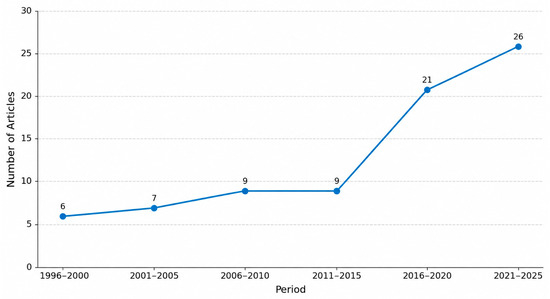
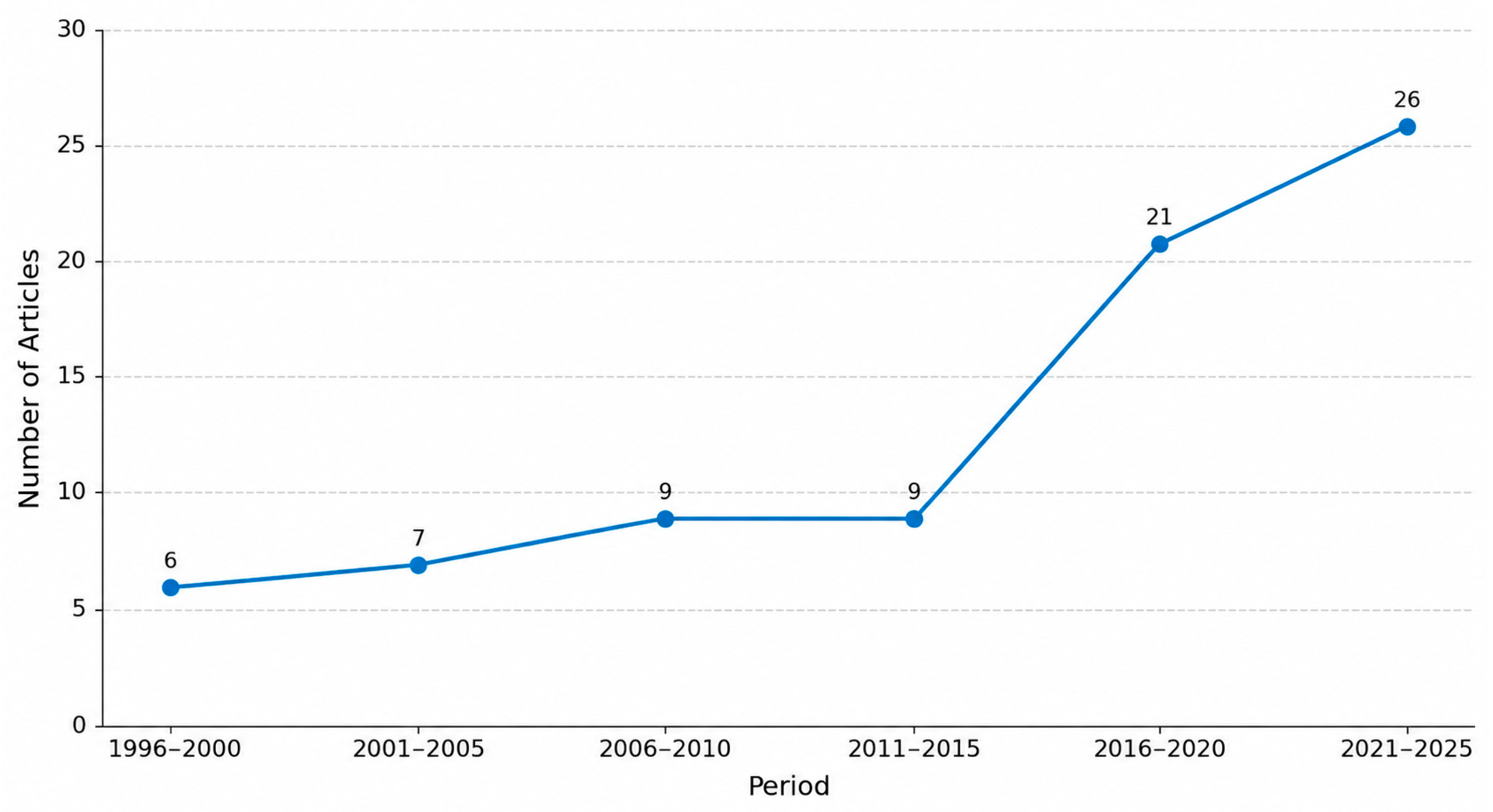
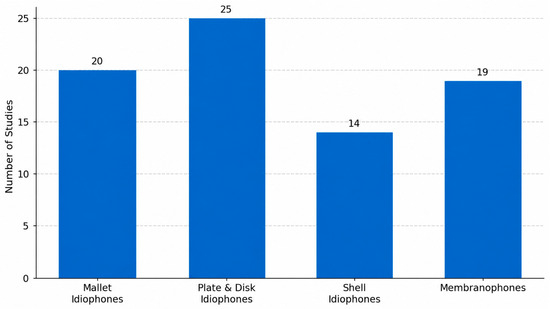
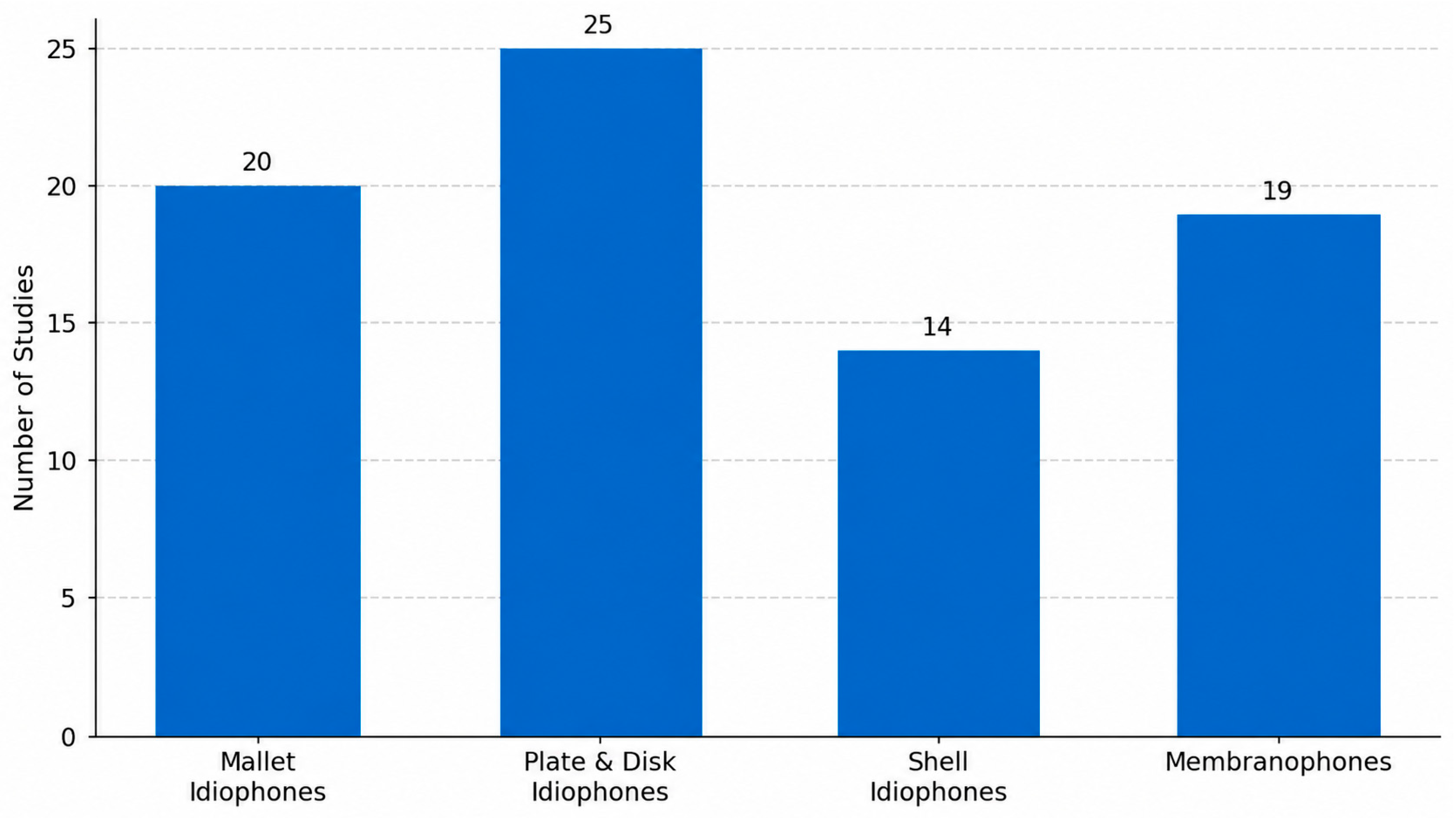
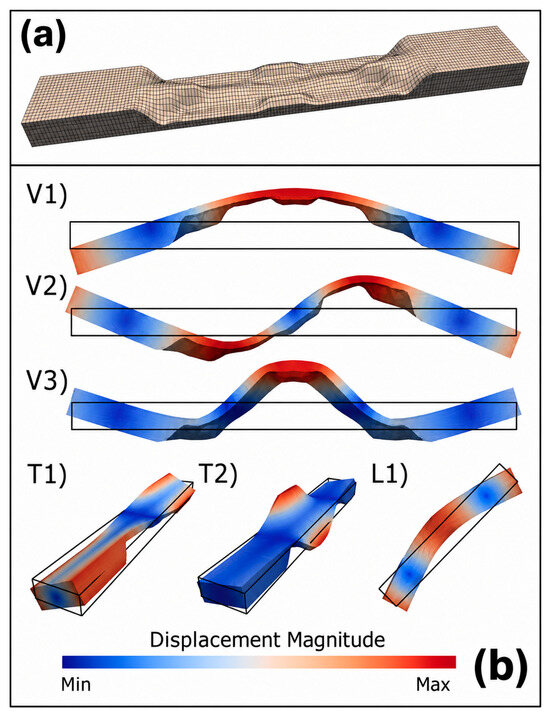
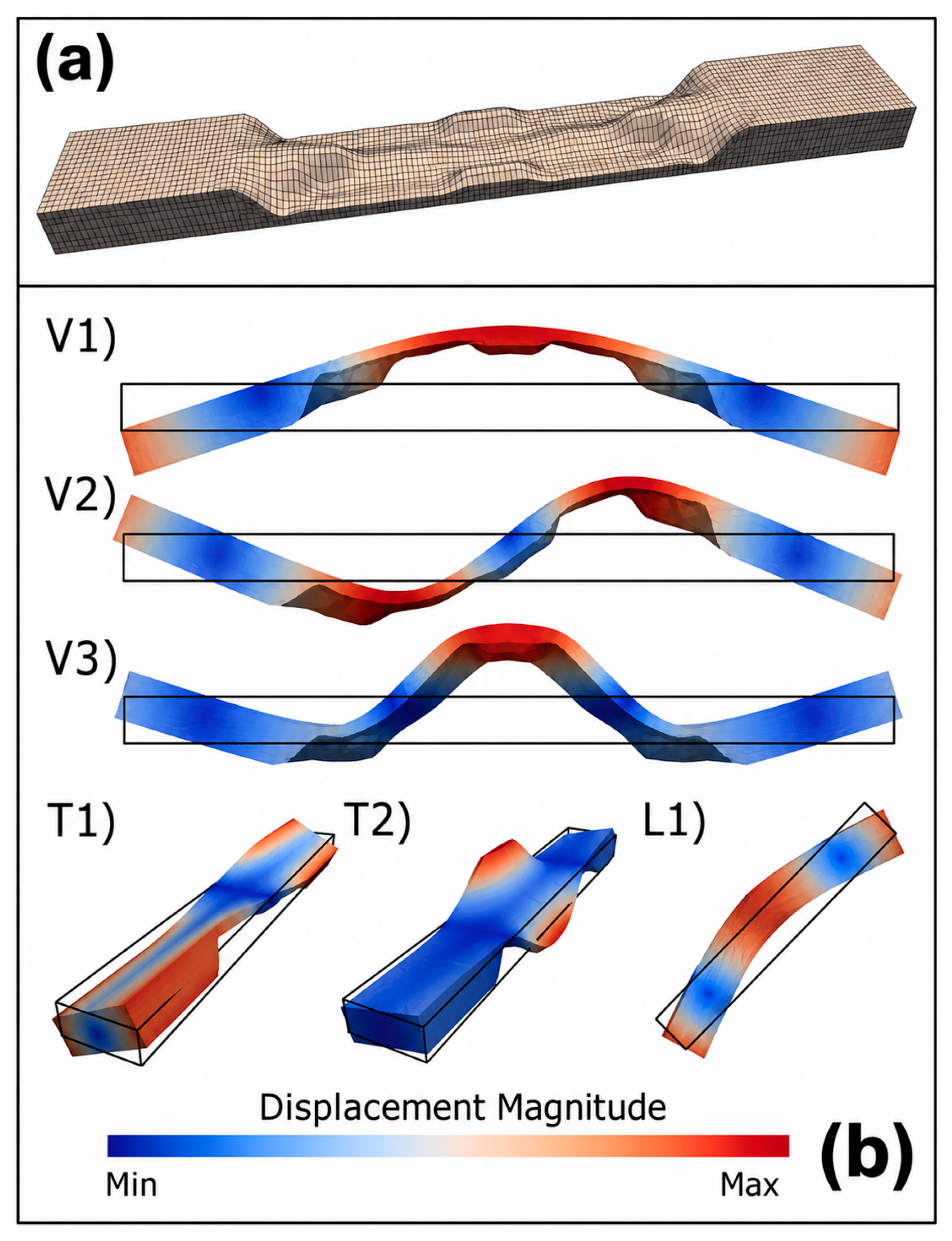
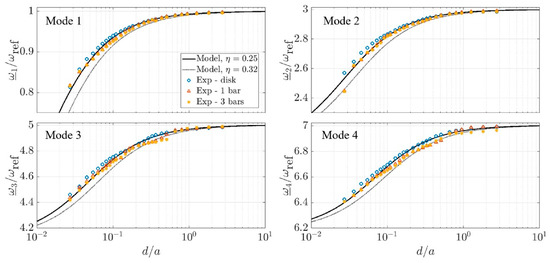
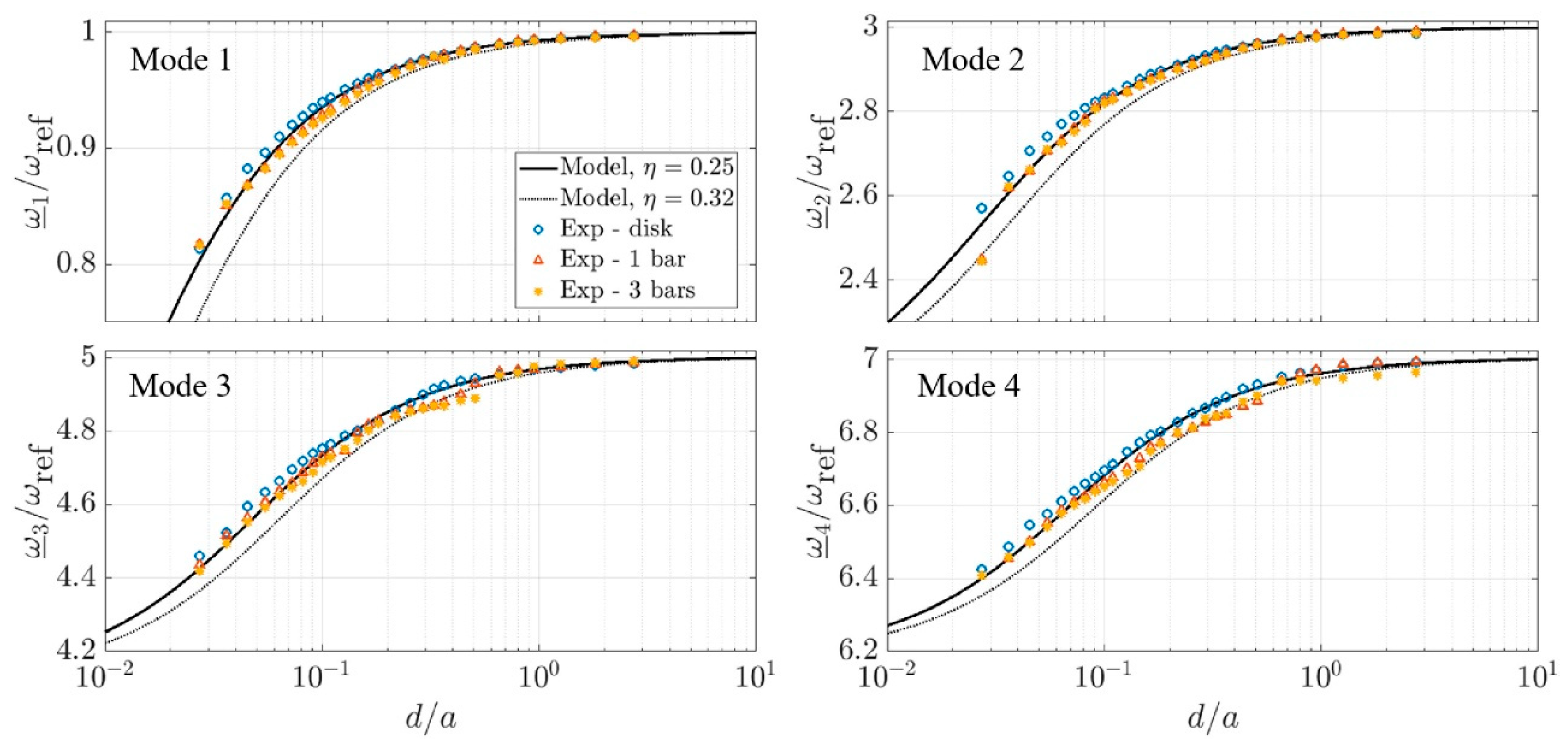
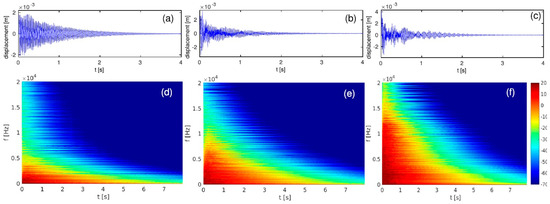
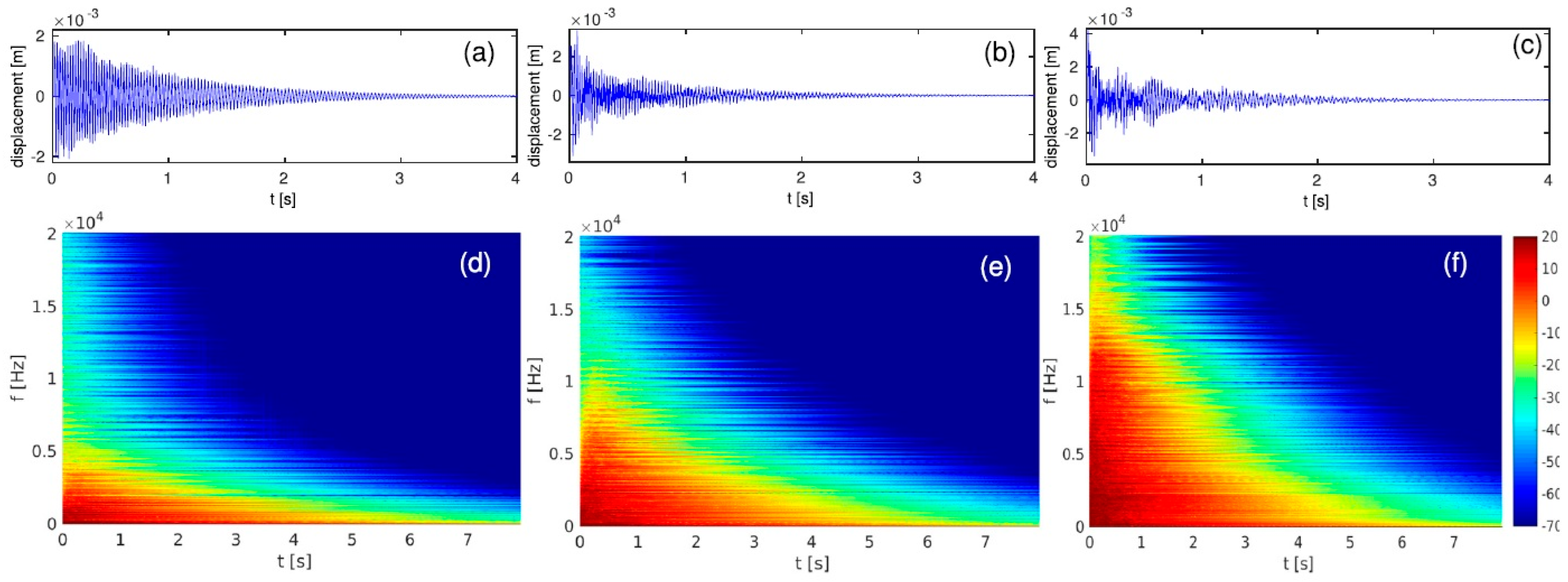
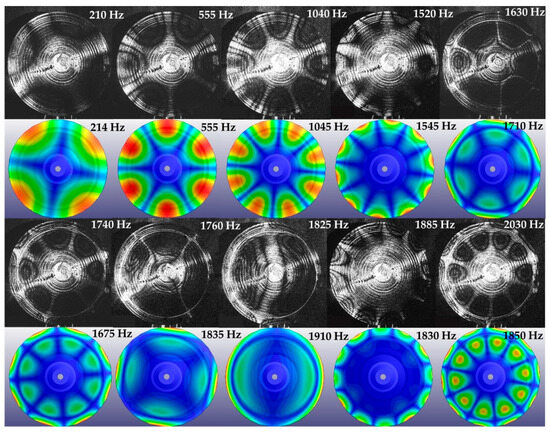
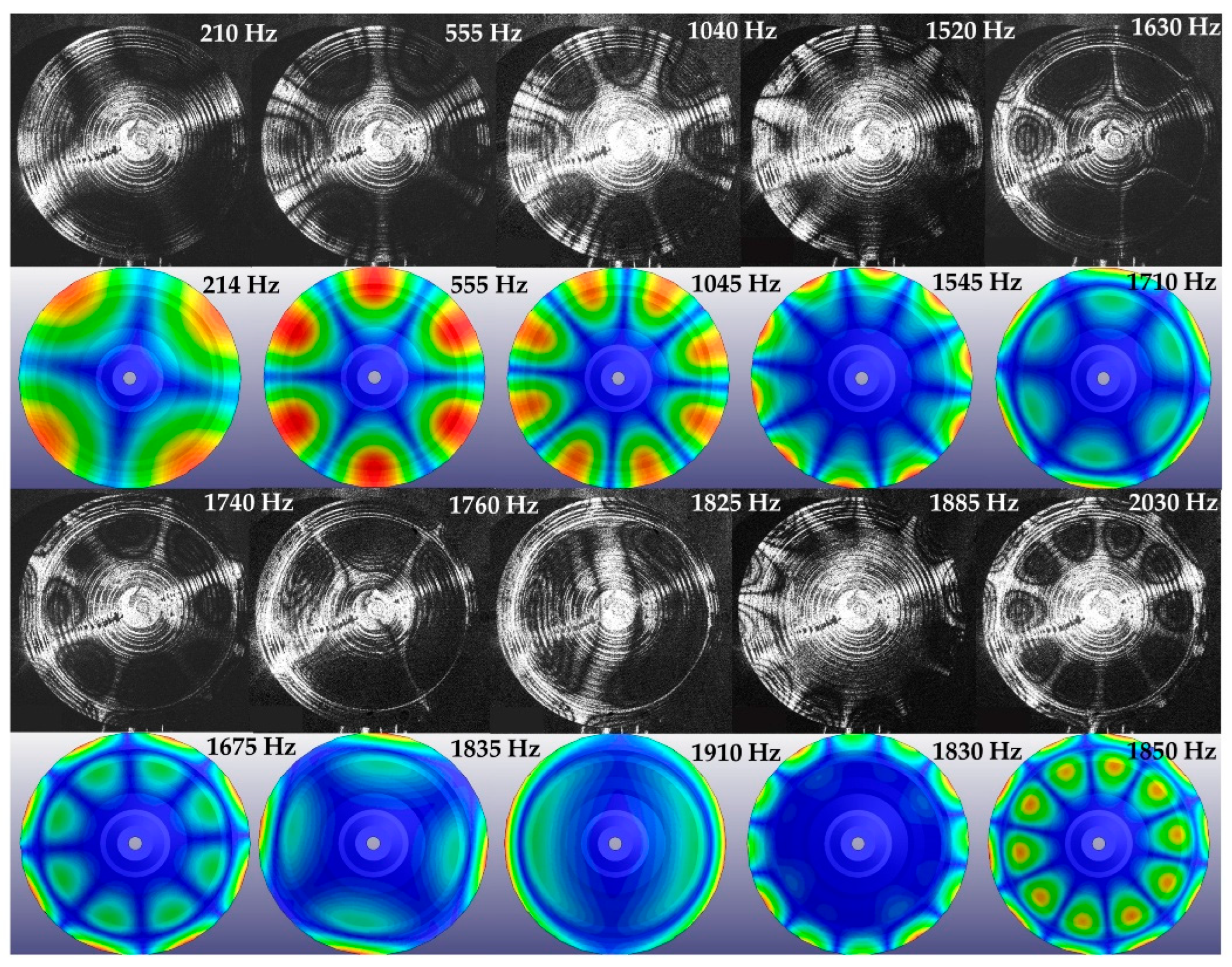
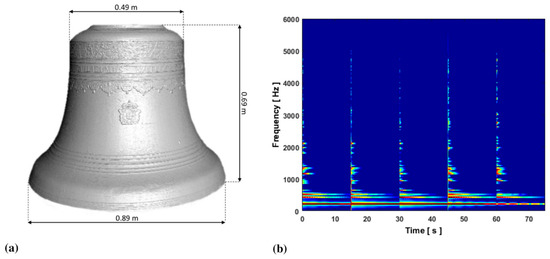
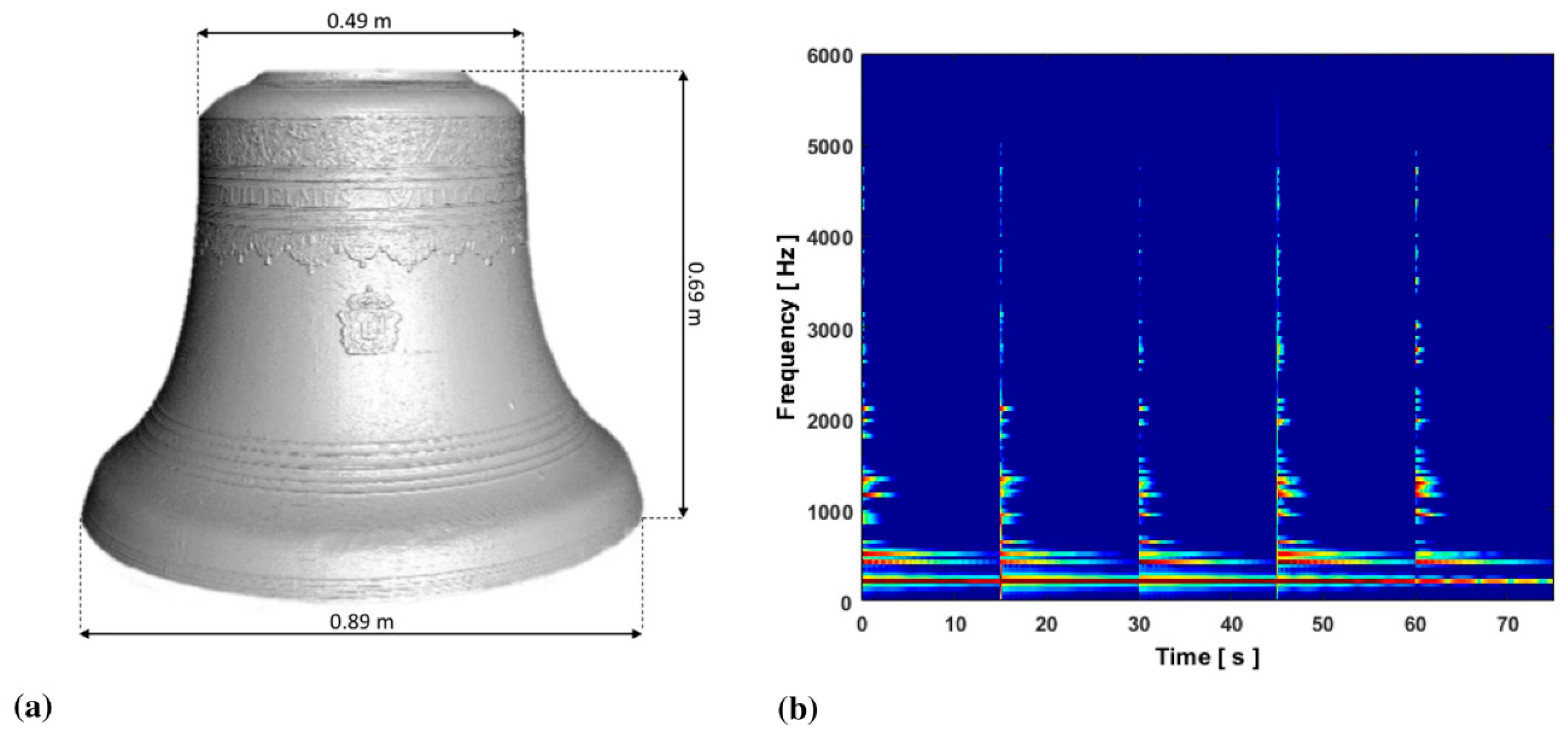
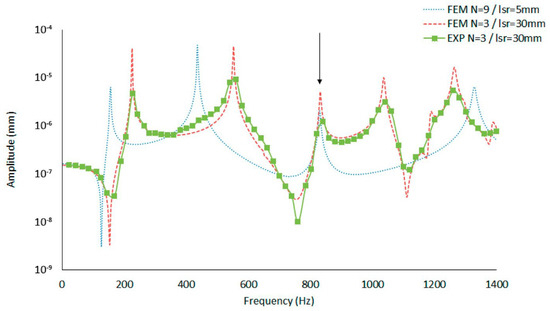
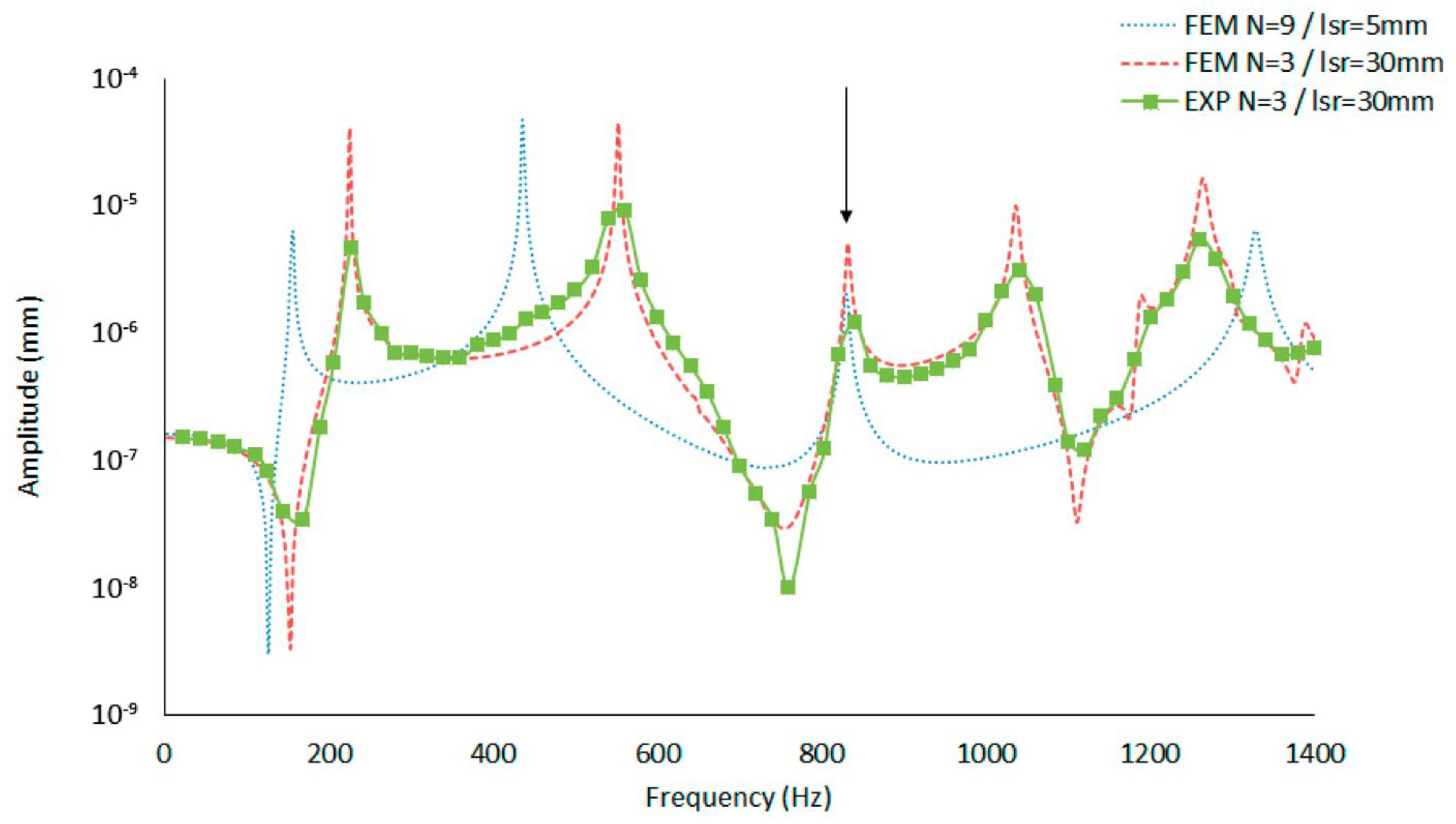
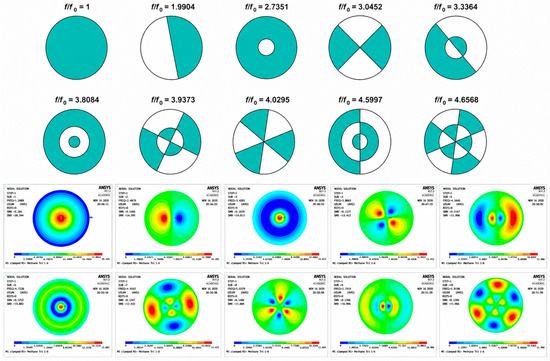
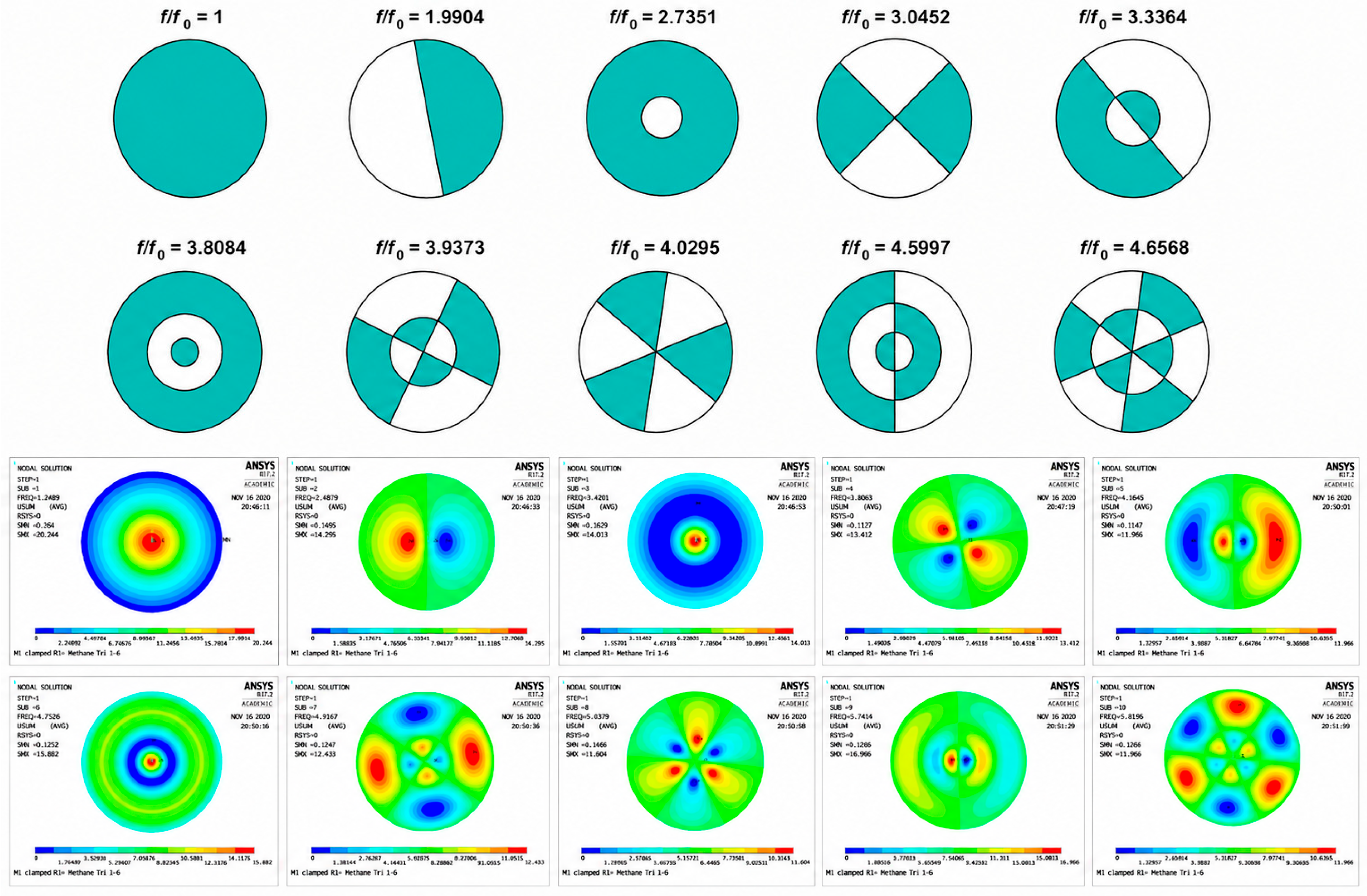

Disclaimer/Publisher’s Note: The statements, opinions and data contained in all publications are solely those of the individual author(s) and contributor(s) and not of MDPI and/or the editor(s). MDPI and/or the editor(s) disclaim responsibility for any injury to people or property resulting from any ideas, methods, instructions or products referred to in the content. |
© 2026 by the authors. Licensee MDPI, Basel, Switzerland. This article is an open access article distributed under the terms and conditions of the Creative Commons Attribution (CC BY) license.