


Abstract
Microplastics (MPs) are considered to be dominant agents responsible for serious contamination in environmental and biological systems. Despite a huge increase in research on these contaminants, there are still considerable uncertainties and progress to be made on the exposure pathways of biological systems, modes of detection, and toxicity assessments. Therefore, developing a critical review of MPs is crucial due to growing evidence of their harmful effects on human health. In the current review, we aim to emphasize the potential toxic effects of MPs on different biological systems in humans, the mechanisms of their toxic effects, and gaps in our knowledge on risk assessment. Importantly, we focus on the risks posed by MPs for fetuses and child health. To ensure methodological rigor, the current review follows the PRISMA guidelines, explicitly detailing the literature search strategy and inclusion/exclusion criteria. The present review summarizes potential sources of MP generation, exposure pathways, quantitative analyses of dietary exposure, estimated daily intake, particle/leachate toxicity evidence, detection in different human organs, and potential toxic effects. MPs cause toxicity in several biological systems in humans, such as the gastrointestinal, nervous, hepatic, endocrine, respiratory, and reproductive systems. In addition, these particles are known to cause oxidative stress, alter metabolism, and affect gut microflora and gastrointestinal functions. Importantly, the current review also discusses the challenges encountered in conducting risk assessments for MPs and the approaches for counteracting these challenges. Finally, the review concludes by recommending future research directions in terms of counteracting the toxic effects of MPs on human health.
1. Introduction
Plastics are synthetic or semi-synthetic polymers synthesized from fossil carbon, derived from gas, coal, and oil; their use has significantly increased since the 19th-century Industrial Revolution. Following the start of the industrial manufacture of plastics around 1950, the global community has grown more dependent on them. Due to the practically useful characteristics of plastics, like their moldability, light weight, chemical resistance, and low production cost, the use of plastics is very high across all sectors. The disposal of plastics has also become a huge environmental challenge, as single-use plastic use has increased exponentially in many sectors, including the health sector. Plastic pollution is the accumulation of synthetic plastic products in the environment. In 2019, the global annual output of plastic products reached 460 million tons, only 9% of which are recycled, and it is estimated that this output will reach 1.2 billion tons by 2060 [1,2]. According to Hirt and colleagues, around 4.8–12.7 million metric tons of plastic reaches the ocean every year, contributing to 80% of the plastic pollution in the world [3]. Plastics persist in the environment for hundreds of years. The degradation of plastic is a very slow process. If plastics are not recycled and disposed of in the environment, plastic degradation occurs by UV rays, physical force, temperature changes, and, rarely, biodegradation. The breakdown of large plastic products results in the generation of smaller plastic fragments, called microplastics and nanoplastics. Microplastics (MPs) are plastic fragments and particles measuring less than 5 mm. Nanoplastics (NPs) are even smaller particles, with a size of less than 1 μm [4]. According to their place of origin, MPs can be separated into two categories: (1) primary MPs, which are purposefully created microparticles for consumer and commercial applications, such as sandblasting agents, cleaning abrasives, cosmetics, polymer carriers for drug delivery, plastic-coated fertilizers, etc., and (2) secondary MPs, which are created naturally when bulk plastic waste breaks down [3,5]. MPs spread quickly in wind and water because of the particles’ tiny dimensions. Microplastics have emerged as widespread contaminants, infiltrating ecosystems around the world—including soil, air, water, and polar ice—raising serious concerns about their impact on environmental and human health [6]. The contents detected vary greatly among different areas. Research has documented micro- and nanoplastic (MNP) concentrations which vary widely across environments, including 88–2830 particles/kg in agricultural soils [7], 350–1604 particles/kg in terrestrial soils [7], 2–1008 particles/m2/day in the atmosphere [8], 0–2500 g/km2 on ocean surfaces, and 38–234 particles/m3 in sea ice. Consequently, fragments can be located at the depths of the sea, in living things, and in the soil, air, water, and polar ice [6]. The chemical makeup of the polymer and the characteristics of the additives are reflected in MPs chemical properties. Polyethylene (PE), polypropylene (PP), and polystyrene (PS) particles make up the majority of the contaminating MPs. MPs are separated into fibers, grains, granules, fragments, films, and foams based on their morphologies. Because of their high surface-to-volume ratio, MPs are effective at absorbing pollutants and microbes. Due to their small size, microplastics are ingested by a variety of aquatic animals, disrupting their physiological processes. These disruptions subsequently spread throughout the food chain, causing negative health effects in humans. Nanoplastics are created as a result of the weathering and fragmentation processes of plastic waste. As they are so small, nanoplastics can readily navigate any standard water filtration procedure [9]. Given that, the ingestion of tiny microplastic trash can easily transfer it to more complex trophic levels [10,11]. Since zooplanktonic grazers are a key component of the food web for higher trophic level animals, it is imperative to distinguish the detrimental impacts of MPs on the basic trophic level [12] via biomagnification. MPs are dispersed at varying trophic levels via bioaccumulation within the body, microplastic levels can rise to higher trophic levels. Additionally, MPs can infect humans via the food chain [13,14]. Thus, it suggests that people might be most negatively affected by the toxicity of microplastics. The absorption of toxins from the environment, such as organochlorine (OC) pesticides like Dichlorodiphenyltrichloroethane (DDT) [15], polychlorinated biphenyls [16], and polynuclear aromatic hydrocarbons [17], as well as the toxicity of microplastics themselves, results in unknown toxicity [18]. Consuming microplastics can lead to oxidative stress, abrasion, ulcers, satiation, slower growth, and reduced reproductive fitness [19,20]. Thus, evaluating the risks of microplastics to human health is crucial.
In this review, we aimed to systematize and summarize experimental studies evaluating the effects of MPs on human health. We discuss the levels of environmental pollution by MPs, estimate the consumption of MPs by humans, and describe the effects of MPs on human health.
2. Study Design
The design of the study is presented as a Prisma flowchart in Figure 1.
Figure 1.
Prisma flowchart showing exclusion/inclusion criteria in this study.
2.1. Literature Database
We used search engines such as ‘PubMed’, ‘Google Scholar’, and ‘Scopus’ to collect the literature on the harmful effects of microplastics for human health. The following keywords were used to collect these studies.
2.2. Keywords Used
Microplastics, nanoplastics, plastic production, microplastics toxicity, microplastics in human health, microplastics in food, and microplastics in the environment.
2.3. Inclusion Criteria
To provide an overview of the toxic effects of microplastics, publications were referred using scientific literature databases, and the ‘materials and methods’ sections in these articles were examined to find the year of investigation and the exact method followed. Our study selection process involved a two-stage screening approach: initial title/abstract screening followed by full-text review of potentially eligible studies. The current review summarizes the findings of observations published mostly during the last 10 years (2014 to 2024). To examine the sources of microplastics and their detection in humans and animals, a total of 36 different research articles were included. Seven different articles were included to understand the mechanism of exposure to micro and nanoplastics (MNPs). Ten articles showed the detection methods of MNPs in various tissues in humans and experimental animals. Further, to discuss on toxic effects caused by different MNPs on human health, a total of forty-eight different studies was included.
2.4. Exclusion Criteria
Articles not written in the English language were excluded. Additionally, studies on microplastics had been used previously; however, those are currently restricted and were not included in the study.
In the preceding sections of this article, we mentioned a brief account on sources of MNPs, exposure pathways, and the potential toxic effects of these agents on the various physiological systems of humans (Figure 2).
Figure 2.
Sources, types, and exposure pathways of MNPs and their potential toxic effects on human health.
3. Metric Statistics—Microplastics
Global microplastics research output grew >15-fold from 2010 (∼500 papers) to 2023 (∼7800 papers), with a 34% average annual growth rate [21,22]. This surge aligns with increasing environmental concerns and policy attention post 2015, when the UN Environment Assembly highlighted marine plastic pollution as a critical issue [21]. Foundational papers on marine MP pollution remain the most cited (>5000 citations), reflecting early dominance in the field. However, terrestrial/atmospheric MP studies show the sharpest recent rise (2020–2023: +217% citations), driven by emerging evidence of airborne MP transport and health risks [23]. The urgency of this review is underscored by accelerating scholarly attention: microplastics publications surged from ∼500/year (2010) to >7800/year (2023) [22], yet critical regions (e.g., Southeast Asia and Africa) and mitigation topics (e.g., circular economy interventions and policy effectiveness) remain understudied (<15% of outputs) [24]. For instance, Southeast Asia contributes disproportionately to ocean plastic leakage but represents only 5% of global MP studies [24]. Our synthesis prioritizes these gaps to direct future research investment toward equitable and actionable solutions.
4. Sources and Types of MNPs
MNPs can be found ubiquitously in the environment, as millions of things we use are made of plastics, and they release MNPs into the environment after slight friction, heating, and even after storing food and water in plastic containers. Research shows that the dust floating in the air also contains MNPs, which enter our lungs with every breath. Depending on the source of origin, MNPs can be of two types.
Primary microplastics—manmade plastic particles added to cosmetic products, toiletries, powders, and paints.
Secondary microplastics—produced by the degradation of larger plastic particles through physical abrasion, microbial degradation, and photochemical action.
As noted in Figure 2, MNPs can be of various types depending on their polymer composition and shape. Different polymers of plastic are polyethylene (PE), polypropylene (PP), polystyrene (PS), polyvinyl chloride (PVC), polyethylene terephthalate (PET), polycarbonate (PC), polymethyl methacrylate (PMMA), and polyurethane (PU). Of these, PE, PP, and PS are the most commonly used polymers in thousands of household and cosmetic products [2]. Most of the household products that we use daily, including cosmetics, toothpaste, synthetic clothes that we wear, contain plastics, and they enter our body directly by ingestion or indirectly as MNPs in atmospheric air through inhalation and absorption through the skin. Microscopic examination of MNPs also shows various shapes like fibers, microbeads, fragments, nurdles, and Styrofoam [25]. Polyester and nylon polymers are released as fibers from diapers and fleece garments. Toothpastes, exfoliating soaps, and facial cleansers contain PE, PP, PS, PET, and PVC in the form of microbeads [26,27]. Plastic cutlery, lids, and single-use plastics release MNPs as fragments. Commonly used Styrofoam cups, food packaging, and containers release PS polymer MNPs in the form of Styrofoam. Nurdles are larger beadlike structures containing various plastic polymers released from plastic molds, container lids, etc. [28].
5. Human Exposure to MNPs
Humans are exposed to MNPs by different routes, with ingestion and inhalation routes being the main routes. MNPs are ubiquitously present in drinking water, contaminated foods like seafood, fruits, and vegetables. Accidental ingestion of personal care products like toothpaste also results in additional exposure. Storing food in plastic containers, single-use cups, and plastic bottles further increases ingestion of MNPs. Estimates of typical exposure by ingestion vary from 0.1–5 g/week to 4.1 g/week depending on the type of polymer tested and the technique used [29,30]. After entering the body, they can accumulate within the gut, be excreted, or be absorbed. Absorption of MNPs occurs by endocytosis into epithelial cells, transcytosis by M-cells, across the tight junction of epithelial cells, or by persorption via epithelial gaps created after enterocyte shedding from villous tips [31]. MNPs induce oxidative stress, further causing intestinal epithelial cell apoptosis and increased MNP absorption by increasing gut permeability.
MNPs released into the air during the manufacture and use of synthetic textiles, rubber tires, paints, and plastic covers are an important source of exposure. Apart from that, due to excessive use of plastic products in day-to-day life, the release of MNPs into the air has increased tremendously, even without industrial exposure. One estimate reveals that humans inhale between 26 and 170 MNPs of varying size per day apart from the industrial exposures [32]. After entering the lungs and coming in contact with alveolar epithelium, they can translocate into epithelial cells and macrophages by diffusion, direct cellular penetration or active uptake.
Dermal exposure to MNPs occurs while using personal care products such as face and body scrubs, shower gels, shampoos, and after coming in contact with indoor dust and microfibers from textiles. While this is considered the least significant route of exposure to MNPs ex vivo, human studies show that large PS MNPs can penetrate through hair follicles [33]. During dermal exposure, some plastic additives like brominated flame retardants (BFRs), triclosan, bisphenols, and phthalates are also absorbed. Many studies have also shown transplacental transfer of MNPs from mother to fetus. MNPs have also been detected in the meconium, supporting transplacental transfer [34].
Apart from inhalational and dermal exposure, infants are exposed to MNPs through infant feeding bottles, formula, and expressed breast milk stored in plastic containers, etc. Children face a higher risk of exposure because of their inherent exploratory nature and frequent hand-to-mouth activity. Another recent area of concern is MNP exposure via biomedical products like joint prostheses. Ultra-high molecular weight PE MNPs have been detected in periprosthetic tissues in patients who had undergone joint replacement [35].
6. Detection of MNPs in Humans and Animals
MNPs are found ubiquitously in the environment, and they are also entering into living organisms and are being detected in plants, animals and human beings. Microplastic fibers are most frequently ingested through water. Many aquatic animals, like fishes, oysters, and mussels, have been found to have high levels of MNPs in their blood [36]. MNPs have also been detected in plants and algae. A hydroponic experiment conducted by Liu et al. also confirmed the presence of MNPs in shoots growing from rice seedlings [37]. A recent review suggested that microplastics are transported throughout the whole body in blood and the existence of microplastics has been found in several human biological components, such as the spleen, liver, colon, lung, feces, placenta, breastmilk, etc. Higher MNP contents are found in the liver and colon. Higher contents of PET have been detected in infant feces than in adults, suggesting that infants face higher exposure levels. Zhu et al. detected microplastics in placental samples. Since then, many experiments have detected MNPs in fetal tissue, the meconium, and the placenta [38] in the human fetus. If we consider DOHaD (Developmental Origins of Health and Disease) theory, MNPs pose a severe threat for future generations as they would be at a higher risk for obesity, heart disease, and many other non-communicable diseases. Currently, MPs have been detected in upper and lower airways, blood, urine, stool, placenta, and even breastmilk.
Kwon et al. (2020) reviewed microplastics (MPs) in food, finding them in beer, honey, milk, seafood, tea bags, and traditional medicines [39]. Zimmermann et al. (2025) [40] systematically mapped MPs in food and plastic packaging, compiling 600 entries in an open-access database. Over 96% of entries detected micro- and nanoplastics (mostly 1–1000 µm), primarily from bottles (31%), unspecified containers (19%), tea bags (12%), cups (10%), and baby bottles (5%). The meta-analysis revealed 58 of 103 studies were of reliable quality, confirming that MPs migrate into food during normal use. These findings highlight widespread MP contamination across food chains, emphasizing the need for further research on exposure risks.
Table 1 organizes evidence by population groups and food types (bottled water, seafood, salt, processed foods, and beverages), providing quantitative estimates of dietary exposure that range from tens of thousands to millions of particles/person/year (~0.1–5 g/week). While human biomonitoring confirms uptake (blood and feces), it remains unclear whether health risks arise from the particles themselves or from associated leachates (phthalates, bisphenols, and POPs). Current toxicology is mostly in vitro or animal-based, with chronic human data lacking, underscoring the need for integrated exposure metrics (particle counts, mass, size, and chemical load) in future studies.
Table 1.
Quantitative dietary exposure to microplastics (MPs) by population group, key sources, approximate EDIs (estimated daily intakes), particle/leachate toxicity evidence, and level of evidence.
There is substantial proof that MPs can enter the human body and that some are excreted while others are accumulated, based on human biomonitoring using blood [41], stool [48], breast milk [49], lung tissue [50], and placenta samples. Yet, the majority of toxicological investigations are conducted in laboratory settings, typically at high MP concentrations, and there is no data comparing the concentration of MPs found in various human organs and their consequences on health. A few examples are cited as follows. Using μ-FTIR, a study of 13 lung tissue samples produced a mean concentration of 0.69 ± 0.84 MP/g in 11 of the samples, with PP and PET being the two most prevalent polymers, making up 23% and 18% of the total MPs, respectively [50]. Microfibers accounted for 97% of all MPs in lower airways found in another investigation utilizing the bronchoalveolar lavage fluid (BALF) approach; the average particle concentration was 9.18 ± 2.45 items/100 mL BALF [51]. Using a new double-shot Pyr-GC/MS technique on blood samples from 22 healthy volunteers in the Netherlands, it was shown for the first time in 2022 that MPs can enter the human bloodstream [41]. The most commonly found polymers were PET, PE, and PS polymers, followed by polymethyl methacrylate (PMMA), and the MPs measured were ≥700 nm. The overall concentration of MPs in blood resulted in 1.6μg/mL [41]. Eight healthy volunteers, ages 33 to 65, from Europe and Asia had their stools collected for the initial case study. The average concentration of MPs per gram of stool was 2 MPs, with PP and PET being the most prevalent polymers. Following the application of a digestion regimen, seven additional polymers were identified using FTIR [40]. PVC (43.3%), PP (14.6%), polybutylene succinate (PBS, 10.9%), PET (7.3%), PC (6.9%), PS (5.8%), polyamide (PA, 5.4%), polyester fiber (2.9%), PE (1.4%), polyacrylamide (PAM, 0.7%), and polysulfone (PSF, 0.7%) were among the 11 distinct plastic polymer types identified by LDIR in 17 placentae from healthy volunteers aged 23 to 36 in a study carried out in China. One week after delivery, 34 samples of breast milk from women aged 28 to 50 years were collected for a pilot study in Italy. The results showed that the most prevalent polymers identified by Raman spectroscopy were PE (38%), PVC (21%), and PP (21%) [49]. In a Chinese study including six testis donors between the ages of 28 and 38, LD revealed that 31 MPs were present in four of the six samples, with an average concentration of 1.60 ± 15.5 MP/gIR [52].
In addition, the use of single-molecule biomonitoring tools has been investigated. For instance, a prototype sensor was developed to measure light attenuation and generate color spectra that aid in the identification of microplastics by analyzing samples with multiple wavelengths of light. The system uses samples of commercially available microplastics and incorporates passive low-pass filters to reduce noise for accurate readings [53].
6.1. Limit of Detection (LoD) of Microplastics
The limit of detection (LoD) is a fundamental parameter in quantifying micro- and nanoplastics (MNPs), and is strongly influenced by the analytical method, target size range, polymer type, and environmental matrix. Established vibrational spectroscopic methods such as FTIR and Raman microscopy achieve LoDs in the micrometer regime: FTIR is typically limited to detecting particles ≥ 10–20 µm, while Raman can reach down to ~1 µm under optimal conditions [54]. These techniques, however, are insufficient for nanoplastics (<1 µm), necessitating advanced methods. Field flow fractionation (FFF) coupled with detectors like multi-angle light scattering (MALS) or dynamic light scattering (DLS) enhances size resolution and helps reach submicron detection ranges [55]. Thermoanalytical approaches such as pyrolysis–gas chromatography–mass spectrometry (Pyr GC MS) enables mass-based detection of nanoplastics (e.g., 30–740 nm) in complex matrices, although matrix interference remains challenging [56]. Surface-enhanced Raman spectroscopy (SERS) has yielded nanoplastic LoDs down to 0.1 µg/mL for 100 nm polystyrene nanoparticles, though often requiring extensive sample preparation, including concentration steps and organic solvent treatment [57]. More recent optical–mechanical hybrid methods such as NEMS FTIR report sub nanogram LoDs: 353pg for PS, 102pg for PP, and 355pg for PVC nanoparticles deposited on sensor chips [58]. Despite advances, achieving reliable LoDs in real-world environmental samples remains challenging due to particle aggregation, organic matrix interference, and the lack of standardized reference materials. Continued innovation in separation, preconcentration, and detection is critical to improving analytical sensitivity and comparability across studies.
6.2. Limitations in the Current Detection Protocol for MPs
A critical evaluation of the literature reveals significant methodological heterogeneity that complicates the direct comparison and extrapolation of findings. While human biomonitoring studies have successfully detected MNPs in various tissues, as discussed in previous Section 6.1, these methods possess inherent limitations. Techniques like FTIR and Raman have size detection limits (typically > 1–10 µm), potentially overlooking the smaller, more bio-active MPs. Furthermore, the lack of standardized protocols for sample collection, digestion, and contamination control creates substantial variability in reported concentrations, as seen when comparing stool [48] and placental studies. Consequently, while in vitro toxicological data provide mechanistic insights, it often relies on supraphysiological concentrations of pristine, spherical particles, which may not accurately represent the complex, weathered, and low-dose chronic exposure scenario in humans. These methodological constraints and inconsistencies currently preclude a robust quantitative risk assessment and highlight the need for harmonized analytical approaches and more environmentally relevant toxicological models.
Table 2 focuses on dietary exposure to microplastics (MPs), gives back-of-an-envelope EDIs using clearly stated assumptions, and anchors the human health-relevant evidence. The EDIs are illustrative, based on commonly cited consumption amounts (e.g., 2 L water/day; 5 g salt/day; 100 g bivalves/serving × 3/week). Actual intake varies by diet and brand/packaging.
Table 2.
Estimated daily intake (EDI) of microplastics (MPs) through diet and associated human health implications.
7. Toxic Effects of MNPs on Human Health
MNPs enter into the body directly by ingestion, inhalation, and dermal exposure, and are deposited in almost all organs of the body, where the plastic polymers cause direct injury to cells and tissues. Another threat these MNPs pose is that they act as “Trojan Horses” for multitudes of chemicals, heavy metals, and toxic xenobiotics. During the manufacturing of plastics, over 10,000 unique chemicals are used, out of which more than 2000 are chemicals of regulatory concern [64]. The various additives used in plastic manufacturing are colorants, plasticizers, stabilizers, dyes, and flame retardants. The plastic polymers are hydrophobic in nature and can absorb polyaromatic hydrocarbons on their surface and transport them into our body [65]. Many heavy metals, such as lead, cadmium, and mercury, are used to make plastic products look attractive, and they are also entering our bodies along with MNPs. These chemicals, after entering the body, gradually leach from the MNPs particles and can show their toxicity independently. Apart from chemicals, pathogenic bacteria from the environment can also attach to the MNPs and enter our bodies.
Co-exposure to these toxins and MNPs may enhance their bioavailability and increase the biological toxicity of these carried toxins, chemicals, and pathogens. The toxicological effect can be additive, synergistic, potentiating, or antagonistic depending on the chemical composition of each compound and their interaction with MNPs and the human body. This phenomenon is known as the “Trojan horse effect” [66]. Different mechanisms by which MNPs exert toxic effects on human beings are outlined and described in Table 3.
Table 3.
Effects of Different Types of Micro- and Nanoplastics on Human Health.
7.1. Oxidative Stress
Microplastics damage different cell lines by inducing oxidative stress. One experiment showed that polytetrafluoroethylene MP did not cause direct cytotoxicity, but it induced nitric oxide (NO) and reactive oxygen species (ROS) production from macrophages. It also specifically activates the MAP kinase signaling pathway (mitogen-activated protein kinase), specifically the extracellular signal-regulated kinase pathway in A549 (adenocarcinoma human alveolar basal epithelial cell), U937 (promonocytic human myeloid leukemia cell), and THP-1 dendritic cell lines. Expression of NLRP3 (Inflammasome) was reduced in the U937 and THP-1 cell lines, along with increased expression of apoptotic regulator BCL-2 in the A549 and U937 cell lines [75]. MNPs containing heavy metals can produce reactive oxygen species (ROS). Plastic polymers in contact with UV rays release more ROS. As summarized in the table, MNPs such as Polystyrene (PS) at sizes of 100 nm–5 µm result in oxidative stress by affecting the gastrointestinal, respiratory, and nervous systems [67,68,72] in patients. Polyvinylchloride (PVC) at sizes of 90 nm–3 µm is reported to cause oxidative stress by affecting several systems in humans. Further, polyethylene terephthalate (PET, 3 nm–100 nm) is supposed to result in oxidative stress by affecting the nervous, gastrointestinal, hepatic, and renal systems [67,70]. In another study by [72,73], nylon (polyamide) at sizes of 50 nm to 3 µm can also cause oxidative stress by affecting the respiratory, gastrointestinal, and immune systems.
7.2. Metabolic Alterations
Experiments in aquatic animals have shown MNPs reduce energy intake by reducing predatory activity, decreasing nutrient intake, and decreasing digestive capabilities [76]. Microplastics significantly reduce lipid digestion in simulated human gastrointestinal system, and PS molecules show the highest inhibition. Microplastics aggravate the toxicity of organophosphorus flame retardants, further highlighting the Trojan horse effect. MNPs also induce dysbiosis in the gut in animal experiments. In a study by [67,69,70], PETs at sizes of 100 nm to 3 µm cause dysbiosis in the gut (gut microbiota disruption). Similarly, according to [68,72,73], polypropylene microplastics (PPs of 4 nm–80 nm cause alteration in the microbiome). Human organoid experiments have shown that PE MNPs alter the gut’s microbial population, resulting in inhibition of the pentose phosphate pathway of gut microbiota, which acts as an antioxidant in the gut. Inhibition of fructose mannose metabolism by gut microbiota leads to excess absorption by the gut, leading to increased risk of obesity [77].
7.3. Bioaccumulation in Different Organs
Due to their small size, MNPs can pass through different membrane barriers of the body and have been found to accumulate in several internal organs such as the gastrointestinal tract, reproductive organs, and endocrine tissues [5]; liver and kidneys [70]; paraaortic lymph nodes, liver, spleen, kidneys, and even brain tissues [78].
7.4. Immune Response
MNPs can induce an immune response in human hosts. Secretion of IL-1beta is increased, and Th17 and Treg cell numbers are reduced in rats exposed to PS [79]. Inflammatory proteins, such as TGF-β and TNF-α, are increased in rat lungs after inhalation of PS. There are several reports explaining the alterations in immune response due to the effect of different MNPs. According to [72], nylon MNPs cause immune responses in humans. Immune activation is caused by several other MNPs such as PVCs [71,73,74]. Polypropylene particles [67,68] are also reported to cause immunotoxicity in humans. Inflammation is considered to be an outcome of immune response and is caused by several MNPs, such as PVC [44,51] and nylon particles [5,67,72,73,80].
7.5. Neurotoxicity
The neurotoxicity of plastic particles has been studied extensively in fishes and Mollusca [81,82]. In vitro organoid experiments in the human brain have demonstrated increased production of reactive oxygen species (ROS) in human T98G cerebral cells and epithelial HeLa cells on exposure to high doses of PS microplastics [83]. Nanoparticles affect mitochondrial activity and LDH leakage. They inhibit acetylcholine Esterase activity in neurons. Higher toxicity is documented by aged particles than by fresh particles. This can be explained by particle aggregation or the adsorption of toxic bioactive materials on nanoparticles. Carboxylated PS nanoparticles are internalized through phagocytosis by microglial cells and thus aggravate neuroinflammation. PE nanoplastics are internalized by dopaminergic neurons, and at high doses they decrease cell viability. MNPs such as PS [67], PVC [70,71], PET [70], and PU [80] cause disruption of the nervous system.
Various factors affecting the neurotoxicity of MNPs include the duration and magnitude of the exposure, exposure temperature, and particle size and age. In an experimental scenario, though the magnitude of exposure is high, duration is short, but in a natural environment, the exposure level is low, but duration is high, and the effects of aging and the accumulation of other particles might further potentiate neurotoxicity. It is pertinent to note that translating findings on neurotoxicity due to microplastics from experimental models to humans faces substantial scientific and methodological challenges. Most neurotoxicity studies on microplastics use high concentrations and pure polymer types in animals or in vitro systems, which may not truly reflect the diverse and low-dose exposures experienced by humans in real-world environments. This creates uncertainty about actual risk and relevance to human health [84]. For example, a study using polystyrene on human cerebral cells [83] employs high, short-term exposure doses that may not reflect chronic, low-level human exposure. A key inconsistency lies in the variable effects observed based on particle characteristics; for instance, aged particles often demonstrate higher toxicity than pristine ones [85], and results can differ significantly by polymer type, size, and surface charge, making it difficult to establish unified neurotoxic risk thresholds for human health.
7.6. Gastrointestinal Toxicity
Exposure to MNPs by ingestion results in damage to the gut mucosal epithelium and features mimicking inflammatory bowel diseases. As discussed previously, it also alters gut microbiota and can be linked to multiple diseases aggravated by gut dysbiosis. Gastrointestinal toxicity has been shown to be caused by nylon [80], PS [67], PE [5], PP [68], PET [67], and PVC [71] (Table 3).
7.7. Pulmonary Toxicity
MNP fibers released from synthetic clothes like nylon can enter into the lungs via inhalation. Its toxic effect has been documented in workers in nylon factories and those dealing with synthetic fiber industries. They reduce lung functions, accumulate in pulmonary tissues, and aggravate pulmonary symptoms. Previous studies have indicated that MNPs such as PVC can cause lung inflammation [70,71]. Nylon is reported to cause pulmonary toxicity [74]. Lung toxicity has been observed in exposure to PS, as investigated by [67,68].
7.8. Effect of Additives on Human Health
During the manufacture of plastics, many additives are used to increase their strength, malleability, durability, fire resistance, and appearance. These chemicals are leached from the plastics, pollute the environment, and enter human bodies and animals through water, food, etc. Some chemicals are also carried inside the body along with microplastics and are released inside the body. These chemicals include BPA (Bisphenol A); phthalates such as Bis (2-ethylhexyl) phthalate (DEHP), dibutyl phthalate (DBP), and butyl benzyl phthalate (BBP); brominated flame retardants (BFRs) such as polybrominated biphenyl (PBB), polybrominated diphenyl ethers (PBDEs); and stabilizers like heat stabilizers (containing Pb, cadmium, and Organotin), light stabilizer (Benzophenone and Benzotriazole), and antioxidants. BPA and phthalates act as endocrine-disrupting compounds that interfere with the synthesis, secretion, transport, metabolism, binding action, or elimination of natural blood-borne hormones that are present in the organism.
Microplastics release BPA due to incomplete polymerization or hydrolysis after exposure to heat, friction, etc. BPA has affinity for the estrogen receptor and binds to nuclear ERalpha and ERbeta. It can also bind to G-protein-coupled receptors such as estrogen-related receptor gamma, aryl hydrocarbon receptor, thyroid hormone receptor, peroxisome proliferator-activated receptor alpha, and glucocorticoid receptors. Thus, it can exert various endocrine effects and predispose the organism to various cancers. BPA and phthalates also affect the immune system by interacting with macrophages and dendritic cells, as they express estrogen receptor isoforms. By interacting with ER, in M1 subtype macrophage (classical activation of macrophages), they cause upregulation of proinflammatory molecules like IL-1, IL-6, IL-12, TNF-alpha, etc., and, in the M2 subtype (alternative activation), they cause the downregulation of IL-10 and TGF-beta [86]. This results in an increased proinflammatory response with abnormal remodeling and autoimmunity.
Perinatal BPA exposure through maternal diet results in increased mast cell derived leukotrienes, histamine, PGE2, TNF-alpha, and IL-13 in offspring that promote allergic reaction [83]. Experiments in mice have proven that BPA administration during the perinatal period increased the percentage of Th17, decreased Treg cells and FoxP3 protein, and modulated expression of cytokines IL-17, IL-21, IL-6, and IL-23 [87]. Gestational exposure to BPA increases production of IgG1, IgG2a, and IgE in offspring with the modulation of mast cell function [88].
7.9. Additives in Plastic and Carcinogenesis
Perinatal exposure to BPA promotes mammary carcinogenesis through activation of proliferation and the pro-tumoral pathway WNT-4 and receptor activator of the NF kappa-beta ligand. The epigenomics change as histone trimethylation has been identified in mammary glands [89]. BPA exposure also results in altered colon cell permeability and local inflammation by increased levels of IFN-gamma, IL-17, and IgA by binding to ER alpha. BPA impairs E2-induced activation of the apoptotic cascade, and phthalates increase multidrug resistance gene expression in colon cancer. Both BPA and phthalates modify gut microbiota [90]. Therefore, the risk of colon cancer is increased on exposure to MNPs containing BPA and phthalates. Similarly risk of prostatic and cervical cancer is also increased on exposure to BPA and phthalates in microplastics.
Other endocrine abnormalities encountered by exposure to BPA are menstrual cycle irregularities, impaired fertility, endometriosis, PCOS, spontaneous abortion, and alterations in female hormone concentration. These endocrine effects can be explained by activation of the hypothalamic GnRH pulse generator, leading to a constant increase in plasma LH that stimulates ovarian androgen production and impairs proper ovarian follicle development [91].
7.10. Effect of EDC on Fertility
Experiments in rodents have found that exposure to phthalates and BPA induces epigenetic changes like DNA methylation, histone modification, and non-coding RNA expression within the germ line during spermatogenesis, leading to impaired sperm development with reduced quality and reduced fertility in males. Similar effects have been documented in female rodent models as altered follicle dynamics and a reduction in the number of growing and mature follicles.
7.11. Risks for Fetuses
Fetuses are very sensitive to EDC exposure because of their dependency on hormones for development. Catabolic enzymes for EDC are produced after birth, and fetuses are exposed to EDC for a longer duration as fetal circulation is slower than maternal circulation [90]. The transgenerational effects of EDC persist due to epigenetic alteration of the germ cell line. Studies have found placental accumulation of MNPs and resultant IUGR babies. In utero exposure to microplastics also compromises fetal organ development apart from growth. In rodent models, where pregnant mice and rats were exposed to BPA, DEHP, and DBP obesity, pubertal abnormalities, and endocrine dysfunctions manifested in the first and second generation, but a more profound effect was observed in the third generation, highlighting the transgenerational effect of the epigenetic changes produced by MNPs and their additives and the cumulative effect of direct and indirect exposure in subsequent generations [92].
7.12. Neurodevelopmental Effects
Prenatal exposure to BPA and phthalates is associated with an increased risk of autism spectrum disorders [93]. There is also a higher incidence of aggression, depression, conduct disorders, externalization of problems, and diminished executive function among school children exposed to phthalates prenatally. Mothers with higher exposure to phthalates during pregnancy are three times more likely to have children with ADHD than normal women [94]. In rodent experimental studies, mice exposed to MNPs in utero and during the lactation period demonstrated a reduction in the number of proliferative cells within the hippocampus with reduced neural stem cells. Exposure to PE MNPs in parent and offspring mice resulted in autistic traits in offspring from the post-weaning phase to adulthood [85]. All harmful effects of MNPs are summarized in Table 3.
7.13. Toxicity of BFR
BFRs include polybrominated biphenyls (PBBs), polybrominated diphenyl ether (PBDE) BFRs, polybrominated biphenyls (PBBs), polybrominated diphenyl ether (PBDE), and Tetrabromobisphenol A (TBBPA), and they are added to furniture, carpets, drapes, and electronics to reduce flammability. They can leach from the products and settle in household dust. High PBB exposure increases the risk of breast cancer, papillary thyroid cancer, lymphoma, and cancers of the GI system [95]. A cohort study conducted in Michigan found an increased rate of spontaneous abortion and developmental neurotoxicity in children of mothers exposed to PBB.
7.14. Toxicity of Stabilizers
Stabilizers are additives that protect plastic from degradation by oxidation, light, and heat. The major three categories of stabilizers are light stabilizers; benzophenone (BzP) and benzotriazole-l heat stabilizers like organometallic compounds; melamine; and antioxidants like butylated hydroxytoluene (BHT). Benzophenones are used in sunscreen and cosmetic products. Human epidemiological studies have found an increased risk of endometriosis, renal dysfunction, and oxidative stress in pregnant women, and developmental disorders in preschool children, following prenatal exposure to BzP [96]. Benzothiazines act as endocrine disruptors. The toxicity of Pb to the developing brain is well proven. Cadmium exposure has been associated with increased cancer and cardiovascular mortality [94]. Organotin is associated with metabolic disturbances, appetite dysregulation, and reproductive problems [94]. Antioxidants like BHT are carcinogenic and are also immunosuppressants.
8. MNP Toxicity and Child Health
As described previously, MNPs are ubiquitously present in the environment and affect all living beings. Fetuses, infants, and children are more susceptible to toxic effects because of slow fetal circulation, exposure of developing organs to the toxic effects of MNPs with their additives, and the exploratory nature of children with frequent mouthing, making them more prone to the ingestion of microplastic-contaminated objects.
A study by the German environmental ministry and the Robert Koch Institute found that 97% of children aged 3–17 years tested positive for MNPs in their blood and urine, which is really alarming [94,97]. Hence, these MNPs are a class of toxins that should be taken seriously as they affect the younger generation more and have the potential of transgenerational adverse effects, as depicted in Figure 2.
9. Economic Impact Due to Mitigation of Plastic Depletion and Environmental Contamination
Efforts to mitigate plastic pollution and environmental contamination have demonstrated significant economic implications, both in terms of costs and potential benefits [98]. A global transition to near-zero plastic pollution by 2040 is projected to cost between USD 18.3 and USD 158.4 trillion, whereas inaction could result in even higher societal costs, ranging from USD 13.7 to USD 281.8 trillion. This indicates that proactive interventions may lead to substantial net savings in the long term. For instance, the immediately banning problematic plastics such as polystyrene and single-use items could yield up to USD 8 trillion in global savings by 2040, as opposed to USD 4.7 trillion with a gradual phase-out [99]. Enhancing recycling infrastructure could quadruple current recycling rates and nearly eliminate plastic leakage, requiring approximately USD 50 billion more than current trajectories. Economically, recycling also presents a viable return on investment; for every ton of plastic recycled, it saves roughly 5774 kWh of energy and 16.3 barrels of oil, while emitting 75% less CO2 compared to virgin plastic production [100]. Market forecasts further project the recycled plastic sector to grow to USD 65.3 billion by 2026. Meanwhile, the implementation of reuse systems can reduce packaging production by up to 90% and emissions by 80%, saving an estimated USD 516 per tonne of ocean-bound plastic waste. On a global scale, reforming waste management systems from a linear to a circular model could result in a net gain of USD 108.5 billion [101]. In addition, measures such as plastic bag bans have shown local economic and environmental success, with reductions of up to 90% in usage and corresponding drops in environmental litter and animal harm [102]. These data-driven insights affirm that the economic case for environmental action is compelling, with long-term financial, ecological, and social co-benefits significantly outweighing the costs of intervention.
10. Gap in Knowledge
There is a significant knowledge gap in the assessment of the health effects of micro-plastics, driven by limitations in standardized methodologies, exposure data, and understanding of mechanistic toxicity. They are outlined as follows:
- (1)
- There is a lack of standardized testing methods for detecting and quantifying microplastics in human tissues and fluids, resulting in inconsistent and incomparable research outcomes [103].
- (2)
- Data on chronic exposure and long-term health effects are limited, with most studies focusing on acute or short-term exposures, often using animal or in vitro models instead of direct human research [70].
- (3)
- Knowledge about the absorption, distribution, metabolism, and excretion (ADME) of microplastics in humans is insufficient, making it difficult to understand their fate and health impact once inside the body [70].
- (4)
- Studies have linked microplastics to potential risks such as inflammation, endocrine disruption, neurotoxicity, reproductive and developmental toxicity, and cancer, but direct causal evidence in humans is still emerging and largely extrapolated from animal models or cell cultures [103].
The lack of health assessment in humans due to MNPs could be due to the following factors:
- (1)
- Complex mechanisms of toxicity for plastics and their additives.
- (2)
- Ethical controversies in conducting controlled trials.
- (3)
- Availability of limited technologies to estimate different MNPs and chemical additives in the body.
- (4)
- Since plastics are new in evolution and science is changing, new chemicals are being added and new effects are being noticed.
- (5)
- There might be some manifestations taking a longer duration or transgenerational effects that require a robust cohort study for a longer duration.
11. Global Initiatives on Regulatory Framework and Public Health Policies for MP Exposure
In recent years, scholarly work has documented a number of significant global-level initiatives aimed at reducing microplastic pollution and its risks for human health. For instance, policies and responses have been critically reviewed worldwide, highlighting upstream measures such as restrictions on the use of microbeads, extended producer responsibility (EPR), the development of bio-based polymers, reuse–refill systems, as well as downstream mitigation strategies such as waste treatment, litter cleanup, and degradation technologies [104,105].
Another major initiative is the restriction under the European Union’s chemical regulation (REACH) on intentionally added microplastics. Tiziana Catone et al. (2024) discussed how REACH is being used to regulate microplastics added to cosmetic, agricultural, and industrial products, with the goal of limiting human and environmental exposure [106]. Similarly, the process of restricting microplastics under REACH, including risk assessments and socio-economic analyses, has been discussed in journal articles such as Restricting microplastics in the European Union: Process and criteria under REACH by the ECHA and others (2018) [107].
Further, an investigation by Nielsen et al. (2023) provided insights into regulatory efforts, showing how scientific evidence is feeding into global and national policy frameworks [108].
12. Challenges in MNP Assessment and Future Perspectives
As discussed in this review, different types of MNPs impose toxicity in the host by altering biological systems, and there is a need for appropriate and accurate assessment of risk caused due to these agents. However, there are always emerging challenges in dealing with this aspect. A prerequisite for proper assessment of toxicity and exposure pathways is accurate detection of these particles in the environment and the host’s physiological system. Accurate solutions for detecting MNPs are dependent on advanced technologies that offer high sensitivity and specificity. Current methods of detection include microscopy (light microscopy, scanning electron microscopy [109], FTIR [110], Raman spectroscopy, AFM-IR, flow cytometry, MALDI-TOF mass spectrometry, and LC-MS/GS). Despite these precise methods being available for MNP detection, there are genuine difficulties in terms of the specificity of detection. First, most of the analytical instruments available in research laboratories are not tunable to the analysis of micro-sized and submicron-sized MNPs, which hinders proper identification and quantification of these particulates. Second, MNPs are not homogenously distributed across a particular region where the detection is supposed to be performed. As a result, a sample from such a region brought to the laboratory for testing may not provide accurate data on MNP concentration [111]. Furthermore, the reliability of detection is sometimes compromised due to lower concentrations of MNPs in a specific region [112].
The second challenge is the wide range of shapes and sizes of MNPs, which can lead to preferential attachment. For example, bigger particles will attach better than smaller ones, leading to inappropriate and incomplete detection [9,113]. The third challenge is the use of inappropriate methodology, which may lead to incorrect detection. The selection of a method for the detection of MNPs basically depends on three important factors, such as the objective of the study, the sample matrix, and the concentration of the particles in the environment [114].
The next level of the challenge is determining the exact route of exposure pathways for MNPs into the host system. Although the greatest exposure to MNPs in humans occurs through inhalation and ingestion, other exposure pathways, such as dermal contact, should be accounted for. However, the lack of studies on this aspect poses a great challenge to evaluating the exact risk assessment. Moreover, all exposure quantification studies are carried out in a specific context, by analyzing an exposure route in a given environment. This makes it difficult to estimate the overall total exposure of humans anywhere in the world. In addition, it must be remembered that the MNPs’ ability to cross the different epithelial barriers and, consequently, their distribution in different organs and tissues, can determine the associated risk of these exposures. However, the hindrance is the lack of human biomonitoring studies, which is a great gap limiting the determination of both the real intake of MNPs and their potentially harmful effects.
The perspectives to overcome these challenges are outlined as follows:
The exact methodology for detection (sampling techniques, processing steps, and instrumentation) should be designed carefully, taking the morphology and chemical composition of various kinds of MNPs into account. Further, alternative methods should be used to assess exposure and the influence on bioavailability and toxicity. In a laboratory used for the detection of MNPs, care should be taken to minimize contaminant levels as these may lead to the generation of false positives or negative results. To handle this issue, all of the labware, reagents, and chemicals must be examined for plastic contamination prior to performing the experiments related to the detection of MNPs. Efforts should be made to reduce workplace exposure by using engineering controls and personal protective equipment. There is a need for green and sustainable synthesis methods for the manufacture of MNPs, which depend on natural resources like plant extracts, microorganisms, and energy saving methods deployed in an economical and non-toxic manner [115,116,117].
13. Conclusions
Microplastics (MNPs) have become a pervasive environmental and public health issue, entering almost every ecological niche and ultimately the human body through air, food, and water. This review establishes that human exposure to MNPs is widespread and unavoidable, with the detection of plastic particles in blood, placenta, lungs, and other tissues confirming their bioavailability. The evidence indicates that, once inside the body, MNPs can induce oxidative stress, inflammation, and metabolic disruption, leading to organ-specific toxicity in the gastrointestinal tract, lungs, and nervous system. They may also interfere with immune responses, endocrine function, and normal developmental processes, posing particular risks to children and the developing fetus.
Beyond the physical presence of microplastics, the leaching of additives such as stabilizers, flame retardants, and endocrine-disrupting compounds amplifies toxicity and may contribute to carcinogenesis, reproductive impairment, and neurodevelopmental effects. The persistence and bioaccumulative nature of MNPs highlight the potential for long-term health consequences, even at low exposure levels. The vulnerability of infants and children further underlines the urgency of preventive strategies.
Despite the growing body of research, substantial uncertainties remain. Current detection techniques face challenges in identifying nanoscale plastics and differentiating them from complex biological materials. A lack of standardized analytical protocols limits comparability across studies, and comprehensive epidemiological data on human health outcomes are still scarce. These knowledge gaps must be addressed to accurately assess exposure–response relationships and long-term risks.
Future research should focus on improving detection technologies, conducting longitudinal studies in humans, and elucidating molecular mechanisms of MNP toxicity using advanced analytical and omics-based approaches. Policy interventions should aim to reduce plastic production, promote biodegradable alternatives, and strengthen waste management systems. Ultimately, addressing microplastic pollution requires an integrated global effort linking scientific innovation, regulatory action, and public awareness to protect human health and ensure a sustainable future.
Author Contributions
Conceptualization: M.N.K. and N.S.; methodology: N.S. and S.C.K.; formal analysis: S.B.R. and M.N.; investigation: N.S. and S.S.; data curation: S.S. and S.C.K.; writing—original draft: N.S. and S.S.; writing, review and editing: S.C.K., S.B.R. and M.N.K.; visualization: S.B.R. and M.N.; supervision: M.N.K.; project administration: M.N.K. All authors have read and agreed to the published version of the manuscript.
Funding
This manuscript received no external funding for publication.
Data Availability Statement
No new data were created or analyzed in this study. Data sharing is not applicable to this article.
Acknowledgments
We thankfully acknowledge Aditya Kumar Panda, Department of Biotechnology, Berhampur University, Odisha, and Manas Ranjan Ranjit, Regional Medical Research Centre, Bhubaneswar, Odisha, for critically examining the manuscript with careful editing. We are thankful to Mirabai Das, Kalinga Institute Social Sciences University, Bhubaneswar, for her input in preparing this manuscript.
Conflicts of Interest
The authors declare no conflicts of interest.
References
- Gautam, B.P.; Qureshi, A.; Gwasikoti, A.; Kumar, V.; Gondwal, M. Global scenario of plastic production, consumption, and waste generation and their impacts on environment and human health. In Advanced Strategies for Biodegradation of Plastic Polymers; Springer Nature: Cham, Switzerland, 2024; pp. 1–34. [Google Scholar]
- Sadri, S.S.; Thompson, R.C. On the quantity and composition of floating plastic debris entering and leaving the Tamar Estuary, Southwest England. Mar. Pollut. Bull. 2014, 81, 55–60. [Google Scholar] [CrossRef]
- Hirt, N.; Body-Malapel, M. Immunotoxicity and intestinal effects of nano-and microplastics: A review of the literature. Part. Fibre Toxicol. 2020, 17, 57. [Google Scholar] [CrossRef]
- Wahl, A.; Le Juge, C.; Davranche, M.; El Hadri, H.; Grassl, B.; Reynaud, S.; Gigault, J. Nanoplastic occurrence in a soil amended with plastic debris. Chemosphere 2021, 262, 127784. [Google Scholar] [CrossRef]
- Yee, M.S.; Hii, L.W.; Looi, C.K.; Lim, W.M.; Wong, S.F.; Kok, Y.Y.; Tan, B.K.; Wong, C.Y.; Leong, C.O. Impact of microplastics and nanoplastics on human health. Nanomaterials 2021, 11, 496. [Google Scholar] [CrossRef]
- Fackelmann, G.; Sommer, S. Microplastics and the gut microbiome: How chronically exposed species may suffer from gut dysbiosis. Mar. Pollut. Bull. 2019, 143, 193–203. [Google Scholar] [CrossRef] [PubMed]
- Büks, F.; Kaupenjohann, M. Global concentrations of microplastic in soils, a review. Soil Discuss. 2020, 2020, 649–662. [Google Scholar] [CrossRef]
- Wright, S.L.; Ulke, J.; Font, A.; Chan, K.L.; Kelly, F.J. Atmospheric microplastic deposition in an urban environment and an evaluation of transport. Environ. Int. 2020, 136, 105411. [Google Scholar] [CrossRef] [PubMed]
- Da Costa, J.P.; Santos, P.S.; Duarte, A.C.; Rocha-Santos, T. (Nano) plastics in the environment–sources, fates and effects. Sci. total Environ. 2016, 566, 15–26. [Google Scholar] [CrossRef]
- da Costa Araújo, A.P.; Gomes, A.R.; Malafaia, G. Hepatotoxicity of pristine polyethylene microplastics in neotropical physalaemus cuvieri tadpoles (Fitzinger, 1826). J. Hazard. Mater. 2020, 386, 121992. [Google Scholar] [CrossRef]
- da Costa Araujo, A.P.; Malafaia, G. Can short exposure to polyethylene microplastics change tadpoles’ behavior? A study conducted with neotropical tadpole species belonging to order anura (Physalaemus cuvieri). J. Hazard. Mater. 2020, 391, 122214. [Google Scholar] [CrossRef]
- Huang, W.; Yin, H.; Yang, Y.; Jin, L.; Lu, G.; Dang, Z. Influence of the co-exposure of microplastics and tetrabromobisphenol A on human gut: Simulation in vitro with human cell Caco-2 and gut microbiota. Sci. Total Environ. 2021, 778, 146264. [Google Scholar] [CrossRef]
- Gong, J.L.; Wang, B.; Zeng, G.M.; Yang, C.P.; Niu, C.G.; Niu, Q.Y.; Zhou, W.J.; Liang, Y. Removal of cationic dyes from aqueous solution using magnetic multi-wall carbon nanotube nanocomposite as adsorbent. J. Hazard. Mater. 2009, 164, 1517–1522. [Google Scholar] [CrossRef]
- Bouwmeester, H.; Hollman, P.C.; Peters, R.J. Potential health impact of environmentally released micro-and nanoplastics in the human food production chain: Experiences from nanotoxicology. Environ. Sci. Technol. 2015, 49, 8932–8947. [Google Scholar] [CrossRef]
- do Sul, J.A.; Costa, M.F. The present and future of microplastic pollution in the marine environment. Environ. Pollut. 2014, 185, 352–364. [Google Scholar] [CrossRef]
- Zarfl, C.; Matthies, M. Are marine plastic particles transport vectors for organic pollutants to the Arctic? Mar. Pollut. Bull. 2010, 60, 1810–1814. [Google Scholar] [CrossRef]
- Teuten, E.L.; Rowland, S.J.; Galloway, T.S.; Thompson, R.C. Potential for plastics to transport hydrophobic contaminants. Environ. Sci. Technol. 2007, 41, 7759–7764. [Google Scholar] [CrossRef]
- Li, J.; Qu, X.; Su, L.; Zhang, W.; Yang, D.; Kolandhasamy, P.; Li, D.; Shi, H. Microplastics in mussels along the coastal waters of China. Environ. Pollut. 2016, 214, 177–184. [Google Scholar] [CrossRef]
- Miao, M.; Yuan, W.; Zhu, G.; He, X.; Li, D.K. In utero exposure to bisphenol-A and its effect on birth weight of offspring. Reprod. Toxicol. 2011, 32, 64–68. [Google Scholar] [CrossRef]
- Fossi, M.C.; Marsili, L.; Baini, M.; Giannetti, M.; Coppola, D.; Guerranti, C.; Caliani, I.; Minutoli, R.; Lauriano, G.; Finoia, M.G.; et al. Fin whales and microplastics: The Mediterranean Sea and the Sea of Cortez scenarios. Environ. Pollut. 2016, 209, 68–78. [Google Scholar] [CrossRef]
- Qin, F.; Du, J.; Gao, J.; Liu, G.; Song, Y.; Yang, A.; Wang, H.; Ding, Y.; Wang, Q. Bibliometric profile of global microplastics research from 2004 to 2019. Int. J. Environ. Res. Public Health 2020, 17, 5639. [Google Scholar] [CrossRef]
- Shabib, A.; Reshadi, M.A.; Maraqa, M.A.; Rezanezhad, F. Microplastic research trends in the Gulf region from a global perspective. Front. Environ. Sci. 2024, 12, 1474125. [Google Scholar] [CrossRef]
- Abd Rahim, N.N.; Peng, P.W.; Shahrir, N.F.; Wan Mahiyuddin, W.R.; Sayed Mohamed Zain, S.M.; Ismail, R. Characteristics, Distribution, and Sources of Atmospheric Microplastics in Southeast Asia: A Scoping Review. Atmosphere 2025, 16, 515. [Google Scholar] [CrossRef]
- Curren, E.; Kuwahara, V.S.; Yoshida, T.; Leong, S.C. Marine microplastics in the ASEAN region: A review of the current state of knowledge. Environ. Pollut. 2021, 288, 117776. [Google Scholar] [CrossRef]
- Zurub, R.E.; Cariaco, Y.; Wade, M.G.; Bainbridge, S.A. Microplastics exposure: Implications for human fertility, pregnancy and child health. Front. Endocrinol. 2024, 14, 1330396. [Google Scholar] [CrossRef]
- Ustabasi, G.S.; Baysal, A. Occurrence and risk assessment of microplastics from various toothpastes. Environ. Monit. Assess. 2019, 191, 438. [Google Scholar] [CrossRef]
- Fendall, L.S.; Sewell, M.A. Contributing to marine pollution by washing your face: Microplastics in facial cleansers. Mar. Pollut. Bull. 2009, 58, 1225–1228. [Google Scholar] [CrossRef]
- Fadare, O.O.; Wan, B.; Guo, L.H.; Zhao, L. Microplastics from consumer plastic food containers: Are we consuming it? Chemosphere 2020, 253, 126787. [Google Scholar] [CrossRef]
- Senathirajah, K.; Attwood, S.; Bhagwat, G.; Carbery, M.; Wilson, S.; Palanisami, T. Estimation of the mass of microplastics ingested–A pivotal first step towards human health risk assessment. J. Hazard. Mater. 2021, 404, 124004. [Google Scholar] [CrossRef]
- Mohamed Nor, N.H.; Kooi, M.; Diepens, N.J.; Koelmans, A.A. Lifetime accumulation of microplastic in children and adults. Environ. Sci. Technol. 2021, 55, 5084–5096. [Google Scholar] [CrossRef]
- Powell, J.J.; Faria, N.; Thomas-McKay, E.; Pele, L.C. Origin and fate of dietary nanoparticles and microparticles in the gastrointestinal tract. J. Autoimmun. 2010, 34, J226–J233. [Google Scholar] [CrossRef]
- Prata, J.C. Airborne microplastics: Consequences to human health? Environ. Pollut. 2018, 234, 115–126. [Google Scholar] [CrossRef]
- Toll, R.; Jacobi, U.; Richter, H.; Lademann, J.; Schaefer, H.; Blume-Peytavi, U. Penetration profile of microspheres in follicular targeting of terminal hair follicles. J. Investig. Dermatol. 2004, 123, 168–176. [Google Scholar] [CrossRef]
- Braun, T.; Ehrlich, L.; Henrich, W.; Koeppel, S.; Lomako, I.; Schwabl, P.; Liebmann, B. Detection of microplastic in human placenta and meconium in a clinical setting. Pharmaceutics 2021, 13, 921. [Google Scholar] [CrossRef]
- Campbell, P.M.; Ma, S.; Yeom, B.; McKellop, H.; Schmalzried, T.P.; Amstutz, H.C. Isolation of predominantly submicron-sized UHMWPE wear particles from periprosthetic tissues. J. Biomed. Mater. Res. 1995, 29, 127–131. [Google Scholar] [CrossRef]
- Feng, Z.; Zhang, T.; Li, Y.; He, X.; Wang, R.; Xu, J.; Gao, G. The accumulation of microplastics in fish from an important fish farm and mariculture area, Haizhou Bay, China. Sci. Total Environ. 2019, 696, 133948. [Google Scholar] [CrossRef]
- Liu, Y.; Guo, R.; Zhang, S.; Sun, Y.; Wang, F. Uptake and translocation of nano/microplastics by rice seedlings: Evidence from a hydroponic experiment. J. Hazard. Mater. 2022, 421, 126700. [Google Scholar] [CrossRef]
- Kutralam-Muniasamy, G.; Shruti, V.C.; Pérez-Guevara, F.; Roy, P.D. Microplastic diagnostics in humans: “The 3Ps” Progress, problems, and prospects. Sci. Total Environ. 2023, 856, 159164. [Google Scholar] [CrossRef]
- Kwon, J.H.; Kim, J.W.; Pham, T.D.; Tarafdar, A.; Hong, S.; Chun, S.H.; Lee, S.H.; Kang, D.Y.; Kim, J.Y.; Kim, S.B.; et al. Microplastics in food: A review on analytical methods and challenges. Int. J. Environ. Res. Public Health 2020, 17, 6710. [Google Scholar] [CrossRef]
- Zimmermann, L.; Geueke, B.; Parkinson, L.V.; Schür, C.; Wagner, M.; Muncke, J. Food contact articles as source of micro-and nanoplastics: A systematic evidence map. npj Sci. Food 2025, 9, 111. [Google Scholar] [CrossRef]
- Leslie, H.A.; Van Velzen, M.J.; Brandsma, S.H.; Vethaak, A.D.; Garcia-Vallejo, J.J.; Lamoree, M.H. Discovery and quantification of plastic particle pollution in human blood. Environ. Int. 2022, 163, 107199. [Google Scholar] [CrossRef]
- Yan, Z.; Liu, Y.; Zhang, T.; Zhang, F.; Ren, H.; Zhang, Y. Response to comment on “Analysis of microplastics in human feces reveals a correlation between fecal microplastics and inflammatory bowel disease status”. Environ. Sci. Technol. 2022, 56, 12779–12780. [Google Scholar] [CrossRef]
- Qian, N.; Gao, X.; Lang, X.; Deng, H.; Bratu, T.M.; Chen, Q.; Stapleton, P.; Yan, B.; Min, W. Rapid single-particle chemical imaging of nanoplastics by SRS microscopy. Proc. Natl. Acad. Sci. USA 2024, 121, e2300582121. [Google Scholar] [CrossRef]
- Vethaak, A.D.; Legler, J. Microplastics and human health. Science 2021, 371, 672–674. [Google Scholar] [CrossRef]
- Van Cauwenberghe, L.; Janssen, C.R. Microplastics in bivalves cultured for human consumption. Environ. Pollut. 2014, 193, 65–70. [Google Scholar] [CrossRef]
- Facciolà, A.; Visalli, G.; Pruiti Ciarello, M.; Di Pietro, A. Newly emerging airborne pollutants: Current knowledge of health impact of micro and nanoplastics. Int. J. Environ. Res. Public Health 2021, 18, 2997. [Google Scholar] [CrossRef]
- Hernandez, L.M.; Xu, E.G.; Larsson, H.C.; Tahara, R.; Maisuria, V.B.; Tufenkji, N. Plastic teabags release billions of microparticles and nanoparticles into tea. Environ. Sci. Technol. 2019, 53, 12300–12310. [Google Scholar] [CrossRef]
- Schwabl, P.; Köppel, S.; Königshofer, P.; Bucsics, T.; Trauner, M.; Reiberger, T.; Liebmann, B. Detection of various microplastics in human stool: A prospective case series. Ann. Intern. Med. 2019, 171, 453–457. [Google Scholar] [CrossRef]
- Ragusa, A.; Notarstefano, V.; Svelato, A.; Belloni, A.; Gioacchini, G.; Blondeel, C.; Zucchelli, E.; De Luca, C.; D’Avino, S.; Gulotta, A.; et al. Raman microspectroscopy detection and characterisation of microplastics in human breastmilk. Polymers 2022, 14, 2700. [Google Scholar] [CrossRef]
- Jenner, L.C.; Rotchell, J.M.; Bennett, R.T.; Cowen, M.; Tentzeris, V.; Sadofsky, L.R. Detection of microplastics in human lung tissue using μFTIR spectroscopy. Sci. Total Environ. 2022, 831, 154907. [Google Scholar] [CrossRef]
- Baeza-Martínez, C.; Olmos, S.; González-Pleiter, M.; López-Castellanos, J.; García-Pachón, E.; Masiá-Canuto, M.; Hernández-Blasco, L.; Bayo, J. First evidence of microplastics isolated in European citizens’ lower airway. J. Hazard. Mater. 2022, 438, 129439. [Google Scholar] [CrossRef]
- Zhao, Q.; Zhu, L.; Weng, J.; Jin, Z.; Cao, Y.; Jiang, H.; Zhang, Z. Detection and characterization of microplastics in the human testis and semen. Sci. Total Environ. 2023, 877, 162713. [Google Scholar] [CrossRef]
- Marcuello, C. Present and future opportunities in the use of atomic force microscopy to address the physico-chemical properties of aquatic ecosystems at the nanoscale level. Int. Aquat. Res. 2022, 14, 231–240. [Google Scholar]
- Okoffo, E.D.; Thomas, K.V. Quantitative analysis of nanoplastics in environmental and potable waters by pyrolysis-gas chromatography–mass spectrometry. J. Hazard. Mater. 2024, 464, 133013. [Google Scholar] [CrossRef]
- de Bruin, C.R.; de Rijke, E.; van Wezel, A.P.; Astefanei, A. Methodologies to characterize, identify and quantify nano-and sub-micron sized plastics in relevant media for human exposure: A critical review. Environ. Sci. Adv. 2022, 1, 238–258. [Google Scholar] [CrossRef]
- Ośko, J.; Kadac-Czapska, K.; Jażdżewska, K.; Nowak, N.; Kowalczyk, P.; Grembecka, M. Nanoplastics: From Separations to Analysis—Challenges and Limitations. Separations 2025, 12, 185. [Google Scholar] [CrossRef]
- Chaisrikhwun, B.; Ekgasit, S.; Pienpinijtham, P. Size-independent quantification of nanoplastics in various aqueous media using surfaced-enhanced Raman scattering. J. Hazard. Mater. 2023, 442, 130046. [Google Scholar] [CrossRef]
- Timarac-Popović, J.; Hiesberger, J.; Šesto, E.; Luhmann, N.; Giesriegl, A.; Bešić, H.; Lafleur, J.P.; Schmid, S. Nanoplastic Analysis with Nanoelectromechanical System Fourier Transform Infrared Spectroscopy: NEMS-FTIR. arXiv 2025, arXiv:2504.10192. [Google Scholar] [CrossRef]
- Taghipour, H.; Ghayebzadeh, M.; Ganji, F.; Mousavi, S.; Azizi, N. Tracking microplastics contamination in drinking water in Zahedan, Iran: From source to consumption taps. Sci. Total Environ. 2023, 872, 162121. [Google Scholar] [CrossRef]
- Danopoulos, E.; Jenner, L.C.; Twiddy, M.; Rotchell, J.M. Microplastic contamination of seafood intended for human consumption: A systematic review and meta-analysis. Environ. Health Perspect. 2020, 128, 126002. [Google Scholar] [CrossRef]
- Davis, B.D. Investigating the Effects of Temperature on the Uptake, Retention, and Trophic Transfer of Microplastics in Benthic Communities; Florida Atlantic University: Boca Raton, FL, USA, 2024. [Google Scholar]
- Ranjan, V.P.; Joseph, A.; Goel, S. Microplastics and other harmful substances released from disposable paper cups into hot water. J. Hazard. Mater. 2021, 404, 124118. [Google Scholar] [CrossRef]
- Conti, G.O.; Ferrante, M.; Banni, M.; Favara, C.; Nicolosi, I.; Cristaldi, A.; Fiore, M.; Zuccarello, P. Micro-and nano-plastics in edible fruit and vegetables. The first diet risks assessment for the general population. Environ. Res. 2020, 187, 109677. [Google Scholar] [CrossRef]
- Wiesinger, H.; Wang, Z.; Hellweg, S. Deep dive into plastic monomers, additives, and processing aids. Environ. Sci. Technol. 2021, 55, 9339–9351. [Google Scholar] [CrossRef]
- Hu, X.; Yu, Q.; Waigi, M.G.; Ling, W.; Qin, C.; Wang, J.; Gao, Y. Microplastics-sorbed phenanthrene and its derivatives are highly bioaccessible and may induce human cancer risks. Environ. Int. 2022, 168, 107459. [Google Scholar] [CrossRef]
- Hu, L.; Zhao, Y.; Xu, H. Trojan horse in the intestine: A review on the biotoxicity of microplastics combined environmental contaminants. J. Hazard. Mater. 2022, 439, 129652. [Google Scholar] [CrossRef]
- Xu, J.L.; Lin, X.; Wang, J.J.; Gowen, A.A. A review of potential human health impacts of micro-and nanoplastics exposure. Sci. Total Environ. 2022, 851, 158111. [Google Scholar] [CrossRef]
- Khan, A.; Jia, Z. Recent insights into uptake, toxicity, and molecular targets of microplastics and nanoplastics relevant to human health impacts. Iscience 2023, 26. [Google Scholar] [CrossRef]
- Llorca, M.; Farré, M. Current insights into potential effects of micro-nanoplastics on human health by in-vitro tests. Front. Toxicol. 2021, 3, 752140. [Google Scholar] [CrossRef]
- Winiarska, E.; Jutel, M.; Zemelka-Wiacek, M. The potential impact of nano-and microplastics on human health: Understanding human health risks. Environ. Res. 2024, 251, 118535. [Google Scholar] [CrossRef]
- Sana, S.S.; Dogiparthi, L.K.; Gangadhar, L.; Chakravorty, A.; Abhishek, N. Effects of microplastics and nanoplastics on marine environment and human health. Environ. Sci. Pollut. Res. 2020, 27, 44743–44756. [Google Scholar] [CrossRef]
- Covello, C.; Di Vincenzo, F.; Cammarota, G.; Pizzoferrato, M. Micro (nano) plastics and their potential impact on human gut health: A narrative review. Curr. Issues Mol. Biol. 2024, 46, 2658–2677. [Google Scholar] [CrossRef]
- Chang, X.; Xue, Y.; Li, J.; Zou, L.; Tang, M. Potential health impact of environmental micro-and nanoplastics pollution. J. Appl. Toxicol. 2020, 40, 4–15. [Google Scholar] [CrossRef]
- Lithner, D.; Larsson, Å.; Dave, G. Environmental and health hazard ranking and assessment of plastic polymers based on chemical composition. Sci. Total Environ. 2011, 409, 3309–3324. [Google Scholar] [CrossRef]
- Kc, P.B.; Maharjan, A.; Acharya, M.; Lee, D.; Kusma, S.; Gautam, R.; Kwon, J.T.; Kim, C.; Kim, K.; Kim, H.; et al. Polytetrafluorethylene microplastic particles mediated oxidative stress, inflammation, and intracellular signaling pathway alteration in human derived cell lines. Sci. Total Environ. 2023, 897, 165295. [Google Scholar]
- Wen, B.; Zhang, N.; Jin, S.R.; Chen, Z.Z.; Gao, J.Z.; Liu, Y.; Liu, H.P.; Xu, Z. Microplastics have a more profound impact than elevated temperatures on the predatory performance, digestion and energy metabolism of an Amazonian cichlid. Aquat. Toxicol. 2018, 195, 67–76. [Google Scholar] [CrossRef]
- Huang, Z.; Weng, Y.; Shen, Q.; Zhao, Y.; Jin, Y. Microplastic: A potential threat to human and animal health by interfering with the intestinal barrier function and changing the intestinal microenvironment. Sci. Total Environ. 2021, 785, 147365. [Google Scholar] [CrossRef]
- Gautam, R.; Jo, J.; Acharya, M.; Maharjan, A.; Lee, D.; Kc, P.B.; Kim, C.; Kim, K.; Kim, H.; Heo, Y. Evaluation of potential toxicity of polyethylene microplastics on human derived cell lines. Sci. Total Environ. 2022, 838, 156089. [Google Scholar] [CrossRef]
- Li, B.; Ding, Y.; Cheng, X.; Sheng, D.; Xu, Z.; Rong, Q.; Wu, Y.; Zhao, H.; Ji, X.; Zhang, Y. Polyethylene microplastics affect the distribution of gut microbiota and inflammation development in mice. Chemosphere 2020, 244, 125492. [Google Scholar] [CrossRef]
- Simon-Sánchez, L.; Vianello, A.; Kirstein, I.V.; Molazadeh, M.S.; Lorenz, C.; Vollertsen, J. Assessment of microplastic pollution and polymer risk in the sediment compartment of the Limfjord, Denmark. Sci. Total Environ. 2024, 950, 175017. [Google Scholar] [CrossRef]
- Ribeiro, F.; Garcia, A.R.; Pereira, B.P.; Fonseca, M.; Mestre, N.C.; Fonseca, T.G.; Ilharco, L.M.; Bebianno, M.J. Microplastics effects in Scrobicularia plana. Mar. Pollut. Bull. 2017, 122, 379–391. [Google Scholar] [CrossRef]
- Guilhermino, L.; Vieira, L.R.; Ribeiro, D.; Tavares, A.S.; Cardoso, V.; Alves, A.; Almeida, J.M. Uptake and effects of the antimicrobial florfenicol, microplastics and their mixtures on freshwater exotic invasive bivalve Corbicula fluminea. Sci. Total Environ. 2018, 622, 1131–1142. [Google Scholar] [CrossRef]
- Schirinzi, G.F.; Pérez-Pomeda, I.; Sanchís, J.; Rossini, C.; Farré, M.; Barceló, D. Cytotoxic effects of commonly used nanomaterials and microplastics on cerebral and epithelial human cells. Environ. Res. 2017, 159, 579–587. [Google Scholar] [CrossRef]
- Prüst, M.; Meijer, J.; Westerink, R.H. The plastic brain: Neurotoxicity of micro-and nanoplastics. Part. Fibre Toxicol. 2020, 17, 24. [Google Scholar] [CrossRef]
- Zaheer, J.; Kim, H.; Ko, I.O.; Jo, E.K.; Choi, E.J.; Lee, H.J.; Shim, I.; Woo, H.J.; Choi, J.; Kim, G.H.; et al. Pre/post-natal exposure to microplastic as a potential risk factor for autism spectrum disorder. Environ. Int. 2022, 161, 107121. [Google Scholar] [CrossRef]
- Lu, X.; Li, M.; Wu, C.; Zhou, C.; Zhang, J.; Zhu, Q.; Shen, T. Bisphenol A promotes macrophage proinflammatory subtype polarization via upregulation of IRF5 expression in vitro. Toxicol. Vitr. 2019, 60, 97–106. [Google Scholar] [CrossRef]
- Gao, L.; Dong, Y.; Lin, R.; Meng, Y.; Wu, F.; Jia, L. The imbalance of Treg/Th17 cells induced by perinatal bisphenol A exposure is associated with activation of the PI3K/Akt/mTOR signaling pathway in male offspring mice. Food Chem. Toxicol. 2020, 137, 111177. [Google Scholar] [CrossRef]
- Yoshino, S.; Yamaki, K.; Li, X.; Sai, T.; Yanagisawa, R.; Takano, H.; Taneda, S.; Hayashi, H.; Mori, Y. Prenatal exposure to bisphenol A up-regulates immune responses, including T helper 1 and T helper 2 responses, in mice. Immunology 2004, 112, 489–495. [Google Scholar] [CrossRef]
- Dhimolea, E.; Wadia, P.R.; Murray, T.J.; Settles, M.L.; Treitman, J.D.; Sonnenschein, C.; Shioda, T.; Soto, A.M. Prenatal exposure to BPA alters the epigenome of the rat mammary gland and increases the propensity to neoplastic development. PLoS ONE 2014, 9, e99800. [Google Scholar] [CrossRef]
- Hu, J.; Raikhel, V.; Gopalakrishnan, K.; Fernandez-Hernandez, H.; Lambertini, L.; Manservisi, F.; Falcioni, L.; Bua, L.; Belpoggi, F.; Teitelbaum, S.L.; et al. Effect of postnatal low-dose exposure to environmental chemicals on the gut microbiome in a rodent model. Microbiome 2016, 4, 26. [Google Scholar] [CrossRef]
- Vabre, P.; Gatimel, N.; Moreau, J.; Gayrard, V.; Picard-Hagen, N.; Parinaud, J.; Leandri, R.D. Environmental pollutants, a possible etiology for premature ovarian insufficiency: A narrative review of animal and human data. Environ. Health 2017, 16, 37. [Google Scholar] [CrossRef]
- Manikkam, M.; Tracey, R.; Guerrero-Bosagna, C.; Skinner, M.K. Plastics derived endocrine disruptors (BPA, DEHP and DBP) induce epigenetic transgenerational inheritance of obesity, reproductive disease and sperm epimutations. PLoS ONE 2013, 8, e55387. [Google Scholar] [CrossRef]
- Yalçin, S.S.; Güneş, B.; Yalçin, S. Presence of melamine in human milk and the evaluation of the effects on mother–infant pairs in a cohort study. Hum. Exp. Toxicol. 2020, 39, 624. [Google Scholar] [CrossRef]
- Marques, V.B.; Faria, R.A.; Dos Santos, L. Overview of the Pathophysiological Implications of Organotins on the Endocrine System. Front. Endocrinol. 2018, 9, 101. [Google Scholar] [CrossRef]
- Hoque, A.; Sigurdson, A.J.; Burau, K.D.; Humphrey, H.E.; Hess, K.R.; Sweeney, A.M. Cancer among a Michigan cohort exposed to polybrominated biphenyls in 1973. Epidemiology 1998, 9, 373–378. [Google Scholar] [CrossRef] [PubMed]
- Mao, J.F.; Li, W.; Ong, C.N.; He, Y.; Jong, M.C.; Gin, K.Y. Assessment of human exposure to benzophenone-type UV filters: A review. Environ. Int. 2022, 167, 107405. [Google Scholar] [CrossRef]
- Sharma, R.K.; Kumari, U.; Kumar, S.; Sharma, R.K. Impact of Microplastics on Pregnancy and Fetal Development: A Systematic Review. Cureus 2024, 16, e60712. [Google Scholar] [CrossRef]
- Cordier, M.; Uehara, T.; Jorgensen, B.; Baztan, J. Reducing plastic production: Economic loss or environmental gain? Camb. Prism. Plast. 2024, 2, e2. [Google Scholar] [CrossRef]
- OECD. Policy Scenarios for Eliminating Plastic Pollution by 2040; OECD Publishing: Paris, France, 2024. [Google Scholar]
- Gall, M.; Wiener, M.; de Oliveira, C.C.; Lang, R.W.; Hansen, E.G. Building a circular plastics economy with informal waste pickers: Recyclate quality, business model, and societal impacts. Resour. Conserv. Recycl. 2020, 156, 104685. [Google Scholar] [CrossRef]
- Cowan, E.; Tiller, R. What shall we do with a sea of plastics? A systematic literature review on how to pave the road toward a global comprehensive plastic governance agreement. Front. Mar. Sci. 2021, 8, 798534. [Google Scholar] [CrossRef]
- Diggle, A.; Walker, T.R. Environmental and economic impacts of mismanaged plastics and measures for mitigation. Environments 2022, 9, 15. [Google Scholar] [CrossRef]
- Hoang, V.H.; Nguyen, M.K.; Hoang, T.D.; Nguyen, H.L.; Lin, C.; Yousaf, B.; Ha, M.C.; Bui, V.K.; Pham, M.T.; Chang, S.W.; et al. Global occurrence and environmental fate of microplastics in stormwater runoff: Unlock the in-depth knowledge on nature-based removal strategies. Rev. Environ. Contam. Toxicol. 2025, 263, 5. [Google Scholar] [CrossRef]
- Watkins, E.; Schweitzer, J.P.; Leinala, E.; Börkey, P. Policy Approaches to Incentivise Sustainable Plastic Design; OECD Publishing: Paris, France, 2019. [Google Scholar]
- Munhoz, D.R.; Harkes, P.; Beriot, N.; Larreta, J.; Basurko, O.C. Microplastics: A review of policies and responses. Microplastics 2022, 2, 1–26. [Google Scholar] [CrossRef]
- Catone, T.; Alivernini, S.; Attias, L.; Orrù, M.A. The European legislation on the restriction on intentionally added microplastics. Ann. Dell’istituto Super. Sanità 2024, 60, 243–246. [Google Scholar]
- Kentin, E. Restricting microplastics in the European Union: Process and criteria under REACH. Eur. Phys. J. Plus 2018, 133, 425. [Google Scholar] [CrossRef]
- Nielsen, M.B.; Clausen, L.P.; Cronin, R.; Hansen, S.F.; Oturai, N.G.; Syberg, K. Unfolding the science behind policy initiatives targeting plastic pollution. Microplastics Nanoplastics 2023, 3, 3. [Google Scholar] [CrossRef] [PubMed]
- Yuan, W.; Christie-Oleza, J.A.; Xu, E.G.; Li, J.; Zhang, H.; Wang, W.; Lin, L.; Zhang, W.; Yang, Y. Environmental fate of microplastics in the world’s third-largest river: Basin-wide investigation and microplastic community analysis. Water Res. 2022, 210, 118002. [Google Scholar] [CrossRef]
- Fu, W.; Min, J.; Jiang, W.; Li, Y.; Zhang, W. Separation, characterization and identification of microplastics and nanoplastics in the environment. Sci. Total Environ. 2020, 721, 137561. [Google Scholar] [CrossRef]
- Hartmann, N.B.; Hüffer, T.; Thompson, R.C.; Hassellöv, M.; Verschoor, A.; Daugaard, A.E.; Rist, S.; Karlsson, T.; Brennholt, N.; Cole, M.; et al. Response to the letter to the editor regarding our feature “are we speaking the same language? Recommendations for a definition and categorization framework for plastic debris”. Environ. Sci. Technol. 2019, 53, 4678–4679. [Google Scholar] [CrossRef]
- Li, C.; Busquets, R.; Campos, L.C. Assessment of microplastics in freshwater systems: A review. Sci. Total Environ. 2020, 707, 135578. [Google Scholar] [CrossRef] [PubMed]
- Zarus, G.M.; Muianga, C.; Hunter, C.M.; Pappas, R.S. A review of data for quantifying human exposures to micro and nanoplastics and potential health risks. Sci. Total Environ. 2021, 756, 144010. [Google Scholar] [CrossRef]
- Lv, L.; Yan, X.; Feng, L.; Jiang, S.; Lu, Z.; Xie, H.; Sun, S.; Chen, J.; Li, C. Challenge for the detection of microplastics in the environment. Water Environ. Res. 2021, 93, 5–15. [Google Scholar] [CrossRef] [PubMed]
- Ahmed, S.; Ahmad, M.; Swami, B.L.; Ikram, S. A review on plants extract mediated synthesis of silver nanoparticles for antimicrobial applications: A green expertise. J. Adv. Res. 2016, 7, 17–28. [Google Scholar] [CrossRef] [PubMed]
- Dahoumane, S.A.; Wujcik, E.K.; Jeffryes, C. Noble metal, oxide and chalcogenide-based nanomaterials from scalable phototrophic culture systems. Enzym. Microb. Technol. 2016, 95, 13–27. [Google Scholar] [CrossRef] [PubMed]
- Kitching, M.; Ramani, M.; Marsili, E. Fungal biosynthesis of gold nanoparticles: Mechanism and scale up. Microb. Biotechnol. 2015, 8, 904–917. [Google Scholar] [CrossRef]
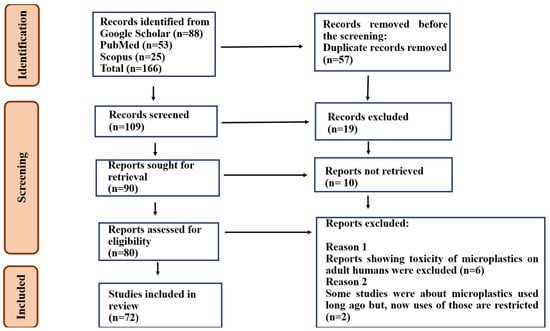
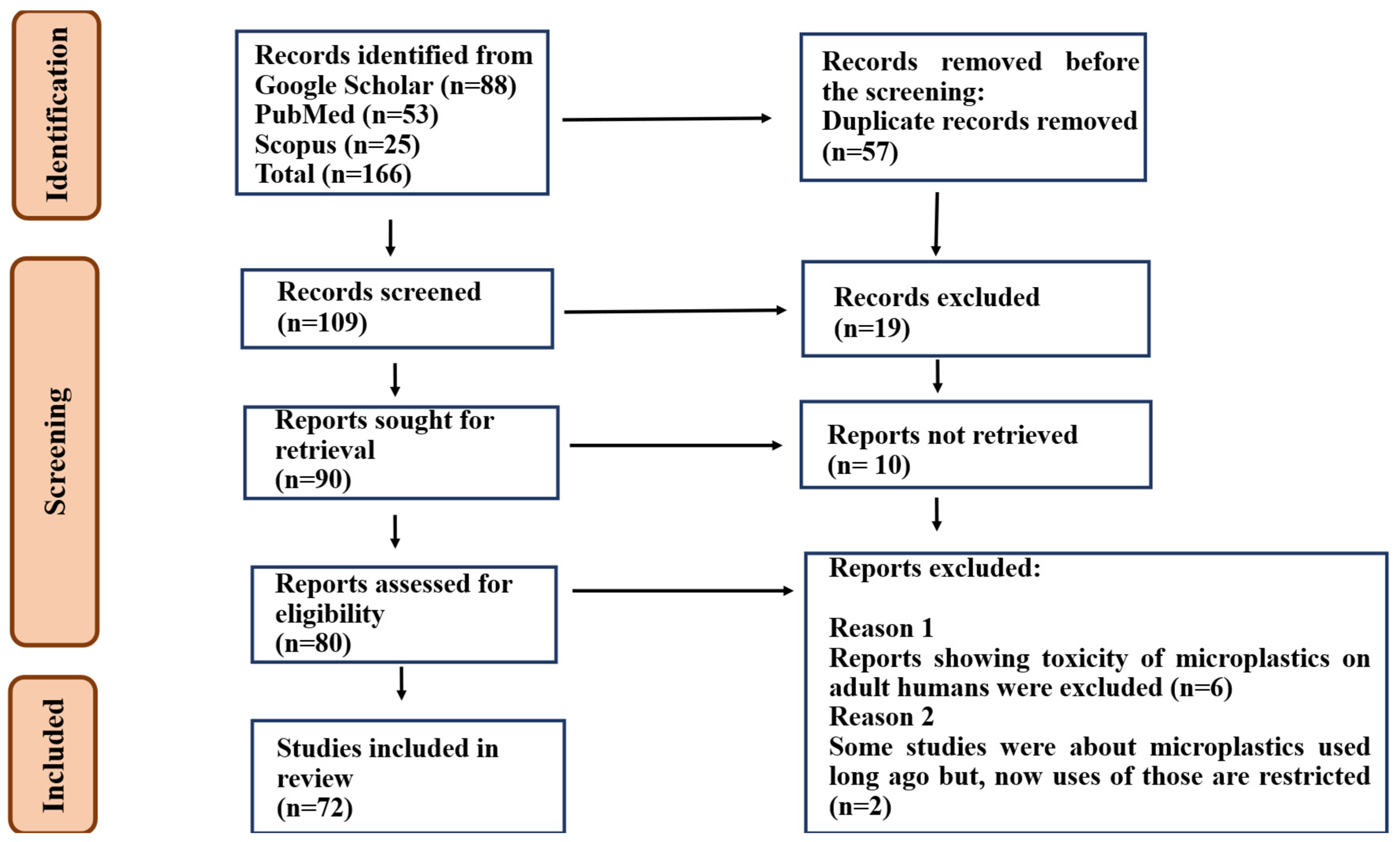
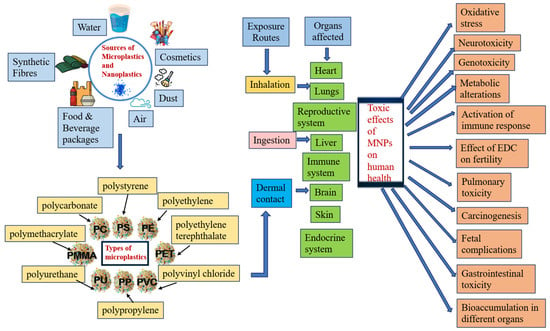
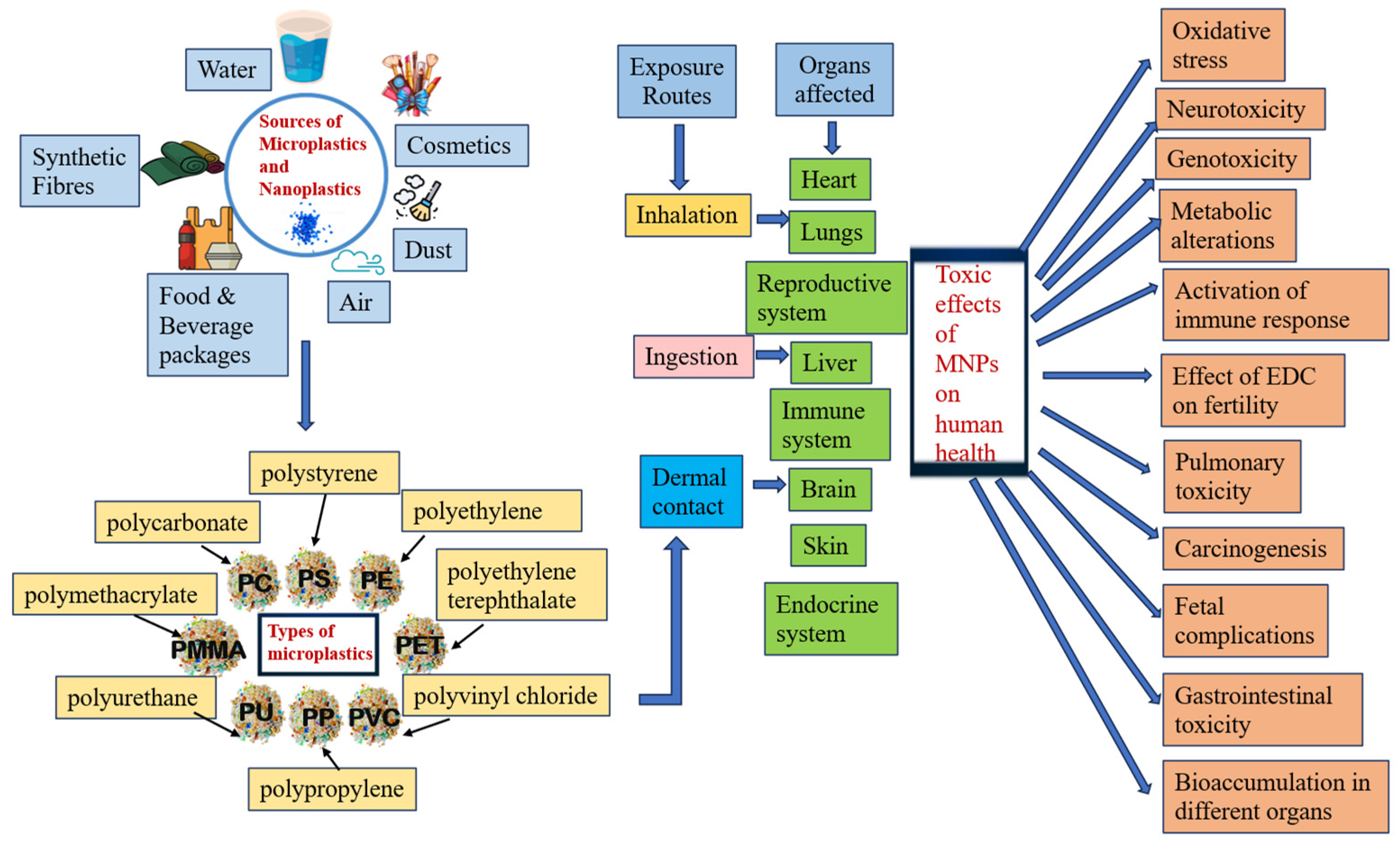

Disclaimer/Publisher’s Note: The statements, opinions and data contained in all publications are solely those of the individual author(s) and contributor(s) and not of MDPI and/or the editor(s). MDPI and/or the editor(s) disclaim responsibility for any injury to people or property resulting from any ideas, methods, instructions or products referred to in the content. |
© 2026 by the authors. Licensee MDPI, Basel, Switzerland. This article is an open access article distributed under the terms and conditions of the Creative Commons Attribution (CC BY) license.