


Abstract
Microplastics constitute an emerging contaminant of major concern in Latin America, where human exposure predominantly occurs through ingestion of drinking water and marine/estuarine food chains. This review synthesises available evidence on occurrence, exposure pathways, toxicological mechanisms, and regional public health risks, while examining regulatory and monitoring limitations that constrain effective risk management. Reported concentrations in drinking water show a wide range (1–1194 particles/L), dominated by PET, PP, and PS, with fibres and fragments as the main morphotypes. In commercial marine species, prevalence reaches 70–100%, with burdens up to 44 particles/g in oysters and ~90 particles/250 g in mussels. Estimated Daily Intake is 2–5 times higher in children (e.g., Chile: 13.03 vs. 5.59 particles/day in adults). Toxicological mechanisms include oxidative stress, chronic inflammation (NF-κB pathway), endocrine disruption, intestinal dysbiosis, systemic translocation, and placental transfer, exacerbated by vectorization of local co-contaminants (Hg from mining, Cd/Pb from agriculture). Risk indices indicate extreme danger in Brazil, Chile, and Ecuador, where data are available. Significant geographic and methodological gaps persist, with Brazil dominating research (~50–60%). Multicenter biomonitoring, harmonised surveillance networks, and SDG-aligned policies are urgently needed to reduce exposure burdens, protect vulnerable populations, and advance toward comprehensive regional risk assessment.
1. Introduction
Microplastic (MP) contamination in drinking water, food chains, and key ecosystems across Latin America (LATAM) represents a significant yet under-addressed environmental and public health concern. Evidence from marine, freshwater, estuarine systems, biota, and agricultural zones indicates that MPs are pervasive throughout the region [1,2]. Still, research efforts remain largely fragmented, often confined to baseline occurrence surveys without integrated risk evaluation [3,4]. This lack of comprehensive assessment is particularly problematic given LATAM’s socioeconomic vulnerabilities, its dependence on natural resources that serve as exposure pathways, weak regulatory oversight, and the absence of sustained biomonitoring frameworks [5].
High seafood consumption by coastal populations amplifies MP ingestion risks due to contamination in local fisheries and aquaculture settings. Studies have documented polymer loads in species harvested from polluted waters [5,6], with potential physiological impacts cascading into human diets. At the same time, reliance on bottled water in polyethene terephthalate (PET) containers, common across diverse urban and rural settings, introduces chronic exposure through PET-derived particles that leach during storage or distribution [1]. In countries such as Ecuador, outdated rural water systems operated by resource-limited community boards further heighten susceptibility; aged infrastructure, coupled with inadequate filtration technologies, facilitates MP passage into treated drinking water [7]. Agricultural intensification creates additional pathways: agroplastics used for crop protection, synthetic fibre residues from industrial textiles, and packaging debris enter watersheds that feed human consumption points [8,9].
The regional exposure profile is marked by pronounced heterogeneity. Irrigation canals can exhibit MP concentrations more than twice those of adjacent rivers during certain seasons, and polymer composition often shifts with rainfall patterns and farming cycles [8]. Spatial data reveal strong contrasts: along Ecuador’s coast, MP densities range from approximately 16 particles/m2 in low-contamination sites to nearly 490 particles/m2 in hotspots dominated by secondary foams. Urbanisation intensity near sampling areas correlates weakly with overall abundances but influences source composition through land use patterns [10].
While global research increasingly employs advanced analytical techniques such as FTIR and Raman spectroscopy, most Latin American studies still lack systematic risk assessments using tools like the Hazard Index (HI), Pollution Load Index (PLI), Potential Ecological Risk Index (PERI), or Estimated Daily Intake (EDI) [1]. This omission limits the policy relevance of existing data. Reported physiological effects include gastrointestinal inflammation, microbiome disruption, respiratory impairment, hepatic stress, reproductive alterations, and potential neurological changes [3]. These effects occur alongside widespread microplastic prevalence in agricultural soils [11].
Across LATAM, there are no comprehensive standards explicitly targeting MPs in potable water or food products. Although initiatives such as Chile and Ecuador’s Organic Law for the Rationalization, Reuse, and Reduction of Single-Use Plastics aim to curtail plastic use at source and promote recycled alternatives [12,13], MPs are absent from official contaminant lists regulating beverages or processed foods, even where contamination has been reported in consumables like beer or honey produced from raw materials exposed to polluted inputs. Such gaps leave national policies lagging behind both scientific evidence and international regulatory advancements.
The convergence of multiple high-risk factors cements LATAM’s position as a microplastic contamination hotspot: intensive seafood consumption; dependence on bottled PET water; large-scale mining operations discharging particulate matter into waterways; widespread agroplastic deployment contributing persistent debris; industrial pollution introducing novel synthetic compounds into hydrological systems; weak waste management practices exacerbated by tourism pressures [7,14]; all interacting within contexts of limited legal oversight and socioeconomic vulnerability. These conditions erode resilience against chronic MP exposure while inflating the potential public health burden [3,12].
Critically, there is no synchronised regional monitoring framework capable of generating integrated datasets across countries such as Argentina, Brazil, Chile, Ecuador, and Colombia [2,15]. Without harmonised protocols, spanning sampling design, analytical methods, polymer classification schemes, size/shape categorisation standards, and exposure risk metrics, comparability across national studies remains poor. This deficiency directly impairs policy alignment with United Nations Sustainable Development Goals SDG 3 (Good Health), SDG 6 (Clean Water), and SDG 12 (Responsible Consumption) [16]. Existing investigations illuminate contamination patterns but stop short of establishing causal links between environmental reservoirs and tangible health outcomes under LATAM-specific conditions; they also neglect systematic evaluation of how socioeconomic disparities modulate exposure severity or impede mitigation strategies.
The present review addresses this gap by synthesising current LATAM-focused evidence on occurrence, exposure pathways, and toxicological mechanisms, while critically appraising the institutional weaknesses that impede effective regulation. Through this regional lens, the urgent need for coordinated surveillance and tailored interventions becomes evident.
2. Global and Latin American Context of Microplastic Pollution
2.1. Emergence of Microplastics as a Contaminant
In Latin America, the emergence of microplastics (MPs) as environmental contaminants has been strongly shaped by regional socioeconomic and infrastructural contexts. Large-scale agricultural use of plastics, including mulch films, irrigation tubing, and fertiliser sacks, provides continuous input pathways, as fragments enter waterways through runoff and drainage [7]. Furthermore, urban waste management inefficiencies, such as informal disposal and limited recycling capacity, accelerate the degradation of macroplastics into secondary MPs, which then disperse into soils and rivers. Additionally, seasonal hydrological fluctuations redistribute particulate loads between surface waters and sediments, influencing vertical distribution patterns along polymer density gradients [17].
Toxicological concerns are underscored by findings from Brazilian coastal waters, where diverse fish species ingest MPs across feeding guilds, potentially causing physical blockage, reduced nutrient uptake, or internal damage [18]. Polymer composition determines additive leaching profiles, such as those of phthalates or BPA, which have been documented to have endocrine-disrupting properties [12]. Chronic exposure pathways also arise from the consumption of bottled PET water in areas lacking safe tap water; sunlight or prolonged storage can degrade PET, releasing synthetic fibres into the water. Combined with seafood from polluted coasts, these represent dual pathways of exposure for vulnerable communities [12,19].
Advances in analytical techniques, such as Raman and Fourier Transform Infrared (FTIR) spectroscopy, have improved detection limits to 20 μm or lower [20]. However, methodological heterogeneity across LATAM studies continues to limit comparability and regional risk assessments. Notably, some countries, such as Panama and Bolivia, still lack baseline data, and research remains predominantly focused on marine environments despite evidence that inland waters and agricultural soils may serve as major MP reservoirs [21].
Regulatory responses remain fragmented: a few countries have banned cosmetic microbeads, yet comprehensive legislation addressing secondary MP generation is absent. This policy gap is critical evidence of MPs in rural drinking-water systems with minimal filtration infrastructure [5,7]. Current precautionary classification treats MPs as non-threshold contaminants due to uncertainties in exposure limits and their ability to adsorb co-pollutants such as heavy metals and persistent organic compounds [8]. Given their persistence in LATAM ecosystems, from Tocagua Lake’s seasonal fragment profiles [22] to high-density accumulations in mid-depth river layers, MPs warrant targeted mitigation strategies at both source and receptor levels.
2.2. Sources, Pathways, and Regulatory Landscape of Microplastics in Human Consumption in Latin America
In Latin America, MPs enter the human food chain through overlapping primary and secondary sources that converge in drinking water, seafood, agricultural produce, and peri-urban horticulture, disproportionately affecting vulnerable populations, including children, artisanal fishers, and indigenous communities.
Primary sources originate from industrial and domestic activities. Polymers of high hazard potential, such as polyvinyl chloride (PVC), polyurethane (PU), polystyrene (PS), polyethene terephthalate (PET), polyethene (PE), and polypropylene (PP), dominate in packaging, piping, textiles, food-processing equipment, and agricultural infrastructure [23,24]. Furthermore, point-source contamination arises from effluent discharges, improper waste handling, and the degradation of ageing infrastructure (e.g., irrigation systems, chemical storage tanks), all of which directly release MPs into water channels. PET is especially prevalent due to its widespread use in beverage bottling and food packaging, with releases occurring during production, recycling, and consumer disposal, feeding both urban wastewater and rural irrigation networks.
In densely populated coastal urban areas, untreated or inadequately treated wastewater transports primary MPs (e.g., microbeads from cleaning products) to marine waters, where ingestion by seafood species creates indirect dietary exposure [5,23]. Synthetic textile fibres shed during laundering also accumulate in marine sediments near these areas. In rural livestock zones, industrial-domestic linkages amplify exposure, as PE feed bags, chlorinated PE mesh fencing, and PVC piping degrade under environmental stressors, contaminating irrigation water used for vegetables sold locally. In Ecuador’s Guayllabamba River basin, sites lacking wastewater treatment plants exhibit higher MP loads than downstream treated effluent outlets [12], underscoring untreated domestic sewage as a major contributor to irrigation canals feeding peri-urban horticulture, where produce retains surface contamination.
Secondary microplastics largely originate from the environmental degradation of macroplastics, including agricultural sheeting, fishing gear, packaging debris, and infrastructural polymers, driven by UV radiation, mechanical abrasion, and thermal stress. PP and PE, dominant in agriculture and packaging, are particularly susceptible. Synthetic crop-protection films persist long after use, shedding irregular fragments and fibres into soils and waterways via seasonal runoff [25]. Lighter fibres disperse over long distances, while heavier fragments tend to settle in sediments until resuspended by floods, tidal currents, or storms. Atmospheric deposition further connects coastal sources to inland systems by transporting fibres from degraded fishing gear onto agricultural fields and reservoirs. In fish farms and lakes, plastics retained in the systems undergo photooxidation (evidenced by elevated carbonyl indices), which increases their fragmentation rate and facilitates the incorporation of the resulting microplastics into local food webs [26].
Additionally, ageing PVC infrastructure reused between ponds prolongs plastic–water contact. In agricultural soils with high porosity (47.9%) and low moisture (2.75% gravimetric), microplastics in the 1–200 μm range, the most abundant fraction, migrate vertically after fragmentation [27]. MPs migrate vertically after fragmentation; surface concentrations peak at 0–10 cm, which can exacerbate surface cracking during dry periods. Marine contexts highlight adsorption of POPs, such as polycyclic aromatic hydrocarbons or polychlorinated biphenyls, onto PP/PE fragments [28], posing dietary risks given regional reliance on seafood. Food-chain contamination is evidenced in honey, where wax traps MPs from nearby degraded plastics, and in beer production, where filtration inefficiencies admit fibrous contaminants from degraded synthetic equipment components [4]. In addition, untreated wastewater discharge amplifies impacts by exposing plastic fragments to turbulent flow and chemical exposure before they enter rivers [26,29]. Source attribution remains challenging due to primary–secondary overlap. Visual identification, hot-needle tests to confirm melting or deformation typical of thermoplastics, and spectroscopic methods are often required for reliable differentiation [23].
The regulatory and policy landscape for MPs in Latin America remains fragmented. While some countries have banned cosmetic microbeads, comprehensive legislation addressing secondary MP generation from macroplastic degradation is largely absent [2]. This policy gap is especially concerning given documented MP presence in rural drinking-water systems with minimal filtration infrastructure. Internationally recommended monitoring procedures could help establish baseline data, but they require sustained funding and trained personnel [7]. Without national mandates linking contamination metrics to health-risk assessments, monitoring remains localised and fails to influence decision-making. Global discourse increasingly classifies MPs as pollutants because they adsorb toxic compounds [1]. Yet, few LATAM nations have adopted toxicity models into enforceable guidelines, a gap compounded by scarce ecotoxicological data on regional species.
Economic constraints further hinder policy integration. Substitution of conventional plastics with biodegradable alternatives faces cost and performance limitations under tropical conditions. Targeted interventions could include replacing low-grade polymers in rural water networks with inert materials and introducing microfiltration units adapted to community capacities [13,15], complemented by maintenance training to prevent recontamination. Regional policy also tends to overlook atmospheric deposition as an MP source, despite documented correlations with meteorological events [30]. Addressing terrestrial, aquatic, and airborne pathways is essential for comprehensive regulation.
Ultimately, Latin America’s fragmented institutional landscape demands legislative frameworks harmonised across environmental compartments and informed by realistic operational capacities. Binding scientific rigour to enforceable mandates is needed so that mitigation translates into tangible reductions in chronic ingestion risks embedded within regional dietary habits [25]. Cross-regional scientific networks [31] could play a key role by building methodological uniformity and shifting the focus from mere occurrence reports toward quantified risk evaluations grounded in local hazard profiles.
2.3. Health Concerns Associated with Microplastic Exposure
2.3.1. Evidence from International Biomonitoring Studies
International biomonitoring studies confirm the presence of microplastics in human tissues and fluids, including lung tissue, blood plasma, placenta, and faeces. Chronic persistence in tissues, linked to limited immune clearance, can trigger sustained inflammation with potential long-term consequences, including carcinogenicity. Polymer type, surface properties, additives, and adsorbed contaminants strongly influence toxicity. Inhalation represents a significant uptake route, as airborne fibres such as polyester and polyamide can reach deep respiratory structures, inducing oxidative stress and immune activation [32]. Ingestion has also been associated with disruptions in the intestinal microbiota, which may exacerbate metabolic or inflammatory conditions [20], underscoring the importance of multi-compartment biomonitoring spanning the gastrointestinal, respiratory, and circulatory systems.
Animal studies provide useful analogues for human exposure. Equine biomonitoring in Guayas province, Ecuador, detected microplastics in water sources, feed, and horse faeces, with fibres comprising 86% of all particles identified [33]. In pigs, microplastics were detected in the faeces of nearly half of the individuals tested, demonstrating that livestock can incorporate MPs from contaminated feed, irrigation water, or airborne deposition. These livestock findings serve as sentinel indicators of potential human exposure through locally sourced animal products in Latin American communities. Similarly, marine mammals such as Arctocephalus australis ingest microplastics, likely through contaminated prey [34], illustrating trophic transfer relevant to coastal populations dependent on seafood.
Co-contaminant profiling shows that MPs frequently carry heavy metals (Pb, Cd) and persistent organic pollutants, creating combined toxicity in which metals cause direct cellular damage. At the same time, polymers generate mechanical stress and inflammation [35]. Experimental models demonstrate outcomes such as liver fibrosis, kidney impairment, immune dysregulation, reproductive toxicity, and endocrine disruption, helping interpret field biomonitoring results even when environmental doses are lower [33].
However, biomonitoring faces important limitations. Methodological variability between FTIR spectroscopy and morphological screening hampers the comparability of baseline burden estimates. Environmental context further complicates interpretation, as seasonal fluctuations in rainfall, river discharge, and solar radiation alter both the abundance and type of microplastics available for ingestion or inhalation. Wet seasons mobilise previously deposited particles through runoff, while dry seasons favour atmospheric deposition and photo-oxidative degradation, shifting dominant morphotypes and sizes [36]. Coastal monitoring in southern Peru shows wind direction and estuarine dynamics can shift spatial MP distribution independently of river inputs; rainfall-linked seasonal spikes may increase exposure beyond typical baselines [37].
2.3.2. Potential Acute and Chronic Health Effects
The acute and chronic health effects of microplastics warrant close regional evaluation given the diverse exposure pathways in Latin America. Acute exposures can provoke rapid physiological responses without requiring prolonged accumulation. Gastrointestinal irritation may arise from ingestion of hard or irregular fragments and fibres that mechanically abrade mucosal surfaces, increasing epithelial permeability and triggering local immune activation. Certain polymer additives and adsorbed compounds released from MPs have also been associated with endocrine interference [36,38]. Inhalation of airborne fibres (polyester, polyamide, PP) can induce coughing or dyspnea, particularly in individuals with pre-existing respiratory conditions; laboratory models indicate that these fibres can bypass mucociliary clearance [30]. While symptoms often resolve after exposure removal, repeated short-term events contribute to chronic trajectories [38,39].
Chronic effects stem from persistent ingestion and inhalation, leading to accumulation in organs such as the liver, kidneys, spleen, and reproductive tissues. Sustained inflammation increases the risk of fibrosis and degeneration. MP-induced oxidative stress may impair liver lipid regulation and detoxification pathways [12,40]. Renal accumulation threatens filtration efficiency, while endocrine disruption from bisphenol A and phthalates adsorbed onto MPs impairs hormone signalling. In LATAM contexts where bottled PET water is a staple [4], degraded PET fibres carrying residual antimony may correlate with reproductive toxicity markers. Nanoparticle-sized derivatives (<100 nm) have been shown in experimental models to cross the blood–brain barrier, potentially initiating neuroinflammation [12]. Immune dysregulation emerges from MPs persisting in lymphatic systems, compounded by metals such as cadmium adsorbed onto PE or PP fragments [41]. Chronic gut microbiome shifts toward pro-inflammatory profiles have been associated with obesity, diabetes, and metabolic syndrome [20], which are relevant to populations reliant on local fish that may contain MPs or be contaminated with animal feed [33]. Prolonged inflammation increases the risk of carcinogenesis via DNA damage. Ecosystem degradation, reduced fish reproduction [42], and diminished water purification services increase cumulative hazards that feed back into human health.
In rural LATAM areas lacking filtration infrastructure [43], combined dietary and waterborne exposure makes it unlikely that body burdens can be reduced without targeted intervention. Poverty-linked healthcare deficits exacerbate chronic outcomes such as liver decline, reduced fertility, and autoimmune conditions once initiated. Addressing acute events requires source control at industrial discharge points, safe bottling practices, and workplace protections. Preventing chronic deterioration demands regionally adapted MP removal technologies and the phased elimination of high-hazard polymers from prevalent use patterns [44]. Without simultaneous mitigation of both acute irritations and chronic progression, the projected regional burden will continue to rise along mapped pathways for seafood, bottled water, agriculture, and the atmosphere.
2.4. Rationale for Latin America Focus
Latin America exhibits heightened and distinctive MP exposure risks due to socioeconomic vulnerabilities, high reliance on specific consumption pathways, and intense environmental stressors from mining and agriculture, all of which sustain ingestion pathways for vulnerable populations, including children, artisanal fishers, indigenous communities, and rural and peri-urban households.
Socioeconomic and infrastructural factors significantly amplify exposure while limiting mitigation capacity. Rural and peri-urban communities frequently depend on community-managed water systems that lack advanced filtration, allowing microplastics from degraded agroplastics, industrial effluents, and untreated wastewater to enter drinking water supplies. PVC and PE pipes degrade rapidly under tropical conditions, acting as chronic point sources [8], while limited maintenance resources perpetuate contamination. Agriculture exacerbates the problem: crops irrigated with contaminated water accumulate MPs on their surfaces, which are difficult to remove by household washing, and the widespread use of mulch films and silage wraps leads to open-field fragmentation under intense solar radiation [45,46]. In addition, coastal populations dependent on artisanal fisheries ingest MPs originating from industrial discharges, tourist waste, and degraded fishing gear [9], with seasonal tourism spikes accelerating the input of litter. Price sensitivity and distrust in municipal supplies drive widespread PET bottled water consumption; degradation during storage and informal reuse further increase MP loads, compounded by abrasion at industrial bottling plants [47].
Figure 1 illustrates the pronounced geographic imbalance in microplastic research across Latin America. Panel (A) shows research intensity per country, clearly highlighting the dominance of Brazil, Chile, Ecuador, and Mexico, while many other countries remain severely underrepresented. Panel (B) presents the absolute number of articles per country, underscoring the existing knowledge gaps within the region.
Figure 1.
Geographic distribution of microplastic research in Latin America. (A) Choropleth map illustrating research intensity by country. (B) Horizontal bar chart showing the number of articles per country.
Healthcare inequities and regulatory gaps compound these exposures. Rural populations often experience persistent digestive or respiratory symptoms without adequate diagnostic follow-up, potentially allowing progression toward conditions such as liver fibrosis or endocrine disruption [48]. Children face especially high exposures due to body-weight-adjusted intake. Using the standard EDI formula EDI = (C × IR)/BW, where C is microplastic concentration in water, IR is daily intake rate, and BW is body weight, children exhibit markedly higher values than adults. With typical intake parameters of 1 L/day for children and 15 kg body weight, versus 2 L/day and 70 kg for adults, children’s EDI can be 2–3 times higher at the same water concentration [1]. It is compounded in Latin America by a greater proportional reliance on bottled water. In Chile, modelled EDI reaches 13.03 MPs/day in children, compared with 5.59 MPs/day in adults [33]. Regulatory frameworks rarely include specific MP limits in drinking water or food, and community water boards lack mandated monitoring or analytical capacity [49].
A high dependence on seafood and bottled water constitutes the dominant vector of ingestion. Coastal and riverine populations derive substantial dietary protein from artisanal fishing and aquaculture, where filter-feeding bivalves and benthic fish accumulate MPs that are often consumed whole [50]. Post-harvest handling with synthetic materials can add secondary contamination. Parallel reliance on bottled PET water creates chronic exposure through polymer degradation and fibre release during storage and reuse [51,52]. Atmospheric deposition further links these pathways by transporting fibres onto drying fish or into bottling facilities [25].
Environmental stressors from mining and agriculture act as additional amplifiers. Mining operations overlap with watersheds supplying rural towns and irrigation systems, releasing MPs that adsorb toxic metals (Hg, Cd, Pb) [46]. Agricultural plastics (mulch films, irrigation pipes) fragment under UV radiation and enter soils and waterways via runoff [8]. These intertwined mechanisms, socioeconomic vulnerability [5], dependence on contaminated staples [53], and sector-specific stressors [54], ensure continuous transfer of microplastics into drinking water and food chains unless targeted interventions in plastic use, remediation, and harmonised regulation are implemented.
3. Methods of Literature Review
This review adopts a narrative synthesis approach to address the fragmented and regionally uneven nature of microplastic (MP) research in Latin America. The strategy was designed to integrate diverse evidence and provide a coherent assessment of human exposure through drinking water and food chains, while linking environmental occurrence data with exposure pathways and public health implications.
Searches were conducted across multiple high-impact and regional databases to maximise coverage: Scopus, Web of Science, ScienceDirect, PubMed, Embase, SciELO, and Google Scholar. Boolean queries combined core terms (“microplastic*” OR “microplástico*”) with exposure-relevant keywords (“drinking water”, “agua potable”, “seafood”, “pescado”, “mariscos”, “agriculture”, “irrigation”, “bottled water”, “PET”, “human consumption”, “vulnerable populations”) and geographic identifiers (Latin America, South America, and individual country names). Bilingual searches in English, Spanish, and Portuguese were essential to capture studies published in local journals not well indexed in English-dominant databases. The search and consolidation of results was carried out during January and February 2026.
The temporal scope prioritised 2014–2025 to reflect the rapid growth of MP research in the region, with selective inclusion of earlier foundational works where relevant. Inclusion criteria focused on studies reporting quantitative data from Latin American contexts in matrices directly linked to human consumption: drinking water (tap, bottled, rural systems), seafood (marine and freshwater species), agricultural produce (irrigated crops), processed foods (honey, beer), and environmental reservoirs influencing dietary exposure. Eligible studies provided both qualitative characterisation (morphology, colour, polymer type via FTIR or Raman spectroscopy) and quantitative measures (particles/L, particles/kg, particles/individual, particles/portion). Studies were excluded if they lacked clear linkages to human consumption vectors or failed to report sufficient methodological details. Grey literature was selectively incorporated only when cross-validated against peer-reviewed sources.
To visualise the thematic structure and coverage of the reviewed literature, Figure 2 presents a bibliometric overview of the LATAM-focused studies. Panel (A) displays a word cloud of the most frequent terms, highlighting the dominance of concepts such as drinking water, seafood, oxidative stress, and PET. Panel (B) shows the keyword co-occurrence network, revealing three main thematic clusters: environmental occurrence and exposure pathways, toxicological mechanisms, and socioeconomic/public health challenges in the Latin American context. This visualisation underscores both the interconnected nature of the evidence base and the existing regional imbalances in research focus.
Figure 2.
Bibliometric visualisation of microplastic research focused on Latin America. (A) Word cloud of the most frequent terms appearing in titles, abstracts, and keywords. Larger size indicates higher frequency. (B) Keyword co-occurrence network showing the main thematic clusters. Node size represents keyword frequency; edge thickness indicates co-occurrence strength.
Data extraction focused on geographic coordinates, environmental compartments, polymer composition, particle morphology, concentration ranges, co-contaminants (heavy metals and POPs), and health-relevant endpoints (oxidative stress and endocrine disruption). Sentinel organism studies were prioritised to assess trophic transfer. Initial searches identified approximately 180 documents. After applying inclusion/exclusion criteria, 114 references were selected: 88 LATAM-focused studies and 26 supporting global papers. Publication bias was evaluated by noting the strong dominance of Brazil and Chile, with most other Latin American countries remaining severely underrepresented; this was partially mitigated through bilingual searches.
This narrative approach focused on interconnected Latin American exposure realities rather than isolated compartments (e.g., links between mining airborne deposition and honey, bottled water degradation and local fish, and untreated wastewater with irrigated crops). By building an integrated evidence base grounded in regional socio-environmental conditions, the review offers a foundation for evaluating public health risks in the context of Latin America’s specific vulnerabilities, including limited access to treated water, reliance on local seafood and bottled water, and weak monitoring and regulatory frameworks.
4. Occurrence, Exposure, and Toxicological Insights on Microplastics in Latin America
4.1. Characteristics of Microplastics in Latin American Drinking Water
The literature on MPs in Latin American drinking water remains geographically uneven and methodologically diverse, with the strongest research outputs from countries with more developed environmental monitoring infrastructure. Studies predominantly focus on coastal and peri-coastal zones where hydrological systems integrate marine debris, agricultural runoff, and untreated wastewater inputs [7]. In contrast, inland systems are underrepresented despite evidence of notable MP concentrations in river catchments serving highland agriculture [29].
Brazil provides the most extensive data, primarily from estuarine and reservoir environments, using visual microscopy and FTIR to identify dominant polymers such as PET, PP, and polyamide [18]. Chilean studies highlight seasonal runoff-driven contamination peaks in freshwater reservoirs [55,56], while Ecuador documents sedimentary hotspots downstream of untreated urban effluents [10]. These findings consistently link infrastructural deficits, such as ageing PVC pipes and inadequate treatment, to elevated MP loads in raw water sources.
Processed water surveys reveal direct exposure pathways: bottled PET water contains fibrous particles numbering tens to hundreds per litre, depending on brand and storage conditions; in Mexico City, fountain studies report up to 770 particles across samples, likely from plastic-coated tanks or ageing PVC pipes [1,51]. Methodological heterogeneity complicates synthesis: sampling volumes range from small grab samples (500 mL) [4] to multi-litre filtration campaigns, and detection methods vary from visual microscopy to FTIR or Raman spectroscopy [18].
Concentration ranges show marked inter-country variability. In Ecuador, tap water from residential areas such as Azogues contains roughly 176.4 particles/L, predominantly fibres spanning 1–5 mm [12,57], indicating atmospheric deposition and infrastructure wear, with PET/PP from bottled storage also contributing [7]. Brazilian bottled water ranges from 10 to 100 MPs/L, chiefly fragments within 0.5–2 mm [58], reflecting bottling-line abrasion; counts vary with storage conditions, with lower values in controlled environments [59]. Despite limited direct concentration data, Chile exhibits high estimated daily intake (EDI) values—adults: 5.59 MPs/day; children: 13.03 MPs/day [1,12,60]. These higher values in children result from greater water consumption per kilogram of body weight (modelled as 15 kg for children versus 70 kg for adults) and higher proportional reliance on bottled PET water in many regional settings [1]. Spikes align with wet-season agricultural runoff, delivering degraded polymers to intakes. Peru’s upstream sources, e.g., Lima beach sediments (up to 2524 particles/m2) and estuarine aquaculture zones dominated by PE/PP fragments [12,61], indicate contamination potential for downstream potable supplies absent adequate filtration. Colombia shows low EDI estimates (adults 1.08 MPs/day) [2], though hotspots occur near mining–agricultural overlaps where airborne films settle on reservoirs [25]; biotic sampling suggests possible MP ingress [23]. Argentina relies on riverine assessments; downstream tourist areas yield elevated Pollution Load Index values tied to waste surges [1,62], with EDI for adults at 5–10 MPs/day and children exceeding one MP/day.
Dominant polymer types reflect both environmental reservoir contamination and infrastructural material inputs. PE, PP, PET, and PS are recurrent across diverse contexts, with prevalence shaped by geography, source type, and socioeconomic activities [17,39]. PE frequently dominates in agricultural landscapes via irrigation hoses, mulch films, and packaging runoff [8]; PP shows higher representation near fishing ports through synthetic rope and net shedding [56,63]; PET’s ubiquity stems largely from bottled-water reliance and manufacturing abrasion [19]; PS appears more sporadically but is toxicologically relevant for its pollutant adsorption potential [39]. Spectroscopic identification confirms these patterns: FTIR datasets from Argentina, Brazil, Ecuador, Chile, and Colombia reveal PET, PS, PP, PU, PES, PA, high-density polyethene (HDPE), low-density polyethene (LDPE), expanded polystyrene (EPS), PVC, and polyethene-vinyl acetate PEVA [1,12]. Country-specific proportions show Argentina with 50% PEVA and 25.8% PET; Brazil with unusually high PS (58.3%) plus PET/PP; Ecuador dominated by PU/PET; Colombia leaning toward PET with occasional PU/PVC tied to infrastructural degradation. PVC fragments indicate that aged pipes are active sources of contamination [8].
Morphological forms and size distributions indicate strong links between form, source, and exposure risk. Fibres prevail across untreated and treated sources in multiple LATAM contexts [7], often exceeding 50% in Ecuadorian tap water. Origins include airborne deposition, textile erosion in wastewater, PP rope wear from agricultural/fishery equipment near intakes, and PET abrasion from bottled-water storage. Fragments dominate bottled-water samples in Brazil and Argentina, particularly below 1 mm [13], arising from mechanical breakage during filling/handling. These high-surface-area shards enhance uptake potential and can carry adsorbed pollutants [21]. Films occur seasonally near agricultural runoff; LDPE agrofilms fragment under UV into buoyant sheets retained at surface intakes [64]. Pellets/spheres stem mainly from industrial resin loss or microbeads passing untreated through wastewater; Brazilian estuarine-adjacent intakes show seasonal surges tied to wet-season overland transport [65]. Foams (EPS) are rare but occur downstream of poorly managed packaging disposal sites [66].
Size profiles vary widely: Ecuadorian municipal samples capture fibres up to 5 mm alongside sub-100 μm fragments; rural Chilean systems yield median sizes of 100–500 μm, matching mulch-plastic degradation cycles [60]. Seasonal hydroclimatic shifts resuspend settled MPs during wet periods while fibre dispersal continues [22].
Few studies relate concentrations to EDI indices for local consumption patterns [30] or quantify co-contaminants, i.e., the heavy metals, POPs, and pesticides adsorbed onto or released from microplastics, despite their well-documented adsorption capacities [6]. The current evidence base is concentrated in select geographies and is shaped by socioeconomic factors such as agriculture, mining, industrial proximity, and reliance on bottled water. Methodological disparities hinder synthesis, underscoring the need for protocol harmonisation, co-contaminant profiling, expanded spatial coverage, and the coupling of occurrence data with biomonitoring to inform regulatory frameworks for chronic MP exposure in LATAM drinking supplies.
4.2. Microplastics in Latin American Marine and Estuarine Food Chains
Microplastic prevalence in commercially important marine and estuarine species across LATAM exhibits pronounced taxonomic, geographic, and seasonal variability, driven by trophic ecology, habitat use, proximity to contamination, and methodological sensitivity.
Commercial fish species show divergent exposure pathways shaped by feeding guilds and habitat. Surveys of Sciaenidae and Ariidae along the Colombian Pacific illustrate that pelagic–estuarine Sciaenids ingest MPs via suspended debris and zooplankton, while benthic Ariids encounter sediment-embedded fragments [42]. These patterns align with global trends linking higher trophic levels to elevated MP ingestion through cumulative trophic transfer. Data from Ecuador’s Pacific coast report MPs in 100% of planktivorous fish (n = 240) [27], in contrast to only 30% incidence reported in an earlier, broader survey spanning Panama to Chile [42]. This large difference likely results from variations in local environmental conditions, sampling effort, and detection thresholds, e.g., use of more sensitive spectroscopic methods in the Ecuadorian study. Fragments and fibres dominate recovered forms, with fragments tied to sediment resuspension or prey-size mimicry and fibres originating from fishing gear wear or land-based textile effluents. Seasonal runoff, i.e., the increased water flow and sediment transport during the rainy season, increases fragment abundance in coastal feeding zones, paralleling trends in water-body occurrence. Foraging depth is a key predictor: carnivorous benthopelagic taxa in the Amazon and estuaries such as Santa Marta exhibit non-negligible gastrointestinal MP loads, reflecting these habitats’ role as sinks for upstream synthetic debris. The presence of MPs in Brazilian Amazon stingrays (Potamotrygon spp.), though less relevant to direct human exposure due to low consumption rates, signals ecosystem-level penetration across trophic guilds [67]. Condition factor metrics suggest a possible link between reduced fish condition and higher gut MP loads [42], potentially indicating sublethal impacts, such as impaired nutrient assimilation. Urban-proximate estuaries emerge as contamination hotspots where untreated sewage delivers fibres and plastic fragments into nursery habitats for many commercial species [68]. Detection method sensitivity significantly affects prevalence estimates; visual gut inspections may miss sub-millimetre particles capable of translocating beyond the digestive tract, whereas micro-FTIR or Raman spectroscopy can detect particles down to 10 μm [20]. Indirect transfer via baitfish remains underexplored but plausible given documented trophic transfer [34]. Given LATAM’s high reliance on seafood protein, elevated MP prevalence in market-bound fish represents not only an ecological issue but a direct dietary exposure pathway.
Molluscs and bivalves reveal persistent environmental loads directly linked to human dietary exposure, with filter feeders showing the highest accumulation due to their feeding mechanisms. In coastal Peru, Aulacomya atra (“choro”) exhibited measurable MP concentrations in Huarmey, Lima, and Pisco, confirming contamination even in urban fishery markets [30]. Estimated ingestion via mussel consumption can reach dozens of particles per person annually, particularly in coastal populations. Along the Lima coast, Chiton granosus had the highest MP burden (6.92 ± 2.13 particles/g), followed by Semimytilus algosus and Tegula atra, underscoring regional alignment with global trends that position filter feeders as effective sentinels of particulate pollution. Brazilian estuarine surveys found extremely high MP densities in oysters (Crassostrea brasiliana) and mussels (Perna perna), reaching 44.10 particles/g in oysters from urbanised areas [1,12,69]. These species often co-occur with other contaminants, such as PAHs, organochlorines, toxic metals, and marine litter [58], thereby elevating food safety risks, especially when consumed raw or minimally processed [65]. Morphological profiles closely match dominant local sources: fragments from polyethene (PE) agricultural films via runoff and fibres from polypropylene fishing lines or textile wastewater [25]. Physiological impacts on molluscs include digestive tract obstruction, reduced filtration rates, inhibited larval development, diminished fecundity, oxidative stress, and genotoxicity. Reduced filtration may increase MP retention in edible tissues. Seasonality modulates prevalence through hydrodynamic inputs: during wet seasons, increased runoff delivers high volumes of degradable macroplastics (primarily from agricultural films, packaging, and urban waste) into coastal feeding habitats during phytoplankton blooms; these macroplastics subsequently fragment into secondary microplastics [70]. On the other hand, dry seasons allow accumulation of more persistent morphotypes [17]. This process increases the availability of microplastics for ingestion by fish and other commercial species, raising the risk of physical damage to the digestive tract and potential chemical toxicity from adsorbed pollutants.
Crustaceans indicate contamination patterns shaped by feeding ecology, habitat characteristics, and proximity to pollutant sources. Prevalence data show notable variability, e.g., penaeid shrimps from the Tropical Pacific at 30% versus North Pacific samples at 10%, reflecting localised environmental conditions and riverine inputs. Respiratory uptake via gills provides an additional pathway; retained MPs can persist for up to 21 days post-exposure, potentially exacerbating internal abrasion and inflammation [28,30]. In Latin America, consumption practices often involve whole shrimp or crab, increasing the risk of human ingestion as gill-retained fibres may persist even after shell removal. Trophic versatility enhances exposure pathways, including benthic scavenging of sediment-bound fragments and ingestion of contaminated detritus. Polymer blends skewed toward pesticide-bearing polyethene films are found downstream of agricultural drainage [9], raising concern about combined chemical–mechanical hazards. Documented physiological effects include reduced respiratory efficiency due to gill obstruction and digestive tract inflammation, which compromise reproduction; oxidative stress responses align with biomarker shifts in other contaminated taxa [51,71]. Some hotspots face compounded exposure from atmospheric deposition: airborne polyester strands from textile facilities settling on estuarine fishing grounds [25]. Given the high fat content in edible species, which favours the adsorption of lipophilic contaminants onto hydrophobic surfaces, accurate chemical typing is essential for toxicity assessment [72].
Evidence of trophic transfer derives from laboratory and field studies tracing particle passage across successive food-web levels into species consumed by humans. In one multi-level experiment, tadpoles (Physalaemus cuvieri) were first exposed to microplastics and then fed to tambatinga fish (Colossoma macropomum × Piaractus brachypomus). These fish were subsequently fed to Swiss mice [48]. Gastrointestinal MP loads increased progressively along the chain, with mice fed contaminated fish showing 2.5 particles/g compared to only 0.5 particles/g in mice directly exposed to polluted water. Estuarine sampling in southern Brazil found higher MP prevalence in carnivorous fish than in herbivores, reflecting ingestion via contaminated prey or sediment resuspension [20]. These species frequently enter local markets, directly linking environmental contamination to human dietary exposure. Marine planktivores such as copepods and euphausiids ingest MPs at rates of one particle per 10 copepods and 5 euphausiids, sustaining flow into pelagic fishes. Bivalves like Mytilus edulis and Crassostrea gigas hold 5 and 10 particles/g wet weight, respectively [69,73], which is important because whole organisms are consumed without gut removal. Crustaceans also act as vectors, transferring MPs intact into demersal fish sold regionally [28]. Fibres identified in molluscs match polymer compositions (polypropylene, polyethene) found in predator fish guts from the same areas [25], indicating minimal degradation during intra-trophic passage. Avian predators such as the American oystercatcher (Haematopus palliatus) contain synthetic debris in their pellets regardless of prey type, suggesting incidental ingestion via bivalves or crustaceans, followed by redistribution into coastal environments [20]. Seasonal hydrodynamic shifts amplify transfer: rainy-season suspended loads elevate zooplankton and successive predator uptake [22], whereas dry-season sedimentary accumulation maintains exposure for benthic feeders year-round. Adsorption of metals (Pb, Cd) and pesticides onto MPs in runoff zones [8] compounds physical hazards with chemical toxicity through upward movement in the food chain. Retention times vary across species: stationary benthic molluscs can accumulate particles before predation, making them potent vectors even during seasonal declines; smaller fractions (<100 μm) may translocate into tissues before predator consumption, escaping gut-content detection yet contributing to edible flesh contamination [18]. Apex predators, such as marine mammals, ingest MP-laden mid-trophic fish [34]. In contrast, humans consuming mid-trophic species integrate MPs originating from foundational planktonic ingestion events weeks prior, challenging seafood safety assessments that rely on recent environmental sampling. Given LATAM’s strong seafood markets, trophic transfer evidence highlights urgent policy needs: MPs entering plankton feeders persist through commercial catches; handling rarely removes internal loads; chemical adsorption elevates hazard profiles; regulatory frameworks remain silent on permissible counts per biomass unit [41,74,75].
Regional patterns of contamination reveal pronounced spatial heterogeneity shaped by local environmental drivers, socioeconomic conditions, and sector-specific plastic inputs. Consistent hotspots emerge where MP loads in marine and estuarine food resources are markedly higher than in less impacted coastal areas (typically < 0.1–1 particle/g in biota) [13,76], often near high-density urban coastal settlements discharging untreated or partially treated wastewater into mixing zones. In the Colombian Pacific, urban-proximal stations show elevated MP abundances in sediment and biota compared to outer estuary areas [42]. Inner estuaries with lower salinity and hydrodynamic retention concentrate pollutants, mirroring prevalence gradients previously observed for Ariidae and Sciaenidae. Cross-coastal comparisons highlight distinct morphotypes and polymer profiles linked to local industry and waste-handling practices: Brazilian estuarine oysters exhibit a high prevalence of polyethylene fragments from agricultural film runoff [49,60]. At the same time, Peruvian mussels contain polypropylene fibres from fishing gear degradation [32]. Intensive aquaculture zones record seasonal surges in fibres during net use periods, whereas tourism-adjacent sandy estuaries show elevated expanded polystyrene (EPS) fragments from packaging waste [77]. Geomorphology influences contamination persistence: enclosed bays on the Colombian Pacific retain contaminated sediments, leading to chronic exposure for benthic feeders via resuspension events [42], while open-coast fisheries downstream of large rivers experience episodic spikes during flood-driven macroplastic inputs. Latitudinal gradients add further complexity: tropical regions accelerate PE/PP embrittlement under high UV irradiance, producing seasonal fragment swells; subtropical coasts retain denser polymers, such as PVC, longer in sediments. Polymer composition datasets aid source tracing: Dibulla beach sediments contain over 50% polystyrene, calculated as the proportion of polystyrene particles relative to the total microplastics identified and characterized in the samples, whereas nearby Manaure’s sediments show PP dominance [78]. These differences correspond with sector-specific activities: PS near fish-processing sites using insulated storage materials, PP alongside rope-intensive artisanal fleets. Atmospheric deposition also integrates terrestrial sources into marine contamination patterns; inland textile manufacturing combined with onshore winds deposits polyester fibres into coastal waters [78,79]. Agricultural runoff mobilises degraded mulch films during wet seasons [27], with morphometric shifts over time influencing the likelihood of detection. Governance efficacy correlates strongly with contamination intensity: regions with strict waste-management ordinances, such as parts of Chile and some Brazilian coastal municipalities, report lower commercial-species MP loads despite similar fishing effort, whereas municipalities lacking clean-up programs accumulate shoreline macroplastics that fragment into persistent MP feeders [15,80,81]. Spatial contrasts within estuaries reinforce intervention targeting: inner zones with low-energy waters (limited tidal or river flow) trap buoyant fibres and allow accumulation, while outer zones with higher turbulence fragment particles before they reach pelagic fish [42]. Sector- and polymer-specific mitigation, that is, measures adapted to the dominant polymer type and particle shape: fibres, fragments, and films; found in each economic sector, is critical for efficient source control across LATAM’s diverse environmental settings.
4.3. Human Exposure Pathways and Intake Estimates in Latin America
Microplastic ingestion in LATAM occurs primarily through drinking water and seafood consumption, reflecting contamination from watershed inputs, ageing infrastructure, consumer practices, and marine/estuarine food chains. These pathways disproportionately affect vulnerable populations, with children exhibiting higher body-weight-adjusted intakes due to proportional dietary reliance on local foods and bottled liquids [33].
Ingestion via drinking water is shaped by untreated or minimally treated surface waters, which are vulnerable to upstream agricultural runoff and urban effluents that deliver degraded PE films, PP ropes, PET, and polyamide fibres [8,25]. In systems lacking sedimentation tanks or membrane filtration, MPs are distributed directly. Even treated supplies acquire in situ contamination from PVC pipes through mechanical wear or UV-induced embrittlement. Resulting morphotypes include fibres from textiles and airborne fallout, fragments from infrastructure materials, and films of agro-industrial origin. Bottled water constitutes a major exposure route across urban and rural settings. PET bottles often contain several dozen to over 1000 MPs/L [12], with fragments typically 0.5–2 mm and fibres 1–5 mm. Loads arise from bottling-line abrasion, PP cap-thread wear, and photooxidative degradation during sunlit storage [7]. High-frequency consumption elevates Estimated Daily Intake, particularly in children [1], while informal reuse accelerates fragmentation via thermal cycling and mechanical stress.
Atmospheric fallout contributes additional MPs to unprotected reservoirs supplying municipal plants, introducing polyester and PP fibres < 500 μm that resist removal in coarse filtration. Chemical risk extends beyond particle presence: hydrophobic polymers such as PE, PP, PS, or PET often adsorb persistent organic pollutants and trace metals before ingestion [30], while PVC adds chlorine content and potential phthalate release. Mining-affected basins in Ecuador show arsenic/cadmium adsorption onto MPs [25]. Quantitative records highlight exposure scale: Ecuadorian tap-water samples report 338 MPs/L, dominated by PET/PP fibres; Brazilian bottled water reaches up to 1194 MPs/L, with PS/PP fragments < 1 mm [82]. Current models estimate adult daily intakes of 5–13 MPs depending on location and water source [4], although these figures likely underestimate the contribution of nano-scale fractions.
Ingestion via seafood consumption represents a primary pathway, compounded by post-harvest handling. Filter-feeding bivalves such as Aulacomya atra, Perna perna, and Crassostrea brasiliana accumulate suspended MPs from coastal runoff or maritime activities, with whole-organism consumption allowing particles to bypass removal during processing [32]. Median wet-weight concentrations reach 44 particles/g in oysters from urbanised Brazilian estuaries, while mussels in Peruvian markets carry lower yet significant loads, translating into several dozen particles per consumer annually, depending on serving size [83]. Finfish contributions depend on feeding depth and trophic links: carnivorous benthopelagic species near urban estuaries exhibit higher gut MP loads than surface-feeders due to sediment ingestion and contaminated prey [42]. Morphotype consistency is frequently observed in LATAM fisheries; for example, polypropylene fibres originating from shrimp nets commonly reappear in the intestines of fish caught in the same fishing zones, providing direct evidence of local source-to-consumer transfer [25]. Rainy-season discharges further amplify this transfer into juvenile habitats.
Post-harvest handling can introduce secondary contamination through synthetic transport materials and plastic packaging that shed fibres and fragments directly onto seafood. Contaminated ice, produced from untreated or poorly filtered water or stored in plastic containers, releases additional MPs as it melts [9,53]. Trophic transfers, from copepods to small pelagic fish and then to larger market species, embed MPs throughout edible biomass [20,34]. Polymer types (PE, PP, PET) often contain co-contaminants such as PAHs and pesticide residues, increasing their hazard potential [8]. Regional EDI estimates place Chile among the highest global ecological-risk categories for seafood-derived MPs, with children’s ingestion rates exceeding those of adults due to body-weight ratios; mussel consumption alone in some Peruvian coastal communities may approach 48 particles/person/year, even without accounting for other species [37,56]. These figures likely underestimate the total given detection limits that exclude smaller fractions <100 μm capable of systemic translocation [18].
Geographic polymer profiles reflect sector-specific sources: PE fragments from agricultural films dominate Brazilian shellfish. At the same time, PP fibres from rope wear are prevalent in Ecuadorian fish, and mixed PP/PET signatures occur in Peruvian crustaceans due to combined gear debris and bottled-water fallout [30]. Atmospheric deposition further homogenises contamination across unrelated species. Without integrated policy frameworks addressing marine-source reduction and seafood-sector contamination control, ingestion via seafood will remain a high-burden vector. Combined exposure through seafood and drinking water likely produces additive or synergistic effects on oxidative stress, endocrine disruption, and immune modulation, underscoring MPs in marine food chains as both ecological and public health priorities in vulnerable LATAM communities [1,13]. Microplastic concentrations in Latin American drinking water exhibit high variability, reflecting differences in water sources, treatment infrastructure, and local contamination pressures. Table 1 summarises reported concentrations by country, including ranges, approximate means (where available), dominant polymers, and main morphotypes. Due to substantial methodological heterogeneity among studies, direct comparisons should be interpreted with caution.
Table 1.
Microplastic Concentrations in Latin American Drinking Water.
4.4. Toxicological Interaction Mechanisms Relevant to Human Health
Microplastics induce multiple overlapping toxicological mechanisms in humans [58], with particular relevance in the regional contexts where particle properties, co-contaminants, and chronic multi-vector exposure (drinking water, seafood) intersect [28]. These pathways—oxidative stress, chronic inflammation [87], endocrine disruption [12], intestinal dysbiosis, translocation, and vectorisation of local contaminants —act synergistically, amplifying risks in vulnerable populations [88].
Oxidative stress is a consistently reported pathway. Ingestion or inhalation of MPs triggers excessive reactive oxygen species (ROS) generation beyond antioxidant capacity (superoxide dismutase, glutathione peroxidase), leading to lipid, protein, and nucleic acid damage. Human-derived cell lines (HEK293 kidney, HepG2 liver) exposed to polystyrene MPs (PS-MPs) at concentrations comparable to contaminated regional water sources show ROS production and mitochondrial impairment, evidenced by reduced NAD(P)H-dependent dehydrogenase activity within 48 h [38]. In LATAM-relevant settings (aquaculture ponds, estuaries, irrigation canals), MPs rarely exist as pristine polymers. UV ageing promotes surface oxidation, increasing surface hydrophilicity, introducing oxygen-containing functional groups (carbonyl, carboxyl, hydroxyl), and raising surface reactivity [30]. These changes facilitate greater cellular uptake and trigger higher intracellular ROS generation upon contact with cell membranes. In addition, aged surfaces exhibit enhanced adsorption capacity for transition metals, such as cadmium and lead, from mining effluents [89]. Once inside the cell, these particle-bound metals can desorb and participate in Fenton-type reactions, generating highly reactive hydroxyl radicals (•OH) that amplify the oxidative burden [90]. Acute ROS bursts from direct particle–cell interactions combine with sustained radical production from desorbed metal ions entering mitochondrial redox cycles.
Chronic inflammation is a central pathway linking persistent exposure to long-term health impacts. Sustained intake from contaminated drinking water and seafood saturates biological systems with diverse polymers (PET, PP, PE, PS, PVC) bearing additives and adsorbed pollutants [19,91]. Irregular shapes and abrasive morphologies cause micro-injury to epithelial barriers, provoking cytokine release (IL-1, TNF-α, IL-6) and recruitment of macrophages/neutrophils via NF-κB pathways [34]. Non-biodegradability leads to impaired clearance and persistent production of pro-inflammatory mediators. MP persistence along mucosal surfaces sustains immune infiltration into the lamina propria by continuously activating resident immune cells and promoting chronic recruitment of macrophages and neutrophils [28]. This weakens barrier integrity and facilitates translocation of co-contaminants such as heavy metals and pesticides [8]. Respiratory routes add load: airborne polyester or PP fibres infiltrating bottled-water plants or released during handling [30] can be inhaled into alveolar spaces, sustaining low-grade alveolitis that may progress toward fibrosis, especially in mining-adjacent regions [25]. Smaller fragments (<10 μm) traverse epithelial barriers into circulation; vascular deposition triggers endothelial expression of ICAM-1 and VCAM-1, promoting monocyte recruitment. High PET-bottled water consumption [7] ensures a steady supply of these fractions, increasing the potential for cumulative vascular lesions. Polymer chemistry influences potency: PVC releases chlorine-rich irritants that prime inflammasomes; PS activates complement on hydrophobic surfaces; PE, degraded under tropical UV, produces carbonyl groups that shift macrophages toward pro-inflammatory M1 phenotypes [89]. Adsorbed pollutants intensify effects: pesticides on PE fragments alter immune signalling; metals on PET/PP exacerbate TNF-α via MAPK activation [25]. Experimental data reinforce plausibility: mussels (Perna perna) exhibit persistent oxidative-stress signals from retained MPs post-exposure [20]; vertebrate models exposed to PS-MPs show Toll-like receptor 4 activation mimicking pathogen-associated molecular patterns [38]. Clinically, sustained inflammation correlates with fibrosis (hepatic/pulmonary), metabolic disruption through adipose tissue inflammation, neuroinflammatory states from blood–brain barrier compromise, and accelerated atherosclerosis. Socioeconomic vulnerability magnifies impacts: limited health access delays diagnosis; occupational exposure in fisheries/agriculture reintroduces exposures even after symptom onset.
Endocrine disruption occurs through intrinsic polymer chemistry and the adsorption of endocrine-active contaminants. Recovered MPs from drinking water and seafood commonly include PET, PP, PS, PVC, PU, and polyethene derivatives, many of which contain additives or monomer residues with hormonal activity [1,12]. PVC fragments leach phthalates with estrogenic and anti-androgenic actions; PET may release antimony catalysts; PU degradation yields aromatic isocyanates affecting adrenal signalling. Adsorptive surfaces of PE, PP, and PS bind persistent organic pollutants (PCBs, PAHs) and pesticides known to interfere with neuroendocrine regulation [8,92]. Ingestion facilitates desorption within the gastrointestinal tract, enabling lipophilic co-contaminants to partition into epithelial membranes or enter circulation. Phthalates competitively bind androgen receptors or inhibit steroidogenesis; BPA adsorbed onto MPs engages estrogen receptors α/β, modulating reproductive gene expression [36]. Chronic PET exposure via bottled water [7], combined with seafood-derived POPs, may amplify receptor activation beyond episodic thresholds, particularly in children during periods of heightened developmental vulnerability [1,92,93]. Indirect pathways exacerbate disruption: metal–MP complexes from mining effluents (cadmium, lead) impair hypothalamic-pituitary-gonadal axis function via oxidative stress in hormone-producing cells [94,95], linking endocrine effects to oxidative mechanisms. Smaller particles exhibit greater potential for translocation across intestinal barriers and direct access to endocrine tissues [30].
Intestinal dysbiosis arises when MPs alter gut microbial composition, with systemic consequences. Chronic ingestion via contaminated drinking water and seafood [12] intensifies risk. MPs physically interact with intestinal surfaces, abrading mucosa or embedding in crypt structures, creating niches favouring opportunistic over beneficial microbes. Regional polymers (PET, PE, PP, PS) form hydrophobic biofilm scaffolds that protect pathogens during gut transit while reducing commensal abundance [20]. Chemical leaching amplifies effects: phthalates from PVC and antimony from PET selectively suppress Gram-positive populations; adsorbed pesticides on PE films alter fermenter–aerobe balances via redox modulation [8]. Such changes distort the Firmicutes/Bacteroidetes ratio linked to obesity and metabolic syndromes, a phenomenon increasingly observed in LATAM cities. Particle size influences localisation: larger fragments (>100 μm) irritate luminal surfaces; smaller fragments (<10 μm) penetrate the submucosa, interact longer with immune cells, and drive cytokine-mediated shifts in microbial communities [30]. Chronic inflammation reduces the abundance of short-chain fatty acid (SCFA)-producing bacteria, weakening mucosal barriers and increasing the risk of pathogen colonisation [1]. Repeated PET bottled water consumption [96] and shellfish from MP-rich estuaries [10] provide overlapping particle streams that sustain dysbiotic states by preventing microbiome recovery. Altered community composition shifts metabolite outputs (butyrate, acetate, propionate), reducing GPCR-mediated anti-inflammatory signalling and reinforcing inflammation–dysbiosis cycles observed when marine organisms consume aged MPs with oxidised surfaces [30]. MPs also transport fungal spores and viruses into gut niches; aquaculture sites downstream of agricultural runoff show elevated Vibrio counts alongside high MP loads [14]. Socioeconomic vulnerabilities magnify exposure: rural communities often consume foods irrigated with untreated, MP-contaminated water from agricultural or mining activities [8], and lack access to healthcare for early dysbiosis detection. Children’s developing microbiomes are more susceptible due to higher proportional ingestion rates [1] and greater sensitivity to endocrine disruption. Dysbiosis interacts with toxicological pathways: altered detoxification impairs clearance of bisphenols and organochlorines, prolonging endocrine impacts; oxidative stress favours pathogenic species resilient under pro-oxidant conditions [38].
Translocation of MPs within the body is increasingly documented. Particles <20 μm cross epithelial barriers via paracellular leakage, transcytosis, or M-cell uptake, draining into lymphatic or capillary networks and entering systemic circulation [30]. PET fibres from bottled water often exhibit oxidation-enhancing mucoadhesion, while PS/PVC fragments’ higher surface charge may increase membrane affinity [97]. Once circulating, MPs acquire protein coronas, which modulate biodistribution and recognition by splenic macrophages or Kupffer cells. In LATAM contexts with co-exposures to metals or pesticides [98], coronas may incorporate these contaminants, creating composite toxicants. International detection studies have identified PET, PP, PE MPs in whole blood via pyrolysis–GC/MS and micro-FTIR. However, regional biomonitoring is absent, sentinel species in impacted estuaries retain PP/PET fibres perfused by haemolymph equivalents [28], supporting plausible parallels to human vascular deposition. Hemodynamic fate depends on size/density: microfragments > 10 μm may lodge in capillary beds or renal glomeruli; smaller particles can persist in suspension and cross secondary barriers such as the blood–brain barrier [19]. Circulating MPs interact with endothelial cells, potentially activating ICAM-1/VCAM-1 expression and provoking low-grade inflammation [36], effects that are amplified by oxidative stress and adsorbed pollutants that disrupt nitric oxide regulation. Mining effluent contamination overlapping with MP loads in drinking water [1] may introduce cadmium/lead complexes into circulation, enabling repetitive local metal deposition. Biofilm-carrying airborne PET/PP fibres settling on reservoirs [30] could survive transit and trigger immune activation reminiscent of bacteraemia despite the absence of free bacteria.
Placental transfer constitutes a critical exposure route with implications for development, immune programming, and endocrine balance. International biomonitoring has confirmed the presence of synthetic polymers in placental tissues [20]. MPs enter maternal circulation through gastrointestinal absorption or alveolar capillary exchange, then transit to the placenta. Syncytiotrophoblasts can internalise particles [30]. Once lodged within placental tissue, MPs may trigger local inflammatory responses involving Hofbauer cells, potentially impairing villous vascular function. In Latin America, PET-fragment-rich bottled water consumption [7] and seafood with fibre-dense contamination profiles [25] increase systemic MP burdens. Co-contaminants adsorbed onto MPs, including pesticides from agricultural runoff on PE films [6], heavy metals bound to PVC/PET [14], add chemical stress alongside mechanical effects. Outdoor storage of PET bottles accelerates degradation and leaching before ingestion, heightening the risk of contaminant delivery to fetal compartments. Biofilm-coated MPs can carry microbial cargo with the potential to disrupt pregnancy tolerance mechanisms; atmospheric deposition across reservoirs feeding municipal systems provides an additional pathway [80]. Socioeconomic factors exacerbate exposure: rural water boards often lack filtration infrastructure, reliance on seafood sustains intake of small MP fractions, and limited prenatal monitoring leaves contamination undetected [68]. Potential outcomes include low birth weight from reduced nutrient flux, preterm delivery linked to inflammatory mediators, altered immune set-points increasing postnatal infection risks, and endocrine-related anomalies from prolonged additive exposure [99].
Vectorisation of local contaminants significantly amplifies MP toxicity. Mercury from artisanal and small-scale gold mining enters river systems already burdened with polymer debris [25]. Fragmentation via mechanical stress, UV degradation at high Andean altitudes, and wet–dry cycles produces MPs whose weathered surfaces exhibit increased polarity and adsorption capacity for Hg2+ and inorganic salts. Downstream accumulation of MPs and trace metals in benthic sediments facilitates trophic transfer. PE and PP particles demonstrate strong partitioning of hydrophobic organic contaminants; once oxidised, they also favour divalent cation sorption. Adsorption onto MPs may reduce mercury’s susceptibility to natural attenuation processes, prolonging its persistence. Filter feeders and demersal fish ingest MP–metal complexes; morphological matches between fibres in fish guts and local water columns suggest continuous uptake from abiotic reservoirs [8,25]. Ingested MPs can release mercury under gastric pH, enhancing assimilation into tissues. For LATAM fishing communities near ASGM hubs, seafood thus represents a dual hazard: methylmercury biomagnified through food webs combined with inorganic or elemental mercury liberated from ingested MPs [50]. Water ingestion pathways reinforce this risk: untreated rural water sources near mining areas can contain both suspended polymer fragments from infrastructure erosion and Hg-loaded MPs from mine runoff [8]. Conventional sedimentation fails to remove buoyant particles; even bottled-water supplies can be contaminated by airborne polymer dust in unsegregated ore-processing environments. Toxicodynamically, MP-bound mercury can sustain local epithelial exposure by prolonging intestinal residence times while synergising with MP-induced inflammation to increase permeability [1]. Joint oxidative stress mechanisms include glutathione depletion by mercury and ROS generation by polymers [38].
Lead and cadmium from agriculture constitute another major vector. Polymer degradation and agrochemical runoff mobilise trace metals alongside fragmented agroplastics [8]. Weathering oxidises polymer surfaces, introducing functional groups that enhance the adsorption of Pb2+ and Cd2+. Particle–metal complexes migrate through irrigation return flows into downstream vegetable plots, aquaculture ponds, and potable intakes lacking filtration stages. Seasonal hydrodynamics mobilise oxidised PE/PP debris during wet periods and concentrate suspended MPs during dry seasons. LATAM soils with high porosity (47.9%) and low moisture content (2.75%) facilitate vertical MP transport of adsorbed metals into subsurface reservoirs, which are later discharged during pumping cycles [16]. In aquatic food chains, filter-feeding bivalves and fish ingest MPs bearing Pb/Cd; pond sediment MPs correspond spectroscopically to agricultural PE/PVC sources. Laboratory evidence shows gastric pH promotes desorption from aged polymers, increasing internal uptake in seafood consumption contexts [50]. Health impacts include Pb-mediated disruption of neuronal calcium signalling and Cd-driven renal impairment via metallothionein accumulation. MP delivery may prolong epithelial exposure to dissolved-phase metals, thereby enhancing systemic translocation; particle presence also modulates barrier permeability via TNF-α signalling [1]. Environmental fate differs from traditional metal transport: buoyant, fibrous MPs can evade sedimentation, persist in the photic zone, and deposit directly onto crop foliage [8]. Smallholder reuse of degraded plastics intensifies MP shedding; informal drainage networks spread contamination; communal washing facilities recirculate particle–metal complexes across produce batches. Lack of monitoring leaves Pb/Cd loads unquantified before market or municipal distribution [25]. Mitigation requires integrated control of polymer leakage and metal sources: seasonal retrieval of agroplastics to limit ageing; substitution of PVC piping with inert alternatives; filtration systems targeting sub-100 μm particles to block fibre-bound Pb/Cd from potable supplies. Without coordinated interventions across agricultural sectors, the coupled persistence of fragmented polymers and heavy metals will remain embedded in LATAM’s water chains and food webs [41,100].
5. Integrated Risk Assessment, Regional Public Health Challenges, and Future Perspectives
5.1. Integrated Risk Assessment and Regional Public Health Challenges
Integrated risk assessment for microplastics in Latin America combines Hazard Index, Pollution Load Index, and Potential Ecological Risk Index to translate occurrence data into human health and ecological threat profiles, revealing elevated risks in high-vulnerability contexts shaped by socio-economic inequities, multi-vector exposure, and limited mitigation capacity.
Hazard Index (HI) analysis integrates polymer-specific toxicity, mechanical irritation, and synergistic effects from adsorbed contaminants. In LATAM, the HI application faces methodological heterogeneity, where inputs include particle concentrations in drinking water (MPs/L), Estimated Daily Intake from seafood, and polymer hazard scores, which yield elevated values. PET-dominant bottled water reaching 1194 MPs/L [12] produces high indices with chronic ingestion frequency; PVC fragments in rural Ecuadorian tap systems [10,12] push HIs above thresholds due to chlorine content and plasticiser leaching. PS-rich bottled products from Brazilian metropolitan areas [39] reflect strong adsorption capacity for POPs and monomer toxicity [92]. Seafood exposures add significant components: Crassostrea brasiliana with 44 particles/g wet weight [65] skews loads toward PE and PP binding organophosphate pesticides from agricultural runoff [8]; crustaceans near aquaculture facilities show mixed PP/PET fibres with adsorbed cadmium from mining effluents [101]. Incorporating co-contaminant toxicity equivalences produces realistic dietary risk estimates. Morphotype weighting refines scores: fibres carry higher respiratory hazard coefficients, fragments elevate gastrointestinal hazard scores, and films from LDPE mulch degradation introduce agrochemical residues [8]. Cumulative HI aggregation underscores multi-pathway risks. Adsorption behaviour of dominant polymers is critical: PE binds hydrophobic pesticides, PP associates with PAHs, PS concentrates lipophilic toxins, and PVC leaches phthalates, with heavy metals (mercury on HDPE/PP) becoming primary drivers near mining zones [25,30]. Seasonal variability influences indices: runoff during wet periods can boost MP concentrations by up to twofold relative to dry baselines [22], amplifying acute-on-chronic interaction risks [38]. Data scarcity on nano-fractions (<10 µm) likely leads to underestimation of total exposure and risk. Given the intense UV-driven degradation rates affecting PET bottles and PE agricultural films common in the region [8], precautionary weighting in risk assessments appears justified until more sensitive analytical methods become available.
Pollution Load Index (PLI) offers a quantitative framework for comparing MP contamination across sites and compartments. Regional datasets reveal strong spatial contrasts linked to sectoral polymer inputs and local hydrodynamics. Coastal towns such as Manaure and Riohacha show higher PLIs (PLI > 1 and PLI > 2, respectively) with low toxicity profiles (<10), dominated by polypropylene, while Dibulla (PLI > 3) and Uribia (PLI > 2) display lower PLIs but elevated PERI values due to persistent polymers like polystyrene [86]. Inland drinking water systems illustrate similar differentiation: untreated Ecuadorian river intakes near industrial zones exhibit abundant PET and PP fibres (>100 particles/L) [12], driving high PLIs via combined abundance and medium hazard scores [1]. Irrigation-fed potable sources containing LDPE mulch fragments [8] produce moderate PLIs that can double during wet-season runoff spikes [22]. Marine food webs further highlight variability; fisheries in net-shedding zones deliver catches with mixed PP/PE loads approaching upper regional PLI ranges [25]. Extreme abundance coefficients occur in Brazilian estuarine oysters (Crassostrea brasiliana: 44 particles/g wet weight) despite moderate levels of hazardous polymers [12]. Anthropogenic activities correlate strongly with PLI patterns: urban wastewater releases textile fibres [30], industrial packaging debris adds fragment loads, agricultural runoff contributes film particles [8], and atmospheric deposition introduces polyester strands into reservoirs and aquaculture tanks [25]. Analytical methodology influences results: mesh sizes, digestion protocols, and spectroscopic confirmation rates affect abundance coefficients. High-PLI contexts often coincide with chronic ingestion scenarios.
PERI integrates particle concentration (C), polymer-specific toxicity coefficients (T), and biological sensitivity factors to yield ecosystem threat categories ranging from “insignificant” to “critical” [86]. Unlike PLI, PERI diverges from abundance rankings when high-toxicity polymers dominate, as seen at sites with moderate MP counts but elevated shares of PS, PU, or PVC [1]. Their hazard coefficients reflect intrinsic toxicology, endocrine-active additive release, and adsorption behaviour favouring POPs or heavy metals [102]. For example, PS exceeding 22% in Dibulla beach sediments elevates PERI scores to intervention-priority levels due to its affinity for lipophilic toxins [86]. PERI’s biological sensitivity multipliers highlight vulnerabilities in coastal estuaries serving as fish and shellfish nurseries, where MPs impair feeding and respiration during critical life stages [42]. In Brazilian oysters (Crassostrea brasiliana) with PE/PP loads reaching 44 particles/g wet tissue, moderate individual hazards are amplified via filter-feeder bioaccumulation across trophic networks [12]. Seasonal shifts influence C values: rainy-season runoff introduces LDPE fragments carrying pesticides, increasing toxicity scores; dry-season deposition of polyester fibres from textile zones poses persistent mechanical disruption [8,30]. Hydrological enclosure further modulates risk: low-flushing bays and estuaries along the Colombian Pacific retain MPs longer, intensifying cumulative impacts on benthic communities [42]. Fibre–fragment morphotype differences alter hazard ratings: fibres can entangle biota, whereas fragments cause abrasion and leaching. Mining–agriculture interfaces produce complex dual-contaminant vectors in which HDPE/PP debris binds cadmium or mercury, and PE films carry pesticides, sharply raising PERI via the formula C × T [8,25]. Methodological limitations affect PERI interpretation: sieve sizes above 10 μm exclude nanofractions that may be assigned higher hazard ratings for bioavailability and tissue penetration, leading to underestimated site risks from photodegraded PET or UV-aged PE debris rich in sorbed toxicants [18]. High-PERI zones overlap socio-economically fragile communities reliant on contaminated fisheries and potable water channels lacking filtration infrastructure [50].
The Hazard Index, Pollution Load Index, and Potential Ecological Risk Index values summarised in Table 2 are calculated only for countries where primary studies provide the necessary inputs: MP concentrations (particles/L or /g), polymer identification via FTIR/Raman, and abundance data suitable for standard index formulas [1,103]. The table shows Brazil, Chile, Ecuador, Argentina, Mexico, and Colombia, which together account for most of the quantitative MP research published to date in Latin America. Brazil alone accounts for approximately 50–60% of the regional literature, while countries such as Bolivia, Paraguay, Uruguay, Venezuela, and most Central American nations remain severely underrepresented, with few or no studies reporting the polymer-specific concentrations required for these indices [13,81]. The absence of data from these countries does not imply low risk; rather, it highlights a critical knowledge gap that precludes a truly representative regional assessment. This geographic and methodological bias is a recognised limitation of the current state of the art. It reinforces the call for expanded, harmonised monitoring across all Latin American countries to support more equitable and comprehensive risk evaluation.
Table 2.
Hazard Index (HI), Pollution Load Index (PLI), and Potential Ecological Risk Index (PERI) values for microplastic contamination in Latin America.
On the other hand, high-vulnerability contexts amplify these risks. Children face greater exposure than adults due to infrastructural deficits, dietary habits, behavioural patterns, and physiological susceptibility. Untreated surface or groundwater supplies lacking fine filtration allow PET, PP, PE, and PVC particles from degraded agroplastics, domestic waste, or industrial effluents to enter drinking water [31]. Reliance on bottled PET water exposed to high solar irradiance accelerates fragmentation into fibres exceeding hundreds per litre [7]; children consuming 1–1.5 L/day can reach EDIs of 40–48 MPs/kg bw/day in contamination hotspots [107], surpassing adult rates. Seafood vectors add exposure: filter-feeding bivalves (Aulacomya atra, Perna perna) retain MPs throughout consumption [50]. At the same time, crustaceans (Litopenaeus vannamei) and whole estuarine fish may deliver additional loads via trophic transfer [28,42]. Seasonal rainfall mobilises plastics into nursery habitats [22], increasing contamination during periods of steady seafood intake. Physiological vulnerability magnifies risk: developing immune systems exhibit heightened inflammatory responses to persistent particles [1,99], endocrine pathways regulating growth and puberty react to low-dose phthalates or antimony from PVC/PET fragments [12], and unstable microbiomes may undergo dysbiosis affecting nutrient absorption and immune regulation [20]. Behavioural factors, such as outdoor play near contaminated soils or the informal reuse of PET bottles with high surface shedding, further intensify ingestion risks [7]. Socioeconomic constraints limit awareness and mitigation; contaminated school supply lines perpetuate routine exposure. Hazard Index modelling shows consistent elevation for children when particle loads are adjusted for size-specific translocation probabilities and polymer hazard scores; sub-100 μm fibres present plausible inhalation routes, fragments under 50 μm enhance gastrointestinal uptake potential. Coupled contaminants (mercury on HDPE/PP from mining effluents [12], cadmium on oxidised PE films from fertiliser runoff [108]) increase toxicity coefficients in child-specific HI estimates.
Artisanal fishers and indigenous communities face intersecting environmental, occupational, and cultural pathways compounded by socio-economic vulnerability. Reliance on aquatic resources for subsistence and trade places them at contamination interfaces, with distinct particle profiles. Marine grounds exploited by artisanal fleets often lie near urban coasts or river mouths where untreated wastewater releases fibres from textiles, packaging fragments, and degraded pipes into pelagic and benthic habitats [25]. Blue polypropylene (PP) fibres are linked to synthetic ropes used in artisanal gear; repairs conducted without containment accelerate shedding into harvest zones. Occupational contact with MP-laden nets, ropes, and airborne PP/PET strands during gear manipulation creates direct ingestion and inhalation risks [30]. Post-harvest contamination arises where processing areas lack separation from contaminated equipment; fish and shellfish are stored in polyethene sacks or polystyrene boxes that fragment over time. Shrimp (Litopenaeus vannamei) retain aquaculture-derived fibres [28]. At the same time, filter-feeding bivalves collected by indigenous gatherers accumulate MPs from agricultural runoff [8], with rainy seasons resuspending sediment-bound fragments into littoral feeding zones [22]. Freshwater exposures occur where untreated river/lake water contains PVC fragments from worn pipe extensions [8] or atmospheric polyester fibres originating from distant textile hubs [29]. Seasonal shifts alter polymer composition: wet periods mobilise pesticide-laden PE films from upstream agriculture; dry periods concentrate buoyant fibres. Cultural dietary practices embed MPs into daily intake: coastal groups consuming whole molluscs (Perna perna) or raw shellfish ingest gastrointestinal particle loads intact [50]; inland communities drying fish without uncontaminated rinsing risk additional airborne fibre deposition. Common polymers in these fisheries (PE, PP, PET) adsorb co-contaminants such as mercury from mining effluents [25] and cadmium from fertiliser runoff bound to oxidised agricultural plastics [8]. Where fishing overlaps mining-agriculture interfaces, ingestion carries combined mechanical and chemical hazards: oxidative stress from polymer surfaces [38] may synergise with heavy-metal interference; endocrine disruption potential rises with phthalate-laden PVC debris alongside organophosphate-sorbed PE films. Socio-economic constraints hinder mitigation: low margins make replacing synthetic nets unviable; communal water systems cannot fund filtration capable of removing particles <100 μm; weak regulatory enforcement leaves high EDI values undisclosed [1]. Informal markets exacerbate risks via recycled packaging prone to fragment release during storage. Health consequences plausibly include chronic inflammation, intestinal dysbiosis affecting nutrient assimilation, and accelerated degenerative processes in populations lacking early healthcare access [20]. Children share the same exposure routes as adults but face heightened vulnerability. Effective interventions require alignment with operational realities: gear retrieval programmes to reduce shedding near harvest sites; subsidies for safer material substitution; community-level microfiltration for potable water; participatory monitoring integrating traditional ecological knowledge with scientific mapping of contamination hotspots [107,109].
5.2. Future Perspectives for Microplastic Research in Latin America
Advancing microplastic research in LATAM requires coordinated, region-specific initiatives to address fragmented data, methodological heterogeneity, and limited analytical capacity, and to build directly on the vulnerabilities, exposure pathways, and risk profiles outlined in previous sections. Moreover, nanoplastics (<1 µm) represent a critical but largely unexplored dimension of plastic pollution in Latin America. Despite growing global concern about their higher bioavailability and potential for systemic translocation, no dedicated studies were identified that specifically investigate the occurrence, characterisation, or human exposure pathways in the region. The intense UV radiation, high rates of secondary fragmentation, and limited access to advanced analytical techniques (e.g., pyrolysis-GC/MS, single-particle ICP-MS) in many Latin American countries further exacerbate this knowledge gap. Future research should prioritise the development of harmonised methods to assess nanoplastics in drinking water and seafood, matrices of high relevance for regional human exposure.
In this way, proposed multicenter biomonitoring programs should establish a distributed network across high-risk environmental and socio-economic zones to capture MP occurrence, polymer composition, morphotype diversity, and co-contaminant profiles in environmental compartments and biological matrices. Harmonised sampling protocols, particularly mesh sizes capable of retaining <20 μm fractions, are essential to avoid undercounting nano-scale MPs with higher systemic absorption potential [18]. Each node would conduct paired environmental and organismal monitoring, targeting source waters (untreated rivers/canals, bottled PET water), seafood central to local diets (bivalves, crustaceans, estuarine fish), irrigated produce, and atmospheric deposition onto reservoirs or food-processing areas [30]. Sentinel species such as Perna perna, Sciaenids, and Litopenaeus vannamei, alongside feasible human matrices (stool samples from coastal artisanal fishers [25], rural households using untreated canal water [5], urban populations with high bottled-water turnover [7]), would form the organismal component. Analytical hubs equipped with FTIR and Raman spectroscopy would standardise polymer identification, while smaller labs handle morphological sorting before forwarding subsamples. Contamination controls (workspace filtration, procedural blanks) must be universal [4], with regional spectral libraries covering PP from fishing gear [17], PE agricultural films [5], and PET bottle degradation spectra [12] to enhance source attribution.
Longitudinal sampling across climatic cycles would capture seasonal variability characteristic of LATAM hydrology [22]. Wet-season campaigns would focus on runoff-fed catchments linking agriculture and fisheries; dry-season surveys would target atmospheric deposition hotspots. This temporal design enables differentiation of episodic spikes from chronic burdens, informing Hazard Index modelling [1] and Potential Ecological Risk Index scoring [86]. Linking environmental data to dietary intake surveys would enable accurate Estimated Daily Intake models for site-specific consumption patterns, with sentinel-organism MP concentrations directly feeding into EDI calculations and polymer hazard scores guiding risk interpretation. Co-contaminant assays are essential, given the frequent adsorption of mercury from mining effluents onto HDPE/PP debris [25] and of cadmium from fertiliser runoff onto oxidised PE mulch fragments [8]. ICP-MS or atomic absorption spectroscopy can quantify bound metals; GC-MS or LC-MS/MS can detect pesticides and POPs collected during environmental transit.
Spatial priorities follow four tiers: Tier 1—coastal estuaries downstream from wastewater and agricultural runoff feeding seafood harvest zones (Crassostrea brasiliana sites; Peruvian mussel beds) [50]; Tier 2—rural potable-water sources near mining–agriculture interfaces (Guayllabamba Basin) [10]; Tier 3—urban bottled-water supply chains prone to PET degradation plus PS/PP abrasion fragments (Brazilian metropolitan contexts) [7]; Tier 4—atmospheric-deposition hotspots adjacent to textile manufacturing sites impacting reservoir-fed networks [30]. Outputs would feed into a centralised database aligned with SDGs 3, 6, and 12, including metadata on sampling conditions, analytical parameters, morphotype-polymer breakdowns, co-contaminant loads by particle class, EDI values segmented by age group, and HI/PLI/PERI scores [86]. Capacity building through rotating training workshops would disseminate advanced detection techniques and reduce methodological heterogeneity. Citizen-science initiatives may augment spatial granularity where formal laboratories are scarce, building on NGO-led MP audits in LATAM rivers [60,109]. This multicenter framework bridges occurrence reporting toward actionable exposure-risk profiling grounded in regional realities, enabling targeted mitigation strategies matched to dominant polymer–morphotype sources: reducing rope-derived PP fibres in fisheries; retrieving PE agricultural films; modifying bottling processes to lower PS/PET fragment release; replacing PVC pipe infrastructures in potable networks, all supported by empirical contamination maps generated through harmonised regional monitoring [7,8].
The establishment of regional surveillance networks demands a shift from isolated projects to interconnected systems that produce harmonised, continuous datasets. Building on the multicenter biomonitoring framework, these networks should integrate environmental occurrence data with human exposure metrics, linking outputs from government agencies, academic institutions, NGOs, and trained citizen science groups. This integration is essential where contamination drivers are transboundary (river basins crossing borders, shared marine currents, atmospheric deposition dispersing fibres far from sources) [60,65]. A tiered governance structure respecting national sovereignty while embedding nodes within a cooperative LATAM framework is critical. Regional coordination bodies under existing intergovernmental platforms could host repositories and enforce protocol adherence to mitigate methodological heterogeneity in mesh sizes, digestion reagents, or spectroscopic calibration [18]. Harmonised field protocols covering water sampling (<20 μm retention), seafood GI tract analysis, and atmospheric fallout collection aligned with meteorological cycles [22] must be complemented by cross-laboratory calibration using blinded samples for quality control.
Networks should integrate three principal data streams: (i) environmental compartments relevant to ingestion (drinking water reservoirs and PET bottled products [7], seafood harvest sites [50], agricultural zones irrigated from open channels [8]); (ii) biological sentinels (bivalves [12], demersal fish [42], penaeid shrimp [28]); and (iii) direct human indicators (stool analyses or dietary intake models adjusted for local patterns [1]). Interoperable databases should tag geospatial coordinates, sampling dates, polymer identification confidence scores, morphotype classifications, abundance measures, and co-contaminant loads. Resource strategies must address uneven infrastructure: high-capacity labs as hubs; mobile units for filtration and sample preservation in remote communities [25]; embedding mandates within both health and environmental agencies to stabilise funding; incorporating MP variables into water-quality/food-safety standards; and formalising transnational marine litter data sharing. Seasonally responsive monitoring is vital, with quarterly cycles to capture variability plus event-triggered campaigns after extreme weather or pellet losses. Socio-economic overlays (seafood consumption rates [28], bottled water dependency [7], and untreated water prevalence [9]) enable targeted interventions, such as fine filtration, in vulnerable school systems. Citizen science can expand spatial coverage if standardised: coastal groups sampling fixed beach transects, inland residents deploying deposition traps. Capacity building ensures collections yield defensible results upon central processing. Networks should function as early warning systems, with thresholds that trigger alerts when MP concentrations exceed health risk benchmarks tied to polymer–morphotype–co-contaminant combinations [1]. Public dashboards would enhance accountability. Embedding these networks within SDG-oriented frameworks ensures political continuity while providing metrics for regulatory bans, fisheries gear material substitutions, and the efficacy of agricultural plastic retrieval.
Policy alignment with SDGs requires recognising MP contamination in drinking water and food systems as a cross-cutting health, environmental, and socio-economic challenge. Harmonised monitoring data can directly inform SDG 3 (Good Health and Well-being), SDG 6 (Clean Water and Sanitation), and SDG 12 (Responsible Consumption and Production). Alignment entails formally integrating MPs into national contaminant lists, embedding reduction targets into health, water, and production policies, and linking these to measurable SDG indicators. For SDG 3, public health strategies should adopt MP exposure metrics (ingestion via potable water, seafood, and agricultural produce) into routine surveillance by health ministries. Elevated EDIs in vulnerable groups [66,110] warrant targeted interventions such as installing fine-filtration systems in schools supplied by reservoirs with PET/PP fibre loads or issuing dietary advisories for shellfish-dependent communities [111]. SDG 6 alignment calls for MPs to be included in water-quality regulations with enforceable maximum permissible concentrations in municipal and bottled supplies. Compliance would require polymer-type identification via FTIR or Raman spectroscopy [43]. At the same time, PLI-based policy tools [86] could channel infrastructure investment toward high-abundance areas where untreated canal intakes deliver PE/PVC fragments [8]. Seasonal runoff-linked monitoring [60,92] enables adaptive management (e.g., sediment traps upstream of treatment plants) to pre-empt contamination spikes. Under SDG 12, sector-specific policies should reduce material shedding: agriculture regulations mandating retrieval/recycling of LDPE mulch before UV embrittlement [64]; fisheries incentivising low-shed rope/net materials to cut PP fibres in catch zones [31]; bottling industry standards preventing abrasion-derived PS/PET fragments via system redesigns [7]. Consumer campaigns discouraging prolonged PET bottle reuse could be anchored in surveillance evidence linking mechanical wear to rising fibre loads. Inter-sectoral coherence is essential where mining–agriculture interfaces compound hazards via MP vectorisation of mercury/cadmium [14]; integrated regulation can disrupt co-contaminant interactions captured by Hazard Index models [35,112], achieving simultaneous gains across SDGs 3, 6, and 12.
Recommendations for public health action should link environmental evidence to feasible, context-specific measures that address contamination sources and exposure pathways (drinking water, seafood, agricultural produce, atmospheric deposition). Prioritisation can be guided by overlapping high values of EDI, HI, PLI, and PERI. Critical water safety measures include structural controls to prevent airborne deposition of polyester and polypropylene fibres in municipal reservoirs [30], enhanced sedimentation and fine filtration (<20 μm) [18], and subsidised modular filtration for rural systems timed to precede seasonal hydrological spikes [20]. Household campaigns should discourage prolonged reuse of PET bottles [4] and promote alternatives, such as refillable glass, where viable. Seafood risk reduction involves gear substitution from high-shed PP toward low-release materials [113], implementing harmonised microplastic screening at landing sites, transparent reporting to buyers, and hygienic post-harvest storage away from degrading plastic containers [28]. Seasonal advisories can warn of wet-season contamination surges. In agriculture, retrieval of PE/LDPE films post-cultivation is essential; cooperative-based logistics and recycling incentives can reduce fragment generation. Replacing degraded PVC irrigation pipes with inert materials [8] and restricting pesticide formulations that strongly adsorb onto MPs will lower combined chemical–polymer exposure risks. Occupational protection for fishers and farmworkers should include gloves, masks, and workspace design that separates food areas from equipment that sheds fibres. For indigenous communities relying on untreated natural waters, seasonal mobile treatment units can provide interim mitigation. Embedding MP metrics into national water monitoring enables early alerts; contingency plans should pair detection with boil advisories, supply rerouting, or targeted clean-up after extreme events or industrial releases. Policy integration is key: aligning MP control with climate-adaptation investments in water management, linking fisheries export certifications to polymer-substitution standards, and tying agricultural subsidies to plastic-recovery participation reinforce upstream accountability. Where mining–agriculture interfaces foster metal–MP co-contamination [46], joint remediation addressing both pollutant classes is warranted. Framing MPs as a modifiable determinant within LATAM’s linked food–water–environment systems fosters coordinated mitigation grounded in granular surveillance data and responsive to regional socio-economic realities.
6. Conclusions
Microplastic contamination in Latin America constitutes a multi-vector environmental and public health challenge shaped by distinctive socio-economic, infrastructural, and ecological conditions. High reliance on seafood and bottled polyethylene terephthalate water sustains chronic ingestion pathways, compounded by agricultural and mining activities that introduce both primary and secondary microplastics into water supplies and food chains. Fragmentation of agrofilms, synthetic fishing gear, packaging debris, and ageing potable infrastructure generates diverse polymers (PE, PP, PET, PS, PVC, PU), each with unique toxicological properties and the capacity to vector co-contaminants such as mercury, cadmium, and persistent organic pollutants.
Available evidence, though geographically uneven and methodologically heterogeneous, consistently documents elevated MP concentrations in drinking water systems, marine and estuarine food organisms, irrigated produce, and atmospheric deposition sites. Seasonal variability drives wet-season increases through runoff mobilization and sustains dry-season background levels via airborne pathways. Morphological profiles show that fibres and fragments dominate, with sizes ranging from submicron to millimetre scales, influencing bioavailability and systemic translocation potential. Biomonitoring in sentinel species supports mechanistic links to oxidative stress, chronic inflammation, endocrine disruption, intestinal dysbiosis, circulatory transport, and placental passage.
Exposure disparities are pronounced. Rural and peri-urban communities without fine filtration face elevated exposure to PVC- and PE-derived particles from infrastructure degradation. Children exhibit higher body-weight-adjusted intakes and greater developmental susceptibility. Artisanal fishers and indigenous communities experience combined dietary and occupational loads. Mining–agriculture interfaces generate polymer–metal complexes that facilitate the transport of mercury and cadmium into local diets. Integrated risk indices (Hazard Index, Pollution Load Index, and Potential Ecological Risk Index) provide useful preliminary assessments but are limited by insufficient nano-scale particle data and incomplete co-contaminant analyses, hindering a fully representative evaluation of risks across the region.
The convergence of multiple high-risk factors—intensive seafood consumption, dependence on bottled PET water, large-scale mining and agricultural activities, weak waste management, and tourism pressures—interacting within contexts of limited legal oversight and socioeconomic vulnerability, positions Latin America as a microplastic contamination hotspot. These conditions erode resilience against chronic exposure and increase the potential public health burden.
To effectively reduce human exposure to microplastics in Latin America, policymakers should prioritise a set of targeted and context-specific interventions. These include progressively replacing single-use PET bottled water with safe municipal drinking water systems, coupled with promoting refillable glass or stainless-steel alternatives, particularly in schools and public buildings. In rural and peri-urban areas with high vulnerability, the implementation of community-adapted drinking water filtration systems—including microfiltration units capable of retaining particles smaller than 20 μm—is urgently needed. For the fisheries and aquaculture sector, governments should promote the transition toward low-shed or biodegradable materials in fishing ropes, nets, and gear through targeted subsidies and technical assistance programs for artisanal fishers. In agriculture, mandatory retrieval programs for plastic mulch films and irrigation pipes should be established before fragmentation occurs, supported by economic incentives for proper recycling. Coastal cities with significant seafood production require strengthened wastewater treatment plants that incorporate tertiary processes designed to remove microplastics. Finally, the development of harmonized national monitoring programs with clear regulatory thresholds for microplastics in drinking water and seafood intended for human consumption is essential to guide evidence-based risk management.
Future progress demands harmonised sampling strategies across environmental matrices, expanded spatial coverage including seasonal shifts, multicenter biomonitoring programs linking occurrence with biological accumulation, and regional surveillance networks that embed socio-economic mapping into exposure assessments. Policy alignment with Sustainable Development Goals 3 (Good Health and Well-being), 6 (Clean Water and Sanitation), and 12 (Responsible Consumption and Production) can direct resources toward infrastructure upgrades, substitution of high-shed materials in fisheries and bottling processes, retrieval of agricultural plastics before fragmentation, targeted advisories during contamination peaks, occupational protections in high-exposure sectors, and community-level interventions. Where mining–agriculture interfaces foster metal–MP co-contamination, joint remediation addressing both pollutant classes is warranted.
Framing microplastics as a modifiable determinant within Latin America’s interconnected food–water–environment systems fosters coordinated mitigation grounded in granular surveillance data and responsive to regional socio-economic realities. Interdisciplinary collaboration and sustained investment in context-specific solutions are essential to translate scientific findings into effective measures that reduce ingestion burdens, protect vulnerable populations, and improve ecosystem health across the region.
Author Contributions
Conceptualization, F.V., D.Y. and L.M.; methodology, F.V.; investigation, F.V., D.Y., L.M., E.P.-C., A.E.-P. and L.E.-P.; data curation, F.V.; formal analysis, F.V. and D.Y.; writing—original draft preparation, F.V. and D.Y.; writing—review and editing, F.V., D.Y., L.M., E.P.-C., A.E.-P. and L.E.-P.; visualisation, F.V.; supervision, F.V.; project administration, F.V. All authors have read and agreed to the published version of the manuscript.
Funding
This research received no external funding.
Data Availability Statement
No new data were created or analysed in this study. Data sharing is not applicable to this article.
Conflicts of Interest
Fidel Vallejo was employed by the company Grupo Verde Nilo. The remaining authors declare that the research was conducted in the absence of any commercial or financial relationships that could be construed as a potential conflict of interest.
References
- Deepika, D.; Dimple, D.; Ruby, R.; Giri, A. A systematic review on the presence of microplastics in drinking water in South American countries with a special emphasis on health risk assessment. Discov. Water 2025, 5, 85. [Google Scholar] [CrossRef]
- Kutralam-Muniasamy, G.; Pérez-Guevara, F.; Elizalde-Martínez, I.; Shruti, V.C. Review of current trends, advances and analytical challenges for microplastics contamination in Latin America. Environ. Pollut. 2020, 267, 11692–11705. [Google Scholar] [CrossRef] [PubMed]
- Leslie, H.A.; van Velzen, M.J.M.; Brandsma, S.H.; Vethaak, A.D.; Garcia-Vallejo, J.J.; Lamoree, M.H. Discovery and quantification of plastic particle pollution in human blood. Environ. Int. 2022, 163, 107199. [Google Scholar] [CrossRef]
- Diaz-Basantes, M.F.; Conesa, J.A.; Fullana, A. Microplastics in Honey, Beer, Milk and Refreshments in Ecuador as Emerging Contaminants. Sustainability 2020, 12, 5514. [Google Scholar] [CrossRef]
- Rusinque-Quintero, L.L.; Montoya-Rojas, G.A.; Moyano-Molano, A.L. Environmental risks due to the presence of microplastics in coastal and marine environments of the Colombian Caribbean. Mar. Pollut. Bull. 2022, 185, 114357. [Google Scholar] [CrossRef]
- Villegas, L.; Cabrera, M.; Capparelli, M.V. Assessment of Microplastic and Organophosphate Pesticides Contamination in Fiddler Crabs from a Ramsar Site in the Estuary of Guayas River, Ecuador. Bull. Environ. Contam. Toxicol. 2021, 107, 20–28. [Google Scholar] [CrossRef]
- Cobos, A.G.Z.; Ochoa, K.P.; Portilla, F.; Duque, P. Emerging contaminants in rural water: Microplastic pollution and its association with agricultural, livestock, and industrial activities in Ecuador. Environ. Monit. Assess. 2025, 197, 1337. [Google Scholar] [CrossRef]
- Yustresa, J.L.M.; Zapata-Restrepob, L.M.; Garcia-Chavesc, M.C.; Gomez-Mendezd, L.D. Microplastics in rice-based farming systems and their connection to plastic waste management in the Chicoral district of Espinal-Tolima. Chemosphere 2025, 378, 144423. [Google Scholar] [CrossRef]
- Arias, A.H.; Alfonso, M.B.; Girones, L.; Piccolo, M.C.; Marcovecchio, J.E. Synthetic microfibers and tyre wear particles pollution in aquatic systems: Relevance and mitigation strategies. Environ. Pollut. 2022, 295, 118607. [Google Scholar] [CrossRef]
- Capparelli, M.V.; Molinero, J.; Moulatlet, G.M.; Barrado, M.; Prado-Alcívar, S.; Cabrera, M.; Gimiliani, G.; Ñacato, C.; Pinos-Velez, V.; Cipriani-Avila, I. Microplastics in rivers and coastal waters of the province of Esmeraldas, Ecuador. Mar. Pollut. Bull. 2021, 173, 113067. [Google Scholar] [CrossRef]
- Baeza, C.; Cifuentes, C.; González, P.; Araneda, A.; Barra, R. Experimental Exposure of Lumbricus terrestris to Microplastics. Water Air Soil Pollut. 2020, 231, 308. [Google Scholar] [CrossRef]
- Vélez-Terreros, P.Y.; Romero-Estévez, D.; Yánez-Jácome, G.S. Microplastics in Ecuador: A review of environmental and health-risk assessment challenges. Heliyon 2024, 10, e23232. [Google Scholar] [CrossRef]
- Grillo, J.F.; Guerrero Rebolledo, A.; Sabino, M.A.; Ramos, R. Microplastics in Latin America and the Caribbean: On the adoption of reporting standards and quality assurance and quality control protocols. Environ. Adv. 2022, 8, 100236. [Google Scholar] [CrossRef]
- Retama, I.; Jonathan, M.P.; Shruti, V.C.; Velumani, S.; Sarkar, S.K.; Roy, P.D.; Rodríguez-Espinosa, P.F. Microplastics in tourist beaches of Huatulco Bay, Pacific coast of southern Mexico. Mar. Pollut. Bull. 2016, 113, 530–535. [Google Scholar] [CrossRef]
- Mesquita, Y.W.; Mengatto, M.F.; Nagai, R.H. Where and how? A systematic review of microplastic pollution on beaches in Latin America and the caribbean (LAC). Environ. Pollut. 2022, 314, 120231. [Google Scholar] [CrossRef]
- Choudhury, M.; Roy, P. Challenges with microplastic pollution in the regime of UN sustainable development goals. World Dev. Sustain. 2025, 6, 100216. [Google Scholar] [CrossRef]
- Sánchez-Hernández, L.J.; Ramírez-Romero, P.; Rodríguez-González, F.; Ramos-Sánchez, V.H.; Márquez Montes, R.A.; Romero-Paredes Rubio, H.; Sujitha, S.B.; Jonathan, M.P. Seasonal evidences of microplastics in environmental matrices of a tourist dominated urban estuary in Gulf of Mexico, Mexico. Chemosphere 2021, 277, 577–584. [Google Scholar] [CrossRef]
- Dantas, N.C.F.M.; Duarte, O.S.; Ferreira, W.C.; Ayala, A.P.; Rezende, C.F.; Feitosa, C. V Plastic intake does not depend on fish eating habits: Identification of microplastics in the stomach contents of fish on an urban beach in Brazil. Mar. Pollut. Bull. 2020, 153, 110959. [Google Scholar] [CrossRef] [PubMed]
- Jenner, L.C.; Rotchell, J.M.; Bennett, R.T.; Cowen, M.; Tentzeris, V.; Sadofsky, L.R. Detection of microplastics in human lung tissue using μFTIR spectroscopy. Sci. Total Environ. 2022, 831, 15490. [Google Scholar] [CrossRef]
- do Amparo, S.Z.S.; Carvalho, L.d.O.; Silva, G.G.; Viana, M.M. Microplastics as contaminants in the Brazilian environment: An updated review. Environ. Monit. Assess. 2023, 195, 1414. [Google Scholar] [CrossRef]
- Corradini, F.; Meza, P.; Eguiluz, R.; Casado, F.; Huerta-Lwanga, E.; Geissen, V. Evidence of microplastic accumulation in agricultural soils from sewage sludge disposal. Sci. Total Environ. 2019, 671, 411–420. [Google Scholar] [CrossRef]
- Miranda-Peña, L.; Urquijo, M.; Arana, V.A.; García-Alzate, R.; García-Alzate, C.A.; Trilleras, J. Microplastics Occurrence in Fish from Tocagua Lake, Low Basin Magdalena River, Colombia. Diversity 2023, 15, 821. [Google Scholar] [CrossRef]
- Garcés-Ordóñez, O.; Espinosa, L.F.; Cardoso, R.P.; Issa Cardozo, B.B.; Meigikos dos Anjos, R. Plastic litter pollution along sandy beaches in the Caribbean and Pacific coast of Colombia. Environ. Pollut. 2020, 267, 115495. [Google Scholar] [CrossRef] [PubMed]
- Garrido Gamarro, E.; Costanzo, V. Microplastics in Food Commodities: A Food Safety Review on Human Exposure Through Dietary Sources; FAO: Rome, Italy, 2022; p. 124. Available online: https://openknowledge.fao.org/items/14b07c0a-3b3e-42e6-b34d-44e990700a2f (accessed on 14 May 2026).
- Gómez-Méndez, L.D.; Robles-Camargo, J.E.; Vera-Bravo, R.; Moncaleano-Niño, A.M.; Devia Castillo, C.A.; Ospina-Torres, R.; Escobar-Cortés, Y.; Camacho-Erazo, M.; Amarillo-Suárez, A.R. Characterization of Microplastics in Bees and Their Products in Urban and Rural Areas of the Sabana De Bogotá, Colombia. Microplastics 2024, 3, 589–598. [Google Scholar] [CrossRef]
- Filho, J.V.D.; Pedrotia, V.P.; Santosa, B.L.T.; de Lima Pinheiroa, M.M.; de Miraa, Â.B.; da Silva, F.C.; Silva, E.C.S.e.; Cavaldi, J.; Guedes, E.A.C.; de Vargas Schons, S. First evidence of microplastics in freshwater from fish farms in Rondônia state, Brazil. Heliyon 2023, 9, e15066. [Google Scholar] [CrossRef]
- Balance, K.O.; Marchino, X.M.; Lazarte, M.G.; Arrascue, A. Presence and characterization of microplastics in agricultural soils in the northern area of Lima -Peru. In Proceedings of the 23rd LACCEI International Multi-Conference for Engineering, Education and Technology (LACCEI), Mexico City, Mexico, 16–18 July 2025. [Google Scholar] [CrossRef]
- Caceres-Farias, L.; Espinoza-Vera, M.M.; Orós, J.; García-Bereguiaind, M.A.; Alfaro-Núñez, A. Macro and microplastic intake in seafood variates by the marine organism’s feeding behaviour: Is it a concern to human health? Heliyon 2023, 9, e16452. [Google Scholar] [CrossRef]
- Donoso, J.M.; Rios-Touma, B. Microplastics in tropical Andean rivers: A perspective from a highly populated Ecuadorian basin without wastewater treatment. Heliyon 2020, 6, e04302. [Google Scholar] [CrossRef] [PubMed]
- Abad López, A.P.; Trilleras, J.; Arana, V.A.; Garcia-Alzate, L.S.; Grande-Tovar, C.D. Atmospheric microplastics: Exposure, toxicity, and detrimental health effects. RSC Adv. 2023, 13, 7468–7489. [Google Scholar] [CrossRef]
- Ziajahromi, S.; Leusch, F.D.L. Systematic assessment of data quality and quality assurance/quality control (QA/QC) of current research on microplastics in biosolids and agricultural soils. Environ. Pollut. 2022, 294, 118629. [Google Scholar] [CrossRef] [PubMed]
- De-la-Torre, G.E.; Dioses-Salinas, D.C.; Castro, J.M.; Antay, R.; Fernández, N.Y.; Espinoza-Morriberón, D.; Saldaña-Serrano, M. Abundance and distribution of microplastics on sandy beaches of Lima, Peru. Mar. Pollut. Bull. 2020, 151, 110877. [Google Scholar] [CrossRef]
- González-Puetate, I.; Valle-Mieles, E.; Yánez-Avalos, D. Chapter 2: Microplastic Contamination in Horse Husbandry; Deep Science Publishing: Hangzhou, China, 2025. [Google Scholar] [CrossRef]
- Gamarra-Toledo, V.; Plaza, P.; Peña, Y.; Bermejo, P.; López, J.; Cano, G.; Barreto, S.; Cáceres-Medina, S.; Lambertucci, S. High incidence of plastic debris in Andean condors from remote areas: Evidence for marine-terrestrial trophic transfer. Environ. Pollut. 2023, 317, 120742. [Google Scholar] [CrossRef] [PubMed]
- Forero-López, A.D.; Toniolo, M.A.; Colombo, C.V.; Rimondino, G.N.; Cuadrado, D.; Perillo, G.M.E.; Malanca, F.E. Marine microdebris pollution in sediments from three environmental coastal areas in the southwestern Argentine Atlantic. Sci. Total Environ. 2024, 913, 169677. [Google Scholar] [CrossRef] [PubMed]
- Acosta-Coley, I.; Duran-Izquierdo, M.; Rodriguez-Cavallo, E.; Mercado-Camargo, J.; Mendez-Cuadro, D.; Olivero-Verbel, J. Quantification of microplastics along the Caribbean Coastline of Colombia: Pollution profile and biological effects on Caenorhabditis elegans. Mar. Pollut. Bull. 2019, 146, 574–583. [Google Scholar] [CrossRef]
- Luque-Fernández, C.R.; Alcelay, I.; Paredes, L.V.; Bocardo-Delgado, E. First Approach To Microplastics Occurrence In Sandy Beaches In The Province Of Islay (Arequipa), Southern Peru. Rev. Int. Contam. Ambient. 2023, 39, 285–293. [Google Scholar] [CrossRef]
- Goodman, K.E.; Hua, T.; Sang, Q.-X.A. Effects of Polystyrene Microplastics on Human Kidney and Liver Cell Morphology, Cellular Proliferation, and Metabolism. ACS Omega 2022, 7, 34136–34153. [Google Scholar] [CrossRef]
- Grillo, J.F.; Sabino, M.A.; Ramos, R. Short-term ingestion and tissue incorporation of Polystyrene microplastic in the scleractinian coral Porites porites. Reg. Stud. Mar. Sci. 2021, 43, 101697. [Google Scholar] [CrossRef]
- Lots, F.A.E.; Behrens, P.; Vijver, M.G.; Horton, A.A.; Bosker, T. A large-scale investigation of microplastic contamination: Abundance and characteristics of microplastics in European beach sediment. Mar. Pollut. Bull. 2017, 123, 219–226. [Google Scholar] [CrossRef]
- Chagnon, C.; Thiel, M.; Antunes, J.; Ferreira, J.L.; Sobral, P.; Ory, N.C. Plastic ingestion and trophic transfer between Easter Island flying fish (Cheilopogon rapanouiensis) and yellowfin tuna (Thunnus albacares) from Rapa Nui (Easter Island). Environ. Pollut. 2018, 243, 127–133. [Google Scholar] [CrossRef]
- Cañón-Bastidas, J.; Molina, A.; Duque, G. Impact of Microplastic Ingestion on Commercial Fish: A Trophic-Level Analysis. Int. J. Environ. Res. 2025, 19, 142. [Google Scholar] [CrossRef]
- Phuong, N.N.; Fauvelle, V.; Grenz, C.; Ourgaud, M.; Schmidt, N.; Strady, E.; Sempéré, R. Highlights from a review of microplastics in marine sediments. Sci. Total Environ. 2021, 777, 146225. [Google Scholar] [CrossRef]
- Prata, J.C.; Reis, V.; da Costa, J.P.; Mouneyrac, C.; Duarte, A.C.; Rocha-Santos, T. Contamination issues as a challenge in quality control and quality assurance in microplastics analytics. J. Hazard. Mater. 2021, 403, 123660. [Google Scholar] [CrossRef]
- Horton, A.A.; Walton, A.; Spurgeon, D.J.; Lahive, E.; Svendsen, C. Microplastics in freshwater and terrestrial environments: Evaluating the current understanding to identify the knowledge gaps and future research priorities. Sci. Total Environ. 2017, 586, 127–141. [Google Scholar] [CrossRef]
- López, C.; Soto, L.M.; Acosta, V.; Santana-Piñeros, A.M.; Cruz-Quintana, Y.; Gomes-Barbosa, L.; Stamou, G.; Karpowicz, M.; Michaloudi, E.; Domínguez-Granda, L.; et al. A first step to assess suspended microplastics in a freshwater wetland from the coastal region of Ecuador. Front. Environ. Sci. 2023, 11, 1028970. [Google Scholar] [CrossRef]
- Landeros, G.; Dominguez, G.; Shaw, M.; Williams, I. A review of the origins of microplastics arriving at wastewater treatment plants. Detritus 2022, 20, 41–55. [Google Scholar] [CrossRef]
- da Costa Araújo, A.P.; Malafaia, G. Microplastic ingestion induces behavioral disorders in mice: A preliminary study on the trophic transfer effects via tadpoles and fish. J. Hazard. Mater. 2021, 401, 123263. [Google Scholar] [CrossRef]
- Díaz-Mendoza, C.; Mouthon-Bello, J.; Pérez-Herrera, N.L.; Escobar-Díaz, S.M. Plastics and microplastics, effects on marine coastal areas: A review. Environ. Sci. Pollut. Res. 2020, 27, 39913–39922. [Google Scholar] [CrossRef] [PubMed]
- De-la-Torre, G.E.; Laura, R.P.; Mendoza-Castilla, L.M. Abundance and characteristics of microplastics in market bivalve Aulacomya Atra. Acta Biol. Colomb. 2021, 27, 232–239. [Google Scholar] [CrossRef]
- Bandow, N.; Will, V.; Wachtendorf, V.; Simon, F.G. Contaminant release from aged microplastic. Environ. Chem. 2017, 14, 394–405. [Google Scholar] [CrossRef]
- Fernandes, A.N.; Bertoldi, C.; Lara, L.Z.; Stival, J.; Alves, N.M.; Cabrera, P.M.; Grassi, M.T. Microplastics in Latin America Ecosystems: A Critical Review of the Current Stage and Research Needs. J. Braz. Chem. Soc. 2022, 33, 303–326. [Google Scholar] [CrossRef]
- De Falco, F.; Cocca, M.; Avella, M.; Thompson, R.C. Microfiber Release to Water, Via Laundering, and to Air, via Everyday Use: A Comparison between Polyester Clothing with Differing Textile Parameters. Environ. Sci. Technol. 2020, 54, 3288–3296. [Google Scholar] [CrossRef]
- Horváth, G.; Herczeg, D.; Kovács, B.; Péntek, Á.; Kaczur, B.; Herczeg, G. Microplastic uptake with food increases risk-taking of a wide-spread decomposer, the common pill bug Armadillidium vulgare. Environ. Pollut. 2025, 374, 126220. [Google Scholar] [CrossRef]
- Sobarzo, M.; Bravo, L.; Donoso, D.; Garcés-Vargas, J.; Schneider, W. Coastal upwelling and seasonal cycles that influence the water column over the continental shelf off central Chile. Prog. Oceanogr. 2007, 75, 363–382. [Google Scholar] [CrossRef]
- Pozo, K.; Gomez, V.; Torres, M.; Vera, L.; Nuñez, D.; Oyarzún, P.; Mendoza, G.; Clarke, B.; Fossi, M.C.; Baini, M.; et al. Presence and characterization of microplastics in fish of commercial importance from the Biobío region in central Chile. Mar. Pollut. Bull. 2019, 140, 315–319. [Google Scholar] [CrossRef]
- Cabrera, M.; Valencia, B.G.; Lucas-Solis, O.; Calero, J.L.; Maisincho, L.; Conicelli, B.; Massaine Moulatlet, G.; Capparelli, M.V. A new method for microplastic sampling and isolation in mountain glaciers: A case study of one antisana glacier, Ecuadorian Andes. Case Stud. Chem. Environ. Eng. 2020, 2, 100051. [Google Scholar] [CrossRef]
- Gorman, D.; Moreira, F.T.; Turra, A.; Fontenelle, F.R.; Combi, T.; Bícego, M.C.; de Castro Martins, C. Organic contamination of beached plastic pellets in the South Atlantic: Risk assessments can benefit by considering spatial gradients. Chemosphere 2019, 223, 608–615. [Google Scholar] [CrossRef] [PubMed]
- Zhang, Y.; Gao, T.; Kang, S.; Shi, H.; Mai, L.; Allen, D.; Allen, S. Current status and future perspectives of microplastic pollution in typical cryospheric regions. Earth-Sci. Rev. 2022, 226, 103924. [Google Scholar] [CrossRef]
- Recabarren, T.; Torres, M.; Jacobsen, C.; Pozo, K.; Girones, L.; Arias, A.; Urrutia, R.; Ye, G.; Přibylová, P.; Klánová, J.; et al. Land-ocean export of microplastic in central Chile: The contribution of the Biobío River using a particle tracking model approach. Environ. Pollut. 2025, 374, 126196. [Google Scholar] [CrossRef] [PubMed]
- Iannacone, J.; Seminario, M.; Minaya, D.; Alvariño, L.; Castañeda-Pérez, L.; Tejada, G. Microplastics in the Honey bee (Apis mellifera) from Urban Apiaries in Metropolitan Lima, Peru. Innovaciencia 2024, 12, e4450. [Google Scholar] [CrossRef]
- Montecinos, S.; Tognana, S.; Pereyra, M.; Silva, L.; Tomba, J.P. Study of a stream in Argentina with a high concentration of microplastics: Preliminary analysis of the methodology. Sci. Total Environ. 2021, 760, 143390. [Google Scholar] [CrossRef]
- Xiong, X.; Tu, Y.; Chen, X.; Jiang, X.; Shi, H.; Wu, C.; Elser, J.J. Ingestion and egestion of polyethylene microplastics by goldfish (Carassius auratus): Influence of color and morphological features. Heliyon 2019, 5, e03063. [Google Scholar] [CrossRef] [PubMed]
- Rodríguez Chialanza, M.; Sierra, I.; Pérez Parada, A.; Fornaro, L. Identification and quantitation of semi-crystalline microplastics using image analysis and differential scanning calorimetry. Environ. Sci. Pollut. Res. 2018, 25, 16767–16775. [Google Scholar] [CrossRef]
- Ferraz, M.; Bauer, A.L.; Valiati, V.H.; Schulz, U.H. Microplastic concentrations in raw and drinking water in the sinos river, southern brazil. Water 2020, 12, 3115. [Google Scholar] [CrossRef]
- de Faria, É.; Girard, P.; Nardes, C.S.; Moreschi, A.; Christo, S.W.; Ferreira Junior, A.L.; Costa, M.F. Microplastics pollution in the South American Pantanal. Case Stud. Chem. Environ. Eng. 2021, 3, 100088. [Google Scholar] [CrossRef]
- Martinelli Filho, J.E.; Monteiro, R.C.P. Widespread microplastics distribution at an Amazon macrotidal sandy beach. Mar. Pollut. Bull. 2019, 145, 219–223. [Google Scholar] [CrossRef] [PubMed]
- Browne, M.A.; Crump, P.; Niven, S.J.; Teuten, E.; Tonkin, A.; Galloway, T.; Thompson, R. Accumulation of microplastic on shorelines woldwide: Sources and sinks. Environ. Sci. Technol. 2011, 45, 9175–9179. [Google Scholar] [CrossRef] [PubMed]
- Opitz, T.; Benítez, S.; Fernández, C.; Osores, S.; Navarro, J.M.; Rodríguez-Romero, A.; Lohrmann, K.B.; Lardies, M.A. Minimal impact at current environmental concentrations of microplastics on energy balance and physiological rates of the giant mussel Choromytilus chorus. Mar. Pollut. Bull. 2021, 162, 111834. [Google Scholar] [CrossRef]
- Pelamatti, T.; Fonseca-Ponce, I.A.; Rios-Mendoza, L.M.; Stewart, J.D.; Marín-Enríquez, E.; Marmolejo-Rodriguez, A.J.; Hoyos-Padilla, E.M.; Galván-Magaña, F.; González-Armas, R. Seasonal variation in the abundance of marine plastic debris in Banderas Bay, Mexico. Mar. Pollut. Bull. 2019, 145, 604–610. [Google Scholar] [CrossRef] [PubMed]
- McCormick, A.; Hoellein, T.J.; Mason, S.A.; Schluep, J.; Kelly, J.J. Microplastic is an abundant and distinct microbial habitat in an urban river. Environ. Sci. Technol. 2014, 48, 11863–11871. [Google Scholar] [CrossRef]
- Gimiliani, G.T.; Fornari, M.; Redígolo, M.M.; Willian Vega Bustillos, J.O.; Moledo de Souza Abessa, D.; Faustino Pires, M.A. Simple and cost-effective method for microplastic quantification in estuarine sediment: A case study of the Santos and São Vicente Estuarine System. Case Stud. Chem. Environ. Eng. 2020, 2, 100020. [Google Scholar] [CrossRef]
- Truchet, D.M.; López, A.D.F.; Ardusso, M.G.; Rimondino, G.N.; Buzzi, N.S.; Malanca, F.E.; Spetter, C.V.; Severini, M.D.F. Microplastics in bivalves, water and sediments from a touristic sandy beach of Argentina. Mar. Pollut. Bull. 2021, 173, 113023. [Google Scholar] [CrossRef]
- Castro, R.O.; da Silva, M.L.; de Araújo, F.V. Review on microplastic studies in Brazilian aquatic ecosystems. Ocean Coast. Manag. 2018, 165, 385–400. [Google Scholar] [CrossRef]
- Parada, C.; Ernst, B.; Cornejo-Guzmán, S.; Santa Cruz, F.; Sandoval Belmar, M.; Rivara, P.; Tapia, B.; Gauthier, S.; Pino-Aguilera, J.; Escribano, R.; et al. Local and remote physical processes driving variability of the planktonic system in the Juan Fernández Archipelago: A multidisciplinary framework providing conservation insights. Aquat. Conserv. Mar. Freshw. Ecosyst. 2021, 31, 253–272. [Google Scholar] [CrossRef]
- Kazour, M.; Jemaa, S.; Issa, C.; Khalaf, G.; Amara, R. Microplastics pollution along the Lebanese coast (Eastern Mediterranean Basin): Occurrence in surface water, sediments and biota samples. Sci. Total Environ. 2019, 696, 133933. [Google Scholar] [CrossRef]
- Purca, S.; Henostroza, A. Presencia de microplásticos en cuatro playas arenosas de Perú. Rev. Peru. Biol. 2017, 24, 101–106. [Google Scholar] [CrossRef]
- Silva, P.M.; Nanny, M.A. Impact of microplastic fibers from the degradation of nonwoven synthetic textiles to the magdalena river water column and river sediments by the city of Neiva, Huila (Colombia). Water 2020, 12, 1210. [Google Scholar] [CrossRef]
- Le, L.T.; Nguyen, K.Q.N.; Nguyen, P.T.; Duong, H.C.; Bui, X.T.; Hoang, N.B.; Nghiem, L.D. Microfibers in laundry wastewater: Problem and solution. Sci. Total Environ. 2022, 852, 158412. [Google Scholar] [CrossRef] [PubMed]
- Ghinassi, M.; Michielotto, A.; Uguagliati, F.; Zattin, M. Mechanisms of microplastics trapping in river sediments: Insights from the Arno river (Tuscany, Italy). Sci. Total Environ. 2023, 866, 161273. [Google Scholar] [CrossRef]
- Orona-Návar, C.; García-Morales, R.; Loge, F.J.; Mahlknecht, J.; Aguilar-Hernández, I.; Ornelas-Soto, N. Microplastics in Latin America and the Caribbean: A review on current status and perspectives. J. Environ. Manag. 2022, 309, 114698. [Google Scholar] [CrossRef]
- de Carvalho, R.H.; Lacerda, P.D.; da Silva Mendes, S.; Barbosa, B.C.; Paschoalini, M.; Prezoto, F.; de Sousa, B.M. Marine debris ingestion by sea turtles (Testudines) on the Brazilian coast: An underestimated threat? Mar. Pollut. Bull. 2015, 101, 746–749. [Google Scholar] [CrossRef]
- Maynard, I.F.N.; Bortoluzzi, P.C.; Nascimento, L.M.; Madi, R.R.; Cavalcanti, E.B.; Lima, Á.S.; Jeraldo, V.d.L.S.; Marques, M.N. Analysis of the occurrence of microplastics in beach sand on the Brazilian coast. Sci. Total Environ. 2021, 771, 144777. [Google Scholar] [CrossRef]
- Sotomayor, B.A.; Puelles, E.S.; Molina, J.M.; Cerrón, R.M.; Quispe, P.R.; Valdiviezo-Gonzales, L.G. Evaluation of Microplastic in an Urban Agricultural Soil, Lima -Peru. Chem. Eng. Trans. 2025, 116, 793–798. [Google Scholar] [CrossRef]
- Rangel-Buitrago, N.; Arroyo-Olarte, H.; Trilleras, J.; Arana, V.A.; Mantilla-Barbosa, E.; Gracia, C.A.; Mendoza, A.V.; Neal, W.J.; Williams, A.T.; Micallef, A. Microplastics pollution on Colombian Central Caribbean beaches. Mar. Pollut. Bull. 2021, 170, 112685. [Google Scholar] [CrossRef]
- Molina, N.F.; Pérez, T.M.L.; Cerpa, Y.D.P. Molecular mechanisms of microplastic toxicity in coastal sediments of La Guajira Colombia and emerging ecological risks. Case Stud. Chem. Environ. Eng. 2025, 11, 101108. [Google Scholar] [CrossRef]
- Pope, C.A. Epidemiology of fine particulate air pollution and human health: Biologic mechanisms and who’s at risk? Environ. Health Perspect. 2000, 108, 713–723. [Google Scholar] [CrossRef]
- Carvalho, J.P.S.; Silva, T.S.; Costa, M.F. Distribution, characteristics and short-term variability of microplastics in beach sediment of Fernando de Noronha Archipelago, Brazil. Mar. Pollut. Bull. 2021, 166, 112212. [Google Scholar] [CrossRef] [PubMed]
- Moodley, T.; Abunama, T.; Kumari, S.; Amoah, D.; Seyam, M. Applications of mathematical modelling for assessing microplastic transport and fate in water environments: A comparative review. Environ. Monit. Assess. 2024, 196, 667. [Google Scholar] [CrossRef]
- Dai, M.; Niu, Q.; Wu, S.; Lin, Y.; Biswas, J.K.; Yang, C. Hydroxyl radicals in ozone-based advanced oxidation of organic contaminants: A review. Environ. Chem. Lett. 2024, 22, 3059–3106. [Google Scholar] [CrossRef]
- Álvarez-Lopeztello, J.; Robles, C.; del Castillo, R.F. Microplastic pollution in neotropical rainforest, savanna, pine plantations, and pasture soils in lowland areas of Oaxaca, Mexico: Preliminary results. Ecol. Indic. 2021, 121, 107084. [Google Scholar] [CrossRef]
- Lozoya, J.P.; Teixeira de Mello, F.; Carrizo, D.; Weinstein, F.; Olivera, Y.; Cedrés, F.; Pereira, M.; Fossati, M. Plastics and microplastics on recreational beaches in Punta del Este (Uruguay): Unseen critical residents? Environ. Pollut. 2016, 218, 931–941. [Google Scholar] [CrossRef]
- Coole, J.B.; Burr, S.S.; Kay, A.M.; Singh, J.A.; Kondakala, S.; Yang, E.J.; Kaplan, B.L.F.; Howell, G.E.; Stewart, J.A. Persistent organic pollutants (POPs) increase rage signaling to promote downstream cardiovascular remodeling. Environ. Toxicol. 2019, 34, 1149–1159. [Google Scholar] [CrossRef] [PubMed]
- Liu, Y.; Zhang, K.; Xu, S.; Yan, M.; Tao, D.; Chen, L.; Wei, Y.; Wu, C.; Liu, G.; Lam, P.K.S. Heavy metals in the “plastisphere” of marine microplastics: Adsorption mechanisms and composite risk. Gondwana Res. 2022, 108, 171–180. [Google Scholar] [CrossRef]
- Ullah, S.; Ahmad, S.; Guo, X.; Ullah, S.; Ullah, S.; Nabi, G.; Wanghe, K. A review of the endocrine disrupting effects of micro and nano plastic and their associated chemicals in mammals. Front. Endocrinol. 2023, 13, 1084236. [Google Scholar] [CrossRef]
- Jones, J.S.; Porter, A.; Muñoz-Pérez, J.P.; Alarcón-Ruales, D.; Galloway, T.S.; Godley, B.J.; Santillo, D.; Vagg, J.; Lewis, C. Plastic contamination of a Galapagos Island (Ecuador) and the relative risks to native marine species. Sci. Total Environ. 2021, 789, 147704. [Google Scholar] [CrossRef]
- Sierra, I.; Chialanza, M.R.; Faccio, R.; Carrizo, D.; Fornaro, L.; Pérez-Parada, A. Identification of microplastics in wastewater samples by means of polarized light optical microscopy. Environ. Sci. Pollut. Res. 2020, 27, 7409–7419. [Google Scholar] [CrossRef] [PubMed]
- Coltro, L.; Mourad, A.L.; Oliveira, P.A.P.L.V.; Baddini, J.P.O.A.; Kletecke, R.M. Environmental profile of Brazilian green coffee. Int. J. Life Cycle Assess. 2006, 11, 16–21. [Google Scholar] [CrossRef]
- Correa-Araneda, F.; Pérez, J.; Tonin, A.M.; Esse, C.; Boyero, L.; Díaz, M.E.; Figueroa, R.; Santander-Massa, R.; Cornejo, A.; Link, O.; et al. Microplastic concentration, distribution and dynamics along one of the largest Mediterranean-climate rivers: A whole watershed approach. Environ. Res. 2022, 209, 112808. [Google Scholar] [CrossRef] [PubMed]
- Bermúdez-Guzmán, L.; Alpízar-Villalobos, C.; Gatgens-García, J.; Jiménez-Huezo, G.; Rodríguez-Arias, M.; Molina, H.; Villalobos, J.; Paniagua, S.A.; Vega-Baudrit, J.R.; Rojas-Jimenez, K. Microplastic ingestion by a herring Opisthonema sp. in the Pacific coast of Costa Rica. Reg. Stud. Mar. Sci. 2020, 38, 101367. [Google Scholar] [CrossRef]
- Turner, A.; Filella, M. Hazardous metal additives in plastics and their environmental impacts. Environ. Int. 2021, 156, 106622. [Google Scholar] [CrossRef]
- Gómez, V.A.; Pozo, K.; Clérandeau, C.; Cachot, J.; Montes, C.; Přibylová, P.; Glabán-Malagón, C.; Clarke, B.; Klanova, J.; Morin, B. Plastic debris, persistent organic pollutants and their toxicity impacts in coastal areas in Central Chile. Mar. Pollut. Bull. 2023, 194, 115361. [Google Scholar] [CrossRef]
- Magalhães, C.D.; Vicentini Neto, S.A.; Barata-Silva, C.; Santos, J.M.; Fonseca, M.d.A.; Arcanjo, B.S. Avaliação do sal destinado ao consumo humano quanto à presença de contaminantes físicos: Microplásticos e contaminantes emergentes na área alimentar. Braz. J. Health Rev. 2023, 6, 1137–1149. [Google Scholar] [CrossRef]
- Jones, J.S.; Guézou, A.; Medor, S.; Nickson, C.; Savage, G.; Alarcón-Ruales, D.; Galloway, T.S.; Muñoz-Pérez, J.P.; Nelms, S.E.; Porter, A.; et al. Microplastic distribution and composition on two Galápagos island beaches, Ecuador: Verifying the use of citizen science derived data in long-term monitoring. Environ. Pollut. 2022, 311, 120011. [Google Scholar] [CrossRef]
- Granados-Sánchez, R.R.; Sedeño-Díaz, J.E.; López-López, E. Microplastic pollution and associated trace metals in freshwater ecosystems within protected natural areas: The case of a biosphere reserve in Mexico. Front. Environ. Sci. 2024, 12, 1441340. [Google Scholar] [CrossRef]
- Rendón-von Osten, J.; Sosa-Rodríguez, E.; Borges-Ramírez, M.M. Ecological risk assessment for metal(oid)s in microplastics and sediments at different depths from cenotes (sinkholes) of Yucatan, Mexico. Environ. Res. 2025, 285, 122262. [Google Scholar] [CrossRef]
- Simon-Sánchez, L.; Grelaud, M.; Garcia-Orellana, J.; Ziveri, P. River Deltas as hotspots of microplastic accumulation: The case study of the Ebro River (NW Mediterranean). Sci. Total Environ. 2019, 687, 1186–1196. [Google Scholar] [CrossRef]
- Corradini, F.; Casado, F.; Leiva, V.; Huerta-Lwanga, E.; Geissen, V. Microplastics occurrence and frequency in soils under different land uses on a regional scale. Sci. Total Environ. 2021, 752, 141917. [Google Scholar] [CrossRef]
- Kapp, K.J.; Yeatman, E. Microplastic hotspots in the Snake and Lower Columbia rivers: A journey from the Greater Yellowstone Ecosystem to the Pacific Ocean. Environ. Pollut. 2018, 241, 1082–1090. [Google Scholar] [CrossRef]
- Harvey, C.A.; Saborio-Rodríguez, M.; Martinez-Rodríguez, M.R.; Viguera, B.; Chain-Guadarrama, A.; Vignola, R.; Alpizar, F. Climate change impacts and adaptation among smallholder farmers in Central America. Agric. Food Secur. 2018, 7, 57. [Google Scholar] [CrossRef]
- Pannetier, P.; Morin, B.; Le Bihanic, F.; Dubreil, L.; Clérandeau, C.; Chouvellon, F.; Van Arkel, K.; Danion, M.; Cachot, J. Environmental samples of microplastics induce significant toxic effects in fish larvae. Environ. Int. 2020, 134, 105047. [Google Scholar] [CrossRef]
- Schreck, E.; Le Goff, L.; Calas, A.; Fleming, Z.L.; Bosch, C.; Yettou, A.; Mesas, M.; Martínez-Lladó, X.; Vallejos-Romero, A.; Blot, F.; et al. An interdisciplinary approach for air quality assessment: Biomonitoring using Tillandsia bergeri and risk perceptions in the environmentally sacrificed province of Chacabuco, Chile. Environ. Geochem. Health 2025, 47, 99. [Google Scholar] [CrossRef]
- Liu, H.; Liu, K.; Fu, H.; Ji, R.; Qu, X. Sunlight mediated cadmium release from colored microplastics containing cadmium pigment in aqueous phase. Environ. Pollut. 2020, 263, 114484. [Google Scholar] [CrossRef]
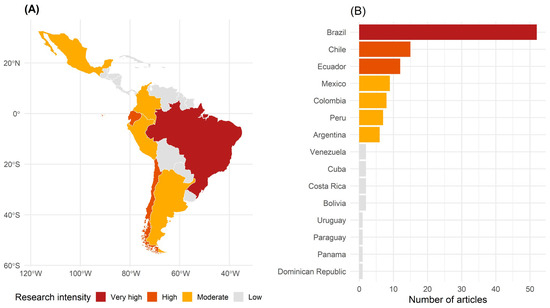
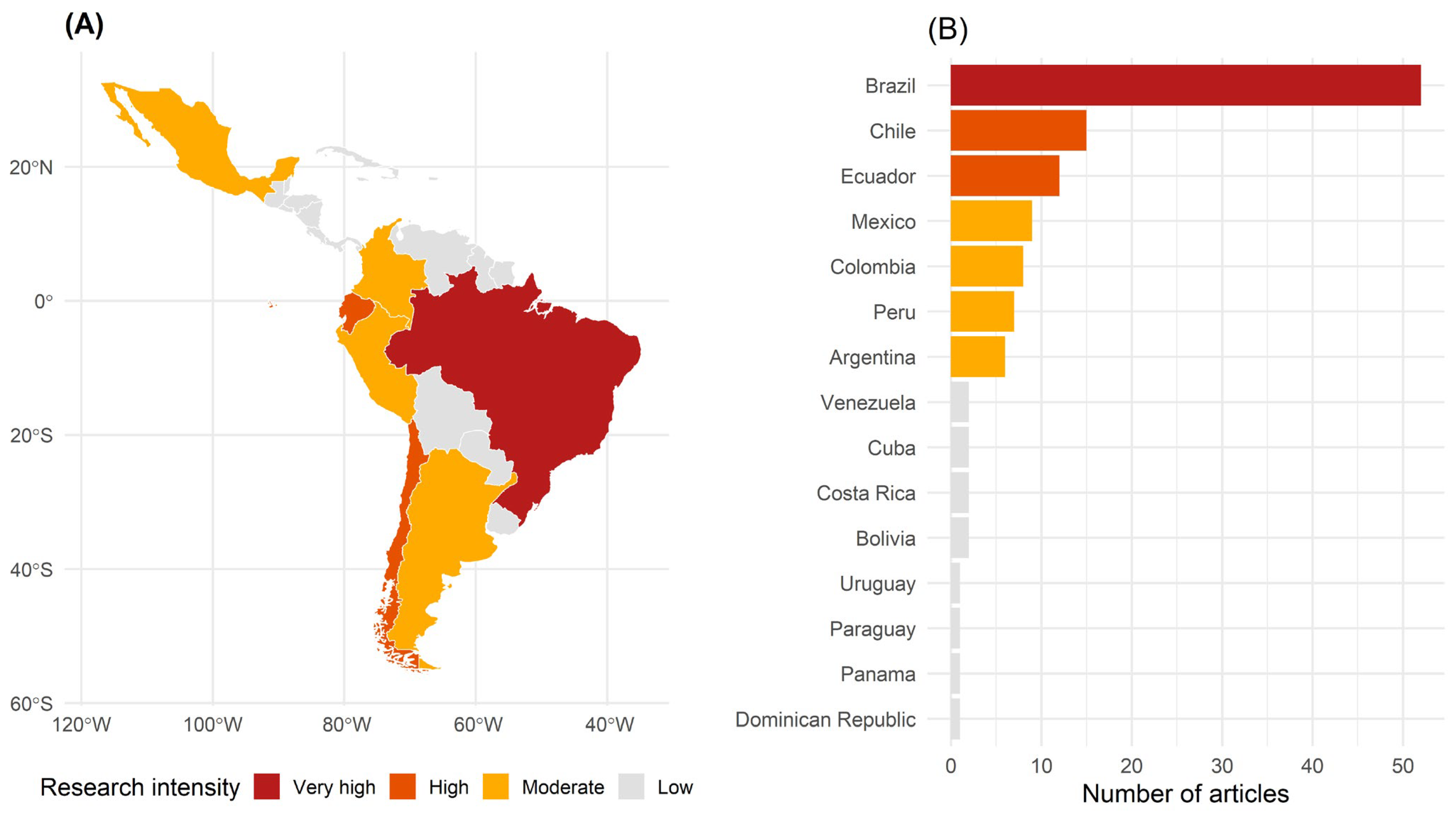
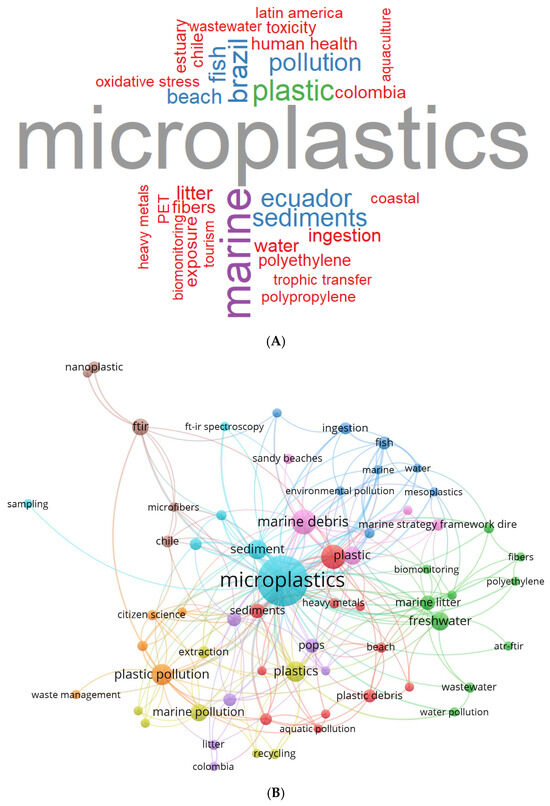
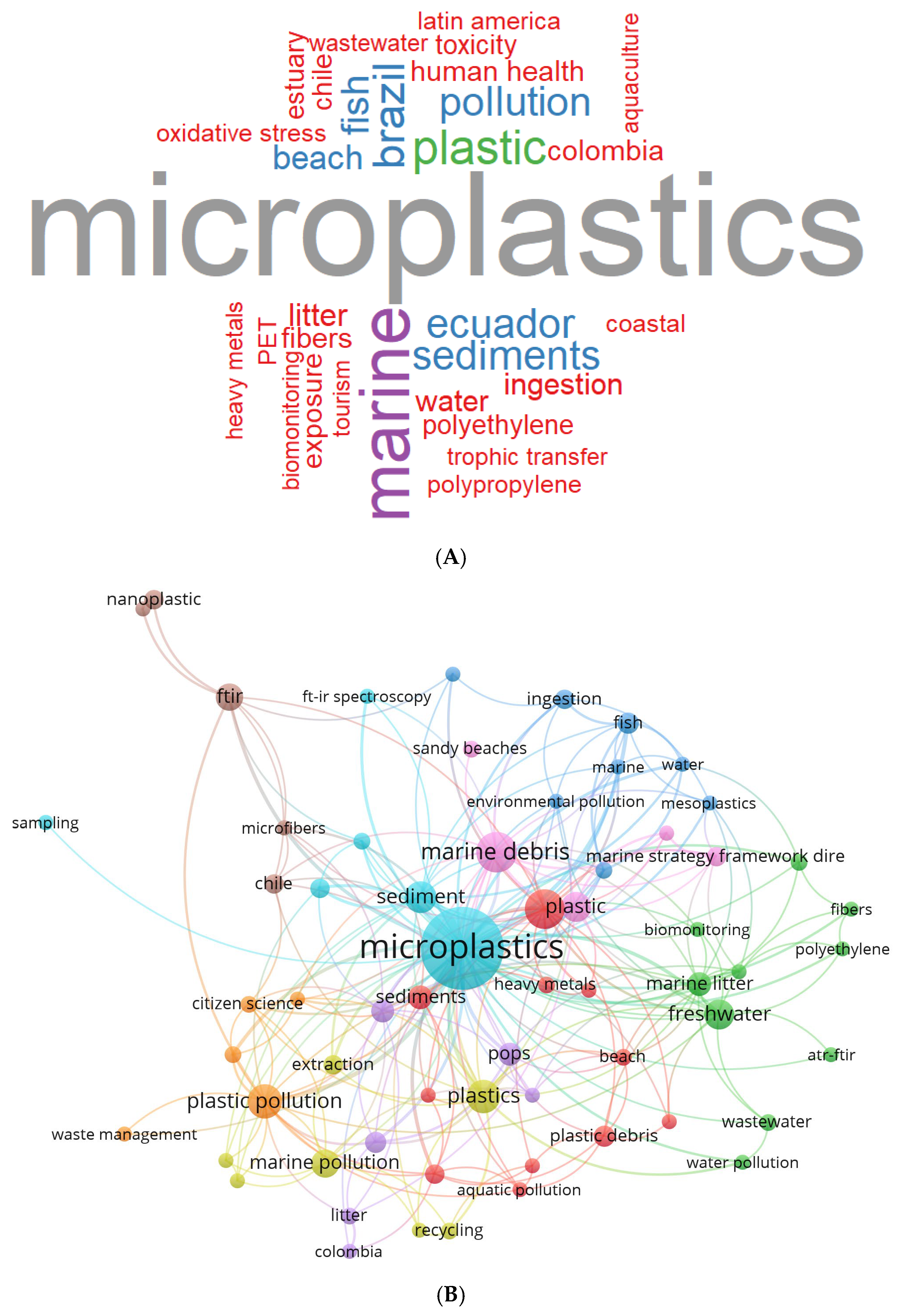

Disclaimer/Publisher’s Note: The statements, opinions and data contained in all publications are solely those of the individual author(s) and contributor(s) and not of MDPI and/or the editor(s). MDPI and/or the editor(s) disclaim responsibility for any injury to people or property resulting from any ideas, methods, instructions or products referred to in the content. |
© 2026 by the authors. Licensee MDPI, Basel, Switzerland. This article is an open access article distributed under the terms and conditions of the Creative Commons Attribution (CC BY) license.