


Abstract
Background/Objectives: Tire (or tyre) wear particles (TWPs), originating from road traffic, have been recognized as a significant emerging contaminant for terrestrial ecosystems. The aim of this study is to attempt a critical review of the existing articles, to identify trends and directions in research, highlight any knowledge gaps, limitations and drawbacks, and develop respective proposals and recommendations. Methods: A comprehensive literature search was conducted in the PubMed and Web of Science databases for the period 2020–2025 according to PRISMA-based protocols. Results: The final studies were methodically grouped into specific representative themes. Conclusions: This study focuses on the factors affecting the emissions of TWPs, their size distribution, processes that affect their environmental fate and methodological approaches for characterization/determination of TWPs. This article also explores the occurrence and toxicity of TWPs in the terrestrial environment, as well as the management approaches and policies in order to minimize their impact.
1. Introduction
Tire (or tyre) wear particles (TWPs) are recognized as an important category of particulate matter originating from non-exhaust traffic emissions (NEE). These emissions result from friction and mechanical abrasion at the tire–road interface. There is an increasing scientific attention aimed at TWP emissions due to their potential environmental and health implications. These particles represent a significant fraction of non-exhaust traffic-related particulate pollution [1]. Their formation is influenced by factors such as driving conditions, tire composition, and road characteristics [1,2]. It has been estimated that 80% of the particles resulting from tire wear will be deposited on roads or combined with tires [2]. The remaining fraction becomes airborne particulate matter and contributes to atmospheric non-exhaust emissions [2]. As tailpipe emissions are reduced due to stricter regulations, the relative importance of non-exhaust emissions is expected to increase in both research and environmental policy [3]. This review focuses on the dominant fraction of NEE, i.e., tire wear particles as well as tire and road wear particles (TRWPs), and their impact on the terrestrial environment.
Millions of tons of tire wear particles are generated annually at the tire–road interface [3]. TWPs are recognized as a significant source of microplastics in both aquatic and terrestrial environments [3]. Per capita emissions have been estimated to range between 0.23 and 1.9 kg per person per year [4]. TWPs exhibit a wide size range, from nanometers to hundreds of micrometers, depending on the wear mechanisms that occur at the tire–road interface (e.g., friction or fatigue) [3,5]. Regarding their composition, tire wear particles consist of a complex mixture of materials, including polymers, carbon black, metals such as zinc, and various chemical additives [4,6]. Tire wear particles have been widely detected in terrestrial substrates (road dust and soil), representing a characteristic fingerprint of non-exhaust road traffic emissions [7,8]. One study indicates that pollution from TWPs may cause greater pressure on terrestrial ecosystems than on aquatic systems [9]. Due to their origin and environmental behavior, TWPs tend to accumulate in terrestrial components [9]. Consequently, their presence may adversely affect soil health, including soil structure, microbial communities and plants, leading to changes in soil properties and functions of the ecosystem [9].
The accurate quantification of TWPs involves careful sampling, pre-treatment/extraction, and complementary analytical tools. This also requires the standardization of methodologies and the use of physiochemical markers, such as styrene butadiene rubber (SBR), N-(1,3-dimethylbutyl)-N′-phenyl-p-phenylenediamine (6PPD) and its transformation product 6PPD-quinone (6PPD-Q), to discriminate between T(R)WPs and other particles or microplastics [10,11,12]. Despite advances in analytical techniques, no harmonized and standardized methodology can yet be reliably applied to all environmental samples, making the comparison of results and risk assessment difficult [10,11,12]. In terrestrial environments, the environmental fate and transformations of TWPs and their constituents, as well as the exposure pathways of organisms, are of high importance. A detailed review of the existing publications reveals their widespread presence as well as significant toxicological concerns and the emergence of efforts to minimize exposure risk [13,14,15,16,17]. TWPs are subject to the effects of aging and environmental transformations (e.g., ultraviolet radiation, temperature, oxidation, mechanical stress and biological processes) [18]. These processes change their surface properties both chemically and physically, promoting fragmentation, increased brittleness and affecting the mobility and release of organic additives and metals [18]. During the processes of transport and transformation in the environment, tire microplastics/wear particles are known to form complex mixtures of pollutants, termed “chemical cocktails” [19,20]. These mixtures have been shown to include rubber additives, metals, polycyclic aromatic hydrocarbons (PAHs), and transformation products [19]. The presence of these compounds in the environment enhances the synergistic toxicological effects of the pollutants [19,20]. Recent evidence suggests that the complete elimination of tire wear particle emissions is not possible, highlighting the need for holistic-cycle management and mitigation strategies [19,21].
Until recently, there have been numerous reviews that have explored and organized the literature on TWPs in terrestrial systems. However, they are either limited in scope or fail to provide a critical synthesis covering the full spectrum of terrestrial systems, and they do not systematically evaluate the relevant research. Consequently, there appears to be a need for a structured and comprehensive scoping review, and the present study will attempt to address this need.
The aim of this study is: (i) to collect the existing articles related to tire wear particles in the terrestrial environment, and (ii) to critically evaluate current research findings. The objectives of this study are to highlight trends and directions in the literature on specific topics, to identify potential gaps in existing research and to make recommendations and suggestions for future research. This review focuses on studies related to factors affecting TWP emissions, size and distribution of particles, environmental fate, and analytical techniques for characterization/determination of TWPs. Moreover, the presence and toxicity of pollutants in the terrestrial environment, and approaches to their management, are also present.
2. Methodology
As a result of a vast range of diverse research on tire wear particles and their relationship to terrestrial systems, this critical scoping approach was chosen to provide a comprehensive depiction of existing knowledge and to identify gaps and weaknesses without meta-analysis in a quantitative method. This study follows the Preferred Reporting Items for Systematic Reviews and Meta-Analyses (PRISMA) 2020 statement [22], a renewed statement for reviews that states they should be written in an understandable, complete, and reliable manner. In addition, the study follows the standard PRISMA workflow, with the identification of articles, the screening process, and the inclusion of the final studies included in the review, as seen in Figure 1.
Figure 1.
PRISMA 2020 flow diagram. Includes the four phases of the literature selection process: identification, screening, eligibility, and inclusion, and adapted from Page et al. [22]. For more related information, visit the following link: https://www.prisma-statement.org/ (accessed on 26 March 2026).
2.1. Literature Search Methodology
The present study employs a critical scoping review methodology. A search for relevant publications was conducted in two broad-coverage scientific databases (PubMed and Web of Science, search date: September 2025, last accessed search: January 2026) using predefined keywords, including ‘tire wear particles’, ‘tyre wear particles’, ‘TWP’, ‘TRWP’, ‘agricultural’, ‘field’, ‘land*’, ‘road*’, ‘sediment’, ‘soil’, ‘terrestrial’, ‘urban’, ‘environment*’, ‘pathway’, ‘pollution’, ‘surface’. In addition, the search terms were combined using Boolean operators (AND, OR), and the search was supplemented by a manual screening of reference lists at various stages. The review focused on peer-reviewed studies published in the English language between 2020 and 2025. All documents retrieved from the database were imported into Mendeley Reference Manager and into Microsoft Excel for duplicate removal and further screening. A detailed search strategy with a description of the search query, etc., is provided in Supplementary Materials file (Supplementary Note S1 and Table S1).
2.2. Eligibility Criteria
The selection of studies to be included in this review was based on their relevance to tire wear particles in terrestrial environments and their contribution to conceptual and methodological comprehension. The studies incorporated in this analysis comprise articles containing primary data and peer-reviewed papers. Consequently, all other types of publications were excluded from the present study, including review articles, conference abstracts, book chapters, gray literature, and others. To facilitate critical appraisal, studies with sufficient methodological data were included, with particular emphasis on clarity of terminology, methodological transparency, reproducibility, and acknowledgement of uncertainties. Additionally, research focusing exclusively on non-terrestrial systems, such as aquatic systems, or research lacking explicit identification of tire wear particles, was not considered in this study. The full inclusion and exclusion criteria are presented in Table 1.
Table 1.
Inclusion and exclusion criteria applied in study selection phase.
2.3. Data Extraction and Analysis
Data from the final 61 studies were extracted based on the type of content of each study: quantification of emissions and concentrations, particle characterization (size, shape, composition), transport and distribution, aging processes in the environment of terrestrial systems, toxicity/ecotoxicity to soil organisms and plants and effects on soils. Also, pollution mitigation and management measures, methods and analytical techniques used were extracted in a systematic way either as complex texts or as structured tables and figures.
The approach is scoping and aims to capture the full range of topics and investigations about TWPs in the terrestrial environment. These data are presented in the Results grouped by category and critically synthesized based on common elements, as well as differences between the studies. This paper is not based on a hypothesis; however, it follows a basic idea/perspective as mentioned in the Introduction, a critique of the relevant articles, in order to analyze issues and identify problems and any gaps in the research.
The data were extracted, screened and assessed based on eligibility criteria by a single reviewer. They follow the PRISMA-ScR guidance for scoping reviews (checklist is in Supplementary Notes). There was no use of automation tools, or communication with other researchers for clarifications; everything was done manually, on customized forms per stage of study control. The data extraction form, performed with the help of Word files and Excel Spreadsheets, included the following thematic sections in columns within the files: Title of the included studies (final), Authors, Country/Region of Study, Period, Method and Design of the article, Matrix, Indicators/Targets, Concentrations–Ranges, Topic (Emissions/Characterization/Toxicity/Management), Data Base, Notes, DOI, References. From there, the final tables and figures for the review of the studies were also extracted.
Due to the evaluation being single-rater, inter-rater reliability was not calculated. The review was not registered, and no protocol was prepared and published. Also, since the studies will not be judged on their quality and the results of the studies will be combined statistically, no meta-analysis was done, just an introduction in tables or figures descriptively. Although this is a critical review, its aim is to highlight the entire body of relevant literature descriptively and interpretatively. In order to improve the understanding of either the way the studies were conducted or their implications, and their inconsistencies regarding their theory and methods, the studies were evaluated with a thematic analysis. The findings were commented on either in groups of studies, or individually in some cases, interpretively without the use of standardized quality assessment tools or risk of bias based on PRISMA-ScR recommendations.
It is essential to acknowledge the critical and interpretative nature of the present approach, which introduces a degree of subjectivity based in part on the information reported in the reviewed studies, and may introduce limitations in the study.
It is also worth noting that, due to the wide range of terms related to tire wear particles in the reviewed literature, this review uses an umbrella term in its narrative section that encompasses terms such as tire wear particles (TWPs), tire and road wear particles (TRWPs), tire and bitumen wear particles (TBiWPs), tire and road wear microplastics (TRWMPs), and tire microplastics, as ‘tire/tyre wear particles’ or ‘tire and road wear particles’. This term is used broadly to refer to tire-derived contamination in terrestrial environments. The more specific original terms will remain as written, as they appear in the original studies, in the tables, figures, and graphs, and where necessary within the text, to maintain consistency and accuracy.
2.4. Synthesis of Results
The results were grouped according to the topics of the articles, which were qualitatively categorized based on their content, with the aim of highlighting the strengths, limitations, and gaps in knowledge.
3. Results and Discussion
3.1. Factors Affecting Emissions of Tire Wear Particles
The emissions of TWPs depend on many factors related to tire and vehicles characteristics, driving conditions, pavement–road type and climatological conditions. These factors also affect the particle size and the morphological characteristics of particles. The relevant studies adopted three approaches: (a) TWP emissions from a tire abrasion simulator and road simulator in the laboratory, (b) emissions using a specific vehicle on the road under certain driving conditions, (c) site measurement of TWPs under real traffic conditions.
3.1.1. Factors Related to the Tire and Vehicle Type
In the available literature, studies related to tire wear particles in the terrestrial environment have focused on the factors affecting their formation and emissions of tire wear particles. A recent study in China examined tire position (front/rear), type, mass–particle size distribution and related restrictions [23]. These factors seemed to have a significant impact on the formation of particles [23]. Also, another factor is wear mileage, where the scientists linked the increase in mileage wear with a decrease in the number of particles (PN) at 10–500 nm, but an increase in PN > 500 nm and an increase in mass (PM), indicating a shift towards fewer but larger–heavier particles [24].
3.1.2. Functional Driving Conditions and Mechanical Loads on Tires
The study by Jia et al., which aims to provide accurate assessment and control of particle emissions, showed that dynamic loads and functional conditions play a significant role, quantifying the relative importance of these dynamic factors using a machine learning method [25]. In addition, they used a random forest model for predicting TWP emissions and the most important parameters affecting these emissions, through simulations of real driving conditions and analysis tools [25]. As in the previous study, but with on-road measurements, the studies of Muresan et al. and Oliveira et al. demonstrated when and how factors appear in driving, according to route types and driving in practice [26,27]. Acceleration/braking/aggressive driving leads to an increase in forces and tread temperature, etc., affecting wear rates, resulting in higher emissions of TWPs [26,27].
3.1.3. Driving Conditions, Route Type and Traffic
The driving conditions, types of routes and traffic load are among the factors that affect T(R)WP emissions [26,27]. These studies employed various markers for this purpose such as the SBR/Butadiene Rubber (BR) indicator or labeling a tire with mercury in order to assess tire emissions from vehicles. The main drawbacks are limited information (one vehicle, one area, and one type of tire), uncertainties of the tracers, and underestimation of the impact of other factors (i.e., heavy vehicles, poorly maintained roads, and other climatic conditions) [26,27]. Similarly, Truong et al.’s study added findings on road wear mechanisms and route effects in TRWPs. They report that interfacial stresses, driving conditions, events, characteristics (road, pavement), through abrasion, fatigue, and pull-out mechanisms lead to different morphology, texture, and TRWP mixture [28].
3.1.4. Pavement Type and Roughness
Various studies investigated how the road surface and road dust affect the number of particles produced. Bae et al., through laboratory simulation, found that both the type and composition of the road surface (AC-asphalt, CP-concrete) affect the number of emissions and the size of T(R)WPs [29]. The particle size and source of road pavement wear particles (RPWPs) showed that tire wear particles in the environment are a mixture of rubber and pavement fragments (not pure rubber) [29]. As the role of hard particles in further tread wear is also key, existing pollutants and hard particles on the road are a secondary factor that enhances TWP emissions [29]. In contrast, under actual road conditions in Seoul, Lee et al. investigated road roughness (International Roughness Index, IRI), road slope, speed, and traffic as factors contributing to non-exhaust emissions [30]. They calculated pollution(-load) indexes (PI/PLI) of TWPs and enrichment factor (EF)–metal pollution levels, to perform a multi-level analysis of pollution [30]. Their findings concluded that the key factors are road roughness, slope, and road maintenance, and they proposed corresponding management measures [30].
3.1.5. Methodological Approaches and Implications for the Assessment of Emissions
Related research involves either laboratory measurements using simulators and test cycles, or measurements under real driving and road conditions. However, there appear to be biases concerning the identification method, the reproduction of real conditions in laboratories, the location factor, the type of vehicle, tire, road surface, seasonality, and the specific geographical area. There are many cases where the properties of tires are not taken into account, specifically the chemical differences that affect emissions. Considering these limitations, a recent ISO Standard (ISO 22638:2024) specifies the generation of TRWP in a road simulator laboratory method, representative of realistic driving conditions [31]. This guidance provides types of pavements and tires, the collection system, monitoring and reporting of data [31].
3.2. Characterization of Particles (Size, Distribution)
3.2.1. Particle Size Distribution Under Controlled Wear Conditions
The type and the position of the tire appear to influence size distribution according to Zhang et al.; front tires are associated with larger diameters and higher contribution of coarse fraction, whereas rear tires are associated with finer particles [23]. In Bae et al.’s study, the type of pavement (size reduction with an increase in the contribution of the pavement to their production) and the method of analysis influenced the size distribution [29]. Both studies showed that size distribution is not a constant feature of TWPs, but varies according to tire type, pavement type, and methodology/analysis [23,29]. It appears that the fine fraction, especially PM2.5, is critical for exposure, but in Zhang et al.’s study it is recorded directly (0.7–1 μm, especially all-terrain and all-season types), while in Bae’s study it is possibly underestimated as the analysis does not include particles smaller than 38 μm [23,29].
Another study also showed that size is not a permanent characteristic but depends on actual driving and road conditions [28]. They provided a mass-weighted size distribution from controlled and on-road collection wear conditions, pointing out that the place you drive changes the size profile: The fraction < 1.3 μm is high in the urban environment (~62%) and lower on the highway (~22%), indicating that urban conditions enhance the formation of fine particles through dynamic driving and road-surface-dust conditions [28].
3.2.2. Size Distribution in Environmental Samples—Surface (Road Dust, Tunnel, Parking Lot)
Kovochich et al. studied the size and morphological characteristics of TWPs in road pavement dust, tunnels, and sediments [32]. Klöckner et al. investigated the size distribution and density of TRWPs in tunnel dust [33], Deng et al. examined the size distribution and chemical load in road dust and enclosed parking lots [34], and Järlskog et al. investigated road dust [35]. (Figure 2). Studies on surface dust tend to conclude that the mass of particles associated with tires and road surfaces is mainly distributed in medium–fine sizes, approximately 10–100 μm. Järlskog et al. found typical diameters of 10–100 μm with a peak at ~20–30 μm for road surface dust around a highway [35], ranges that align with the intermediate sizes for road dust reported by Kovochich et al. [32]. For tunnel dust, Klöckner et al. and Kovochich et al. showed that TRWPs are even finer and are mainly concentrated in smaller fractions such as 20–50 μm [32,33], while for dust collected in enclosed parking lots Deng et al. recorded an enhanced contribution of fine fractions of 20–53 μm [34]. Despite differences in the microenvironment and methodology (analysis of individual, size fractionation, chemical markers), the results share a similar pattern for TRWPs/tire and bitumen wear particles (TBiWPs) and their related chemicals, with finer fractions, especially below ~50 μm, being enriched, suggesting their critical role regarding their environmental behavior and risk to human exposure. As shown in Figure 2, the reported particle sizes vary significantly depending on different parameters such as sampling environment and analytical method, ranging from airborne submicron-sized particles to fractions greater than several hundred micrometers.
Figure 2.
Particle size ranges of tire wear particles in selected studies. Vertical blue bars indicate the reported size ranges, while red lines/marker denote characteristic peak ranges [23,28,29,32,33,34,35].
3.2.3. Size Distribution in Stormwater and Sediment Systems
According to Järlskog et al. and Kovochich et al., as wear particles are transferred from road surfaces to hydrological systems and sediments, the distribution pattern of TBiWPs/TRWPs in road dust, runoff, and sediments is changed: fine-grained fractions dominate stormwater runoff and gullies, whereas the presence of larger TRWP aggregates is enhanced in more stable sediments [32,35]. Regarding the role of fine fractions (2–20 μm) in rainwater transport, it appears that fine fractions play a central role in the early stages of transport (runoff, gullies, stream channels), and over time they can be incorporated into larger aggregates in sediments, changing their size distribution and therefore their environmental fate [32,35].
3.2.4. Correlation of Particle Size and Chemical Indicators of Rubber
Various studies report the different size distribution with chemical constituents of TWPs. Usually, fine fractions are enriched with tire-related chemicals [33,34]. A study by Klöckner et al. reports that organic tire constituents (OHBT, ABT, 6-PPD) increased from coarser (500–1000 μm) to finer fractions (<50 μm) in tunnel dust [33]. Deng et al. also found that concentrations of benzothiazoles (BTHs) and TWP-derived p-phenylenediamines (PPDs) increased at lower particle sizes of road dust and dust from parking lots [34].
Recent standard ISO 22640:2023 establishes a framework for the characterization of physical properties of TRWPs (such as morphology and particle size distribution) and their chemical characteristics (tire element content, the presence of metal or PAHs) that can provide information regarding their environmental fate and toxicity [36].
3.2.5. The Role of Fine Fractions in Environmental Fate and Exposure
There were common findings among the relevant studies regarding the size and distribution of tire wear particles; most of the dust mass is found at a size < 250 μm [34,35]. TRWPs/TBiWPs mainly have sizes of 10–100 μm with frequent peaks at 20–50 μm [32,33,35]. In particular, the fine fraction of 2–20 μm corresponds to >50% of the TBiWP mass in many matrices [35], is enriched in BTHs and PPDs [34], and includes PM of a size that is significant for inhalation [23]. However, differences and sources of heterogeneity were identified, such as different types of tires and road surfaces [23,29], different microenvironments, size thresholds and methods. Fine particles were also associated with exposure and risk. There was an association between the respiratory system and PM2.5 [23], inhalation, dermal contact and ingestion exposures with the <250 μm dust fraction [34], as well as stormwater transport with PM10 (2–20 μm) [35].
3.3. Environmental Fate
3.3.1. Aging Processes
Aging processes of T(R)WPs involve both physicochemical and biological degradation, that essentially affect the size and properties of particles and consequently their environmental fate [37]. Van Os et al., using accelerated UV aging, in line with field conditions, reported size reduction, a substantial decrease in chemical additives, and changes in their accumulation in soil [37]. However, their study is based on accelerated aging with simplifying assumptions. Overall, it provides quantitative rates of abiotic degradation and a complete picture of the changes occurring during the aging process, while overlooking the significant contribution of biodegradation that can significantly accelerate the degradation of the particles in the soil [37]. Subsequently, McMinn et al. presented a more mechanistic and chemically complex picture of aging [38]. They showed changes in chemical constituents in rubber over time, the importance of water in accelerating transformations, and the large number of transformation products, as well as potential markers of aging [38]. However, confirmation and accurate quantification under realistic conditions are needed. Furthermore, photoaging can lead to surface oxidation as well as to the creation of environmentally persistent free radicals (EPFRs), with potentially neurotoxic effects [39]. The study linked photoaging, formation of EPFRs and reactive oxygen species (ROS), and neurotoxicity into a complete sequence, demonstrating that aging of tire wear particles is not only related to chemical transformations but also to biotoxicity through environmentally persistent free radicals [39]. However, it is limited in terms of covering scenarios of nature and the complexity of ecosystems. In addition, neurotoxicity appears to be significantly neutralized by the “cleanser” N-acetyl-l-cysteine (NAC), but it is not eliminated, suggesting that, in addition to EPFRs, metals and organic substances also contribute to the overall toxicity of aged particles, although the relative contribution of each is not quantified [39]. Li et al. showed that the aging process and the mode of particle production influence the activity of radicals through the investigation of formation and possible mechanisms of transient free radicals (TFRs) and EPFRs [40]. This study provides a strong mechanistic basis for the chemical activity of particles, where radicals are formed through photochemical processes and Fenton-type reactions, catalyzed by metals and stabilized by rubber components, which is an investigation that also needs to be confirmed by realistic measurements.
Aging also affects the fate of chemical additives. Shen and co-authors are looking into kinetics and pathways of 6PPD/6PPD-Q in soil [41]. This is a study with detailed kinetic data and analytical identification of transformation products. Under aerobic conditions, the chemical additive 6PPD breaks down rapidly, in contrast to the toxic metabolite 6PPD-Q, whereas anaerobic conditions favor their long-term persistence in the environment [41]. However, these findings are based on experiments with artificial addition of pure 6PPD/6PPD-Q (spiking) and not on actual data from T(R)WP extracts [41]. For 6PPD-Q, the mass balance remains incomplete, as the identified transformation products account for only a small percentage of the total transformed amount. Consequently, the contribution of mineralization and biosoil residues is estimated indirectly, and studies with carbon-14/tracer and realistic environmental matrices are needed for a more comprehensive assessment of the fate and risks of these additives in soils [41]. Li et al.’s study provides a detailed and convincing picture of the combined effect of manganese oxides and repeated drying–wetting cycles on the accelerated production of 6PPD-Q from TWPs (“mineral-climate coupling effect”), which, however, is based on controlled experiments with synthetic rainwater and specific MnOx configurations [42]. Thus, it does not incorporate the overall complexity of actual road runoff matrices. In addition, a large part of the consumed 6PPD is directed to other pathways, which remain quantitatively less explored. Therefore, the findings of this study are particularly useful for understanding the aging mechanisms on the surface of TWPs, although there are limitations and additional field studies as well as long-term experiments with real mixtures of road dust and tire wear particles are necessary for a fully realistic assessment of the fate and risk of 6PPD-Q in terrestrial systems. Furthermore, a study by Xu et al. convincingly showed that flooded anaerobic soils and sediments can act as ‘hotspots’ for the formation of 6PPD-Q compounds, with significant implications for terrestrial and aquatic organisms [43]. The research was conducted under specific soil conditions, carefully comparing wet/flooded and sterilized/non-sterilized conditions by employing hydroponic experiments. Zhu et al. studied the aging-dependent effects of leachates on soil functions such as enzyme activity, pH, aggregates, C/N, investigating mechanical, thermal and UV aging [44]. Overall, the study showed that soil particles have an unstable ecological effect, given their dependence on local and seasonal aging conditions, which are responsible for the changes in particle extracts [44]. Despite this, the study is limited, using large particles, soil type, laboratory photodegradation, and the examination of leachates without chemical identification of the relevant compounds.
Taken together, the above findings indicate that aging is a process driven by multiple factors and characterized by two kinetic phases. It can lead to particle fragmentation, ROS and EPFR formation, and the release of toxic transformation products such as 6PPD-Q, although most studies are laboratory-based and do not fully cover field conditions with mixtures (road dust and co-pollutants). Aging is also a factor that modifies the ecotoxicological profile of tire wear particles in terrestrial ecosystems. The changes associated with weathered particles or their leachates may be significant for exposed soil organisms, with potential consequences for soil ecosystem functions. It appears that the particles decrease in size, undergo surface oxidation, promote ROS/EPFRs formation, and release transformation products, microorganisms, plant roots, and soil invertebrates, with possible indirect effects on soil structure and porosity. This potential exposure to bioavailable chemicals and reactive species may affect various soil biological and physiological endpoints, by affecting microbial activity, inducing oxidative stress, altering enzymatic function, and changing plant–soil interactions, plant growth and physiological responses, and invertebrate and soil health. The ecological impacts are not consistent and depend on regional and seasonal aging conditions.
3.3.2. The Impact of Aging on Transport and Fate of T(R)WP
Aging of tire particles significantly affects the transport and fate of particles in the environment. A recent study referred to the impact of photoaging of tire wear particles on the transport of metals in soil, in combination with acid rain [45]. The analysis is performed before and after aging by batch and column experiments, separating particles into percentages, so that the proportional effect with their concentrations can be understood [45]. The absorption of Pb (II) by the particles is enhanced by the age of the particles and the delay in their movement to deeper soil layers, particularly in cases of acid rain [45]. The columns, the different pH values, and the simulations help to assess the absorption rate. Overall, there appears to be a link between aging and changes in binding with the transport of divalent lead, and as a result, the surface soil may be a potential source of pollution with the risk of metal remobilization in subsequent rain-flood events. The limitations of this research relate to laboratory conditions, soil and metal type, the possibility of overestimation of particle percentages compared to reality, assumptions, and constant conditions. In the future, it would be interesting to investigate the synergistic actions of other metals, as well as to conduct long-term experiments. The study of Dittmar et al. goes further, where differences in density, size and inorganic fraction of particles led to different settlement velocities and, consequently, different transport and fate [46]. They used particle simulations and environmental samples from tunnels to cover different scenarios and a wide range of densities, contributing to both research and modeling [46]. A notable aspect of their study is the code and data availability open for use to other researchers on these databases and scenarios with variations in parameters [46]. Nevertheless, it lacks coverage of sample, simplified settlement velocities, and does not consider other factors that may have an influence. According to the authors, there are uncertainties in SBR/natural rubber (NR) indicators [46]. The latest study by Herzke et al., with significant contributions and substantial documentation on a large scale, showed that TWPs constitute the dominant fraction of airborne microplastics in urban areas, showing that the atmosphere is a critical transport route and temporary repository even in remote terrestrial environments [47]. However, it does not reflect the relationship between size and transport distance, assessment of chemical aging and transformation of particles, but rather transport flows. In addition, aging processes may also alter the sorption capacity of TWPs, allowing them to act as carriers of environmental micropollutants. Vlachos and Voutsa reported the sorption kinetics and isotherms of pristine and aged TWPs (photoaged, chemically aged and biologically aged TWPs) for bisphenol and benzotriazole [48]. Their adsorption behavior depends on both target micropollutants, aging processes and environmental conditions [48].
Aging modifies chemical changes through processes such as oxidation, surface modification, formation of EPFRs, and physical properties including density and particle size. These changes influence the environmental behavior of TWPs, affecting metal binding and retention in soil, the potential retardation in transport to deeper soil layers, and the settling velocities and transport distances to aquatic systems. Soil organisms exposed to these modified particles and their leachates may therefore be affected, with potential consequences for soil functions.
3.3.3. Field Long-Term Fate and Storage
Weyrauch et al. investigated realistic field conditions (sunlight, water/sedimentation pond) for the long-term (~20 months) aging of TRWPs in the environment, given the maximum transport route of the particles, their removal by precipitation, their transport in surface water, and finally their deposition in sediments [49]. They found that most of the additives in extracts were lost in the first few months, although a significant chemical load remains on TRWPs, suggesting tire particles act as a long-term mobile reservoir of chemicals [49]. Both the periods of exposure (long-term) and the study scenario—the realistic field scenario—as well as the analysis of target compounds make it unique, and a direct comparison between laboratory and field data is reported. Nevertheless, the analysis could be extended to include more compounds, more study locations and a range of climatic conditions. In another two-year laboratory study involving biodegradation experiments with water and soil, two-phase kinetic analysis with corresponding half-lives for specific compounds showed that cryogenically milled tire tread (CMTT) and TRWPs, while rapidly losing a large portion of their compounds, still have a significant residue [50]. Overall, it shows chemically what is lost in water bodies, what remains in soil, and how much mass is lost to other types of particles—transformation or mineralization. However, it cannot be considered representative of environmental conditions, especially of TRWP aging under field conditions. This is because the experiment examines biodegradation using laboratory-grade CMTTs, rather than particles collected from field environments that have been exposed to natural weathering processes. Laboratory-aged and field-weathered particles may differ in both size distribution and surface morphology. They may also differ in their interactions with soil, road dust, microorganisms, co-pollutants, and natural weathering factors.
In terrestrial environments, soil and ditches appear to store and transport tire-related particles and associated substances [51]. The study by Polukarova’s et al. examined actual highway ditch environments (considering depth and distance from the road), providing an overall picture of the co-occurrence of TWPs and metals, with SBR/BR and heavy metals, as well as relationships between TWP markers and metals, especially Zn [51]. However, the study has several limitations, such as location, soil type, size fractions, but also, according to the authors, the lack of measurement of organic rubber additives and at points the high uncertainty due to the heterogeneity of soil materials [51]. Alongside a road with high levels of traffic, Beaurepaire et al.’s study quantified the spatial distribution and accumulation of microplastics and particles of tire and road wear in a biofiltration swale (BFS) [52]. The percentage of TWPs in the total mass dominates, and as the BFS appears to remove particles, the soil may simultaneously transform into a long-term reservoir where the main source of microplastics is macrolitter fragmentation [52]. The researchers provided a comprehensive overview of where the particles end up, in a Sustainable Drainage System (SuDS) alongside road surfaces, the number of deposits and how they connect with different emissions and accumulations [52]. It is not a simple pathway, but a particle receptor system. However, there are several limitations in terms of results (preliminary estimates), simplifications, uncertainties, and generalizations, since more areas and soil types need to be examined. Ecotoxicological impacts are generally not directly measured in this body of literature.
It should be noted that tire and road wear particles act as a direct source of pollutants, as well as long-term mobile sources of traffic-related rubber, metal and organic chemicals in soil, ditches and SuDS. In the early stages of exposure, there is a rapid release of polar compounds, but a significant chemical load remains acting as a long-term pollution source. Roadside ditches and biofiltration swales act as sinks near the source, reducing transport of particles to water bodies but accumulation in soil results in long-term ecotoxicological significance. A general framework for assessing the environmental fate of TRWPs is described in ISO/TS 22687:2018 [53]. Particularly, this standard provides the assessment approaches regarding the processes that can occur during the tire lifecycle such as transformation of chemical additives during TRWP generation, aging and weathering, leaching and availability of chemical additives and finally transformation products in an aquatic environment [53].
3.4. Method Development–Analytical Techniques
The studies included in this section of the current review employ a variety of analytical approaches for the identification and quantification of tire and road wear particles in terrestrial environments. The methodologies employed differ in terms of sample collection, sample pretreatment, analytical techniques, and quantification tools. Moreover, they also vary in the way they handle matrix effects and measurement uncertainties. Table 2 provides a summary of the methodological characteristics of each study such as sampling, site, and method of analysis, thereby facilitating a comparative evaluation of the different approaches.
Table 2.
Articles on method development–analytical techniques for tire wear particles in terrestrial environments.
3.4.1. Development and Optimization of Py-GC/MS/TGA-GC/MS for T(R)WPs
Many studies focus on optimizing thermal techniques, mainly Py-GC/MS and TGA-GC/MS, for the qualitative and quantitative analysis of tire and road wear particles. Rødland et al. and More et al. provide comprehensive approaches to quantifying particles from complex environmental samples with the aim of improving sensitivity and repeatability [55,56]. More recent studies [54,57,60] attempted further optimization through combined Py-GC-MS/TGA-GC/MS approaches and commercially available elastomeric subunits; however, issues remain regarding limitations in generalizing findings, uncertainties, and method validations. The use of the pyrolysis-GC-MS method for determination of TRWP mass concentration in soil and sediments has been proposed in ISO/TS 21396:2017 [61]. In addition, the pyrolysis-GC/MS method has also been proposed in ISO/TS 20593:2017 for the determination of TRWPs in ambient air (PM10, PM2.5) [62]. These standards provide the principles for sampling collection, generation pyrolysis fragments and quantification of TRWPs in environmental samples [61,62].
3.4.2. Selection of Pyrolysis Indicators and Calibration Strategies
The selection of appropriate pyrolysis markers is critical, with studies varying between the use of selected markers and total markers [54,56,57,60]. The CMTT and internal standards approach is proposed as a representative means of improving quantification (method analysis and calibration), providing a realistic basis for environmental samples [60]. This does not eliminate uncertainty due to the complexity of composition and limitations in generalization [60].
3.4.3. Sample Pre-Treatment and Addressing the Effects of the Matrix
Sample pre-treatment is recognized as one of the most important sources of uncertainty. Thomas et al. suggest a generalized sample pre-treatment protocol, mainly qualitative/semi-quantitative with limitations, which remains an open issue for future studies [58], and More et al. developed steps to avoid matrix interferences, with a standard pre-treatment example for quantifying particles in solid matrices with some limitations [55]. Paterson et al. attempted to adapt microplastic protocols to tire and road wear particles; although realistic and applicable, it is still a limited approach that needs to be validated in other matrices to demonstrate its efficiency [59].
3.4.4. Separation and Isolation of Particles and On-Road Collection
The separation and isolation of T(R)WPs remain methodologically challenging, particularly in on-road applications. Thomas et al. and More et al. highlighted the difficulties of collecting and isolating real environmental soil samples [55,58]. More recent approaches [28,59] attempt improvements through specialized filters and protocols. However, the absence of standardized methods limits reproducibility, even though they make important contributions as research tools.
3.4.5. Identification Protocols in Terrestrial Matrices
To identify particles in terrestrial environments, studies apply a combination of methods such as FTIR, TGA, and SEM-EDX, with emphasis on morphology, texture and elemental composition [28]. These methods are often supplemented by GC/MS and Py-GC-MS [58,59], characterizing tire and road wear particles as “compliant” and “partially compliant” particles [28]. In general, uncertainties may arise due to various assumptions and identification criteria.
3.4.6. Quantification and Mapping of Sources
Several studies have aimed to quantify the particles and map their emission sources [54,56,57]. Despite the proposed approaches, with multi-parametric method, a graded multi-level framework, and a new operating method, quantitative estimates are strongly influenced (uncertainties and biases) by the selected methodologies and input data.
3.4.7. Data Quality and Methodological Uncertainty
Among the articles under review, two studies incorporate a systematic assessment of uncertainty. One of them used the Monte Carlo simulation, which addresses issues of variability in tread composition and input parameters, and allows for the estimation of mean values and uncertainty intervals [56]. In the second one, they provided clear quantitative data, discussed the resulting matrix interferences, and realistically assessed the detection limits of the method as well as the uncertainties involved [55]. Nevertheless, the studies by Evans et al. and Thorton et al., while presented with sensitive and well-validated analytical methods, do not examine uncertainties that arise in realistic field scenarios with multiple factors, creating a limitation in the generalizability of their findings [57,60]. For the comparison of methodological results, it is important to note differences that should be considered between field-collected tire wear particles and laboratory-generated or cryogenically ground particles, as particle pretreatment may affect particle characteristics such as size distribution and morphology, the degree of aging, and the release of chemical components. Ma et al. used “total pyrolysis markers” and calibration curves from actual treads to reduce uncertainty; however, these do not eliminate issues concerning traffic data in terms of quality and availability in other cases, as well as the dynamic nature of the tire market [54]. Studies such as those by Thomas et al. and Paterson et al. examined factors affecting the reliability of results, such as incomplete quantification, the deprivation of particles during the pre-treatment stage, or even the limitation regarding the particle fraction under examination [58,59]. Furthermore, another study showed a semi-quantitative approach based on morphological and elemental characteristics, which results in uncertainty due to several assumptions and manual identification [28]. Their study highlights the need for standardized quality control frameworks [28]. Overall, the absence of standardized validation protocols and systemic uncertainty assessment appears to be a significant limitation in comparing and utilizing data in environmental applications.
3.5. Environmental Occurrence and Toxicity
Occurrence and toxicity of TWPs/TRWPs in terrestrial systems are summarized in Table 3.
Table 3.
Occurrence and toxicity of TWPs/TRWPs in terrestrial environments.
3.5.1. Occurrence
Half of the ten studies on the occurrence of tire wear particles in terrestrial ecosystems identified road dust as a terrestrial reservoir of these particles, and the corresponding rubber chemicals, such as 6PPD and 6PPD-Q [63,64,65,66,67]. 6PPD-Q is of significant ecotoxicological interest as a transformation product formed through the photooxidation of the antioxidant 6PPD. It is widely recognized as highly toxic to aquatic organisms, and evidence of its terrestrial toxicity is still limited and emerging. In terrestrial roadside environments, 6PPD-Q appears to accumulate in road dust and adjacent soil, which may act as terrestrial reservoirs [64,66]. A review of the existing relative articles revealed that traffic density and type, as well as heavy vehicles, are the main factors influencing spatial patterns [63,65,66,68]. As demonstrated in the on-topic publications, the fine fraction of the particles has been identified as a key factor in both exposure and transport [35,63,64,65]. Järlskog et al. and Rødland et al. placed significant emphasis on the importance of drainage infrastructure and multi-compartmental distribution around roads [35,69]. Moreover, tunnels and enclosed road systems in general have been identified as areas where accumulation and leakage occur [66,69]. Furthermore, it has been observed that rural roads with low traffic volumes are often underestimated, despite their role as long-term storage reservoirs [67,70]. Several studies have examined the role of soil in relation to roads, as a potential reservoir or secondary source of tire additives and transformation products (TATPs) for downstream ecosystems [64,68,71]. However, the current literature has noted methodological limitations and issues of indicator reliability, whereas an approach based on multiple factors is required [35,63,65,66,69,70].
3.5.2. Toxicity
The occurrence of TWPs in soil may affect terrestrial ecosystems with respect to soil characteristics, microbial community and functional genes, microorganisms, as well as soil–plant interrelationships.
Researchers have indicated that tire wear particles in soil may induce poly-mechanical toxicity towards terrestrial organisms, with the toxicity being transmitted to these organisms through multiple pathways, including physical ingestion and chemical contamination [72,73,74,75]. The observed toxic effects of particles are influenced by several critical variables, including size, dose, exposure time, condition and aging of the particles [72,73,76,77,78]. Numerous studies use laboratory experiments to assess potential hazards, whereas other studies attempt to develop a method based on environmentally relevant exposure conditions. The use of cryomilled and laboratory-generated particles, under high soil exposure concentrations, may overestimate the risk under field conditions, although these laboratory approaches are useful for identifying potential toxicity mechanisms. Given the complexity of the real-world environment, environmental concentrations and actual exposure pathways may differ, and the processes and fate of particles, such as aging, which also influence the particles, necessitate careful consideration of how these results can be extrapolated to a real-world exposure scenario for organisms. It is worth noting that tire wear particles do not merely carry contaminants but may also exert direct biological and physical effects. In terrestrial organisms, they can cause biological/physical harm through ingestion [73,74]. They potentially affect behavioral responses, particularly at high concentrations, with potential consequences for soil functions [75]. At the broader terrestrial ecosystem level, they influence biogeochemical parameters and alter soil processes [76]. A review of the available literature reveals that extracts or soluble additives are the primary contributors to toxicity. As demonstrated in the relevant articles, soluble fractions have been shown to stimulate more intense reactions and are associated with changes in nutrient levels within the rhizosphere. However, it should be noted that these effects may vary depending on the specific plant species [74,75,78,79]. Leachates from TWPs have been reported to cause acute physiological responses in plants and other soil biota, while specific additives, such as benzothiazoles, may reduce fungal biomass and inhibit fungal growth [74,78,79]. As posited by Sheng et al. and Naccarato et al., there is compelling evidence to suggest bioaccumulation of metals and elements in particles, with the concomitant possibility of entry into the food chain [73,80]. Zinc is consistently reported as an inorganic toxicity driver and bioaccumulates in the tissues of soil organisms [73]. However, TWP toxicity cannot be attributed solely to Zn, as organic additives may also be major contributors [72]. Dolar et al. and Ding et al., respectively, observed immune and molecular responses as early indicators of environmental stress [74,81]. In relation to the ecosystemic dimension of the particles, phytotoxicity and alterations in soil processes were observed, suggesting that the intensity of the effects on the soil–plant system may be modified by the process of aging [76,77,78]. In their studies, Peng et al. and Wu et al. investigated microbial communities and nutrient-cycle functions under TWP-related stress, in response to particles and associated chemicals such as 6PPD-Q [71,79]. In this context, disruption of soil nitrogen and phosphorus cycles may have functional consequences [71,79]. In a recent study, Jiang et al. investigated the eco-corona, extracellular polymeric substances (EPS), and soil resilience in co-exposure scenarios in which toxicity is not additive [82]. Their findings suggest that the toxicity of zinc (Zn2+) can be modulated by the biomolecular membrane (eco-corona) formed around the particles, thereby reducing Zn bioavailability and mitigating its toxicity in soil [82]. Moreover, Wang et al. investigated the uptake of PPDs and PPD-quinones (PPDQs) by plants via root and foliar pathways and potential dietary exposure routes [83]. Beyond uptake, particle aging and associated chemical reactions may generate reactive species. Environmentally persistent free radicals are generated during particle photoaging and form on particle surfaces, with potential neurotoxic effects [39]. ROS are produced by these compounds, as well as through Fenton-type reactions catalyzed by metals associated with TWPs, such as iron and other transition metals [40,42,43]. Therefore, exposure to these particles may be linked to cytotoxicity and the production of ROS as a mechanism underlying oxidative stress in exposed cells and organisms [65]. At the soil-organism level, earthworms are particularly susceptible to environmental stress, as the particle ingestion and the metal bioaccumulation lead to oxidative stress [73].
3.5.3. Cross-Section and Study Comparison of Analytical Methods, Ecological Interpretation, and Uncertainty
As indicated in Section 3.4, “Method Development–Analytical Techniques,” research on analytical approaches for tire wear particles focuses on thermal techniques such as Py-GC/MS (Table 2), i.e., methods for determining the mass of tire/rubber present. However, in occurrence and toxicity studies discussed in the present section, in addition to pyrolysis gas chromatography–mass spectrometry, methods such as LC-MS/MS are employed to identify which chemicals are present in the particles and potentially cause toxicity (Table 3).
The four studies in this section, as shown in Table 3, quantify tire wear particles using Py-GC/MS and follow ISO/TS 20539, in road dust, tunnels, and in soils along low-traffic rural roads, similar to the methods in the previous section. More specifically, Youn et al. acknowledge limitations in methodology and calibration, which create uncertainties due to the insoluble nature of rubber polymers, without necessarily implying under- or overestimation of the particles [63]. Similarly, in [70], the authors themselves emphasize that the pyrolysis method may involve methodological uncertainty and that particle concentrations in the samples may have been underestimated. Furthermore, the findings of another study, given the assumptions it employs, should not be generalized to all tires and compounds and creates uncertainty regarding the absolute concentrations of tire and road wear microplastics [65]. In the road tunnel model, employing a multi-compartment approach, the authors innovate by using a multivariate indicator study and simulation to quantify uncertainty and highlight the limitations of single-indicator approaches with simple assumptions [69]. In general, this study does not appear to investigate toxicity and bioaccumulation, remain focused on the polymeric fraction, and does not examine other chemical additives or metals. Study [65] examines toxicity through exposure and health effects. However, it does not isolate the particles and, consequently, their effects [65]. Overall, relevant studies indicate that the Py-GC/MS method provides useful estimates of particle mass; however, there are shortcomings in terms of calibration, assumptions, and limited chemical–(eco)toxicological interpretation, which in many cases could be supplemented to achieve a more comprehensive approach.
In contrast to studies focused mainly on particle mass quantification, an approximately equal number of studies, compared with the total number of pyrolysis-based studies, are those that employ Liquid Chromatography–Mass Spectrometry. In these studies, as they identify chemical additives in particles/tires that act as markers, they link these chemicals to ecotoxicological effects through their leaching into stormwater, as in the case of [64] in road dust, which is associated with known acute toxicity of 6PPD-Q concentrations in leachates, or in green belt soils along arterial roads where 6PPD-Q accumulation affects the structure and network of the microbial community (particularly fungi). And functional changes were recorded in genes related to C-N-P-S cycles (enhancement of the C cycle, which may aid its degradation in soil) and weakening of N and P cycling [71].
At the organism level, in a toxicity study using earthworms, environmentally realistic concentrations disrupt microbiomes, cause intestinal damage, and metabolic disorders. It is noteworthy that soluble additives, rather than large particles, are likely to affect organisms [74]. Even so, it remains an open issue whether these findings lead to long-term ecological impacts, as there is no clear evidence of long-term ecological impacts; rather, only metabolic changes were identified, while endpoints such as reproduction did not change. In addition, earthworms exhibited avoidance behavior at high concentrations of tire chemicals and a tendency for having a lower body weight in juveniles [75]. The exposure of these organisms is dynamic, as they take up large amounts of chemicals in contaminated soil while excreting rapidly in cleaner environments. From an ecological perspective, avoidance of the soil due to chemical contamination from particles is a significant finding, as soils lose their basic functions, such as mixing, respiration, and organic matter decomposition, given that these organisms are crucial for soil health. It is worth noting that avoidance could be linked not only to chemical factors but also to physical changes in the soil, as this behavior constitutes a complex response. The high bioaccumulation levels of 2-(methylthio)benzothiazole (MTBT) are also a significant finding. These levels may be influenced by biotransformation, possibly involving the gut microbiota, rather than simply by initial exposure [75]. This suggests that ecological significance may arise not only from direct toxicity but also from behavioral changes that affect soil functions.
At the soil microbial level, furthermore, the chemical leaching of tire additives affects the soil microbial community [79]. As the concentration of tire wear particles and the benzothiazoles carried by these particles increases, fungal biomass decreases. The relationship between particles and fungal biomass is inferred from the correlation, while the causal role of benzothiazoles is supported by laboratory experiments. In this case, the study is exploratory in nature and goes beyond a simple toxicity assessment. In addition to the presence of the particles, researchers are investigating where they are located, which benzothiazoles are bound to them, and how they lead to fungal inhibition in the soil. These factors may also affect soil functions, thereby having ecological implications.
Compared with studies focusing only on soil or leachates, in terms of plant exposure and transfer, in a study of leafy vegetables, the entire pathway of these compounds (PPDs/PPD-Qs) was mapped, from their release from the particles to their metabolism [83]. This presents a realistic exposure scenario, and dual exposure (roots, leaves), as well as bidirectional transport with re-release into the environment, and the effects of aging and particle size were also considered.
Despite these advances, several limitations remain. There is a lack of quantitative assessment in this type of study, making it difficult to correlate the estimates with the total particle load in the soil [71]. Other studies lack a quantitative assessment of certain metabolites due to an absence of relevant standards [83]. This contrasts with the comprehensive approach that distinguishes and quantifies particle toxicity from that of extracts, as observed in the study by Ding et al. [74].
The use of CMTTs that differ from actual environmental scenarios is also identified and should be carefully considered, as in the case of Masset et al. [75]. Moreover, the lack of particle isolation may create uncertainty regarding the sources from which PPDs could originate [66]. In another case, high contributions were observed from vulcanizing agents (DPGs, BTHs), PPDs, other additives in tires and their transformation products (TATPs), in soils alongside a motorway, acting as secondary sources and reservoirs of these compounds, towards downstream ecosystems [68].
In this case, the findings in [68] raise issues regarding toxicity, risk, and exposure, because there is a gap in direct toxicity testing and in the in-depth study of mechanistic processes (transformation, transport, binding), such as adsorption to organic matter, highlighting the need to investigate their fate and environmental impacts.
There is a clear lack of investigation into the toxicity or transport of the compounds, beyond the strict examination of the compounds’ presence in soil dust [67], or the absence of fractionation by size and density, as toxicity, transport, and leaching depend on size and density [66]. As reported by Wu et al., the findings are not substantiated by controlled experimental tests and remain hypothetical [71]. Some limitations have also been identified regarding the use of a single organism and the failure to isolate each compound to determine its individual contribution, except for the comparison of young and aged particles, as in [74]. There was no investigation of long-term aging-transformation processes under real soil conditions, no study of other compounds, and no measurements of functional effects. In addition, average soil conditions were not represented, as the high particle doses in microcosm experiments are intended for contaminated/polluted soils (high exposure), as in the study by Peng et al. [79]. Further, limiting factors for generalizing the findings to real-world environments include short-term exposures, the use of large particle fractions, and, as mentioned above, the elevated concentrations [83].
3.5.4. Implications of Tire Wear Particles for Soil Ecosystem Functions
According to the relevant literature, the effects of tire wear particles, as well as their chemical additives, on terrestrial ecosystems have been reported. These effects occur in soil and influence its biological activity, physicochemical properties, and biogeochemical cycles.
In particular, quinone 6PPD-Q and the benzothiazoles in the particles affect microbial diversity, specifically soil fungi, by reducing their biomass [71,79]. Exposure to aged degradation particles also causes a restructuring of microbial communities, such as bacteria, fungi, and protozoa [82]. Furthermore, it has been observed that the gut microbiome of soil invertebrates, such as earthworms, is disrupted by environmentally realistic concentrations of particles [74]. At the soil organism level, metals associated with the particles bioaccumulate in earthworms, causing oxidative stress [73], or they bioaccumulate together with geogenic elements in mealworms, with potential transfer to the terrestrial food chain [80]. In woodlice, the particles alter gene expression and modify their immune status [81], and in nematodes, significant toxic effects on development, reproduction, and survival have been observed [72].
The presence of tire wear particles in the terrestrial environment appears to reduce the activity of decomposers, thereby directly affecting the rate of plant residue decomposition [76]. As mentioned above, the development of avoidance behavior in earthworms leads to a loss of soil functionality, including aeration, soil mixing, and the decomposition of organic matter [75].
With regard to plant respiration and growth, a reduction in plant biomass has been reported even at low concentrations of tire wear particles [76,77], while extracts have been shown to cause acute physiological responses in plants associated with particle-related toxicity [78]. Plants such as leafy vegetables can absorb pollutants (such as chemical additives associated with particles) [83]. Moreover, soil respiration is altered by the presence of these particles [76].
Regarding functional changes in gene expressions associated with biogeochemical cycles, as mentioned earlier, an enhancement of carbon-cycle-related functions was observed due to the particles, which may therefore aid in the degradation of certain soil compounds [71,82]. However, the functional cost to the ecosystem is the depletion of nitrogen and phosphorus [71,82]. In addition, the soil pH and the availability of elements such as Zn are also altered due to TWP-associated chemical contamination [76].
Concerns have been raised regarding soil health due to the long-term accumulation of tire wear particles in the soil. The soil system appears to be developing resistance mechanisms; however, these mechanisms appear to be related mainly to acute toxicity, and long-term effectiveness remains unknown [82]. Tire wear particles accumulate and can be transported, as mentioned above, particularly in roadside areas, and they act as underestimated and chronic reservoirs and as secondary pollution sources for downstream ecosystems [64,67,68,70,71]. Overall, it appears that long-term assessments are required, since the existing short-term assessments cannot provide a comprehensive overview of the ecological impacts, particularly on species reproduction and survival under realistic field conditions.
3.5.5. Exposure Design, Particle Preparation, and Endpoint Sensitivity
In accordance with the relevant literature, the choice of exposure design for the exposure of terrestrial organisms to tire wear particles may also affect toxicity. Studies vary in terms of the particle sizes used, particle type, concentrations, exposure duration, matrix, particle aging conditions, and whether the doses are realistic or high. The method of application also differs, such as mixing particles into soil or using leachates, as well as the type of organism. More specifically, the inclusion of the time dimension in the research of Kim et al., who examined two types of exposure, short-term and long-term, with different soil pre-incubation periods, adds an important temporal dimension to the study, which demonstrates that toxicity depends on time and that this is already evident at very low concentrations [72]. Regarding exposure conditions, Sheng et al. exposed terrestrial organisms to different size fractions and concentrations and reported a dose–response relationship, as toxicity appeared to be related to particle size [73]. However, the study is limited by the artificial conditions, as well as the lack of investigation into long-term endpoints that would reveal the ecological significance of the immediate cellular changes. Although Masset et al. used different exposure scenarios for earthworms to tire chemicals, these are CMTTs and therefore differ from actual environmental scenarios and must be carefully considered. The high doses are more representative of heavily polluted areas or pollution sources, rather than an average area [75]. Leifheit et al. used graded concentrations, environmentally realistic concentrations and natural soil in their exposure design experiments, but the experiment remained short-term with unknown long-term field effects [76]. Furthermore, Wasnik et al. demonstrated that tire leachates elicit more acute physiological responses than particles, depending on the plant species and species-specific variation [78]. In addition, soluble additives/contaminants associated with TWPs serve as critical impact indicators and can influence both plant growth and soil health parameters [78]. Therefore, the effects of finer size fractions may be underestimated. In addition, rapid extractions for TL preparation may be unrepresentative compared to realistic stormwater washout.
Particle preparation also appears to be a significant factor, as each method may produce particles with different chemical properties and, consequently, toxicity. For example, differences can be observed between cryomilled and road-generated tire wear particles, and for fresh versus aged particles. Furthermore, some methods use specific fractions, while others use mixtures. Van Os et al. used UV-aged cryomilled TRWPs from a road simulator [37]. In the study by McMinn et al., the authors examined the “cocktail” of compounds released from tires as they age in the environment, comparing TWP/CMTT and crumb rubber from artificial turf under natural exposure and accelerated photoaging [38]. Regarding fresh and photoaged particles, Gu et al. demonstrated that UV-aged toxicity is associated with both chemical transformations and biotoxicity [39]. Li et al. investigated the formation and possible mechanisms of transient free radicals (TFRs) and environmentally persistent free radicals (EPFRs) on the particle surface to demonstrate how the aging pathway and the method of particle production influence chemical reactivity [40]. Zhu et al. demonstrated that the aging condition of tire wear particles can alter the effects of their extracts on soils, by comparing extracts from non-aged particles with extracts that had undergone aging, at two intensities per scenario, and measured soil function indices, showing that most parameters were affected by the aged TWPs, and each aging mode yielded a different response pattern [44]. Paterson et al. highlight the difficulty of isolating tire wear particles from environmental samples, and specific particle fractions, suggesting that each method may ultimately alter what is measured and compared [59]. According to Wang et al., incorporating aging conditions and particle-size variation contributes to experimental realism [83]. In addition to particle preparation in quantification methods, matrix preparation is also important, which affects reliability [55], calibration curves [54], sieving of soil samples into specific size fractions and chemical additives–markers [58].
Furthermore, a comparison of the studies suggests that endpoints reported across these studies do not have the same sensitivity. These differences have both ecological significance and mechanistic implications. Survival is generally less sensitive. Therefore, if only survival is considered, toxicity may be underestimated. Growth and reproduction may be more sensitive than survival. Early indicators of stress are even more sensitive, as they detect responses before organism-level changes occur, through biochemical and oxidative stress markers. In addition, the microbial community is considered one of the most sensitive biological indicators, as it shows effects at very low concentrations. Plant endpoints may show intermediate sensitivity, as their responses can be influenced by changes in the soil microbiome, and soil-function endpoints may be moderately sensitive but are of high ecological importance. In this comparison of studies, the sensitivity of each endpoint was assessed by taking into account the biological level of the endpoint, the concentration at which responses were observed across the studies, and the ecological significance of each response. Among the occurrence and toxicity studies summarized in Table 3, the study by Wu et al. was classified as highly sensitive, because it included sensitive soil microbial endpoints, including the soil microbiome (bacteria and fungi) and changes associated with low 6PPD-Q levels and soil ecosystem function [71]. Kim et al.’s study was also highly sensitive regarding nematode endpoints, where responses in Caenorhabditis elegans nematodes were observed at low concentrations (1 mg/kg), after soil pre-incubation, including growth, reproduction, and lifespan-related endpoints [72]. In the study by Ding et al., using Enchytraeus crypticus, sublethal endpoints were affected at multiple biological levels [74]. In the study by Leifheit et al. on Allium porrum, the effects became apparent early on, with plant growth being a highly sensitive endpoint and soil-function endpoints responded across a graded exposure design [76]. Biochemical and physiological plant endpoints that respond rapidly to stress, such as those in the research of Wasnik et al. using Vigna radiata and Solanum lycopersicum, exhibit high sensitivity [78]. Similarly, the microbial study involving soil fungi showed a reduction in fungal biomass, changes in community structure, and the toxicity of BTH and OHBT exposure [79]. The work by Dolar et al. is also important because it examined high-sensitivity early-warning endpoints, through sublethal biological responses and genetic changes, without resulting in mortality or growth reduction in Porcellio scaber [81]. Similarly, Jiang et al. showed, in a soil microcosm with aged TWPs and benzalkonium chloride, stress responses in the soil ecosystem (enzyme activity shifts, C/N/S/P cycle alterations), changes in microbial functions, and oxidative stress, indicating ecosystem-level sensitivity [82]. The remaining related studies are characterized by moderate-sensitivity endpoints [65,73,77,83] and low-sensitivity endpoints [75,80], according to these combined criteria.
3.6. Management Policies
Due to significant environmental implications of TWPs, comprehensive mitigation strategies and measures from source to reservoirs are necessary. These include prevention of the formation of TWPs upstream and mitigation strategies downstream:
(i) Optimization of tread design to reduce production of particles. The study by Hwang et al. who adopted prevention at the source proposed the use of biomass-lignin as an eco-friendly additive in NR, aiming to reduce TWP production through in situ cross-linking with amine [84]. However, although these are promising study results, they still need to be confirmed under more realistic tire use conditions. Moreover, there is a need for specification control before moving on to production.
(ii) Identification of high emission locations (hotspots) at the urban scale to derive effective and sustainable measures on site. For this purpose, information regarding road-deposited sediments (RDS) at the roadside (using SBR or a regulatory index as an indicator of TRWPs) in combination with topology, driving behavior, traffic volume/type, and road characteristics is necessary [84,85]. Various investigators underline that mitigation policies and measures should be designed at the micro-level emissions data, rather than using general factors [85,86]. Venghaus et al. found differences in TRWP emissions at different stress situation points within a city, i.e., curve and the traffic lights that represent inner-city TRWP hotspots exhibited eight and three times higher concentrations of SBR on RDS than in the slope, respectively [86]. Such findings are useful and could be used to improve traffic conditions (speed limits, curve radius/design, reduction in acceleration events) in order to reduce emissions of TRWPs in combination with measures to reduce TRWP discharges/input into the environment by road runoff (targeted road cleaning deployments of street sweepers in combination with the selection of suitable decentralized filters for cleaning street runoff).
(iii) Retention/removal via drainage infrastructure and filters. Neupert et al. suggested SuDS as a technical mitigation measure (downstream) in their study, while Olubusoye et al. used filter socks with ‘green’ materials (biochar, woodchips) [85,87]. Biochars are proposed as an economic and ecological strategy for stormwater filters and soil filters [87]. In addition, bioretention systems (BRS) reduce transport of TWPs leaching pollutants but accumulate particles, and it is not always possible to simultaneously optimize water quality, climate footprint, and soil health/microbiome diversity, so balance/planning is needed [88]. SuDS/(BRS) offers a mitigation solution. However, there is a need for maintenance with particle criteria and performance indicators over time [85,88]. In all cases, it appears that particle size is the key to their efficiency [85,87]. Since these systems function as sinks for tire wear particle accumulation, there is a risk of shifting the problem (SuDS/BRS solutions become particle storage zones and reduce their performance over time). Before being adopted as a solution, it requires multiple tests in terms of location, events, and common performance measures [85,87], for each type of soil and pollutant load, and an investigation of long-term effects [89].
In any case, there is a need for standardization, identification of uncertainties, data comparability due to high data variability, as well as a need for more repeated measurements before the adoption of any management approach [86]. Also, there is a need for a common sampling protocol, index/fraction, and analysis method, so that data can be comparable to the results [85,86].
4. Conclusions, Limitations, and Future Perspectives
Tire wear particles are receiving increasing attention due to the large quantities released and the potential environmental hazards. These particles represent a significant source of microplastics as well as a source of various metals and organic pollutants. The emissions and properties (size distribution, shape, density, chemical composition, and morphological characteristics) of these particles depend on various factors such as tire type, vehicle fleet, road type, driving behavior and conditions, analytical methodology, and environmental conditions. Although the properties and behavior of tire and road wear particles undergo changes through the process of aging, they act as long-term mobile reservoirs of pollutants in the environment.
The present literature indicates that, in terms of methodology, improvements have been made in the detection and quantification of particles in environmental samples, particularly in the field of optimization of thermal techniques, such as Py-GC-MS and TGA-GC/MS, in combination with supplementary identification methods. Regarding the occurrence and toxicity of TWPs and associated pollutants, significant terrestrial sources of TWPs and their corresponding rubber chemical compounds are found in road dust and soil in environments near roads. The spatial distribution of these particles is influenced by traffic intensity, road infrastructure characteristics, and local environmental conditions. Recent studies have indicated that a shift towards finer particles may increase transport into the environment and potential exposure via multiple pathways. A growing number of studies have demonstrated that tire wear particles can have a multidimensional ecological impact on the soil, including effects on microorganisms, plant communities and the potential transport of pollutants through the food chain.
Nevertheless, the absence of standardized analytical and monitoring protocols for sampling, particle separation, pretreatment, selection of pyrolysis markers, matrix effects, and analytical methodology for field measurements represents the primary limitation, thereby creating difficulties in terms of comparability and reliability. In addition, this lack of standardization may also lead to uncertainties regarding the identification and quantification of particles. Furthermore, the extrapolation of data regarding size, properties, behavior, and fate of TWPs from the laboratory studies to real field conditions must be carefully considered. Such careful consideration is vital for mitigating methodological uncertainties.
To further advance the scientific understanding of real-world TWPs and their combined effects, additional measurements are required from a wide range of different sites and conditions. These measurements will provide more information about the environmental occurrence and fate of tire wear particles. Considering complex environmental exposures, it is recommended that the effects of mixtures containing particles, organic additives, and metals be assessed to improve representativeness. The mapping of synergistic and cumulative effects could be achieved through mechanistic models, so that assessments can be conducted at the mixture level, including inorganic and organic chemicals. These effects should also be distinguished according to their physical or chemical nature and relative significance.
Moreover, field studies are needed, encompassing the collection of repeatable field measurements and long-term experiments. These efforts are necessary for a comprehensive and realistic assessment of their fate and possible environmental risk. Research should be directed towards field validation studies that link measured concentrations of tire wear particles in real-world environments to ecological impacts. This could be achieved through in situ environmental monitoring with standardized and harmonized methods for direct particle quantification, and realistic exposure models, such as passive environmental samplers.
The actual environmental impact of aging, and its role in toxicity, remain poorly understood due to limited research in this area. This is a gap that should be addressed in future research through a systematic evaluation of the toxicity associated with aging. The products of particle transformation should be characterized, along with their pathways and the mechanisms by which they are formed through oxidation. In the long-term, it would be beneficial to investigate how aging alters both the structure and the leaching kinetics of tire wear particles.
Chronic studies on low-dose exposure in terrestrial environments are also essential, covering a broad range of soil types, species, enzymatic activity, nutrient cycling, indicators related to soil health, and other factors. There is also a need for a comprehensive and integrated development of exposure-effect frameworks, ranging from the occurrence of tire wear particles to ecosystem functions. It is important to conduct an assessment of these particles and their related chemicals with regard to their bioaccumulation and transfer through the food chain, as well as the broader impact of their accumulation on soil health.
There is a need to adopt comprehensive mitigation strategies, measures, and policies covering the entire pathway from source to the terrestrial environment. These strategies must include source-control measures, management of particle transport, deposition, and accumulation in the environment, as well as their capture and removal. Integrated management approaches should include optimization of tire design, identification of high-emission areas at the urban level, and implementation of drainage infrastructure to reduce their transport.
Supplementary Materials
The following supporting information can be downloaded at: https://www.mdpi.com/article/10.3390/microplastics5020123/s1, Supplementary Note S1. Overview of search and screening processes; Supplementary Table S1. PubMed and Web of Science search strategy; Supplementary Table S2. Studies by topic.
Author Contributions
A.T.: Investigation, formal analysis, data curation, writing—original draft. D.V.: Writing—review and editing, supervision, project administration, funding acquisition, conceptualization. All authors have read and agreed to the published version of the manuscript.
Funding
This research received no external funding.
Institutional Review Board Statement
Not applicable.
Informed Consent Statement
Not applicable.
Data Availability Statement
The original contributions presented in this study are included in the article/Supplementary Material. Further inquiries can be directed to the corresponding author.
Conflicts of Interest
The authors declare no conflicts of interest.
Abbreviations
The following abbreviations are used in this manuscript:
| TWP(s) | Tire/Tyre Wear Particle(s) |
| NEE | Non-Exhaust Emissions |
| TRWP(s) | Tire/Tyre and Road Wear Particle(s) |
| SBR | Styrene Butadiene Rubber |
| 6PPD | N-(1,3-Dimethylbutyl)-N′-Phenyl-p-Phenylenediamine |
| 6PPD-Q | N-(1,3-Dimethylbutyl)-N′-Phenyl-p-Phenylenediamine Quinone |
| PAHs | Polycyclic Aromatic Hydrocarbons |
| TBiWP(s) | Tire and Bitumen Wear Particle(s) |
| BR | Butadiene Rubber |
| BTHs | Benzothiazoles |
| PPDs | TWP-derived p-Phenylenediamines |
| EPFRs | Environmentally Persistent Free Radicals |
| ROS | Reactive Oxygen Species |
| NR | Natural Rubber |
| CMTT | Cryogenically Milled Tire Tread |
| BFS | Biofiltration Swale |
| SuDS | Sustainable Drainage System |
| Py-GC/MS | Pyrolysis Gas Chromatography–Mass Spectrometry |
| SEM | Scanning Electron Microscope |
| EDX | X-ray Energy Dispersive Spectroscopy |
| TGA | Thermogravimetric Analysis |
| FTIR | Fourier Transform Infrared Spectroscopy |
| LC-MS/MS | Liquid Chromatography with tandem Mass Spectrometry |
| RDS | Road-deposited Sediments |
| BRS | Bioretention Systems |
References
- Piscitello, A.; Bianco, C.; Casasso, A.; Sethi, R. Non-Exhaust Traffic Emissions: Sources, Characterization, and Mitigation Measures. Sci. Total Environ. 2021, 766, 144440. [Google Scholar] [CrossRef]
- Wei, Y.; Kumar, P. Beyond the Tailpipe: Review of Non-Exhaust Airborne Nanoparticles from Road Vehicles. Eco-Environ. Health 2025, 4, 100130. [Google Scholar] [CrossRef]
- Zhang, M.; Yin, H.; Tan, J.; Wang, X.; Yang, Z.; Hao, L.; Du, T.; Niu, Z.; Ge, Y. A Comprehensive Review of Tyre Wear Particles: Formation, Measurements, Properties, and Influencing Factors. Atmos. Environ. 2023, 297, 119597. [Google Scholar] [CrossRef]
- Wang, Y.; Li, X.; Yang, H.; Wu, Y.; Pu, Q.; He, W.; Li, X. A Review of Tire Wear Particles: Occurrence, Adverse Effects, and Control Strategies. Ecotoxicol. Environ. Saf. 2024, 283, 116782. [Google Scholar] [CrossRef] [PubMed]
- Schmiedhofer, A.; Bilotto, P.; Gachot, C. Tire Wear Mechanisms and How They Relate to Wear Particle Sizes—A Brief Review. Ind. Lubr. Tribol. 2026, 78, 231–242. [Google Scholar] [CrossRef]
- Ghanadi, M.; Caubrière, L.; Kah, M.; Padhye, L.P. Tire-Wear Particles and Tire-Related Emerging Contaminants: Characteristics, Occurrence, and Toxicity in the Environment. Curr. Opin. Environ. Sci. Health 2025, 48, 100666. [Google Scholar] [CrossRef]
- Li, X.; Zhou, S.; Zhang, T.; Bai, L.; Chen, F.; Yan, X.; Luo, L.; Tian, K. Occurrence and Environmental Fate/Behaviors of Tire Wear Particles and Their Human and Ecological Health: An Emerging Global Issue. Arch. Toxicol. 2025, 99, 4353–4366. [Google Scholar] [CrossRef]
- Wagner, S.; Funk, C.W.; Müller, K.; Raithel, D.J. The Chemical Composition and Sources of Road Dust, and of Tire and Road Wear Particles—A Review. Sci. Total Environ. 2024, 926, 171694. [Google Scholar] [CrossRef]
- Ding, J.; Lv, M.; Zhu, D.; Leifheit, E.F.; Chen, Q.-L.; Wang, Y.-Q.; Chen, L.-X.; Rillig, M.C.; Zhu, Y.-G. Tire Wear Particles: An Emerging Threat to Soil Health. Crit. Rev. Environ. Sci. Technol. 2023, 53, 239–257. [Google Scholar] [CrossRef]
- Tariq, Z.; Williams, I.D.; Cundy, A.B.; Zapata-Restrepo, L.M. A Critical Review of Sampling, Extraction and Analysis Methods for Tyre and Road Wear Particles. Environ. Pollut. 2025, 377, 126440. [Google Scholar] [CrossRef]
- Ganie, Z.A.; Shriwastav, A. Tire Crumb in the Environment: A Review on Occurrence, Fate and Recent Advances in Detection and Analysis. Soft Matter 2026, 22, 13–43. [Google Scholar] [CrossRef]
- Tariq, Z.; Williams, I.D.; Cundy, A.; Zapata-Restrepo, L.M.; Hudson, M. A Review of Potential Physical and Chemical Markers for Tyre and Road Wear Particles. Detritus 2024, 29, 27–41. [Google Scholar] [CrossRef]
- Yin, T.; Liang, Y.; Liu, Y.; Liu, J.; Wang, X. Environmental Occurrence, Influencing Factors, and Toxic Effects of 6PPD-Q. Toxics 2025, 13, 906. [Google Scholar] [CrossRef]
- Iqbal, H.; Shi, X.; Liu, W.; Baig, A.M.; Tariq, H.; Zeb, A.; Khan, S.; Sun, Y.; An, J. 6PPD and 6PPD-Q in Terrestrial Environments: Environmental Fate, Ecological Effects, and Mitigation Approaches. Appl. Soil Ecol. 2025, 216, 106492. [Google Scholar] [CrossRef]
- Yi, J.; Ruan, J.; Yu, H.; Wu, B.; Zhao, J.; Wang, H.; Chen, R.; Yang, Q.; Chen, J.; Sun, D. Environmental Fate, Toxicity, and Mitigation of 6PPD and 6PPD-Quinone: Current Understanding and Future Directions. Environ. Pollut. 2025, 375, 126352. [Google Scholar] [CrossRef]
- Ihenetu, S.C.; Xu, Q.; Khan, Z.H.; Kazmi, S.S.U.H.; Ding, J.; Sun, Q.; Li, G. Environmental Fate of Tire-Rubber Related Pollutants 6PPD and 6PPD-Q: A Review. Environ. Res. 2024, 258, 119492. [Google Scholar] [CrossRef]
- Zhang, S.; Tang, J.; Qiu, Z.; Huo, X.; Liu, D.; Zeng, X. Environmental and Human Health Risks of 6PPD and 6PPDQ: Assessment and Implications. Toxics 2025, 13, 873. [Google Scholar] [CrossRef]
- Zeb, A.; Shi, R.; Liu, W.; Khan, S.; Baig, A.M.; Iqbal, H.; Tariq, H.; Zhao, Y.; Sun, Y. A Critical Review of Tire Wear Particles Aging and Ecotoxicological Consequences in Terrestrial Environments: Insights into Environmentally Persistent Free Radicals. J. Hazard. Mater. 2026, 501, 140641. [Google Scholar] [CrossRef]
- Mayer, P.M.; Moran, K.D.; Miller, E.L.; Brander, S.M.; Harper, S.; Garcia-Jaramillo, M.; Carrasco-Navarro, V.; Ho, K.T.; Burgess, R.M.; Thornton Hampton, L.M.; et al. Where the Rubber Meets the Road: Emerging Environmental Impacts of Tire Wear Particles and Their Chemical Cocktails. Sci. Total Environ. 2024, 927, 171153. [Google Scholar] [CrossRef]
- Xu, Q.; Kazmi, S.S.U.H.; Li, G. Tracking the Biogeochemical Behavior of Tire Wear Particles in the Environment—A Review. J. Hazard. Mater. 2024, 480, 136184. [Google Scholar] [CrossRef]
- Neupert, J.W.; Venghaus, D.; Barjenbruch, M. Measures to Reduce the Discharge of Tire Wear into the Environment. Microplastics 2024, 3, 305–321. [Google Scholar] [CrossRef]
- Page, M.J.; McKenzie, J.E.; Bossuyt, P.M.; Boutron, I.; Hoffmann, T.C.; Mulrow, C.D.; Shamseer, L.; Tetzlaff, J.M.; Akl, E.A.; Brennan, S.E.; et al. The PRISMA 2020 Statement: An Updated Guideline for Reporting Systematic Reviews. BMJ 2021, 372, n71. [Google Scholar] [CrossRef]
- Zhang, Q.; Yin, J.; Cao, Z.; Fang, T.; Peng, J.; Wu, L.; Mao, H. Size Distribution, Chemical Composition and Influencing Factors of Vehicle Tire Wear Particles Based on a Novel Test Cycle. Environ. Res. 2025, 268, 120817. [Google Scholar] [CrossRef] [PubMed]
- Li, J.; Zhang, M.; Ge, Y.; Wen, Y.; Luo, J.; Yin, D. Characterization of Tire Wear Particle Emissions from Different-Mileage Passenger Cars. Atmos. Environ. 2025, 357, 121292. [Google Scholar] [CrossRef]
- Jia, Z.; Yin, J.; Fang, T.; Jiang, Z.; Zhong, C.; Cao, Z.; Wu, L.; Wei, N.; Men, Z.; Yang, L.; et al. Machine Learning Helps Reveal Key Factors Affecting Tire Wear Particulate Matter Emissions. Environ. Int. 2025, 195, 109224. [Google Scholar] [CrossRef]
- Muresan, B.; Truong, X.T.; De Oliveira, T.; Lumière, L.; Cerezo, V.; Watanabe, N.; Do, M.T. A Study of the Direct Emission of Tire Wear Particles on Different Types of Roads. Sci. Total Environ. 2025, 958, 178018. [Google Scholar] [CrossRef]
- De Oliveira, T.; Muresan, B.; Ricordel, S.; Lumière, L.; Truong, X.-T.; Poirier, L.; Gasperi, J. Realistic Assessment of Tire and Road Wear Particle Emissions and Their Influencing Factors on Different Types of Roads. J. Hazard. Mater. 2024, 465, 133301. [Google Scholar] [CrossRef]
- Truong, X.T.; Muresan, B.; Lumiere, L.; Liu, Y.; Cerezo, V. Morphological and Textural Characteristics of Tire-Road Wear Particles Linked to Different Wear Mechanisms. Wear 2025, 571, 205818. [Google Scholar] [CrossRef]
- Bae, S.-H.; Chae, E.; Park, Y.-S.; Lee, S.-W.; Yun, J.-H.; Choi, S.-S. Characteristics of Tire-Road Wear Particles (TRWPs) and Road Pavement Wear Particles (RPWPs) Generated through a Novel Tire Abrasion Simulator Based on Real Road Pavement Conditions. Sci. Total Environ. 2024, 944, 173948. [Google Scholar] [CrossRef]
- Lee, M.G.; Ryu, H.; Chung, W.; Hyun, M.; Lee, S.H.; Pak, M.; Kim, M.; Hur, J.; Kwon, J.-T.; Lee, J.; et al. Influence of Road Roughness and Slope on the Accumulation and Distribution of Tire-Wear Particles and Heavy Metals in Road Dust. Environ. Res. 2025, 282, 122079. [Google Scholar] [CrossRef]
- ISO 22638:2024; Rubber—Generation and Collection of Tyre and Road Wear Particles (TRWP)—Road Simulator Laboratory Method. International Organization for Standardization: Geneva, Switzerland, 2024.
- Kovochich, M.; Parker, J.A.; Oh, S.C.; Lee, J.P.; Wagner, S.; Reemtsma, T.; Unice, K.M. Characterization of Individual Tire and Road Wear Particles in Environmental Road Dust, Tunnel Dust, and Sediment. Environ. Sci. Technol. Lett. 2021, 8, 1057–1064. [Google Scholar] [CrossRef]
- Klöckner, P.; Seiwert, B.; Weyrauch, S.; Escher, B.I.; Reemtsma, T.; Wagner, S. Comprehensive Characterization of Tire and Road Wear Particles in Highway Tunnel Road Dust by Use of Size and Density Fractionation. Chemosphere 2021, 279, 130530. [Google Scholar] [CrossRef]
- Deng, C.; Huang, J.; Qi, Y.; Chen, D.; Huang, W. Distribution Patterns of Rubber Tire-Related Chemicals with Particle Size in Road and Indoor Parking Lot Dust. Sci. Total Environ. 2022, 844, 157144. [Google Scholar] [CrossRef]
- Järlskog, I.; Jaramillo-Vogel, D.; Rausch, J.; Gustafsson, M.; Strömvall, A.-M.; Andersson-Sköld, Y. Concentrations of Tire Wear Microplastics and Other Traffic-Derived Non-Exhaust Particles in the Road Environment. Environ. Int. 2022, 170, 107618. [Google Scholar] [CrossRef] [PubMed]
- ISO 22640:2023; Rubber—Framework for Physical and Chemical Characterization of Tyre and Road Wear Particles (TRWP). International Organization for Standardization: Geneva, Switzerland, 2023.
- van Os, M.F.; Nooijens, M.G.A.; van Renesse van Duivenbode, A.; Tromp, P.C.; Höppener, E.M.; Grigoriadi, K.; Boersma, A.; Parker, L.A. Degradation Rates and Ageing Effects of UV on Tyre and Road Wear Particles. Chemosphere 2025, 372, 144121. [Google Scholar] [CrossRef]
- McMinn, M.H.; Tang, Y.; Berger, P.; Poisson, K.; Oliveira Tavares Lima, A.; Stubbins, A.; Güler, A.T.; Tian, Z. From the Road to the Field: Decoding Chemical Transformation in Aging Tire and Artificial Turf Crumb Rubber. Environ. Sci. Technol. 2026, 60, 1051–1062. [Google Scholar] [CrossRef]
- Gu, Y.; Jiang, Y.; Chen, X.; Li, L.; Chen, H.; Chen, J.; Wang, C.; Yu, J.; Chen, C.; Li, H. Generation of Environmentally Persistent Free Radicals on Photoaged Tire Wear Particles and Their Neurotoxic Effects on Neurotransmission in Caenorhabditis Elegans. Environ. Int. 2024, 186, 108640. [Google Scholar] [CrossRef]
- Li, K.; Chen, Z.; Ye, Z.; Hao, W. Formation and Potential Mechanisms of Transient Free Radicals and Environmentally Persistent Free Radicals on the Surface of Typical Tire Wear Particles: Role of Aging Modes. Chem. Eng. J. 2025, 525, 169860. [Google Scholar] [CrossRef]
- Shen, D.; Shi, Q.; Zhang, J.; Sy, N.D.; Yates, R.; Wang, W.; Gan, J. Transformations of 6PPD and 6PPD-Quinone in Soil under Redox-Driven Conditions: Kinetics, Product Identification, and Environmental Implications. Environ. Int. 2025, 200, 109532. [Google Scholar] [CrossRef] [PubMed]
- Li, K.; Li, W.; Chen, Z.; Ye, Z. Accelerated Transformation of 6PPD to 6PPD-Q in Tire Wear Particles Driven by Roadway Manganese Oxides and Dry-Wet Cycles: Interfacial Catalysis Coupled with Climatic Stressors. Water Res. 2026, 288, 124741. [Google Scholar] [CrossRef]
- Xu, Q.; Li, G.; Fang, L.; Sun, Q.; Han, R.; Zhu, Z.; Zhu, Y.-G. Enhanced Formation of 6PPD-Q during the Aging of Tire Wear Particles in Anaerobic Flooded Soils: The Role of Iron Reduction and Environmentally Persistent Free Radicals. Environ. Sci. Technol. 2023, 57, 5978–5987. [Google Scholar] [CrossRef] [PubMed]
- Zhu, Y.; Kim, S.W.; Barili, S.; Abdullayeva, G.; Xu, Y.; Rillig, M.C. Ageing Conditions of Tire Wear Particles Alter the Effects of Their Leachates on Soil. Appl. Soil Ecol. 2025, 216, 106563. [Google Scholar] [CrossRef]
- Li, E.; Huang, J.; Yu, H.; Liu, S.; He, W.; Zhang, W.; Pang, H.; Zhang, C. Photoaged Tire Wear Particles Hinder the Transport of Pb(II) in Urban Soils under Acid Rain: Experimental and Numerical Investigations. Water Res. 2024, 266, 122410. [Google Scholar] [CrossRef]
- Dittmar, S.; Weyrauch, S.; Reemtsma, T.; Eisentraut, P.; Altmann, K.; Ruhl, A.S.; Jekel, M. Settling Velocities of Tire and Road Wear Particles: Analyzing Finely Graded Density Fractions of Samples from a Road Simulator and a Highway Tunnel. Environ. Sci. Technol. 2025, 59, 13434–13446. [Google Scholar] [CrossRef] [PubMed]
- Herzke, D.; Schmidt, N.; Lervik, A.E.; Schulze, D.; Celentano, S.; Eckhardt, S.; Arp, H.P.H.; Evangeliou, N. Airborne Microplastics on the Move: Urban Europe as a Source to Remote Regions. Environ. Pollut. 2026, 388, 127380. [Google Scholar] [CrossRef]
- Vlachos, D.; Voutsa, D. Adsorption of Emerging Micropollutants on Tire Wear Particles. Sci. Total Environ. 2025, 971, 179068. [Google Scholar] [CrossRef]
- Weyrauch, S.; Seiwert, B.; Voll, M.; Reemtsma, T. Environmental Aging of Tire and Road Wear Particles and Tire Additives: A Long-Term Field Study. Environ. Sci. Process. Impacts 2025, 27, 3498–3505. [Google Scholar] [CrossRef]
- Weyrauch, S.; Seiwert, B.; Voll, M.; Reemtsma, T. Long Term Biodegradation Study on Tire and Road Wear Particles and Chemicals Thereof. Sci. Total Environ. 2025, 975, 179240. [Google Scholar] [CrossRef]
- Polukarova, M.; Gaggini, E.L.; Rødland, E.; Sokolova, E.; Bondelind, M.; Gustafsson, M.; Strömvall, A.-M.; Andersson-Sköld, Y. Tyre Wear Particles and Metals in Highway Roadside Ditches: Occurrence and Potential Transport Pathways. Environ. Pollut. 2025, 372, 125971. [Google Scholar] [CrossRef]
- Beaurepaire, M.; de Oliveira, T.; Gasperi, J.; Tramoy, R.; Saad, M.; Tassin, B.; Dris, R. Stock and Vertical Distribution of Microplastics and Tire and Road Wear Particles into the Soils of a High-Traffic Roadside Biofiltration Swale. Environ. Pollut. 2025, 373, 126092. [Google Scholar] [CrossRef] [PubMed]
- ISO/TS 22687:2018; Rubber—Framework for Assessing the Environmental Fate of Tyre and Road Wear Particles (TRWP). International Organization for Standardization: Geneva, Switzerland, 2018.
- Ma, Y.; Chen, X.; Li, J.; Rødland, E.S.; Lin, Y. A Tiered Quantification and Source Mapping Framework for Tire Wear Particle Analysis in Environmental Matrices. Environ. Sci. Technol. 2025, 59, 12889–12899. [Google Scholar] [CrossRef]
- More, S.L.; Miller, J.V.; Thornton, S.A.; Chan, K.; Barber, T.R.; Unice, K.M. Refinement of a Microfurnace Pyrolysis-GC–MS Method for Quantification of Tire and Road Wear Particles (TRWP) in Sediment and Solid Matrices. Sci. Total Environ. 2023, 874, 162305. [Google Scholar] [CrossRef]
- Rødland, E.S.; Samanipour, S.; Rauert, C.; Okoffo, E.D.; Reid, M.J.; Heier, L.S.; Lind, O.C.; Thomas, K.V.; Meland, S. A Novel Method for the Quantification of Tire and Polymer-Modified Bitumen Particles in Environmental Samples by Pyrolysis Gas Chromatography Mass Spectroscopy. J. Hazard. Mater. 2022, 423, 127092. [Google Scholar] [CrossRef] [PubMed]
- Evans, K.S.; Baqer, D.; Mafina, M.-K.; Al-Sid-Cheikh, M. Qualitative and Quantitative Analysis of Tire Wear Particles (TWPs) in Road Dust Using a Novel Mode of Operation of TGA-GC/MS. Environ. Sci. Technol. Lett. 2025, 12, 79–84. [Google Scholar] [CrossRef] [PubMed]
- Thomas, J.; Moosavian, S.K.; Cutright, T.; Pugh, C.; Soucek, M.D. Method Development for Separation and Analysis of Tire and Road Wear Particles from Roadside Soil Samples. Environ. Sci. Technol. 2022, 56, 11910–11921. [Google Scholar] [CrossRef] [PubMed]
- Paterson, K.; Beckingham, B.; Momplaisir, G.-M.; Varner, K. Adapting Methods for Isolation and Enumeration of Microplastics to Quantify Tire Road Wear Particles with Confirmation by Pyrolysis GC–MS. Environ. Sci. Technol. 2025, 59, 1769–1779. [Google Scholar] [CrossRef]
- Thornton, S.A.; Milton, S.G.; Lautermilch, L.R.; Massarsky, A.; Unice, K.M. Pyrolysis-GC/MS Calibration for Environmental Quantification of Tire Tread: Standards and Marketplace Averaged Elastomer Subunit Profiles. Chemosphere 2025, 385, 144554. [Google Scholar] [CrossRef]
- ISO/TS 21396:2017; Rubber—Determination of Mass Concentration of Tire and Road Wear Particles (TRWP) in Soil and Sediments—Pyrolysis-GC/MS Method. International Organization for Standardization: Geneva, Switzerland, 2017.
- ISO/TS 20593:2017; Ambient Air—Determination of the Mass Concentration of Tire and Road Wear Particles (TRWP)—Pyrolysis-GC-MS Method. International Organization for Standardization: Geneva, Switzerland, 2017.
- Youn, J.-S.; Kim, Y.-M.; Siddiqui, M.Z.; Watanabe, A.; Han, S.; Jeong, S.; Jung, Y.-W.; Jeon, K.-J. Quantification of Tire Wear Particles in Road Dust from Industrial and Residential Areas in Seoul, Korea. Sci. Total Environ. 2021, 784, 147177. [Google Scholar] [CrossRef]
- Hiki, K.; Yamamoto, H. Concentration and Leachability of N-(1,3-Dimethylbutyl)-N′-Phenyl-p-Phenylenediamine (6PPD) and Its Quinone Transformation Product (6PPD-Q) in Road Dust Collected in Tokyo, Japan. Environ. Pollut. 2022, 302, 119082. [Google Scholar] [CrossRef]
- Sun, J.; Ho, S.S.H.; Niu, X.; Xu, H.; Qu, L.; Shen, Z.; Cao, J.; Chuang, H.-C.; Ho, K.-F. Explorations of Tire and Road Wear Microplastics in Road Dust PM2.5 at Eight Megacities in China. Sci. Total Environ. 2022, 823, 153717. [Google Scholar] [CrossRef]
- Zhang, Y.; Yan, L.; Wang, L.; Zhang, H.; Chen, J.; Geng, N. A Nation-Wide Study for the Occurrence of PPD Antioxidants and 6PPD-Quinone in Road Dusts of China. Sci. Total Environ. 2024, 922, 171393. [Google Scholar] [CrossRef]
- Bryshun, L.T.; Hunnie, B.; McPhedran, K.N.; Brinkmann, M. Occurrence of the Tire-Derived Toxicant 6PPD-Quinone in Road Dust from Unpaved Roads in a Cold-Region Urban Area. Environ. Sci. Technol. Lett. 2025, 12, 1247–1251. [Google Scholar] [CrossRef]
- Du, Z.; Refaei, A.; Liu, Z.; Schlenk, D.; Gan, J. Tire Additives and Transformation Products (TATPs) in Roadside Soils along Southern California Highways. Environ. Sci. Technol. 2025, 59, 21691–21699. [Google Scholar] [CrossRef]
- Rødland, E.S.; Lind, O.C.; Reid, M.; Heier, L.S.; Skogsberg, E.; Snilsberg, B.; Gryteselv, D.; Meland, S. Characterization of Tire and Road Wear Microplastic Particle Contamination in a Road Tunnel: From Surface to Release. J. Hazard. Mater. 2022, 435, 129032. [Google Scholar] [CrossRef] [PubMed]
- Rødland, E.S.; Heier, L.S.; Lind, O.C.; Meland, S. High Levels of Tire Wear Particles in Soils along Low Traffic Roads. Sci. Total Environ. 2023, 903, 166470. [Google Scholar] [CrossRef]
- Wu, W.; Xu, Q.; Li, J.; Wang, Z.; Li, G. The Spatio-Temporal Accumulation of 6 PPD-Q in Greenbelt Soils and Its Effects on Soil Microbial Communities. Environ. Pollut. 2024, 358, 124477. [Google Scholar] [CrossRef]
- Kim, S.W.; Leifheit, E.F.; Maaß, S.; Rillig, M.C. Time-Dependent Toxicity of Tire Particles on Soil Nematodes. Front. Environ. Sci. 2021, 9, 744668. [Google Scholar] [CrossRef]
- Sheng, Y.; Liu, Y.; Wang, K.; Cizdziel, J.V.; Wu, Y.; Zhou, Y. Ecotoxicological Effects of Micronized Car Tire Wear Particles and Their Heavy Metals on the Earthworm (Eisenia Fetida) in Soil. Sci. Total Environ. 2021, 793, 148613. [Google Scholar] [CrossRef] [PubMed]
- Ding, J.; Lv, M.; Wang, Q.; Zhu, D.; Chen, Q.-L.; Li, X.-Q.; Yu, C.-P.; Xu, X.; Chen, L.; Zhu, Y.-G. Brand-Specific Toxicity of Tire Tread Particles Helps Identify the Determinants of Toxicity. Environ. Sci. Technol. 2023, 57, 11267–11278. [Google Scholar] [CrossRef] [PubMed]
- Masset, T.; Breider, F.; Renaud, M.; Müller, J.; Bergmann, A.; Vermeirssen, E.; Dudefoi, W.; Schirmer, K.; Ferrari, B.J.D. Effects of Tire Particles on Earthworm (Eisenia Andrei) Fitness and Bioaccumulation of Tire-Related Chemicals. Environ. Pollut. 2025, 368, 125780. [Google Scholar] [CrossRef]
- Leifheit, E.F.; Kissener, H.L.; Faltin, E.; Ryo, M.; Rillig, M.C. Tire Abrasion Particles Negatively Affect Plant Growth Even at Low Concentrations and Alter Soil Biogeochemical Cycling. Soil Ecol. Lett. 2022, 4, 409–415. [Google Scholar] [CrossRef]
- Li, K.; Li, W.; Peng, Y.; Chen, Z.; Ye, Z. UV-Aged Microplastic Agricultural Ecological Risk: Mechanisms of Tire Wear Particles Affecting Wheat Growth and Soil Health through Concentration-Aging Interactions. J. Environ. Chem. Eng. 2025, 13, 120427. [Google Scholar] [CrossRef]
- Wasnik, S.; Cheng, S.; Keang, K.; Zhang, H.; Cross, J.S. Impact of Tire Particles and Tire Leachate Contaminants on Plant Physiology and Soil Health: Case Study in Mung Bean and Tomato. NanoImpact 2026, 41, 100601. [Google Scholar] [CrossRef] [PubMed]
- Peng, C.; Wang, Y.; Sha, X.; Li, M.; Wang, X.; Wang, J.; Wang, Y.; Liu, C.; Wang, L. Adverse Effect of TWPs on Soil Fungi and the Contribution of Benzothiazole Rubber Additives. J. Hazard. Mater. 2024, 479, 135574. [Google Scholar] [CrossRef]
- Naccarato, A.; Vommaro, M.L.; Elliani, R.; Babczyńska, A.; Tagarelli, A.; Giglio, A. Tyre and Road Wear Particles as Carriers of Metals and Rare Earth Elements: Evidence of Bioaccumulation in Tenebrio Molitor. J. Hazard. Mater. 2025, 494, 138556. [Google Scholar] [CrossRef]
- Dolar, A.; Drobne, D.; Narat, M.; Jemec Kokalj, A. Tire Microplastics Exposure in Soil Induces Changes in Expression Profile of Immune-Related Genes in Terrestrial Crustacean Porcellio Scaber. Environ. Pollut. 2022, 314, 120233. [Google Scholar] [CrossRef]
- Jiang, B.; Pu, Y.; Shi, S.; Chen, Z.; Hu, D.; Ge, H.; Cui, S.; Wang, Y.; Zhang, P.; Wang, Z. Decoding Soil Resilience: The Role of Eco-Corona in Alleviating Toxicity for Aged Tire Wear Particles and Benzalkonium Chloride (C12) Co-Exposure. J. Hazard. Mater. 2025, 499, 140239. [Google Scholar] [CrossRef] [PubMed]
- Wang, Y.; Li, H.; Tan, F.; Jin, L.N.; Su, J.; Luo, C. Root and Foliar Uptake, Bidirectional Translocation, Subcellular Distribution, and Metabolism of Tire Wear Particle-Derived p-Phenylenediamines and Their Quinones in Chinese Cabbage and Bok Choy. Environ. Pollut. 2025, 382, 126737. [Google Scholar] [CrossRef]
- Hwang, U.; Chung, J.-Y.; Yang, X.; Kim, S.; Nam, J.-D. In-Situ Crosslinked Lignin Additives in Tire Rubber for Minimizing Microplastic Pollution. Mater. Des. 2025, 257, 114479. [Google Scholar] [CrossRef]
- Neupert, J.W.; Stein, J.; Venghaus, D.; Barjenbruch, M. Tyre Wear Measurements Using the Marker SBR in a Technical Retrofit Sustainable Drainage System (SuDS). Microplastics 2025, 4, 3. [Google Scholar] [CrossRef]
- Venghaus, D.; Neupert, J.W.; Barjenbruch, M. Tire Wear Monitoring Approach for Hotspot Identification in Road Deposited Sediments from a Metropolitan City in Germany. Sustainability 2023, 15, 12029. [Google Scholar] [CrossRef]
- Olubusoye, B.S.; Cizdziel, J.V.; Wontor, K.; Li, R.; Hambuchen, R.; Aminone, V.T.; Moore, M.T.; Bennett, E.R. Field Evaluation of Rice Husk Biochar and Pine Tree Woodchips for Removal of Tire Wear Particles from Urban Stormwater Runoff in Oxford, Mississippi (USA). Sustainability 2025, 17, 4080. [Google Scholar] [CrossRef] [PubMed]
- Li, Y.; Tang, Y.; Qiang, W.; Xiao, W.; Lian, X.; Yuan, S.; Yuan, Y.; Wang, Q.; Liu, Z.; Chen, Y. Effect of Tire Wear Particle Accumulation on Nitrogen Removal and Greenhouse Gases Abatement in Bioretention Systems: Soil Characteristics, Microbial Community, and Functional Genes. Environ. Res. 2024, 251, 118574. [Google Scholar] [CrossRef] [PubMed]
- Ihenetu, S.C.; Hao, Y.; Ma, J.; Li, J.; Li, G. Effects of Biochar on Tire Wear Particle-Derived 6PPD, 6PPD-Q, and Antimony Levels and Microbial Community in Soil. J. Hazard. Mater. 2025, 491, 137951. [Google Scholar] [CrossRef] [PubMed]
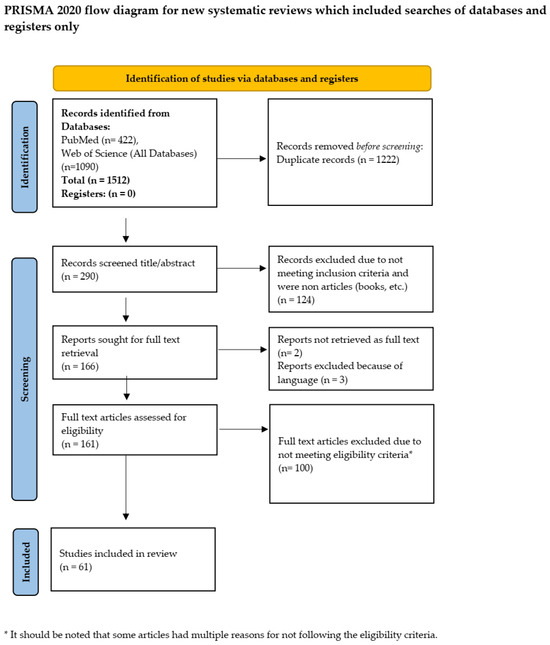
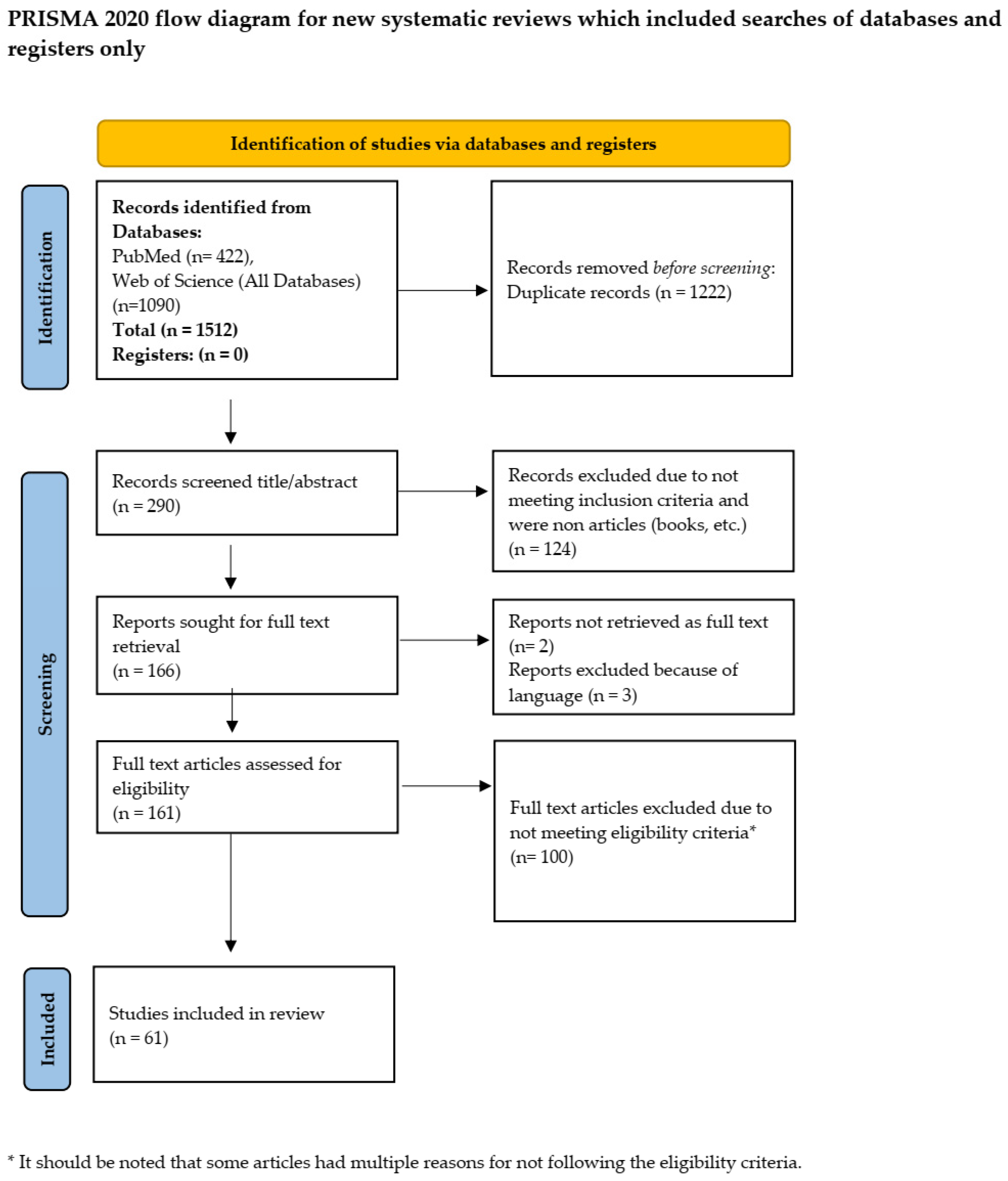
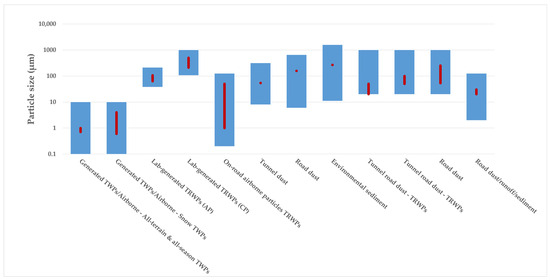
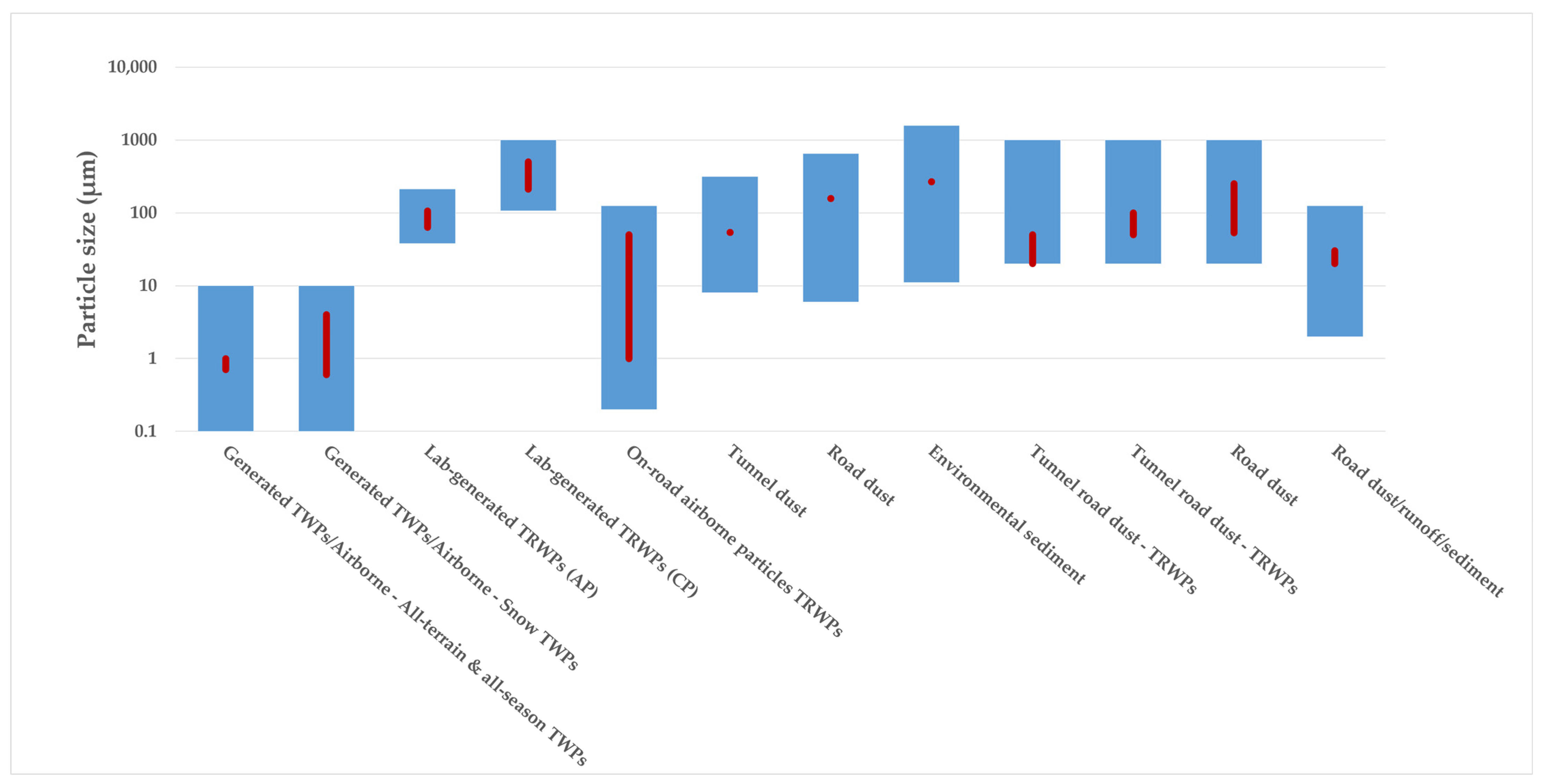

Disclaimer/Publisher’s Note: The statements, opinions and data contained in all publications are solely those of the individual author(s) and contributor(s) and not of MDPI and/or the editor(s). MDPI and/or the editor(s) disclaim responsibility for any injury to people or property resulting from any ideas, methods, instructions or products referred to in the content. |
© 2026 by the authors. Licensee MDPI, Basel, Switzerland. This article is an open access article distributed under the terms and conditions of the Creative Commons Attribution (CC BY) license.