


Abstract
Microplastics (MP) in landfill leachate represent an analytical challenge due to matrix complexity and the need for methods that remove interferents without degrading polymers. This study evaluated the efficiency of four digestion methods (30% H2O2, Fenton, 10% NaOH, and 20% HCl) and three density separation solutions (CaCl2, NaI, and ZnCl2) for MP quantification in leachate from the Zinacantepec Sanitary Landfill, Mexico. Samples were spiked with seven polymer types (polyethylene terephthalate (PET), high-density polyethylene (HDPE), polyvinyl chloride (PVC), low-density polyethylene (LDPE), polypropylene (PP), polystyrene (PS), and polyamide (PA)). Results analyzed by ANOVA (p < 0.05) showed that Fenton reagent was the most efficient digestion method, achieving 99% MP recovery, whereas alkaline and acid digestions caused degradation of PET, PS, and PA. Regarding density separation, ZnCl2 (1.7 g/cm3) achieved recovery exceeding 99% for all polymers. The proposed protocol enables effective isolation and identification of degraded microplastics, contributing to advance the understanding of degradation processes and transformation pathways of MP in complex environmental matrices. The combination of Fenton digestion and ZnCl2 separation showed the highest overall performance, with an efficiency greater than 96%, supporting its use as a reliable protocol for MP quantification in leachate and contributing to methodological standardization in this field.
1. Introduction
Microplastics (MP) have become pollutants of increasing environmental concern worldwide, due to their persistence, bioaccumulation capacity, and potential impacts on ecosystems and human health [1,2]. Their proliferation has led to their detection in diverse environmental matrices, including bodies of water, soils, sediments, and living organisms. In this context, the leachate generated at final disposal sites (FDS) in municipal solid waste (MSW) and special handling waste (SHW) landfills represent a significant potential source and transport pathway for MP to the environment, acting as a vector that mobilize these particles from FDS to surrounding soils and water bodies. However, the high load of organic and inorganic matter present in the leachates complicates their analysis, since these interferents can mask the particles or make their identification difficult, which requires the optimization of protocols that allow the isolation of MP without altering their physicochemical properties.
Among the most employed methods for the digestion of organic matter are chemical processes, such as acid, alkaline, and oxidative digestions, as well as enzymatic techniques. Recent studies have evaluated the effectiveness of advanced oxidation processes such as Fenton, photo-Fenton, and similar processes in the degradation of common MP such as PE, PP, and PVC [3]. On the other hand, MP extraction typically employs high-density solutions, such as CaCl2, ZnCl2, or NaI, to separate MP by flotation from wastewater and sediments. Rani et al. [4] provides a comprehensive guide on methods for extracting MP from complex environmental matrices, highlighting the importance of organic matter removal and density separation. Vázquez-Morillas et al. [5] evaluated five extraction protocols on the fine fraction of urban solid waste, finding that digestion with KOH followed by flotation and centrifugation achieved optimal results.
However, the effectiveness of these methods varies depending on the sample type [6]. Studies such as those by Hurley et al. [7] and Wang et al. [8] emphasize the need to validate these methods in leachates, where the presence of interferents can lead to an underestimation of actual concentrations of MP. Kabir et al. [9] highlights the importance of selecting methods that do not degrade MP in leachates and that maximize the removal of organic interferents to ensure accurate results.
The study of MP in environmental matrices in Mexico is still in its early stages, with research mainly focused on coastal ecosystems and bodies of water, while the analysis of landfill leachate remains an unexplored area of research. Regional studies have documented the presence of MP in beach sediments in Tamaulipas [10,11], in the digestive tract of sea lions in the Gulf of California [12], and in the karst aquifer of Yucatán [13], demonstrating the widespread distribution of these pollutants in diverse ecosystems across the country. A recent analysis by Dueñas-Moreno et al. [14] evaluated the potential ecological risk of MP in different environments in Mexico, underscoring the need for further research to the extent of this pollution nationwide.
The identification of degraded microplastics in complex matrices such as landfill leachate presents additional challenges, since their altered surfaces and chemical modifications can be masked by organic interferents or further degraded by aggressive analytical protocols. The methods validated in this work are especially suitable for the isolation and subsequent identification of degraded microplastics, as they preserve the physicochemical integrity of weathered particles. This enables more accurate assessments of their abundance, transformation state, and potential environmental fate.
Therefore, the objective of this study was to evaluate the efficiency of different methods for digesting and extracting MP from leachate, comparing their ability to degrade organic matter without affecting MP and their recovery efficiency. The results presented allow for the identification of the most suitable techniques, contributing to the development of an analytical protocol for quantifying MP in leachate and improving reliability for future research in the field of pollution and health risks.
2. Materials and Methods
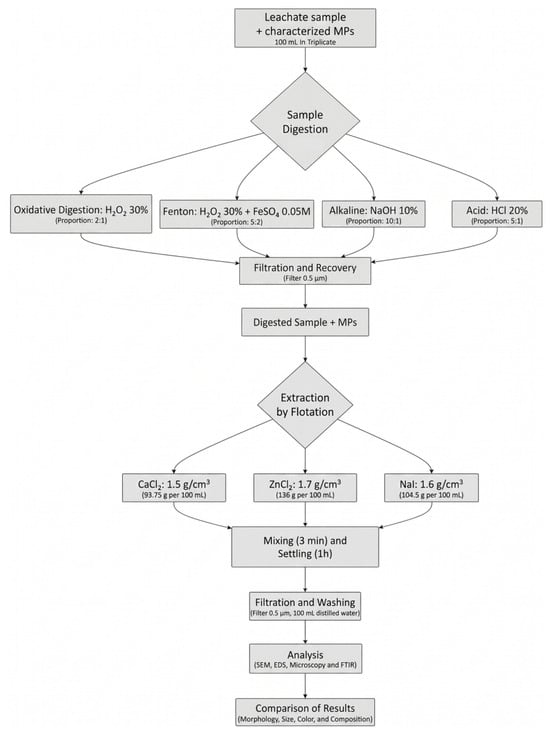
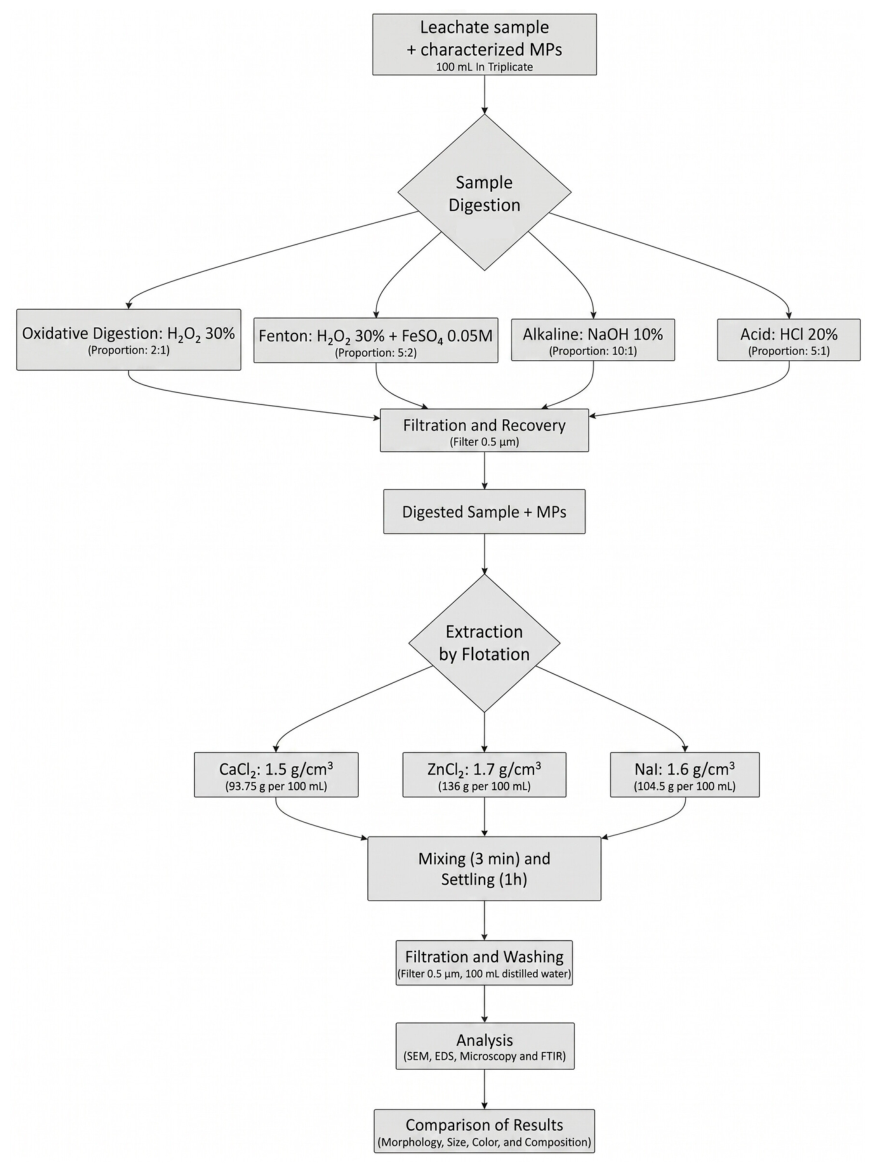
Leachate generated at FDS contains a complex mixture of contaminants, including high levels of organic matter, heavy metals, and salts, as well as MP, whose detection and quantification require specific techniques [8,15]. Figure 1 shows the methodological steps followed in this study to evaluate the efficiency of different MP digestion and extraction methods in leachate, comparing their ability to degrade organic matter without damaging the MP.
Figure 1.
Experimental workflow used to evaluate digestion and extraction methods for MP recovery from landfill leachate.
2.1. Sample Preparation
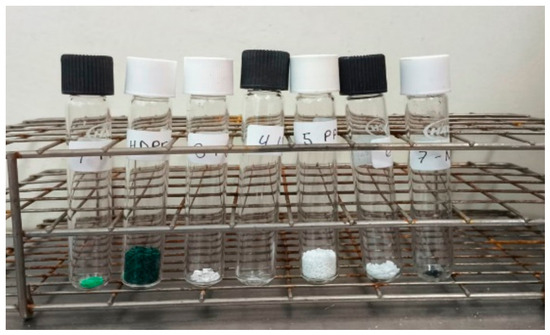
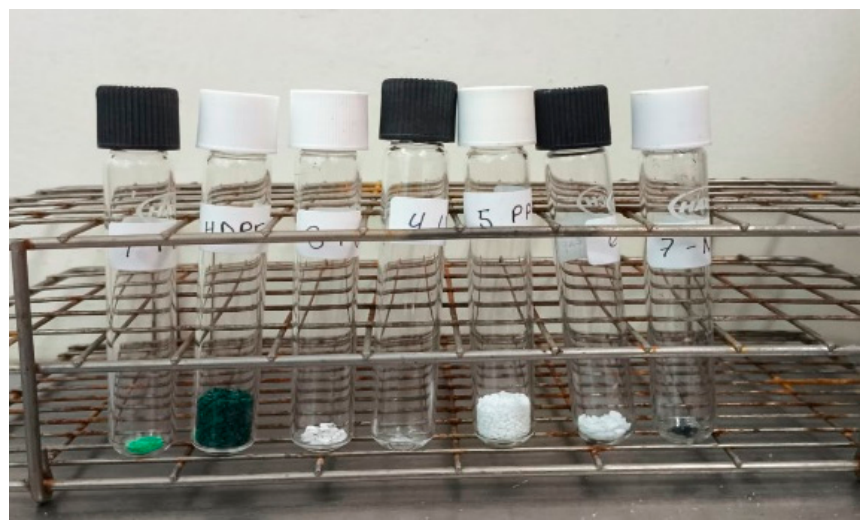
To triplicate 25 mL samples of leachate obtained from the lagoon of the Zinacantepec Sanitary Landfill, Estado de México, 10 MP of each of the plastic types PET, HDPE, PVC, LDPE, PP, PS, and PA (Figure 2) were added. These MP had been previously characterized (number, size, mass, and morphology). The addition of a diverse polymer matrix is crucial, as studies such as that by Enenche et al. [16] have shown that MP recovery can vary significantly depending on the polymer type, its density, and morphology, especially in complex matrices such as sediments or, in this case, leachate. The inclusion of microfibers is particularly relevant, since recent research indicates that fibers are the predominant morphology in landfill leachates [17,18].
Figure 2.
Microplastic samples.
2.2. Sample Digestion
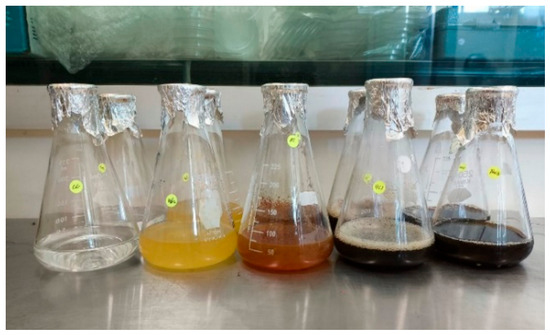
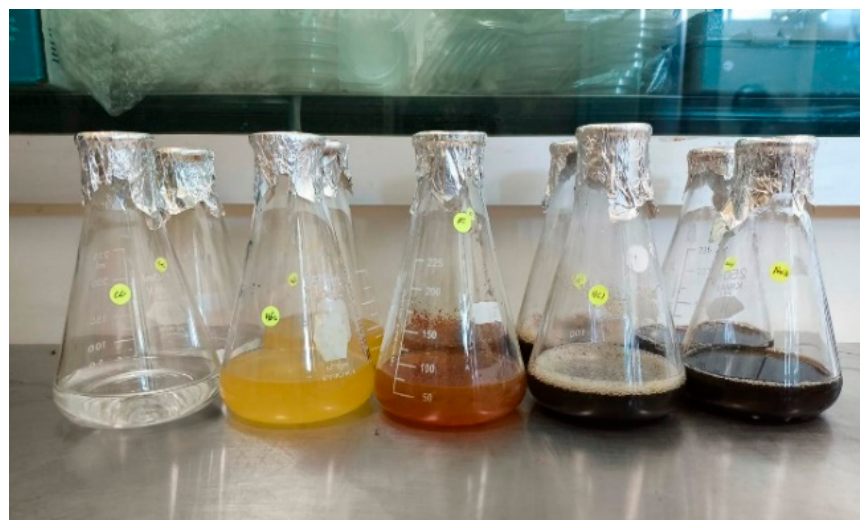
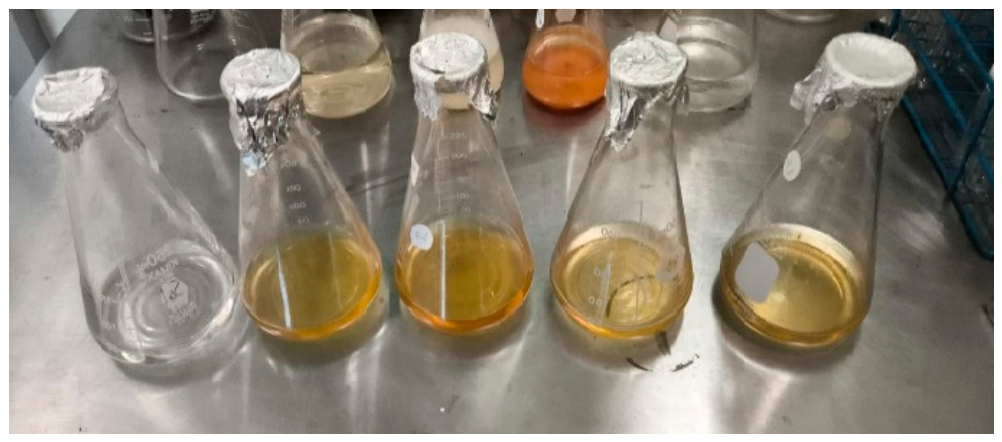
Leachate samples containing MP were subjected to four digestion methods for 24 h in an oven at 50 °C to degrade organic matter with the exception of Fenton digestion, which was carried out for only 30 min at 50 °C. (Figure 3): (1) oxidative digestion with 30% H2O2, using a 2:1 ratio (v/v) of leachate sample to H2O2 (12.5 mL H2O2 per 25 mL sample); (2) Fenton reagent (H2O2 + FeSO4) for catalyzed oxidation, using a 5:2 ratio (v/v) of leachate sample to digestion reagents (5 mL H2O2 (30%) + 5 mL FeSO4 (0.05 M) per 25 mL sample), before Fenton digestion, the pH sample was adjusted to ~3 with 0.1 N H2SO4 to promote hydroxyl radical formation and avoid iron precipitation in the form of ferric hydroxide; (3) alkaline digestion with 10% NaOH, using a 10:1 ratio (v/v) of leachate sample to NaOH (2.5 mL NaOH per 25 mL sample); and (4) acid digestion with 20% HCl to additionally dissolve inorganic fractions, using a 5:1 ratio (v/v) of leachate sample to HCl (5 mL HCl per 25 mL sample). The conditions for each treatment were selected based on those reported elsewhere [3,4,5,6,8,15]. The efficiency of the four digestion methods was evaluated by measuring the reduction in chemical oxygen demand (COD).
Figure 3.
Digestions (from left to right: Blank, H2O2, Fenton, HCl and NaOH).
2.3. Filtration and Primary Recovery
After digestion, the samples were filtered through 0.45 μm cellulose nitrate membranes to retain the MP, followed by washing with distilled water (1:1) to remove reagent residues. This step ensured the separation of plastic particles from the digested matrix, and the integrity of the MP was verified by preliminary microscopic observation.
2.4. Density Flotation Extraction
The recovered MP were subjected to density separation using three solutions recommended in previous studies for wastewater and leachates [4,5,6,8,15]: CaCl2 (1.47 g/cm3), ZnCl2 (1.70 g/cm3), and NaI (1.60 g/cm3). Figure 4 shows the extraction process using NaI. Each solution was mixed with the sample in a 1:5 ratio, vigorously stirred, and allowed to stand for 1 h to permit differential flotation of the MP.
Figure 4.
MP extraction with NaI.
2.5. Decantation and Final Filtration
The floating phase, enriched with MP, was carefully decanted and filtered through 0.45 μm cellulose nitrate membranes. The filters were washed with 70% ethanol (1:1) to remove residual salts and dried at room temperature under controlled humidity conditions.
2.6. Physicochemical Characterization
The extracted MP were characterized by optical microscopy to determine their number and morphology, complemented by FTIR spectroscopy for chemical identification. The efficiency of each digestion and density solution method was compared in terms of recovery (%) and preservation of MP properties, using polymer standards as controls. Data were statistically analyzed using ANOVA to assess significant differences between protocols. The main objective was to identify possible alterations in the characteristic bands of each polymer, such as peak shifts, the appearance of new bands (indicative of oxidation or incorporation of functional groups), or a decrease in intensity (suggestive of polymer chain degradation). This would allow for qualitative corroboration of the quantitative recovery results and determine whether the evaluated methods preserve not only the physical integrity but also the original chemical composition of the MP [16,19].
Fourier transform infrared spectroscopy (FTIR) was employed as a complementary technique to evaluate the chemical integrity of MP after undergoing different digestion and extraction processes. The spectra of seven polymer types (LDPE, HDPE, PET, PP, PS, PVC, and PA) were analyzed in their pristine (untreated) state and after each combination of the four digestion methods (Fenton, H2O2, NaOH, and HCl) with the three extraction solutions (ZnCl2, NaI, and CaCl2).
Finally, scanning electron microscopy (SEM) analysis was performed to qualitatively evaluate the surface morphology and potential structural damage induced in MP by the different digestion treatments. Representative samples of polymers subjected to the different digestion were selected to compare the effect of these methods on the physical integrity of the particles.
3. Results and Discussion
The results are presented and discussed according to the structure of the stages described in the methodology section, comparing the effectiveness of each technique and with the specialized literature.
3.1. Sample Preparation
The sample preparation stage established a baseline to evaluate the recovery efficiency of subsequent processes. A total of 70 particles per sample (10 particles of each of the seven polymer types: PET, HDPE, PVC, LDPE, PP, PS, and nylon 6 microfiber) were added to the leachate samples. This initial count served as a reference for calculating the recovery percentages reported below. No polymer damage was observed before the treatments, confirming the validity of the initial conditions.
The physicochemical characteristics of the leachate sample collected from the Zinacantepec Sanitary Landfill are summarized in Table 1. These parameters provide a baseline characterization of the matrix used in the digestion and extraction experiments.
Table 1.
Physicochemical characteristics of the leachate sample.
3.2. Sample Digestion
The efficiency of the four digestion methods was evaluated based on their ability to reduce interfering organic matter without degrading the polymers. The results are described below:
Oxidative Digestion (30% H2O2): This method demonstrated high efficiency in organic matter reduction, obtaining MP recovery of 95.24% in the final residue. This result is consistent with the study by Sun et al. [19], who, in their evaluation of leachate processing methods, found that 30% H2O2 offered the best digestion performance, achieving up to 95% MP recovery in the filter, with an MP recovery rate of up to 95.71 ± 0.82%. The action of hydrogen peroxide allowed the oxidation of organic labile matter without causing significant damage to most polymers.
Fenton’s Reagent Digestion (H2O2 + FeSO4): Fenton-catalyzed digestion proved to be the most effective method for organic matter removal, achieving the cleanest filter appearance and the highest proportion of MP (up to 100%) in the final residue. This finding coincides with that reported by Enenche et al. [16], who, in their search for a consensus method for sediments, concluded that Fenton’s reagent is the most recommended method for organic matter removal, with digestion efficiencies ranging from 69% to 99%, significantly surpassing alkaline (NaOH) or acid (HNO3) methods. The generation of highly reactive hydroxyl radicals in the Fenton reaction allows a more aggressive and complete oxidation of recalcitrant organic compounds [6].
Alkaline Digestion (10% NaOH): This treatment showed moderate efficiency in the removal of organic matter (81.90% MP recovery in the final residue). However, surface deterioration and color changes were observed in susceptible polymers such as PET and PVC. This chemical degradation is a critical limitation [6,8]. Enenche et al. [16] documented that NaOH digestion exhibited low digestion efficiencies (4–45%) compared to Fenton and can compromise the integrity of certain polymers, leading to an underestimation of their concentration or misidentification.
Acid Digestion (20% HCl): Digestion with HCl proved ineffective for organic matter removal (only 67.62% MP recovery in the final residue) and caused the complete degradation of polymers such as PA (nylon 6) and the softening of PET particles. Enenche et al. [16] also reported that digestion with HNO3 (another strong acid) presented low organic matter removal efficiencies (6–78%) and could damage polymers, confirming that strong acid treatments are not suitable for matrices with common polymer mixtures in leachates.
The efficiency of the four digestion methods was evaluated by measuring the reduction in the initial COD concentration (6300.00 mg/L) to determine their capacity to reduce interfering organic matter. Table 2 presents these results, expressed as the percentage of the 10 MP of each polymer type (70 pieces) recovered after digestion, where higher percentages indicated lower polymer degradation, as well as the percentage of COD reduction.
Table 2.
Efficiency of digestion methods.
The pH of the landfill leachate samples was measured at the beginning and end of each digestion method using a calibrated pH meter to monitor potential acid or alkaline shifts that could affect the stability of the polymers. The pH values obtained for each digestion are presented in the Supplementary Material.
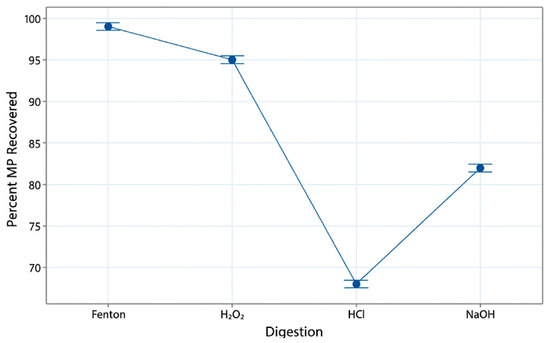
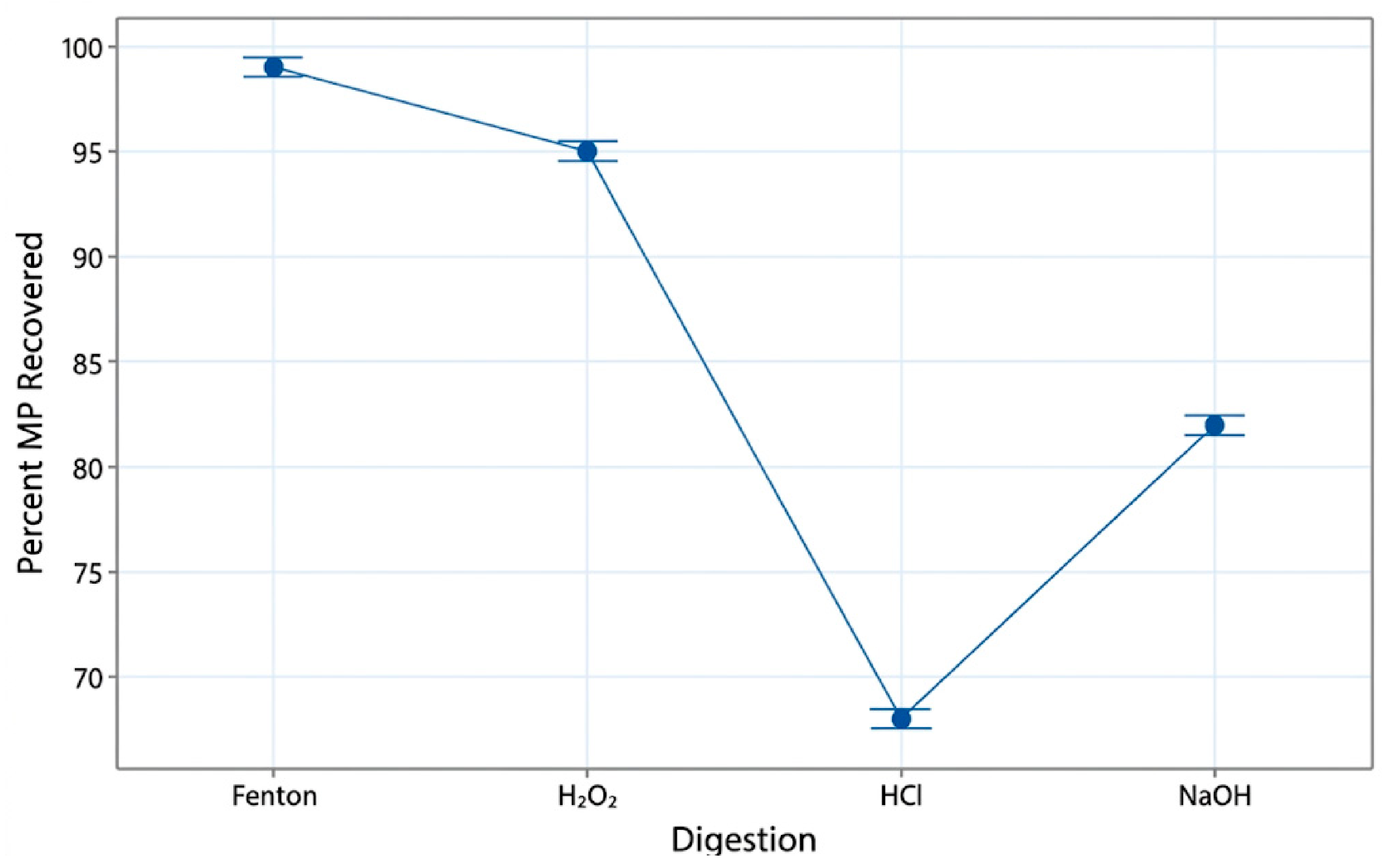
Statistical analyses confirmed significant differences (p < 0.05) among the four digestion protocols, with the Fenton method being the most efficient for leachate digestion, followed by H2O2. These results highlight the importance of selecting a mild yet powerful oxidative method to preserve the integrity of MP and minimize interferences (Figure 5).
Figure 5.
Interval plot of the percentage of MP recovered versus digestions.
3.3. Filtration and Primary Recovery
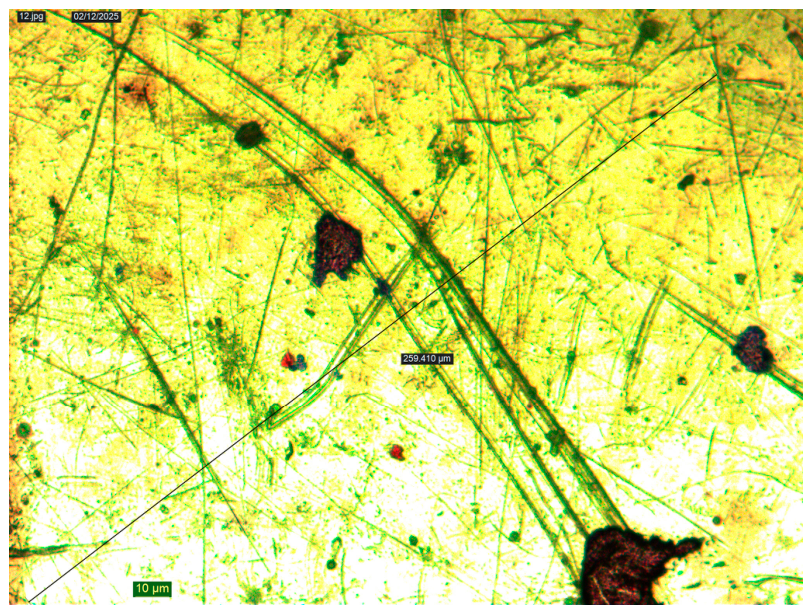
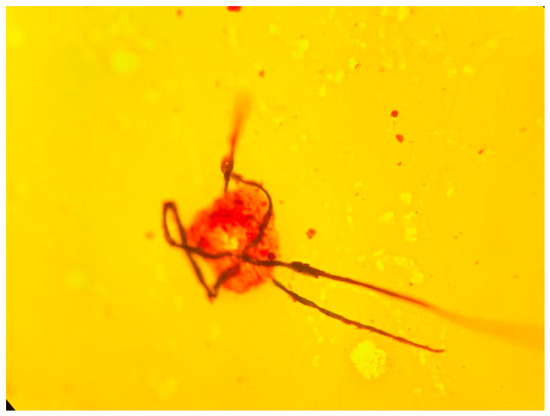
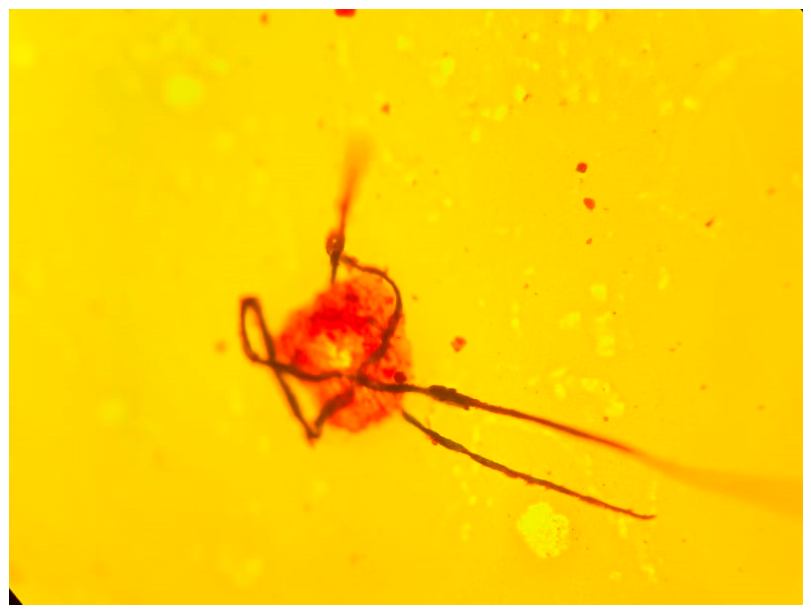
Post-digestion filtration using 0.45 μm membranes allowed for the recovery of most plastic particles. Preliminary microscopic observation at this stage revealed that samples digested with Fenton and H2O2 produced filtrates with easily distinguishable MP particles and fewer adhering organic residues, facilitating subsequent steps. In contrast, the filters from samples digested with NaOH and, especially, with HCl signs of polymer damage (Figure 6) or showed interfering organic matter particles (Figure 7), which could complicate their quantification and identification, as Sun et al. [19] warned, highlighting the importance of reducing the time and difficulty of subsequent qualitative analyses.
Figure 6.
Surface damage in the PET MP.
Figure 7.
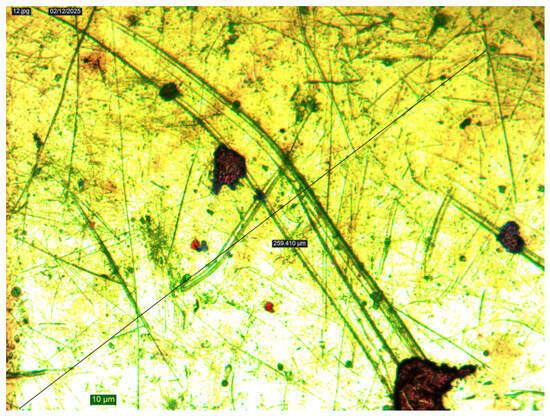
Particle of organic matter attached to a fiber.
When analyzing the samples treated with alkaline digestion, surface degradation was observed in PET, PVC, and PS, and in those treated with acid digestion, significant degradation was observed in PET, PVC, and PS, as well as complete degradation of PA (nylon 6 microfiber).
3.4. Density Flotation Extraction
The efficiency of the three dense solutions was evaluated in combination with each digestion method. Table 3 presents the overall recovery results for each digestion-extraction combination. The most relevant findings were as follows:
Table 3.
Global recovery efficiency.
- CaCl2 (1.47 g/cm3): It showed high recovery efficiency for low-density polymers (PP, HDPE, LDPE) and for PA (nylon 6 microfiber), but its efficiency decreased slightly for high-density polymers such as PET and PVC. This is because the density of these particles approaches or exceeds that of the solution, preventing complete flotation.
- NaI (1.60 g/cm3): It offered excellent recoveries for all polymers, including PET and PVC, due to its higher density.
- ZnCl2 (1.7 g/cm3): It was the most effective solution, achieving almost quantitative recovery (>99%) for all polymer types.
Table 4 presents detailed recovery results by polymer type for all combinations evaluated, including observations of polymer degradation.
Table 4.
Compatibility and recovery efficiency by polymer type.
These results are consistent with the findings of Enenche et al. [16], who reported that only NaI (1.6 g/cm3) allowed for the quantitative recovery of all polymer types in their sediment study, while ZnCl2 and CaCl2 recovered all polymers except those with very high density (such as PVC and HDPE). Yatim et al. [17] also used ZnCl2 (1.7 g/cm3) for MP extraction from landfill soils, validating its use for a wide range of polymers. However, the study by Enenche et al. [16] adds a layer of complexity by noting that particle size influences flotation; different size fractions of the same polymer can exhibit different flotation patterns, indicating that density is not the sole determining factor and that optimization should also consider particle size distribution.
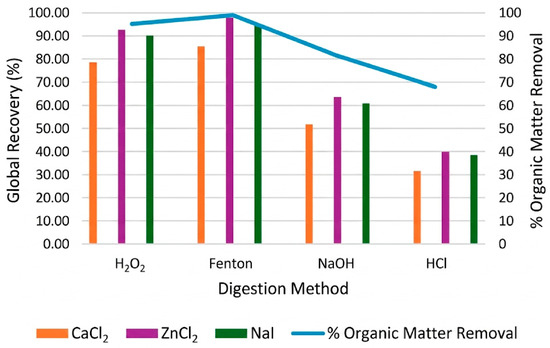
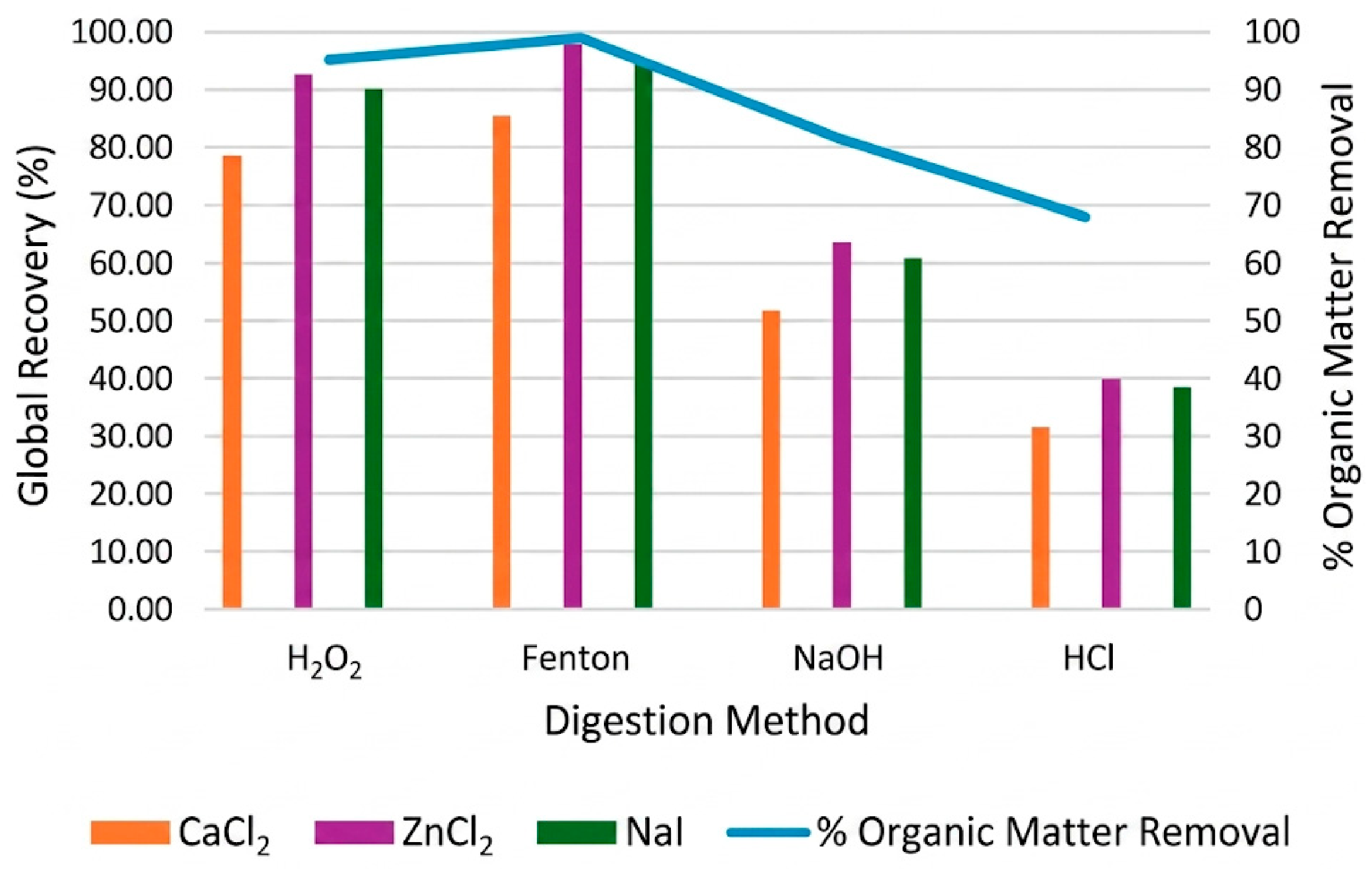
Figure 8 shows the comparison between the extraction methods and the recovery of MP using different types of salts for polymer flotation.
Figure 8.
Comparison of MP extraction.
Regarding the removal of organic matter, the Fenton method achieved the highest percentage (99%), closely followed by H2O2 (95%), while NaOH showed moderate efficiency (82%) and HCl the lowest yield (68%). It is important to note that these removal values are significantly higher than those typically reported for alkaline and acid methods, suggesting that the leachate samples used may have had a predominantly labile organic load or that digestion times were prolonged. Concerning the density extraction solutions, ZnCl2 (1.70 g/cm3) consistently demonstrated the highest recovery percentages in all digestions: 95% with H2O2, 99% with Fenton, 64% with NaOH, and 40% with HCl, followed closely by NaI with values of 90%, 99%, 61%, and 38% respectively. CaCl2 (1.47 g/cm3) showed the lowest recoveries: 79%, 85%, 53%, and 32%. The optimal combination was clearly Fenton + ZnCl2 (or Fenton + NaI), which achieved the highest percentage of organic matter removal (97–98%) and the highest recovery of MP (98–99%), validating these protocols as the most suitable methods for quantifying MP in leachates.
3.5. Decantation and Final Filtration
Decantation and final filtration with 0.45 μm cellulose nitrate membranes enabled efficient recovery of the MP-rich floating phase. Washing with 70% ethanol effectively removed residual salts (CaCl2, ZnCl2, NaI) without damaging the polymers, as verified by visual inspection and preliminary FTIR analysis. The choice of cellulose nitrate filters was appropriate, as their flat surface facilitates microscopic observation and subsequent spectroscopic analysis; furthermore, the grid pattern on the surface facilitated particle counting.
3.6. Physicochemical Characterization
The FTIR spectra of polymers subjected to oxidative digestions (Fenton and H2O2) preserved the characteristic bands very well in all types of MP evaluated, regardless of the extraction solution employed (ZnCl2, NaI, or CaCl2). For LDPE and HDPE, the C-H stretching bands at ~2915 and ~2848 cm−1 and the CH2 deformation bands at ~1465 cm−1 were sharp, with no evidence of carbonyl bands (~1715 cm−1) indicating oxidation. In the case of PET, the characteristic ester group bands (C=O at ~1715 cm−1 and C-O at ~1240 cm−1) remained unchanged, while in PP the CH3 stretching bands at ~1375 cm−1 were preserved without shifts. This behavior confirms that oxidative methods, particularly Fenton’s reagent (which achieved 99.0% recovery), do not alter the chemical structure of the polymers, thus confirming their use for precise quantitative analysis. This finding is consistent with the findings of Hurley et al. [7], who demonstrated that Fenton digestion does not induce detectable spectral changes.
Alkaline (NaOH) and acidic (HCl) digestions caused significant alterations in the FTIR spectra of the most susceptible polymers, correlating with lower quantitative recoveries (82.0% and 68.0%, respectively). In PET digested with NaOH, a decrease in the intensity of the C=O band (~1715 cm−1) and the appearance of a broad band between 3200 and 3500 cm−1 were observed, which could be attributed to hydroxyl groups (-OH) formed by the alkaline hydrolysis of ester bonds [20]. Furthermore, PVC exposed to HCl showed a weakening of the C-Cl stretching bands (~600–700 cm−1) and the appearance of bands associated with C=C double bonds (~1650 cm−1). The most extreme case was that of PA (nylon 6 microfiber) with HCl, where the spectra showed the almost complete disappearance of the amide I (~1640 cm−1) and amide II (~1540 cm−1) bands. These findings demonstrated that, unlike oxidative methods, aggressive digestions irreversibly compromise the chemical structure of MP, which not only reduce recovery rates but also make it impossible to accurately identify the polymer type in subsequent analyses, reinforcing the recommendation to avoid NaOH and HCl for the analysis of MP in leachates. All spectra obtained in the FTIR analysis can be found in the Supplementary Material.
Optical microscopy and FTIR analysis of extracted MP confirmed the trends observed in previous stages. The combination of digestion with Fenton’s reagent followed by extraction with ZnCl2 (or NaI as a less toxic but more expensive alternative) proved to be the best option. This combination maximized the recovery of all seven types of MP (overall recovery efficiency > 96% with ZnCl2) and produced mostly clean particles, with surfaces free of apparent damage and suitable for more precise chemical identification.
The recovery efficiency obtained with this optimized method is comparable to that reported by Dubey & Thalla [21], who, using a Fenton reagent pretreatment followed by a density separation process, achieved MP recovery rates of 94.3% in leachate samples. This validates the reproducibility of the methodological approach. Furthermore, the obtained FTIR spectra showed well-defined characteristic bands, which facilitated the identification of polymers such as PE, PP, PET, and PS, which have been consistently reported as the most abundant in leachates worldwide [18]. Conversely, the use of alkaline or acid digestions, as evaluated in this study and elsewhere [5,16,19], carries a high risk of polymer degradation, especially for the most susceptible polymers, such as PET, PVC, PS, and PA, which would result in a significant underestimation of MP pollution in leachates.
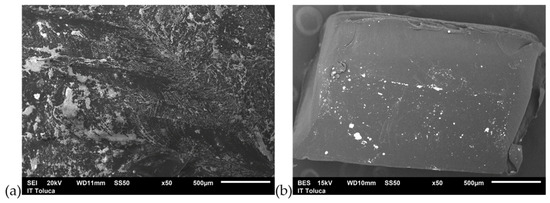
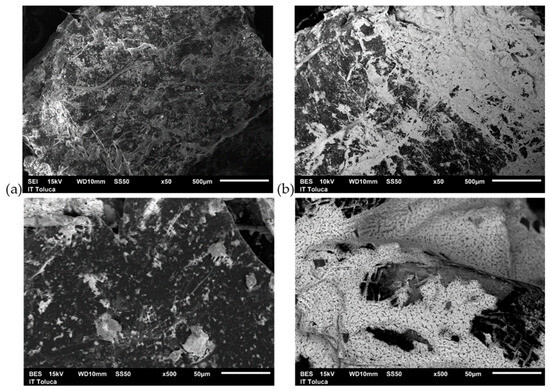
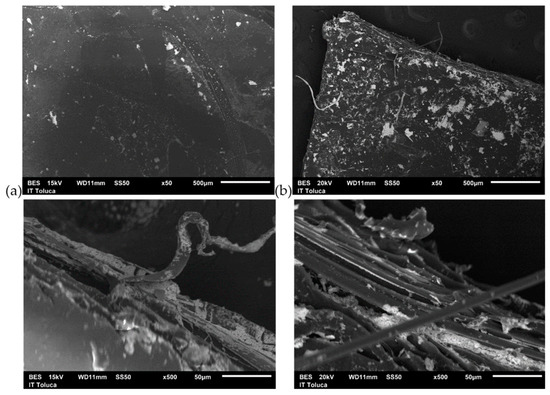
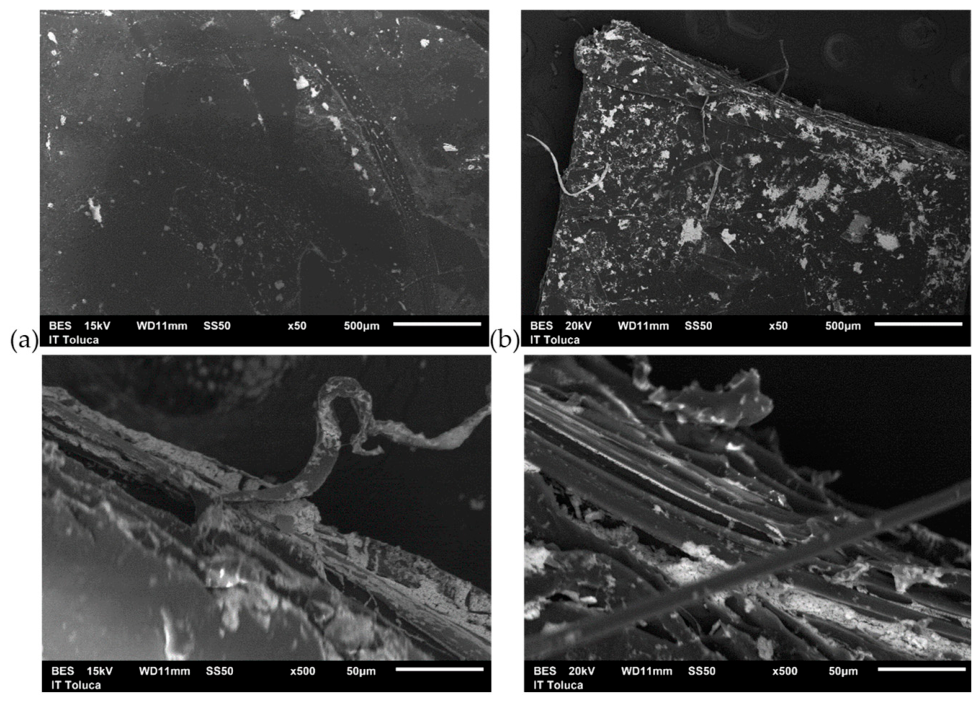
Figure 9, Figure 10 and Figure 11 show the differences in MP surface preservation, confirming the quantitative recovery results and the FTIR analyses presented. These findings demonstrate that the selection of the digestion method not only affects the efficiency of interfering material removal but also the preservation of particles for subsequent identification and quantification.
Figure 9.
LDPE (a) and HDPE (b) treated with oxidative digestion.
Figure 10.
PS treated with oxidative digestion (a) and PS treated with acid digestion (b).
Figure 11.
PET treated with oxidative digestion (a) and PET treated with acid digestion (b).
Micrographs of polymers subjected to oxidative digestion revealed remarkably smooth and homogeneous surfaces, without severe erosion. Both LDPE and HDPE retained their characteristic morphology (Figure 9), with no evidence of cracks, fractures, or plastic deformation, indicating that the hydroxyl radicals generated in the Fenton reaction and peroxidation with H2O2 act selectively on the organic matter without compromising the integrity of the polymer chains. In PS digested using the oxidative method, a preserved surface was observed, even retaining the original manufacturing marks (Figure 10a), in contrast to PS recovered with acid digestion, where surface deterioration is observed (Figure 10b).
On the other hand, PET (oxidative digestion) exhibits well-defined edges and a surface texture without signs of hydrolysis or chemical attack (Figure 11a), characteristics that can be observed in this particle (acid digestion), where defibrillation is seen at the edges of the fragment (Figure 11b). These observations are consistent with those reported by Hurley et al. [7], who demonstrated that oxidative methods do not induce detectable morphological modifications in a wide range of polymers.
The obtained results demonstrate the need to adopt standardized protocols for the analysis of MP in leachate, a particularly complex matrix due to its high organic and inorganic matter content. The implementation of non-validated methods, such as alkaline or acid digestions under harsh conditions, can lead to a significant underestimation of actual MP concentrations, compromising the comparability of leachate studies and the accurate assessment of environmental risk, corroborating the findings reported by Sheriff et al. [6] for wastewater.
4. Conclusions
Experimental analysis demonstrated that the Fenton reagent digestion method (H2O2 + FeSO4) was the most efficient for removing organic matter from leachate samples, achieving an MP recovery rate of 99.05% in the final residue. This method significantly outperformed the other treatments evaluated, with statistically validated differences using ANOVA (p < 0.05). Oxidative digestion with 30% H2O2 showed acceptable performance (95.24% MP in the residue).
The physicochemical integrity of MP was adequately preserved using oxidative methods (Fenton and H2O2). Alkaline digestion caused surface deterioration and discoloration in PET and PVC, while acid digestion caused complete degradation of PA (nylon 6 microfiber) and softening of PET.
In the extraction stage, the ZnCl2 solution (1.7 g/cm3) demonstrated the highest recovery efficiency, reaching values above 99% for all polymer types evaluated, including high-density polymers such as PET and PVC. The NaI solution (1.6 g/cm3) also showed excellent recoveries (>97%), making it a viable, albeit more expensive, alternative.
The Fenton + ZnCl2 protocol validated in this study is particularly suitable (efficiency greater than 96%) for the isolation and identification of degraded microplastics, as it preserves the physicochemical integrity of weathered particles. This methodological contribution provides a reliable tool for future research on MP degradation in complex matrices, facilitating the study of their transformation patterns and environmental fate.
Supplementary Materials
The following supporting information can be downloaded at: https://www.mdpi.com/article/10.3390/microplastics5030134/s1, as PDF file containing Supplementary S1 to Supplementary S8. Supplementary Table S1. pH measurements of landfill leachate samples before and after each digestion. Supplementary Table S2 to S8. The FTIR of the digested and extracted samples using the different methods employed: Table S2 FTIR LDPE, Table S3 FTIR HDPE, Table S4 FTIR PET, Table S5 FTIR PP, Table S6 FTIR PS, Table S7 FTIR PVC and Table S8 FTIR PA.
Author Contributions
Conceptualization, F.A.-D., M.d.C.H.-B. and F.C.-R.; methodology, F.A.-D., M.d.C.H.-B., J.I. and A.V.-M.; validation, F.A.-D., F.C.-R., J.I., A.V.-M. and M.d.C.C.d.L.; formal analysis, F.A.-D., F.C.-R., J.I., A.V.-M. and M.d.C.C.d.L.; investigation, F.A.-D.; resources, F.A.-D., M.d.C.H.-B. and F.C.-R.; data curation, F.A.-D., M.d.C.H.-B., F.C.-R., J.I. and A.V.-M.; writing—original draft preparation, F.A.-D., M.d.C.H.-B., J.I. and A.V.-M.; writing—F.A.-D., M.d.C.H.-B., FC-R, J.I. and A.V.-M.; supervision, M.d.C.H.-B. and F.C.-R. All authors have read and agreed to the published version of the manuscript.
Funding
This research received no external funding.
Data Availability Statement
The original contributions presented in this study are included in the article/Supplementary Material. Further inquiries can be directed to the corresponding author.
Acknowledgments
The authors thank the company “Mantenimientos y Servicios Ambientales S. A. de C.V” for the facilities provided for the on-site characterization of the disposed MSW. They also thank the Secretariat of Science, Humanities, Technology and Innovation (SECIHTI) for the maintenance scholarships awarded to one master’s student in Environmental Sciences at the Tecnológico Nacional de México/Instituto Tecnológico de Toluca, División de Estudios de Posgrado e Investigación.
Conflicts of Interest
The authors declare no conflict of interest.
Abbreviations
The following abbreviations are used in this manuscript:
| MP | Microplastics |
| FDS | Final disposal sites |
| MSW | Municipal solid waste |
| PET | Polyethylene terephthalate |
| HDPE | High-density polyethylene |
| PVC | Polyvinyl chlo-ride |
| LDPE | Low-density polyethylene |
| PP | Polypropylene |
| PS | Polystyrene |
| PA | Polyamide |
| FTIR | Fourier transform infrared spectroscopy |
| SEM | Scanning electron microscopy |
| TS | Total Solids |
| VS | Volatile Solids |
| COD | Chemical Oxygen Demand |
| TOC | Total Organic Carbon |
| NH3-N | Ammoniacal Nitrogen |
| SO42− | Sulfate |
References
- Thompson, R.C.; Olsen, Y.; Mitchell, R.P.; Davis, A.; Rowland, S.J.; John, A.W.; McGonigle, D.; Russell, A.E. Lost at sea: Where is all the plastic? Science 2004, 304, 838. [Google Scholar] [CrossRef] [PubMed]
- Rochman, C.M.; Browne, M.A.; Halpern, B.S.; Hentschel, B.T.; Hoh, E.; Karapanagioti, H.K.; Rios-Mendoza, L.M.; Takada, H.; Teh, S.; Thompson, R.C. Policy: Classify plastic waste as hazardous. Nature 2013, 494, 169–171. [Google Scholar] [CrossRef] [PubMed]
- Možar, K.B.; Miloloža, M.; Martinjak, V.; Radovanović-Perić, F.; Bafti, A.; Bošnjak, M.U.; Markić, M.; Bolanča, T.; Cvetnić, M.; Grgić, D.K.; et al. Evaluation of Fenton, photo-Fenton and Fenton-like processes in degradation of PE, PP, and PVC microplastics. Water 2024, 16, 673. [Google Scholar] [CrossRef]
- Rani, M.; Ducoli, S.; Depero, L.E.; Prica, M.; Tubić, A.; Ademovic, Z.; Morrison, L.; Federici, S. A complete guide to extraction methods of microplastics from complex environmental matrices. Microplastics 2023, 28, 5710. [Google Scholar] [CrossRef]
- Avila-Escobedo, K.P.; Moctezuma-Parra, K.Y.; Alvarez-Zeferino, J.C.; Espinosa-Valdemar, R.M.; Sotelo-Navarro, P.X.; Vázquez-Morillas, A.; Cruz-Salas, A.A. Methodology for analysis of microplastics in fine fraction of urban solid waste. Microplastics 2025, 4, 2. [Google Scholar] [CrossRef]
- Sheriff, I.; Awang, N.A.; Halim, H.B.; Ikechukwu, O.S.; Jusoh, A.F. Extraction and analytical methods of microplastics in wastewater treatment plants: Isolation patterns, quantification, and size characterization techniques. Desalin. Water Treat. 2024, 317, 100399. [Google Scholar] [CrossRef]
- Hurley, R.R.; Lusher, A.L.; Olsen, M.; Nizzetto, L. Validation of a method for extracting microplastics from complex, organic-rich, environmental matrices. Environ. Sci. Technol. 2018, 52, 7409–7417. [Google Scholar] [CrossRef] [PubMed]
- Wang, L.; Wang, H.; Huang, Q.; Yang, C.; Wang, L.; Lou, Z.; Zhou, Q.; Wang, T.; Ning, C. Microplastics in landfill leachate: A comprehensive review on characteristics, detection, and their fates during advanced oxidation processes. Water 2023, 15, 252. [Google Scholar] [CrossRef]
- Kabir, M.S.; Wang, H.; Luster-Teasley, S.; Zhang, L.; Zhao, R. Microplastics in landfill leachate: Sources, detection, occurrence, and removal. Environ. Sci. Ecotechnology 2023, 16, 100256. [Google Scholar] [CrossRef] [PubMed]
- Alvarez-Zeferino, J.C.; Cruz-Salas, A.A.; Vazquez-Morillas, A.; Ojeda-Benitez, S. Method for quantifying and characterization of microplastics in sand beaches/Metodología para cuantificar y caracterizar la concentración de microplásticos en playas de arena. Rev. Int. DE Contam. Ambient. 2020, 36, 151–164. [Google Scholar] [CrossRef]
- Flores-Ocampo, I.Z.; Armstrong-Altrin, J.S. Abundance and composition of microplastics in Tampico beach sediments, Tamaulipas State, southern Gulf of Mexico. Mar. Pollut. Bull. 2023, 191, 114891. [Google Scholar] [CrossRef] [PubMed]
- Ortega-Borchardt, J.Á.; Ramírez-Álvarez, N.; Mendoza, L.M.R.; Gallo-Reynoso, J.P.; Barba-Acuña, I.D.; García-Hernández, J.; Égido-Villarreal, J.; Kubenik, T. Detection of microplastic particles in scats from different colonies of California sea lions (Zalophus californianus) in the Gulf of California, Mexico: A preliminary study. Mar. Pollut. Bull. 2023, 186, 114433. [Google Scholar] [CrossRef] [PubMed]
- Mendoza-Olea, I.J.; Leal-Bautista, R.M.; Cejudo, E.; Cervantes-Uc, J.M.; Rodríguez-Fuentes, N.; Acosta-González, G. Contaminación por microplásticos en el acuífero kárstico de la península de Yucatán. Ecosistemas Y Recur. Agropecu. 2022, 9, e3212. [Google Scholar] [CrossRef]
- Dueñas-Moreno, J.; Mora, A.; Capparelli, M.V.; González-Domínguez, J.; Mahlknecht, J. Potential ecological risk assessment of microplastics in environmental compartments in Mexico: A meta-analysis. Environ. Pollut. 2024, 361, 124812. [Google Scholar] [CrossRef] [PubMed]
- Sangkham, S.; Islam, M.A.; Sharma, P.; Vithanage, M.; Lam, S.S. Advanced approaches to microplastic removal in landfill leachate: Advanced oxidation processes (AOPs), biodegradation, and membrane filtration. J. Hazard. Mater. 2025, 486, 136882. [Google Scholar] [CrossRef] [PubMed]
- Enenche, D.E.; Davidson, C.M.; Liggat, J.J. Towards a consensus method for the isolation of microplastics from freshwater sediments. Environments 2024, 11, 146. [Google Scholar] [CrossRef]
- Yatim, S.R.M.; Hazali, N.S.; Feisal, N.A.S.; Ishak, A.R.; Rasdi, N.W.; Asfiradayati, R. Abundance and characteristics of microplastics in soil and leachate at different zones of unsanitary landfill. Environ. Anal. Health Toxicol. 2025, 40, e2025025. [Google Scholar] [CrossRef] [PubMed]
- Anilbose, K.S.; Johnson, E.; Varghese, G.K. Critical review on microplastics in landfill leachate. Waste Manag. Res. 2025, 43, 1949–1961. [Google Scholar] [CrossRef] [PubMed]
- Sun, J.; Zhu, Z.R.; Li, W.H.; Yan, X.; Wang, L.K.; Zhang, L.; Jin, J.; Dai, X.; Ni, B.J. Revisiting microplastics in landfill leachate: Unnoticed tiny microplastics and their fate in treatment works. Water Res. 2021, 190, 116784. [Google Scholar] [CrossRef] [PubMed]
- Venkatachalam, S.; Nayak, S.G.; Labde, J.V.; Gharal, P.R.; Rao, K.; Kelkar, A.K. Degradation and recyclability of poly (ethylene terephthalate). In Polyester; Saleh, H.E.D.M., Ed.; IntechOpen: London, UK, 2012; pp. 75–98. [Google Scholar] [CrossRef]
- Dubey, A.P.; Thalla, A.K. A comprehensive study on quantification and characterization of microplastics in compost, landfill-soil and leachate. Waste Manag. Res. 2025, 43, 1818–1826. [Google Scholar] [CrossRef] [PubMed]

Disclaimer/Publisher’s Note: The statements, opinions and data contained in all publications are solely those of the individual author(s) and contributor(s) and not of MDPI and/or the editor(s). MDPI and/or the editor(s) disclaim responsibility for any injury to people or property resulting from any ideas, methods, instructions or products referred to in the content. |
© 2026 by the authors. Licensee MDPI, Basel, Switzerland. This article is an open access article distributed under the terms and conditions of the Creative Commons Attribution (CC BY) license.