


Abstract
Concerns have increased significantly in recent years due to the presence of microplastics in different environmental compartments given that this pollutant can cause adverse effects on the environment and human health. The present review integrates representative studies of Mexican researchers proposing solutions to these concerns, addressing ecological risk and the human food chain, microplastic ingestion by animals, water and sediment pollution, physical/chemical methods for microplastic removal from water, and chemical recycling as a research direction in plastic waste management. Several publications from Mexican institutions are limited to the occurrence and identification of polymers, and a smaller number of documents are focused on solutions to microplastic pollution. Fibers, fragments, spheres, films, and foams have been found in aquatic compartments, sediment, and animals. High ecological risk has been documented in some aquatic compartments. There is a lack of standardized protocols for sampling, extraction, identification, and reporting. Flocculation is a cost-effective approach and may be one of the most promising options for removing microplastics from fresh water. Bioremediation using microorganisms and chemical recycling appear to be the two most widely considered approaches to reverse plastic pollution. National databases, permissible limits, and mandatory monitoring programs should be developed, as these are essential components of an effective regulatory framework.
1. Introduction
Global plastic production has increased over the years (e.g., 400 million tons in 2022) [1]. Based on data from the Federal Government of Mexico, this country has been considered the second-largest economy in Latin America. Per capita consumption of plastics in this country increased drastically from 4.5 kg/person/year (1970s) to 66 kg/person/year (2024) [2]. In order to optimize plastic management in Mexico, authors have studied the profit of the recycling program for polyethylene terephthalate (PET) bottles, assuming the sale of recycled PET and providing a bi-level optimization model for the recycling, which considered the location of collection facilities and the pricing decisions of the recycling company [3]. Despite the evidence of pollution levels due to plastic materials [4], many countries (including Mexico) have not implemented effective policies to reduce microplastic contamination. Microplastics are plastic particles having a size < 5 mm; they are either primary (custom-made) or secondary (derived from larger plastic by physical, chemical, and biological fragmentation) [5]. International cooperation frameworks represent an effective model to obtain standardized monitoring methods and mitigate the microplastic impact on ecosystems [6,7]. In 2025, the Regulation (EU) 2025/2365 was adopted to tackle microplastic pollution from plastic pellets [8,9], marking a major step to reduce microplastic emissions. In recent years, the Mexican government has taken initiatives to reform its legislation to reduce the impact of single-use plastics [10], for example, prohibiting the distribution of disposable plastic bags in supermarkets and other stores. However, a large percentage of citizens and stores have not adopted this regulation.
Plastic materials are widely distributed throughout the environment in Mexico. The level of microplastic contamination in Mexican ecosystems has been summarized by Caro-Martínez et al. [11], reaching up to 586,400 items kg−1 and 936,000 items m−3 in sediments and in fresh water, respectively. River-sourced microplastics have emerged as dominant contributors to environmental pollution [12]. In the same sense, López-Velázquez et al. studied the microplastic pollution on the coastline of Chiapas, Mexico [13]. Polluting plastics were extracted from sand samples, yielding an average abundance between 19.2 and 53.6 particles kg−1, with foams as the predominant shape. The authors stated that polyethylene, polypropylene, and polystyrene were commonly identified in the explored sites. Additionally, the accumulation of microplastics in Sargassum sp., which acts as a plastic carrier, could be an additional source of plastic pollution on beaches [14]. On the other hand, Shruti et al. documented the occurrence and characteristics of atmospheric microplastics detected in all samples collected from seven monitoring stations in Mexico City, showing that fibers were the predominant shape, with lengths ranging from 39 to 5000 μm. The authors found materials such as polyethylene, cellophane, polyethylene terephthalate, polyamide, and cellulose [5]. Also, some microplastics were found in samples taken from food products and domestic/wildlife animals. For instance, Kutralam-Muniasamy et al. reported the presence of microplastics in milk samples from different brands, ranging between 3 and 11 particles L−1, which showed a variety of colors, shapes, and sizes (0.1–5 mm). In this case, polyethersulfone and polysulfone were the common contaminants identified [15]. Similarly, this type of polluting agent has been detected in commercially packaged edible seaweeds in Mexico [16], where fibrous microplastics and non-colored particles, with an average abundance of 24 items g−1 and sizes smaller than 0.2 mm, were mainly registered. Particularly in animals, Pérez-Flores et al. examined 129 fecal samples of the Baird’s tapir (Tapirus bairdii) from the Selva Maya of Mexico [17]. The findings revealed that 68% of the samples contained a total of 743 plastic particles, with a mean of 19.3 particles kg−1 of dry weight feces over two years. This report exposed that ethylene vinyl acetate, polypropylene, and polyester were the most abundant polymers.
Microplastics have become a potential threat to aquatic and terrestrial animals around the world. After being ingested, plastic microparticles can interact with the gastrointestinal tract, affecting nutrient absorption and overall digestive efficiency. In addition, microplastics may contain other types of toxic substances (e.g., heavy metals or pesticides) adsorbed in their pores, representing an additional risk to animals [18]. As an example involving animals from freshwater ecosystems, rotifers may involuntarily ingest microplastics, experiencing non-real satiety, leading to adverse effects on their demography [19]. According to Winiarska et al., the accumulation of plastic materials in the human body may trigger respiratory disorders like asthma, lung cancer, and hypersensitivity pneumonitis as well as neurological symptoms, including fatigue and dizziness, inflammatory bowel disease, and disturbances in gut microbiota [20,21]. For this reason, various research groups worldwide have tested the removal of this contaminant from water using physical, chemical, and biological methods [22,23]. In the case of Mexico, strategies such as floating treatment wetlands [24], flocculation using a mixture of flocculating agents [25], and adsorption onto metallic microplastics activated by infrared irradiation [26] have been proposed to remove plastic particles from urban water bodies, river water, and drinking water, respectively. On the other hand, the bioremediation of plastics using microorganisms and chemical recycling of waste plastics are topics that have attracted global attention [27,28], including contributions from Mexican researchers [29,30].
Currently, tackling microplastic pollution requires special attention from each country, involving society (conscious use and disposal of materials), industry (optimal use of materials and incorporation of environmentally friendly polymers), government (regulatory policies and recycling programs), and researchers (development of environmentally friendly materials and methods to remove and recycle this pollutant). After the occurrence of microplastics in Mexico was well documented by Caro-Martínez et al. [11], this review provides an integrated perspective on the detection, characterization, ecological risk, and strategies to mitigate the presence of microplastics in the environment. Mitigation strategies highlight current research in ecological risk assessment, physical and chemical approaches for the removal of microplastics from water, microbial remediation, and the potential of chemical recycling for sustainable plastic waste management.
2. Literature Search
The literature search was directed similarly to the strategy (PRISMA guidelines) reported by Caro-Martínez et al. [11] since they presented a review focused on monitoring microplastic pollution in Mexico. For the present review with a broader scope, Scopus, ScienceDirect, and Google Scholar databases were used. The search was conducted considering the presence of the keyword in the Article title, Abstract, and Keywords. Some of the most relevant keywords entered were microplastic monitoring, microplastic removal, microplastics in animals, microplastics in water, microplastics in sediment, chemical recycling of plastic, among others. As criteria for eligibility, the authors’ affiliation, publications from 2020 until early 2026, the type of matrix in the environment, different animal species, and geographical location were considered. Only English-language studies published in indexed journals were selected. The global literature was reviewed to document the adverse effects of specific materials, as no data on this topic were available from Mexican authors. Mendeley was used as the reference manager, and duplicate contributions were removed. Based on the results, for sections with extensive literature, such as monitoring, more documents were excluded according to the criteria mentioned above, as the authors aim to present a balanced manuscript on the current focus of microplastic research in Mexico, considering different core topics. Some of these topics are emerging in Mexico, and information about them is currently limited. For instance, Figure 1 shows the results of the Scopus search on publications related to microplastics by authors with an affiliation at an institution in Mexico. As shown, the largest number of documents suggested that monitoring has been the main focus of researchers, compared, for example, to removal and recycling. The documents found for river water samples were considerably fewer than those obtained from soil samples. Similarly, an analysis of the raw data from the systematic review conducted by Caro-Martínez et al. [11], which considered 80 scientific articles published between 2014 and 2024, revealed that Mexican researchers focus heavily on certain matrices. Sediments were the most studied matrix at 52.5% (42 articles), followed by biota at 46.25% (37 articles) and water at 33.75% (27 articles), while the atmosphere represents only 1.25%; it is important to note that several publications studied more than one matrix, and therefore, the distribution of percentages is according to a total of 80 contributions. In addition, considering the sediment matrix, 57% of the studies focus exclusively on beach sand, suggesting that non-costal soil and riverbed contamination remain poorly documented. Finally, out of Mexico’s 32 states, only 20 have at least one published study as of 2024. Consequently, a lack of data persists for 37.5% of the states, which limits the understanding of microplastics pollution at a national scale. Few coastal states—primarily Campeche, Sinaloa, Veracruz, and Yucatán—are well-explored, leaving the inland underrepresented.
Figure 1.
Comparison of the number of documents found in Scopus for different keywords related to microplastics and authors with an affiliation in Mexico. The search was adjusted to publications containing the keyword in the Article title, Abstract, and Keywords. The combinations were made based on the fact that the use of the individual word “microplastics” yielded a total of 447 documents.
3. Ecological Risk and the Human Food Chain
Ecological risk assessments for microplastics can be carried out in terms of spatial characterization, anthropogenic impacts, and biotoxicity by comparing expected no-effect concentrations with estimated environmental concentrations [31]. A group of researchers assessed the ecological risk of metals associated with metal(oid)s in microplastics present in cenotes (sinkholes) in Yucatan, Mexico [32]. They found 43.10 ± 50.58 items kg−1 of microplastic particles in the sediment samples (depths from 2 to 32 m) from eight cenotes. Polyethylene (32.11%), polyethylene terephthalate (22.93%), polyamides (12.84%), and polyester (9.17%) were registered as the most abundant polymers. These polymer matrices contained a higher concentration of Al, Cr, Sn, and Cu, compared with other chemical elements studied. The potential ecological risk index (PERI), which incorporates the impact of multiple pollutants, for cenotes ranged from 121.44 to 323.52 in microplastics. The authors stated that this finding revealed a considerable ecological risk, according to the following: <150 (low risk); 150 ≤ PERI < 300 (moderate risk); 300 ≤ PERI < 600 (considerable risk); 600 ≤ PERI < 1200 (danger); and ≥1200 (severe). In the same way, Austria-Ortíz estimated the PERI from microplastics and additives in a Ramsar coastal lagoon in the Gulf of Mexico [33]. The highest load of microplastics in different matrices reached up to 1800 items kg−1 in sediments and 94 items L−1 in 0.5 m-deep water. The PERI value was high for sediments and indicated extreme danger for water samples. Dueñas-Moreno performed an ecological risk assessment of microplastic in different environmental compartments [34]. PERI values showed low (56%), very dangerous (29%), moderate (6%), high (5%), and dangerous (4%) levels. PERI values ranged between 248 and 98,000, 0.83–5200, 0.25–11.6, 0.084–705, and 0.13–65,900 for marine and estuarine water, beach sand, fresh water, sediments, and biota, respectively. Around 80% of marine and estuarine water samples were classified as having a very dangerous level of risks (severe), while 74% of beach sands and 63% of sediments were categorized as low risk. The authors indicated that the ecological risk in Mexico is widespread. In the cases described, the aqueous samples showed a considerable or very dangerous ecological risk. Naturally, different studies use different sampling matrices and analytical methods, and therefore, a direct comparison of PERI values can be misleading. In addition, PERI values are calculated by considering polymer hazard scores (based on a specific classification) and abundance metrics (the abundance of each polymer present and background abundance in the environmental compartments). Additionally, heavy metals or additives can contribute to the PERI [35] when they are detected in microplastics. Thus, in different sites, the ecological risk is influenced by the abundance and hazard level of the identified polymers as well as the contaminants detected in the plastic particles. At the same time, the abundance of microplastics in the environment is directly related to the geographical site and the matrix. Also, the abundance can be influenced by the methodology used for the extraction, quantification, and identification of the polymers, as discussed later.
In animals, the size of plastics ingested can depend on the size of the food. For instance, tapirs feed on a variety of trees bearing fruits of different sizes, and a mean of 19.3 ± 28.1 items kg−1 of dry weight feces have been found in samples collected during 2017 and 2018 [17]. In addition, these types of animals could be ingesting microplastics present in the soil and water of their ecosystem. Also, the influence of microplastic on the demography of microscopic aquatic animals (Brachionus calyciflorus Pallas) has been reported [19], highlighting that the pollutant decreased the fecundity by 20–24%. Furthermore, the contaminant present in water can be consumed and transported by small fish. A study analyzing sea lion scat suggested that trophic transfer is a more probable pathway for microplastic accumulation in pinnipeds than direct ingestion and that the stomachs of marine mammals may function as traps for these particles [36]. In the same way, Celis-Hernandez et al. investigated anthropogenic activities resulting from the presence of microplastics in a coastal lagoon located in the southern Gulf of Mexico [37]. Experiments using commercial oysters (C. virginica) harvested in this lagoon showed that humans could consume up to 806.1 items per 237.1 g from an oyster cocktail. However, oysters were unable to reflect the spatial distribution of microplastics. Borges-Ramírez et al. indicated that the density of microplastics and the depth of the habitat play a key role in the abundance of microplastics in the gastrointestinal system of commercially important fish species [38]. The presence of microplastics in commercially sold dried fish snacks in Mexico has also been demonstrated [39]. Microplastics were detected in 25 products (3 street vendors, 4 supermarkets, and 18 traditional agri-product farmers’ markets) with abundances ranging from 4.00 to 55.33 items g−1 and a mean of 11.93 ± 9.75 items g−1. Fiber was the most prevalent type of material (67.55%). Polyester, polyvinyl alcohol, acrylonitrile butadiene styrene, ethylene-propylene copolymer, nylon-6, and cellophane were identified. Using shrimps (Penaeus californiensis) from the Gulf of California, Páez-Osuna et al. suggested that the positive correlation between microplastics and heavy metals (Cd and Cu) in tissue distribution indicates the potential of these polymeric materials as carriers of metals [40]. Hence, microplastics can act as a matrix that adsorbs and transfers hazardous substances.
Microplastic occurrence in food matrices indicates a potential exposure pathway to humans through the food chain (Figure 2), while the health risk remains uncertain and depends on dose, size, polymer type, additives, adsorbed contaminants, and bioavailability [20]. The following section includes selected studies that highlight the adverse effects of plastic particles on animal species, although this does not necessarily demonstrate toxicity to humans.
Figure 2.
Microplastic pollution: potential pathways for microplastic transfer through the human food chain (e.g., soil → water → animals → humans) in Mexico. A schematic diagram illustrating the entry and distribution of microplastics (red spheres) in ecosystems. For instance, plastic particles present in the soil are transported by rain into rivers or lakes, which support aquatic life and serve as a water source for terrestrial animals and humans. Animals may ingest microplastics by consuming contaminated water, and this pollutant can subsequently enter the human body via the food chain through the consumption of contaminated food.
4. Ingestion of Microplastics by Animals
Naturally, a large number of animals consume water from the environment, which has not received any treatment to remove contaminants such as plastic particles. As a particular risk to animals, the ingestion of microplastics can cause inflammatory responses, epithelial detachment, bleeding, necrosis, and villus deformation in the digestive tract [41]. In Mexico, the presence of microplastics has been investigated in aquatic and terrestrial animals, mainly marine organisms. The abundance of microplastics in animal feces has been found to range from 19.31 to 129,800 items kg−1, as described in the review by Caro-Martínez et al. [11]. This variation can be attributed to dietary patterns, environmental exposure, and methodological discrepancies (e.g., digestion method and particle size thresholds) [42]. For instance, authors have confirmed a statistically significant correlation between diet type and the presence of microplastics in fecal samples, while the particle size also differed significantly among species [43]; the number of particles in feces has resulted higher at urban sites than at rural and peri-urban sites [44]; and experiments employing enzymatic digestion and infrared spectroscopy tend to detect a greater number of smaller plastic particles [42].
As specific examples of microplastic ingestion by animals, Pérez-Flores et al. detected microplastics in fecal samples of the Baird’s tapir (Tapirus bairdii) from the Selva Maya [17], and the most abundant polymers were ethylvinyl acetate (35.96%), polypropylene (15.27%), polyester (11.08%), and polymethyl methacrylate (11.33%). Magaña-Olivé et al. studied 22 Anas platyrhynchos f. domesticus (domestic ducks) from the Valsequillo Dam in Puebla, Mexico [45]. Their report exposed that all the species considered in the research presented microplastic ingestion, with an average of 154.9 suspected items/individual and having the shape of fragments (53%) and filaments (36%), where the particles were mainly blue (35%) and transparent (32%). Polyamide, polyester, polyethylene, polypropylene, and polyvinyl chloride were the polymers extracted from the fecal samples. Similarly, shrimps (Penaeus californiensis) from the Gulf of California were inspected by Páez-Osuna et al. [40]. In that case, the shrimps contained mainly fibers (85.5%), with an abundance of 11.7 ± 3.1 items/individual. The predominant polymers were cotton and polyethylene-terephthalate; cellophane, rayon, and acrylic were also detected in the samples. Borges-Ramírez et al. examined six species of commercial fish [38], finding 1.31 ± 2.59 microplastics per fish in a sample of 240 individuals. In addition, four species mainly contained plastic fragments, one species primarily consumed synthetic fibers, and one species presented a similar number of fragments and fibers. In addition, only two species presented pellets that are primary microplastics. The fibers were mainly from polyamide 6, polystyrene film, and nylon, while the fragments in the stomachs were from polytetrafluoroethylene film, low-density polyethylene, and polyvinyl fluoride. Other authors examined the occurrence of microplastic particles in the scat of colonies of sea lions (Zalophus californianus) [36]. From forty-eight samples, 294 suspected particles were analyzed, finding that 34% of them were synthetic/semi-synthetic, while 66% were non-synthetic materials. Cotton and cellulose were the principal natural polymers identified; rayon was the only semi-synthetic material; and polyethylene terephthalate (37%), polypropylene (23%), polyethylene (17%), acrylonitrile butadiene styrene (10%), polyacrylonitrile (5%), and others were the synthetic polymers. Furthermore, the authors detected similar concentrations of these contaminants at six sampled sites.
As mentioned previously, the toxicity of microplastics may be subject to particle characteristics (e.g., size and chemical composition) and organisms exposed [46,47]. The cytotoxicity of microplastics may vary with particle size, charge, dose, exposure time, polymer composition, and additives, and it also depends on the cell line [48]. Thornton-Hampton et al. concluded that particle size can be the primary characteristic of biological concern, as particles with a smaller size are more likely to translocate and induce adverse effects [49]. In this field, quality assurance and quality control (QA/QC) are critical in animal studies, including procedural blanks, filtered reagents, keeping samples covered, recovery tests, digestion efficiency, and minimum spectral match thresholds for Fourier transform infrared and Raman confirmation, where a combination of analytical techniques is preferable. In particular, strict care is required to prevent sample contamination of samples by fragments present in the air and laboratory material.
Due to the lack of related studies conducted by Mexican authors, Table 1 shows adverse effects documented by researchers worldwide, which were selected to support the potential toxicity of common plastic particles that have been found in animal species in Mexico. Specifically, the large size and high concentrations of particles (e.g., polystyrene) can trigger more severe intestinal damage, while small particles at high concentrations can affect other organs (e.g., liver). Also, the effects depend on the type of polymer, as polystyrene is more detrimental than polyethylene (to the zebrafish heart) and polypropylene (to mice, pulmonary inflammation). Controversial results have been reported for polypropylene and polyethylene terephthalate: some tests have shown damage in animal models, while other experiments did not reveal any acute effects. The injuries primarily detected in animals exposed to different microplastics were in the intestine, lungs, and liver; the main effects included physical tissue damage, inflammation, liver congestion, oxidative stress, increased plasma total protein levels, alterations in protein and RNA expression, variation in the gut microbiota, early sexual maturation, mammary lipid disorders, body weight loss, and inhibited body length growth.
Table 1.
Adverse effects reported by researchers worldwide for common plastic particles. These toxicity tests were not performed in Mexico but were focused on polymers found in animals from this country, serving as a reference for the potential risk.
5. Water and Sediment Pollution
Rivers and wastewater treatment plants are considered significant contributors to the discharge of microplastics into the oceans. Particle density is a key factor that influences the distribution of this pollutant in water bodies, depending on whether it floats, remains dispersed, or precipitates [12]. Also, the rainy season increases the presence of microplastics in sediment samples [62]. According to the review by Caro-Martínez et al., studies on microplastic pollution in Mexico from 2014 to 2024 were focused primarily on sediment/soil [11], and aqueous samples from rivers, lakes, dams, and effluents have been explored to a lesser extent. This is possibly because samples like sediment are generally richer in plastic particles. Nevertheless, water monitoring is essential to understand transport pathways and assess the potential risks to animals [63].
The presence of microplastic particles in water has been verified using different strategies. For instance, Flores-Munguía et al. used optical microscopy and Fourier transform infrared spectroscopy (FTIR) to identify microplastics released from urban wastewater treatment plants to aquatic ecosystems [64]. For that, influent samples were passed through meshes with 300, 150, and 38 µm pore size, and then, the plastics were washed with distilled water and dried in an oven at 80 °C for 12 h. After that, the samples were digested by adding 30 mL of 30% H2O2 followed by incubation at 60 °C for 2 h. On the other hand, for influent samples, 30 mL of H2O2 were added, and the resulting mixture was incubated for 2 h. Once the dispersions reached room temperature, density-based separation was performed by adding ZnCl2, with settling for 12 h. Next, the supernatant was passed through glass fiber filters, which were later placed in Petri dishes for microparticle identification. Similarly, Reynoso-Cruces et al. analyzed water samples from the Gulf of Mexico and the Pacific Ocean. As preparation, the samples were treated with 80 mL of 30% H2O2 per liter of water, heated to 65 °C, and allowed to react for 24 h. The resulting mixtures were filtered using a nitrocellulose membrane with a pore size of 0.45 μm. Polymer types were identified by micro-FTIR spectroscopy, where at least 70% of the plastic particles were fibers, with an average abundance around 14 items m−3 with size > 80 μm [65]. The authors suggested that the composition and concentrations of this pollutant (in distinct sites and depths) were significantly influenced by the proximity to port operations and the local meteorological conditions. Related to that, from samples collected at 33 beaches in Mexico, the authors quantified microplastic concentrations ranging from 31.7–545.8 items m−2, with high variance coefficients (28.7–122.3%). The highest concentration was recorded at an urban, developed beach, while the lowest concentration was registered at a rural beach. A prevalence of secondary microplastics was observed, with fragments, foams, fibers, and films yielding 92% of the items. Pellets (primary microplastics) were found in 57% of the beaches [66]. In the same sense, Hernández-Morales et al. explored nine water samples collected in the Bobos River [67]. They detected the presence of 91 microplastics, and among these, the most frequently found were fibers (81%), followed by flakes (14%). Although it is not clearly specified whether sediment and water samples were considered, polyethylene (38%), polyethylene terephthalate (28%), polyvinyl chloride (23%), and polybutylene terephthalate (11%) were the most frequent materials identified by FTIR Spectroscopy. Using samples from a river (Río Bravo/Grande) at the Mexico–United States border, the authors showed that fibers were the most common shapes in water (71.94%) and sediments (91.07%). The number of particles ranged from 0.4 to 17 items L−1 in water and from 2.8 × 10³ to 1.0 × 10⁴ items kg−1 in sediments, with particle sizes between 12.62 and 4282.25 µm [68]. In other work, Jiménez-Contreras et al. demonstrated the presence of microplastics in two tropical lakes in central Mexico [69]. The abundance of microplastics reported for both lakes varied between 1.2 and 17.0 items L−1, with fragments and black being the most abundant form and color, respectively. Also, the presence of this contaminant was confirmed in zooplankton and fish of the genus Chirostoma, which were captured in the studied water reservoirs. The particles found in the gastrointestinal tract of fish ranged from 0.2 to 4.5 items per individual. The authors verified the polymer composition via Raman spectroscopy, indicating that polypropylene, polyamide (nylon), and polyethylene terephthalate were the main polluting materials found in their research. In general, according to the literature reviewed above, fibers and fragments were the most commonly observed forms, and polyethylene and polyethylene terephthalate were two of the most frequently identified polymers. Table 2 shows the characteristics of microplastics found in sediment samples collected in Mexican aquatic environments, which are clearly related to the presence of plastic waste in water. Of the six representative references, polyester (five cases), polyethylene (four cases), and polystyrene (four cases) were the most commonly identified polymers. Furthermore, the predominant form was fibers. These findings are consistent with the results found in other countries, indicating that textiles are a major source of microplastics, mainly due to the release of polyester fibers [70]. Overall, black, blue, and transparent were the most abundant colors of the plastic particles. In most cases, hundreds of items per kilogram of sediment were reported, with the highest abundance reaching 13,392 items kg−1 in coastal sediment from the Tampico beach, Gulf of Mexico; regarding that, short-term tourism has been exposed as the major source of microplastics on sandy beaches [71]. Quality assurance and quality control (QA/QC) are essential due to the ubiquitous nature of microplastics and the high risk of sample contamination; however, in most cases in Table 2, only quality control was used, or no protocol was reported. As a characterization strategy, infrared spectroscopy is the standard technique used to identify different polymers in Mexico. A current weakness in this research topic is that abundance values are difficult to compare across studies due to differences in sample volume, mesh size, digestion method, density separation solution, lower particle-size limit, reporting units, and spectroscopic confirmation.
Table 2.
Microplastic identification in sediment samples collected in Mexico.
Figure 3 was adapted from the survey by Caro-Martínez et al. [11] and shows representative sites where the greatest abundance of microplastics has been found in sediment and water. Interestingly, the most polluted sites may be related to the higher average annual precipitation (dark blue color), according to a report by SEMARNAT-Mexico [78]. Furthermore, several of these sites are situated in states with high tourist traffic due to their beaches. Typically, the concentrations of microplastics in streams increase with rainfall events [79,80]. In the case of the site located on the map in northern Mexico, it is a region with high industrial activity, where the concentration of plastic particles has been found to be higher in stormwater runoff in industrial areas, compared to commercial and residential areas [80].
Figure 3.
The abundance of microplastics found in sediment and water from publications between 2014 and 2024. Representative sites on the map were adapted from the review by Caro-Martínez et al. [11], and the map was obtained from SEMARNAT-Mexico [78], where the dark blue color indicates higher average annual precipitation.
6. Physical/Chemical Methods for Microplastic Removal from Water
Rivers are strongly related to anthropic activities, presumably more than the marine system. Consequently, they become both major sinks and sources of microplastics coming from different areas [81]. Rivers are a water source for animals and for producing drinking water. Although municipal drinking water treatment facilities can achieve high efficiencies in removing microplastics present at high concentrations in water sources, there is a need to develop and better understand methods for removing different types of microplastics [82]. In Mexico, Cabañas-Mendoza et al. assessed the removal of microplastics from two urban ponds using floating treatment wetlands [24], where the efficiency was affected by the specific characteristics of each pond. For example, a higher initial particle concentration and a higher water velocity can improve the efficiency throughout the entire system (Pond 1), obtaining total removal rates close to 82% in water, using plastic boxes (50 × 33 × 30 cm) with a layer of 10 cm of one-inch volcanic gravel, plants acclimatized for two weeks, linear arrays, and average water velocity of 1.05 ± 0.07 cm s−1. In this strategy, the retention of plastic particles by the roots of Cyperus papyrus and Pontederia sagittata was the principal mechanism involved in microplastic removal. Using another approach, De-Paz-Arroyo et al. tested a polyaluminum chloride–chitosan mixture (1 mg L−1 and 0.75 mg L−1, respectively) dosed in liquid form as a flocculant system for microplastic removal from river water. Once the treatment was completed (stirred at 100 rpm for 5 min, followed by 60 rpm for 25 min, and lastly a settling time of 30 min), flocs formed using the mixture of flocculants exhibited stronger interactions and better adhesion to polystyrene particles as the compared to the individual flocculants. In addition, the flocculant mixture required a lower dosage, produced more compact and larger flocs, and yielded 80% for microplastic removal. From the results, it was proposed that the synergistic effect between both flocculants improved the charge neutralization and bridging phenomena during flocculation [25]. Figure 4a shows a microplastic item trapped in floc formed with a chitosan–polyaluminum chloride mixture. Coagulation/flocculation is effective for microplastic removal from water, as it has been reported using real matrices (e.g., river water and wastewater) from different countries [83]. Hence, this method represents a research gap that can be extensively explored using polluted water in Mexico. In other work, Cervantes et al. assessed the effectiveness of electrocoagulation using iron electrodes for the removal of polystyrene microplastic, via magnetic separation, from pure water and secondary effluent wastewater [84]. Their findings showed that due to the formation of magnetite, the removal efficiency was higher in distilled water (100% after 5 min when a magnet was used) than in wastewater (40% after 30 min and 80% after 720 min in the absence of magnetite formation), using 2 cm distance between the electrodes, with an immersed area of the electrodes of 60 cm2, NaSO4 as the supporting electrolyte, and an intermediate current density of 5 mA cm−2. Apparently, this process requires optimization for wastewater treatment due to the nature of the by-products formed. With a similar aim, Sanchez et al. used Fe2O3 microparticles and a photothermal treatment to remove polystyrene and polyethylene terephthalate (with sizes from 0.1 to 3 μm) from tap water. For that, 100 mg of metallic microparticles were dispersed in 100 mL of water. Later, 100 mg of microplastics were dropped in the same water, where the particles remained suspended homogeneously. Then, the mixture was irradiated using a 980 nm diode LED (power of 250 mW) for 80 min. The authors indicated that for this strategy, the generation of ·OH radicals maximized the microplastic removal, triggering the attachment of microplastics to the metallic structure, which in turn allowed for further treatment (photothermal irradiation) involving the degradation of the adsorbed microplastics and future reuse of the metallic particles [85]. Similarly, Oliva et al. combined near-infrared (NIR) irradiation and magnetic bismuth ferrite microparticles to enhance the removal of polystyrene present in drinking water. They used microparticles composed of BiFeO3/Bi25FeO40 (Bi25FeO40 content ≈ 8.6%), with NIR light (980 nm), 15 min reaction, and a Neodymium magnet for separation. The authors estimated that ≈23.6% of the plastic particles were eliminated by photocatalysis and the rest of them (≈76.4%) by physical adsorption, as well as the by-products being almost totally mineralized [26]. Ariza-Tarazona et al. reported that a combined effect of pH and temperature can influence the photocatalytic degradation of microplastics [86]. Also, Llorente-García et al. found that the photocatalytic degradation of polyethylene microparticles in an aqueous medium, using a mesoporous N–TiO2 coating and visible light, was affected by the microplastic size, where smaller particles underwent higher degradation [87]. Although photocatalysis has been proposed to remove microplastics from tap water, this process may lead to the mineralization of microplastics and generate harmful fragments and by-products during the process [88]. Hence, this method should be carefully evaluated to find optimal conditions that maximize removal efficiency, prioritize removal over degradation, and avoid creating substances of concern. To achieve this, identification of intermediate fragments and molecules, determination of dissolved organic carbon, mineralization analyses, and toxicity assays are suggested.
Figure 4.
(a) An illustrative image of a microplastic item trapped in floc formed with the chitosan–polyaluminum chloride mixture (PAC) as a flocculant system. This image, which has not been previously published, was captured (10×-magnification) by the corresponding author after original flocculation experiments using river water (Humaya River) as the matrix and polystyrene (10 items L−1) as the contaminant, as previously reported using 1 mg L−1 of PAC with 0.75 mg L−1 of chitosan for 60 min [25]. (b) A comparison of the effectiveness of different processes for the removal of microplastics (mainly polystyrene): floating treatment wetlands for urban ponds, flocculation for river water, electrocoagulation for wastewater, and photocatalysis for drinking water.
Based on some studies described above, different methods tested in Mexico have provided similar microplastic removal effectiveness (Figure 4b). Understandably, the water matrices used by different researchers have different initial chemical compositions of substances and microplastic content. Furthermore, each strategy presents specific operating variables (Table 3). In the case of floating treatment wetlands, the water in urban ponds was evidently contaminated with microplastics and other pollutants due to human activities [24]. Flocculation tests were carried out using water from an urban river that has been polluted over the years and contains a natural load of minerals [25]. For electrocoagulation trials, the authors only indicated that the experiments were completed using wastewater from secondary effluents [84]. Of the treatments compared, photocatalysis in drinking water was the only experiment using an aqueous matrix with a minimal (possibly negligible) load of other contaminants or minerals. In addition, the concentration of microplastics used in the experiments appears to be high and could influence the separation process (100% of efficiency; 23.6% by photocatalysis) [26]. Thus, the results of the first three strategies may be more directly comparable to each other. Naturally, removal efficiency can depend on the characteristics of the microplastic (e.g., composition, particle size, and concentration), water matrix (e.g., pH, ionic strength, natural organic matter, and temperature), treatment variables (e.g., nature of the adjuvant materials, time, energy input), and the analytical method used. Additionally, it is important to highlight that floating treatment wetlands and flocculation are methods that can avoid the formation of potentially toxic by-products. In addition, based on the comparison between electrocoagulation and coagulation–flocculation applied to real wastewater, electrocoagulation can provide higher efficiency (around 10%), but this method is more studied at the laboratory scale, while coagulation–flocculation has been used in more experiments on pilot and industrial scales [89]. The coagulation–flocculation process is widely used at the industrial scale. Similarly, floating treatment wetlands represent an appropriate ecotechnology for large-scale wastewater treatment, for example, about 60 million m3 per year at a cost of USD 0.00026 per m3 [90].
Table 3.
A comparison between different processes tested in Mexico for the removal of microplastics from water.
An interesting strategy that could be adapted by Mexican researchers is the air flotation approach crafted with a positively charged carrier based on electrostatic force-induced aggregation and flotation. This alternative has been proposed for river water with the following advantages: short hydraulic retention time, high removal efficiency, no chemical addition requirement, and robustness to different polymer types [81]. Apparently, ultrafiltration techniques have not yet been explored in Mexico for evaluating the removal of (nano)micro-plastics from fresh water [91]; moreover, this method prevents the formation of potentially toxic by-products.
7. Bioremediation of Plastic Pollution Using Microorganisms
The bioremediation of plastic waste can be carried out by microorganisms, such as bacteria and fungi, to break down this pollutant; however, the biodegradation process varies depending on environmental factors and the durability of the plastics [92]. In general, some factors that influence microplastic biodegradation are related to the exposure conditions and the characteristics of the plastic materials (Figure 5) [93,94]. In the bioremediation, some microorganisms can produce enzymes that break down plastics, yielding smaller, metabolizable compounds [95]. Ali et al. described four stages of the biodegradation mechanism of synthetic plastic polymers: colonization (biofilm formation), biofragmentation (polymeric structure is broken down), assimilation (the microbial cell utilizes the produced monomers), and mineralization [93]. For example, Fusarium is a group of filamentous fungi with the capability to degrade environmental pollutants, including plastic [96]. The research on plastic degradation by microorganisms has recently increased in different Mexican research institutions. Narciso-Ortiz et al. analyzed the polyethylene terephthalate-degrading ability of native bacterial strains isolated from a soil sample. B. muralis, Brevibacterium, and S. proteamaculans strains showed degradation activity after 3 days of incubation in a liquid culture medium containing the plastic. Changes in the polymer surface were determined by visual inspection, scanning electron microscopy (SEM), and Fourier FTIR spectroscopy. B. muralis showed the best degradation ability, suggesting its future use for plastic bioremediation in water bodies [97]. Morando-Grijalva et al. identified bacteria isolated from soil samples collected in Yucatán and evaluated their degradative activity on poly(butylene succinate) films in a liquid medium. Micrographs of film surfaces examined by SEM after 21 weeks of treatment (Figure 6) showed a uniform texture for the control, while films treated with B. cereus CHU4R, A. baumannii YUCAN, and P. otitidis YUC44 exhibited an increase in pore size, a slightly eroded surface, and extensive damage with larger and deeper holes and significant surface cracks, respectively. Additionally, biofilm formation was detected from SEM images. Compared to the infrared spectrum of the control sample, a slight shift corresponding to the bands at 2952 and 2867 cm−1 was detected after the treatment with P. otitidis YUC44. According to Atmospheric Solids Analysis Probe–Mass Spectrometry, changes in thermal degradation suggested that the microorganisms successfully degraded the sample [98]. In the same sense, Fierros-Peña et al. isolated bacterial strains exhibiting lipase activity and degrading environmentally deteriorated polyethylene terephthalate. The polymer samples for bacterial isolation were obtained from a parking lot and soil from a vacant lot. Physically, chemically, and biologically treated PET sheets (UV + 100 °C + HNO3 followed by S. pavanii treatment) were incubated for 60 days. PET degradation was evidenced by visual inspection, SEM, and FTIR. P. soli was found to be the most effective bacterium, but also seven more strains exhibit degradation ability. In this regard, the authors stated that combined use of treatments such as photo-oxidation, chemical hydrolysis, wear of the material, and biological treatment facilitates the microorganisms colonization and the degradation of plastic waste [99]. Castañeda et al. evaluated hydrocarbonoclastic consortia for the bioremediation of triple-layered polypropylene face masks. Physical structural changes of the fibers were observed by a stereoscope and a microscope after 15 days of incubation in bioreactors. The achieved biodegradation was 19.98% and 3.77% for a consortium from the Gulf of Mexico (with a maturity of 1 year) and a younger consortium from the Port of Veracruz, respectively. P. aeruginosa, B. cepacia, E. coli, S. maltophilia, S. pyogenes, S. Typhimurium, S. flexneri, V. parahaemolyticus, and E. faecalis were the most abundant bacteria in the consortia [100]. Polyurethane biodegradation was studied by Magaña-Montiel et al. using a novel deep-sea bacterium, Stutzerimonas frequens GOM2, isolated from the Gulf of Mexico. The ability to degrade plastic was assessed by incubating the strain with commercial water-based dispersions of polyester-polyurethane (Impranil) for 15 days in a liquid medium. In addition to FTIR, the biodegradation activity was confirmed by the reduction in the molecular weight of the polymer as determined via gel permeation chromatography. This was further supported by changes in the number of signals in the chromatograms of mass spectrometry from the supernatants collected at different culture time. Additionally, the authors highlight the ecological safety of this strain, including its non-pathogenicity and ability to reverse Impranil-induced embryonic lethality in zebrafish via polyurethane biodegradation [29]. Evidently, this approach in Mexico requires more systematic studies comparing different microorganisms and varying the polymer types. In addition, a comprehensive characterization demonstrating the degradation of the materials is strongly recommended.
Figure 5.
Factors influencing plastic biodegradation. Plastic biodegradation is influenced by a combination of material properties and environmental conditions. Depending largely on their chemical composition, plastic materials can exhibit different degrees of degradation in response to environmental factors such as nutrients, temperature, light, and humidity. In addition, some plastic materials are broken down by certain microorganisms (e.g., bacteria and fungi) found in the environment.
Figure 6.
SEM images of film surfaces after 21 weeks of treatment with (a) control PBS, (b) B. cereus CHU4R, (c) A. baumannii YUCAN, and (d) P. otitidis YUC44. The image was taken from the study reported by Morando-Grijalva et al. [98].
According to Ningthoujam et al. [101], four key aspects can be addressed to improve the activity of bacterial consortia: bacterial formulation and immobilization, plastic pretreatment (e.g., mechanical size reduction), optimal environmental conditions (e.g., controlled temperature, pH, and nutrient/oxygen supply), and multi-step biodegradation pathway reconstruction. Regarding the environmental safety and ecotoxicological implications of microplastic biodegradation, studies have reported that partially oxidized or fragmented plastics produce adverse effects on aquatic organisms. Additionally, polymer by-products can intensify toxicological effects. Therefore, it is important to distinguish between surface modification, fragmentation, biotransformation, and complete mineralization [102]. In the same sense, microplastic-associated biofilms represent hotspots for potential pathogens and antibiotic resistance [103]. Several potentially pathogenic bacterial species have been found in microplastics [104]. Consequently, the pathogenicity of the isolated and proposed bacteria must be thoroughly evaluated.
8. Chemical Recycling: A Research Direction in Plastic Waste Management
Reducing the release of plastic into the environment is essential. As described in the literature, there are limits to mechanical plastic recycling, and circular economy approaches in plastic waste management are applied to a minor extent [105]. Polyethylene terephthalate is one outstanding example of the recycling chain in Mexico, given that 60% of bottles based on this material are recycled [106]. Among other solutions, chemical recycling has been proposed to enhance the environmental performance of plastic waste management [107]. Obviously, chemical recycling is not a direct microplastic removal technology but a waste-management approach that may reduce future microplastic generation after being implemented responsibly. This recycling strategy allows the conversion of plastic into its basic components, which can be used for the manufacturing of high-quality recycled plastic or other products [108]. For instance, Laredo et al. described that hydrothermal processes operating at pressures of 2.5–30 MPa, temperatures above 400 °C, and residence times of 20–60 min can be used to depolymerize polyolefins such as polyethylene and polypropylene, including derivatives and mixtures, composed of long hydrocarbon chains [109]. Reza et al. studied the depolymerization of low-density polyethylene by comparing low-pressure hydrothermal liquefaction and autogenic pressurized pyrolysis, finding that the chemical composition of the products was very similar with both methods when no catalyst was used. However, using a ZSM-5 zeolite catalyst resulted in higher gas production under pyrolytic conditions. This catalyst led to a fuel yield of around 44%, with gasoline-range hydrocarbons of 36–38% and diesel-range hydrocarbons of 6–8% [30]. Mexican researchers have also explored the depolymerization of polyethylene terephthalate in a non-aqueous alkaline environment. From this approach, an experiment conducted using 60 °C, NaOH concentration of 8.5 wt%, and reaction time of 3 h yielded 96.84% of terephthalic acid with a total recovery of monomers and dimers close to 92%. In addition, this work indicated that the alkaline depolymerization could be more cost-effective than other depolymerization methods [110]. According to our search, the current status of chemical recycling in Mexico comprises a few studies. As a recommendation, the photo-reforming process as a green H2 production method is an interesting approach that could be explored by Mexican researchers. With this aim, the degradation of polyethylene terephthalate, low-density polyethylene, and polystyrene was tested by Thiloka Edirisooriya et al. using a sealed 50 mL quartz reactor and light from a high-pressure UV mercury vapor lamp, where a 1:1 polymer-to-catalyst ratio was established as the optimum condition [111].
In conclusion, through methods like pyrolysis, depolymerization, and solvolysis, chemical recycling breaks down plastic polymers into basic molecules or valuable secondary products. Widespread adoption is hindered by high energy demands, substantial costs, and the need for specialized equipment [112]. Furthermore, successful chemical recycling hinges on the meticulous categorization of plastic waste [113]. Particularly, catalyst deactivation, regeneration, and reusability are critical concerns for the practical implementation of catalytic polyolefin recycling [114]. In this research topic, the methods developed may prove unattractive when they are too energy-intensive and require complex pre-sorting of plastic materials [115]. Thus, some challenges of chemical recycling are as follows: the energy efficiency must be enhanced; proper sorting and preprocessing are essential, reducing the presence of materials that negatively affect the process; the economic viability needs to be improved compared to traditional recycling methods; and to avoid processes that produce harmful emissions, including volatile organic compounds or greenhouse gases [116]. An alternative waste-to-energy method involves incinerating plastic to generate heat or electricity; however, despite diverting waste from landfills and providing power, this practice remains highly controversial due to its release of greenhouse gases and toxic emissions [117].
9. Perspective
In Mexico, microplastics have been found in sediment, aquatic compartments, animals, and food products, being a potential contaminant concern to humans through direct environmental exposure, drinking water, and food products. Among the priority gaps, standardized monitoring studies are needed for rivers, lakes, dams, and industrial effluents. Currently, the heterogeneity of methods regarding the sampling, extraction, and identification of microplastics can lead to poor data comparability, hindering national-level policy formulation. A minimum technical roadmap for standardized monitoring tailored to the Mexican context is required. In addition, most publications from Mexican institutions remain limited to the occurrence and identification of polymers. Hence, research should be expanded to improve microplastic removal from fresh water, especially through the flocculation process and membrane filtration technologies; to develop systematic studies on the toxicity of microplastics; to propose regulatory policies regarding this contaminant in effluents; and to improve recycling programs of plastic material, preventing its release into the environment. Thus, there is a wide research gap to be explored.
A key point is the extraction of microplastics from the matrix. Authors have stated that the treatment with NaClO can be effective for soft and hard tissue but is unsuitable for calcareous materials; acid digestion can trigger the degradation of some synthetic polymers; and alkaline solutions are less appropriate for sediment and water samples [118]. Schrank et al. indicated that strong acids and high temperatures cause strong degradation of several polymers, while alkaline treatment could damage fewer materials. Favorably, Fenton’s reagent, enzymatic digestion, and ZnCl2 (density separation) are friendly with common plastics [119]. Quality assurance and quality control protocols are essential [77], including procedural blanks, filtered reagents, covered samples, recovery tests, digestion efficiency, and minimum spectral match thresholds for FTIR or Raman confirmation. For a more reliable characterization of the polymers, a combination of analytical techniques is recommended, such as infrared spectroscopy, Raman spectroscopy, scanning electron microscopy, and atomic force microscopy [120]. In the case of flocculation, which is a well-established strategy widely used as part of the river water purification process, more in-depth studies are required, addressing the effect of the characteristics and concentration of microplastics, natural organic matter, and the presence of emerging contaminants, as has been reported for other pollutants [121,122]. Regarding emerging mitigation approaches, comprehensive studies are needed addressing evidence such as mass loss under controlled conditions and biosafety when using bacteria [29,98], as well as feedstock contamination, energy demand, catalyst deactivation, and life-cycle assessment in chemical recycling.
In conclusion, harmonized protocols (e.g., amount of sample used and extraction procedure, including digestion and filter pore size), minimum reporting standards (e.g., type, average size, and predominant shapes), and inter-laboratory validation are highly recommended for effective monitoring. Currently, research in Mexico on the toxicity of microplastics lacks comprehensive studies. Rivers and dams as a water source and effluents from the textile industry and wastewater treatment plants as a source of microplastics can be considered as priority matrices. Beach sand and river sediment are crucial matrices for monitoring microplastic pollution. Flocculation is a cost-effective strategy that may be the best option for removing microplastics from river water given its effectiveness and the fact that it is already applied on an industrial scale. Bioremediation seems advantageous for targeting microplastics present in soil. From a policy perspective, there is an urgent need for national databases, permissible limits, and strict monitoring obligations. Finally, mitigating the entry of microplastics into water sources prevents the need for costly removal technologies and reduces health concerns about this contaminant. Industry collaboration and innovation are essential to mitigate microplastic pollution. Furthermore, collaboration between the government and society is required to address this problem and improve the management of plastic waste.
Author Contributions
Conceptualization, L.A.P.-C., J.P.R.-L. and A.M.M.-B.; methodology, L.A.P.-C., J.P.R.-L., A.M.M.-B., A.L.-G., A.T.-L., J.A.H., O.J.S.-M. and L.N.I.-C.; investigation, L.A.P.-C., J.P.R.-L., A.M.M.-B., A.L.-G., A.T.-L., J.A.H., O.J.S.-M. and L.N.I.-C.; resources, L.A.P.-C., J.P.R.-L., A.M.M.-B., A.L.-G., A.T.-L., J.A.H., O.J.S.-M. and L.N.I.-C.; writing—original draft preparation, L.A.P.-C., J.P.R.-L., A.M.M.-B., A.L.-G., A.T.-L., J.A.H., O.J.S.-M. and L.N.I.-C.; writing—review and editing, L.A.P.-C., J.P.R.-L., A.L.-G. and A.M.M.-B.; visualization, L.A.P.-C., J.P.R.-L. and A.M.M.-B.; supervision, L.A.P.-C. and J.P.R.-L. All authors have read and agreed to the published version of the manuscript.
Funding
This study received no external funding.
Institutional Review Board Statement
Not applicable.
Informed Consent Statement
Not applicable.
Data Availability Statement
All data come from the cited sources.
Acknowledgments
The authors thank Secretaría de Ciencia, Humanidades, Tecnología e Innovación (SECIHTI, Mexico). No funding was received for this study.
Conflicts of Interest
The authors declare no conflicts of interest.
References
- Europe Plastics. Plastics—The Fast Facts 2023. Available online: https://plasticseurope.org/wp-content/uploads/2023/10/Plasticsthefastfacts2023-1.pdf (accessed on 23 February 2026).
- Vázquez-Morillas, A.; Alvarez-Zeferino, J.C.; Cruz-Salas, A.A.; Martínez-Salvador, C.; Tapia-Fuentes, J.; Hermoso-López Araiza, J.P.; Beltrán-Villavicencio, M.; Espinosa-Valdemar, R.M.; Rosillo-Pantoja, I.; Velasco-Pérez, M. Inventories of Plastic Pollution Sources, Flows and Hotspots as a Baseline for National Action Plans: The Experience of Mexico. Sci. Total Environ. 2024, 957, 177338. [Google Scholar] [CrossRef] [PubMed]
- Corpus, C.; Zahedi, A.; Hernández-Gress, E.S.; Camacho-Vallejo, J.-F. A Bi-Level Optimization Model for PET Bottle Recycling within a Circular Economy Supply Chain. AIMS Environ. Sci. 2025, 12, 223–251. [Google Scholar] [CrossRef]
- Chandra, S.; Walsh, K.B. Microplastics in Water: Occurrence, Fate and Removal. J. Contam. Hydrol. 2024, 264, 104360. [Google Scholar] [CrossRef] [PubMed]
- Shruti, V.C.; Kutralam-Muniasamy, G.; Pérez-Guevara, F.; Roy, P.D.; Martínez, I.E. Occurrence and Characteristics of Atmospheric Microplastics in Mexico City. Sci. Total Environ. 2022, 847, 157601. [Google Scholar] [CrossRef] [PubMed]
- Nikpay, M.; Toorchi Roodsari, S. Crafting a Scientific Framework to Mitigate Microplastic Impact on Ecosystems. Microplastics 2024, 3, 165–183. [Google Scholar] [CrossRef]
- Bakir, A.; McGoran, A.R.; Silburn, B.; Russell, J.; Nel, H.; Lusher, A.L.; Amos, R.; Shadrack, R.S.; Arnold, S.J.; Castillo, C.; et al. Creation of an International Laboratory Network towards Global Microplastics Monitoring Harmonisation. Sci. Rep. 2024, 14, 12714. [Google Scholar] [CrossRef] [PubMed]
- European Union. Regulation (EU) 2025/2365—Preventing Plastic Pellet Losses to Reduce Microplastic Pollution. Available online: http://data.europa.eu/eli/reg/2025/2365/oj (accessed on 23 February 2026).
- Stubenrauch, J.; Heyl, K. Plastic Pollution of Soils—Assessing EU Policies for a Poorly Regulated Field. Environ. Sci. Eur. 2026, 38, 40. [Google Scholar] [CrossRef]
- Reyes-Jaime, A.; Aguilar-Ibarra, A.; Anglés-Hernández, M.; Güereca-Hernández, L.P. Legislaciones Estatales Para Los Plásticos de Un Sólo Uso En México: ¿Qué Sectores Están Incluidos? Rev. Int. Contam. Ambient. 2024, 40, 105–117. [Google Scholar] [CrossRef]
- Caro-Martínez, D.M.; Niño-Torres, C.A.; Charruau, P.; Rendón-von Osten, J.; Castelblanco-Martínez, D.N.; Rios Mendoza, L.M.; Frausto-Martínez, O.; Blanco-Parra, M.d.P. The State of Microplastic Pollution in México: A Review and Evolving Perspectives. Sci. Total Environ. 2025, 988, 179772. [Google Scholar] [CrossRef] [PubMed]
- Zhou, X.; Xiao, S.; Ramirez, M.; Bracco, A. Modeling River and Urban Related Microplastic Pollution off the Southern United States. npj Emerg. Contam. 2025, 1, 9. [Google Scholar] [CrossRef]
- López-Velázquez, K.; Duque-Olivera, K.G.; Santiago-Gordillo, D.A.; Hoil-Canul, E.R.; Guzmán-Mar, J.L.; Villanueva-Rodríguez, M.; Ronderos-Lara, J.G.; Castillo-Quevedo, C.; Cabellos-Quiroz, J.L. Microplastics on Sandy Beaches of Chiapas, Mexico. Reg. Stud. Mar. Sci. 2024, 70, 103381. [Google Scholar] [CrossRef]
- Tapia-Fuentes, J.; Cruz-Salas, A.; Martínez-Salvador, C.; Ojeda-Benítez, S.; Vázquez-Morillas, A.; Álvarez-Zeferino, J.C. Presence of Microplastics Deposited in Sargassum Sp. on Sandy Beaches. Reg. Stud. Mar. Sci. 2023, 66, 103152. [Google Scholar] [CrossRef]
- Kutralam-Muniasamy, G.; Pérez-Guevara, F.; Elizalde-Martínez, I.; Shruti, V.C. Branded Milks—Are They Immune from Microplastics Contamination? Sci. Total Environ. 2020, 714, 136823. [Google Scholar] [CrossRef] [PubMed]
- Kutralam-Muniasamy, G.; Shruti, V.C.; Pérez-Guevara, F. Microplastic Contamination in Commercially Packaged Edible Seaweeds and Exposure of the Ethnic Minority and Local Population in Mexico. Food Res. Int. 2024, 176, 113840. [Google Scholar] [CrossRef] [PubMed]
- Pérez-Flores, J.; Borges-Ramírez, M.M.; Vargas-Contreras, J.A.; Osten, J.R. Inter-Annual Variation in the Microplastics Abundance in Feces of the Baird’s Tapir (Tapirus bairdii) from the Selva Maya, México. Sci. Total Environ. 2024, 941, 173659. [Google Scholar] [CrossRef] [PubMed]
- Khan, A.; Qadeer, A.; Wajid, A.; Ullah, Q.; Rahman, S.U.; Ullah, K.; Safi, S.Z.; Ticha, L.; Skalickova, S.; Chilala, P.; et al. Microplastics in Animal Nutrition: Occurrence, Spread, and Hazard in Animals. J. Agric. Food Res. 2024, 17, 101258. [Google Scholar] [CrossRef]
- Zamora-Barrios, C.A.; Nandini, S.; Sarma, S.S.S. Effect of Microplastics on the Demography of Brachionus calyciflorus Pallas (Rotifera) over Successive Generations. Aquat. Toxicol. 2024, 275, 107061. [Google Scholar] [CrossRef] [PubMed]
- Rahman, A.; Sarkar, A.; Yadav, O.P.; Achari, G.; Slobodnik, J. Potential Human Health Risks Due to Environmental Exposure to Nano- and Microplastics and Knowledge Gaps: A Scoping Review. Sci. Total Environ. 2021, 757, 143872. [Google Scholar] [CrossRef] [PubMed]
- Winiarska, E.; Jutel, M.; Zemelka-Wiacek, M. The Potential Impact of Nano- and Microplastics on Human Health: Understanding Human Health Risks. Environ. Res. 2024, 251, 118535. [Google Scholar] [CrossRef] [PubMed]
- Arbabi, A.; Gholami, M.; Farzadkia, M.; Djalalinia, S. Microplastics Removal Technologies from Aqueous Environments: A Systematic Review. J. Environ. Health Sci. Eng. 2023, 21, 463–473. [Google Scholar] [CrossRef] [PubMed]
- Dayal, L.; Yadav, K.; Dey, U.; Das, K.; Kumari, P.; Raj, D.; Mandal, R.R. Recent Advancement in Microplastic Removal Process from Wastewater—A Critical Review. J. Hazard. Mater. Adv. 2024, 16, 100460. [Google Scholar] [CrossRef]
- Cabañas-Mendoza, M.d.R.; Olguín, E.J.; Sánchez-Galván, G.; Melo, F.J.; Alvarado-Barrientos, M.S. Contribution of the Root System of Cyperus Papyrus and Pontederia Sagittata to Microplastic Removal in Floating Treatment Wetlands in Two Urban Ponds. Ecol. Eng. 2024, 206, 107334. [Google Scholar] [CrossRef]
- De-Paz-Arroyo, G.; Torres-Iribe, A.M.; Picos-Corrales, L.A.; Licea-Claverie, A.; Crini, G.; García-Armenta, E.; Félix-Alcalá, D.V. Synergy Between Low-Cost Chitosan and Polyaluminum Chloride (PAC) Improves the Flocculation Process for River Water Treatment. Polymers 2025, 17, 1822. [Google Scholar] [CrossRef] [PubMed]
- Oliva, J.; Valle-Garcia, L.S.; Garces, L.; Oliva, A.I.; Valadez-Renteria, E.; Hernandez-Bustos, D.A.; Campos-Amador, J.J.; Gomez-Solis, C. Using NIR Irradiation and Magnetic Bismuth Ferrite Microparticles to Accelerate the Removal of Polystyrene Microparticles from the Drinking Water. J. Environ. Manag. 2023, 345, 118784. [Google Scholar] [CrossRef] [PubMed]
- Cheng, L.; Chen, X.; Gu, J.; Kobayashi, N.; Yuan, H.; Chen, Y. Chemical Recycling of Waste Plastics: Current Challenges and Perspectives. Fundam. Res. 2025, 5, 919–922. [Google Scholar] [CrossRef] [PubMed]
- Lokesh, P.; Shobika, R.; Omer, S.; Reddy, M.; Saravanan, P.; Rajeshkannan, R.; Saravanan, V.; Venkatkumar, S. Bioremediation of Plastics by the Help of Microbial Tool: A Way for Control of Plastic Pollution. Sustain. Chem. Environ. 2023, 3, 100027. [Google Scholar] [CrossRef]
- Magaña-Montiel, N.; Muriel-Millán, L.F.; Rojas-Vargas, J.; Millán-López, K.S.; Loza-Tavera, H.; Schnabel-Peraza, D.; Peña-Malacara, C.F.; Gracia, A.; Pardo-López, L. A Marine Bacterial Strain with Polyurethane-Degrading Activity, a Potential for Plastic Waste Control in the Oceans. Mar. Pollut. Bull. 2025, 221, 118586. [Google Scholar] [CrossRef] [PubMed]
- Reza, J.; Meneses-Ruiz, E.; Pérez-Romo, P.; López-Ortega, A.; Laredo, G.C. Depolymerization of LDPE under Low Pressure-Hydrothermal Processing and Pressurized Pyrolysis: Effect of the ZSM-5 Catalyst. Clean. Chem. Eng. 2025, 11, 100204. [Google Scholar] [CrossRef]
- Qiu, Y.; Zhou, S.; Zhang, C.; Qin, W.; Lv, C. A Framework for Systematic Microplastic Ecological Risk Assessment at a National Scale. Environ. Pollut. 2023, 327, 121631. [Google Scholar] [CrossRef] [PubMed]
- Rendón-von Osten, J.; Sosa-Rodríguez, E.; Borges-Ramírez, M.M. Ecological Risk Assessment for Metal(Oid)s in Microplastics and Sediments at Different Depths from Cenotes (Sinkholes) of Yucatan, Mexico. Environ. Res. 2025, 285, 122262. [Google Scholar] [CrossRef] [PubMed]
- Austria-Ortíz, G.M.; Sedeño-Díaz, J.E.; Reyes-Márquez, A.; Delgado-Macuil, R.; López-López, E. Potential Ecological Risk from Microplastics and Additives in the Environment and Mangrove-Associated Oysters: The Case of a Ramsar Coastal Lagoon in the Gulf of Mexico. Reg. Stud. Mar. Sci. 2026, 94, 104783. [Google Scholar] [CrossRef]
- Dueñas-Moreno, J.; Mora, A.; Capparelli, M.V.; González-Domínguez, J.; Mahlknecht, J. Potential Ecological Risk Assessment of Microplastics in Environmental Compartments in Mexico: A Meta-Analysis. Environ. Pollut. 2024, 361, 124812. [Google Scholar] [CrossRef] [PubMed]
- Castillo, A.B.; El-Azhary, M.; Sorino, C.; LeVay, L. Potential Ecological Risk Assessment of Microplastics in Coastal Sediments: Their Metal Accumulation and Interaction with Sedimentary Metal Concentration. Sci. Total Environ. 2024, 906, 167473. [Google Scholar] [CrossRef] [PubMed]
- Ortega-Borchardt, J.Á.; Ramírez-Álvarez, N.; Rios Mendoza, L.M.; Gallo-Reynoso, J.P.; Barba-Acuña, I.D.; García-Hernández, J.; Égido-Villarreal, J.; Kubenik, T. Detection of Microplastic Particles in Scats from Different Colonies of California Sea Lions (Zalophus californianus) in the Gulf of California, Mexico: A Preliminary Study. Mar. Pollut. Bull. 2023, 186, 114433. [Google Scholar] [CrossRef] [PubMed]
- Celis-Hernandez, O.; Ávila, E.; Rendón-von Osten, J.; Briceño-Vera, E.A.; Borges-Ramírez, M.M.; Gómez-Ponce, A.M.; Capparelli, V.M. Environmental Risk of Microplastics in a Mexican Coastal Lagoon Ecosystem: Anthropogenic Inputs and Its Possible Human Food Risk. Sci. Total Environ. 2023, 879, 163095. [Google Scholar] [CrossRef] [PubMed]
- Borges-Ramírez, M.M.; Mendoza-Franco, E.F.; Escalona-Segura, G.; Osten, J.R. Plastic Density as a Key Factor in the Presence of Microplastic in the Gastrointestinal Tract of Commercial Fishes from Campeche Bay, Mexico. Environ. Pollut. 2020, 267, 115659. [Google Scholar] [CrossRef] [PubMed]
- Kutralam-Muniasamy, G.; Shruti, V.C.; Pérez-Guevara, F.; Roy, P.D.; Martínez, I.E. Consumption of Commercially Sold Dried Fish Snack “Charales” Contaminated with Microplastics in Mexico. Environ. Pollut. 2023, 332, 121961. [Google Scholar] [CrossRef] [PubMed]
- Páez-Osuna, F.; Valencia-Castañeda, G.; Acosta Ibarra, L.D.; Arreguin-Rebolledo, U.; Frías-Espericueta, M.G. Microplastics and Heavy Metals in the Shrimp Penaeus Californiensis from the Gulf of California: Co-Occurrence and Tissue Distribution. Reg. Stud. Mar. Sci. 2025, 91, 104568. [Google Scholar] [CrossRef]
- Jeong, E.; Lee, J.-Y.; Redwan, M. Animal Exposure to Microplastics and Health Effects: A Review. Emerg. Contam. 2024, 10, 100369. [Google Scholar] [CrossRef]
- Sangkham, S.; Phairuang, W.; Sakunkoo, P.; Ta, A.T. A Review on Microplastics in Mammalian Feces: Monitoring Techniques and Associated Challenges. Environ. Chall. 2025, 20, 101217. [Google Scholar] [CrossRef]
- Siña, M.; Kunz, A.; Not, C.; Liou, S.Y.-H. A Comparative Analysis of Microplastics in Feces of Terrestrial Mammalian Wildlife around Hong Kong. Sci. Rep. 2025, 15, 23516. [Google Scholar] [CrossRef] [PubMed]
- Alvarez-Andrade, A.; Wakida, F.T.; Piñon-Colin, T.d.J.; Wakida-Kusunoki, A.T.; Castillo-Quiñones, J.E.; García-Flores, E. Microplastic Abundance in Feces of Lagomorphs in Relation to Urbanization. Sci. Total Environ. 2023, 864, 161025. [Google Scholar] [CrossRef] [PubMed]
- Magaña-Olivé, P.; Martinez-Tavera, E.; Sujitha, S.B.; Cunill-Flores, J.M.; Martinez-Gallegos, S.; Sierra, J.; Rovira, J. Evaluation of Microplastics and Metal Accumulation in Domestic Ducks (Anas platyrhynchos f. domesticus) of a Contaminated Reservoir in Central Mexico. Mar. Pollut. Bull. 2025, 213, 117639. [Google Scholar] [CrossRef] [PubMed]
- Pelegrini, K.; Pereira, T.C.B.; Maraschin, T.G.; Teodoro, L.D.S.; Basso, N.R.D.S.; De Galland, G.L.B.; Ligabue, R.A.; Bogo, M.R. Micro- and Nanoplastic Toxicity: A Review on Size, Type, Source, and Test-Organism Implications. Sci. Total Environ. 2023, 878, 162954. [Google Scholar] [CrossRef] [PubMed]
- Salih, W.Y.; Hassan, F.M.; Sabbah, M.A. Microplastics Toxicity: Classification, Sources, Exposure Routes, and Experiments. Desalin. Water Treat. 2026, 325, 101599. [Google Scholar] [CrossRef]
- Li, Y.; Tao, L.; Wang, Q.; Wang, F.; Li, G.; Song, M. Potential Health Impact of Microplastics: A Review of Environmental Distribution, Human Exposure, and Toxic Effects. Environ. Health 2023, 1, 249–257. [Google Scholar] [CrossRef] [PubMed]
- Thornton Hampton, L.M.; Brander, S.M.; Coffin, S.; Cole, M.; Hermabessiere, L.; Koelmans, A.A.; Rochman, C.M. Characterizing Microplastic Hazards: Which Concentration Metrics and Particle Characteristics Are Most Informative for Understanding Toxicity in Aquatic Organisms? Microplast. Nanoplast. 2022, 2, 20. [Google Scholar] [CrossRef]
- Liu, Q.; Yan, F.; Liu, H.; Zhang, J.; Zhang, J. Toxic Effects of Polystyrene and Polyethylene Microplastics on the Zebrafish Cardiovascular System and Their Differential Mechanisms. Comp. Biochem. Physiol. Part C Toxicol. Pharmacol. 2026, 299, 110353. [Google Scholar] [CrossRef] [PubMed]
- Park, E.-J.; Han, J.-S.; Park, E.-J.; Seong, E.; Lee, G.-H.; Kim, D.-W.; Son, H.-Y.; Han, H.-Y.; Lee, B.-S. Repeated-Oral Dose Toxicity of Polyethylene Microplastics and the Possible Implications on Reproduction and Development of the next Generation. Toxicol. Lett. 2020, 324, 75–85. [Google Scholar] [CrossRef] [PubMed]
- Jeyavani, J.; Sibiya, A.; Bhavaniramya, S.; Mahboob, S.; Al-Ghanim, K.A.; Nisa, Z.; Riaz, M.N.; Nicoletti, M.; Govindarajan, M.; Vaseeharan, B. Toxicity Evaluation of Polypropylene Microplastic on Marine Microcrustacean Artemia Salina: An Analysis of Implications and Vulnerability. Chemosphere 2022, 296, 133990. [Google Scholar] [CrossRef] [PubMed]
- Kwabena Danso, I.; Woo, J.-H.; Hoon Baek, S.; Kim, K.; Lee, K. Pulmonary Toxicity Assessment of Polypropylene, Polystyrene, and Polyethylene Microplastic Fragments in Mice. Toxicol. Res. 2024, 40, 313–323. [Google Scholar] [CrossRef] [PubMed]
- Wang, Z.; Wang, S.; Liu, S.; Wang, Z.; Li, F.; Bu, Q.; An, X. Polystyrene Microplastics Induce Potential Toxicity through the Gut-Mammary Axis. npj Sci. Food 2025, 9, 139. [Google Scholar] [CrossRef] [PubMed]
- Hao, Y.; Sun, Y.; Li, M.; Fang, X.; Wang, Z.; Zuo, J.; Zhang, C. Adverse Effects of Polystyrene Microplastics in the Freshwater Commercial Fish, Grass Carp (Ctenopharyngodon idella): Emphasis on Physiological Response and Intestinal Microbiome. Sci. Total Environ. 2023, 856, 159270. [Google Scholar] [CrossRef] [PubMed]
- Yoo, J.-W.; Park, J.-S.; Lee, Y.-H.; Choi, T.-J.; Kim, C.-B.; Jeong, T.-Y.; Kim, C.H.; Kim, T.H.; Lee, Y.-M. Toxic Effects of Fragmented Polyethylene Terephthalate Particles on the Marine Rotifer Brachionus Koreanus: Based on Ingestion and Egestion Assay, in Vivo Toxicity Test, and Multi-Omics Analysis. J. Hazard. Mater. 2024, 472, 134448. [Google Scholar] [CrossRef] [PubMed]
- Kim, D.; Kim, D.; Kim, H.-K.; Jeon, E.; Sung, M.; Sung, S.-E.; Choi, J.-H.; Lee, Y.; Kang, K.-K.; Lee, S.; et al. Organ-Specific Accumulation and Toxicity Analysis of Orally Administered Polyethylene Terephthalate Microplastics. Sci. Rep. 2025, 15, 6616. [Google Scholar] [CrossRef] [PubMed]
- Soliman, A.M.; Mohamed, A.S.; Abdel-Khalek, A.A.; Badran, S.R. Impact of Polyvinyl Chloride Nano-Plastics on the Biochemical Status of Oreochromis Niloticus under a Predicted Global Warming Scenario. Sci. Rep. 2025, 15, 3671. [Google Scholar] [CrossRef] [PubMed]
- Papp, P.P.; Hoffmann, O.I.; Libisch, B.; Keresztény, T.; Gerőcs, A.; Posta, K.; Hiripi, L.; Hegyi, A.; Gócza, E.; Szőke, Z.; et al. Effects of Polyvinyl Chloride (PVC) Microplastic Particles on Gut Microbiota Composition and Health Status in Rabbit Livestock. Int. J. Mol. Sci. 2024, 25, 12646. [Google Scholar] [CrossRef] [PubMed]
- Youn, C.; Jo, Y.-J.; Kwon, J.; Yoon, S.-B.; You, H.-J.; Kim, J.-S. Pulmonary Toxicity of Polymethyl Methacrylate Nanoplastics via Intratracheal Intubation in Mice. Sci. Rep. 2026, 16, 2027. [Google Scholar] [CrossRef] [PubMed]
- Dovzhenko, N.; Chelomin, V.; Kukla, S.; Slobodskova, V.; Mazur, A. Enhanced Toxicity of Polymethylmethacrylate Microparticles on Cells and Tissue of the Marine Mussel Mytilus Trossulus After UV Irradiation. Toxics 2025, 13, 818. [Google Scholar] [CrossRef] [PubMed]
- Borges Ramirez, M.M.; Dzul Caamal, R.; Rendón von Osten, J. Occurrence and Seasonal Distribution of Microplastics and Phthalates in Sediments from the Urban Channel of the Ria and Coast of Campeche, Mexico. Sci. Total Environ. 2019, 672, 97–105. [Google Scholar] [CrossRef] [PubMed]
- Barone, M.; Dimante-Deimantovica, I.; Busmane, S.; Koistinen, A.; Poikane, R.; Saarni, S.; Stivrins, N.; Tylmann, W.; Uurasjärvi, E.; Viksna, A. What to Monitor? Microplastics in a Freshwater Lake—From Seasonal Surface Water to Bottom Sediments. Environ. Adv. 2024, 17, 100577. [Google Scholar] [CrossRef]
- Flores-Munguía, E.J.; Rosas-Acevedo, J.L.; Ramírez-Hernández, A.; Aparicio-Saguilan, A.; Brito-Carmona, R.M.; Violante-González, J. Release of Microplastics from Urban Wastewater Treatment Plants to Aquatic Ecosystems in Acapulco, Mexico. Water 2023, 15, 3643. [Google Scholar] [CrossRef]
- Reynoso-Cruces, S.; Edo, C.; Rosal, R.; Cervantes-Uc, J.M.; Herrera-Kao, W.; Olivos-Ortiz, A.; Alvarez-Ospina, H. Microplastics at the Ocean-Atmosphere Interface in Mexican Coastal Areas of Two Major Oceans. Mar. Environ. Res. 2025, 210, 107288. [Google Scholar] [CrossRef] [PubMed]
- Alvarez-Zeferino, J.C.; Ojeda-Benítez, S.; Cruz-Salas, A.A.; Martínez-Salvador, C.; Vázquez-Morillas, A. Microplastics in Mexican Beaches. Resour. Conserv. Recycl. 2020, 155, 104633. [Google Scholar] [CrossRef]
- Hernández-Morales, G.; López-Mendez, M.C.; Rico-Barragán, A.A.; Pérez-Moreno, J.; Peña-Montes, C.; Peralta-Pelaez, L.A.; González-Moreno, H.R. Microplastic Pollution in Tropical River: Fourier Transform Infrared Spectroscopy-Based Characterization of Abundance and Polymer Composition in Water and Sediments from Filobobos River, Mexico. Hydrology 2025, 12, 124. [Google Scholar] [CrossRef]
- Hernández-Carreón, S.; Ríos-Arana, J.V. Microplastic Presence in the Río Bravo/Grande Along the Ciudad Juárez, Chihuahua, Mexico–El Paso, Texas, United States of America Metroplex. Microplastics 2026, 5, 34. [Google Scholar] [CrossRef]
- Jiménez-Contreras, J.; Fernández-Medina, R.I.; Fernández-Araiza, M.A. Microplastics Pollution in Tropical Lakes: Water, Zooplankton, and Fish in Central Mexico. Environ. Monit. Assess. 2024, 196, 813. [Google Scholar] [CrossRef] [PubMed]
- Zhang, Y.; Haque, A.N.M.A.; Ranjbar, S.; Tester, D.; Naebe, M. Decoding Microplastic Shedding from Cotton/Polyester Blends: An Analysis through Fiber Identification. Environ. Pollut. 2025, 383, 126909. [Google Scholar] [CrossRef] [PubMed]
- Gül, M.R. Short-Term Tourism Alters Abundance, Size, and Composition of Microplastics on Sandy Beaches. Environ. Pollut. 2023, 316, 120561. [Google Scholar] [CrossRef] [PubMed]
- Piñon-Colin, J.T.; Wakida, F.T.; Rogel-Hernandez, E.; Wakida-Kusunoki, A.T.; Garcia-Flores, E.; Magaña, H. Microplastics in the Sediments of the Tijuana River Basin, Mexico. Int. J. Environ. Sci. Technol. 2024, 21, 8361–8374. [Google Scholar] [CrossRef]
- Granados-Sánchez, R.R.; Sedeño-Díaz, J.E.; López-López, E. Microplastic Pollution and Associated Trace Metals in Freshwater Ecosystems within Protected Natural Areas: The Case of a Biosphere Reserve in Mexico. Front. Environ. Sci. 2024, 12, 1441340. [Google Scholar] [CrossRef]
- Flores-Ocampo, I.Z.; Armstrong-Altrin, J.S. Abundance and Composition of Microplastics in Tampico Beach Sediments, Tamaulipas State, Southern Gulf of Mexico. Mar. Pollut. Bull. 2023, 191, 114891. [Google Scholar] [CrossRef] [PubMed]
- Mejía-Estrella, I.A.; Peña-Montes, C.; Peralta-Peláez, L.A.; Del Real Olvera, J.; Sulbarán-Rangel, B. Microplastics in Sandy Beaches of Puerto Vallarta in the Pacific Coast of Mexico. Sustainability 2023, 15, 15259. [Google Scholar] [CrossRef]
- Alvarado-Zambrano, D.; Rivera-Hernández, J.R.; Green-Ruiz, C. Macroplastic and Microparticle Pollution in Beach Sediments from Urias Coastal Lagoon (Northwest Mexico). Toxics 2024, 12, 439. [Google Scholar] [CrossRef] [PubMed]
- Sánchez-Campos, M.; Ponce-Vélez, G.; Sanvicente-Añorve, L.; Alatorre-Mendieta, M. Microplastic Contamination in Three Environmental Compartments of a Coastal Lagoon in the Southern Gulf of Mexico. Environ. Monit. Assess. 2024, 196, 1012. [Google Scholar] [CrossRef] [PubMed]
- SEMARNAT-Mexico PRECIPITACIÓN MEDIA ANUAL. Atlas Digital Geográfico 2015. Available online: https://gisviewer.semarnat.gob.mx/aplicaciones/atlas2015/atm_PMedia.html (accessed on 12 March 2026).
- Leitão, I.A.; van Schaik, L.; Ferreira, A.J.D.; Geissen, V. Assessment of Microplastic Transport and Distribution in the Urban Environment of Coimbra Municipality. Environ. Pollut. 2025, 386, 127266. [Google Scholar] [CrossRef] [PubMed]
- Piñon-Colin, T.d.J.; Rodriguez-Jimenez, R.; Rogel-Hernandez, E.; Alvarez-Andrade, A.; Wakida, F.T. Microplastics in Stormwater Runoff in a Semiarid Region, Tijuana, Mexico. Sci. Total Environ. 2020, 704, 135411. [Google Scholar] [CrossRef] [PubMed]
- Feilin, H.; Mingwei, S. Ecofriendly Removing Microplastics from Rivers: A Novel Air Flotation Approach Crafted with Positively Charged Carrier. Process Saf. Environ. Prot. 2022, 168, 613–623. [Google Scholar] [CrossRef]
- Balkenbusch, C.; Glienke, J.; Wu, Y.; Munno, K.; Jung, M.; Almuhtaram, H.; Andrews, R.C. Microplastic Removal across Ten Drinking Water Treatment Facilities and Distribution Systems. npj Clean. Water 2025, 8, 103. [Google Scholar] [CrossRef] [PubMed]
- Valdiviezo-Gonzales, L.; Huaman, M.; Huachopoma, J. Microplastic Removal by Coagulation/Flocculation: A Review and Bibliometric Analysis. J. Hazard. Mater. Adv. 2026, 22, 101098. [Google Scholar] [CrossRef]
- Cervantes, O.; Mazario, E.; Casillas, N.; Menendez, N.; Herrasti, P. Optimizing Electrocoagulation for Polystyrene Microplastics Removal via Magnetic Separation. Environ. Process. 2024, 11, 61. [Google Scholar] [CrossRef]
- Sanchez, J.M.; Oliva, J.; Gomez-Solis, C.; Puentes-Prado, E.; Montes, E.; Juárez-Ramírez, I.; Garcia, C.R.; Moreno Palmerin, J. High Removal of PS and PET Microplastics from Tap Water by Using Fe2O3 Porous Microparticles and Photothermal Irradiation with NIR Light. Chemosphere 2024, 367, 143538. [Google Scholar] [CrossRef] [PubMed]
- Ariza-Tarazona, M.C.; Villarreal-Chiu, J.F.; Hernández-López, J.M.; Rivera De la Rosa, J.; Barbieri, V.; Siligardi, C.; Cedillo-González, E.I. Microplastic Pollution Reduction by a Carbon and Nitrogen-Doped TiO2: Effect of PH and Temperature in the Photocatalytic Degradation Process. J. Hazard. Mater. 2020, 395, 122632. [Google Scholar] [CrossRef] [PubMed]
- Llorente-García, B.E.; Hernández-López, J.M.; Zaldívar-Cadena, A.A.; Siligardi, C.; Cedillo-González, E.I. First Insights into Photocatalytic Degradation of HDPE and LDPE Microplastics by a Mesoporous N–TiO2 Coating: Effect of Size and Shape of Microplastics. Coatings 2020, 10, 658. [Google Scholar] [CrossRef]
- Xie, A.; Jin, M.; Zhu, J.; Zhou, Q.; Fu, L.; Wu, W. Photocatalytic Technologies for Transformation and Degradation of Microplastics in the Environment: Current Achievements and Future Prospects. Catalysts 2023, 13, 846. [Google Scholar] [CrossRef]
- Girón-Navarro, R.; Linares-Hernández, I.; Castillo-Suárez, L.A.; Martínez-Miranda, V.; Teutli-Sequeira, E.A. Electrocoagulation vs. Coagulation–Flocculation Applied to Real Wastewater and Set up to Pilot/Full Scale. Environ. Technol. Rev. 2024, 13, 722–753. [Google Scholar] [CrossRef]
- Afzal, M.; Arslan, M.; Müller, J.A.; Shabir, G.; Islam, E.; Tahseen, R.; Anwar-ul-Haq, M.; Hashmat, A.J.; Iqbal, S.; Khan, Q.M. Floating Treatment Wetlands as a Suitable Option for Large-Scale Wastewater Treatment. Nat. Sustain. 2019, 2, 863–871. [Google Scholar] [CrossRef]
- Arahman, N.; Anwar, A.; Aulia, M.P.; Rosnelly, C.M.; Ramli, I. Effectiveness of Microplastic Removal from River Water Using Conventional and Ultrafiltration Techniques: Correlation with Physicochemical Parameters. Int. J. Eng. 2026, 39, 1357–1368. [Google Scholar] [CrossRef]
- Dogra, K.; Kumar, M.; Ornelas-Soto, N.; Mora, A.; Sarkar, D.; Selvasembian, R.; Deoli Bahukhandi, K.; Mahlknecht, J. Insights into the Biodegradation and Bioremediation of Microplastics: Mechanisms and Analytical Methods. Curr. Opin. Chem. Eng. 2025, 48, 101133. [Google Scholar] [CrossRef]
- Ali, S.S.; Elsamahy, T.; Al-Tohamy, R.; Zhu, D.; Mahmoud, Y.A.-G.; Koutra, E.; Metwally, M.A.; Kornaros, M.; Sun, J. Plastic Wastes Biodegradation: Mechanisms, Challenges and Future Prospects. Sci. Total Environ. 2021, 780, 146590. [Google Scholar] [CrossRef] [PubMed]
- Sharma, R.; Sharma, A.K.; Sharma, B.; Sarkar, A. Biodegradability of Synthetic Plastics. In Biodegradability of Conventional Plastics; Elsevier: Amsterdam, The Netherlands, 2023; pp. 101–120. [Google Scholar]
- Sinisterra-Sierra, M.C.; Campos-Valdez, A.; Pereira-Santana, A.; Zamora-Briseño, J.A.; Ramírez-Pérez, S.L.; González-Escobar, J.L.; Kirchmayr, M.R.; Barrera-Martínez, I.; Robles-Machuca, M.; Casas-Godoy, L. Microbial Diversity and Enzymatic Potential for Plastic Degradation in Contaminated Dumpsites in Mazamitla, Jalisco. Environ. Res. 2025, 283, 122170. [Google Scholar] [CrossRef] [PubMed]
- Sánchez, C. Fusarium as a Promising Fungal Genus with Potential Application in Bioremediation for Pollutants Mitigation: A Review. Biotechnol. Adv. 2024, 77, 108476. [Google Scholar] [CrossRef] [PubMed]
- Narciso-Ortiz, L.; Coreño-Alonso, A.; Mendoza-Olivares, D.; Lucho-Constantino, C.A.; Lizardi-Jiménez, M.A. Baseline for Plastic and Hydrocarbon Pollution of Rivers, Reefs, and Sediment on Beaches in Veracruz State, México, and a Proposal for Bioremediation. Environ. Sci. Pollut. Res. 2020, 27, 23035–23047. [Google Scholar] [CrossRef] [PubMed]
- Morando-Grijalva, C.A.; Ramos-Díaz, A.; Cabrera-Ramirez, A.H.; Cuevas-Bernardino, J.C.; Pech-Cohuo, S.C.; Kú-González, A.F.; Cano-Sosa, J.; Herrera-Pool, I.E.; Valdivia-Rivera, S.; Ayora-Talavera, T.; et al. Isolation, Identification and Screening of Plastic-Degrading Microorganisms: Qualitative and Structural Effects on Poly(Butylene Succinate) (PBS) Films. Polymers 2025, 17, 1128. [Google Scholar] [CrossRef] [PubMed]
- Fierros-Peña, A.S.; Mireles-Martínez, M.; Torres-Ortega, J.A.; Garza-Navarro, M.A.; Villegas-Mendoza, J.M.; Rosas-García, N.M. Analysis of Bacterial Isolates Capable of Partially Degrading Polyethylene Terephthalate. Braz. Arch. Biol. Technol. 2024, 67, e24230989. [Google Scholar] [CrossRef]
- Castañeda Chávez, M.d.R.; Campos García, L.M.; Reyes Velázquez, C.; Lango Reynoso, F.; Reynier Valdés, D.; Amaro Espejo, I.A.; Navarrete Rodríguez, G. Microbial Consortia in the Remediation of Single-Use Waste: The Case of Face Masks. Microbiol. Res. 2024, 15, 2070–2084. [Google Scholar] [CrossRef]
- Ningthoujam, R.; Mistry, A.N.; Rachmani, L.D.; Krainara, S.; Pinyakong, O.; Assavalapsakul, W.; Jitpraphai, S.M.; Angsujinda, K.; Luepromchai, E. Bioaugmentation with Bacterial Consortia for Sustainable Plastic Waste Treatment. npj Mater. Sustain. 2026, 4, 28. [Google Scholar] [CrossRef]
- Jiao, H.; Al-Tohamy, R.; Xiong, M.; Schagerl, M.; Reinthaler, T.; Al-Zahrani, M.; Sun, J.; Ali, S.S. Microplastic Biodegradation and Environmental Safety: From Microbial Mechanisms to Engineered Systems and Circular Bio-Based Implementation. Ecotoxicol. Environ. Saf. 2026, 313, 120016. [Google Scholar] [CrossRef] [PubMed]
- Zhang, X.; Dong, Z.; Zhang, S.; Ma, J.; Liu, S. Microplastic Biofilm as Hotspots of Antibiotic Resistance Genes and Potential Pathogens. npj Biofilms Microbiomes 2025, 12, 24. [Google Scholar] [CrossRef] [PubMed]
- Garcés-Ordóñez, O.; Córdoba-Meza, T.; Sáenz-Arias, S.; Blandón, L.; Espinosa-Díaz, L.F.; Pérez-Duque, A.; Thiel, M.; Canals, M. Potentially Pathogenic Bacteria in the Plastisphere from Water, Sediments, and Commercial Fish in a Tropical Coastal Lagoon: An Assessment and Management Proposal. J. Hazard. Mater. 2024, 479, 135638. [Google Scholar] [CrossRef] [PubMed]
- Klotz, M.; Haupt, M.; Hellweg, S. Potentials and Limits of Mechanical Plastic Recycling. J. Ind. Ecol. 2023, 27, 1043–1059. [Google Scholar] [CrossRef]
- Ángeles-Hurtado, L.A.; Rodríguez-Reséndiz, J.; Salazar-Colores, S.; Torres-Salinas, H.; Sevilla-Camacho, P.Y. Viable Disposal of Post-Consumer Polymers in Mexico: A Review. Front. Environ. Sci. 2021, 9, 749775. [Google Scholar] [CrossRef]
- Zhang, C.-Y.; Nakatani, J. Implications of Chemical Recycling of Plastic Waste for Climate Change Impacts: A Critical Review. Sustain. Prod. Consum. 2024, 48, 301–323. [Google Scholar] [CrossRef]
- Abdulrahman, A.J.; Kusenberg, M.; Auersvald, M.; Piña, C.P.; Parvizi, B.; Havaei, M.; Thybaut, J.W.; Van Geem, K.M. Advancing Circular Plastics: Hydrotreatment of Pyrolysis Oils for High-Yield Ethylene Production. Waste Manag. 2026, 211, 115287. [Google Scholar] [CrossRef] [PubMed]
- Laredo, G.C.; Reza, J.; Meneses Ruiz, E. Hydrothermal Liquefaction Processes for Plastics Recycling: A Review. Clean. Chem. Eng. 2023, 5, 100094. [Google Scholar] [CrossRef]
- Chakraborty, A.; Castillo-Preciado, D.J.; Moges, B.; Mahal, Z.; Kang, K.; Sanchez, A.; Rakshit, S.K. Process Optimization and Techno-Economic Analysis of Polyethylene Terephthalate (PET) Depolymerization in a Non-Aqueous Alkaline Environment for Monomer Recovery and Reuse. Waste Manag. 2026, 210, 115229. [Google Scholar] [CrossRef] [PubMed]
- Thiloka Edirisooriya, E.M.N.; Senanayake, P.S.; Xu, P.; Wang, H. Hydrogen Production and Value-Added Chemical Recovery from the Photo-Reforming Process Using Waste Plastics. J. Environ. Chem. Eng. 2023, 11, 111429. [Google Scholar] [CrossRef]
- Vollmer, I.; Jenks, M.J.F.; Roelands, M.C.P.; White, R.J.; van Harmelen, T.; de Wild, P.; van der Laan, G.P.; Meirer, F.; Keurentjes, J.T.F.; Weckhuysen, B.M. Beyond Mechanical Recycling: Giving New Life to Plastic Waste. Angew. Chem. Int. Ed. 2020, 59, 15402–15423. [Google Scholar] [CrossRef] [PubMed]
- Alabi, O.O.; Akande, T.O.; Joseph Gbadeyan, O.; Deenadayalu, N. Advanced Technologies for Plastic Waste Recycling: Examine Recent Developments in Plastic Waste Recycling Technologies. RSC Adv. 2025, 15, 40541–40557. [Google Scholar] [CrossRef] [PubMed]
- Mattos, G.; Leite, L.; Bonfim, R.; Carvalho, L.; Sitton, N.; Miranda, D.; Luciano, R.; Jesus, N.; Nele, M.; Pinto, J.C. A Review on Catalyst Chemical Recycling Technologies for Production of Light Gaseous Compounds from Polyolefin Waste. Processes 2026, 14, 1863. [Google Scholar] [CrossRef]
- Schade, A.; Melzer, M.; Zimmermann, S.; Schwarz, T.; Stoewe, K.; Kuhn, H. Plastic Waste Recycling─A Chemical Recycling Perspective. ACS Sustain. Chem. Eng. 2024, 12, 12270–12288. [Google Scholar] [CrossRef]
- Achilias, D.S. Thermo-Chemical Recycling of Plastics as a Sustainable Approach to the Plastic Waste Issue. Euro-Mediterr. J. Environ. Integr. 2025, 10, 2605–2618. [Google Scholar] [CrossRef]
- Awad, I.G.A. Polymer-Based Recycling Strategies for Plastic Waste: A Comprehensive Review. Environ. Qual. Manag. 2026, 35, e70294. [Google Scholar] [CrossRef]
- Pfeiffer, F.; Fischer, E.K. Various Digestion Protocols Within Microplastic Sample Processing—Evaluating the Resistance of Different Synthetic Polymers and the Efficiency of Biogenic Organic Matter Destruction. Front. Environ. Sci. 2020, 8, 572424. [Google Scholar] [CrossRef]
- Schrank, I.; Möller, J.N.; Imhof, H.K.; Hauenstein, O.; Zielke, F.; Agarwal, S.; Löder, M.G.J.; Greiner, A.; Laforsch, C. Microplastic Sample Purification Methods—Assessing Detrimental Effects of Purification Procedures on Specific Plastic Types. Sci. Total Environ. 2022, 833, 154824. [Google Scholar] [CrossRef] [PubMed]
- Li, D.; Li, P.; Shi, Y.; Sheerin, E.D.; Zhang, Z.; Yang, L.; Xiao, L.; Hill, C.; Gordon, C.; Ruether, M.; et al. Stress-Induced Phase Separation in Plastics Drives the Release of Amorphous Polymer Micropollutants into Water. Nat. Commun. 2025, 16, 3814. [Google Scholar] [CrossRef] [PubMed]
- De-Paz-Arroyo, G.; Picos-Corrales, L.A.; Pérez-Sicairos, S.; Licea-Claverie, A. Flocculants Based on Responsive Polymers and Chitosan for Removal of Metallic Nanoparticles as Contaminants of Emerging Concern Present in Water. Colloids Surf. A Physicochem. Eng. Asp. 2023, 675, 132045. [Google Scholar] [CrossRef]
- Picos-Corrales, L.A.; Sarmiento-Sánchez, J.I.; Ruelas-Leyva, J.P.; Crini, G.; Hermosillo-Ochoa, E.; Gutierrez-Montes, J.A. Environment-Friendly Approach toward the Treatment of Raw Agricultural Wastewater and River Water via Flocculation Using Chitosan and Bean Straw Flour as Bioflocculants. ACS Omega 2020, 5, 3943–3951. [Google Scholar] [CrossRef] [PubMed]
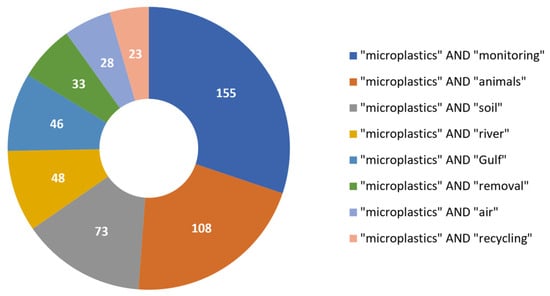
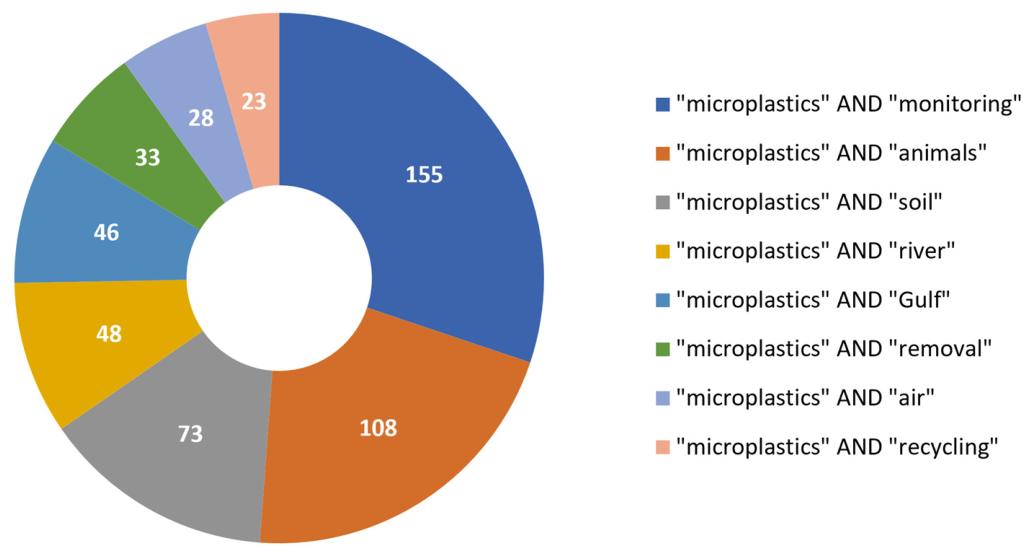
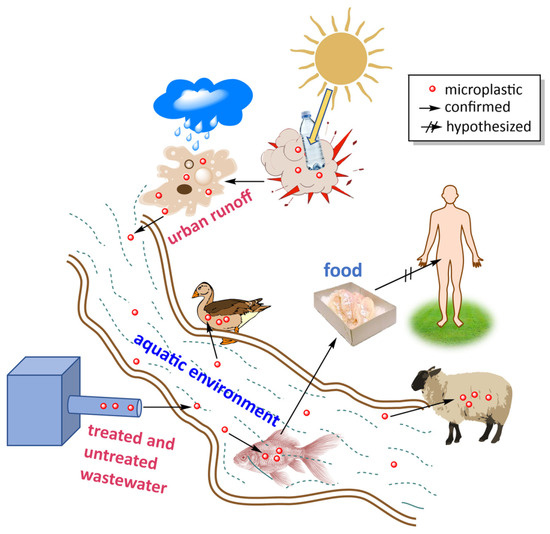
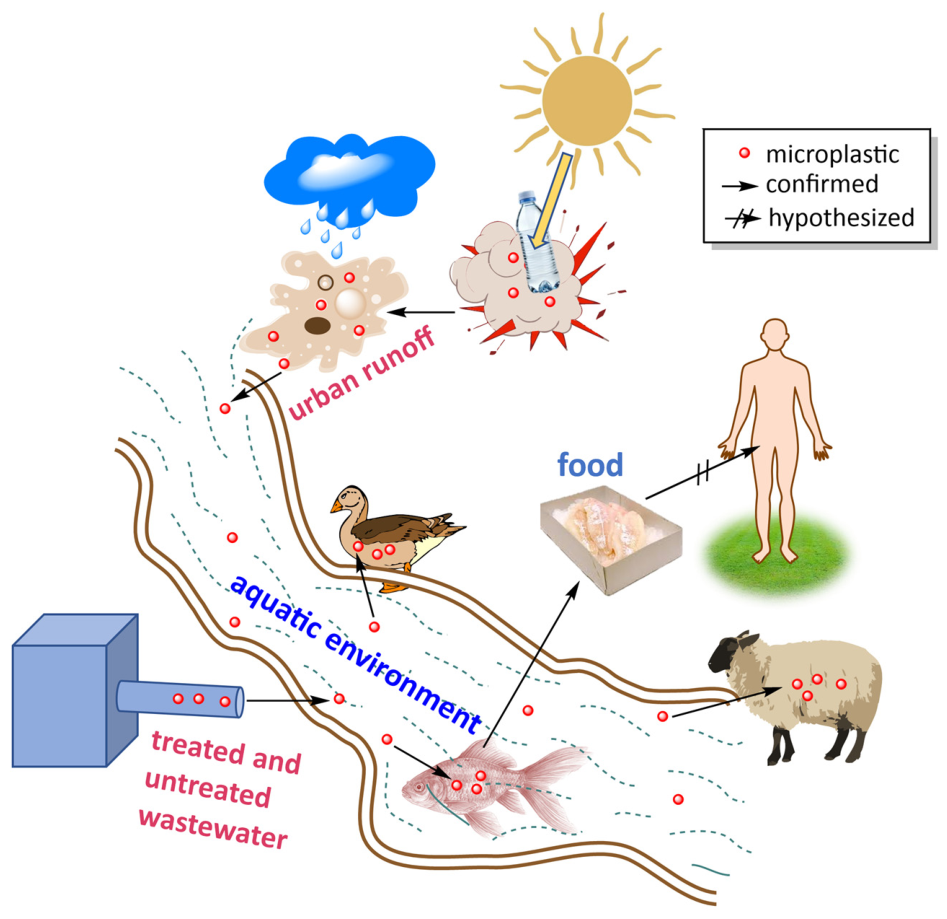
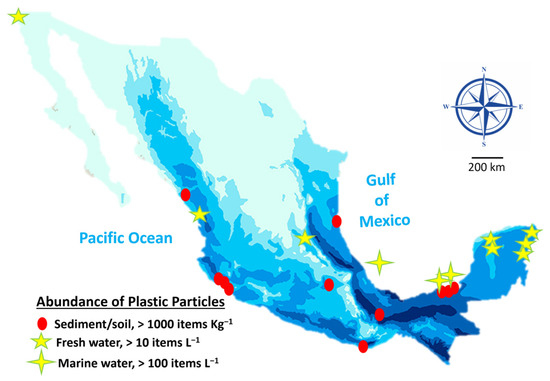
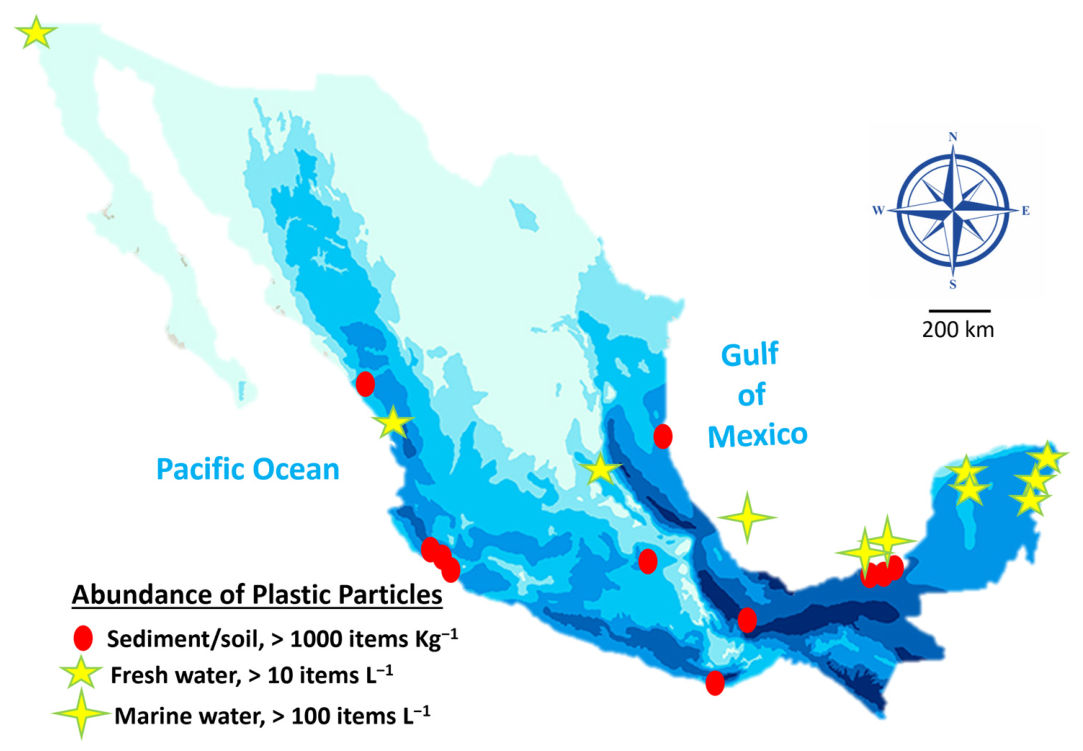
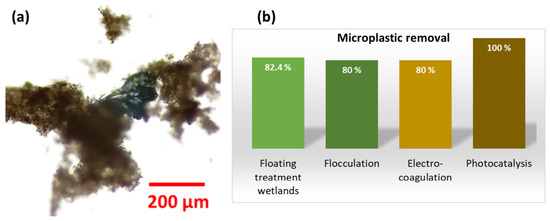
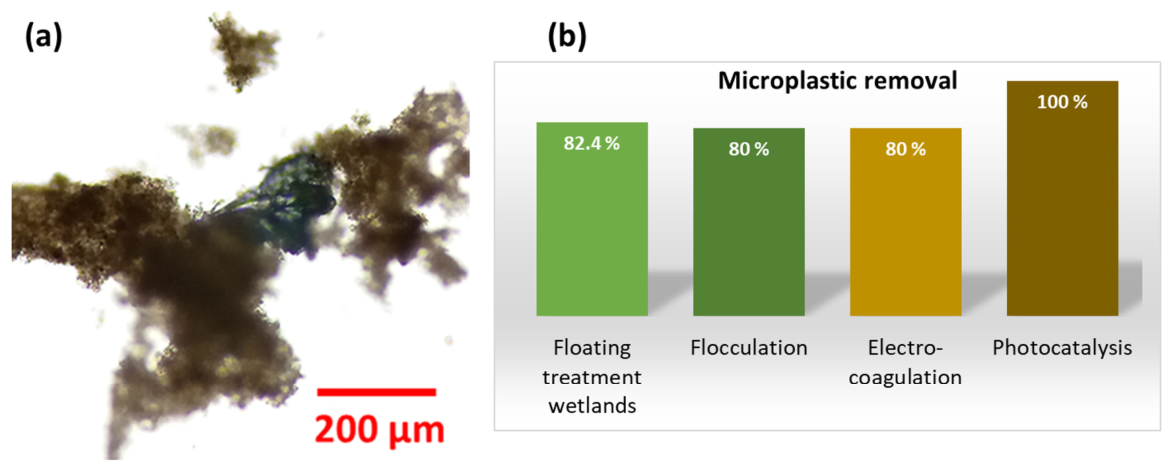
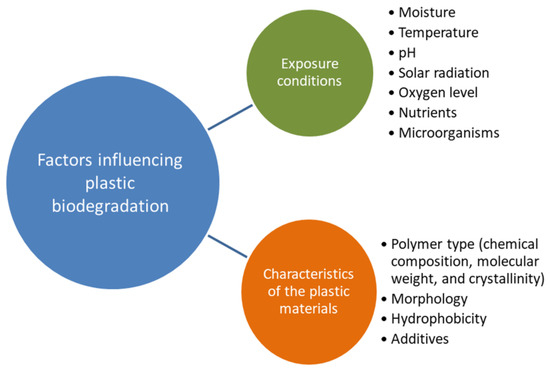
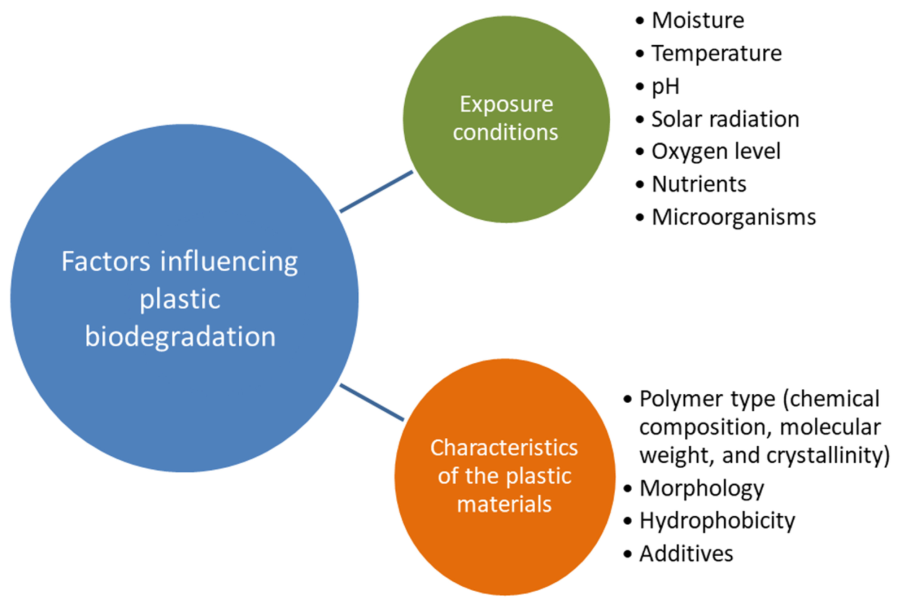
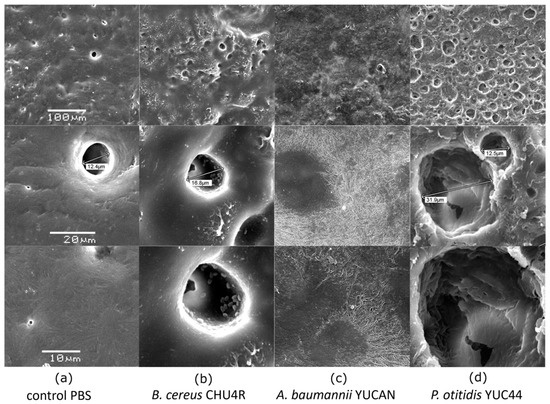
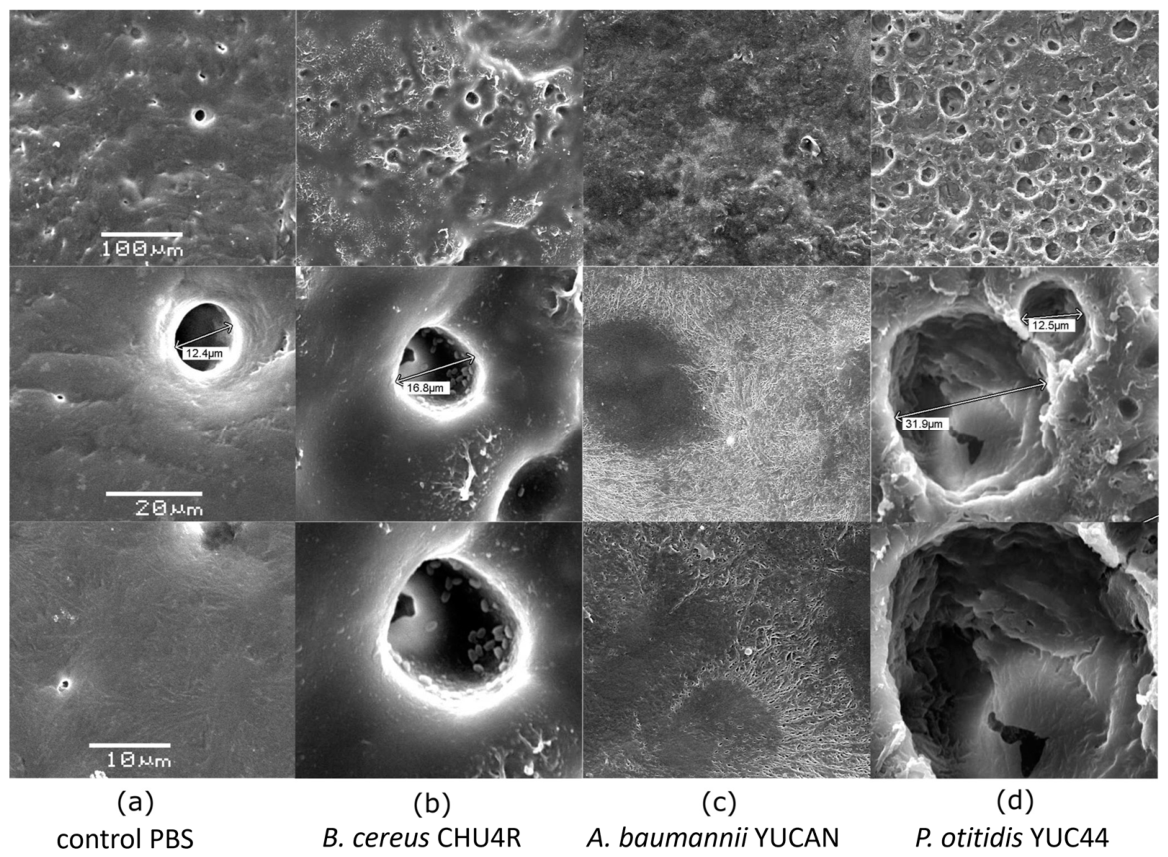

Disclaimer/Publisher’s Note: The statements, opinions and data contained in all publications are solely those of the individual author(s) and contributor(s) and not of MDPI and/or the editor(s). MDPI and/or the editor(s) disclaim responsibility for any injury to people or property resulting from any ideas, methods, instructions or products referred to in the content. |
© 2026 by the authors. Licensee MDPI, Basel, Switzerland. This article is an open access article distributed under the terms and conditions of the Creative Commons Attribution (CC BY) license.