


- Review

Managing Gestational Diabetes Complexity with Continuous Glucose Monitoring: A Narrative Review
- Anca-Elena Crăciun,
- Dana Mihaela Ciobanu and
- Adriana Rusu
- + 6 authors
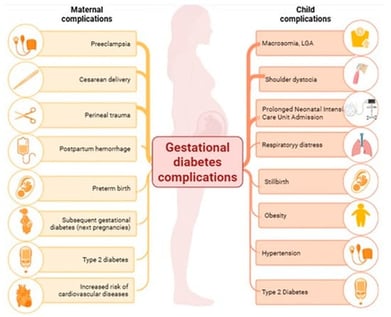
Gestational diabetes (GDM) is a frequent health problem associated with both short- and long-term adverse outcomes for mother and child. Standard management includes lifestyle interventions and, when necessary, pharmacologic therapy. However, the effectiveness and timely initiation of pharmacological therapy depend on accurate glucose monitoring. Continuous glucose monitoring (CGM) systems have emerged as valuable tools in diabetes care, providing real-time information on glycemic variability and enabling more individualized therapeutic interventions. In this narrative review, we explore the role of CGM in the early detection of dysglycemia, its diagnostic and prognostic value, and its ability to identify specific glycemic patterns during pregnancies complicated by GDM. We also assess its role in optimizing lifestyle interventions and guiding pharmacotherapeutic strategies. Current evidence suggests that CGM supports clinical decision-making and patient engaging by providing real-time glucose data. This facilitates earlier identification of hyperglycemic patterns, more precise treatment changes and improved glucose control. Furthermore, CGM use has been associated with improved neonatal and maternal outcomes. Despite these promising findings, barriers such as cost and limited access persist. Although the existing evidence remains relatively limited, it supports the integration of CGM into routine care of women with GDM as part of a comprehensive and personalized treatment strategy. Larger clinical trials are needed to fully understand the benefits and optimal use of CGM in GDM, as well as its impact on pregnancy outcomes, glycemic control and psychological well-being.
8 July 2026