


Abstract
Microplastics (MPs) are increasingly detected environmental contaminants in both marine and freshwater ecosystems, with reported concentrations ranging from a few to thousands of particles per cubic meter depending on location and methodology. Although growing evidence suggests potential risks to aquatic organisms, the extent of their ecological and biological impacts is still under active investigation. Their size, persistence and capacity to transport chemical additives and co-contaminants allow them to enter biological systems by ingestion and respiration. When ingested, MPs cause oxidative stress, inflammation, and metabolic disorders, resulting in the destruction of vital tissues in major body organs including liver, gills, intestines, and brain. They also change gene expression, cause endocrine and immune pathway perturbation, induce apoptosis, and cause gut microbiome dysbiosis, all of which worsen the health and survival of the organism. MPs also serve as vectors of heavy metals, antibiotics, pesticides, and pathogens and enhance toxicity due to the Trojan horse effect and enable bioaccumulation in food webs. Due to their widespread presence in water, soil, air, and food, MP pollution has direct effects on human, animal, and ecosystem health. This review synthesizes current knowledge on the sources of MPs, the mode of exposure, and the mechanism of toxicity and new ecological implications. It also presents mitigation measures, and stresses a One Health paradigm as the key to taking concerted action on the international level to minimize MP pollution and protect both the environment and human health.
1. Introduction
MPs, generally less than 5 mm in size, are now considered one of the most important environmental issues of the 21st century [1]. MPs detected in aquatic environments consist of a wide range of polymer types, most commonly polyethylene (PE), polypropylene (PP), polystyrene (PS), polyethylene terephthalate (PET), polyvinyl chloride (PVC), and polyamide (nylon). These polymers occur in various shapes such as fibers, fragments, films, beads, and foams, with fibers often dominant in surface waters [2]. Reported environmental concentrations vary considerably depending on sampling location and methodology. Surface marine waters typically contain MPs at concentrations ranging from fractions of a particle per cubic meter to tens or hundreds of particles per cubic meter, with higher localized values reported near coasts and accumulation zones [3]. In heavily contaminated rivers and estuaries, measured microplastic concentrations can range from ~102 up to ~105 or more particles per cubic meter depending on sampling location, method, and proximity to pollution sources [4]. MPs are broadly classified into primary MPs (intentionally manufactured particles including microbeads and resin pellets) and secondary MPs formed by fragmentation of larger plastic items such as bottles, packaging, and fishing gear through weathering processes [5].
MPs are formed from the disintegration of larger plastic materials or are manufactured deliberately for industrial purposes such as cosmetics and packaging [6]. MPs are highly persistent in the environment and can remain for decades to centuries depending on polymer type and environmental conditions [2,7]. This persistence allows them to accumulate widely in water, air, soil, and even the atmosphere, causing threats to humans, terrestrial animals, and aquatic species, birds, biodiversity, and public health [8,9]. Concerningly, several studies have shown that MPs have been detected in different parts of the human body, particularly in the lungs and blood, which is alarming and may have adverse effects on human biological systems in the future [10,11,12,13].
The spread of MPs is closely linked to the degradation of ecosystems, which contributes to the pollution of rivers and marine environments and has long-term impacts on forestry. In this regard, attention should be paid to the improvement of river and marine environments, as reducing MP pollution will improve biodiversity and water quality and will also greatly reduce human and animal contact with MPs. It is important to recognize that ecosystem health is closely linked to public health [14]. Studies have shown that the public’s perception of MP pollution is very limited, and that the chemical components of MPs, especially BPA and phthalates, can also cause reproductive problems and neurological disorders. These chemical components are released into our daily lives through products such as packaging, toys, and personal care items, and enter our bodies through the food chain and drinking water. However, the general public is not properly informed about these risks by environmental and healthcare organizations, and even public education campaigns are not effectively promoting this issue [15]. Addressing these risks requires consideration of social and ethical dimensions, including increased public awareness of the potential long-term impacts of MPs.
The impact of microplastic pollution is not uniform across populations. Individuals living near or working in waste disposal systems, plastic industries, garment industries, and tire manufacturing sectors are more highly exposed. In addition, humans are continuously exposed to MPs through water, air, soil, and food [16,17]. Synthetic polymers, such as polyester, nylon and acrylic, that are utilized in the garment industry have been found to be the biggest contributors to MP pollution in the world, according to recent studies. When clothes are washed, worn, and manufactured, these fibers are set free and may become airborne and enter the lungs of humans and predispose them to respiratory diseases [10,18]. Likewise, the release of large quantities of MPs into the surrounding environments by car tires and road surfaces under friction also leads to the dispersal of these substances over long distances [19].
MPs are widely dispersed in the environment and have been detected even in remote regions such as the Arctic and deep-sea sediments [20,21]. Their mobility and persistence enable them to be introduced into the food chain, to be concentrated in aquatic life and finally, to reach humans when they consume seafood [22]. MPs can accumulate pollutants and heavy metals, which makes them even more toxic [7,23]. Their small size allows them to cause physical damage and biochemical imbalance across diverse organisms, from plankton to large mammals [24].
Urban runoff, the discharge of wastewater, and the degradation of various items of everyday use (packaging and synthetic fabrics) are the sources of MP pollution [25,26]. Aquatic organisms absorb the MPs or inhale them [27], and they may end up in the digestive system and translocate to the liver, gills, brain, muscles, and reproductive tissues [28,29].
MPs have wide-ranging effects on humans, animals, and aquatic life. They can cause cellular and tissue-level damage in vital organs such as the liver, intestines, gills, and brain, thereby disrupting normal physiological functions. These impacts may also interfere with essential biological processes, including immunity, reproduction, and metabolism [28,30,31,32,33]. They can trigger cell death and premature cellular aging, which weakens the health of tissues and organs. MPs also disrupt the balance of gut microbiota [34], causing dysbiosis that negatively impacts digestion, immune response, and metabolism, sometimes leading to broader effects like neurotoxicity [35]. Moreover, MPs can disrupt normal physiological processes and pose potential risks to organismal health. These alterations can disturb the hypothalamic–pituitary–gonadal and thyroid axes, impairing normal physiological homeostasis and posing a significant threat to organismal health [36,37].
This review provides an integrated analysis of existing literature on the sources, environmental pathways, physicochemical characteristics, and biological impacts of microplastics in aquatic environments, with particular emphasis on fish as key sentinel species. It covers sources, environmental pathways, physicochemical properties, and multi-level toxicity in aquatic organisms. It brings together findings from conventional ecotoxicological analysis, histological analysis and molecular biomarkers analysis with the latest results of omics, microbiome modulation and environmentally aged MP behavior. By combining these diverse perspectives, the review offers an integrated understanding of how factors such as particle size, polymer type, surface aging, and pollutant loading influence toxicity, bioaccumulation, and trophic transfer [38,39,40,41]. While previous studies have examined specific aspects of MPs, such as molecular mechanisms or ecological impacts, fewer studies have considered these dimensions collectively. In this context, the present review attempts to bring together molecular, ecological, and One Health perspectives within a unified framework. Rather than presenting an entirely novel concept, this review aims to provide a more integrated understanding by synthesizing existing evidence across multiple domains. This approach may help to contextualize complex scientific findings and support an integrated understanding of microplastic impacts across environmental systems and multiple biological levels.
2. Methodology
This review was conducted through a systematic literature search in PubMed, Scopus, Web of Science, and Google Scholar using combinations of keywords such as “MPs,” “aquatic toxicity,” “bioaccumulation,” “trophic transfer,” “co-contaminants,” “marine MPs,” and “freshwater ecotoxicology.” Approximately 125 articles published between 2000 and 2025 were initially identified. After duplicate removal, title/abstract screening, and full-text assessment, studies lacking experimental evidence, clear methodology, or mechanistic/toxicological insights were excluded. Priority was given to studies examining the biological and molecular effects of microplastics, with particular emphasis on fish as widely used sentinel species in aquatic ecotoxicology. While data from other aquatic taxa (e.g., bivalves such as Mytilus galloprovincialis and ciliates in trophic transfer experiments) were incorporated where relevant, the final synthesis of 45 studies focuses primarily on fish due to the greater availability of detailed molecular, histopathological, and omics-level data. This selection reflects our aim to provide an integrated mechanistic understanding while acknowledging the broader aquatic context within a One Health framework.
3. Sources and Exposure Routes of MPs in Aquatic Species
The harmful effects of MPs (MPs) on aquatic life largely depend on where these plastics come from and how they enter or interact with aquatic organisms. Research has shown that aquatic species are exposed to a wide variety of MPs, both from natural environmental pollution and from controlled laboratory conditions [42,43]. These particles mainly enter organisms through ingestion and respiration, and the exposure route plays a crucial role in determining how MPs behave inside the body and what kind of toxic effects they cause.
3.1. Diverse Sources and Characteristics of MPs
MPs used in research and observed in nature can be broadly categorized into two types based on their origin: (i) environmentally derived microplastics, which are weathered, heterogeneous particles collected from real aquatic ecosystems (rivers, lakes, estuaries, or oceans), and (ii) laboratory-generated microplastics, which are commercially manufactured pristine particles deliberately used in controlled experiments to investigate specific toxicological mechanisms.
3.1.1. Environmental MPs: A Complex Mixture
Field studies provide a real-world picture of MP contamination, showing that aquatic environments contain a complex mix of different particles. For example, research in the Lagos Lagoon in Nigeria found that fish livers mostly contained black and blue polyethylene (PE) and polystyrene (PS) fibers. These materials likely came from broken-down packaging materials and synthetic textiles released through urban runoff and wastewater [44].
Similarly, a large study on fish in the Yellow River, China, found that the most common polymers were PET (40%), polypropylene (31%), and polyethylene (22%). More than 92% of the recovered MPs were fibers [45]. This fiber dominance is a global trend. In Mediterranean commercial fish, cellophane and PET fibers were the most common types. Notably, fish that consumed contaminated prey showed significantly higher microplastic loads, suggesting that ingestion of contaminated prey contributes to increased MP accumulation via trophic transfer [46]. Importantly, MPs found in nature are rarely clean or virgin. They are often weathered by sunlight, water, and biological activity, which changes their surface texture and chemistry. Aged MP particles typically develop rougher surfaces, undergo oxidation, and gain a higher capacity to adsorb co-pollutants. These changes can increase their chemical reactivity and, in many experimental conditions, enhance their toxic effects. However, in real aquatic environments, MPs are rapidly covered by an eco-corona, formed through the adsorption of natural organic matter and biological molecules [47]. This coating can alter how particles interact with living cells, sometimes reducing direct cellular uptake, oxidative stress, and overall toxicity. Nevertheless, these effects are highly context-dependent and may vary depending on environmental conditions and particle characteristics.
3.1.2. Laboratory-Generated MPs: Pinpointing Mechanisms
In contrast to environmental samples, laboratory studies use well-defined and uniform MPs to understand specific mechanisms of toxicity. Polystyrene (PS) microspheres, ranging in size from 0.1 to 5 micrometers, are the most common type used because they are easy to purchase and can be tagged with fluorescent dyes. This allows scientists to precisely track how MPs are absorbed and distributed in fish like zebrafish and rainbow trout [48,49]. Other polymers such as polyethylene (PE), polypropylene (PP), and polyamide (nylon) are also used, often obtained from everyday items like toothbrush bristles to imitate real-life plastic fragments [50,51]. A major improvement in recent studies is the use of intentionally aged MPs, created by exposing particles to UV light. This process makes the plastics more similar to those found in the environment, giving them rougher surfaces and higher oxidation levels. Experiments on European perch have shown that UV-aged PE particles cause more severe oxidative stress, DNA damage, and cell death than unaged ones [52,53]. This clearly demonstrates that aged plastics pose a greater toxic threat to aquatic species.
3.1.3. MPs from Biodegradable and Alternative Plastics
Growing environmental concerns about petroleum-based plastics have led to the development of biodegradable and bio-based alternatives such as polylactic acid (PLA), polyhydroxyalkanoates (PHA), polybutylene succinate (PBS), and starch-based polymers. These materials are often considered eco-friendly because they can break down under controlled industrial composting conditions. However, in natural environments like soil, freshwater, and oceans, they do not always fully degrade. Instead of completely breaking down, they often fragment into tiny particles called MPs or biodegradable MPs due to environmental stress [54]. Unlike industrial composting facilities, natural environments do not have the right conditions, such as proper temperature, oxygen, moisture, and microbial activity, for complete biodegradation. Because of this, these materials can remain in the environment for a long time and break down slowly through physical, chemical, and biological processes. Studies show that while many bioplastics degrade well in controlled conditions, they often do not perform effectively in real-world environments and can behave similarly to conventional plastics [55]. Research also shows that some biodegradable plastics can still produce MPs. In some cases, they may even break down faster into small particles than conventional plastics in the short term. These MPs can harm aquatic organisms by causing oxidative stress, inflammation, and reproductive problems. In addition, chemicals added to these plastics and the byproducts formed during degradation can increase their toxicity, making them a concern for the environment in certain situations [56]. Although biodegradable plastics are considered a more sustainable alternative, their behavior in the environment, long-term harmful effects on living organisms, and ability to accumulate in the food chain are still not well understood. Therefore, more research is needed to properly evaluate their safety and ensure they are used in a truly sustainable way.
3.1.4. Influence of Physical Properties on Uptake and Toxicity
MP toxicity depends not only on its environmental concentration but also on its physical and physicochemical properties, especially particle shape and surface charge. These properties play an important role in how MPs are taken up, retained, and accumulated in aquatic organisms, ultimately influencing their toxic effects [57]. Particle shape greatly affects how MPs interact with biological tissues. Fibrous MPs, because of their long and thread-like structure, often remain in the gastrointestinal tract and gill surfaces for a longer time. Their shape allows them to become entangled with mucus layers and epithelial tissues, which can cause continuous physical irritation, mechanical damage, local inflammation, and slower excretion. Several studies have reported that fibers may cause more severe intestinal toxicity than fragments or spherical particles because they stay in the body longer and accumulate more easily [58]. In contrast, spherical particles, beads, and irregular fragments are more easily taken up by epithelial and immune cells through processes such as endocytosis and phagocytosis. This can lead to higher intracellular accumulation, disruption of normal cellular functions, and increased oxidative stress, including the generation of reactive oxygen species (ROS). Irregular fragments may also cause greater physical damage than smooth spherical particles because of their rough edges [58]. Film-like MPs may adhere more strongly to mucosal and epithelial surfaces due to their larger contact area. This adhesion can disturb barrier integrity, reduce nutrient exchange, and affect normal cellular balance, which may lead to broader physiological effects [59]. Surface charge is another important factor that influences microplastic toxicity and molecular uptake. Since cell membranes and mucus layers usually carry a negative charge, positively charged MPs can bind more strongly to these surfaces through electrostatic attraction. As a result, they often show increased adhesion, higher cellular uptake, deeper tissue penetration, greater ROS production, stronger inflammatory responses, and activation of apoptotic pathways [28]. On the other hand, negatively charged or neutral MPs may show lower direct interaction with cell membranes, but they can still adsorb dissolved contaminants, heavy metals, and hydrophobic organic pollutants because of their large surface area. This allows them to transport co-contaminants into tissues which can further increase toxicity beyond the direct effects of the MPs themselves [32]. Overall, these findings suggest that the toxic effects of MPs in aquatic organisms are influenced not only by concentration but also by particle shape and surface charge. These factors strongly affect bioaccumulation, oxidative stress, tissue damage, and other sublethal effects across different species and life stages.
3.2. Critical Exposure Pathways and Their Consequences
The way MPs enter aquatic organisms greatly influences how they are distributed in the body and which organs are most affected. Two major exposure pathways are commonly studied: waterborne and dietary.
3.2.1. Waterborne Exposure: Entry Through Gills and Ingestion
This is the most common exposure route in laboratory settings, where MPs are suspended in water. Aquatic organisms absorb them through two main interfaces: the gills and the digestive system. Gills are continuously filtering large volumes of water, which makes them one of the first sites where MPs can accumulate. For instance, research on the topmouth gudgeon (Pseudorasbora parva) found that gills are a primary site of MP buildup. In studies using Atlantic salmon gill cell lines, small PS particles (0.2–1 µm) were observed to enter cells through endocytosis and phagocytosis. Once inside, they localized in lysosomes, which may interfere with normal cell functions [60]. Another major route is inadvertent ingestion. Many fish unintentionally consume MPs while feeding or by mistaking them for food particles. This leads to a buildup of MPs in their digestive tract. However, the severity of effects varies depending on experimental conditions such as particle size, concentration, and exposure duration. Chronic exposure of zebrafish to polypropylene MPs, for instance, caused notable intestinal damage, including thinning of the gut wall, reduction in mucus-producing goblet cells, and weakened intestinal barrier function [61]. Similarly, ingestion of polystyrene MPs in rainbow trout resulted in comparable gut damage along with disruption of the gut microbiota [62]. These findings suggest that waterborne exposure can impair both gill and intestinal integrity, although the extent of damage appears more pronounced under chronic exposure or with smaller particles.
3.2.2. Dietary Exposure: The Trojan Horse Effect
Dietary exposure occurs when MPs are directly present in food or feed. This pathway is particularly relevant in aquaculture, where MPs can enter through contaminated fish feed. Laboratory studies consistently demonstrate the toxic effects of MPs in aquatic organisms. For example, rainbow trout exposed to polyethylene (PE), including HDPE MPs of approximately 50 μm, at dietary concentrations of 0.5–5% for six weeks showed marked oxidative stress, inflammatory responses, and tissue damage in the gills, liver, and kidneys, along with suppressed immune function [63]. Similarly, Nile tilapia fed diets containing mixed MPs, such as PET, HDPE, PP, and nylon-6, exhibited reduced growth performance, impaired nutrient digestibility, altered carcass composition, gut histopathological damage, and weakened immune responses [64,65]. A fascinating and ecologically significant mechanism of dietary exposure is trophic transfer, where MPs move up the food chain. Both laboratory and field studies provide strong evidence for the toxicological impact of MPs in aquatic organisms. In a controlled laboratory experiment, Paramecium caudatum exposed to fluorescent polystyrene (PS) beads loaded with cadmium (Cd) was subsequently fed to zebrafish larvae, demonstrating successful trophic transfer of MPs and associated heavy metals. This combined exposure induced significantly greater oxidative stress, metabolic disruption, DNA damage, inflammation, and apoptosis compared with exposure to MPs or Cd alone [66]. Complementing these findings, field observations have confirmed the presence of MPs in wild fish species such as sardines, where fibers and fragments composed mainly of PE and PP are frequently detected in the gut and gill tissues. Although higher microplastic burdens are sometimes reported in larger or higher-trophic-level fish, evidence for strong biomagnification remains inconsistent, suggesting that direct environmental exposure is likely the primary route of ingestion rather than trophic transfer alone [46,67].
Overall, MPs originate from both environmental and laboratory sources, but their behavior becomes more complex under real-world conditions due to processes such as aging and interactions with co-existing pollutants. In aquatic environments, organisms are mainly exposed to MPs through contaminated water and food, which significantly affects how these particles are taken up, distributed within the body, and ultimately exert toxic effects. These exposure pathways are therefore critical in shaping the biological fate of MPs and provide the basis for understanding their subsequent physiological and molecular impacts.
4. Physiological and Histopathological Effects of MPs
MPs can disrupt the physiological integrity and cellular homeostasis of aquatic organisms through a variety of mechanisms. This section explores how MPs induce oxidative stress and alter antioxidant defenses, leading to biochemical imbalances that damage vital tissues. It further examines histopathological alterations in major organs such as the liver, gills, intestines, and brain, revealing the structural evidence of toxicity. Finally, it discusses how MPs bioaccumulate within aquatic species, detailing their distribution patterns, size-dependent penetration, and interactions with coexisting pollutants. Together, these subsections provide an integrated understanding of how MPs compromise both the physiology and tissue health of aquatic life.
4.1. Oxidative Stress and Antioxidant Responses
One of the most commonly reported mechanisms by which MPs harm aquatic organisms is through the induction of oxidative stress. This occurs when the balance between the production of reactive oxygen species (ROS) and the body’s antioxidant defense system is disrupted [68,69]. Several studies have shown that MP exposure can dramatically elevate ROS levels. For example, in zebrafish larvae, researchers observed a 5.5- to 8-fold rise in ROS after exposure [70]. Such overproduction of ROS triggers cellular damage, often measured through increased lipid peroxidation, with higher levels of malondialdehyde (MDA) detected in rainbow trout [48]. Similar oxidative damage has also been reported in other studies [71]. The antioxidant defense system shows a two-phase response to this stress. Initially, organisms attempt to counteract the damage by upregulating key antioxidant enzymes such as superoxide dismutase (SOD) and catalase (CAT), as observed in Nile tilapia [50]. Similar compensatory responses have also been reported under co-exposure conditions [72]. However, when exposure is prolonged or at higher concentrations, this defense system becomes exhausted. In such cases, the activity of enzymes like SOD, CAT, and glutathione peroxidase (GPx) declines, along with depletion of glutathione (GSH), as shown in rainbow trout [62,73]. The presence of other pollutants can further shape this dynamic. In some situations, MPs can reduce the toxicity of co-contaminants by adsorbing them onto their surfaces, thereby lowering their bioavailability and limiting uptake by aquatic organisms, as demonstrated for copper in Pseudorasbora parva. Yet in most cases, MPs act as carriers that worsen the toxic effects. For instance, seahorses exposed to MPs along with Vibrio harveyi showed a much stronger oxidative stress response compared to single exposures [74]. Altogether, oxidative stress emerges as a central pathway through which MPs exert toxicity in aquatic organisms, and the severity of this impact depends on the dose, exposure time, and the presence of other pollutants. Collectively, these findings reveal a consistent pattern in which microplastic exposure initially triggers a compensatory antioxidant response, followed by enzymatic exhaustion under prolonged or high-dose conditions. This biphasic response appears to be a common feature across aquatic species, with the extent of oxidative damage largely influenced by particle concentration, duration of exposure, and interactions with co-contaminants. However, it is important to note that most of these findings are derived from controlled laboratory studies using relatively high concentrations of pristine MPs. In natural aquatic environments, organisms are exposed to a complex mixture of aged particles and multiple stressors, which may alter the magnitude and nature of oxidative stress responses. Therefore, caution is required when extrapolating these results to real-world scenarios. A consolidated summary of these species-specific oxidative stress responses is provided in Table 1.
Table 1.
Summary of MP-induced oxidative stress responses in key aquatic species.
4.2. Histopathological Damage
Histopathological studies give us direct visual proof of how MPs (MPs) damage the tissues and organs of aquatic animals. The liver, intestines, gills, and brain are the most frequently affected, and the lesions range from subtle degenerative changes to severe necrosis.
The liver is especially sensitive. In zebrafish (Danio rerio), exposure to polystyrene MPs (PS-MPs), either alone or combined with pollutants like cadmium (Cd) or the synthetic hormone 17α-methyltestosterone, causes classic signs of liver toxicity such as vacuolization, congestion, and infiltration of inflammatory cells [75,76]. Similar structural damage, including lipid accumulation and cellular degeneration, has also been reported in rainbow trout (Oncorhynchus mykiss) [48], while comparable dose-dependent liver alterations have been observed in other species [77]. It is important to note that these findings are derived from multiple independent studies conducted under varying experimental conditions, including differences in microplastic type, size, concentration, and exposure duration. The digestive system also shows significant structural compromise. In zebrafish, polypropylene MPs (PP-MPs) thin the intestinal wall, reduce goblet cells, destroy cilia, and damage the mucosa, weakening the barrier and lowering immune defense [61]. These effects are further intensified under co-exposure conditions, as demonstrated in Nile tilapia (Oreochromis niloticus), where combined exposure to polyamide MPs (PA-MPs) and pesticides caused severe epithelial degeneration and villus damage [50,51]. Gills, the main site for gas exchange, are another critical target. Structural abnormalities such as lamellar deformation and cellular degeneration have been observed in multiple species under MP and pollutant co-exposure [69,78], highlighting their sensitivity to environmental stressors. The brain is likewise vulnerable to microplastic toxicity. Neurodevelopmental and structural damage, including neuronal loss and cellular degeneration, has been reported across different fish models under both single and combined exposures [49,79], indicating consistent neurotoxic effects. It is important to note that not all studies report significant tissue damage. For instance, Nile tilapia juveniles fed a diet containing a mix of common plastics such as PET, HDPE, PP, and nylon-6 did not display major intestinal lesions, suggesting that the effects of MPs depend on factors like species, age, MP type, and concentration [65]. Taken together, these findings suggest that certain organs, particularly the liver, intestines, gills, and brain, are consistently more vulnerable to microplastic toxicity. The extent of tissue damage varies depending on factors such as particle type, concentration, duration of exposure, and the presence of co-contaminants. Overall, this indicates that microplastics can cause interconnected, multi-organ damage in aquatic organisms (Table 2). Nevertheless, most histopathological evidence is derived from laboratory-controlled exposures, which may not fully reflect environmentally realistic conditions where MPs are aged, heterogeneous, and typically present at lower concentrations. Consequently, the extent of tissue damage observed in experimental settings may differ from that occurring in natural ecosystems.
Table 2.
Histopathological lesions induced by MPs in key organs of aquatic animals.
4.3. Bioaccumulation Patterns
MPs (MPs) accumulate in aquatic species through multiple exposure routes, mainly ingestion and respiration. Ingestion is the most common pathway, as shown by studies reporting MPs in the guts of nearly all sampled fish from the Yellow River and Mediterranean Sea, with omnivorous species like Cyprinus carpio carrying particularly high loads [45,46]. MPs can also move through the food chain, such as when ciliate prey (Paramecium caudatum) transfer MPs to zebrafish larvae, simultaneously increasing cadmium uptake [66]. Smaller MPs (<20 µm) can also be taken up via gill respiration, as seen in species like topmouth gudgeon and killifish, especially in freshwater conditions [69]. Once inside the body, MPs show a clear distribution pattern, usually highest in the intestine, followed by the gills and liver [52,80]. Large particles tend to stay in the gut or gills, while smaller ones (<20 µm) can cross biological barriers and spread to the liver, brain, muscles, and even gonads. For example, tiny polyethylene MPs were found in the liver of zebrafish and perch, while the smallest fraction (<1.2 µm) reached the muscle tissue of the commercial fish Serranus scriba [81]. A threshold of 20 µm was used to distinguish between small and large microplastics, as particles below this size are more likely to be internalized by cells and translocate across biological barriers, whereas larger particles are typically retained in the gut lumen or external interfaces [82]. In addition to serving as physical carriers, MPs can change how harmful chemicals become available in the environment. Many pollutants, such as polycyclic aromatic hydrocarbons (PAHs), polychlorinated biphenyls (PCBs), polybrominated diphenyl ethers (PBDEs), and metal ions, easily attach to MPs because of their large surface area and water-repelling nature. When environmental conditions change, and especially when MPs enter the digestive system, factors like pH, enzymes, and digestive fluids can cause these pollutants to detach and be released inside the body. This process is often called the “Trojan horse” effect. In simple terms, MPs carry harmful substances into the body and then release them inside [83,84]. Importantly, MPs often carry pollutants like heavy metals, antibiotics, and pharmaceuticals on their surfaces. This can either increase contaminant accumulation, as with methylmercury and oxytetracycline in zebrafish and crucian carp [85,86], or in some cases reduce it, such as MPs binding copper and lowering its tissue levels in Pseudorasbora parva [69]. The properties of MPs themselves strongly influence how much they accumulate. Weathered or UV-aged MPs, with rougher and more oxidized surfaces, are often retained more readily than pristine ones. In European perch, aged polyethylene MPs showed greater tissue accumulation and were linked to stronger oxidative and genotoxic effects [53,87]. Overall, bioaccumulation is not a passive process of particle buildup but a dynamic interaction shaped by exposure route, particle size, polymer type, and environmental aging, which together dictate how MPs and their associated contaminants affect aquatic organisms (Figure 1).
Figure 1.
Bioaccumulation patterns of MPs (MPs) in aquatic organisms.
In summary, MPs cause notable physiological disturbances in aquatic organisms, largely driven by oxidative stress, tissue damage, and their tendency to accumulate within the body. Histopathological studies provide clear evidence of structural alterations in key organs, while patterns of bioaccumulation suggest that particle size plays an important role in determining how MPs are distributed across different tissues. Together, these findings indicate that MPs can impair organismal health at both cellular and organ levels, establishing a clear link between exposure and functional disruption.
5. Molecular Mechanisms of Microplastic Toxicity
MPs (MPs) exert toxicity at the molecular level through a range of interconnected cellular mechanisms that disrupt normal physiological homeostasis. This section explores how MPs trigger apoptosis and cellular senescence, leading to impaired cell survival and tissue degeneration. It further examines alterations in gene expression and epigenetic regulation, revealing how MPs can reprogram stress, immune, and reproductive pathways. Additionally, the influence of MPs on the gut microbiome is discussed, emphasizing microbial imbalance and inflammation that extend beyond the intestine. Finally, this section highlights the metabolomic and biochemical disturbances caused by MPs, including energy metabolism disruption, neurochemical imbalance, and hormonal dysregulation. Together, these subsections provide an integrated molecular framework explaining how MPs initiate and propagate toxicity in aquatic organisms.
5.1. Apoptosis and Cellular Senescence
MP exposure is known to induce programmed cell death (apoptosis) and cellular senescence in aquatic species in a dose-dependent manner, with effects reported across a wide concentration range spanning environmentally relevant levels (50 µg/L) to high experimental doses (up to 600 mg/L), as summarized in Table 3. These processes are key contributors to tissue injury and organ malfunction. These effects are mainly driven by oxidative stress, mitochondrial disruption, and DNA instability caused by MPs. One of the main pathways involved is mitochondrial-mediated apoptosis, marked by an increased ratio of pro-apoptotic to anti-apoptotic proteins. In zebrafish and European perch, exposure to MPs elevated the Bax/Bcl-2 ratio and activated cleaved caspases, indicating a clear shift toward cell death [52,88]. Similarly, in Asian seabass (Lates calcarifer), polyethylene MPs upregulated genes such as TRAIL and cytochrome c, while fibrous PET MPs in black rockfish (Sebastes schlegelii) caused a massive rise in apoptotic blood cells [77,89]. MPs can also activate apoptosis through multiple stress pathways simultaneously. In zebrafish larvae, MPs and cadmium co-exposure increased the expression of Caspase-3, -8, -9, and -12, suggesting that death receptor, mitochondrial, and endoplasmic reticulum stress mechanisms were all involved [66]. DNA damage caused by MPs further activates the p53 signaling pathway, which promotes apoptosis and cell cycle arrest. This p53-mediated apoptosis has been observed in species such as the Mediterranean mussel (Mytilus galloprovincialis) and female zebrafish, where it contributed to ovarian degeneration and lower fertility [71,90]. Apart from apoptosis, MPs can also push cells into a state of permanent growth arrest known as cellular senescence. In rainbow trout (Oncorhynchus mykiss), polystyrene MPs suppressed key cell cycle regulators, including cyclin B1, cyclin B2, and CDK1, preventing normal cell division [48]. This was linked to RNA methylation changes that affected the p53 pathway, leading to a senescence-like condition associated with glutathione depletion and DNA damage [62]. Co-exposure with pollutants such as fluoxetine, copper, and 17α-methyltestosterone further intensified apoptosis, increasing caspase-3 and Bax expression in the brain, gonads, and other organs [49,72,76]. Overall, these findings show that MPs disrupt cell survival and renewal through mitochondrial injury, p53 activation, and epigenetic changes, offering a mechanistic explanation for the tissue-level damage observed in aquatic organisms (Table 3).
Table 3.
Summary of apoptosis and cellular senescence induced by MP exposure in aquatic organisms.
5.2. Gene Expression and Epigenetic Modifications
Microplastic (MP) exposure causes broad and complex changes in gene activity and epigenetic regulation in aquatic organisms, disrupting vital cellular functions such as stress response, metabolism, and immunity. Studies have shown that MPs can both activate and suppress stress-related pathways. For example, in zebrafish larvae, weathered MPs increased the expression of antioxidant genes like nrf2, nqo1, and gclc, showing a protective response to oxidative stress [70]. However, in adult zebrafish, combined exposure to MPs and 17α-methyltestosterone reduced the expression of Nrf2 and HO-1, weakening antioxidant defense [76]. Similarly, genes encoding heat shock proteins such as HSP70 were elevated in the gills of fish from polluted areas, indicating a general stress adaptation [44]. MPs also interfere with the body’s ability to detoxify and fight infections. In Asian seabass, polyethylene MPs activated cytochrome P450 genes (CYP1b1, CYP2), reflecting a response to chemical stress [77]. Meanwhile, immune genes often showed suppressed expression. For instance, striped catfish exposed to MPs and pesticides displayed lower levels of MHC-II and IFN-β2, suggesting weakened immunity [78]. When MPs combine with pathogens or other pollutants, the immune response can become overactive or misdirected. In Korean rockfish, for example, co-exposure to MPs and Streptococcus iniae sharply increased inflammatory cytokines such as IL-1β and TNF-α [91]. Beyond these effects, MPs can alter gene regulation through epigenetic modifications. In rainbow trout, exposure to polystyrene MPs caused widespread changes in RNA methylation (m6A), which affected key regulatory genes such as c-myc and triggered pathways linked to cellular aging and p53 signaling [48]. MPs also suppressed DNA repair genes like chek2 and pold3 in zebrafish, making cells more prone to damage [61]. Moreover, MPs disrupt hormone and brain-related gene expression. In zebrafish, genes in the reproductive axis (fshβ, lhβ, cyp19a) were altered, contributing to reduced fertility [71], while in fish brains, MPs reduced the protective BDNF and miR132 genes, leading to neurodegeneration [79]. Together, these findings reveal that MPs can deeply reprogram gene expression and epigenetic patterns, causing long-term effects on cellular health, immunity, reproduction, and the nervous system (Table 4).
Table 4.
Effects of MPs on gene expression and epigenetic modifications in aquatic organisms.
5.3. Gut Microbiome Dysbiosis
The gut microbiome plays a vital role in maintaining the health of aquatic organisms by supporting digestion, immunity, and overall metabolism. When fish are exposed to MPs (MPs), this delicate balance becomes disturbed, leading to gut dysbiosis, which means an imbalance in the microbial community. One of the most common effects of MP exposure is a shift in the core bacterial groups. For example, zebrafish exposed to polypropylene MPs showed a decrease in beneficial bacteria such as Fusobacteriota and an increase in Proteobacteria, a group often linked to infections [61]. In rainbow trout, polystyrene MPs caused similar disturbances by increasing Bacteroidota while reducing Proteobacteria [62]. These changes upset the microbial balance that is essential for a healthy gut environment. At a more specific level, MP exposure often leads to the loss of beneficial microbes and the rise of harmful ones. In zebrafish, levels of Cetobacterium, a beneficial bacterium that produces important short-chain fatty acids (SCFAs), were reduced [61]. Meanwhile, harmful bacteria such as Pseudomonas and Acinetobacter became more abundant [62]. This imbalance worsened when MPs were combined with other pollutants like cadmium, resulting in the overgrowth of pathogens such as Pseudomonas aeruginosa and Aeromonas veronii [66]. These harmful microbes can damage intestinal tissue, reduce nutrient absorption, and weaken the immune defense. The disruption of gut bacteria has direct consequences for fish health. The decline in SCFA-producing bacteria lowers the production of essential compounds like acetic and butyric acids, which help maintain gut integrity and brain function. In crucian carp, exposure to MPs along with antibiotics caused a major reduction in these fatty acids, which was linked to changes in brain chemistry and signs of neurotoxicity [86]. Additionally, the overgrowth of harmful microbes can trigger inflammation by activating NF-κB and MAPK signaling pathways, leading to the release of pro-inflammatory cytokines [66]. Overall, MPs disrupt gut microbial communities, reduce beneficial metabolites, and promote inflammation, creating harmful effects that extend beyond the gut to affect the brain and other vital organs (Figure 2).
Figure 2.
Microplastic-induced gut microbiome dysbiosis and its systemic health impacts in fish.
5.4. Metabolomic and Biochemical Alterations
Exposure to MPs (MPs) leads to deep changes in the metabolic and biochemical balance of aquatic organisms, affecting how they generate energy, communicate through neural signals, and regulate hormones. One of the most consistent findings across species is the disruption of energy metabolism. In rainbow trout, polystyrene MPs disturbed liver energy metabolism and cAMP signaling, showing that MPs can weaken normal energy regulation [48]. Similar results were found in European perch, where exposure to polyethylene MPs caused a drop in glucose and triglycerides and a rise in lactate and free fatty acids, indicating a shift toward anaerobic metabolism and fat breakdown [53]. Further metabolic profiling revealed a decrease in vital compounds like lactic acid, acetylcarnitine, and amino acids such as leucine and phenylalanine in the liver, suggesting that MPs reprogram entire metabolic pathways [92]. MPs also disrupt neurotransmitter systems and brain signaling. In crucian carp, co-exposure to polypropylene MPs and oxytetracycline led to the depletion of short-chain fatty acids in the gut, including acetic, propionic, and butyric acids. This alteration was linked to a neurochemical imbalance in the brain. This imbalance included reduced acetylcholine, dopamine, and serotonin, along with elevated GABA levels [86]. Similarly, in snakehead fish, a combination of PVC MPs and copper lowered dopamine, serotonin, and acetylcholine while increasing monoamine oxidase activity, clearly showing disruption in brain chemistry [79]. The endocrine system also suffers greatly. In female zebrafish, long-term exposure to polystyrene MPs caused a sharp drop in the estradiol-to-testosterone (E2/T) ratio due to the downregulation of steroidogenic enzymes (Cyp19a) and vitellogenin genes (vtg1, vtg2), leading to impaired hormone synthesis and reproductive health [71]. Advanced metabolomic studies have revealed more pathway-level disruptions caused by MPs. In zebrafish, co-exposure to MPs and methylmercury activated glycolysis and the TCA cycle while disturbing sphingolipid and glutathione metabolism [85]. Another zebrafish study showed disruption in bile acid and sphingolipid metabolism through the liver–brain axis [76]. In rockfish, fibrous PET MPs interfered with tryptophan and steroid hormone metabolism [89]. These biochemical disturbances often appear alongside clinical signs of toxicity, such as increased liver enzymes (ALT, AST, LDH), altered cholesterol and urea levels indicating liver and kidney stress [64,69], and blood-related effects like reduced red blood cell counts and hemoglobin in Korean bullhead and European perch [52,80]. Together, these findings reveal that MPs act as powerful metabolic disruptors that damage energy balance, brain and hormone function, and vital biochemical pathways, ultimately causing broad physiological harm to aquatic life (Table 5).
Table 5.
Summary of metabolomic and biochemical alterations induced by MP exposure in aquatic organisms.
5.5. Translational Relevance to Human Health
MPs can enter the human body mainly when people eat contaminated seafood. This shows that the aquatic food chain is an important pathway for these tiny plastic particles to reach humans. A systematic review found that fish and shellfish eaten by humans are often contaminated with MPs. This means that when these foods are consumed, MPs can directly enter the human body [93]. Aquatic animals are directly exposed to MPs in the water and sediment they live in. This can harm them by damaging their gills, making it harder for them to eat, and even affecting whole populations of fish and other small organisms. Humans, on the other hand, are not exposed directly in the same way. Instead, they mainly take in MPs indirectly by eating contaminated seafood. However, once these particles enter biological systems, they may induce fundamental cellular responses such as oxidative stress, inflammation, and cytotoxicity, as demonstrated in multiple human cell line studies (e.g., Caco-2, A549, and BEAS-2B), alongside observations in aquatic organisms [94]. A study by Cox et al. (2019), estimated that humans may consume about 39,000 to 52,000 microplastic particles each year and this number can be even higher when exposure through inhalation is included [95]. After entering the body, MPs can remain in the digestive system. Studies have found MPs in 94% of human stool samples, which shows that humans are continuously exposed to them through their diet [96]. Notably, recent studies have found MPs in human blood. This shows that these tiny particles can cross the body’s natural barriers and move through the bloodstream [97]. MPs have been reported to induce cellular responses such as oxidative stress, inflammatory signaling, and immune-related changes in experimental systems; however, the nature, consistency, and biological significance of these responses remain uncertain. They can also carry toxic chemicals into the body through a process known as the “Trojan horse” effect [98]. Overall, these findings provide strong real-world evidence that MPs from fish consumption can build up in the human body and may create new health risks. These findings are clearly summarized in Figure 3, which provides a conceptual overview of the possible routes of entry, accumulation, and potential effects of MPs in the human body.
Figure 3.
Transfer of MPs from seafood to humans and associated health risks.
Collectively, MPs exert their toxic effects through interconnected molecular pathways, including apoptosis, altered gene regulation, disruption of the microbiome, and metabolic imbalance. These mechanisms may help explain the observed physiological damage and also suggest the potential ability of MPs to influence cellular functions and long-term biological responses. Such molecular insights provide a basis for a mechanistic link between microplastic exposure and toxicity at the organismal level. Furthermore, while these molecular mechanisms are well-established under laboratory conditions, their manifestation in natural environments may vary due to additional ecological and environmental variables, highlighting the need for more field-based validation.
6. Mitigation Strategies for Microplastic Pollution
MP pollution originates from multiple interconnected sources, including excessive plastic production, inadequate waste management, synthetic textile fibers, and tire wear from road transport. These root causes contribute to the continuous release of MPs into the environment through wastewater, atmospheric deposition, and surface runoff. Therefore, effective mitigation requires a source-oriented and multi-level approach that addresses both upstream production and downstream environmental pathways. Importantly, the mitigation strategies outlined below are directly informed by the mechanistic and physiological evidence discussed in earlier sections. For example, the roles of oxidative stress, bioaccumulation, and the “Trojan horse” effect in amplifying toxicity underscore the need for source reduction, improved wastewater filtration, and regulation of co-contaminant transport. In this context, the proposed strategies are not merely policy recommendations but are grounded in experimentally observed pathways of microplastic-induced toxicity.
The following strategies therefore highlight practical, science-based approaches to reduce MP pollution and protect aquatic life.
- The most effective mitigation strategy is reducing plastic at the source. The shift to biodegradable materials, bio-based polymers and other environmentally friendly alternatives can greatly reduce the amount of secondary MPs generated. When promoting eco-design values, i.e., superior durability, minimized fragmentation, and less-toxic chemical additives, the possibility of forming MPs in the course of use and disposal is also reduced. However, even though biodegradable plastics are often considered a sustainable solution, it is important to remember that they may still break down into MPs under certain conditions. Therefore, their potential environmental risks should also be carefully considered.
- Another significant interception point of MPs is wastewater treatment plants (WWTPs). The percentage of MP particles that can be removed using upgraded conventional systems comprises membrane bioreactors (MBRs), rapid sand filtration, dissolved air flotation, and advanced oxidation processes that can remove up to 90–99 percent of plastic particles [99]. The use of microfiber filters in industrial laundries and marketing household washing-machine filters can also help to reduce the flow of synthetic fibers into the water [100]. This approach targets one of the final interception points before MPs enter natural water bodies, making it highly effective in reducing direct aquatic contamination. However, it does not address upstream sources such as plastic production and textile emissions.
- Improved waste management activities such as frequent clean-up activities, separated waste collection, and effective recycling mechanisms are expected to prevent the disintegration of plastic waste materials into water bodies. The infrastructure of cities can be improved with stormwater retention ponds, trash capture systems, and sidewalk sediment filters that can decrease the amount of tire wear debris and synthetic rubber scraps transported to rivers and coastal areas. These measures primarily address the root cause of secondary MPs by preventing the breakdown of larger plastic debris, and are particularly effective in urban environments where waste leakage is high.
- The actions of the government are important. Single-use bans, microbead bans, extended producer responsibility (EPR) and compulsory environmental labelling are among the policies that can be used to reduce the production of plastic waste. Enhancing the international regulations on plastic manufacturing, the development of circular economy models, and imposing fines on the inappropriate disposal of materials are key elements of long-term decreases in MP pollution. Such regulatory approaches act at the source level by limiting plastic production and use, making them among the most effective long-term strategies for reducing overall microplastic generation.
- New environmental plans are based on the utilization of natural systems to trap or degrade MPs. Natural barriers of filtration can be made by wetlands, mangroves [101], and riparian vegetation, which can minimize the movement of MPs [102,103]. Also, certain microorganisms can degrade polymers (e.g., some strains of Bacillus, Pseudomonas, and Ideonella sakaiensis) with good prospects for microbial bioremediation [104]. More studies are required to streamline these techniques to large-scale usage without environmental danger. These approaches provide environmentally sustainable mitigation by capturing or degrading MPs in natural settings, although their large-scale efficiency and long-term ecological impacts require further evaluation.
- The use of plastic and irresponsible disposal can be minimized by educating the population about the problem, participating in community clean-up efforts, and involving the citizens in science projects. Providing encouragement to change behaviors, such as the selection of reusable products, reducing the use of synthetic textiles, and supporting brands that are sustainable, will help to decrease the release of MPs at a consumer level. Although indirect, this strategy addresses behavioral drivers of plastic use and supports long-term reduction by influencing consumer choices and promoting sustainable practices.
- To ensure uniform monitoring of the world, it is necessary to develop uniform procedures in the process of sampling, analyzing, and reporting MPs. The creation of risk assessment models considering the size of particles, polymer type, degradation, and co-contaminant effects will allow policymakers and researchers to make more informed ecological and human health risk assessments and adopt specific mitigation measures. This approach does not directly reduce MPs but plays a critical role in identifying high-risk sources and guiding targeted mitigation strategies and policy decisions.
A summary of mitigation strategies for MP pollution is presented in Table 6.
Table 6.
Summary of mitigation strategies for microplastic pollution.
7. One Health Approach
The One Health approach provides a useful framework that acknowledges the interconnections between human, animal, and environmental health, and may support efforts to address microplastic pollution. Since MPs can move freely in the ecosystems, i.e., water, soil, and food, they are a threat to wildlife, domestic animals, and people at the same time. One Health encourages cross-sectoral collaboration among environmental scientists, health experts, veterinarians, policy makers, and local communities with the aim of understanding the exposure pathways, risk assessment, and the development of effective mitigation strategies. Although the direct impacts of MPs on human health remain uncertain, evidence from experimental and ecological studies highlights potential cross-system effects that support the need for an integrated approach. The One Health framework may therefore contribute to more comprehensive and coordinated strategies for reducing MP pollution and its potential long-term consequences through research, monitoring, community engagement, and sustainable policy development.
8. Global Case Studies on One Health Approach
Building on the mechanistic and ecotoxicological evidence presented in earlier sections, the following case studies illustrate how these scientifically established impacts of MPs translate into real-world interventions and policy actions within a One Health context. Selected case studies and innovation-driven responses highlight how integrated approaches can contribute to reducing microplastic pollution. For example, Rwanda’s ban on plastic bags demonstrates how regulatory measures can effectively reduce plastic waste and associated environmental and public health risks [105]. Similarly, initiatives such as the Netherlands’ Plastic Pact aim to improve recyclability and reduce single-use plastic consumption through circular economy strategies [106]. Technological innovations also offer potential solutions. Recent developments include biodegradable and water-soluble plastics designed to reduce environmental persistence and minimize microplastic formation [107,108]. In addition, observatories located along various oceanic shores continuously monitor environmental risks, including the behavior and migration of marine species, particularly those affected by MP pollution [109]. Emerging materials, such as advanced “smart” plastics with improved durability and functional properties, may further contribute to reducing fragmentation and environmental release, although their long-term environmental safety requires further evaluation [110]. Moreover, the durability, adaptability, and potential for safe degradation of these smart plastics may help reduce MP pollution. These issues align with several Sustainable Development Goals, including SDG 3 (Good Health and Well-being), SDG 6 (Clean Water and Sanitation), SDG 12 (Responsible Consumption and Production), SDG 13 (Climate Action), SDG 14 (Life Below Water), and SDG 15 (Life on Land).
9. Proposed One Health Framework
Based on the demonstrated multi-level toxicity of MPs, particularly the mechanistic and ecotoxicological evidence observed in fish as sentinel species, this section proposes a One Health framework that integrates these scientific findings into coordinated mitigation and policy strategies. MP pollution is a complex, transboundary issue that requires collaborative and multi-sectoral approaches. No single government or sector can address it alone or mitigate its long-term consequences. Instead, a coordinated and sustainable strategy may be adopted, as outlined in Figure 4, guided by the One Health framework. According to this framework, governments around the world can work together to develop and implement appropriate legislation to reduce MP pollution, including global and national strategies aimed at minimizing plastic leakage into the environment and supporting international agreements to control plastic pollution. Rather than advocating for an outright ban, emphasis should be placed on source reduction, improved waste management, and the development of safer and more sustainable material alternatives. Key actions may include reducing the use of single-use plastics, promoting alternative materials, engaging the public, raising awareness, and providing incentives for industries to adopt sustainable practices. Investment in innovative and environmentally safer materials may further contribute to reducing microplastic generation. Packaging and consumer products should also be designed with reuse, durability, and biodegradability in mind, while recognizing that the environmental performance of such alternatives requires further evaluation under real-world conditions. Researchers should continue to investigate environmentally relevant exposure scenarios and associated risks, while civil society must play a key role in raising public awareness and supporting accountability across institutions. Moreover, public engagement may help encourage reduced reliance on single-use plastics and support for sustainable products, thereby contributing to long-term mitigation efforts.
Figure 4.
A One Health-based conceptual framework for mitigating microplastic pollution across sectors.
10. Discussion on One Health Policy
Given the evidence that MPs may induce oxidative stress, immune disruption, and systemic toxicity across species, effective policy implementation should be informed by these mechanistic insights to support targeted and evidence-based mitigation strategies. Effective implementation of a One Health Policy for MP pollution prevention requires a well-trained and interdisciplinary workforce. Therefore, interdisciplinary curricula, including medical, agricultural, and environmental education programs, should incorporate topics related to MP pollution and its prevention. Similarly, training institutions, including governmental and technical organizations, can further support capacity building through specialized education and training programs. In addition, environmental scientists, together with diverse community groups, can offer oversight and guidance to support the One Health Policy.
The ongoing negotiations of a global plastics treaty aim to incorporate the One Health principles. This approach emphasizes the interconnectedness of people, animals, and ecosystems, enabling a more comprehensive response to the global risks posed by plastic pollution. In addition, the treaty may provide financial support to low- and middle-income countries to facilitate its implementation [111]. Furthermore, data collection on plastic pollution in air, water, soil, food, and other sources, as well as the identification of pollution hotspots, the development of open-access databases, and strategies to reduce pollution risks, should be systematically monitored [14]. It is also important to consider the co-pollution of heavy metals, industrial waste, and MPs, which may enhance their spread throughout ecosystems in the future [112]. Therefore, these issues should be incorporated into the One Health framework to ensure coordinated prevention of such co-contamination.
While measures such as reducing plastic use, recycling, and clean-up efforts are important, they may not be sufficient on their own to address MP pollution. A broader approach may include reducing plastic leakage into the environment, promoting safer material alternatives, and encouraging sustainable production and consumption patterns. Governments can support these efforts through appropriate regulations, incentives, and public engagement strategies, while industry and stakeholders may contribute to innovation and implementation. Such coordinated actions, combined with public participation, may contribute to long-term mitigation of MP pollution [113,114]. Moreover, MPs have been detected in seafood, drinking water, and agricultural products, suggesting potential pathways of human exposure. In this context, strengthening food safety monitoring and risk assessment frameworks may be beneficial for regulatory agencies [17].
11. Emerging Directions in One Health Microplastic Research
The emerging research directions outlined below are informed by the mechanistic gaps and translational limitations identified in earlier sections, particularly regarding long-term exposure, cross-system effects, and human health implications of MPs. Our One Health Framework includes several guidelines for preventing MP pollution, which are discussed below.
Research shows that nano- and MPs can enter the lungs through inhalation and may induce inflammation or oxidative stress. In addition, these tiny plastic particles may translocate to secondary organs, including the brain, where associated chemicals (e.g., BPA and phthalates) could potentially disrupt normal biological functions. As a result, they may be associated with potential neurological and developmental effects, although current evidence remains limited. Therefore, these potential risks and their impacts should be further investigated and considered within the One Health Framework. Furthermore, many studies have highlighted the long-term problems caused by MPs in biodiversity, including impacts on marine organisms, water systems, animals, humans, and various types of insects and mites. MPs have been reported to affect reproductive health, pollination, and food production, as well as cause physical damage under certain experimental and environmental conditions. Therefore, it is important to incorporate this analysis into the One Health Framework.
Studies also show that MPs can disrupt climate-related processes. MPs in the ocean may affect plankton, which interferes with carbon cycling processes. Floating plastic may influence the reflection of sunlight and the absorption of heat in water. Additionally, burning plastics releases greenhouse gases into the atmosphere. Therefore, the One Health Framework should also consider how MPs threaten the climate and outline strategies to prevent such pollution. Indoor air has been found to contain high levels of MPs, originating from sources such as synthetic fabrics, carpets, and 3D printing materials. Poor ventilation may increase exposure levels, which could pose potential health risks, although direct links to specific diseases such as cancer remain insufficiently established. Therefore, health policies may be developed to monitor and prevent indoor MP pollution, and this should be part of the One Health Framework.
Social media can serve as an effective platform for preventing MP pollution and raising public awareness. Digital platforms and social media may facilitate public engagement, information sharing, and awareness related to MP pollution. Therefore, digital engagement should also be considered as a strategy within the One Health Framework. Finally, there is growing evidence that nano- and MPs may act as carriers of harmful bacteria and genes, potentially contributing to altered microbial dynamics and the spread of antibiotic resistance genes. Since these particles are widespread in water, food, animals, and the environment, microbial communities attached to them may pose potential ecological and health risks, although further research is required to establish these links. Therefore, this concern should also be included in the One Health Framework.
12. Conclusions
MPs represent a persistent and biologically active class of contaminants that exert multi-level toxicity in aquatic organisms. In marine and freshwater species, MPs can cause physical obstruction, cellular damage, and physiological disruption, affecting growth, reproduction, and survival. These effects may alter food web dynamics and ecosystem stability. However, current understanding of human health impacts remains limited, and most evidence is derived from experimental and model-based studies rather than direct human data. Evidence suggests that exposure may be associated with oxidative stress, metabolic disturbances, and disruption of normal biological functions, although many aspects remain insufficiently understood. The capacity of MPs to adsorb and transport heavy metals, antibiotics, and organic pollutants may further enhance their potential health risks through combined exposures. Despite significant advances, there are still critical gaps of knowledge in relation to chronic low-dose exposure, nano-size plastic behavior, cross-generational impacts and long-term ecosystem level impacts. To handle the problem of microplastic pollution, therefore, necessitates an integrated One Health approach that supports the connection between the integrity of aquatic ecosystems and food safety and human health. Coordinated global policies, standardized monitoring protocols, source reduction strategies, and investment in sustainable material innovation are essential to mitigate future risks.
13. Future Research Directions
Future studies should focus on understanding the long-term impacts of microplastics on aquatic ecosystems under realistic environmental conditions rather than controlled laboratory settings. More research using naturally aged microplastics is needed to reveal how weathering and surface changes influence their toxicity. Exploring molecular mechanisms through combined approaches such as transcriptomics, proteomics, and metabolomics can help uncover how microplastics disrupt cellular and physiological processes. It is also crucial to investigate how microplastics interact with other pollutants like heavy metals, pesticides, and pharmaceuticals, as these combined exposures may intensify their harmful effects. Developing standardized methods for detecting, quantifying, and characterizing microplastics will improve the reliability and comparability of global studies. Finally, future research should emphasize sustainable solutions, including the development of biodegradable materials, better waste management systems, and effective policy implementation to reduce plastic pollution and safeguard both environmental and human health.
Author Contributions
H.S.: Data curation, Formal analysis, Investigation, Methodology, Visualization, Software, Writing—original draft, Writing—review and editing; G.S.: Conceptualization, Supervision, Formal analysis, Investigation, Writing—original draft, Writing—review and editing; A.B.: Writing—original draft, Writing—review and editing; A.G.: Supervision, Writing—original draft, Writing—review and editing. All authors have read and agreed to the published version of the manuscript.
Funding
This study received no external funding.
Data Availability Statement
No new data were created or analyzed in this study. Data sharing is not applicable to this article.
Acknowledgments
Generative artificial intelligence (AI) tools, specifically ChatGPT (GPT-3.5 model), were used in this study to assist with language refinement, grammar checking, and improving the clarity and flow of the manuscript.
Conflicts of Interest
The authors declare no conflicts of interest.
References
- Liu, Q.-M.; Liang, H.-T.; Xi, G.-L.; Hu, X.; Ge, J. Microplastic Pollution of the Beaches in Xiamen Bay, China. Huan Jing Ke Xue 2019, 40, 1217–1221. [Google Scholar] [CrossRef]
- Pal, D.; Prabhakar, R.; Barua, V.B.; Zekker, I.; Burlakovs, J.; Krauklis, A.; Hogland, W.; Vincevica-Gaile, Z. Microplastics in aquatic systems: A comprehensive review of its distribution, environmental interactions, and health risks. Environ. Sci. Pollut. Res. 2024, 32, 56–88. [Google Scholar] [CrossRef]
- Mutuku, J.; Yanotti, M.; Tocock, M.; Hatton MacDonald, D. The Abundance of Microplastics in the World’s Oceans: A Systematic Review. Oceans 2024, 5, 398–428. [Google Scholar] [CrossRef]
- Eerkes-Medrano, D.; Thompson, R.C.; Aldridge, D.C. Microplastics in freshwater systems: A review of the emerging threats, identification of knowledge gaps and prioritisation of research needs. Water Res. 2015, 75, 63–82. [Google Scholar] [CrossRef] [PubMed]
- Song, J.; Wang, C.; Li, G. Defining Primary and Secondary Microplastics: A Connotation Analysis. ACS EST Water 2024, 4, 2330–2332. [Google Scholar] [CrossRef]
- Alziny, N.; Elgarhy, F.M.; Mohamed, A.M.; Shalaby, H.Y.; Nounou, N.; Soliman, O.; Abdelnaser, A. The Impact of Microplastics in Food and Drugs on Human Health: A Review of the MENA Region. Int. J. Environ. Res. Public Health 2025, 22, 380. [Google Scholar] [CrossRef] [PubMed]
- Ziani, K.; Ioniță-Mîndrican, C.-B.; Mititelu, M.; Neacșu, S.M.; Negrei, C.; Moroșan, E.; Drăgănescu, D.; Preda, O.-T. Microplastics: A Real Global Threat for Environment and Food Safety: A State of the Art Review. Nutrients 2023, 15, 617. [Google Scholar] [CrossRef]
- Bhowmik, A.; Saha, G. Microplastics in Our Waters: Insights from a Configurative Systematic Review of Water Bodies and Drinking Water Sources. Microplastics 2025, 4, 24. [Google Scholar] [CrossRef]
- Bhowmik, A.; Saha, G.; Saha, S.C. Microplastics in Animals: The Silent Invasion. Pollutants 2024, 4, 490–497. [Google Scholar] [CrossRef]
- Huang, X.; Saha, S.C.; Saha, G.; Francis, I.; Luo, Z. Transport and deposition of microplastics and nanoplastics in the human respiratory tract. Environ. Adv. 2024, 16, 100525. [Google Scholar] [CrossRef]
- Prata, J.C.; da Costa, J.P.; Lopes, I.; Andrady, A.L.; Duarte, A.C.; Rocha-Santos, T. A One Health perspective of the impacts of microplastics on animal, human and environmental health. Sci. Total Environ. 2021, 777, 146094. [Google Scholar] [CrossRef]
- Saha, G.; Saha, S.C. Tiny Particles, Big Problems: The Threat of Microplastics to Marine Life and Human Health. Processes 2024, 12, 1401. [Google Scholar] [CrossRef]
- Saha, S.C.; Saha, G. Effect of microplastics deposition on human lung airways: A review with computational benefits and challenges. Heliyon 2024, 10, e24355. [Google Scholar] [CrossRef] [PubMed]
- Oliveri Conti, G.; Rapisarda, P.; Ferrante, M. Relationship between climate change and environmental microplastics: A one health vision for the platysphere health. One Health Adv. 2024, 2, 17. [Google Scholar] [CrossRef]
- Helal, M.; Hartmann, N.B.; Khan, F.R.; Xu, E.G. Time to integrate “One Health Approach” into nanoplastic research. Eco-Environ. Health 2023, 2, 18–20. [Google Scholar] [CrossRef]
- Prata, J.C. A One Health perspective on water contaminants. Water Emerg. Contam. Nanoplastics 2022, 1, 15. [Google Scholar] [CrossRef]
- Meaza, I.; Toyoda, J.H.; Wise, J.P., Sr. Microplastics in Sea Turtles, Marine Mammals and Humans: A One Environmental Health Perspective. Front. Environ. Sci. 2021, 8, 575614. [Google Scholar] [CrossRef] [PubMed]
- Rob Waugh, C. The Two Biggest Sources of Microplastic Pollution Are Not Bottles or Straws. Available online: https://uk.news.yahoo.com/plastic-pollution-bottles-straws-clothes-tyres-171130989.html (accessed on 12 January 2026).
- Zhang, M.; Yin, H.; Tan, J.; Wang, X.; Yang, Z.; Hao, L.; Du, T.; Niu, Z.; Ge, Y. A comprehensive review of tyre wear particles: Formation, measurements, properties, and influencing factors. Atmos. Environ. 2023, 297, 119597. [Google Scholar] [CrossRef]
- Zhang, Y.; Kang, S.; Allen, S.; Allen, D.; Gao, T.; Sillanpää, M. Atmospheric microplastics: A review on current status and perspectives. Earth-Sci. Rev. 2020, 203, 103118. [Google Scholar] [CrossRef]
- Chen, P.; Kane, I.A.; Clare, M.A.; Soutter, E.L.; Mienis, F.; Wogelius, R.A.; Keavney, E. Direct Evidence That Microplastics Are Transported to the Deep Sea by Turbidity Currents. Environ. Sci. Technol. 2025, 59, 7278–7287. [Google Scholar] [CrossRef]
- Cverenkárová, K.; Valachovičová, M.; Mackuľak, T.; Žemlička, L.; Bírošová, L. Microplastics in the Food Chain. Life 2021, 11, 1349. [Google Scholar] [CrossRef]
- Smith, M.; Love, D.C.; Rochman, C.M.; Neff, R.A. Microplastics in Seafood and the Implications for Human Health. Curr. Environ. Health Rep. 2018, 5, 375–386. [Google Scholar] [CrossRef]
- Saeedi, M. How microplastics interact with food chain: A short overview of fate and impacts. J. Food Sci. Technol. 2024, 61, 403–413. [Google Scholar] [CrossRef] [PubMed]
- Werbowski, L.M.; Gilbreath, A.N.; Munno, K.; Zhu, X.; Grbic, J.; Wu, T.; Sutton, R.; Sedlak, M.D.; Deshpande, A.D.; Rochman, C.M. Urban Stormwater Runoff: A Major Pathway for Anthropogenic Particles, Black Rubbery Fragments, and Other Types of Microplastics to Urban Receiving Waters. ACS EST Water 2021, 1, 1420–1428. [Google Scholar] [CrossRef]
- Cai, Y.; Mitrano, D.M.; Heuberger, M.; Hufenus, R.; Nowack, B. The origin of microplastic fiber in polyester textiles: The textile production process matters. J. Clean. Prod. 2020, 267, 121970. [Google Scholar] [CrossRef]
- Cañón-Bastidas, J.; Molina, A.; Duque, G. Impact of Microplastic Ingestion on Commercial Fish: A Trophic-Level Analysis. Int. J. Environ. Res. 2025, 19, 142. [Google Scholar] [CrossRef]
- Ghosh, T. Microplastics bioaccumulation in fish: Its potential toxic effects on hematology, immune response, neurotoxicity, oxidative stress, growth, and reproductive dysfunction. Toxicol. Rep. 2025, 14, 101854. [Google Scholar] [CrossRef]
- Hossain, M.B.; Pingki, F.H.; Azad, M.A.S.; Nur, A.-A.U.; Banik, P.; Paray, B.A.; Arai, T.; Yu, J. Microplastics in Different Tissues of a Commonly Consumed Fish, Scomberomorus guttatus, from a Large Subtropical Estuary: Accumulation, Characterization, and Contamination Assessment. Biology 2023, 12, 1422. [Google Scholar] [CrossRef] [PubMed]
- Mahmud, F.; Sarker, D.B.; Jocelyn, J.A.; Sang, Q.-X.A. Molecular and Cellular Effects of Microplastics and Nanoplastics: Focus on Inflammation and Senescence. Cells 2024, 13, 1788. [Google Scholar] [CrossRef]
- Kadac-Czapska, K.; Ośko, J.; Knez, E.; Grembecka, M. Microplastics and Oxidative Stress—Current Problems and Prospects. Antioxidants 2024, 13, 579. [Google Scholar] [CrossRef]
- Carriera, F.; Di Fiore, C.; Avino, P. Trojan horse effects of microplastics: A mini-review about their role as a vector of organic and inorganic compounds in several matrices. AIMS Environ. Sci. 2023, 10, 732–742. [Google Scholar] [CrossRef]
- Poma, A.M.G.; Morciano, P.; Aloisi, M. Beyond genetics: Can micro and nanoplastics induce epigenetic and gene-expression modifications? Front. Epigenet. Epigenom. 2023, 1, 1241583. [Google Scholar] [CrossRef]
- Niu, H.; Liu, S.; Jiang, Y.; Hu, Y.; Li, Y.; He, L.; Xing, M.; Li, X.; Wu, L.; Chen, Z.; et al. Are Microplastics Toxic? A Review from Eco-Toxicity to Effects on the Gut Microbiota. Metabolites 2023, 13, 739. [Google Scholar] [CrossRef] [PubMed]
- Bora, S.S.; Gogoi, R.; Sharma, M.R.; Anshu; Borah, M.P.; Deka, P.; Bora, J.; Naorem, R.S.; Das, J.; Teli, A.B. Microplastics and human health: Unveiling the gut microbiome disruption and chronic disease risks. Front. Cell. Infect. Microbiol. 2024, 14, 1492759. [Google Scholar] [CrossRef] [PubMed]
- Ullah, S.; Ahmad, S.; Guo, X.; Ullah, S.; Ullah, S.; Nabi, G.; Wanghe, K. A review of the endocrine disrupting effects of micro and nano plastic and their associated chemicals in mammals. Front. Endocrinol. 2023, 13, 1084236. [Google Scholar] [CrossRef]
- Kehinde, S.A.; Fatokun, T.P.; Olajide, A.T.; Praveena, S.M.; Sokan-Adeaga, A.A.; Adekunle, A.P.; Fouad, D.; Papadakis, M. Impact of polyethylene microplastics exposure on kallikrein-3 levels, steroidal-thyroidal hormones, and antioxidant status in murine model: Protective potentials of naringin. Sci. Rep. 2024, 14, 23664. [Google Scholar] [CrossRef]
- Huang, W.; Song, B.; Liang, J.; Niu, Q.; Zeng, G.; Shen, M.; Deng, J.; Luo, Y.; Wen, X.; Zhang, Y. Microplastics and associated contaminants in the aquatic environment: A review on their ecotoxicological effects, trophic transfer, and potential impacts to human health. J. Hazard. Mater. 2021, 405, 124187. [Google Scholar] [CrossRef]
- Habumugisha, T.; Zhang, Z.; Uwizewe, C.; Yan, C.; Ndayishimiye, J.C.; Rehman, A.; Zhang, X. Toxicological review of micro- and nano-plastics in aquatic environments: Risks to ecosystems, food web dynamics and human health. Ecotoxicol. Environ. Saf. 2024, 278, 116426. [Google Scholar] [CrossRef] [PubMed]
- Osman, A.I.; Hosny, M.; Eltaweil, A.S.; Omar, S.; Elgarahy, A.M.; Farghali, M.; Yap, P.-S.; Wu, Y.-S.; Nagandran, S.; Batumalaie, K.; et al. Microplastic sources, formation, toxicity and remediation: A review. Environ. Chem. Lett. 2023, 21, 2129–2169. [Google Scholar] [CrossRef]
- Li, X.; Bao, L.; Wei, Y.; Zhao, W.; Wang, F.; Liu, X.; Su, H.; Zhang, R. Occurrence, Bioaccumulation, and Risk Assessment of Microplastics in the Aquatic Environment: A Review. Water 2023, 15, 1768. [Google Scholar] [CrossRef]
- Lusher, A.L.; McHugh, M.; Thompson, R.C. Occurrence of microplastics in the gastrointestinal tract of pelagic and demersal fish from the English Channel. Mar. Pollut. Bull. 2013, 67, 94–99. [Google Scholar] [CrossRef]
- Lu, Y.; Zhang, Y.; Deng, Y.; Jiang, W.; Zhao, Y.; Geng, J.; Ding, L.; Ren, H. Uptake and Accumulation of Polystyrene Microplastics in Zebrafish (Danio rerio) and Toxic Effects in Liver. Environ. Sci. Technol. 2016, 50, 4054–4060. [Google Scholar] [CrossRef] [PubMed]
- Akinhanmi, F.O.; Ayanda, O.I.; Dedeke, G.A. Assessment of microplastic-contaminated liver through gene expression profiling of four commercial fish species in the Lagos Lagoon, Nigeria. Sci. Afr. 2024, 24, e02242. [Google Scholar] [CrossRef]
- Du, L.; Pan, B.; Han, X.; Li, D.; Meng, Y.; Liu, Z.; Xiong, X.; Li, M. Enhanced ecological risk of microplastic ingestion by fish due to fragmentation and deposition in heavily sediment-laden river. Water Res. 2025, 278, 123306. [Google Scholar] [CrossRef]
- Cera, A.; Secco, S.; Matarazzi, I.; Orsini, M.; De Santis, S.; Scalici, M. Ingestion of prey intensifies microplastic load in Mediterranean commercial fish. Cont. Shelf Res. 2025, 292, 105496. [Google Scholar] [CrossRef]
- Galloway, T.S.; Cole, M.; Lewis, C. Interactions of microplastic debris throughout the marine ecosystem. Nat. Ecol. Evol. 2017, 1, 0116. [Google Scholar] [CrossRef]
- Ma, F.; Liu, Z.; Quan, J.; Yuan, Y.; Wang, J.; Zhou, X.; Wang, J.; Shen, L.; Tie, D.; Yang, M.; et al. N6-methyladenosine RNA methylation regulates microplastics-induced cell senescence in the rainbow trout liver. Sci. Total Environ. 2025, 961, 178363. [Google Scholar] [CrossRef]
- Orozco-Hernández, J.M.; Hernández-Varela, J.D.; Gómez-Oliván, L.M.; Chanona-Pérez, J.J.; Hernández-Díaz, M.; Juan-Reyes, N.S.; Rosales-Pérez, K.E.; Juan-Reyes, S.S. Toxic interactions between fluoxetine and microplastics in zebrafish embryonic development. Sci. Total Environ. 2025, 970, 179040. [Google Scholar] [CrossRef] [PubMed]
- Amin, M.; Ahamed, M.; Islam, M.; Islam, M.; Rahman, M.; Al-Emran, M.; Shahjahan, M. Spirulina platensis supplementation remediates microplastics-induced growth inhibition and stress in Nile tilapia, Oreochromis niloticus. J. Hazard. Mater. Adv. 2025, 18, 100754. [Google Scholar] [CrossRef]
- Haque, M.A.; Anwar, M.B.; Hossain, A.A.; Ahmed, S.; Zahangir, M.M.; Shahjahan, M. Co-exposure toxicity of microplastic and sumithion in Nile tilapia—Changes in growth, hematology, histopathology of internal tissues and immune-antioxidant genes expression. J. Hazard. Mater. Adv. 2025, 19, 100840. [Google Scholar] [CrossRef]
- Michailidou, K.; Palisidou, C.; Feidantsis, K.; Ainali, N.M.; Kastrinaki, G.; Lambropoulou, D.A.; Kyzas, G.Z.; Bikiaris, D.N.; Kaloyianni, M.; Bobori, D.C. Impact of aged and virgin polyethylene microplastics on multi end-points effects of freshwater fish tissues. Sci. Total Environ. 2024, 948, 174704. [Google Scholar] [CrossRef]
- Jo, A.-H.; Yu, Y.-B.; Choi, J.-H.; Lee, J.-H.; Choi, C.Y.; Kang, J.-C.; Kim, J.-H. Microplastics induce toxic effects in fish: Bioaccumulation, hematological parameters and antioxidant responses. Chemosphere 2025, 375, 144253. [Google Scholar] [CrossRef]
- Nik Mut, N.N.; Na, J.; Jung, J. A review on fate and ecotoxicity of biodegradable microplastics in aquatic system: Are biodegradable plastics truly safe for the environment? Environ. Pollut. 2024, 344, 123399. [Google Scholar] [CrossRef] [PubMed]
- Emadian, S.M.; Onay, T.T.; Demirel, B. Biodegradation of bioplastics in natural environments. Waste Manag. 2017, 59, 526–536. [Google Scholar] [CrossRef]
- Haider, T.P.; Völker, C.; Kramm, J.; Landfester, K.; Wurm, F.R. Plastics of the Future? The Impact of Biodegradable Polymers on the Environment and on Society. Angew. Chem.-Int. Ed. 2019, 58, 50–62. [Google Scholar] [CrossRef] [PubMed]
- Li, Y.; Tao, L.; Wang, Q.; Wang, F.; Li, G.; Song, M. Potential Health Impact of Microplastics: A Review of Environmental Distribution, Human Exposure, and Toxic Effects. Environ. Health 2023, 1, 249–257. [Google Scholar] [CrossRef]
- Ma, P.; Wei Wang, M.; Liu, H.; Feng Chen, Y.; Xia, J. Research on ecotoxicology of microplastics on freshwater aquatic organisms. Environ. Pollut. Bioavailab. 2019, 31, 131–137. [Google Scholar] [CrossRef]
- Gomes, T.; Bour, A.; Coutris, C.; Almeida, A.C.; Bråte, I.L.; Wolf, R.; Bank, M.S.; Lusher, A.L. Ecotoxicological Impacts of Micro- and Nanoplastics in Terrestrial and Aquatic Environments. In Microplastic in the Environment: Pattern and Process; Springer Nature: Berlin/Heidelberg, Germany, 2022; pp. 199–260. [Google Scholar] [CrossRef]
- Solhaug, A.; Vlegels, S.; Eriksen, G.S. Atlantic salmon gill epithelial cell line ASG-10, an in vitro model for studying effects of microplastics in gills. Aquat. Toxicol. 2024, 272, 106946. [Google Scholar] [CrossRef] [PubMed]
- Tian, R.; Guan, M.; Chen, L.; Wan, Y.; He, L.; Zhao, Z.; Gao, T.; Zong, L.; Chang, J.; Zhang, J. Mechanism insights into the histopathological changes of polypropylene microplastics induced gut and liver in zebrafish. Ecotoxicol. Environ. Saf. 2024, 280, 116537. [Google Scholar] [CrossRef]
- Ma, F.; Wang, W.; Dong, J.; Zhou, X.; Lin, Z.; Zheng, P.; Nian, X. Ecotoxicological impacts of polystyrene microplastics on rainbow trout: A multidisciplinary analysis of gut microbiota dysbiosis, oxidative stress, and cellular senescence for environmental risk assessment. Process Saf. Environ. Prot. 2025, 199, 107323. [Google Scholar] [CrossRef]
- Hodkovicova, N.; Hollerova, A.; Caloudova, H.; Blahova, J.; Franc, A.; Garajova, M.; Lenz, J.; Tichy, F.; Faldyna, M.; Kulich, P.; et al. Do foodborne polyethylene microparticles affect the health of rainbow trout (Oncorhynchus mykiss)? Sci. Total Environ. 2021, 793, 148490. [Google Scholar] [CrossRef]
- Banaee, M.; Faraji, J.; Amini, M.; Multisanti, C.R.; Faggio, C. Rainbow trout (Oncorhynchus mykiss) physiological response to microplastics and enrofloxacin: Novel pathways to investigate microplastic synergistic effects on pharmaceuticals. Aquat. Toxicol. 2023, 261, 106627. [Google Scholar] [CrossRef]
- König Kardgar, A.; Doyle, D.; Warwas, N.; Hjelleset, T.; Sundh, H.; Carney Almroth, B. Microplastics in aquaculture—Potential impacts on inflammatory processes in Nile tilapia. Heliyon 2024, 10, e30403. [Google Scholar] [CrossRef]
- Zhang, Y.; Wang, C.; Jia, R.; Long, H.; Zhou, J.; Sun, G.; Wang, Y.; Zhang, Z.; Rong, X.; Jiang, Y. Transfer from ciliate to zebrafish: Unveiling mechanisms and combined effects of microplastics and heavy metals. J. Hazard. Mater. 2024, 479, 135645. [Google Scholar] [CrossRef]
- Rodriguez-Romeu, O.; Constenla, M.; Soler-Membrives, A.; Dutto, G.; Saraux, C.; Schull, Q. Sardines in hot water: Unravelling plastic fibre ingestion and feeding behaviour effects. Environ. Pollut. 2024, 363, 125035. [Google Scholar] [CrossRef] [PubMed]
- Saha, U.; Ghosh, A.; Sinha, A.; Nandi, A.; Lenka, S.S.; Gupta, A.; Kumari, S.; Yadav, A.; Suar, M.; Kaushik, N.K.; et al. Intrinsic interaction inferred oxidative stress and apoptosis by Biosurfactant-microplastic hybrid reduces coordinated in vivo biotoxicity in zebrafish (Danio rerio). Mater. Today Bio 2025, 31, 101466. [Google Scholar] [CrossRef] [PubMed]
- Wang, B.; Xie, G.; Zhang, H.; Zhao, Y.; Sun, Y.; Yuan, H.; Cai, L.; Li, X.; Wang, W.; Hu, C. Combined effects of microplastics and copper on antioxidant capacity, gut microbiome, and metabolomics of Pseudorasbora parva. Comp. Biochem. Physiol. Part C Toxicol. Pharmacol. 2025, 297, 110295. [Google Scholar] [CrossRef]
- Mansuri, A.; Trivedi, C.; Kumar, A. Impact of virgin and weathered microplastics on zebrafish: Bioaccumulation, developmental toxicity and molecular pathway disruptions. Sci. Total Environ. 2024, 957, 177510. [Google Scholar] [CrossRef]
- Gupta, P.; Mahapatra, A.; Suman, A.; Ray, S.S.; Malafaia, G.; Singh, R.K. Polystyrene microplastics disrupt female reproductive health and fertility via sirt1 modulation in zebrafish (Danio rerio). J. Hazard. Mater. 2023, 460, 132359. [Google Scholar] [CrossRef] [PubMed]
- Santos, D.; Cabecinha, E.; Luzio, A.; Bellas, J.; Monteiro, S.M. Long-term effects of individual and combined exposure to microplastics and copper in zebrafish hypothalamic-pituitary-gonadal axis—A multi-biomarker evaluation. J. Environ. Manag. 2025, 378, 124770. [Google Scholar] [CrossRef]
- Banaei, G.; Abass, D.; Tavakolpournegari, A.; Martín-Pérez, J.; Gutiérrez, J.; Peng, G.; Reemtsma, T.; Marcos, R.; Hernández, A.; García-Rodríguez, A. Teabag-derived micro/nanoplastics (true-to-life MNPLs) as a surrogate for real-life exposure scenarios. Chemosphere 2024, 368, 143736. [Google Scholar] [CrossRef]
- Kim, J.A.; Lee, J.Y.; Hwang, S.D.; Kim, J.-H.; Choi, C.Y. Microplastic and Vibrio harveyi co-exposure induces oxidative stress in big-belly seahorse Hippocampus abdominalis. Comp. Biochem. Physiol. Part B Biochem. Mol. Biol. 2025, 279, 111124. [Google Scholar] [CrossRef]
- Liu, J.; Yu, L.; Castro, L.; Yan, Y.; Bushel, P.; Scappini, E.; Dixon, D. Induction of fibrosis following exposure to bisphenol A and its analogues in 3D human uterine leiomyoma cultures. J. Hazard. Mater. 2024, 476, 134772. [Google Scholar] [CrossRef]
- Li, T.; Jia, Y.; Cao, L.; Zhao, H.; Xiong, Z.; Hu, C.; Li, S.; Liu, Q.; Wang, W.; Song, J.; et al. Polystyrene microplastics and 17α-Methyltestosterone induce sphingolipid metabolic disruption, leading to liver and brain damage via the liver-brain axis in zebrafish (Danio rerio). Free Radic. Biol. Med. 2025, 238, 387–401. [Google Scholar] [CrossRef]
- Suleiman, S.B.; Esa, Y.; Aziz, D.; Ani Azaman, S.N.; Hassan, N.H.; Syukri, F. Exploring the detrimental effects of microplastics on Asian seabass (Lates calcarifer) fingerlings survival and health. Environ. Pollut. 2024, 363, 125103. [Google Scholar] [CrossRef]
- Shahriar, S.I.M.; Islam, N.; Emon, F.J.; Nepal, V.; Khan, S.; Shahjahan, M. Combined impacts of organophosphate pesticide and polyamide microplastics on growth, hematology, and immune responses in juvenile striped catfish (Pangasianodon hypophthalmus). Emerg. Contam. 2025, 11, 100520. [Google Scholar] [CrossRef]
- Bakhasha, J.; Saxena, V.; Arya, N.; Kumar, P.; Srivastava, A.; Yadav, K.K.; Tomar, S.; Mishra, S.; Banaee, M.; Faggio, C.; et al. Neurotoxic synergy of copper and PVC microplastics triggers apoptosis via the BDNF/miR132/FOXO3a pathway for the first time in fish brain. Comp. Biochem. Physiol. Part C Toxicol. Pharmacol. 2025, 297, 110265. [Google Scholar] [CrossRef]
- Lee, J.-H.; Kang, J.-C.; Kim, J.-H. Toxic effects of microplastic (Polyethylene) on fish: Accumulation, hematological parameters and antioxidant responses in Korean Bullhead, Pseudobagrus fulvidraco. Sci. Total Environ. 2023, 877, 162874. [Google Scholar] [CrossRef]
- Zitouni, N.; Bousserrhine, N.; Belbekhouche, S.; Missawi, O.; Alphonse, V.; Boughatass, I.; Banni, M. First report on the presence of small microplastics (≤3 μm) in tissue of the commercial fish Serranus scriba (Linnaeus. 1758) from Tunisian coasts and associated cellular alterations. Environ. Pollut. 2020, 263, 114576. [Google Scholar] [CrossRef]
- Prata, J.C. Microplastics and human health: Integrating pharmacokinetics. Crit. Rev. Environ. Sci. Technol. 2023, 53, 1489–1511. [Google Scholar] [CrossRef]
- Hai, N.; Liu, X.; Li, Y.; Kong, F.; Zhang, Y.; Fang, S. Effects of Microplastics on the Adsorption and Bioavailability of Three Strobilurin Fungicides. ACS Omega 2020, 5, 30679–30686. [Google Scholar] [CrossRef]
- Jiang, T.; Wu, X.; Yuan, S.; Lai, C.; Bian, S.; Yu, W.; Liang, S.; Hu, J.; Huang, L.; Duan, H.; et al. A potential threat from biodegradable microplastics: Mechanism of cadmium adsorption and desorption in the simulated gastrointestinal environment. Front. Environ. Sci. Eng. 2024, 18, 19. [Google Scholar] [CrossRef]
- Lei, Y.; Li, X.; Mao, X. Microplastics aggravate the adverse effects of methylmercury than inorganic mercury on zebrafish (Danio rerio). Environ. Pollut. 2025, 367, 125559. [Google Scholar] [CrossRef]
- Zhang, P.; Lu, G.; Zhang, L.; Yan, Z.; Zhang, J.; Ding, K. Unraveling the mechanism of brain damage in Carassius auratus by polypropylene microplastics and oxytetracycline via the brain-gut-microbiota axis. J. Environ. Manag. 2025, 392, 126711. [Google Scholar] [CrossRef]
- Dimitriadi, A.; Papaefthimiou, C.; Genizegkini, E.; Sampsonidis, I.; Kalogiannis, S.; Feidantsis, K.; Bobori, D.C.; Kastrinaki, G.; Koumoundouros, G.; Lambropoulou, D.A.; et al. Adverse effects polystyrene microplastics exert on zebrafish heart—Molecular to individual level. J. Hazard. Mater. 2021, 416, 125969. [Google Scholar] [CrossRef]
- Bobori, D.C.; Dimitriadi, A.; Feidantsis, K.; Samiotaki, A.; Fafouti, D.; Sampsonidis, I.; Kalogiannis, S.; Kastrinaki, G.; Lambropoulou, D.A.; Kyzas, G.Z.; et al. Differentiation in the expression of toxic effects of polyethylene-microplastics on two freshwater fish species: Size matters. Sci. Total Environ. 2022, 830, 154603. [Google Scholar] [CrossRef]
- Choi, K.-M.; Mun, S.H.; Shin, D.; Kim, C.H.; Kim, T.H.; Jung, J.-H. The toxic effects of exposure to fibrous and fragmented microplastic in juvenile rockfish based on two omics approach. Chemosphere 2024, 367, 143541. [Google Scholar] [CrossRef]
- Romdhani, I.; De Marco, G.; Cappello, T.; Ibala, S.; Zitouni, N.; Boughattas, I.; Banni, M. Impact of environmental microplastics alone and mixed with benzo[a]pyrene on cellular and molecular responses of Mytilus galloprovincialis. J. Hazard. Mater. 2022, 435, 128952. [Google Scholar] [CrossRef]
- Kwon, Y.H.; Kim, J.A.; Na, H.J.; Kim, J.-H.; Hwang, S.D.; Choi, C.Y. Effect of microplastic binding capacity on antioxidant and immune responses of Korean rockfish Sebastes schlegeli in a co-exposure environment with microplastics and Streptococcus iniae. Chemosphere 2025, 379, 144445. [Google Scholar] [CrossRef]
- Sampsonidis, I.; Michailidou, K.; Spritinoudi, K.; Dimitriadi, A.; Ainali, N.M.; Bobori, D.C.; Lambropoulou, D.A.; Kyzas, G.Z.; Bikiaris, D.N.; Kalogiannis, S. Genotoxicity and metabolic changes induced via ingestion of virgin and UV-aged polyethylene microplastics by the freshwater fish Perca fluviatilis. Chemosphere 2024, 362, 142619. [Google Scholar] [CrossRef]
- Danopoulos, E.; Jenner, L.C.; Twiddy, M.; Rotchell, J.M. Microplastic Contamination of Seafood Intended for Human Consumption: A Systematic Review and Meta-Analysis. Environ. Health Perspect. 2020, 128, 126002. [Google Scholar] [CrossRef] [PubMed]
- Yong, C.; Valiyaveettil, S.; Tang, B. Toxicity of Microplastics and Nanoplastics in Mammalian Systems. Int. J. Environ. Res. Public Health 2020, 17, 1509. [Google Scholar] [CrossRef]
- Cox, K.D.; Covernton, G.A.; Davies, H.L.; Dower, J.F.; Juanes, F.; Dudas, S.E. Human Consumption of Microplastics. Environ. Sci. Technol. 2019, 53, 7068–7074. [Google Scholar] [CrossRef]
- Refosco, A.; Dierkes, J.; Kögel, T.; Dankel, S.N.; Laupsa-Borge, J.; Gomiero, A.; Daniel, D.B. Microplastics in human feces: A pilot study exploring links with dietary habits. Microplast. Nanoplast. 2025, 5, 22. [Google Scholar] [CrossRef]
- Lee, D.-W.; Jung, J.; Park, S.; Lee, Y.; Kim, J.; Han, C.; Kim, H.-C.; Lee, J.H.; Hong, Y.-C. Microplastic particles in human blood and their association with coagulation markers. Sci. Rep. 2024, 14, 30419. [Google Scholar] [CrossRef]
- Bhuyan, M.S. Effects of Microplastics on Fish and in Human Health. Front. Environ. Sci. 2022, 10, 827289. [Google Scholar] [CrossRef]
- Cristaldi, A.; Fiore, M.; Zuccarello, P.; Oliveri Conti, G.; Grasso, A.; Nicolosi, I.; Copat, C.; Ferrante, M. Efficiency of Wastewater Treatment Plants (WWTPs) for Microplastic Removal: A Systematic Review. Int. J. Environ. Res. Public Health 2020, 17, 8014. [Google Scholar] [CrossRef]
- Erdle, L.M.; Nouri Parto, D.; Sweetnam, D.; Rochman, C.M. Washing Machine Filters Reduce Microfiber Emissions: Evidence From a Community-Scale Pilot in Parry Sound, Ontario. Front. Mar. Sci. 2021, 8, 777865. [Google Scholar] [CrossRef]
- Paduani, M.; Ross, M.; Gardinali, P. Microplastic Filtration by a Coastal Mangrove Wetland as a Novel Ecosystem Service. Microplastics 2025, 4, 15. [Google Scholar] [CrossRef]
- Cesarini, G.; Scalici, M. Riparian vegetation as a trap for plastic litter. Environ. Pollut. 2022, 292, 118410. [Google Scholar] [CrossRef]
- Almeida, C.M.R.; Sáez-Zamacona, I.; Silva, D.M.; Rodrigues, S.M.; Pereira, R.; Ramos, S. The Role of Estuarine Wetlands (Saltmarshes) in Sediment Microplastics Retention. Water 2023, 15, 1382. [Google Scholar] [CrossRef]
- Gao, W.; Xu, M.; Zhao, W.; Yang, X.; Xin, F.; Dong, W.; Jia, H.; Wu, X. Microbial Degradation of (Micro)plastics: Mechanisms, Enhancements, and Future Directions. Fermentation 2024, 10, 441. [Google Scholar] [CrossRef]
- United Nations Environment Programme. Single-Use Plastics: A Roadmap for Sustainability; Nairobi, 2018. Available online: https://www.unep.org/resources/report/single-use-plastics-roadmap-sustainability?utm_source=chatgpt.com (accessed on 12 January 2026).
- Rijksinstituut voor Volksgezondheid en Milieu (RIVM). First Results of the Plastic Pact Netherlands. 2020. Available online: https://www.rivm.nl/en/news/first-results-plastic-pact-netherlands?utm_source=chatgpt.com (accessed on 12 January 2026).
- Aajkaal Japan Has Developed Plastic That Now Dissolves Within Hours in Sea. 2025. Available online: https://www.aajkaal.in/story/53423/japan-has-developed-plastic-that-now-dissolves-within-hours-in-sea?utm_source=chatgpt.com. (accessed on 12 January 2026).
- Prohor Scientists Discover Degradable Plastic That Could Be Decomposed by Sunlight. 2025. Available online: https://www.prohor.in/scientists-discover-degradable-plastic-that-could-be-decomposed-by-sun-light (accessed on 12 January 2026).
- Prohor Sea Ecosystem Evolving Due to Plastic Pollution. 2025. Available online: https://www.prohor.in/sea-ecosystem-evolving-due-to-plastic-pollution (accessed on 12 January 2026).
- University of Glasgow New Smart Plastics Could Harness Unusual Properties of Auxetic Materials. 2025. Available online: https://www.gla.ac.uk/news/headline_1195925_en.html?utm_source=chatgpt.com (accessed on 12 January 2026).
- Deeney, M.; Yates, J.; Kadiyala, S.; Cousin, X.; Green, R.; Dignac, M.; Wang, M.; Farrelly, T. Human health evidence in the global treaty to end plastic pollution: A survey of policy perspectives. Camb. Prism. Plast. 2025, 3, e8. [Google Scholar] [CrossRef]
- Sassi, A.; Basher, N.S.; Kirat, H.; Meradji, S.; Ibrahim, N.A.; Idres, T.; Touati, A. The Role of the Environment (Water, Air, Soil) in the Emergence and Dissemination of Antimicrobial Resistance: A One Health Perspective. Antibiotics 2025, 14, 764. [Google Scholar] [CrossRef] [PubMed]
- Knoblauch, D.; Baztan, J.; Olsen, T.; Syberg, K.; Carney Almroth, B.; Farrelly, T.; Morales Caselles, C.; Tangri, N. Cutting Plastic Pollution at the Source: The Case for Upstream Solutions (Policy Brief); Scientists’ Coalition for an Effective Plastics Treaty: Oslo, Norway, 2024; pp. 1–5. [Google Scholar]
- Olsen, T.; Tangri, N.; Carney Almroth, B.; Ghiglione, J.-F.; Halle, A.t.; Fieber, R.; Syberg, K.; Baztan, J.; Wang, M. Legally binding reduction targets for primary plastics production: A necessity to end plastic pollution. One Earth 2025, 8, 101282. [Google Scholar] [CrossRef]
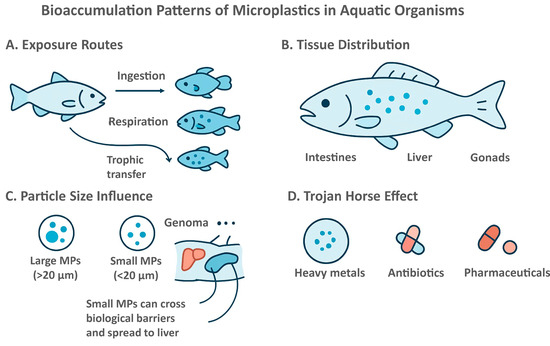
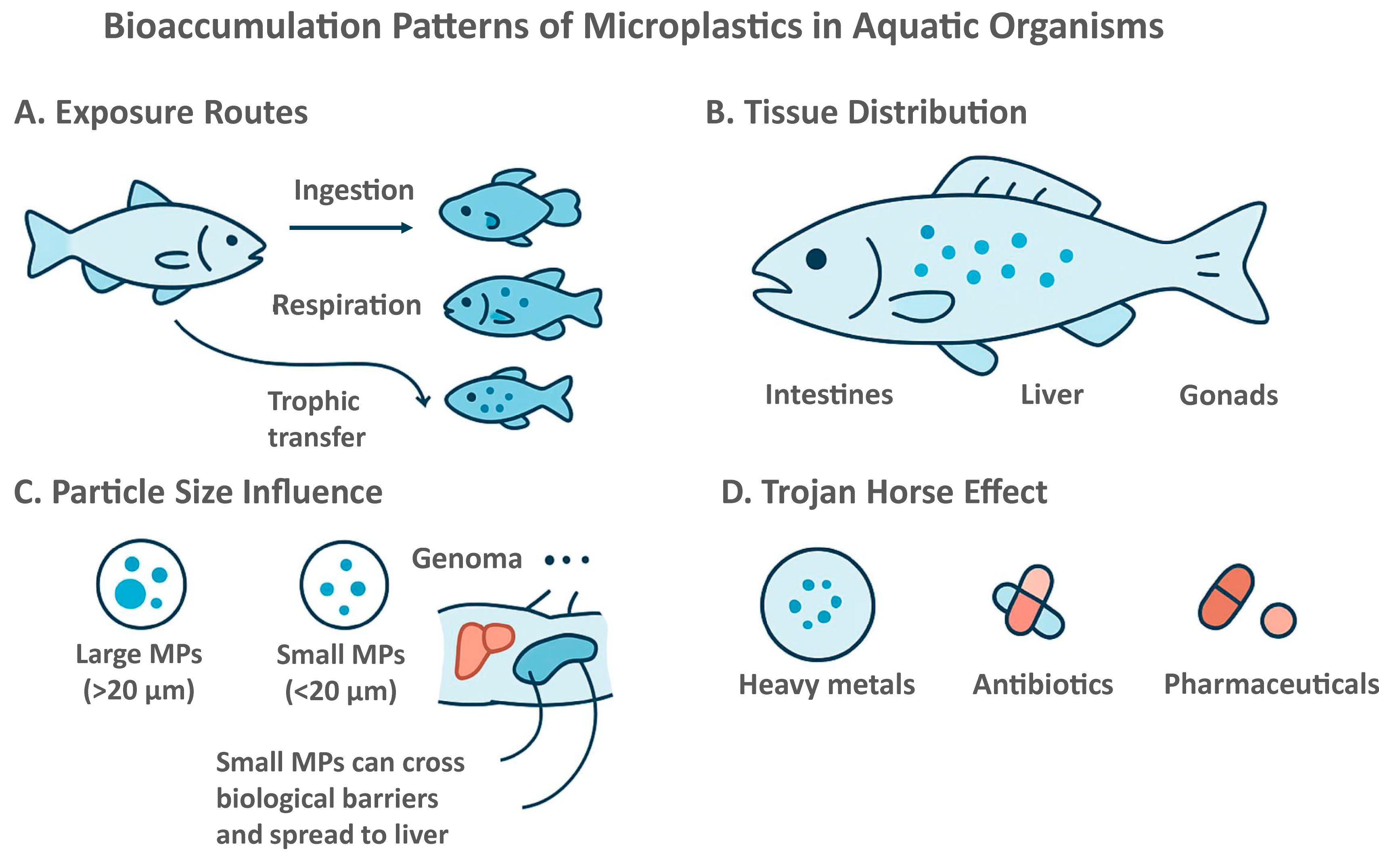
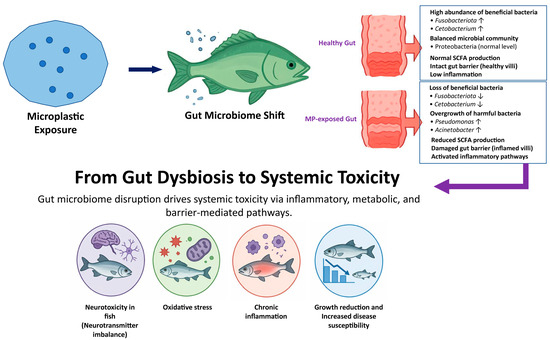
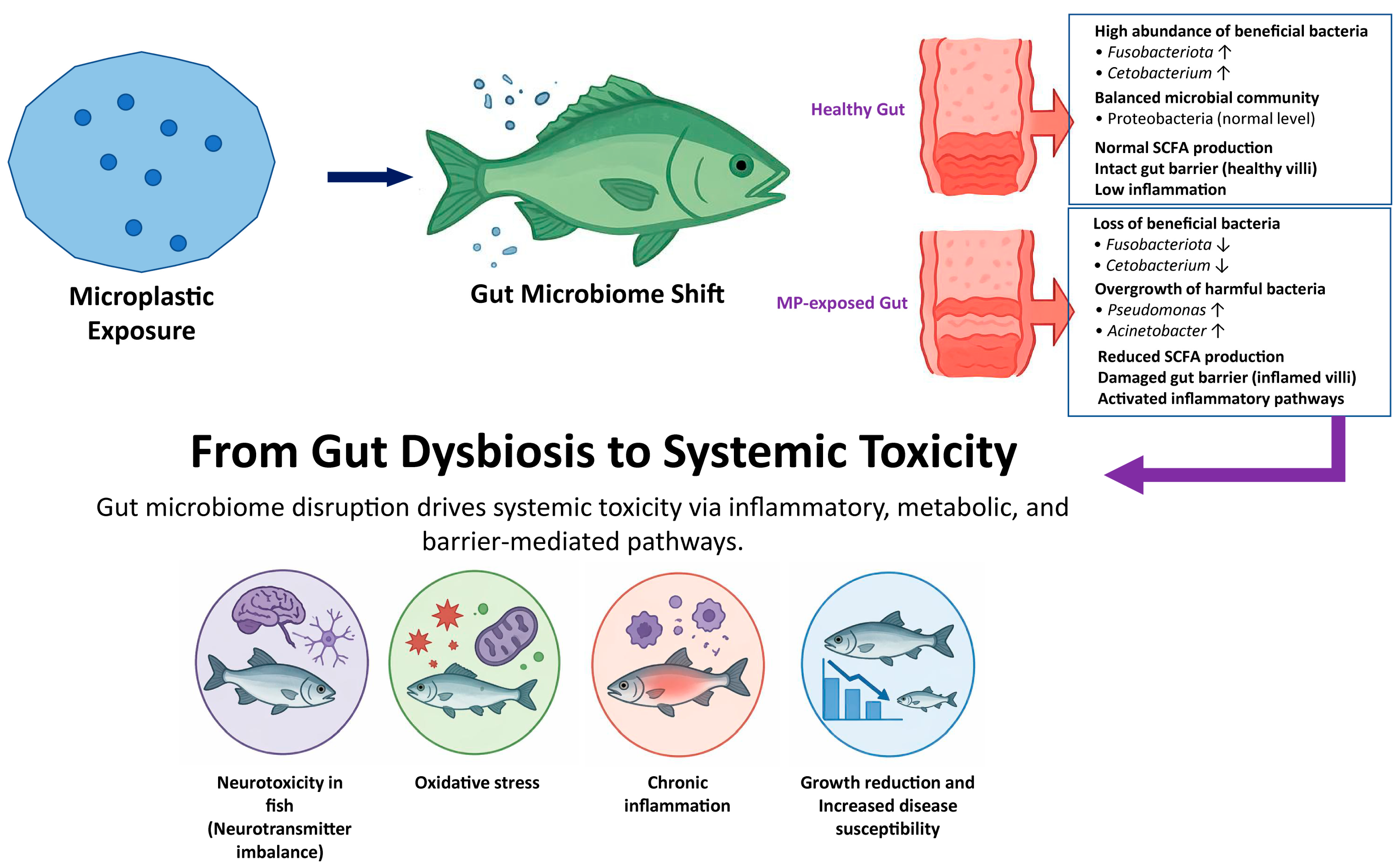
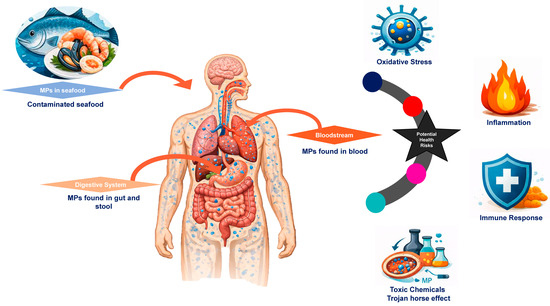
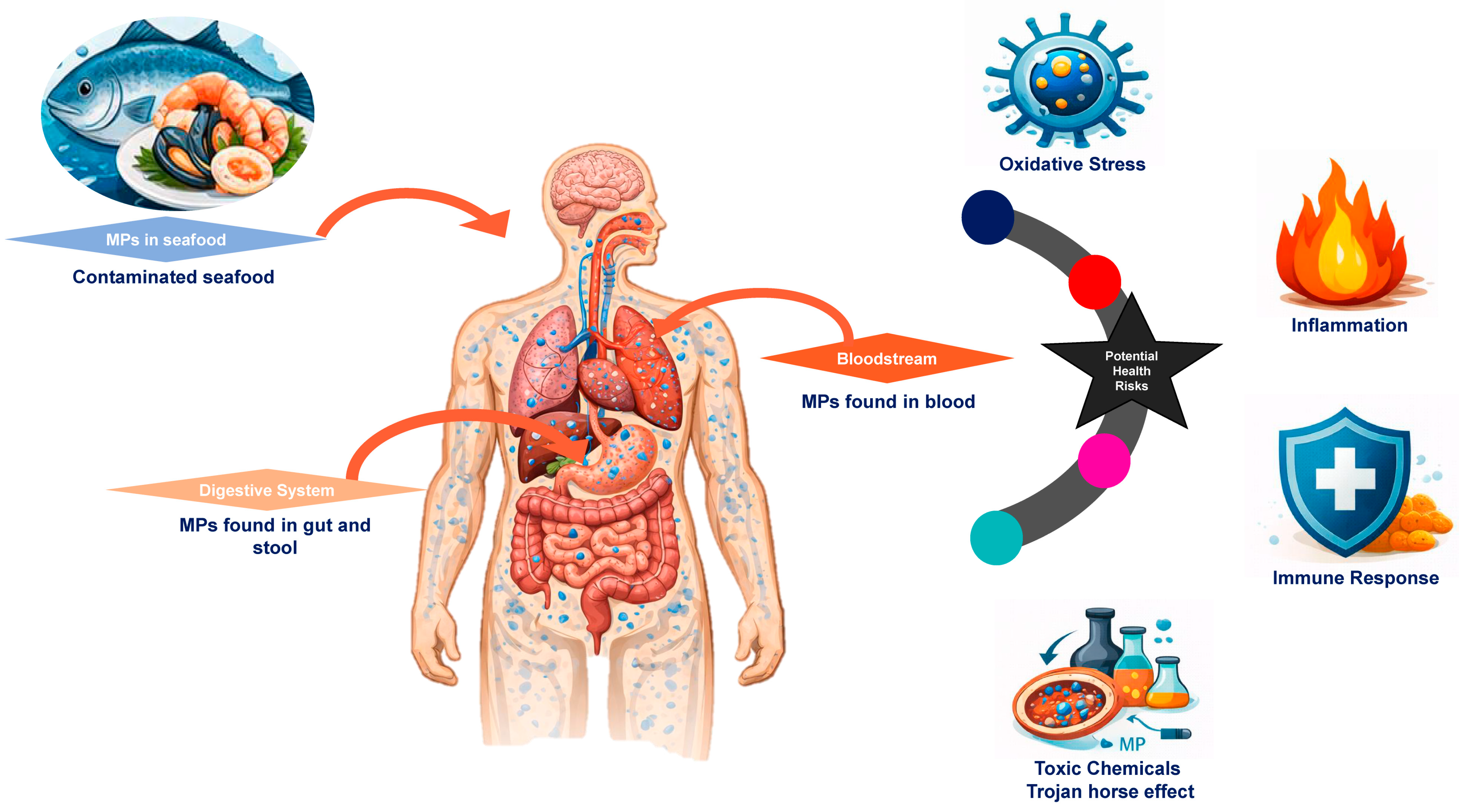
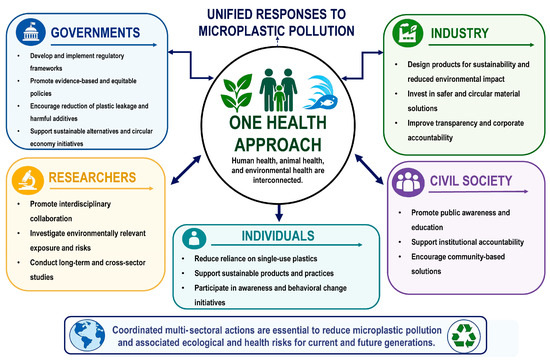
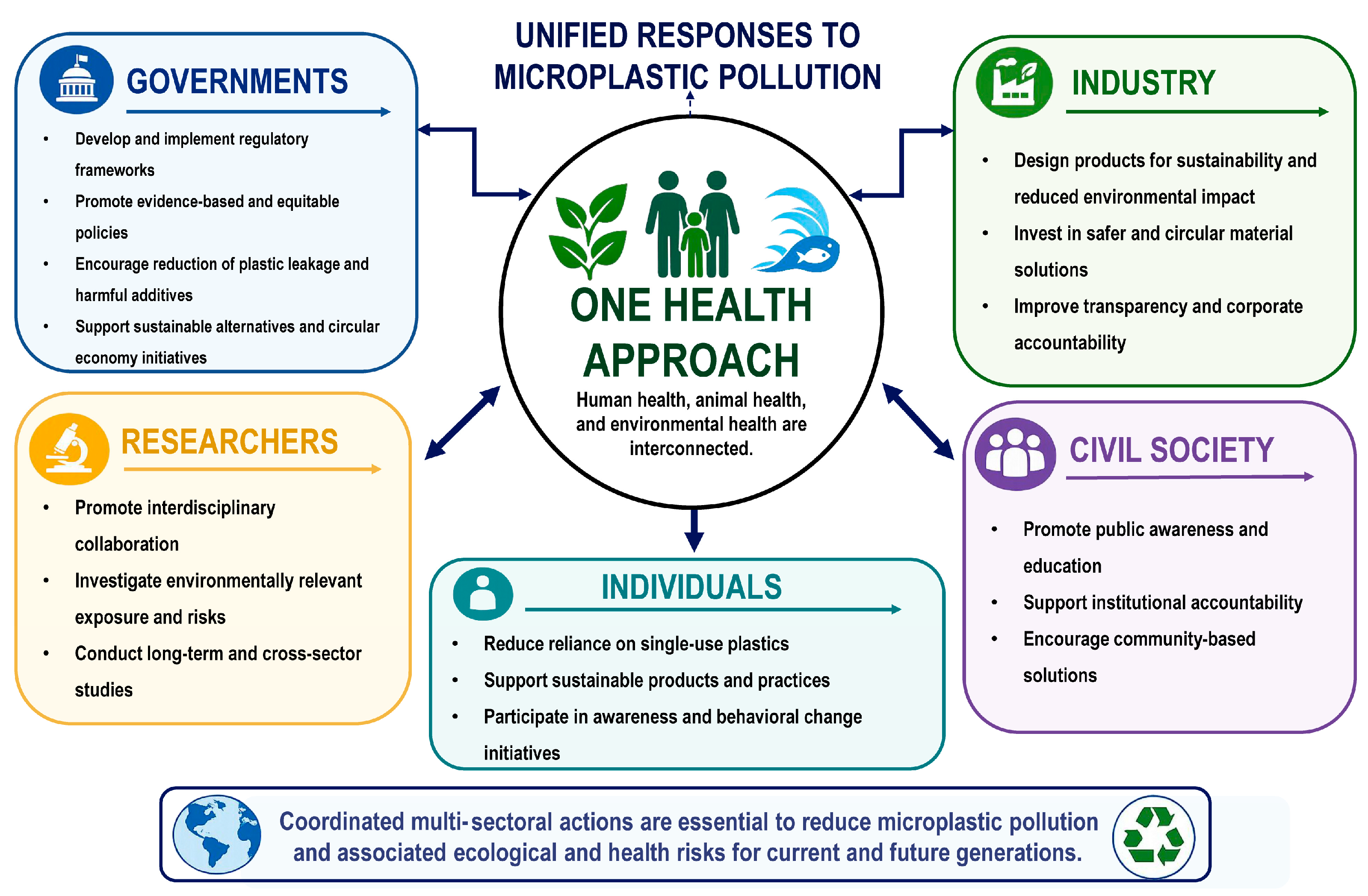

Disclaimer/Publisher’s Note: The statements, opinions and data contained in all publications are solely those of the individual author(s) and contributor(s) and not of MDPI and/or the editor(s). MDPI and/or the editor(s) disclaim responsibility for any injury to people or property resulting from any ideas, methods, instructions or products referred to in the content. |
© 2026 by the authors. Licensee MDPI, Basel, Switzerland. This article is an open access article distributed under the terms and conditions of the Creative Commons Attribution (CC BY) license.