


Abstract
Microplastic pollution is a pervasive and ecologically significant threat to aquatic systems. Zooplankton, as key mediators of energy transfer and carbon cycling, are particularly vulnerable to microplastic ingestion due to size overlap with natural prey. This systematic literature review synthesises 250 peer-reviewed studies on zooplankton–microplastic and nanoplastic interactions, identified through a Web of Science search (403 initial records, 2012–2026) and screened using Preferred Reporting Items for Systematic Reviews and Meta-Analyses criteria. Bibliometric and narrative thematic analyses were conducted to evaluate publication trends, taxonomic coverage, biological endpoints, experimental design, particle characteristics, and geographic distribution. Publication output increased rapidly after 2019, with nanoplastics emerging as a major research focus. The literature is strongly biassed toward model organisms such as Daphnia magna and Artemia salina, with limited representation of marine taxa. Ingestion and oxidative stress are the most studied endpoints, while trophic transfer, carbon flux, and multi-stressor interactions remain underexplored. Reported experimental designs are predominantly laboratory-based and frequently employ supra-environmental concentrations and simplified particle types. A major geographic gap is identified for the Black Sea, with minimal coverage and no data for dominant regional species. Future research should prioritise ecologically realistic conditions, broader taxonomic and geographic representation, and integrated multi-stressor approaches to support ecosystem-based management. This review characterises publication patterns and knowledge gaps; it does not constitute a formal evidence synthesis, and frequency distributions reflect research coverage rather than strength of evidence.
1. Introduction
The accumulation of microplastic and nanoplastic particles in aquatic environments represents one of the most pervasive and ecologically consequential forms of environmental contamination of the twenty-first century. Global plastic production has exceeded 400 million tonnes per year, and an estimated 8–12 million tonnes enter the oceans annually through riverine transport, coastal runoff, and atmospheric deposition [1,2,3]. Once in the aquatic environment, larger plastic items undergo progressive physical, chemical, and biological fragmentation, generating particles in the micro- (<5 mm) and nanometre (<1 µm) size ranges that are now ubiquitous across surface waters, deep-sea sediments, polar ice, and freshwater systems worldwide [4,5,6]. The ecological consequences of this pervasive contamination remain incompletely understood, particularly for the planktonic communities that form the foundation of aquatic food webs.
Zooplankton occupy a pivotal position in aquatic ecosystems as the primary consumers of phytoplankton, the principal prey of fish larvae and other higher predators, and key drivers of the biological carbon pump through the production of sinking faecal pellets and vertical diel migration [7,8,9,10,11]. Copepods alone are estimated to be among the most numerically abundant multicellular animals on Earth [7,12]. The size overlap between microplastic particles and the natural prey items of zooplankton—typically ranging from a few to several hundred micrometres—makes these organisms particularly vulnerable to incidental plastic ingestion [13]. Ingestion of microplastics has been shown to reduce feeding rates and energy assimilation, suppress fecundity and hatching success, induce oxidative stress responses, and alter moulting and development across a broad range of taxa, including marine copepods, freshwater cladocerans, euphausiids, rotifers, and larval stages of benthic invertebrates [14,15,16,17].
Beyond direct physiological effects, zooplankton mediates the transfer of microplastics to higher trophic levels through predation, a process documented across copepod-to-fish, copepod-to-jellyfish, and krill-to-seabird pathways [18,19]. Chemical contaminants adsorbed to plastic surfaces—including persistent organic pollutants, heavy metals, and plastic additives—may be transferred and bioaccumulated along these trophic pathways, amplifying the ecological risk beyond direct physical effects [20]. The interaction of microplastics with zooplankton faecal pellet production and sinking dynamics has additional cascading implications for vertical carbon flux and the efficiency of the biological carbon pump [21,22]. Furthermore, microplastic effects do not occur in isolation: real-world exposure involves simultaneous pressures, including elevated temperature, ocean acidification, chemical contaminants, and hypoxia, yet multi-stressor studies remain scarce [20,23].
Several reviews and meta-analyses have synthesised aspects of this literature, examining ingestion across taxa [13,24], ecotoxicological effects in specific groups [25], or the ecological implications of trophic transfer [26]. However, these reviews have typically been qualitative or taxonomically narrow, and none has applied a PRISMA-based bibliometric framework [27] to the full breadth of the zooplankton–microplastics literature. Consequently, the distribution of research effort across taxonomic groups, biological endpoints, study designs, geographic regions, and particle characteristics has not been quantitatively mapped, and the magnitude and pattern of key research gaps—including for understudied endpoints such as trophic transfer, carbon flux, nanoplastic effects, and multi-stressor interactions—remain unassessed at the corpus level.
A particularly striking knowledge gap concerns the geographic distribution of research effort. While the North Atlantic, North Pacific, and polar regions are relatively well represented in experimental literature, semi-enclosed and marginal seas—including the Black Sea—receive disproportionately little attention. The Black Sea, characterised by intense anthropogenic pressure, restricted water exchange, and strong permanent stratification [28,29,30,31] and a distinctive zooplankton community dominated by Acartia clausi, Calanus euxinus, Pleopis polyphemoides, and the invasive ctenophore Mnemiopsis leidyi [11,32,33,34,35], represents an ecologically and regulatory-relevant case study for which no dedicated microplastic ecotoxicology data currently exist. This gap has direct implications for the implementation of the EU Marine Strategy Framework Directive’s Good Environmental Status targets in this region [10,36].
The present study addresses these gaps through a systematic literature review combining bibliometric analysis and narrative thematic synthesis of 250 peer-reviewed articles retrieved from the Web of Science Core Collection (2012–2026), applying PRISMA screening principles and a structured keyword-based classification framework [27] to characterise current knowledge across taxonomic coverage, biological endpoints, study designs, particle characteristics, geographic distribution, and publication trends.
The specific objectives of this review are:
- (i)
- to characterise the temporal growth and thematic evolution of zooplankton–microplastics research over the period 2012–2026.
- (ii)
- to identify the zooplankton taxa and species most and least studied in relation to microplastic exposure.
- (iii)
- to evaluate the biological endpoints, study designs, and particle characteristics used across the literature and assess their ecological relevance.
- (iv)
- to map the geographic distribution of research effort and explicitly quantify the knowledge gap for the Black Sea; and
- (v)
- to synthesise the identified research gaps into a set of priorities for future investigations, with reference to Black Sea zooplankton communities.
2. Materials and Methods
This systematic literature review was conducted in accordance with the Preferred Reporting Items for Systematic Reviews and Meta-Analyses (PRISMA) guidelines [27]. The review protocol was designed to provide a comprehensive and reproducible overview of the published scientific literature on interactions between zooplankton and microplastic/nanoplastic pollution, with emphasis on biological effects, experimental design, taxonomic coverage, and geographic distribution of research effort. This review was not pre-registered. The completed PRISMA 2020 checklist and PRISMA 2020 for Abstracts checklist are provided as Supplementary Tables S1 and S2.
Because the present study was designed as a systematic literature review combining bibliometric analysis and thematic synthesis of a heterogeneous literature corpus—including experimental ecotoxicology studies, field observations, monitoring investigations, and modelling studies—no formal individual study quality appraisal or risk-of-bias assessment was undertaken, as a uniform evaluation framework was not considered methodologically appropriate. Consequently, the reported frequency distributions reflect thematic research coverage and publication patterns rather than the evidentiary strength of specific toxicological outcomes.
2.1. Literature Search Strategy
A systematic literature search was conducted in the Web of Science (WoS) Core Collection on 20 March 2026. The search was performed using the following Boolean query applied to the Title, Abstract, and Keywords (TS) fields:
TS = (
(“microplastic*” OR “micro plastic*” OR “nanoplastic*”)
AND
(zooplankton OR mesozooplankton OR copepod* OR cladocera* OR rotifer*)
)
The literature search was implemented using a Boolean keyword strategy rather than a controlled vocabulary (e.g., MeSH) approach. Controlled vocabulary indexing, such as Medical Subject Headings (MeSH) is primarily associated with PubMed/MEDLINE and is less suited to the environmental science, marine ecology, and ecotoxicology journals that constitute the core of the zooplankton–microplastics literature. Given the interdisciplinary scope of the topic and the use of the Web of Science Core Collection as the primary database, a Boolean keyword strategy based on established terminology was considered the most appropriate approach for broad retrieval of relevant literature. Similar keyword-based approaches are widely used in bibliometric and systematic literature reviews of microplastic pollution research [37,38], supporting the use of this strategy for broad literature retrieval within the WoS Core Collection.
The Web of Science Core Collection was selected as the primary database due to its broad coverage of peer-reviewed journals in marine science, environmental science, and ecotoxicology, as well as its provision of structured bibliometric metadata—including citation counts, author keyword fields, author affiliations, document types, and open-access designations—required for the bibliometric and thematic analyses conducted in this study.
No explicit language restriction was applied during the database search; however, the retrieved corpus consisted exclusively of English-language records.
No date restrictions were applied, and all records indexed in the selected database from inception to the search date were considered eligible for retrieval. Duplicate records within the Web of Science export were screened using DOI matching before title and abstract screening, and no duplicates were identified.
To contextualise the limitations of the single-database search strategy, a post hoc sensitivity comparison with Scopus was conducted and is described in Section 2.6.
2.2. Screening and Eligibility Criteria
2.2.1. Open Access and Publication Filter
Before relevance screening, all retrieved records were filtered according to publication accessibility and publication status. Records designated in the Web of Science Open Access field as “Green Submitted only”, indicating availability solely as submitted manuscript versions or preprints without a corresponding final peer-reviewed published article, were excluded (n = 62). A single record classified as “Green Accepted” without a clearly accessible final published version was assessed individually and excluded on the same basis. This filtering step ensured that the analytical corpus consisted exclusively of final peer-reviewed published versions, rather than preprints or submitted manuscripts of uncertain editorial status. Records designated as Gold Open Access, Hybrid Open Access, Bronze Open Access, or Green Published were retained, as these categories indicate availability of a published article version accessible for screening and verification. Following this filtering step, 341 records were retained for title and abstract screening.
The retrieved corpus consisted exclusively of English-language records, although no explicit language restriction was applied during the search process. The implications of this characteristic, together with the methodological constraint of restricting the review to open-access literature, are acknowledged and discussed in the Limitations section.
2.2.2. Title and Abstract Screening
Title and abstract screening were conducted by the sole author (E.B.) to assess each record against the predefined inclusion and exclusion criteria and determine its relevance to the review objectives. As this was a single-author review, independent duplicate screening was not performed; this is acknowledged as a methodological limitation and discussed in the Limitations section (Section 2.6).
Articles were classified into three categories:
- (i)
- Core relevant—studies explicitly investigating interactions between zooplankton (as experimental organisms or within field samples) and microplastics or nanoplastics (n = 244);
- (ii)
- Borderline relevant—studies examining the effects of plastic leachates or anthropogenic particles on zooplankton, retained due to their direct biological relevance (n = 6);
- (iii)
- Off-topic—studies focusing on fish, molluscs, benthic macroinvertebrates, sediment distribution, plastic transport modelling, or other topics without direct zooplankton–microplastic data (n = 91), which were excluded.
Both core and borderline relevant studies were retained, resulting in a final analytical corpus of 250 published articles. The study selection process is summarised in the PRISMA flow diagram (Figure 1).
Figure 1.
PRISMA flow diagram illustrating the study selection process.
The inclusion and exclusion criteria applied during the screening process are summarised in Table 1.
Table 1.
Inclusion and exclusion criteria applied during study selection.
2.3. Data Extraction
Data extraction was conducted for the 250 included articles using a structured keyword-based classification approach combined with targeted manual verification. Bibliometric metadata were obtained directly from Web of Science-exported full records (xls format).
Thematic variables, including taxonomic groups, biological endpoints, study design, particle characteristics, and geographic coverage, were derived through systematic keyword searches applied to concatenated title, abstract, and author keyword fields. The complete keyword dictionaries used for thematic classification are provided in Supplementary Table S4.
Quantitative experimental parameters, including exposure concentrations and particle size ranges, were extracted from abstract text using regular expression-based pattern matching, with manual review of ambiguous cases to ensure consistency and accuracy.
Where abstract-level information was incomplete or unclear, the corresponding full text was consulted to clarify classification decisions and finalise data extraction. As this was a single-author review, no independent duplicate data extraction or inter-reviewer validation was performed; this is acknowledged as a methodological limitation (see Section 2.6).
All extracted data were organised in a structured spreadsheet to support the bibliometric and thematic analyses conducted in this study. The complete reference list of the 250 included studies is provided as Supplementary Table S3. The variables extracted from each study, their thematic classification categories, and corresponding data sources are summarised in Table 2.
Table 2.
Variables extracted from the included studies, thematic classification categories, and corresponding data sources used in bibliometric and thematic analysis.
To ensure transparency and reproducibility, the complete keyword dictionaries used for all thematic classification dimensions are provided in Supplementary Table S4.
2.3.1. Taxonomic and Species Classification
Zooplankton taxonomic groups were assigned by searching for standardised genus- and group-level terms in the concatenated title, abstract, and keyword fields of each record. A hierarchical classification was applied: articles were first assigned to the lowest available taxonomic level (species or genus) and then aggregated to the group level (e.g., Copepoda, Cladocera, Rotifera). Articles mentioning “zooplankton” in a general context without naming specific taxa were classified as “General/Mixed zooplankton”. Multiple group assignments were permitted per article where relevant. Species identification was performed using a curated list of 27 taxa covering the most ecologically important and commonly studied zooplankton groups across marine and freshwater systems.
2.3.2. Endpoint Classification
Eight biological endpoint categories were defined a priori based on the established ecotoxicological literature on microplastic effects [13]: (1) ingestion/uptake, (2) survival/mortality, (3) reproduction and fecundity, (4) growth and development, (5) oxidative stress, (6) behaviour, (7) trophic transfer and bioaccumulation, and (8) faecal pellet dynamics and carbon flux. Each abstract was screened for the presence of keyword strings associated with each endpoint. Multiple endpoints were assigned by article, where applicable.
2.3.3. Concentration and Particle Size Extraction
Exposure concentration values were extracted from abstracts using regular expression pattern matching targeting numeric values followed by the unit strings “mg/L”, “mg L − 1”, “particles/L”, “particles L − 1”, “µg/L”, and “ng/L”. Particle size values were extracted by searching for numeric strings in proximity (within 50 characters) to the terms “diameter”, “particle size”, “microsphere”, “bead”, or “sphere”, as well as standalone numeric values followed by “nm” (converted to µm by dividing by 1000) or “µm”. Extracted values were binned into predefined size and concentration categories for analysis. Values that could not be unambiguously attributed to experimental particle parameters (e.g., numeric values associated with mesh sizes or measurement instruments) were excluded from the size and concentration analyses.
2.3.4. Validation of Keyword-Based Classifications
To assess the consistency and reliability of the thematic classification framework, a 10% subsample of the included studies (25 of 250 articles) was selected for full-text consistency checking.
Each selected article was re-examined at the full-text level, and the original thematic classifications derived from title, abstract, and author keyword information were compared against the complete publication. Validation covered the principal thematic dimensions used in the bibliometric analysis, including taxonomic group, biological endpoints, study design, study environment, geographic region, and particle characteristics.
Where abstract-level reporting was incomplete or ambiguous, the full text was used to clarify classifications and confirm data extraction decisions. In most cases, abstract-level classifications were confirmed without amendment; discrepancies were identified principally in studies where experimental parameters—including particle size ranges, exposure concentrations, or geographic context—were reported exclusively in the methods or results sections of the full text rather than in the abstract. These cases were corrected accordingly. This consistency check was conducted by the sole author and therefore does not constitute independent external validation; it provides a partial internal assessment of classification reliability while confirming the inherent limitations of abstract-based categorisation where methodological details were incompletely reported.
2.4. Bibliometric and Thematic Analysis
2.4.1. Bibliometric Analysis
Temporal trends in publication output were analysed by tabulating annual article counts across the full study period (2012–2026). Publication data for 2026 represent a partial year and are flagged accordingly in all figures. The annual share of nanoplastics-focused articles was calculated as the proportion of articles per year containing “nanoplastic*” in the title, abstract, or keywords. Journal productivity was assessed by ranking source titles by article count. Citation analysis was performed using the “Times Cited, WoS Core” field from the exported metadata.
2.4.2. Keyword Co-Occurrence Analysis
Author keywords were extracted from the “Author Keywords” WoS field and normalised to resolve common variant forms (e.g., “microplastic” and “microplastics” were merged; “copepod” and “copepods” were merged). Stop words and single-character strings were removed. Co-occurrence was defined as the simultaneous presence of two keywords in the same article record. A co-occurrence matrix was constructed for the top 25 keywords by frequency, and pairwise co-occurrence counts were calculated for all keyword pairs present in at least two articles. The resulting network was visualised using VOSviewer [39], with node size proportional to keyword frequency and edge weight proportional to co-occurrence count.
Thematic clustering of the keyword network was performed by visual inspection of the resulting graph. Nodes were assigned to clusters based on the density of co-occurrence connections and the semantic coherence of the grouped terms, following established practice in bibliometric keyword network analysis [39]. No automated community detection algorithm was applied.
2.4.3. Geographic Coverage Analysis
Geographic coverage was assessed by searching for sea- and region-specific terms in concatenated title and abstract fields. Eight geographic categories were defined: Mediterranean Sea, Arctic/Antarctic, NE Atlantic, Pacific Ocean, Baltic Sea, Black Sea, Indian Ocean, and freshwater systems. Multiple geographic assignments were permitted per article. Articles without explicit geographic references (e.g., purely laboratory-based studies) were not assigned to any region.
2.4.4. Environmental Relevance Assessment
Experimental concentrations were benchmarked against published environmental monitoring data for microplastic concentrations in marine and coastal waters. A threshold of 10 mg/L was used as a conservative upper estimate of environmentally plausible concentrations in heavily impacted coastal systems [37,38]. This threshold was chosen to encompass the elevated concentrations reported in nearshore hotspot environments, including estuaries, harbours, and heavily industrialised coastal zones, while remaining well below extreme laboratory exposure levels. In contrast, microplastic concentrations in open-ocean environments are generally much lower, typically ranging from 0.001 to 1 mg/L. Studies reporting concentrations above this threshold were classified as using “supra-environmental” exposure conditions. This classification is indicative and intended to contextualise the ecological relevance of experimental findings rather than to exclude studies from the analysis.
2.5. Software and Reproducibility
All bibliometric indicators were extracted from the WoS full-record export and tabulated by systematic keyword-based classification applied to title, abstract, and author keyword fields. Keyword co-occurrence analysis was performed on the 25 most frequent author keywords, with a minimum co-occurrence threshold of two article pairs, and the resulting network was visualised using VOSviewer version 1.6.20 [39]. All bibliometric figures were produced using RAWGraphs version 2.0 [40], an open-source data visualisation platform. The complete list of included studies is provided as Supplementary Table S1.
2.6. Limitations of the Approach
First, the literature search was restricted to the Web of Science Core Collection, selected for its comprehensive and consistently structured bibliometric metadata. A post hoc sensitivity comparison with Scopus (Elsevier), conducted on 22 May 2026 using the same search strategy and open-access filter, retrieved 309 records, of which 206 (66.7%) were already present in the WoS corpus. Of the 103 Scopus-only records, 50 were identified as potentially eligible following title and abstract screening; these addressed themes already represented within the WoS corpus and are unlikely to have materially altered the principal thematic conclusions. Notably, no Black Sea zooplankton–microplastic studies were identified among the Scopus-only records, corroborating the geographic gap identified in Section 3.8 as a genuine gap in the published literature rather than a database coverage artefact. Future updates would benefit from a multi-database search strategy.
Second, thematic classification and quantitative parameter extraction were based primarily on title, abstract, and author keyword information rather than full-text extraction across the entire corpus. While appropriate for large-scale bibliometric mapping, this introduces reporting bias: incompletely described studies may be underrepresented, and laboratory studies conducted on organisms sourced from a specific region were classified as “Not specified” where geographic context was absent from abstract-accessible metadata, potentially underestimating the regional representativeness of the corpus. This was particularly relevant for experimental parameters, as only 76 of 250 studies (30.4%) reported extractable concentration values and 79 (31.6%) reported particle size data in abstract-accessible metadata; the values presented therefore represent partial and potentially biassed subsets of the corpus.
Finally, screening, thematic classification, and data extraction were conducted by a single reviewer, which precludes independent inter-rater reliability assessment and may introduce subjective judgement in borderline decisions. This limitation is partially mitigated by the targeted full-text consistency check described in Section 2.3.4, which confirmed general classification reliability, and by the systematic audit of the full classification matrix (Supplementary Table S3) conducted before resubmission, resulting in reclassifications across four analytical dimensions—biological endpoints, study design, geographic region, and taxonomic groups.
3. Results
Unless otherwise stated, thematic frequency distributions reported in this section—including taxonomic coverage, biological endpoints, study design, particle characteristics, and geographic distribution—are derived primarily from structured keyword-based classification of title, abstract, and author keyword fields, with targeted full-text verification where clarification was required. Consequently, some variables may be underrepresented where methodological or contextual details were not explicitly reported in abstract-accessible metadata. The relevant methodological limitations are discussed in Section 2.6.
3.1. Publication Trends and Temporal Dynamics
The annual publication output of zooplankton–microplastic research showed clear exponential growth over the study period (Figure 2). A total of 250 published articles were retained in the final corpus following screening, spanning the years 2012 to 2026. Output was minimal in the early years of the period, with fewer than five articles published annually between 2012 and 2016. A gradual increase was observed from 2017 onwards, followed by a sharp acceleration after 2019, with annual output nearly doubling between 2021 (n = 22) and 2022 (n = 38) and reaching a peak of 52 articles in 2024. Publication data for 2026 represents a partial year (n = 14) and should be interpreted accordingly.
Figure 2.
Annual publication output by environment type. Stacked bar chart showing the number of articles per year by study environment (marine, freshwater, both). 2026* = partial year data.
Marine studies consistently dominated the corpus throughout the study period, accounting for 65% of all articles (n = 162). Freshwater research, predominantly driven by laboratory studies using the cladoceran model D. magna, grew disproportionately from 2019 onwards, reaching 11 articles in both 2022 and 2024. Studies simultaneously addressing marine and freshwater systems represented 13% of the corpus (n = 33) and became more frequent from 2022 onwards, reflecting an increasing interest in comparative or multi-environment approaches.
Nanoplastics emerged as a distinct and rapidly growing research sub-topic within the corpus. While articles addressing nanoplastics were rare before 2022 (≤3 per year), their annual share increased markedly to 48% of 2025 output (12 out of 25 articles; Figure 3). This trend reflects growing recognition that nanoplastics may exert distinct toxicological mechanisms compared to microplastics, including enhanced cellular uptake and more severe oxidative stress responses.
Figure 3.
Annual share (%) of nanoplastics-focused articles within the corpus (2015–2026). Percentage of articles per year containing “nanoplastic*” in title, abstract, or keywords. Values for 2026* are based on partial-year data.
3.2. Keyword Co-Occurrence and Thematic Clustering
Analysis of author keywords across the 250 articles identified three main thematic clusters in the keyword co-occurrence network (Figure 4). The first and most densely connected cluster was centred on the terms microplastics, zooplankton, ingestion, and copepods, reflecting the dominant research focus on particle uptake by marine crustacean zooplankton. The second cluster was organised around D. magna, toxicity, reproduction, and chronic toxicity, representing a distinct freshwater ecotoxicology cluster anchored to standardised bioassay methodology. The third, more peripheral cluster linked nanoplastics, ecotoxicity, and oxidative stress, reflecting the emerging mechanistic sub-field focused on sub-lethal and molecular-level responses to nanoscale particles.
Figure 4.
Author keyword co-occurrence network based on the 21 most frequent keywords across the 250 included articles. Node size is proportional to keyword frequency; edge thickness is proportional to the number of articles in which two keywords co-occur. Colours indicate thematic clusters identified by visual inspection: navy/blue = Cluster 1 (core topic: microplastics–zooplankton interactions); teal = Cluster 2 (freshwater ecotoxicology, Daphnia-centred); violet = Cluster 3 (nanoplastics and molecular-level responses); amber = peripheral themes (trophic transfer, faecal pellets, food web, climate change); red = particle characteristics (polymer types, microfibres).
Notably, the terms trophic transfer (n = 7), faecal pellets (n = 4), food web (n = 4), and climate change (n = 4) appeared at the network periphery with weak co-occurrence connections, indicating that ecosystem-level processes and multi-stressor interactions remain underexplored themes relative to the core focus on single-organism ingestion and toxicity responses.
3.3. Taxonomic Coverage and Species-Specific Research
Copepoda (n = 72) and Cladocera (n = 61) were the most studied zooplankton groups across the corpus (Figure 5). Meroplankton and larval stages (n = 44) and Rotifera (n = 26) were also well represented. In contrast, gelatinous zooplankton (n = 8), Chaetognatha (n = 6), Amphipoda (n = 4), and Appendicularia (n = 1) were critically understudied relative to their ecological importance in marine food webs. A substantial proportion of articles (n = 68) addressed zooplankton communities in general terms without resolving the analysis to the taxonomic group level.
Figure 5.
Zooplankton taxonomic groups studied across the screened corpus (N = 250). The horizontal bar chart shows the number of articles per zooplankton group. Multiple groups may be represented in a single article.
At the species level, D. magna was the most studied organism in the corpus, appearing in 47 articles (19% of all included studies; Figure 6). This reflects the widespread use of D. magna as a standardised freshwater model organism in ecotoxicology, rather than its ecological representativeness of marine zooplankton communities. The second most studied non-copepod species was Artemia salina (n = 18), a brine shrimp rarely encountered in natural open-sea conditions. Among marine copepods, Acartia tonsa (n = 10) was the most frequently studied species, followed by Calanus helgolandicus and Calanus spp. (n = 6 each). Species characteristic of the Black Sea zooplankton community, including A. clausi (n = 1), P. polyphemoides, and N. scintillans, were essentially absent from the corpus.
Figure 6.
Most studied zooplankton species and taxa across the corpus (N = 250 articles). Bars are colour-coded by higher taxonomic group. Multiple species may be represented within a single article.
3.4. Research Endpoints and Biological Organisation Levels
Ingestion and uptake were the most frequently investigated biological endpoints across the corpus (n = 124; Figure 7), followed by oxidative stress (n = 93), trophic transfer (n = 79), and survival/mortality (n = 67). Growth and development (n = 60), reproduction and fecundity (n = 55), and behaviour (n = 41) were moderately represented. Faecal pellet dynamics and carbon flux, which are central to understanding microplastic effects on ocean biogeochemical cycling, were investigated in only 34 articles—fewer than any other endpoint category despite their documented relevance to vertical carbon export.
Figure 7.
Biological endpoints investigated and organisation levels studied (N = 250). Left: horizontal bar chart of endpoint frequency; red bars indicate comparatively underrepresented ecologically relevant endpoints. Data derived from structured thematic classification of title, abstract, and author keyword fields.
3.5. Research Design, Methodological Approaches, and Multi-Stressor Studies
Regarding the biological organisation level at which effects were measured, individual-organism responses were most frequently reported (n = 151), followed by community- and ecosystem-level analyses (n = 139), sub-cellular and molecular responses (n = 100), and population-level effects (n = 91; Figure 8). The relative underrepresentation of population-level studies is notable, as chronic population-level effects—including changes in generation time, cohort survival, and life history parameters—are ultimately the most ecologically meaningful metrics for assessing microplastic impact on zooplankton communities.
Figure 8.
Study design, distribution and multi-stressor study frequency (N = 250). (Left): doughnut chart of study design categories (laboratory, field, modelling, lab + field). (Right): doughnut chart showing the proportion of single stressor vs. multi-stressor studies. Multi-stressor studies included those examining temperature, salinity, pH, heavy metals, or pesticide co-exposure.
Laboratory-only experimental studies constituted the largest single category of study designs in the corpus (n = 125; 50%; Figure 8). Field-based studies (n = 57; 23%) were outnumbered by modelling studies (n = 47; 19%), indicating a significant deficit in naturalistic, in situ observations of microplastic–zooplankton interactions under ecologically relevant conditions. Combined laboratory and field approaches (n = 21) represented 8% of the corpus (Figure 8).
Multi-stressor studies—examining microplastic exposure in combination with other environmental stressors such as elevated temperature, altered salinity, ocean acidification, heavy metals, or pesticides—accounted for only 62 articles (23%; Figure 8). This represents a critical methodological gap given that zooplankton in impacted coastal systems, including the Black Sea, are simultaneously exposed to multiple co-occurring stressors and that interactive effects between microplastics and climate change variables may substantially modify toxicological outcomes.
3.6. Particle Characteristics: Polymer Types and Shapes
Polystyrene (PS; n = 66) was the most frequently used polymer in experimental studies within the corpus, slightly exceeding polyethylene (PE; n = 49; Figure 9). Polypropylene (PP; n = 15), polyester/PET (n = 14), and microfibres (n = 15) were each represented in approximately 6% of studies. Notably, polyamide/nylon (n = 11), PVC (n = 4), and biodegradable polylactic acid (PLA; n = 5) were infrequently examined, despite their environmental relevance. The dominance of PS in experimental designs reflects its commercial availability in monodisperse fluorescent microsphere form rather than its proportional abundance in the marine environment, where PE and PP fragments typically predominate.
Figure 9.
Polymer types and particle shapes used in experimental studies. (Left): frequency of polymer types reported in studies that explicitly identified particle composition. Red bars indicate polymer types that are underrepresented relative to their environmental abundance. (Right): frequency of particle shapes reported in studies that specified particle morphology.
In terms of particle shape, spheres/beads (n = 51), fragments (n = 49), and fibres (n = 49) appear at comparable frequencies across the corpus (Figure 9). However, spherical particles—which are easier to manufacture and characterise but rare in environmental samples—remain overrepresented in controlled laboratory exposures. Films (n = 8) and pellets (n = 7) were rarely used in experimental designs.
It should be noted that 114 articles (45.6% of the corpus) did not mention any specific polymer type in their title, abstract, or keywords and are, therefore, not represented in Figure 9. These are predominantly field monitoring, distribution, and general ecotoxicology studies that address microplastics without specifying polymer composition. The values presented reflect only the subset of articles that explicitly name polymer types, and the total count of polymer-type mentions (n = 179 across 136 articles) exceeds the number of articles because multiple polymer types may be reported within a single study.
Similarly, particle shape was not specified in 134 articles (53.6% of the corpus). The shapes presented in Figure 9 (right panel), spheres/beads (n = 51), fragments (n = 49), and fibres (n = 49) reflect only the 116 articles that explicitly described particle morphology in their abstract. The sum of shape mentions (n = 157) again exceeds the number of shape-reporting articles because some studies tested multiple morphotypes simultaneously.
3.7. Experimental Concentrations and Particle Sizes
Exposure concentrations varied across several orders of magnitude among studies in the corpus. Of 76 concentration values in mg/L extracted from experimental abstracts, the median was 5.0 mg/L, and the mean was 68.4 mg/L, reflecting a strongly right-skewed distribution with a small number of studies using very high concentrations (Figure 10). Only 30% of extracted values (n = 22) fell below 1 mg/L—a broadly consistent threshold with elevated but ecologically plausible concentrations in contaminated coastal waters. Three studies reported concentrations exceeding 1000 mg/L, which are unlikely to occur in any natural environment and may induce toxicological effects through physical clogging mechanisms rather than ecologically relevant biochemical pathways.
Figure 10.
Distribution of exposure concentrations and concentration reporting units. (Left): frequency distribution of extractable experimental exposure concentrations reported in mg/L (n = 76 values). Colours indicate environmental relevance relative to the 10 mg/L threshold used in this study (teal = environmentally relevant; orange/red = supra-environmental exposure conditions). (Right): distribution of concentration reporting units used among studies that reported extractable concentration data.
Regarding concentration reporting units, mg/L (n = 76) and particles/L (n = 48) were both widely used across the corpus, with only limited use of µg/L and ng/L for lower-concentration nanoplastics studies (Figure 10). The absence of standardised concentration reporting units across studies constitutes a major impediment to quantitative cross-study comparisons and meta-analysis in this field.
Concentration values were extracted from abstract-level reporting using structured pattern matching, with manual verification where clarification was required. Studies that reported experimental concentrations only in the full-text methods or results sections were not included in this quantitative analysis. Of the 250 included articles, only 76 contained an extractable mg/L value in the abstract and 48 a particles/L value, meaning that quantitative concentration data were recoverable for approximately 49.6% of the corpus. The remaining articles either used non-quantitative descriptions, presented field monitoring data without controlled experimental exposures, or were modelling papers. This extraction approach provides an indicative but non-exhaustive characterisation of reported experimental concentration ranges.
Particle size data were the least consistently reported parameter in abstract text, with only 79 articles (31.6% of the corpus) containing an extractable size value. The values presented in Figure 10 thus represent a partial and potentially biassed sample, as studies that explicitly state particle sizes in their abstract may disproportionately represent those where size was a primary experimental variable. Studies using size ranges typical of environmental microplastic assemblages may be underrepresented if size information was only reported in the methods section of the full text.
Particle sizes used in experimental studies ranged from the nanometre scale to several hundred micrometres. The most frequently tested size range was 1–10 µm (n = 30), consistent with the size class most readily ingested by the copepods and cladocerans that dominate the corpus (Figure 11). Particles in the 10–500 µm range (n = 46 combined) were also well represented, while nanoscale particles below 1 µm (n = 24) have become increasingly tested in recent years, consistent with the growth of nanoplastics research identified in Section 3.1. Larger particles (>500 µm) were rarely used in exposure experiments (n = 8).
Figure 11.
Particle size distribution in experimental studies. Bar chart of particle size bins (µm) extracted from experimental abstracts. Sizes derived from diameter or size context mentions (n = 108 values). Violet bars = nanoplastic range; navy/blue = microplastic range, most relevant for zooplankton ingestion.
3.8. Geographic Coverage and Knowledge Gaps
Freshwater systems were the most frequently addressed geographic context in the screened corpus (n = 56), driven by the large proportion of studies using D. magna and other freshwater model organisms in laboratory settings (Figure 12). Among marine regions, the Mediterranean Sea and the Arctic/Antarctic were most frequently represented, followed by the Pacific Ocean (n = 13) and the NE Atlantic (n = 13). The Baltic Sea (n = 3), Indian Ocean (n = 2), and Black Sea (n = 3) were the least-covered geographic contexts in the corpus.
Figure 12.
Geographic coverage of published zooplankton–microplastic research (N = 250; n = 128 articles with identifiable geographic context). Horizontal bar chart showing the number of articles per geographic region. Note: articles may be assigned to more than one region; laboratory-based studies without an explicit geographic location are not represented. The Black Sea ⋆ is represented by only 3 articles (1.2% of the total corpus), the lowest coverage among European seas.
The Black Sea was addressed in only 3 published articles within the screened corpus, representing 1.2% of all included studies (Figure 12). These three articles reported on: (i) microplastic ingestion by planktonic larvae of gastropods and bivalves [41]; (ii) microplastics in ichthyoplankton and neuston in Ukrainian Black Sea waters [42]; and (iii) microplastic transport modelling in southeastern Black Sea waters [43]. None of the three articles specifically examined microplastic interactions with the dominant pelagic zooplankton groups characteristic of the Black Sea ecosystem, including A. clausi, P. polyphemoides, P. avirostris, or Noctiluca scintillans. This represents a critical knowledge gap for a semi-enclosed sea characterised by intense anthropogenic pressure, a restricted water exchange regime, and a zooplankton community adapted to the unique hydrological conditions of its distinct water masses.
4. Discussion
The present systematic literature review and bibliometric mapping compiled and analysed 250 published articles addressing the interactions between zooplankton and microplastic or nanoplastic pollution, spanning the period 2012 to 2026. The bibliometric and thematic analysis reveals a research field in rapid expansion but with pronounced structural biases—in terms of the organisms studied, the experimental conditions applied, and the geographic regions covered. The following sections discuss the key findings in the context of the broader literature, examine their implications for ecological risk assessment, and identify the most pressing research priorities.
4.1. Rapid Growth of the Field and the Nanoplastics Transition
The exponential increase in annual publications identified in this review—from a single article in 2012 to 52 in 2024—mirrors the broader trajectory of microplastic research across all environmental compartments and organism groups [44,45]. The inflexion point observed between 2019 and 2020 coincides with the adoption of major regulatory frameworks, including the European Union Single-Use Plastics Directive [46] and the HELCOM Baltic Sea Action Plan revisions [47], which may have stimulated research funding and academic interest in plastic pollution effects on marine biota. A similar growth trajectory has been documented in other bibliometric analyses of microplastic research [48,49], suggesting that external policy drivers are a significant factor in shaping research momentum in this field [50,51].
Particularly notable is the sharp rise in nanoplastics-focused publications observed from 2023 onwards, with nanoplastics accounting for approximately 48% of the 2025 output within this corpus. This shift reflects growing recognition that nanoplastics may differ from larger microplastics in environmental behaviour, bioavailability, and biological interaction pathways. Nanoplastics exhibit a greater specific surface area, enhanced adsorption capacity for organic contaminants, and the ability to cross biological membranes and accumulate in tissues [20,52]. Recent work has demonstrated that nanoplastics can penetrate the digestive epithelia of marine copepods and translocate to somatic tissues, inducing inflammatory and genotoxic responses at concentrations lower than those required to elicit equivalent effects with microplastics [20,53]. The analytical challenges associated with nanoplastic detection and quantification in environmental samples remain significant, and standardised methods for their characterisation are still under development [54], which partly explains the temporal lag between their recognition as an environmental concern and the growth of empirical research.
4.2. Taxonomic Bias and the Dominance of Model Organisms
One of the most striking findings of this review is the overwhelming dominance of D. magna as a study organism, appearing in 47 articles. This reflects the widespread use of D. magna as a standardised model organism in aquatic ecotoxicology, mandated by OECD guidelines and widely used for regulatory risk assessment of chemicals [55]. While D. magna offers clear advantages in terms of genetic homogeneity, short generation time, and ease of laboratory culture, its use as a surrogate for marine zooplankton communities is limited by fundamental biological differences: D. magna is a freshwater filter feeder with a feeding mode and particle size range that differ substantially from marine copepods, euphausiids, or appendicularians. The transferability of D. magna-based toxicity thresholds to marine risk assessment, therefore, requires scrutiny [56,57,58].
Similarly, the high representation of A. salina (n = 18) reflects its commercial availability and established use in bioassays rather than its ecological representativeness. Artemia inhabits hypersaline lagoons and salt pans—environments that are atypical of open marine or coastal systems—and its physiological tolerance to extreme salinity gradients makes it a poor model for the typical osmotic and temperature conditions experienced by copepods in coastal seas [15,59]. Among marine copepods, A. tonsa (n = 10) and C. helgolandicus (n = 6) are the most frequently studied species, consistent with their wide use in ecotoxicological assays and the availability of established culture protocols [14,17]. However, taxa that are ecologically dominant in specific regional seas—including the Black Sea copepods A. clausi, C. euxinus, and P. elongatus, and the cladocerans P. polyphemoides and P. avirostris—are virtually absent from the experimental literature, representing a critical gap that undermines the ecological relevance of existing risk assessments for these ecosystems.
Gelatinous zooplankton, despite their well-documented role as vectors for microplastic trophic transfer [60,61] and the global expansion of jellyfish blooms under eutrophication and warming conditions [35,62,63,64], remain severely understudied. The ctenophore M. leidyi—a keystone predator in the Black Sea ecosystem and one of the most ecologically damaging invasive species in European marine history [65,66,67]—appeared in only one article in the corpus. Appendicularians are similarly neglected, despite their mucous houses being hypothesised as efficient microplastic aggregators that accelerate vertical particle flux [68,69,70,71].
4.3. Endpoints: Ingestion Is Well Documented, Ecosystem Effects Remain Understudied
The dominance of ingestion and uptake as the most studied endpoint is consistent with the intuitive focus on determining whether and at what rates zooplankton consume plastic particles—a prerequisite for all downstream risk assessment. The well-established finding that copepods, cladocerans, and other zooplankton taxa ingest microplastic particles passively alongside natural food, with rates dependent on particle size, shape, concentration, and food availability, is now robustly documented across multiple taxa and polymer types [14,53,72]. Oxidative stress responses (n = 95) are the second most studied endpoint, reflecting the growing mechanistic interest in sub-lethal toxicological pathways, including reactive oxygen species generation, antioxidant enzyme induction, and lipid peroxidation [20,73].
In contrast, trophic transfer (n = 79) and faecal pellet dynamics and carbon flux (n = 34) were the least studied endpoints relative to their ecological importance. Microplastic-contaminated faecal pellets have altered sinking rates compared to uncontaminated pellets, with implications for the efficiency of the biological carbon pump that are only beginning to be quantified [17,74]. Given that zooplankton-mediated carbon export via faecal pellets is estimated to account for a substantial fraction of deep ocean carbon sequestration globally [8,75]. The systemic underrepresentation of this endpoint in the experimental literature represents a significant blind spot in our understanding of microplastic impacts on ocean biogeochemistry. Similarly, the documentation of trophic transfer pathways—from zooplankton to higher trophic levels, including fish larvae, jellyfish, and seabirds—remains fragmentary [18,60,76], and the extent to which plastic-associated chemical contaminants are biomagnified along these pathways is poorly constrained [77,78].
Oxidative stress represents the second most frequently studied endpoint (n = 93), reflecting growing interest in mechanistic sub-lethal responses to microplastic and nanoplastic exposure. Reactive oxygen species (ROS) generation, antioxidant enzyme induction (e.g., superoxide dismutase, catalase, glutathione-S-transferase), and lipid peroxidation have been widely reported in copepods and cladocerans exposed to micro- and nanoplastics [20,73].
Reported effect concentrations vary substantially across taxa, particle types, and exposure conditions, highlighting the methodological heterogeneity of the current literature. For example, Di Giannantonio et al. [79] reported EC50 values of 77.4 mg/L for PVDF microplastics in marine invertebrates, whereas Jaikumar et al. [80] observed marked interspecific sensitivity differences among cladocerans exposed to comparable particles. Das Pramanik et al. [81] reported oxidative stress responses in Artemia at comparatively low concentrations (0.1 mg/L) following exposure to polypropylene microfibres, suggesting that particle morphology may substantially influence toxicity thresholds.
Reproduction and fecundity (n = 55; 22.0% of the corpus) remain comparatively underrepresented despite their direct demographic relevance. Even modest reductions in egg production or hatching success, such as those reported under combined contaminant exposures, may have important implications for population dynamics under chronic exposure conditions [23,80].
4.3.1. Mechanisms of Microplastic–Zooplankton Interaction and Their Toxicological Consequences
Understanding the ecotoxicological effects of microplastics on zooplankton requires consideration of several interacting mechanisms, which can be broadly grouped into physical, chemical, and biological pathways.
Physical interactions primarily involve ingestion, entanglement, or adhesion of plastic particles to feeding appendages or body surfaces. Reported consequences include reduced feeding efficiency, impaired prey detection, gut obstruction, and potential mechanical abrasion of digestive tissues, particularly for irregular or rigid particles [14,17]. These effects are strongly influenced by particle size relative to natural prey dimensions, with smaller microplastics often overlapping with the preferred feeding range of many zooplankton taxa [13].
Chemical interactions may arise through the leaching of plastic-associated additives (e.g., plasticisers, stabilisers, flame retardants) or the desorption of adsorbed environmental contaminants such as persistent organic pollutants and trace metals during gut passage. This so-called “Trojan horse” mechanism has been proposed as a pathway through which plastics may act as contaminant vectors [20,73], although its quantitative contribution relative to direct particle effects remains uncertain and context-dependent [72,82].
Biological interactions include indirect effects on physiological and ecological processes, such as disruption of gut microbial communities, altered immune responses, and trophic transfer through pelagic food webs. Zooplankton may facilitate the transfer of ingested particles to higher trophic levels through predation or via contaminated faecal pellets [18,19]. The ecological significance of these pathways likely depends on species-specific feeding behaviour, retention times, and predator–prey dynamics.
In practice, these mechanisms are likely to co-occur rather than operate independently, and their relative importance varies across taxa, particle types, and experimental conditions. The limited integration of mechanistic endpoints across studies remains a challenge for interpreting broader ecological consequences.
4.3.2. Microplastics Versus Nanoplastics: Size-Dependent Differences in Interaction and Toxicity
The distinction between microplastics (1 µm–5 mm) and nanoplastics (<1 µm) extends beyond particle size and may involve differences in biological interaction pathways.
Microplastics primarily interact with zooplankton through ingestion as discrete particles, with reported effects including physical obstruction, reduced feeding efficiency, altered assimilation, and transport of adsorbed contaminants [14,17]. Their fate within the organism is influenced by factors such as particle size, morphology, retention time, and feeding behaviour.
Nanoplastics, due to their smaller size, may interact differently with biological systems, including the potential for cellular internalisation and interaction with subcellular structures [83,84,85]. Their high specific surface area, altered physicochemical behaviour, and interactions with dissolved organic matter or biological macromolecules may also modify bioavailability and toxicity relative to larger particles [20,52,86].
Experimental studies in zooplankton have associated nanoplastic exposure with oxidative stress responses, altered enzyme activity, and reproductive impairment [20,73], although direct comparisons with microplastic effects remain limited by differences in study design, particle chemistry, and exposure conditions. In addition, the nano-size fraction overlaps with the size range of colloids, bacterial prey, and other suspended particles relevant to filter-feeding zooplankton, which may influence encounter and uptake dynamics [13].
Despite increasing research interest, nanoplastics remained a minority topic within the reviewed corpus, accounting for fewer than 10% of publications before 2023, although their representation increased substantially in recent years (Figure 3). However, an important methodological limitation is that many nanoplastic studies rely on simplified experimental systems, commonly using polystyrene nanospheres at concentrations for which environmental occurrence data remain limited, given the ongoing analytical challenges in detecting and quantifying nanoplastics in natural systems [86].
Improving the environmental realism of nanoplastic exposure scenarios and better understanding their behaviour in complex natural media remain important priorities for future research.
4.4. Methodological Limitations: Ecological Realism in Experimental Design
4.4.1. Laboratory Bias and the Ecological Relevance Gap
Laboratory-only studies constitute 50.0% of the corpus (n = 125), and when modelling studies (19%, n = 47) are included, purely experimental or computational approaches not grounded in field data account for nearly two-thirds of all published work. Field-based studies (23%, n = 57) and combined laboratory-field approaches (8%, n = 21) collectively represent less than a third of the corpus. This imbalance limits the extent to which laboratory-derived effect concentrations can be directly extrapolated to natural populations experiencing complex, variable, and multi-stressor environments [87,88,89]. In situ studies that measure microplastic ingestion rates by natural zooplankton assemblages under field conditions—controlling for seasonal variability in food availability, temperature, and plastic concentration—are essential for validating laboratory findings and remain a priority for future research.
4.4.2. Concentration Realism
The concentration analysis revealed a median experimental exposure of 5.0 mg/L with a mean of 68.4 mg/L, substantially exceeding the concentrations reported in most field monitoring studies of microplastic-contaminated coastal waters. Published environmental concentrations for marine surface waters typically range from 0.001 to 1 mg/L, even in heavily impacted regions, with hotspots such as the Mediterranean Sea and enclosed bays reaching up to approximately 10 mg/L in exceptional cases [37,38,90]. The finding that only 30% of extracted concentration values in this corpus fall below 1 mg/L is consistent with previous assessments of the microplastics literature [37,91,92], and underscores a persistent disconnect between experimental and environmental conditions. High-concentration exposures may induce physical clogging effects on feeding appendages or gut obstruction that are mechanistically distinct from the toxicological responses likely to occur at environmentally realistic concentrations [89,93]. This limits the direct applicability of many experimental findings to ecological risk assessment and highlights the need for studies conducted at environmentally relevant concentrations—ideally informed by site-specific monitoring data from the study region.
An important caveat applies to this concentration analysis: concentration values were extracted primarily from abstract-accessible study information, with targeted verification where clarification was required, and only 76 of 250 articles (30.4%) contained an extractable concentration value in mg/L. The reported distribution (median 5.0 mg/L; mean 68.4 mg/L), therefore, reflects only the subset of studies that report extractable concentrations and may not be fully representative of the entire corpus. Studies that reported experimental concentrations only in the methods or results sections of the full text were not included in this quantitative analysis.
Despite this limitation, the predominance of comparatively high experimental concentrations in the extractable subset is broadly consistent with patterns reported in previous bibliometric and review studies of the microplastics ecotoxicology literature [37,38], suggesting that experimental exposure concentrations in this field often exceed environmentally realistic levels. The 10% full-text validation subsample (Section 2.3.4) further indicated that the principal limitation of this dataset is incomplete abstract-level reporting rather than systematic distortion of extractable values.
4.4.3. Particle Characteristics: Polymers, Shapes, and Sizes
Polystyrene microspheres dominated experimental designs (n = 66), reflecting their commercial availability in monodisperse, fluorescently labelled forms that facilitate tracking and quantification in biological tissues. However, PS beads represent a small and declining fraction of environmental microplastic abundance relative to PE fragments and fibres [4,90]. The preferential use of spherical particles—whether of PS or other polymers—introduces a systematic bias, as environmental microplastics are predominantly irregular fragments and fibres with surface textures, aspect ratios, and hydrodynamic properties that differ substantially from those of smooth spheres [72,82]. Recent work has demonstrated that particle shape significantly modifies ingestion rates and toxicity outcomes in D. magna and marine copepods, with fibres inducing different mechanical and physiological responses compared to spheres or fragments of equivalent nominal size [13,78,94]. Microfibres, despite being among the most abundant microplastic morphotypes in most marine and freshwater environments [26,90], were represented in only 15 articles. Biodegradable plastics such as PLA, whose ecological effects on aquatic biota may differ from those of conventional petroleum-based polymers, were featured in only 5 articles—a gap of growing relevance as the market share of biodegradable plastics increases.
4.5. Multi-Stressor Interactions: A Critical Unaddressed Dimension
Only 62 articles (23%) in the corpus examined microplastic effects alongside other environmental stressors, despite the consensus that marine organisms in impacted coastal systems face multiple simultaneous pressures. The most pressing co-stressors—elevated sea surface temperature, ocean acidification, reduced dissolved oxygen, and co-occurring chemical contaminants—are not independent: they interact in complex, often non-additive ways that can modulate or amplify microplastic toxicity [20,95]. For instance, temperature increases projected under RCP 4.5 and RCP 8.5 scenarios enhance metabolic rates in ectotherms, potentially increasing ingestion rates and the rate of plastic particle degradation to nanoscale sizes, while simultaneously imposing additional oxidative stress [96]. Ocean acidification has been shown to enhance the toxicity of plastic leachates to copepod nauplii, likely by altering chemical speciation and membrane permeability [97,98,99,100]. The Black Sea, where nutrient loading, hypoxic zone expansion, temperature increase, and microplastic accumulation co-occur, represents an ideal natural laboratory for multi-stressor research [28,87,101,102,103], yet it remains one of the least studied regions in this corpus.
4.6. Geographic Imbalance and the Black Sea Knowledge Gap
The geographic analysis revealed a pronounced concentration of published research in freshwater systems, the Mediterranean Sea and the Arctic/Antarctic, with only 3 articles (1.2%) explicitly addressing the Black Sea—the lowest coverage among European seas. This imbalance is disproportionate given the ecological vulnerability and anthropogenic pressure on the Black Sea, a semi-enclosed basin with major riverine plastic inputs from the Danube, Dnieper, and Don [28,104,105,106,107,108,109] and enclosed circulation expected to promote plastic accumulation [104]. The three identified articles address microplastic ingestion by gastropod and bivalve larvae in the study conducted by Senturk and Aytan [41], microplastics in ichthyoplankton and neuston by Snigirova et al. [42], and microplastic accumulation in cetaceans by Onay et al. [43]—none directly examining microplastic effects on the copepods, cladocerans, or gelatinous zooplankton that dominate the Black Sea pelagic food web. The extent to which findings from studies on A. tonsa, C. helgolandicus, or D. magna can be extrapolated to Black Sea species such as A. clausi or P. polyphemoides—adapted to the basin’s unique salinity gradient and thermal conditions [110,111]—requires empirical validation.
The absence of Black Sea ecotoxicological data constitutes a significant regional evidence gap, limiting the scientific basis for region-specific ecological assessment and policy implementation under frameworks such as the Marine Strategy Framework Directive [112,113,114,115,116,117].
This review identifies targeted experimental studies on dominant Black Sea zooplankton species as a high-priority research need, presented here as an illustrative example of the broader geographic imbalances identified across the corpus.
4.7. The Keyword Network: Thematic Clustering and Emerging Themes
The keyword co-occurrence analysis identified three distinct thematic clusters in the literature. The first and most densely connected cluster, centred on microplastics–zooplankton–ingestion–copepods, reflects the dominant research paradigm of particle uptake quantification and acute ecotoxicology. The second cluster, organised around D. magna–toxicity–reproduction–chronic toxicity, represents the standardised freshwater ecotoxicology tradition that has been transposed to microplastics research from the chemical toxicology field. The third and most peripheral cluster—nanoplastics–ecotoxicity–oxidative stress—is growing rapidly but remains loosely connected to the main literature, suggesting that nanoplastics research is still developing its own identity and methodological toolkit distinct from the broader microplastics literature.
The peripheral position of the terms “trophic transfer”, “faecal pellets”, “food web”, and “climate change” in the co-occurrence network visually confirms the quantitative findings of the endpoint analysis: these themes, though recognised in the literature, have not yet been integrated into the mainstream research agenda. The term “modelling” also appears at the network periphery with limited connections to biological endpoints, indicating that mathematical modelling approaches—including bioenergetic models of microplastic accumulation, population-level exposure models, and food web fate models—remain underutilised as tools for synthesising and extrapolating experimental findings.
4.8. Research Priorities and Recommendations
Based on the synthesis of findings from this review, six priority areas for future research on zooplankton–microplastic interactions are identified:
- Black Sea zooplankton
Targeted experimental and observational studies are needed on dominant Black Sea zooplankton taxa, using environmentally relevant exposure scenarios and polymer types representative of regional contamination profiles, to address the marked geographic underrepresentation identified in this review.
- 2.
- Environmentally realistic exposure scenarios
Greater emphasis should be placed on experimental designs that better reflect environmental conditions, including lower exposure concentrations, irregular particle morphologies (e.g., fibres and fragments), mixed polymer assemblages, and natural exposure media, rather than simplified monodisperse model particles alone.
- 3.
- Faecal pellet dynamics and carbon export
Further investigation is needed into how microplastic ingestion influences faecal pellet production, structural integrity, sinking behaviour, and degradation, as well as the downstream consequences for carbon export efficiency and pelagic biogeochemical cycling.
- 4.
- Multi-stressor experimental frameworks
Future studies should more frequently incorporate interacting environmental stressors such as temperature, salinity, acidification, hypoxia, and co-occurring chemical contaminants to improve ecological realism under projected climate change scenarios.
- 5.
- Nanoplastics and long-term biological responses
Chronic, multi-generational, and life-history-based studies are needed to better understand the ecological significance of nanoplastic exposure, particularly with respect to reproduction, population dynamics, developmental processes, and trophic transfer.
- 6.
- Methodological harmonisation and comparability
The wide variation in concentration metrics, particle characterisation, exposure duration, and endpoint selection currently limits direct comparison among studies and constrains quantitative synthesis. Improved methodological harmonisation and reporting consistency would substantially enhance cross-study comparability and future risk assessment efforts.
5. Conclusions
This systematic literature review and bibliometric mapping synthesised evidence from 250 peer-reviewed studies on zooplankton–microplastic and nanoplastic interactions, identified through a structured search of the Web of Science Core Collection and screened according to PRISMA 2020 criteria. The field has expanded rapidly since 2012, with publication output accelerating markedly after 2019 and nanoplastics emerging as a distinct and increasingly prominent research focus from 2023 onwards.
The literature remains disproportionately concentrated on laboratory model organisms—principally Daphnia magna and Artemia salina—while ecologically dominant marine groups, including appendicularians, chaetognaths, and gelatinous zooplankton, remain critically understudied. Ingestion and sublethal physiological endpoints dominate, whereas ecosystem-level processes such as faecal pellet dynamics and carbon export remain comparatively underexplored. Multi-stressor approaches are uncommon despite their ecological relevance under combined pressures of microplastic pollution, ocean warming, and coastal degradation.
A critical geographic gap persists in the near-complete absence of targeted research from the Black Sea, representing a significant knowledge deficit with direct implications for regional environmental management under the Marine Strategy Framework Directive.
Future progress requires broader taxonomic and geographic coverage, improved environmental realism, stronger multi-stressor integration, and greater methodological standardisation to support robust ecological risk assessment and evidence-based marine environmental policy.
Supplementary Materials
The following supporting information can be downloaded at: https://www.mdpi.com/article/10.3390/microplastics5020105/s1, Table S1. PRISMA 2020 checklist, Table S2. PRISMA 2020 for Abstracts checklist, Table S3. Reference list of 250 published articles included in the systematic literature review and bibliometric mapping, Table S4. Representative classification terms used to support thematic categorization of the included studies.
Funding
This research was supported by the Nucleu Programme SMART-BLUE 2023–2026, funded by the Ministry of Research, Innovation and Digitization (grant no. 33N/2023, project code PN23230201), as well as by the GES4SEAS project (Achieving Good Environmental Status for Maintaining Ecosystem Services by Assessing Integrated Impacts of Cumulative Pressures), funded by the European Union under the Horizon Europe programme (grant agreement no. 101059877).
Institutional Review Board Statement
Not applicable.
Informed Consent Statement
Not applicable.
Data Availability Statement
This study analysed secondary data extracted, classified, and synthesised from 250 peer-reviewed publications. No new primary data were generated. The complete reference list, thematic classification matrix, and keyword dictionaries used in the review are provided as Supplementary Tables S3 and S4 and are available alongside this article.
Conflicts of Interest
The author declares no conflicts of interest.
Abbreviations
The following abbreviations are used in this manuscript:
| EU | European Union |
| EC50 | Median Effective Concentration |
| GES | Good Environmental Status |
| LC50 | Median Lethal Concentration |
| MSFD | Marine Strategy Framework Directive |
| OA | Open Access |
| OECD | Organisation for Economic Co-operation and Development |
| PA | Polyamide (Nylon) |
| PE | Polyethylene |
| PET | Polyethylene Terephthalate (Polyester) |
| PLA | Polylactic Acid |
| PP | Polypropylene |
| PRISMA | Preferred Reporting Items for Systematic Reviews and Meta-Analyses |
| PS | Polystyrene |
| PVC | Polyvinyl Chloride |
| RCP | Representative Concentration Pathway |
| WoS | Web of Science |
References
- Lebreton, L.; Andrady, A. Future Scenarios of Global Plastic Waste Generation and Disposal. Palgrave Commun. 2019, 5, 6. [Google Scholar] [CrossRef]
- Thushari, G.G.N.; Senevirathna, J.D.M. Plastic Pollution in the Marine Environment. Heliyon 2020, 6, e04709. [Google Scholar] [CrossRef]
- Jolaosho, T.L.; Rasaq, M.F.; Omotoye, E.V.; Araomo, O.V.; Adekoya, O.S.; Abolaji, O.Y.; Hungbo, J.J. Microplastics in Freshwater and Marine Ecosystems: Occurrence, Characterization, Sources, Distribution Dynamics, Fate, Transport Processes, Potential Mitigation Strategies, and Policy Interventions. Ecotoxicol. Environ. Saf. 2025, 294, 118036. [Google Scholar] [CrossRef]
- Lusher, A.L.; Tirelli, V.; O’Connor, I.; Officer, R. Microplastics in Arctic Polar Waters: The First Reported Values of Particles in Surface and Sub-Surface Samples. Sci. Rep. 2015, 5, 14947. [Google Scholar] [CrossRef] [PubMed]
- Free, C.M.; Jensen, O.P.; Mason, S.A.; Eriksen, M.; Williamson, N.J.; Boldgiv, B. High-Levels of Microplastic Pollution in a Large, Remote, Mountain Lake. Mar. Pollut. Bull. 2014, 85, 156–163. [Google Scholar] [CrossRef]
- Peng, L.; Fu, D.; Qi, H.; Lan, C.Q.; Yu, H.; Ge, C. Micro- and Nano-Plastics in Marine Environment: Source, Distribution and Threats—A Review. Sci. Total Environ. 2020, 698, 134254. [Google Scholar] [CrossRef] [PubMed]
- Turner, J.T. The Importance of Small Planktonic Copepods and Their Roles in Pelagic Marine Food Webs. Zool. Stud. 2004, 43, 255–266. [Google Scholar]
- Steinberg, D.K.; Landry, M.R. Zooplankton and the Ocean Carbon Cycle. Ann. Rev. Mar. Sci. 2017, 9, 413–444. [Google Scholar] [CrossRef]
- Kiørboe, T. How Zooplankton Feed: Mechanisms, Traits and Trade-Offs. Biol. Rev. 2011, 86, 311–339. [Google Scholar] [CrossRef]
- Bisinicu, E.; Lazar, L. Exploring Mesozooplankton Insights by Assessing the Ecological Status of Black Sea Waters Under the Marine Strategy Framework Directive. Oceans 2024, 5, 923–950. [Google Scholar] [CrossRef]
- Bisinicu, E.; Lazar, L. Planktonic Trophic Transitions in the Black Sea: Functional Perspectives and Ecosystem Policy Relevance. Phycology 2025, 5, 39. [Google Scholar] [CrossRef]
- Kwok, K.W.H.; Souissi, S.; Dur, G.; Won, E.-J.; Lee, J.-S. Copepods as References Species in Estuarine and Marine Waters. In Aquatic Ecotoxicology; Elsevier: Amsterdam, The Netherlands, 2015; pp. 281–308. [Google Scholar]
- Cole, M.; Lindeque, P.; Halsband, C.; Galloway, T.S. Microplastics as Contaminants in the Marine Environment: A Review. Mar. Pollut. Bull. 2011, 62, 2588–2597. [Google Scholar] [CrossRef]
- Cole, M.; Lindeque, P.; Fileman, E.; Halsband, C.; Galloway, T.S. The Impact of Polystyrene Microplastics on Feeding, Function and Fecundity in the Marine Copepod Calanus helgolandicus. Environ. Sci. Technol. 2015, 49, 1130–1137. [Google Scholar] [CrossRef] [PubMed]
- Bergami, E.; Bocci, E.; Vannuccini, M.L.; Monopoli, M.; Salvati, A.; Dawson, K.A.; Corsi, I. Nano-Sized Polystyrene Affects Feeding, Behavior and Physiology of Brine Shrimp Artemia Franciscana Larvae. Ecotoxicol. Environ. Saf. 2016, 123, 18–25. [Google Scholar] [CrossRef] [PubMed]
- Aljaibachi, R.; Laird, W.B.; Stevens, F.; Callaghan, A. Impacts of Polystyrene Microplastics on Daphnia magna: A Laboratory and a Mesocosm Study. Sci. Total Environ. 2020, 705, 135800. [Google Scholar] [CrossRef]
- Coppock, R.L.; Galloway, T.S.; Cole, M.; Fileman, E.S.; Queirós, A.M.; Lindeque, P.K. Microplastics Alter Feeding Selectivity and Faecal Density in the Copepod, Calanus helgolandicus. Sci. Total Environ. 2019, 687, 780–789. [Google Scholar] [CrossRef]
- Gove, J.M.; Whitney, J.L.; McManus, M.A.; Lecky, J.; Carvalho, F.C.; Lynch, J.M.; Li, J.; Neubauer, P.; Smith, K.A.; Phipps, J.E.; et al. Prey-Size Plastics Are Invading Larval Fish Nurseries. Proc. Natl. Acad. Sci. USA 2019, 116, 24143–24149. [Google Scholar] [CrossRef]
- da Costa, J.P. Micro- and Nanoplastics in the Environment: Research and Policymaking. Curr. Opin. Environ. Sci. Health 2018, 1, 12–16. [Google Scholar] [CrossRef]
- Saavedra, J.; Stoll, S.; Slaveykova, V.I. Influence of Nanoplastic Surface Charge on Eco-Corona Formation, Aggregation and Toxicity to Freshwater Zooplankton. Environ. Pollut. 2019, 252, 715–722. [Google Scholar] [CrossRef]
- Bergami, E.; Manno, C.; Cappello, S.; Vannuccini, M.L.; Corsi, I. Nanoplastics Affect Moulting and Faecal Pellet Sinking in Antarctic Krill (Euphausia superba) Juveniles. Environ. Int. 2020, 143, 105999. [Google Scholar] [CrossRef]
- Shore, E.A.; deMayo, J.A.; Pespeni, M.H. Microplastics Reduce Net Population Growth and Fecal Pellet Sinking Rates for the Marine Copepod, Acartia tonsa. Environ. Pollut. 2021, 284, 117379. [Google Scholar] [CrossRef]
- Martins, A.; Guilhermino, L. Transgenerational Effects and Recovery of Microplastics Exposure in Model Populations of the Freshwater Cladoceran Daphnia magna Straus. Sci. Total Environ. 2018, 631–632, 421–428. [Google Scholar] [CrossRef]
- Wagner, M.; Scherer, C.; Alvarez-Muñoz, D.; Brennholt, N.; Bourrain, X.; Buchinger, S.; Fries, E.; Grosbois, C.; Klasmeier, J.; Marti, T.; et al. Microplastics in Freshwater Ecosystems: What We Know and What We Need to Know. Environ. Sci. Eur. 2014, 26, 12. [Google Scholar] [CrossRef]
- Yadav, D.K.; Kumar, R. Microplastic Effects in Aquatic Ecosystems with Special Reference to Fungi–Zooplankton Interaction: Identification of Knowledge Gaps and Prioritization of Research Needs. Front. Ecol. Evol. 2023, 11, 1279589. [Google Scholar] [CrossRef]
- Napper, I.E.; Thompson, R.C. Release of Synthetic Microplastic Plastic Fibres from Domestic Washing Machines: Effects of Fabric Type and Washing Conditions. Mar. Pollut. Bull. 2016, 112, 39–45. [Google Scholar] [CrossRef] [PubMed]
- Page, M.J.; McKenzie, J.E.; Bossuyt, P.M.; Boutron, I.; Hoffmann, T.C.; Mulrow, C.D.; Shamseer, L.; Tetzlaff, J.M.; Akl, E.A.; Brennan, S.E.; et al. The PRISMA 2020 Statement: An Updated Guideline for Reporting Systematic Reviews. BMJ 2021, 372, n71. [Google Scholar] [CrossRef]
- Lazar, L.; Ristea, E.; Bisinicu, E. Smart Solutions for Mitigating Eutrophication in the Romanian Black Sea Coastal Waters Through an Integrated Approach Using Random Forest, Remote Sensing, and System Dynamics. Earth 2026, 7, 13. [Google Scholar] [CrossRef]
- Ristea, E.; Pârvulescu, O.C.; Lavric, V.; Oros, A. Assessment of Heavy Metal Contamination of Seawater and Sediments Along the Romanian Black Sea Coast: Spatial Distribution and Environmental Implications. Sustainability 2025, 17, 2586. [Google Scholar] [CrossRef]
- Oros, A.; Coatu, V.; Damir, N.; Danilov, D.; Ristea, E. Recent Findings on the Pollution Levels in the Romanian Black Sea Ecosystem: Implications for Achieving Good Environmental Status (GES) Under the Marine Strategy Framework Directive (Directive 2008/56/EC). Sustainability 2024, 16, 9785. [Google Scholar] [CrossRef]
- Ristea, E.; Bisinicu, E.; Lavric, V.; Parvulescu, O.C.; Lazar, L. A Long-Term Perspective of Seasonal Shifts in Nutrient Dynamics and Eutrophication in the Romanian Black Sea Coast. Sustainability 2025, 17, 1090. [Google Scholar] [CrossRef]
- Daskalov, G.M. Long-Term Changes in Fish Abundance and Environmental Indices in the Black Sea. Mar. Ecol. Prog. Ser. 2003, 255, 259–270. [Google Scholar] [CrossRef]
- Anninsky, B.E.; Finenko, G.A.; Kideys, A.E.; Datsyk, N.A. Environmental Control on Macro- and Mesozooplankton Biomass off Sevastopol Bay: A 20-Year Analysis. Mar. Environ. Res. 2025, 211, 107447. [Google Scholar] [CrossRef] [PubMed]
- Bisinicu, E.; Lazar, L. Vulnerability of Black Sea Mesozooplankton to Anthropogenic and Climate Forcing. J. Mar. Sci. Eng. 2025, 13, 2151. [Google Scholar] [CrossRef]
- Bisinicu, E.; Harcota, G.E. Baseline Assessment of Black Sea Food Web Integrity Using a Zooplankton-Based Approach Under the Marine Strategy Framework Directive. J. Mar. Sci. Eng. 2025, 13, 713. [Google Scholar] [CrossRef]
- Magliozzi, C.; Druon, J.N.; Palialexis, A.; Aguzzi, L.; Antoniadis, K.; Artigas, L.F.; Azzellino, A.; Bisinicu, E.; Boicenco, L.; Bojanić, N.; et al. Pelagic Habitats under MSFD D1 Scientific Advice of Policy Relevance: Recommendations to Frame Problems and Solutions for the Pelagic Habitats’ Assessment; Publications Office of the European Union: Luxembourg, 2021; ISBN 9789276359586. [Google Scholar]
- Koelmans, A.A.; Mohamed Nor, N.H.; Hermsen, E.; Kooi, M.; Mintenig, S.M.; De France, J. Microplastics in Freshwaters and Drinking Water: Critical Review and Assessment of Data Quality. Water Res. 2019, 155, 410–422. [Google Scholar] [CrossRef]
- Lenz, R.; Enders, K.; Nielsen, T.G. Microplastic Exposure Studies Should Be Environmentally Realistic. Proc. Natl. Acad. Sci. USA 2016, 113, E4121–E4122. [Google Scholar] [CrossRef]
- van Eck, N.J.; Waltman, L. Software Survey: VOSviewer, a Computer Program for Bibliometric Mapping. Scientometrics 2010, 84, 523–538. [Google Scholar] [CrossRef]
- Mauri, M.; Elli, T.; Caviglia, G.; Uboldi, G.; Azzi, M. RAWGraphs. In Proceedings of the 12th Biannual Conference on Italian SIGCHI Chapter; ACM: New York, NY, USA, 2017; pp. 1–5. [Google Scholar]
- Senturk, Y.; Aytan, U. Microplastic Ingestion by Planktonic Larvae of Gastropods and Bivalves in The Black Sea. Turk. J. Fish. Aquat. Sci. 2024, 24, TRJFAS26829. [Google Scholar] [CrossRef]
- Snigirova, A.O.; Mihas, R.V.; Khutornoi, S.O.; Vinogradov, A.K.; Gazyetov, Y.I.; Gascooke, J.R.; Snigirov, S.M.; Leterme, S.C. Microplastic and Ichthyoplankton in the Ukrainian Waters of the Black Sea. Reg. Stud. Mar. Sci. 2024, 80, 103884. [Google Scholar] [CrossRef]
- Onay, H.; Er, A.; Minaz, M.; Emanet, M.; Ceylan, Y.; Akdemir, T.; Karslı, B.; Dalgıç, G. Assessing Microplastic Pollution in Marine Mammals: Evidence from Three Cetacean Species in the Southeastern Black Sea. Front. Mar. Sci. 2025, 12, 1657648. [Google Scholar] [CrossRef]
- Rochman, C.M.; Langenfeld, D.; Cable, R.N.; Covernton, G.A.; Hermabessiere, L.; McNamee, R.; Veneruzzo, C.; Munno, K.; Omer, M.; Paterson, M.J.; et al. Where Is All the Plastic? How Microplastic Partitions across Environmental Compartments within a Large Pelagic In-Lake Mesocosm. Environ. Sci. Technol. 2025, 59, 9768–9778. [Google Scholar] [CrossRef]
- Matavos-Aramyan, S. Addressing the microplastic crisis: A multifaceted approach to removal and regulation. Environ. Adv. 2024, 17, 100579. [Google Scholar] [CrossRef]
- Kasznik, D.; Łapniewska, Z. The End of Plastic? The EU’s Directive on Single-Use Plastics and Its Implementation in Poland. Environ. Sci. Policy 2023, 145, 151–163. [Google Scholar] [CrossRef]
- Backer, H.; Leppänen, J.-M.; Brusendorff, A.C.; Forsius, K.; Stankiewicz, M.; Mehtonen, J.; Pyhälä, M.; Laamanen, M.; Paulomäki, H.; Vlasov, N.; et al. HELCOM Baltic Sea Action Plan—A Regional Programme of Measures for the Marine Environment Based on the Ecosystem Approach. Mar. Pollut. Bull. 2010, 60, 642–649. [Google Scholar] [CrossRef]
- Wang, Q.; Zhang, M.; Li, R. The COVID-19 Pandemic Reshapes the Plastic Pollution Research—A Comparative Analysis of Plastic Pollution Research before and during the Pandemic. Environ. Res. 2022, 208, 112634. [Google Scholar] [CrossRef] [PubMed]
- Barboza, L.G.A.; Dick Vethaak, A.; Lavorante, B.R.B.O.; Lundebye, A.-K.; Guilhermino, L. Marine Microplastic Debris: An Emerging Issue for Food Security, Food Safety and Human Health. Mar. Pollut. Bull. 2018, 133, 336–348. [Google Scholar] [CrossRef] [PubMed]
- Papadopoulou, N.; Smith, C.J.; Franco, A.; Elliott, M.; Borja, A.; Andersen, J.H.; Amorim, E.; Atkins, J.P.; Barnard, S.; Berg, T.; et al. ‘Horses for Courses’—An Interrogation of Tools for Marine Ecosystem-Based Management. Front. Mar. Sci. 2025, 12, 1426971. [Google Scholar] [CrossRef]
- Knights, A.M.; Piet, G.J.; Jongbloed, R.H.; Tamis, J.E.; White, L.; Akoglu, E.; Boicenco, L.; Churilova, T.; Kryvenko, O.; Fleming-Lehtinen, V.; et al. An Exposure-Effect Approach for Evaluating Ecosystem-Wide Risks from Human Activities. ICES J. Mar. Sci. 2015, 72, 1105–1115. [Google Scholar] [CrossRef]
- Mattsson, K.; Johnson, E.V.; Malmendal, A.; Linse, S.; Hansson, L.-A.; Cedervall, T. Brain Damage and Behavioural Disorders in Fish Induced by Plastic Nanoparticles Delivered through the Food Chain. Sci. Rep. 2017, 7, 11452. [Google Scholar] [CrossRef]
- Kumar, N.; Singh, J.K.; Mandal, M.; Yadav, N.; Tyagi, D. The Hidden Poison: How Microplastics and Nanoplastics Threaten the Health of Aquatic Organisms Across Ecosystems. In Environmental Sciences; IntechOpen: London, UK, 2026. [Google Scholar] [CrossRef]
- Gigault, J.; ter Halle, A.; Baudrimont, M.; Pascal, P.-Y.; Gauffre, F.; Phi, T.-L.; El Hadri, H.; Grassl, B.; Reynaud, S. Current Opinion: What Is a Nanoplastic? Environ. Pollut. 2018, 235, 1030–1034. [Google Scholar] [CrossRef]
- Grintzalis, K.; Dai, W.; Panagiotidis, K.; Belavgeni, A.; Viant, M.R. Miniaturising Acute Toxicity and Feeding Rate Measurements in Daphnia magna. Ecotoxicol. Environ. Saf. 2017, 139, 352–357. [Google Scholar] [CrossRef] [PubMed]
- Beiras, R.; Bellas, J.; Cachot, J.; Cormier, B.; Cousin, X.; Engwall, M.; Gambardella, C.; Garaventa, F.; Keiter, S.; Le Bihanic, F.; et al. Ingestion and Contact with Polyethylene Microplastics Does Not Cause Acute Toxicity on Marine Zooplankton. J. Hazard. Mater. 2018, 360, 452–460. [Google Scholar] [CrossRef] [PubMed]
- Rist, S.; Baun, A.; Hartmann, N.B. Ingestion of Micro- and Nanoplastics in Daphnia magna—Quantification of Body Burdens and Assessment of Feeding Rates and Reproduction. Environ. Pollut. 2017, 228, 398–407. [Google Scholar] [CrossRef]
- Ogonowski, M.; Schür, C.; Jarsén, Å.; Gorokhova, E. The Effects of Natural and Anthropogenic Microparticles on Individual Fitness in Daphnia magna. PLoS ONE 2016, 11, e0155063. [Google Scholar] [CrossRef] [PubMed]
- Dumitrascu, M. Artemia Salina. Balneo Res. J. 2011, 2, 119–122. [Google Scholar] [CrossRef]
- Costa, E.; Piazza, V.; Lavorano, S.; Faimali, M.; Garaventa, F.; Gambardella, C. Trophic Transfer of Microplastics From Copepods to Jellyfish in the Marine Environment. Front. Environ. Sci. 2020, 8, 571732. [Google Scholar] [CrossRef]
- Halsband, C. Trophic Transfer of Microplastics and Associated Contaminants in Marine Food Chains and Implications for Human Health. In Circular Plastics Economy; Elsevier: Amsterdam, The Netherlands, 2026; pp. 107–123. [Google Scholar]
- Goldstein, J.; Steiner, U.K. Ecological Drivers of Jellyfish Blooms—The Complex Life History of a ‘Well-known’ Medusa (Aurelia aurita). J. Anim. Ecol. 2020, 89, 910–920. [Google Scholar] [CrossRef]
- Lee, S.-H.; Tseng, L.-C.; Ho Yoon, Y.; Ramirez-Romero, E.; Hwang, J.-S.; Carlos Molinero, J. The Global Spread of Jellyfish Hazards Mirrors the Pace of Human Imprint in the Marine Environment. Environ. Int. 2023, 171, 107699. [Google Scholar] [CrossRef]
- Mills, C.E. Jellyfish Blooms: Are Populations Increasing Globally in Response to Changing Ocean Conditions? Hydrobiologia 2001, 451, 55–68. [Google Scholar] [CrossRef]
- Shiganova, T.A.; Shirshov, P.P. Invasion of the Black Sea by the Ctenophore Mnemiopsis leidyi and Recent Changes in Pelagic Community Structure. Fish. Oceanogr. 1998, 7, 305–310. [Google Scholar] [CrossRef]
- Shiganova, T.A.; Mikaelyan, A.S.; Moncheva, S.; Stefanova, K.; Chasovnikov, V.K.; Mosharov, S.A.; Mosharova, I.N.; Slabakova, N.; Mavrodieva, R.; Stefanova, E.; et al. Effect of Invasive Ctenophores Mnemiopsis leidyi and Beroe ovata on Low Trophic Webs of the Black Sea Ecosystem. Mar. Pollut. Bull. 2019, 141, 434–447. [Google Scholar] [CrossRef]
- Shiganova, T.A.; Sommer, U.; Javidpour, J.; Molinero, J.C.; Malej, A.; Kazmin, A.S.; Isinibilir, M.; Christou, E.; Siokou-Frangou, I.; Marambio, M.; et al. Patterns of Invasive Ctenophore Mnemiopsis leidyi Distribution and Variability in Different Recipient Environments of the Eurasian Seas: A Review. Mar. Environ. Res. 2019, 152, 104791. [Google Scholar] [CrossRef] [PubMed]
- Lazar, L.; Boicenco, L.; Pantea, E.; Timofte, F.; Vlas, O.; Bișinicu, E. Modeling Dynamic Processes in the Black Sea Pelagic Habitat—Causal Connections between Abiotic and Biotic Factors in Two Climate Change Scenarios. Sustainability 2024, 16, 1849. [Google Scholar] [CrossRef]
- Gorsky, G.; Fenaux, R. The Role of Appendicularia in Marine Food Webs. In The Biology of Pelagic Tunicates; Oxford University Press: Oxford, UK, 1998; pp. 161–169. [Google Scholar]
- Sato, R.; Tanaka, Y.; Ishimaru, T. House Production by Oikopleura Dioica (Tunicata, Appendicularia) Under Laboratory Conditions. J. Plankton Res. 2001, 23, 415–423. [Google Scholar] [CrossRef]
- Van Le, M.; Park, S.; Stach, T. Comparative 3D-anatomy of Appendicularian Endostyles (Tunicata, Chordata)—A Tale of Reduction. J. Morphol. 2025, 286, e70061. [Google Scholar] [CrossRef]
- Botterell, Z.L.R.; Bergmann, M.; Hildebrandt, N.; Krumpen, T.; Steinke, M.; Thompson, R.C.; Lindeque, P.K. Microplastic Ingestion in Zooplankton from the Fram Strait in the Arctic. Sci. Total Environ. 2022, 831, 154886. [Google Scholar] [CrossRef]
- Jeong, C.-B.; Kang, H.-M.; Lee, M.-C.; Kim, D.-H.; Han, J.; Hwang, D.-S.; Souissi, S.; Lee, S.-J.; Shin, K.-H.; Park, H.G.; et al. Adverse Effects of Microplastics and Oxidative Stress-Induced MAPK/Nrf2 Pathway-Mediated Defense Mechanisms in the Marine Copepod Paracyclopina nana. Sci. Rep. 2017, 7, 41323. [Google Scholar] [CrossRef]
- Cole, M.; Lindeque, P.K.; Fileman, E.; Clark, J.; Lewis, C.; Halsband, C.; Galloway, T.S. Microplastics Alter the Properties and Sinking Rates of Zooplankton Faecal Pellets. Environ. Sci. Technol. 2016, 50, 3239–3246. [Google Scholar] [CrossRef]
- Turner, R.K. Coastal Zones Ecosystem Services; Springer: Cham, Switzerland, 2015; Volume 9, ISBN 978-3-319-17213-2. [Google Scholar]
- Johansen, D.F.; Vestvik, R.A. The Cost of Saving Our Ocean—Estimating the Funding Gap of Sustainable Development Goal 14. Mar. Policy 2020, 112, 103783. [Google Scholar] [CrossRef]
- Sunny, A.R.; Sazzad, S.A.; Islam, M.A.; Mithun, M.H.; Hussain, M.; Raposo, A.; Bhuiyan, M.K.A. Microplastics in Aquatic Ecosystems: A Global Review of Distribution, Ecotoxicological Impacts, and Human Health Risks. Water 2025, 17, 1741. [Google Scholar] [CrossRef]
- Ziani, K.; Ioniță-Mîndrican, C.-B.; Mititelu, M.; Neacșu, S.M.; Negrei, C.; Moroșan, E.; Drăgănescu, D.; Preda, O.-T. Microplastics: A Real Global Threat for Environment and Food Safety: A State of the Art Review. Nutrients 2023, 15, 617. [Google Scholar] [CrossRef]
- Di Giannantonio, M.; Gambardella, C.; Miroglio, R.; Costa, E.; Sbrana, F.; Smerieri, M.; Carraro, G.; Utzeri, R.; Faimali, M.; Garaventa, F. Ecotoxicity of Polyvinylidene Difluoride (PVDF) and Polylactic Acid (PLA) Microplastics in Marine Zooplankton. Toxics 2022, 10, 479. [Google Scholar] [CrossRef] [PubMed]
- Jaikumar, G.; Brun, N.R.; Vijver, M.G.; Bosker, T. Reproductive Toxicity of Primary and Secondary Microplastics to Three Cladocerans during Chronic Exposure. Environ. Pollut. 2019, 249, 638–646. [Google Scholar] [CrossRef]
- Pramanik, D.D.; Sharma, A.; Das, D.K.; Pramanik, A.; Kay, P.; Goycoolea, F.M. Toxicological Impacts of Plastic Microfibers from Face Masks on Artemia Salina: An Environmental Assessment Using Box-Behnken Design. Mar. Environ. Res. 2024, 202, 106810. [Google Scholar] [CrossRef]
- Schwarz, A.E.; Lensen, S.M.C.; Langeveld, E.; Parker, L.A.; Urbanus, J.H. Plastics in the Global Environment Assessed through Material Flow Analysis, Degradation and Environmental Transportation. Sci. Total Environ. 2023, 875, 162644. [Google Scholar] [CrossRef] [PubMed]
- Geremia, E.; Muscari Tomajoli, M.T.; Murano, C.; Petito, A.; Fasciolo, G. The Impact of Micro- and Nanoplastics on Aquatic Organisms: Mechanisms of Oxidative Stress and Implications for Human Health—A Review. Environments 2023, 10, 161. [Google Scholar] [CrossRef]
- Trevisan, R.; Ranasinghe, P.; Jayasundara, N.; Di Giulio, R. Nanoplastics in Aquatic Environments: Impacts on Aquatic Species and Interactions with Environmental Factors and Pollutants. Toxics 2022, 10, 326. [Google Scholar] [CrossRef] [PubMed]
- Okoye, C.O.; Addey, C.I.; Oderinde, O.; Okoro, J.O.; Uwamungu, J.Y.; Ikechukwu, C.K.; Okeke, E.S.; Ejeromedoghene, O.; Odii, E.C. Toxic Chemicals and Persistent Organic Pollutants Associated with Micro- and Nanoplastics Pollution. Chem. Eng. J. Adv. 2022, 11, 100310. [Google Scholar] [CrossRef]
- Mattsson, K.; Björkroth, F.; Karlsson, T.; Hassellöv, M. Nanofragmentation of Expanded Polystyrene Under Simulated Environmental Weathering (Thermooxidative Degradation and Hydrodynamic Turbulence). Front. Mar. Sci. 2021, 7, 578178. [Google Scholar] [CrossRef]
- Lazar, L.; Spanu, A.; Boicenco, L.; Oros, A.; Damir, N.; Bisinicu, E.; Abaza, V.; Filimon, A.; Harcota, G.; Marin, O.; et al. Methodology for Prioritizing Marine Environmental Pressures under Various Management Scenarios in the Black Sea. Front. Mar. Sci. 2024, 11, 1388877. [Google Scholar] [CrossRef]
- Backhaus, T.; Wagner, M. Microplastics in the Environment: Much Ado about Nothing? A Debate. Glob. Chall. 2020, 4, 1900022. [Google Scholar] [CrossRef]
- Connors, K.A.; Dyer, S.D.; Belanger, S.E. Advancing the Quality of Environmental Microplastic Research. Environ. Toxicol. Chem. 2017, 36, 1697–1703. [Google Scholar] [CrossRef]
- Suaria, G.; Avio, C.G.; Mineo, A.; Lattin, G.L.; Magaldi, M.G.; Belmonte, G.; Moore, C.J.; Regoli, F.; Aliani, S. The Mediterranean Plastic Soup: Synthetic Polymers in Mediterranean Surface Waters. Sci. Rep. 2016, 6, 37551. [Google Scholar] [CrossRef]
- Adam, V.; Yang, T.; Nowack, B. Toward an Ecotoxicological Risk Assessment of Microplastics: Comparison of Available Hazard and Exposure Data in Freshwaters. Environ. Toxicol. Chem. 2018, 38, 436–447. [Google Scholar] [CrossRef]
- Adam, V.; von Wyl, A.; Nowack, B. Probabilistic Environmental Risk Assessment of Microplastics in Marine Habitats. Aquat. Toxicol. 2021, 230, 105689. [Google Scholar] [CrossRef]
- Burns, E.E.; Boxall, A.B.A. Microplastics in the Aquatic Environment: Evidence for or against Adverse Impacts and Major Knowledge Gaps. Environ. Toxicol. Chem. 2018, 37, 2776–2796. [Google Scholar] [CrossRef]
- Issac, M.N.; Kandasubramanian, B. Effect of Microplastics in Water and Aquatic Systems. Environ. Sci. Pollut. Res. 2021, 28, 19544–19562. [Google Scholar] [CrossRef]
- Hoang, H.G.; Nguyen, N.S.H.; Zhang, T.; Tran, H.T.; Mukherjee, S.; Naidu, R. A review of microplastic pollution and human health risk assessment: Current knowledge and future outlook. Front. Environ. Sci. 2025, 13, 1606332. [Google Scholar] [CrossRef]
- Marmara, D.; Katsanevakis, S.; Brundo, M.-V.; Tiralongo, F.; Ignoto, S.; Krasakopoulou, E. Microplastics Ingestion by Marine Fauna with a Particular Focus on Commercial Species: A Systematic Review. Front. Mar. Sci. 2023, 10, 1240969. [Google Scholar] [CrossRef]
- Beiras, R.; Tato, T. Microplastics Do Not Increase Toxicity of a Hydrophobic Organic Chemical to Marine Plankton. Mar. Pollut. Bull. 2019, 138, 58–62. [Google Scholar] [CrossRef]
- Piccardo, M.; Provenza, F.; Grazioli, E.; Anselmi, S.; Terlizzi, A.; Renzi, M. Impacts of Plastic-Made Packaging on Marine Key Species: Effects Following Water Acidification and Ecological Implications. J. Mar. Sci. Eng. 2021, 9, 432. [Google Scholar] [CrossRef]
- Vehmaa, A.; Almén, A.-K.; Brutemark, A.; Paul, A.; Riebesell, U.; Furuhagen, S.; Engström-Öst, J. Ocean Acidification Challenges Copepod Phenotypic Plasticity. Biogeosciences 2016, 13, 6171–6182. [Google Scholar] [CrossRef]
- Wang, M.; Jeong, C.-B.; Lee, Y.H.; Lee, J.-S. Effects of Ocean Acidification on Copepods. Aquat. Toxicol. 2018, 196, 17–24. [Google Scholar] [CrossRef]
- Bisinicu, E.; Abaza, V.; Boicenco, L.; Adrian, F.; Harcota, G.-E.; Marin, O.; Oros, A.; Pantea, E.; Spinu, A.; Timofte, F.; et al. Spatial Cumulative Assessment of Impact Risk-Implementing Ecosystem-Based Management for Enhanced Sustainability and Biodiversity in the Black Sea. Sustainability 2024, 16, 4449. [Google Scholar] [CrossRef]
- Tunç Dede, Ö.; Tepe, Y. An Overview on Microplastic Pollution in the Black Sea Coastal Waters of Türkiye. Reg. Stud. Mar. Sci. 2025, 89, 104319. [Google Scholar] [CrossRef]
- Pojar, I.; Stănică, A.; Stock, F.; Kochleus, C.; Schultz, M.; Bradley, C. Sedimentary Microplastic Concentrations from the Romanian Danube River to the Black Sea. Sci. Rep. 2021, 11, 2000. [Google Scholar] [CrossRef]
- Liubartseva, S.; Coppini, G.; Lecci, R.; Clementi, E. Tracking Plastics in the Mediterranean: 2D Lagrangian Model. Mar. Pollut. Bull. 2018, 129, 151–162. [Google Scholar] [CrossRef]
- Lancelot, C.; Martin, J.M.; Panin, N.; Zaitsev, Y. The North-Western Black Sea: A Pilot Site to Understand the Complex Interaction between Human Activities and the Coastal Environment. Estuar. Coast. Shelf Sci. 2002, 54, 279–283. [Google Scholar] [CrossRef]
- Lancelot, C.; Staneva, J.; van Eeckhout, D.; Beckers, J.-M.; Stanev, E. Modelling the Danube-Influenced North-Western Continental Shelf of the Black Sea. II: Ecosystem Response to Changes in Nutrient Delivery by the Danube River after Its Damming in 1972. Estuar. Coast. Shelf Sci. 2002, 54, 473–499. [Google Scholar] [CrossRef]
- Strokal, M.; Strokal, V.; Kroeze, C. The Future of the Black Sea: More Pollution in over Half of the Rivers. Ambio 2023, 52, 339–356. [Google Scholar] [CrossRef]
- Cociasu, A.; Varga, L.; Lazar, L.; Vasiliu, D. Recent Data Concerning the Evolution of the Eutrophication Level Indicators in Romanian Seawater. J. Environ. Prot. Ecol. 2009, 10, 701–730. [Google Scholar]
- van Calcar, C.J.; van Emmerik, T.H.M. Abundance of Plastic Debris across European and Asian Rivers. Environ. Res. Lett. 2019, 14, 124051. [Google Scholar] [CrossRef]
- Oguz, T. Long-Term Impacts of Anthropogenic Forcing on the Black Sea Ecosystem. Oceanography 2012, 18, 112–121. [Google Scholar] [CrossRef]
- Daskalov, G.M.; Boicenco, L.; Grishin, A.N.; Lazar, L.; Mihneva, V.; Shlyakhov, V.A.; Zengin, M. Architecture of Collapse: Regime Shift and Recovery in an Hierarchically Structured Marine Ecosystem. Glob. Change Biol. 2017, 23, 1486–1498. [Google Scholar] [CrossRef]
- Vasilakopoulos, P.; Palialexis, A.; Boschetti, S.T.; Cardoso, A.C.; Druon, J.-N.; Konrad, C.; Kotta, M.; Magliozzi, C.; Palma, M.; Piroddi, C.; et al. Marine Strategy Framework Directive: Thresholds for MSFD Criteria: State of Play and Next Steps; Publications Office of the European Union: Luxembourg, 2022. [Google Scholar]
- Crise, A.; Kaberi, H.; Ruiz, J.; Zatsepin, A.; Arashkevich, E.; Giani, M.; Karageorgis, A.P.; Prieto, L.; Pantazi, M.; Gonzalez-Fernandez, D.; et al. A MSFD Complementary Approach for the Assessment of Pressures, Knowledge and Data Gaps in Southern European Seas: The PERSEUS Experience. Mar. Pollut. Bull. 2015, 95, 28–39. [Google Scholar] [CrossRef]
- Elliott, M.; Burdon, D.; Atkins, J.P.; Borja, A.; Cormier, R.; de Jonge, V.N.; Turner, R.K. “And DPSIR Begat DAPSI(W)R(M)!”—A Unifying Framework for Marine Environmental Management. Mar. Pollut. Bull. 2017, 118, 27–40. [Google Scholar] [CrossRef]
- Nikolaou, A.; Borja, A.; Katsanevakis, S. What Do We Know About the Environmental Status of European Seas? Conserv. Lett. 2025, 18, e13118. [Google Scholar] [CrossRef]
- Galgani, L.; Beiras, R.; Galgani, F.; Panti, C.; Borja, A. Editorial: Impacts of Marine Litter. Front. Mar. Sci. 2019, 6, 208. [Google Scholar] [CrossRef]
- Galgani, F.; Lusher, A.L.; Strand, J.; Haarr, M.L.; Vinci, M.; Molina Jack, E.; Kagi, R.; Aliani, S.; Herzke, D.; Nikiforov, V.; et al. Revisiting the Strategy for Marine Litter Monitoring within the European Marine Strategy Framework Directive (MSFD). Ocean Coast. Manag. 2024, 255, 107254. [Google Scholar] [CrossRef]
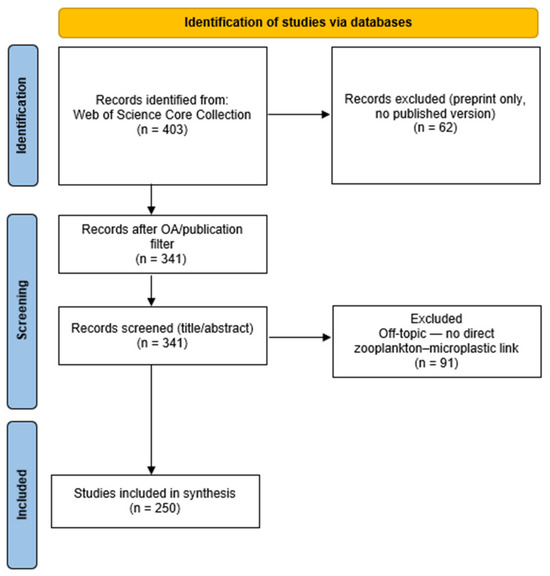
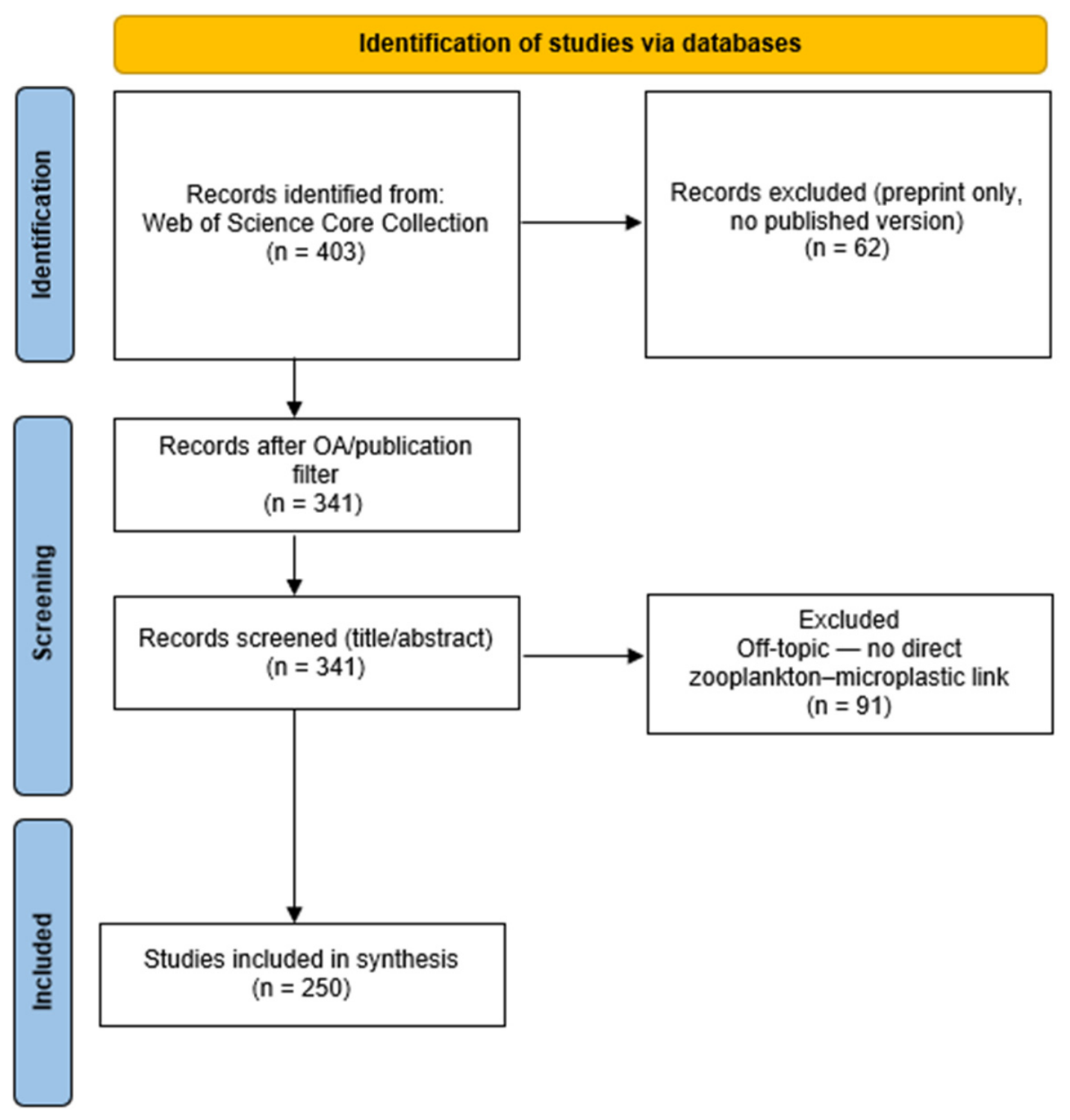
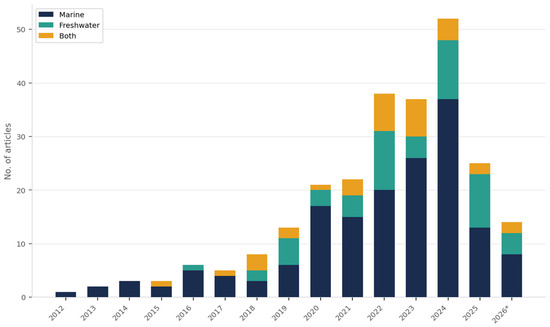
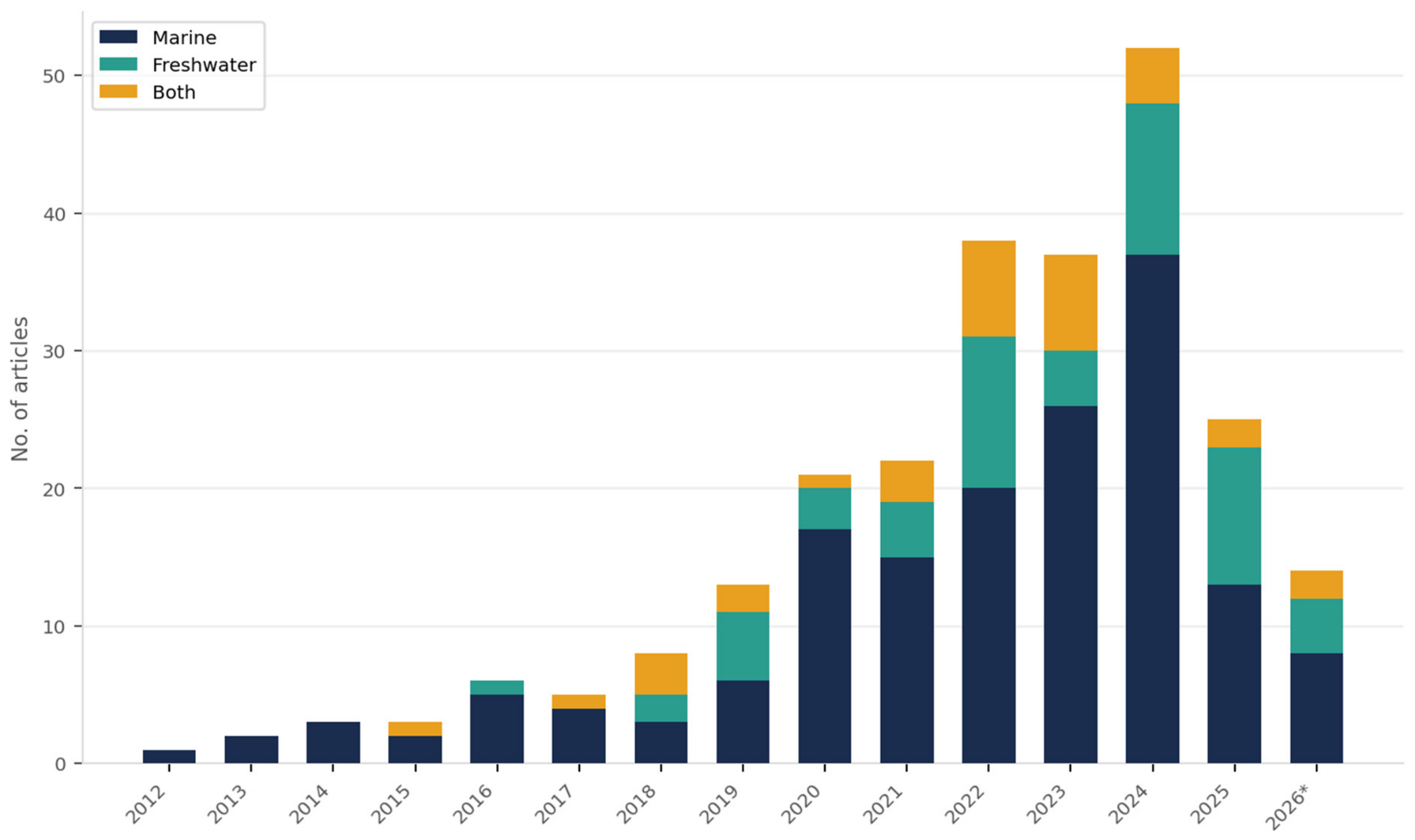
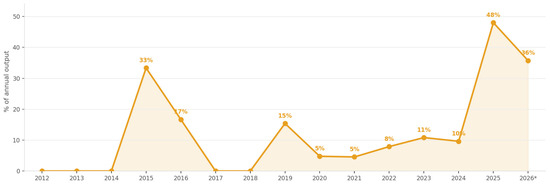
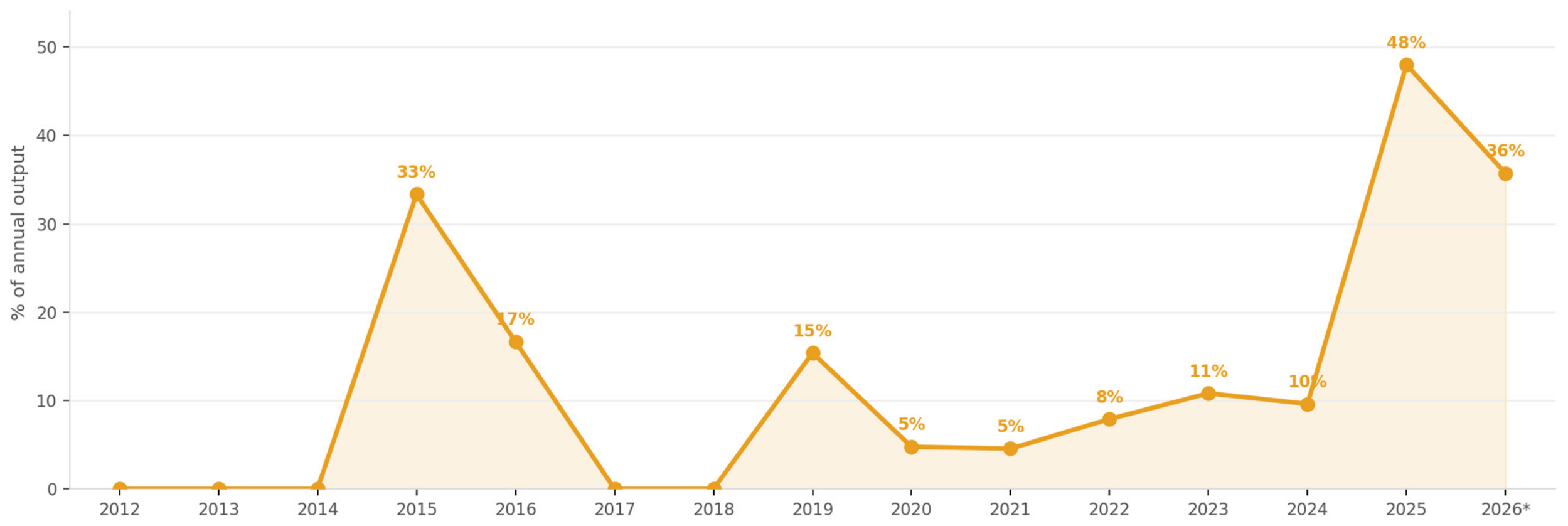
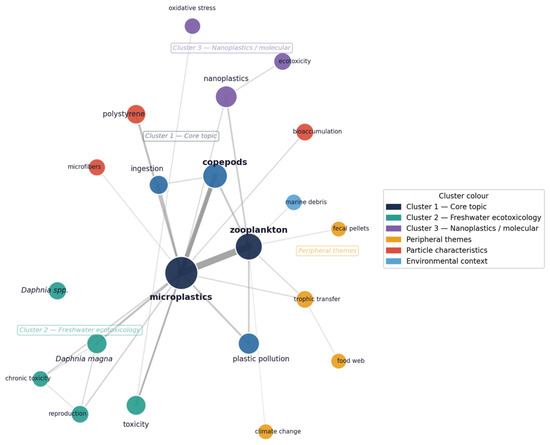
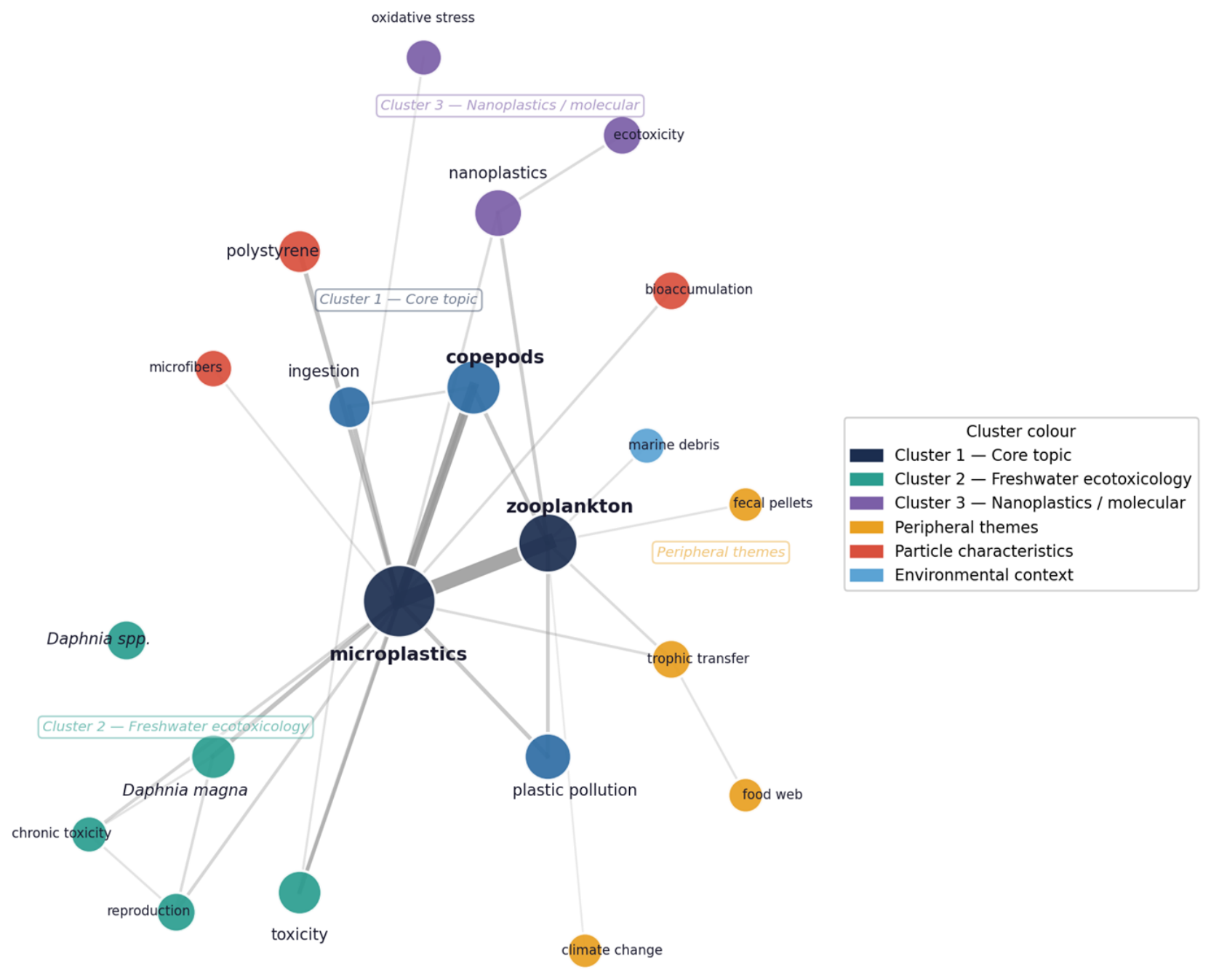
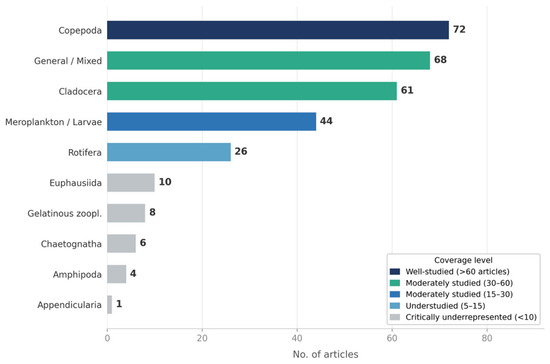
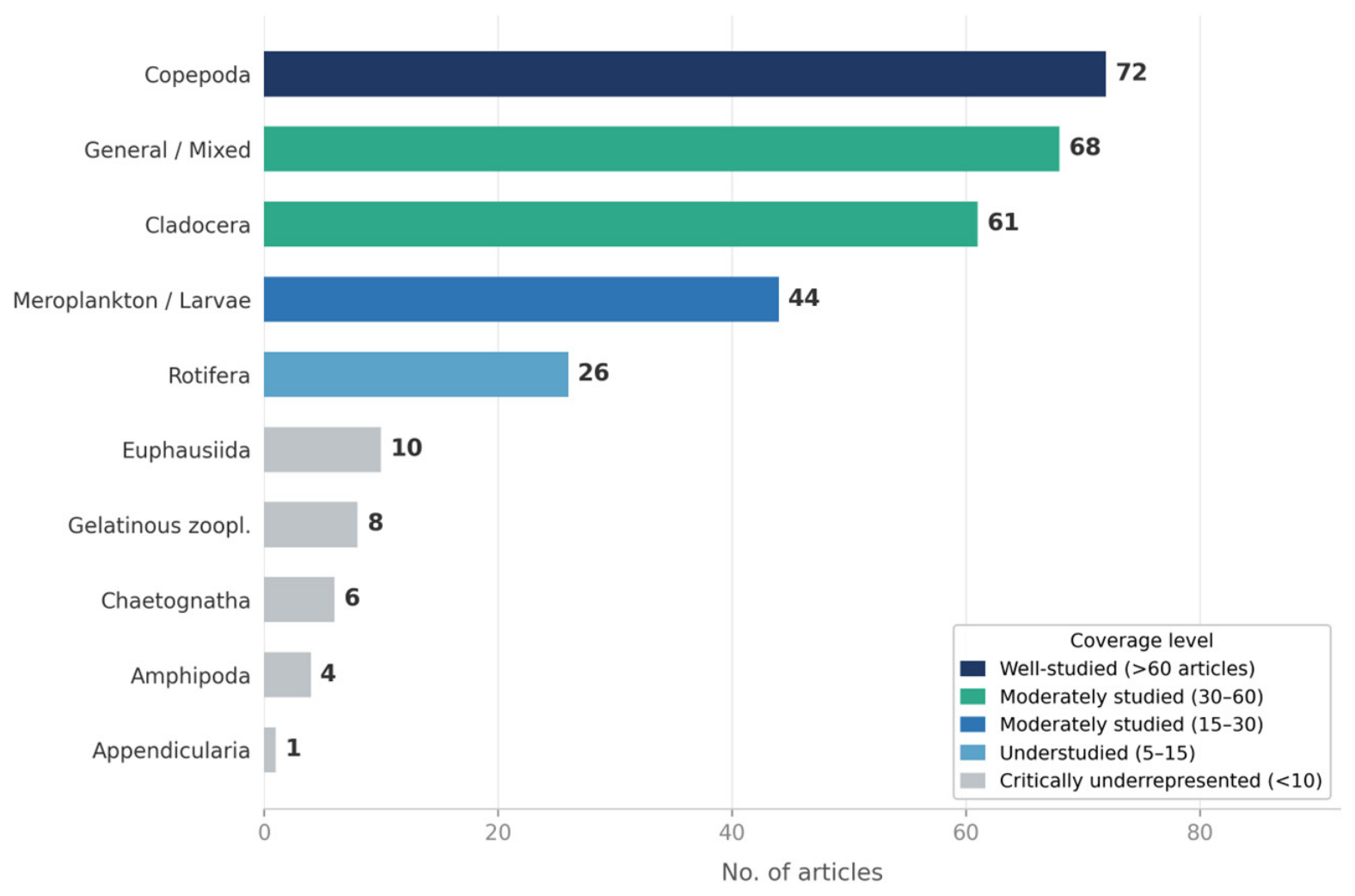
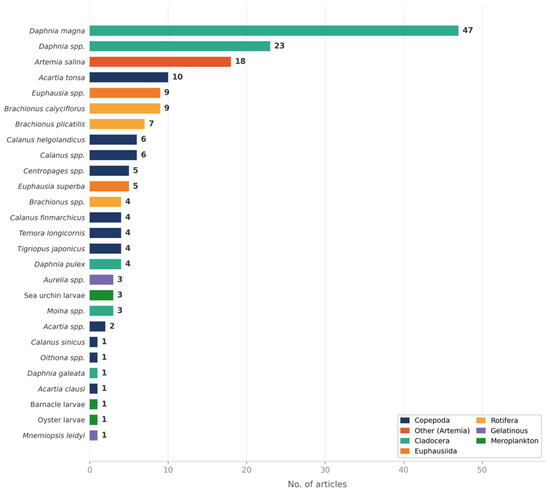
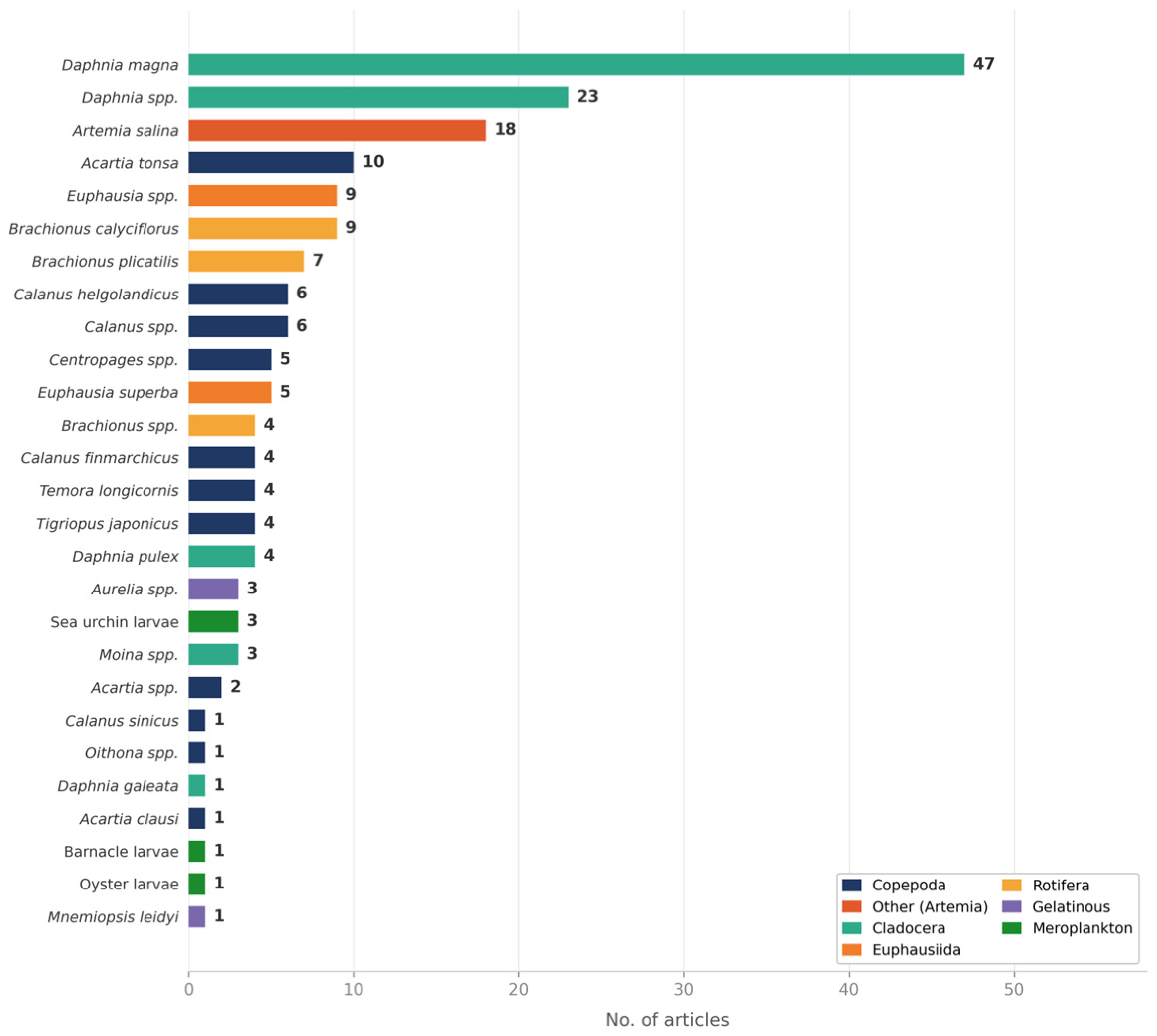
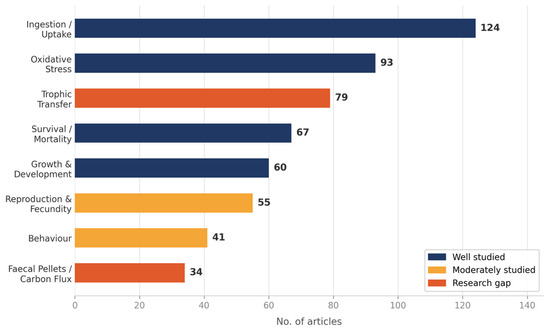
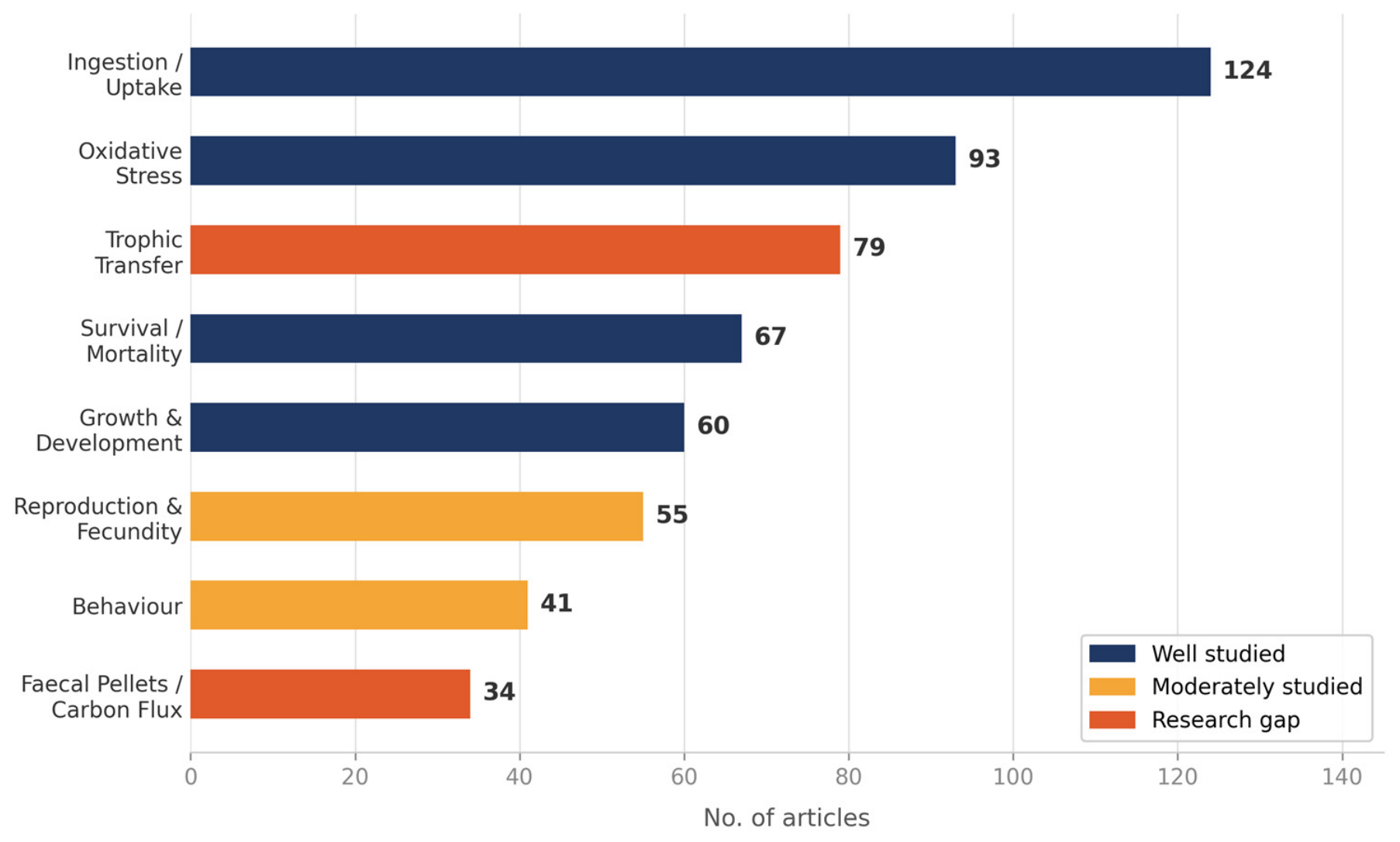
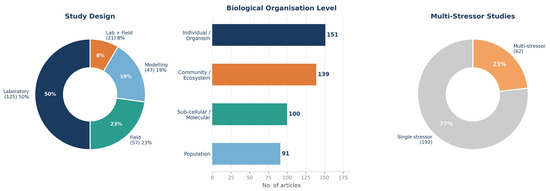
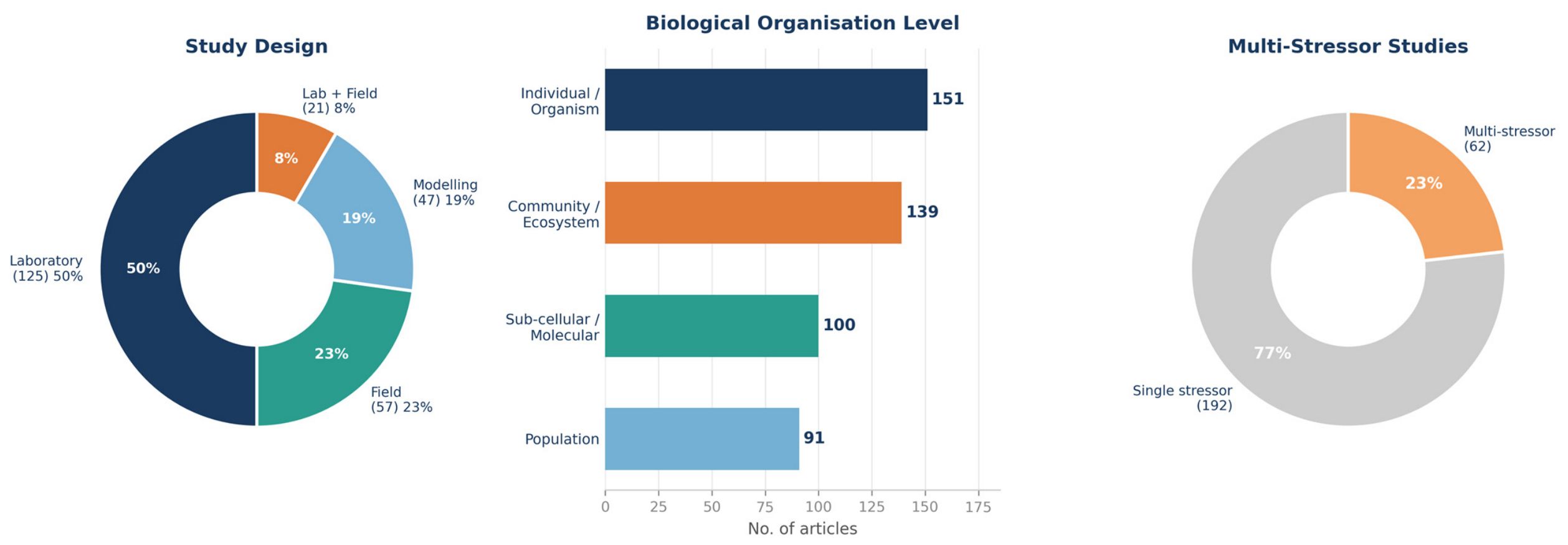
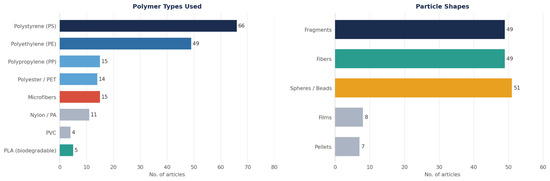
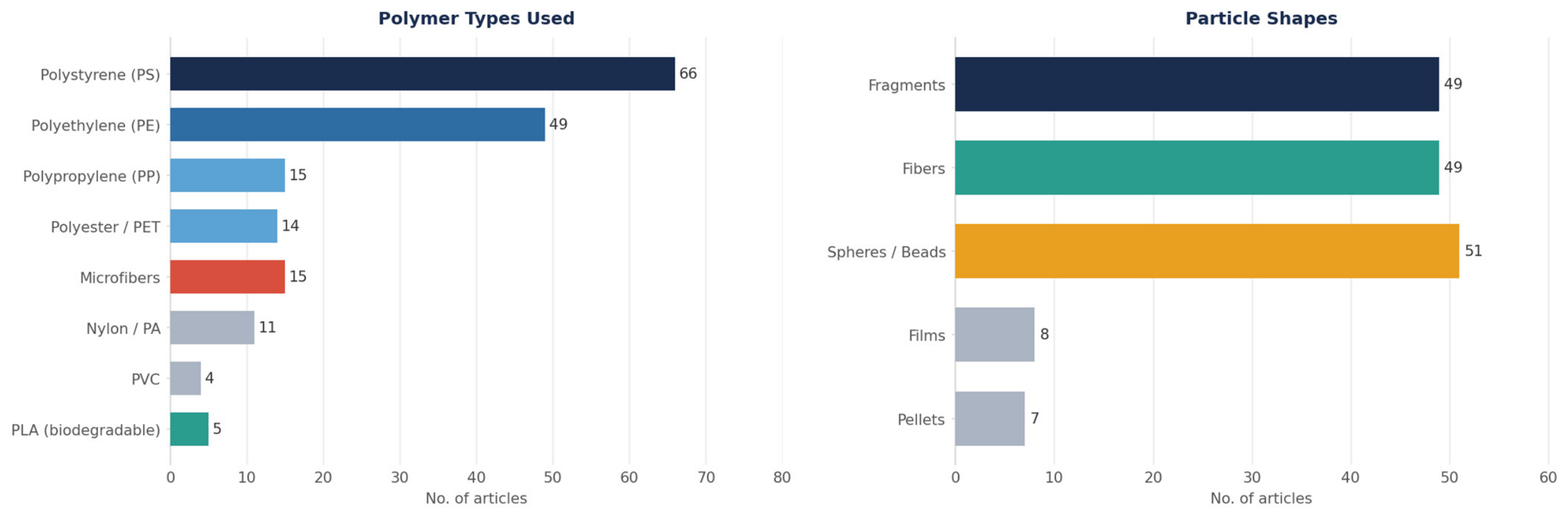
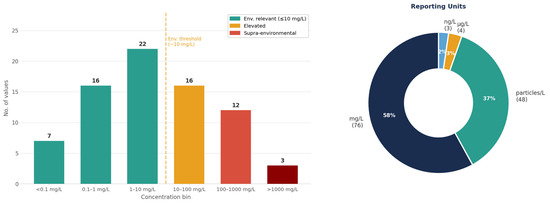
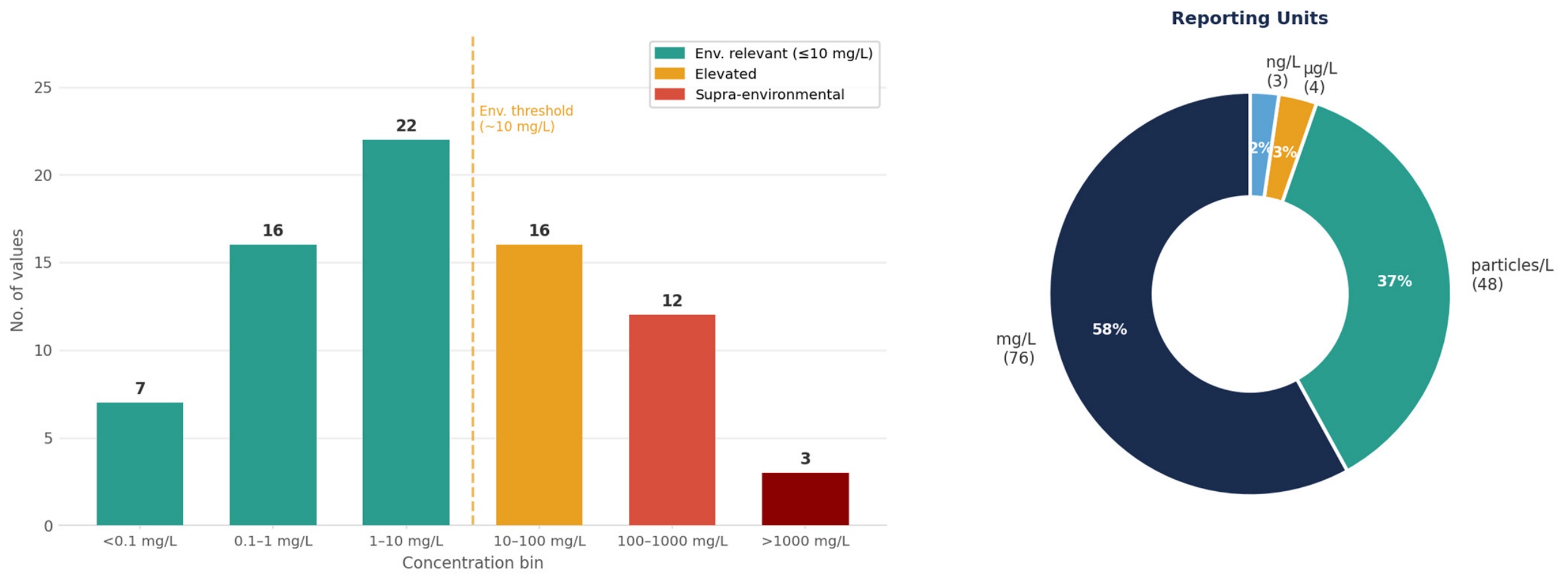
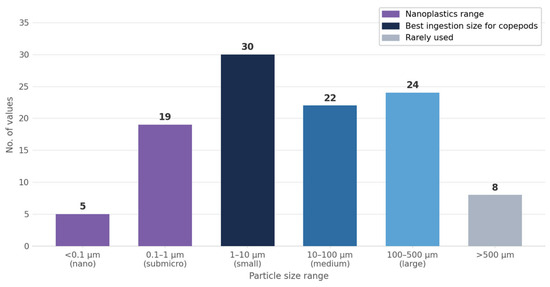
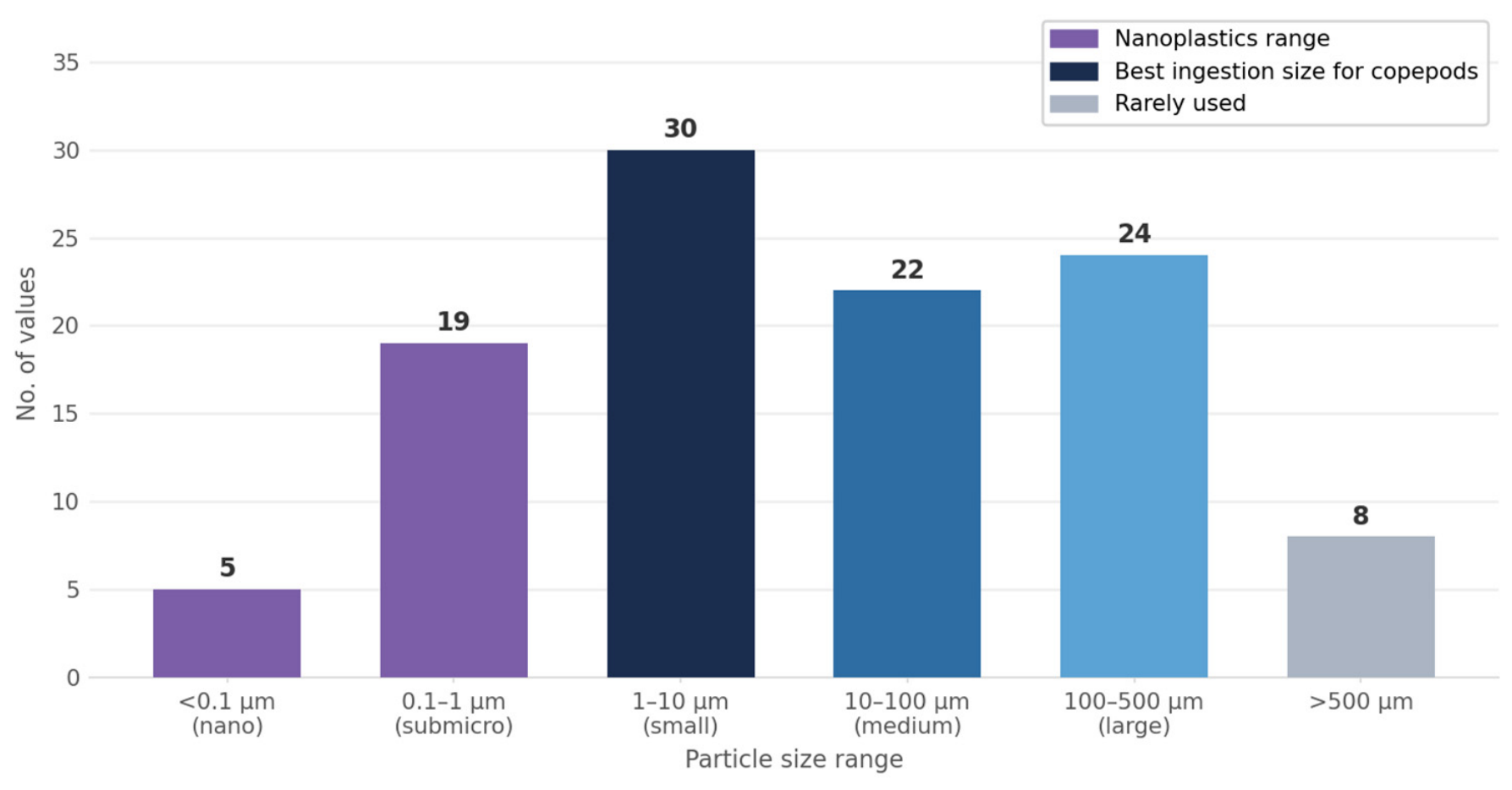
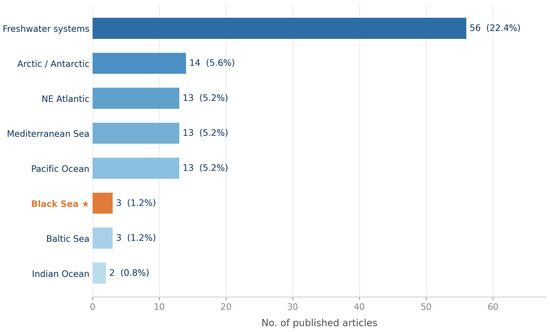
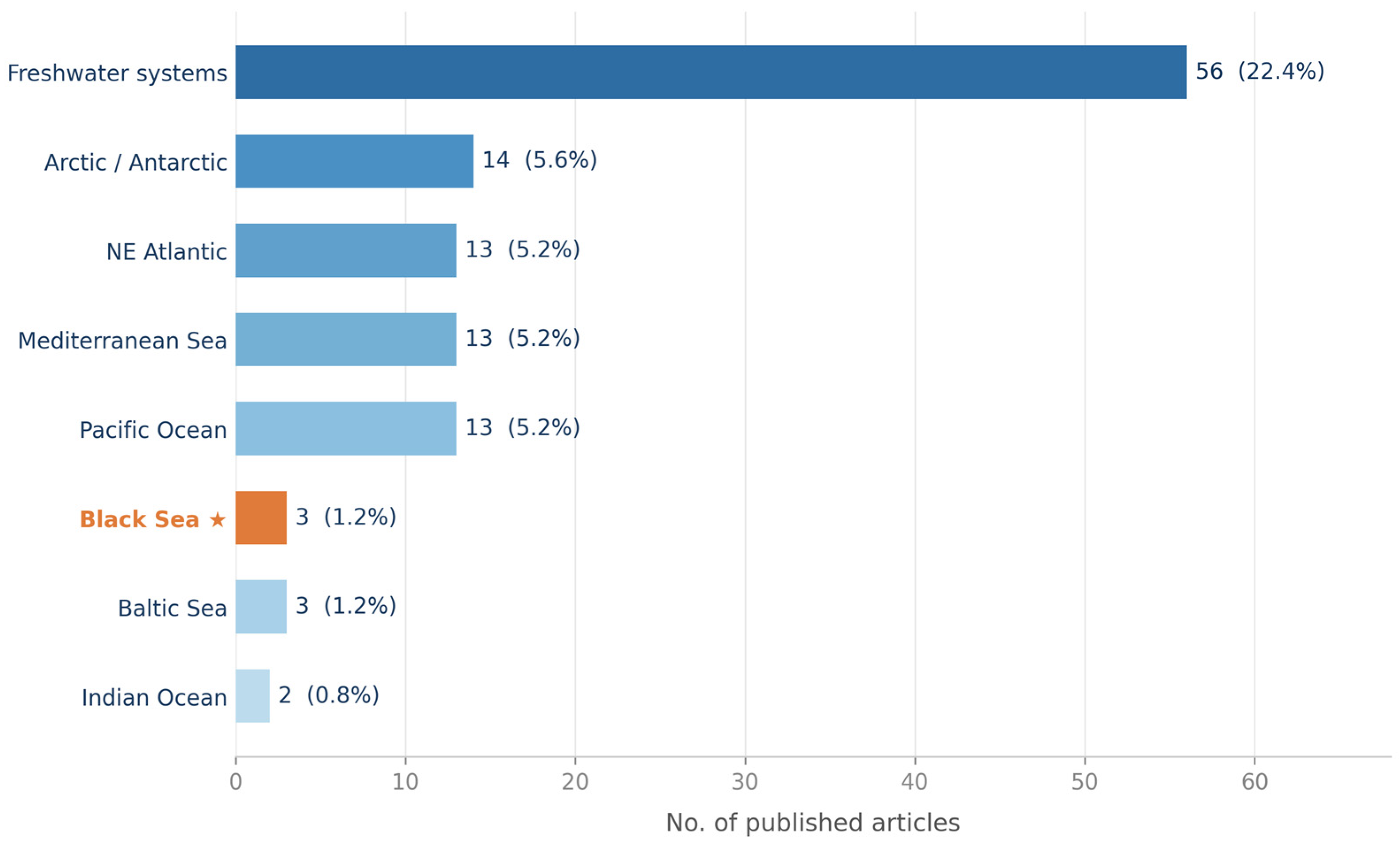

Disclaimer/Publisher’s Note: The statements, opinions and data contained in all publications are solely those of the individual author(s) and contributor(s) and not of MDPI and/or the editor(s). MDPI and/or the editor(s) disclaim responsibility for any injury to people or property resulting from any ideas, methods, instructions or products referred to in the content. |
© 2026 by the author. Licensee MDPI, Basel, Switzerland. This article is an open access article distributed under the terms and conditions of the Creative Commons Attribution (CC BY) license.