


Abstract
Micro and nanoplastics (MNPs) are increasingly recognized as contaminants in food systems; however, the specific packaging elements responsible for particle release remain poorly resolved. Most studies treat packaging as a single material category, without covering distinct contributions from the different units of modern food contact materials (FCMs). We propose a packaging structure taxonomy based on functional elements: container (C), closure (CL), and functional layers (F), including operational interfaces (+I), designed to enable components attribution of possible origins of plastic fragments in foods and beverages. Through a structured synthesis of the current literature, we map the primary processes leading to MNP generation across these modules, including tribological abrasion at closure contact interfaces, thermally driven polymer degradation in containers and delamination or shedding from coatings, adhesives and multilayer structures. Available evidence indicates that repeated mechanical actions such as opening and closing cycles can generate measurable particle release from closure assemblies. The proposed C/CL/F + I framework introduces standardized descriptors and reporting units that improve comparability across studies and supports origin attribution. By explicitly separating packaging parts and their operational interaction zones, the taxonomy provides a methodological bridge between analytical microplastic detection and engineering strategies aimed at minimizing particle formation. Its adoption can facilitate harmonized experimental design, strengthen regulatory risk assessment and guide the development of packaging configurations that minimize plastic particle shedding into foods.
1. Introduction
Global plastic production has reached an unprecedented scale, currently exceeding 400 million tons per year [1,2,3,4,5]. This massive volume of synthetic polymers, while essential for the modern economy and food safety, has resulted in an environmental and public health crisis of global proportions. Historically, the monitoring of microplastic (MP < 5 mm) and nanoplastic (NP < 1 µm) fragments has focused predominantly on environmental media, such as oceans, soils and the atmosphere [6,7,8,9,10]. However, the scientific attention is shifting from generic environmental contamination to direct human exposure via food contact materials (FCMs) [11,12]. Emerging evidence indicates that plastic packages are not an inert barrier, but dynamic sources of particles that migrate directly into the food matrix during storage, handling and preparation [13,14,15,16,17,18]. Their relevance to food safety derives from their persistence, wide presence and the diversity of polymer types, polyethylene (PE), polyethylene terephthalate (PET), polypropylene (PP), polystyrene (PS), polyvinyl chloride (PVC) and particle morphologies (fibres, fragments, films and spheres) which influence its behaviour and ultimately shape human dietary contact through ingestion [19].
Despite the exponential increase in studies about MNPs in food and beverages, data comparability remains a fundamental challenge [19,20,21,22,23,24,25]. Most investigations describe the package configuration as a single, undifferentiated entity (e.g., referring only to “PET bottles” or “PE bags”) [11,26]. This simplification ignores the multicomponent complexity of modern packaging, masking the distinct thermodynamic, kinetic and mechanical contributions of closures, internal coatings and surface treatments [11,27]. Indirect contamination occurs via food processing and sealing operations, friction between elements and environmental deposition during logistics [12,23,28,29]. This inconsistency is also largely associated by methodological heterogeneity, including differences in experimental design (e.g., contact conditions and representativeness of real scenarios), sample preparation and digestion strategies, contamination control (field/laboratory blanks and airborne fibres), size cut-offs and detection limits, particle selection strategies, polymer confirmation workflows (e.g., µ-FTIR/µ-Raman and complementary mass thermal methods, such as Py-GC/MS or TED-GC/MS), with a critical failure in how exposure is reported in terms of metrics and units. Together, these factors shape the observable particle size spectrum and the robustness of quantification or meaningful quantitative syntheses [30,31], reinforcing the need for critical approaches and for methods that are comparable across studies [32]. In line with this perspective a European Food Safety Authority (EFSA) review synthesizes evidence on MNPs fragment liberation from contact materials to food during use, identifying abrasion mechanisms and highlighting major gaps, particularly for nanoplastic assessments and comparability among studies [33]. A systematic evidence map similarly indicates that articles in contact with food have been less extensively examined than environmental sources and calls for harmonization of reports, including material characterization, study design, polymer identification and robust blank controls [34].
More broadly, MNP contamination has been reported across multiple stages of the food chain and in diverse food categories, including beverages [35] and bottled water [36], milk and dairy products [37], cereals [38] and processed or packaged foods [13], demonstrating that dietary exposure extends well beyond seafood [39]. The necessity of a systemic approach is exemplified by certain glass-packaged beverages, in which MNP contamination can be associated with closure liners, coatings or sealing components, rather than with the glass substrate itself [25,35,40,41,42]. Furthermore, high sensitivity analyses of bottled water demonstrate that characterizing the nanofraction significantly elevates total particle counts, reinforcing the need for detection methods that span the entire size spectrum [25]. Recent literature on MNPs in foods and beverages suggests a clear paradox, while detection across diverse matrices has increased markedly, substantial uncertainty persists regarding the comparability of reported concentrations and the attribution of emission points along the farm-to-fork continuum [29,43,44,45,46].
Despite the growing body of research reporting MNPs in foods and beverages, the field still lacks a structured conceptual approach capable of linking detected particles to specific components and interfaces. This limitation constrains both mechanistic interpretation and the development of mitigation strategies in food packaging assemblies. The aim of this work is to propose a functional taxonomy for packaging-derived MPs and NPs based on the structural and operational elements of food packaging systems. The novelty of this approach lies in shifting the description of packaging from material categories, such as PET bottles or plastic films, to a component and interface model. The C/CL/F + I taxonomy distinguishes containers (C), closures (CL), functional layers (F) and their operational interfaces (I), supporting more precise source attribution, improved experimental design and harmonized reporting in studies of foods and beverages. By linking packaging components, operational interfaces and particle release mechanisms, the model provides an analytical structure to improve experimental design and comparability across studies.
2. Materials and Methods
This study was conducted as a narrative review with a conceptual objective, aiming to attribute sources of MNPs within food packaging systems.
Scientific publications were retrieved from major academic databases including Web of Science, Scopus and Google Scholar. The search was primarily focused on peer-reviewed articles published between 2020 and 2026, corresponding to the recent expansion of research on MPs and NPs in foods, beverages, food contact materials and packaging particle release. Most of the publications retained for the review were published within this period. A small number of earlier references outside this interval were included only when they provided foundational, regulatory or methodological support for specific statements. These earlier references were included when they provided foundational, regulatory or methodological support for specific statements.
Searches were performed using combinations of the terms: “microplastics”, “nanoplastics”, “food packaging”, “food contact materials”, “FCMs”, “food”, “beverages”, “polymer degradation”, “particle release”, “fragmentation”, “abrasion”, “delamination”, “migration”, “polymer identification”, “µ-FTIR”, “µRaman”, “pyrolysis-GC/MS”, “contamination control” and “blank correction”. These were combined using Boolean operators, including AND and OR, to retrieve studies addressing both the occurrence of MPs and NPs in food systems and the mechanisms of particle release from packaging materials and interfaces.
Publications were included when they addressed at least one of the following topics: MPs or NPs in foods or beverages; particle release from food packaging or food contact materials; packaging-related mechanisms such as abrasion, peeling, delamination, ageing or thermal degradation; analytical methods for particle isolation, polymer identification or contamination control; or regulatory and methodological issues relevant to food contact materials. Priority was given to studies providing mechanistic insight, clear association with packaging components or interfaces, polymer identification or methodological information relevant to source attribution. Publications were excluded when they focused exclusively on environmental matrices without relevance to food systems, food contact materials or packaging particle release, when they lacked sufficient methodological detail, when polymer identification was absent or unclear or when they did not contribute mechanistic, analytical, regulatory or conceptual information relevant to the proposed taxonomy.
After removal of duplicates, titles and abstracts were screened for relevance. In total, 138 publications informed the present analysis. The selected literature was interpreted from a systems perspective and mapped onto the proposed C/CL/F + I taxonomy. The four earlier references were retained because they were relevant to the proposed model.
The purpose of the review was to develop a structured conceptual framework capable of relating packaging components, operational interfaces and particle release mechanisms.
3. Packaging System Taxonomy: C/CL/F + I
Food packaging is often described in the literature according to the primary material of the main container, using labels such as “plastic bottle”, “glass jar” or “multilayer carton”. Although convenient, these descriptions do not adequately reflect the structural complexity of modern packaging systems. Most formats consist of multiple units and materials that interact mechanically, physically and chemically during manufacturing, storage, distribution and consumer use [47,48]. This structural complexity has important implications for the study of MNP contamination, since potential particle emission points associated with closures, coatings or multilayer interfaces may remain unrecognized. As a result, attributing detected particles to specific packaging elements becomes difficult.
3.1. Conceptual Definition of Packaging Systems
A packaging system can be defined as an integrated structure designed to contain, protect and deliver food products throughout their lifecycle, from manufacturing and distribution to storage and consumer use [49]. This setup usually comprises structural components, sealing mechanisms and additional functional layers that contribute to barrier performance, mechanical integrity and product stability. From this perspective, packaging performance arises from the interaction of these components rather than from the properties of a single material. Containers provide structural containment, closures maintain sealing and functional layers supply additional functions such as barrier protection, adhesion or printability [50].
This integrated view is particularly relevant for MNP research because particle release may occur from bulk materials but also from interfaces where friction, mechanical stress, peeling or environmental ageing can promote detachment [34,51]. Consequently, analytical studies that focus exclusively on container materials ignore particle sources associated with closures, coatings and other functional elements.
The proposed C/CL/F + I taxonomy therefore introduces a conceptual model that explicitly accounts for the structural architecture of packaging configurations and the potential particle sources associated with each unit.
3.2. Structural Components: Container, Closure and Functional Layers
The C/CL/F + I proposal distinguishes three main component categories: container bodies (C), closure assemblies (CL) and functional layers (F).
Container (C)
The container body represents the primary structural element of the package and provides direct physical containment for the food or beverage product. The manufacturing can be made from a wide range of materials including polyethylene terephthalate (PET), polypropylene (PP) or polyethylene (PE), as well as glass or metal substrates.
Because containers normally constitute the largest surface area in contact with the product, they are frequently considered potential origins of microplastic contamination through polymer ageing, surface degradation or material fatigue [52,53]. Nevertheless, containers generally experience limited mechanical interaction during use compared with other structural packaging parts.
Closure (CL)
Closure systems, including screw caps, snap-fit lids, gaskets, sealing rings and tamper elements, serve a dynamic mechanical role in packaging’s lifecycle. Due to constant interaction with the container body during handling and operation, these assemblies represent a primary functional source of plastic fragments [54,55].
Functional layers (F)
Functional layers are thin materials applied to the components to provide additional performance characteristics. These may include coatings, printing inks, adhesives, barrier films or heat seal coatings used in multilayer packaging structures.
Although these layers are generally thinner than the main structural components, they are often located at material boundaries, where adhesion strength and mechanical integrity are lower than in bulk substrates. For this reason, functional layers can act as sources of particle detachment under conditions of mechanical stress, peeling or environmental ageing [32,56]. Examples include polymer coatings on metal caps, adhesive layers in laminated packaging materials and barrier coatings in multilayer carton packaging systems [34].
3.3. Operational Interfaces
A key feature of the C/CL/F + I taxonomy is the recognition that packaging systems contain operational interfaces where mechanical and environmental stresses may become concentrated and where processes such as abrasion, peeling or delamination can generate particles. Three primary interface categories can be defined:
- Container/closure interface—I(C–CL): the interaction zone between container finishes and closure assemblies, such as bottle neck threads engaging with screw caps.
- Container/functional layer interface—I(C–F): the boundary between container materials and internal coatings, adhesives or laminated layers.
- Closure/functional layer interface—I(CL–F): interfaces involving sealing liners, coatings or adhesives within closure systems.
These interfaces often experience stress during packaging operations, transport or consumer handling. For example, opening and closing cycles may generate friction at the container/closure contact interfaces, whereas peeling a sealing liner can induce tensile stress that leads to coating fragmentation [55,56].
3.4. Coding and Attribution Matrix
To support a systematic analysis of packaging microplastics, the C/CL/F + I taxonomy can be implemented as a coding and attribution matrix linking structural units, contact interfaces and potential particle generation mechanisms. Within this scheme, components are first categorized according to their structural role, after which relevant interfaces are identified as potential sites of particle release.
This approach offers several analytical advantages. First, it provides a standardized vocabulary for describing packaging architecture across studies. Second, it supports clearer interpretation of whether detected particles may be associated with containers, closures, functional layers or their interaction zones. Finally, it supports the design of experimental studies aimed at reproducing realistic packaging stress conditions.
For example, particle release associated with repeated opening cycles can be attributed to the container/closure interface (I(C–CL)), whereas particles generated during liner peeling may be linked to the closure/functional layer interface (I(CL–F)). Similarly, particles originating from coating degradation may be mapped to container/functional layer interfaces (I(C–F)) [34] (Figure 1).
Figure 1.
Packaging system components and interfaces.
The C/CL/F + I taxonomy addresses these limitations by allowing packaging systems to be interpreted as integrated assemblies of components and interfaces rather than as single materials, providing a structured basis for experimental design in studies investigating microplastics derived by packaging.
3.5. Operational Application
To allow consistent and reproducible application of the C/CL/F + I taxonomy, a set of operational classification principles is proposed.
Packaging systems should first be decomposed into their primary structural components: container (C), closure (CL) and functional layers (F).
In complex or hybrid systems, classification should follow a functional hierarchy instead of material continuity. This means that each element should be classified according to the function it performs within the packaging system, even when different materials are physically connected [47,48,50]. For example, in a coated metal cap, the metal shell is classified as part of the closure (CL) because it provides sealing and mechanical retention, while the internal polymer coating or liner is classified as a functional layer (F) because it provides sealing, barrier protection or food contact compatibility [34,57]. The boundary between these two elements is then defined as a closure/functional layer interface (I(CL–F)). These interfaces represent mechanically and chemically active regions where particle generation is more likely to occur.
Operational interfaces should be systematically identified as container/closure interfaces (IC–CL), container/functional layer interfaces (IC–F) and closure/functional layer interfaces (ICL–F). In cases where multiple mechanisms coexist, classification should prioritize the dominant physical process (e.g., abrasion, delamination or ageing), while secondary mechanisms may be reported as complementary descriptors. The practical implementation can be demonstrated in representative packaging systems, which maps the elements and potential mechanisms for common systems (Figure 2).
Figure 2.
Principles and operational interfaces of packaging classification.
In a standard PET bottled water system, the bottle body is classified as C, the screw cap as CL and the internal sealing liner as F. The interaction between the cap and the bottle neck is defined as I(C–CL), while the interface between the liner and the cap is defined as I(CL–F). Within this configuration, particle generation associated with repeated opening and closing cycles can be attributed to I(C–CL), while particle release during liner removal is associated with I(CL–F).
In multilayer carton packaging systems, such as Tetra Pak, the paperboard structure is classified as C, while polymer coatings and adhesive layers are classified as F. Interfaces between these layers are defined as I(C–F). In such systems, particle generation is often associated with interfacial failure processes such as delamination than with the degradation of bulk structural material.
By applying the C/CL/F + I taxonomy with these rules and examples, researchers can consistently decompose packaging systems, identify interaction zones and attribute possible MNPs sources, improving reproducibility and comparability across the literature.
4. Mechanistic Drivers of MNP Release Across Packaging Systems
MNP contamination originating from food packaging systems arises from a limited number of physical and physicochemical processes acting on polymeric materials and their interfaces throughout the packaging lifecycle. The principal mechanisms leading to particle release can be grouped into four categories: tribological abrasion at mechanical interfaces, interfacial failure events such as peeling or delamination, thermally driven polymer degradation and synergistic interactions between mechanical and environmental stressors. Given the methodological heterogeneity of the available literature, statements in this work distinguish, where possible, between directly demonstrated evidence, mechanistic interpretations and broader conceptual extrapolations.
4.1. Tribological Abrasion at Mechanical Interfaces
Tribological abrasion occurs when two surfaces experience repeated friction, shear forces or compressive stress during operation. These interactions are particularly relevant in components designed for mechanical functionality, such as closures (CL) and sealable interfaces (ICL–F), where repeated opening and closing cycles produce localized stress [58]. Experimental evidence from specific packaging systems shows that manipulation of bottle caps can generate microplastic particles via friction between cap threads and container necks [51,54,59]. Surface analysis of some sealable packaging systems has also revealed wear and scratching at closure interaction zones, demonstrating that repeated mechanical interaction can produce measurable quantities of MNPs [26].
Beyond manual operations, other routine steps, such as capping, sealing or transport, can also contribute to such processes under certain conditions, although their effects are more dependent on context and less consistently demonstrated across packaging formats [33,51].
4.2. Interfacial Failure Events: Peeling, Delamination and Coating Fragmentation
A second important mechanism of particle formation involves failure of adhesive bonds between materials. These events occur when tensile stress, bending or deformation exceeds the adhesion strength of bonded layers, particularly relevant in multilayer packaging structures and sealing systems incorporating thin polymer coatings.
Peeling of induction sealing liners provides a clear example. During the opening of sealed containers, separation of the metal foil and the polymer laminate subjects the coating layer to tensile stresses, which can lead to fragmentation of the polymer layer. µ-Raman imaging studies have detected, chemically identified and quantified polymer particles during this process at approximately 625 microplastic particles per millimetre along the peeled edge [56].
Mechanical deformation of coated substrates has been shown to also contribute to particle release in food contact systems. For example, wrinkling or bending has been reported to damage thin polymeric coatings, promoting cracking, fracture or detachment and subsequent liberation of microplastic fragments [60]. Recent work on coated paper packaging further supports the relevance of coating layers and interfacial regions as potential sources of MNPs, particularly when these materials are subjected to processing, converting or recycling stresses [61]. Similarly, in multilayer structures, adhesive and bonding layers between polymer films may represent mechanically vulnerable zones where delamination can occur under mechanical or environmental stress [34]. More broadly, Kamalasekaran et al. (2026) reported that degradation pathways and analytical identification methods reinforce that particle formation is strongly influenced by mechanical stress, material ageing and surface or interface properties [62]. These findings indicate that, in the studied systems, particle generation may originate from thin functional layers or bonded interfaces rather than from the bulk container material itself.
4.3. Polymer Ageing and Degradation
Environmental and thermal stressors represent another important pathway for MNP generation. Exposure to UV radiation, temperature fluctuations and oxidative conditions can induce structural changes in polymer materials, including chain scission and embrittlement. These processes are known to weaken the polymer matrix and increase its susceptibility to fragmentation [63,64].
Simulated ageing experiments involving LDPE films exposed to UV radiation, microwave heating, steaming and freeze/defrost cycles produced between 66 and 2034 microplastic particles per square centimetre of film surface, corresponding to increases of up to 453 times compared with new materials [52]. These results demonstrate the potential for environmental stressors to induce particle release in specific polymeric materials; still the magnitude and kinetics of this process are strongly dependent on polymer chemistry, thickness, additive composition and multilayer architecture and cannot be directly extrapolated to other packaging materials or configurations. Similarly, exposure of polyethylene packaging to hot water above 80 °C has been associated with the release of microplastic particles in the 40–200 µm size range [53]. Temperature plays a particularly important role in these processes because increased thermal energy enhances polymer chain mobility and accelerates oxidative degradation reactions within the material [29,59]. Over time, these effects weaken the polymer surface and promote the detachment of fragments [65].
4.4. Synergistic Interactions Between Mechanical and Environmental Stressors
In real packaging systems, available evidence suggests that significant particle fragment liberation often occurs when environmental ageing weakens materials that are subsequently subjected to mechanical stress.
Thermal ageing, for example, may embrittle polymer surfaces or reduce adhesion between layers in multilayer structures. Subsequent mechanical actions such as opening, peeling or squeezing trigger fragmentation or delamination of the compromised material. Transport vibration can further mobilize particles generated during manufacturing or ageing, facilitating their transfer into the food matrix [29,51].
Such synergistic interactions are particularly relevant at packaging interfaces because ageing can weaken polymer surfaces or reduce interlayer adhesion, while subsequent mechanical stress can concentrate at these weakened zones and promote fragmentation, abrasion or delamination. Recognizing these combined effects is therefore essential for a more realistic assessment of contamination and for designing experimental studies that reflect real world conditions (Figure 3).
Figure 3.
Packaging lifecycle pathways of particle generation.
The mechanisms described above should be interpreted as a combination of directly demonstrated phenomena in specific systems and mechanistically supported processes that may extend to comparable packaging configurations, while remaining dependent on material properties, design and use conditions.
5. Packaging Formats from a C/CL/F +I Perspective
When interpreted through the C/CL/F + I system it is clear how different packaging designs may influence the mechanisms and locations of particle generation.
5.1. Plastic Packaging
Plastic packaging formats, including bottles, trays, cups and flexible films, are widely used in food due to their lightweight properties, mechanical durability and barrier performance. Common materials include PET, PE, PP, PVC and PS [66].
In several plastic packaging formats studied, especially bottles, films and systems involving mechanical closures, particle generation can occur from both container surfaces and closure interfaces, depending on the stresses experienced during use. Mechanical stress such as squeezing, vibration during transport or repeated opening cycles can promote abrasion at closure interfaces, while environmental ageing may gradually weaken polymer surfaces [36,67,68].
Interpreting plastic packaging solely in terms of container material hides the contribution of closure systems and functional layers. Accurate attribution therefore requires documenting closure design, liner presence and operational use conditions.
5.2. Glass Containers
Glass containers are often assumed to be inert with respect to microplastic contamination because glass does not fragment into polymer particles. Nevertheless, packaging systems incorporating glass containers frequently include polymer closure systems and coatings.
Within the C/CL/F + I model, glass containers, in certain packaging configurations, represent cases where the container component contributes minimally to particle release, while closure assemblies or functional layers can play a more significant role. This balance depends on factors such as closure design, liner composition, coatings, product type and use conditions [25,32].
5.3. Multilayer Cartons
Carton packaging systems combine paperboard substrates with polymer coatings, adhesive layers and, in many cases, aluminum barrier layers to provide structural rigidity and barrier properties. Although aluminum itself does not release polymer particles, the adhesive and polymeric layers bonding the foil to paperboard and polymer films can represent potential sources of MNPs if interfacial failure, delamination or coating fragmentation occurs [69,70].
Evidence mapping studies emphasize that many investigations of food contact articles fail to adequately describe the multilayer structure of such packaging systems, making component attribution difficult [34]. In these cases, particle generation may originate from polymer coatings or adhesive layers rather than from the paperboard substrate.
The C/CL/F + I taxonomy therefore highlights the importance of documenting functional layers and lamination interfaces when analyzing microplastics in multilayer systems.
5.4. Metal Cans and Coatings
Metal cans used for beverages and processed foods usually include thin internal polymer coatings designed to prevent corrosion and interactions between the metal surface and the food product, which represent functional layers.
Although the metallic container itself does not generate polymer particles, degradation or fragmentation of internal coatings contribute to microplastic contamination under certain conditions, particularly during thermal processing or mechanical deformation [33]. Consequently, analyzing canned food packaging requires careful consideration of the chemistry and integrity of internal coating layers rather than focusing exclusively on the metal container [50,57].
6. Migration vs. Particle Release
The transfer of substances from food packaging into foods and beverages has traditionally been interpreted within the chemical migration from FCMs. Recent evidence demonstrating the presence of MNP particles in packaged foods has highlighted the existence of a second, fundamentally different process, the particle release from contact systems. Distinguishing between these two processes is essential for accurate risk assessment and for the interpretation of analytical data in microplastic studies.
Chemical migration and particle release differ in their physical nature as well as in their governing mechanisms, analytical approaches and regulatory treatment. Migration involves the transfer of molecules or other low-molecular-weight substances from the polymer matrix into food, whereas particle release involves the detachment and transfer of discrete polymer fragments generated through mechanical or environmental stress acting on packaging components (Figure 4).
Figure 4.
Migration vs. particle release.
6.1. Chemical Migration in FCM Regulation
Chemical migration from FCMs has been extensively studied and is subject to established regulatory directives. In the European Union, migration of substances from plastic is regulated under Commission Regulation (EU) No 10/2011, which establishes specific migration limits (SMLs) for authorized additives and monomers used in polymer production. This assumes that substances migrate from packaging materials primarily as dissolved molecules driven by diffusion processes within the polymer matrix.
Migration studies typically evaluate the transfer of intentionally added substances (IASs), such as plasticizers, stabilizers or antioxidants, as well as non-intentionally added substances (NIASs) that arise from impurities, degradation products or reaction by-products formed during polymer processing [71,72]. Experimental migration testing commonly employs food simulants under controlled temperature and time conditions designed to represent worst contact scenarios [73].
The migration process itself is governed by diffusion within the polymer matrix, followed by partitioning between the packaging material and the contacting food. Temperature, contact time and the physicochemical properties of both the polymer and the food matrix strongly influence the migration rate. Higher temperatures and longer contact times generally increase migration due to enhanced molecular mobility within the polymer network [29,59].
Migration testing has therefore traditionally focused on molecular contaminants, in general in the range of low-molecular-weight compounds rather than particulate materials. Consequently, existing regulatory directives and analytical methods are primarily designed to detect chemical substances rather than solid polymer fragments [14,74].
6.2. Particle Liberation as a Distinct Process
While particle release is distinct from chemical migration, in real packaging systems these processes are probably interconnected. Material degradation, ageing and mechanical stress can generate a continuum of MNPs, depending on the extent of polymer breakdown and the physicochemical conditions.
In contrast to chemical migration as traditionally defined, particle release refers to a mechanical or physicochemical detachment process in which solid fragments of polymer material are transferred from packaging surfaces into the food matrix [14,75,76]. These particles may originate from abrasion, peeling, delamination or polymer degradation processes acting on packaging components and their interfaces [77]. Mechanical abrasion at closure interfaces during repeated opening and closing cycles has been shown to generate polymer wear debris in screw/cap bottle systems [54,59]. Similarly, peeling of induction sealing liners can produce hundreds of microplastic particles per millimetre of peeled interface due to failure of the polymer coating layer [56].
Environmental stressors may contribute to particle formation. Ageing of polymer packaging films under UV radiation, thermal cycling and oxidative conditions has been reported to generate between tens and thousands of microplastic particles per square centimetre of surface area [52]. Mechanical deformation of coated packaging materials may also produce particle release through fracture of thin polymer layers during bending or wrinkling events [60]. The fragments may subsequently be transferred into the food matrix through direct contact, suspension in liquids or mobilization during consumer handling [66].
Another important distinction is that particle release frequently occurs at operational interfaces within packaging systems, such as container/closure interactions or bonded multilayer structures. The interfaces represent mechanically sensitive regions where stress concentrations may promote fragmentation or delamination [34,51]. Consequently, packaging systems analyzed solely in terms of bulk material composition may overlook important particle sources associated with closures (CL), coatings (F) or adhesive layers (CL–F).
Importantly, the frontier between molecular migration and particle release is not always discrete, mostly at the nanoscale, where small fragments, oligomers and polymer debris can overlap in size and behaviour, challenging analytical and conceptual separation.
6.3. Diffusion-Driven Migration Models
Because chemical migration is fundamentally a process controlled by diffusion, its behaviour can often be described using mathematical diffusion models derived from Fick’s laws [75]. These models estimate the rate at which molecules migrate through polymer matrices based on parameters such as diffusion coefficients, polymer thickness and the concentration gradient between the packaging material and the contacting food.
Diffusion coefficients in polymers depend strongly on temperature and on the size and polarity of the migrating molecule. Smaller molecules generally exhibit higher diffusion coefficients, whereas large oligomers or polymer fragments diffuse much more slowly within the polymer matrix. Migration models normally assume molecular dimensions consistent with low-molecular-weight additives rather than particulate species [38].
In contrast, the release of MNPs is not primarily described by diffusion models, as it is managed by mechanical stress, material degradation and interfacial failure processes [37].
This distinction has important implications for food safety assessment. While migration models allow prediction of chemical transfer under defined conditions, particle release is governed by operational stresses that vary across packaging formats, storage conditions and consumer use patterns. Recognizing the difference between migration and particle release is therefore essential for interpreting analytical findings in microplastic research. Integrating both processes within a conceptual model, such as the C/CL/F + I taxonomy proposed in this work, may improve the ability to attribute contamination sources and to design experimental protocols capable of distinguishing between molecular migration and particulate release pathways (Table 1).
Table 1.
Comparison between chemical migration and MNP release from food packaging systems.
While categorized separately, migration and particle release are not independent phenomena. In real world systems, they often coexist as parallel outcomes of shared degradation processes, such as thermal or oxidative ageing. These mechanisms can simultaneously trigger the release of low-molecular-weight compounds and the formation of particulate fragments within food contact systems [100,101].
7. Regulatory Context for FCMs
Food contact materials are subject to regulations designed to prevent the migration of substances into food, ensuring that neither human health nor the food’s organoleptic and compositional integrity are compromised.
According to a SAPEA report (A Scientific Perspective on Microplastics in Nature and Society, 2019) [102] current regulatory have been developed primarily to control the chemical migration of molecular substances, rather than the release of solid particles such as MNPs [33,103].
7.1. European Union Regulations
In the European Union, FCMs are governed by Regulation (EC) No 1935/2004 (amended by Regulation (EU) 2019/1381) [104], that have stricter measures for 17 materials, including plastics (and recycled plastics), ceramics, regenerated cellulose and active/intelligent materials. For materials without specific EU-wide measures (e.g., paper, rubber, metal), national legislation or guidelines should be applied. Risk assessments of substances used in packaging materials are conducted by the European Food Safety Authority (EFSA) [33]. In addition, the European Union Reference Laboratory for Food Contact Materials (EURL-FCM) supports harmonized analytical methodologies for migration testing across EU member states.
7.2. Plastics Regulation (EU 10/2011)
Plastic FCMs are specifically regulated under Commission Regulation (EU) No 10/2011, which defines a positive list of authorized substances and establishes specific migration limits (SMLs) for many additives and monomers used in polymer production, expressed in mg/kg food. The overall migration limit (OML) for non-volatile substances released into food or food simulants must not exceed 10 mg/dm2 of contact surface or 60 mg/kg of food. Migration testing is based on standardized experimental conditions using food simulants and is primarily designed to assess the diffusion transfer of low-molecular-weight compounds from polymer matrices into food. However, these migration limits and testing designs were not developed to quantify the release of discrete polymer particles and their direct applicability to packaging MNPs therefore remains limited.
8. Analytical Methods and Study Designs for MNPs Derived from Packaging
The detection and characterization of MNPs originating from food packaging systems require analytical approaches capable of addressing both particle morphology and polymer composition. Unlike conventional chemical migration studies, which focus on dissolved molecular substances, microplastic investigations must identify solid particles that may vary widely in size, shape and chemical composition [77,79,105].
Analytical workflows used in these studies generally involve several sequential steps, including experimental study design, sample preparation, particle isolation, polymer identification and, when possible, detection of nanoscale particles. Each stage of this workflow can influence the accuracy and reproducibility of the results, contributing to the methodological variability observed across studies. Recent syntheses and guidance documents consistently highlight substantial variability and the need for harmonized workflows and reporting [33,34,106,107].
8.1. Study Designs
Four broad experimental design families are commonly employed to investigate MNPs derived from packaging, each capturing distinct liberation mechanisms and addressing complementary research questions. Static contact tests, of the migration type, involve placing packaging materials in contact with food or food simulants under controlled time and temperature conditions, followed by particle isolation and identification. While these assays offer strong relevance to real use scenarios, they may underestimate particle release originating from closure interfaces if mechanical actions such as opening and closing are not incorporated [30,108]. In contrast, mechanical and interface focused tests explicitly simulate dynamic stresses, including opening/closing cycles, torque application, vibration, squeezing or dispensing, to capture tribological abrasion occurring at C–CL interfaces, which are essential for understanding release pathways [19,29,33,109]. Ultimately, seal- or liner-specific tests compare pre-open versus post-open conditions to isolate particles generated specifically during peel, puncture or rupture events. Evidence indicates that these discrete mechanical events can release substantial quantities of MNPs, indicating the importance of documenting opening mode as a critical experimental descriptor [33]. Ageing studies represent another experimental design family. These tests expose packaging materials or components to controlled ageing conditions, such as UV radiation, thermal cycling, oxidative environments, humidity, prolonged storage or repeated use scenarios, before particle isolation and identification. Such approaches are essential for evaluating long-term material degradation and delayed particle release, particularly when ageing weakens polymer surfaces, coatings or interfacial adhesion and increases susceptibility to fragmentation under subsequent mechanical stress [52,63,64]. Together, these complementary approaches enable a more comprehensive assessment of particle release across the full lifecycle of packaging use.
8.2. Sample Preparation and Contamination Control
For studies focused on food packaging materials, sample preparation needs to account for the specific packaging component under investigation. Containers, closures, liners, coatings and multilayer structures can be handled separately whenever feasible and manipulation steps such as cutting, opening, peeling, rinsing or closure operation need to be standardized and documented. Packaging specific controls, including unopened package blanks, procedural blanks, reagent blanks, filtration blanks and pre- and post-use comparisons, are important to distinguish packaging particles from background contamination [33,34,107,109,110,111]. Because food matrices contain abundant organic matter and particulates, most workflows separate into isolation/clean-up and polymer identification.
8.2.1. Sample Preparation and Matrix Digestion
Sample preparation and matrix digestion are critical steps in the analysis of MNPs in food and packaging studies. In food matrices, digestion procedures are used to reduce organic matter and facilitate subsequent particle separation, filtration and polymer identification. The selection of digestion conditions should be based primarily on the composition and complexity of the food matrix and on the need to preserve polymer integrity, rather than on an assumed particle size range or polymer type. Enzymatic digestion is frequently favoured in food workflows due to its capacity to remove biological material while remaining soft towards many polymers [112]. Alternatively, oxidative digestion is often applied to high-organic matrices, such as through peroxide treatments, while alkaline or acid digestion is used more selectively and typically with caution due to the known sensitivity of certain polymers to strong pH conditions [113]. A recent review on microplastics in foods highlights enzymatic digestion as a prominent strategy, contrasting it with alternative preparation and identification workflows across different food matrices, showing that preparation choices can influence particle recovery, the observable size spectrum and the robustness of quantification [56].
8.2.2. Separation and Concentration
Separation and concentration steps are usually used to enrich plastic particles and to make identification feasible, particularly in complex food matrices. Effective removal or denaturation of the organic matrix before filtration is essential, since residual proteins, lipids, carbohydrates or suspended solids can clog filters, mask particles or interfere with subsequent spectroscopic analysis. This is especially relevant for µ-FTIR and µ-Raman, which are surface techniques and require particles to be accessible on the filter surface. For example, in milk samples, incomplete removal of fat and protein fractions can obstruct filtration and prevent reliable detection and chemical identification of potential MNPs [114,115,116].
Density separation using salt solutions is often applied to reduce the burden of heavier particulates and to facilitate recovery from heterogeneous or high-solid matrices [117]. The recovered fraction is then commonly filtered onto membranes that are compatible with µ-FTIR and/or µ-Raman analysis, ensuring that the filter substrate does not interfere with polymer assignment [118,119]. Where required, size fractionation using sieves and/or sequential filtration is performed to establish operational size cut-offs and to support consistent reporting of particle counts within defined size classes.
8.2.3. Contamination Control
Main practices described in guidelines and reporting standards include the systematic use of procedural blanks (both field and laboratory), alongside reagent and filtration blanks, to quantify background contamination and support defensible blank correction [107,109,110]. They also recommend minimizing the use of plastic labware whenever practicable and reducing exposure to airborne fibres through clean working conditions and controlled sample handling. In addition, transparent documentation of blank correction approaches and detection limits (including operational size cut-offs and identification thresholds) is considered essential. Collectively, these measures are repeatedly identified as major determinants of comparability and reproducibility across microplastic studies, particularly when reported concentrations are low and susceptible to contamination artefacts [31,32,59].
8.3. Polymer Identification Methods
A robust analytical workflow distinguishes detection, localization and enumeration of candidate particles, from identification, confirmation that those candidates are plastics and assignment of polymer type. This distinction matters because different methods are sensitive to different particle sizes, shapes and matrices, and because “counts” and “mass” endpoints are not interchangeable [120,121]. Minimum requirements and practice principles for microplastic analysis using µ-Raman and µ-FTIR spectroscopy have been formalized for clean water matrices and are widely used as methodological benchmarks [106,122]. Many of the core quality assurance/quality control (QA/QC) principles, like the use of blanks, control of particle selection bias and transparent criteria for identification confidence, are directly applicable to food and simulant matrices, although these samples typically require more challenging preparation [110]. In this context, it is important to distinguish particle polymer identification from mass polymer quantification. µFTIR and µRaman allow chemical identification of individual particles or mapped particle populations, depending on the analytical strategy and particle size. In contrast, Py-GC/MS and TED-GC/MS thermally decompose a processed sample fraction and identify polymer degradation products. These techniques estimate polymer mass in the analyzed fraction, but do not directly provide particle number, morphology or size distribution (Figure 5).
Figure 5.
Representation of analytical endpoints, size ranges and methodological biases in the detection of packaging MNPs.
8.3.1. Microscopy with Spectroscopic Confirmation (Dominant for Particles > ~10–20 µm)
For microplastics in the tens of micrometres and above, the most common approach is microscopic detection followed by polymer confirmation using µ-FTIR imaging/µ-FTIR microscopy or µ-Raman/µ-Raman mapping. µFTIR imaging is widely used because it enables automated or semi-automated mapping of particles collected on filters and supports relatively high throughput for larger particles. µ-Raman usually offers higher spatial resolution than µ-FTIR and is able to access smaller particles, but it is more sensitive to fluorescence and requires stricter control of spectral quality and identification criteria (e.g., library matching thresholds, spectral pre-processing and explicit rules for acceptance/rejection) [31,53,110]. These trade-offs are emphasized in best practice guidance, which recommends transparent reporting of mapping strategy, identification thresholds and QA/QC, particularly when extrapolating from filter mapping or when particle amounts are low [53,59].
8.3.2. Mass-Based Polymer Quantification
Thermal analytical approaches, particularly pyrolysis–gas chromatography/mass spectrometry (Py-GC/MS), thermal extraction–desorption gas chromatography/mass spectrometry (TED-GC/MS) and related methods, provide mass polymer information rather than as particle counts or size distributions. This can be advantageous because results are less dependent on particle morphology and do not rely on visual pre-selection of candidates, which is a recognized source of bias in imaging workflows. A processed sample fraction is thermally decomposed and polymer-specific degradation products are separated and detected by Py-GC/MS. Polymer identification and quantification are then based on characteristic pyrolysis markers and calibration with reference polymers [123,124,125].
Because different polymers have distinct thermal degradation profiles, method validation, appropriate reference materials and careful interpretation are essential. Matrix effects can interfere with diagnostic markers, particularly in complex biological or food matrices, making sample preparation, blank controls and marker selection critical. Thermal methods can estimate the total mass of selected polymers in the analyzed fraction, usually reported as µg/L or µg/kg, but they do not directly provide particle number, morphology or size distribution [86,125]. Consequently, thermal methods should be considered complementary to µ-FTIR and µ-Raman, which are more appropriate when individual particle characterization is necessary. Comparisons between thermal mass data and imaging particle counts require caution and explicit reporting of sample preparation, size fractions, target polymers and analytical performance [106,107,121].
8.3.3. SEM/EDS and Surface Imaging
Scanning electron microscopy (SEM) is frequently used to characterize particle morphology (shape, surface wear features) and to support hypotheses about mechanisms such as abrasion at interfaces (e.g., cap–neck wear). When combined with energy dispersive X-ray spectroscopy (EDS), SEM can provide elemental information that helps distinguish mineral particles from polymeric fragments or identify pigments/fillers [126]. Nevertheless, SEM-EDS does not provide definitive polymer identification and should be considered complementary to non-destructive spectroscopic techniques, such as µ-FTIR and µ-Raman. If thermal methods are used in the same study, they should be applied to separate aliquots or particle fractions, because thermal analysis is destructive and cannot be performed after the analyzed material has been consumed [90,127,128].
8.3.4. Nanoplastics (NPs): Specialized Methods and Limited Comparability
Detection of nanoplastic particles represents one of the most challenging aspects of microplastic research [46,66]. Many analytical methods commonly used for microplastic analysis have detection limits in the micrometre range, which restrict their ability to identify particles at the nanoscale. Techniques such as electron microscopy, advanced Raman spectroscopy and thermal analysis methods have been explored for nanoplastic detection. However, reliable identification of nanoplastics remains technically challenging due to difficulties in distinguishing polymer nanoparticles from other particulate materials present in environmental or food samples [4,11,129].
Sample preparation procedures may also influence nanoplastic detection, as filtration and digestion steps optimized for microplastic particles may inadvertently remove or alter nanoscale particles. Consequently, improved analytical protocols and standardized methodologies are needed to enable reliable detection and quantification of nanoplastics in food systems [7,130]. Regulatory science assessments stress substantial data gaps for NPs and the need for better, comparable methods and reference materials [55,131].
Table 2 summarizes the objective of each commonly used characterization method, along with typical size sensitivity and key advantages and limitations, to support comparison when assigning particles to a packaging system.
Table 2.
What MP/NP methods measure: analytical endpoints, practical size sensitivity and dominant biases for packaging attribution.
9. Implications of Methodological Variability for Comparability of MNP Data
The increasing number of studies reporting MNPs in foods and beverages has not been matched by a corresponding level of methodological harmonization (Figure 6).
Figure 6.
Methodological variability in MNP studies.
Reported concentrations often reflect differences in analytical design instead of true variability in contamination levels [29,31]. This heterogeneity constrains quantitative synthesis and limits the interpretation of the obtained results [123,124,125].
Another critical factor is the detection window, because the techniques differ in their effective size ranges, meaning that each study captures only a subset of the particle size distribution. Consequently, datasets are inherently biassed by detection limits, with smaller particles, particularly in the nanoplastics [132,133,134,135]. This limitation is especially relevant given that many release mechanisms described in packaging systems generate broad and potentially nano-dominated size distributions [52,53].
Experimental design further contributes to variability because of the differences in how packaging use is simulated, including the application of mechanical stress, opening cycles or ageing conditions that can influence release rates [52,54,55]. As these parameters are not standardized, reported values often reflect specific experimental scenarios rather than intrinsic properties of the packaging system.
Background contamination is also relevant. Airborne particles, laboratory materials and procedural artefacts can lead to overestimation of particle concentrations if not adequately controlled. Although the use of blanks is increasingly recommended, differences in contamination control and correction strategies continue to affect data reliability [29,33,110,136,137].
Taken together, these factors limit the comparability of existing datasets and complicate the assessment of human exposure to MNPs [107,138]. Within this context, the methodological lines that enable systematic characterization of packaging components and operational interfaces, such as the C/CL/F + I taxonomy proposed in this work, may help reduce methodological variability by providing a standardized basis for experimental design and reporting.
10. Methodological Recommendations and Future Research
The growing number of studies reporting on MNPs in foods and beverages highlights the need for improved methodological consistency and experimental design. Addressing these challenges requires methodological approaches capable of identifying the mechanisms and sources of particle generation within packaging systems. Based on the findings discussed in this work, several priorities can be identified for future research.
10.1. Adoption of a System Packaging Characterization
Future studies should adopt system approaches to packaging characterization, explicitly documenting packaging units and their operational interfaces. The C/CL/F + I taxonomy proposed in this work, distinguishing container bodies (C), closure assemblies (CL) and functional layers (F), providing an analytical structure for identifying potential particle sources and improving origin attribution [34,54].
10.2. Standardization of Reporting Metrics
Another important priority is the standardization of reporting metrics used to quantify microplastic release. Current studies report particle concentrations using a wide range of units, including particles per litre, per gram of food, per package or per surface area.
To improve comparability, reporting units should be clearly linked to the mechanisms of particle generation. For example, closure (CL) wear studies report particles per opening cycle [54,55], whereas polymer ageing experiments express results per unit surface area [52]. Clear documentation of sampling boundaries and experimental conditions is essential for interpreting these metrics.
10.3. Simulation of Realistic Packaging Use Conditions
Particle generation processes are strongly influenced by operational stresses such as mechanical handling, thermal exposure and repeated opening cycles. However, laboratory experiments often use simplified conditions that may not fully represent real packaging use.
Future research should therefore incorporate experimental designs that simulate realistic packaging use conditions, including opening/closing cycles, mechanical deformation, transport vibration and ageing processes such as UV exposure or thermal cycling [52].
10.4. Advances in Nanoplastic Detection
Improving nanoplastic detection represents a priority for research. Advances in analytical methods, including Raman spectroscopy, thermal analysis and electron microscopy, together with improved sample preparation and contamination control procedures, will be essential for reliable detection of small particles [29,33]. Future studies should move from material classification of packaging to system characterization, enabling more accurate identification of particle generation mechanisms and sources within packaging systems (Figure 7).
Figure 7.
Conceptual roadmap for future research on packaging-derived MNPs.
11. Limitations of the Proposed Model
Although the C/CL/F +I taxonomy provides a structured conceptual model for analyzing packaging-derived MNP sources, some limitations should be acknowledged. It is based primarily on evidence synthesized from existing literature. Direct experimental validation is a necessary next step to quantify the specific contribution of each functional element across different scenarios. The applicability of the model varies according to material composition, packaging design and product use conditions. Emerging packaging technologies, including biodegradable and compostable polymers, active and intelligent packaging, edible coatings and reusable packaging systems, introduce additional functional elements, degradation pathways or interaction zones that are not fully captured by the current C/CL/F + I structure.
Another limitation concerns complex multilayer systems. In such cases, current analytical methods could not always distinguish the exact origin of particles, particularly when different layers contain similar polymers or when particles are mixed during handling, disassembly or sample preparation.
The taxonomy does not yet provide standardized quantitative metrics for estimating the relative contribution of each component or interface to total particle release. Future studies should therefore combine component experimental designs with harmonized reporting units, such as particles per surface area, particles per use cycle, particles per peeled length or polymer mass per package, depending on the release mechanism under investigation.
Cross-contamination between components during packaging disassembly, cutting, rinsing, peeling or filtration represents an additional limitation for source attribution. Packaging blanks, isolated component testing, pre-/post-use comparisons and strict contamination control procedures are necessary to reduce the risk of assigning particles to an incorrect component or interface.
Finally, current analytical limitations in the detection of nanoplastics restrict the ability to fully characterize particle release across the entire size spectrum. Many analytical techniques used in research remain limited to particles in the micrometre range, which may underestimate the contribution of nanoscale particles. Future experimental studies applying the C/CL/F + I model across diverse packaging systems will be important for validating and refining the proposed conceptual model.
12. Conclusions
The increasing detection of MNPs in foods and beverages highlights the need for conceptual and methodological strategies capable of identifying the sources and mechanisms responsible for particle generation within food packaging systems under realistic use conditions. Despite the rapid expansion of analytical studies, a critical limitation persists in identifying MNP origins, largely due to the structural complexity of FCMs. By consolidating repeated mechanistic observations into the C/CL/F + I system, this work provides the necessary standardized foundation for the experimental studies that must follow. The model redefines packaging as an integrated system of components and interfaces by explicitly linking containers, closures and functional layers to their operational zones. This approach may enable more precise source attribution and may provide a structured basis for interpreting data beyond simplified material descriptions.
The proposed taxonomy also contributes to improving comparability across studies by introducing standardized descriptors and reporting units, while supporting a more consistent identification of particle generation pathways. In this context, it can provide a conceptual and methodological bridge between analytical microplastic detection and engineering strategies aimed at minimizing particle formation.
From a wider perspective, the C/CL/F + I model has the potential to support the transition toward safer circular packaging systems, where sustainability is evaluated in terms of recyclability but also considering material stability and safety during use. Materials that degrade and release MNPs under repeated use conditions challenge the principles of a safe circular economy. Within this context, our proposal can provide a structured basis to support the development of packaging designs that reduce microplastic release while maintaining product protection and functionality.
The adoption of standardized descriptors and reporting metrics (MPs cm−2, MPs mm−1 and MP cycle−1), improves comparability across studies and contributes to the generation of harmonized datasets capable of supporting future regulatory risk assessments. As analytical resources continue to evolve, the C/CL/F + I taxonomy provides a structured conceptual language for linking packaging design, particle generation mechanisms and food safety considerations in the study of MNPs in food systems. Future work should explicitly test these mechanistic and conceptual hypotheses across diverse packaging systems to validate the general applicability of the proposed model.
Author Contributions
Conceptualization: L.F. and P.B.T.; methodology: L.F. and P.B.T.; validation: L.F., P.B.T., A.A.B. and J.R.F.; formal analysis: L.F., P.B.T. and J.R.F.; writing—original draft preparation: L.F.; writing—review and editing: L.F., P.B.T., A.A.B. and J.R.F.; visualization: L.F., P.B.T., A.A.B. and J.R.F.; supervision: P.B.T.; project administration: L.F., P.B.T. and J.R.F. All authors have read and agreed to the published version of the manuscript.
Funding
This research received no external funding.
Data Availability Statement
No new data were created or analyzed in this study.
Acknowledgments
This article was partially executed within the scope of the ReFOOD4North project—Rebuilding FOODshed for a Sustainable Future in the North Region, NORTE2030-FEDER-02654300, financed by European Regional Development Fund (ERDF) through the Northern Regional Programme 2021–2027 [NORTE2030]. The authors acknowledge CQ-VR, Chemistry Research Centre—Vila Real, UID/PRR2/00616/2025, https://doi.org/10.54499/UID/PRR2/00616/2025. During the preparation of this manuscript the authors used ChatGPT 5.4 partially to support the image creation process. The authors have reviewed and edited the output and take full responsibility for the content of this publication.
Conflicts of Interest
The authors declare no conflicts of interest.
References
- Melikoglu, M. Microplastics and Nanoplastics in Food Systems: Contamination, Impacts, and Mitigation Strategies- a Global Review. Next Res. 2025, 2, 100998. [Google Scholar] [CrossRef]
- Hossain, M.; Engelhardt, I. Global Plastic Footprint: Unveiling Property Trends, Environmental Fate, and Emerging Threats of Microplastic and Nanoplastics Pollution across Ecosystems. Energy Ecol. Environ. 2025, 10, 637–674. [Google Scholar] [CrossRef]
- Gaete, C.; Godoy, J.; Avello, D.; Requena, V.; Castillo, C.; Estevinho, L.; Martonell, M.; Sharifi-Rad, J.; Calina, D. Revolutionizing Fruit Juice: Exploring Encapsulation Techniques for Bioactive Compounds and Their Impact on Nutrition, Flavour and Shelf Life. Food Prod. Process. Nutr. 2024, 6, 8. [Google Scholar] [CrossRef]
- Yoganandham, S.; Hamid, N.; Junaid, M.; Duan, J.; Pei, D. Micro (Nano) Plastics in Commercial Foods: A Review of Their Characterization and Potential Hazards to Human Health. Environ. Res. 2023, 236, 116858. [Google Scholar] [CrossRef] [PubMed]
- Corrêa, T.; Gaylarde, C.; Neto, J.; Delgado, J.; Lima, L.; Cunha, D.; Fonseca, E. The Impact of Microplastics on Global Food Production: A Brief Overview of This Complex Sector. Microplastics 2023, 2, 371–388. [Google Scholar] [CrossRef]
- Mohsin, M.; Hayder, A. Microplastic Pollution in the Environment: A Chemical Engineering Perspective on Sources, Fate, and Mitigation Strategies. Polymers 2026, 18, 29. [Google Scholar] [CrossRef]
- Jani, V.; Wu, S. Nanoplastics (NPs): Environmental Presence, Ecological Implications, and Mitigation Approaches. Microplastics 2025, 4, 48. [Google Scholar] [CrossRef]
- Jolaosho, T.; Rasaq, M.; Omotoye, E.; Araomo, O.; Adekoya, O.; Abolaji, O.; Hungbo, J. Ecotoxicology and Environmental Safety Microplastics in Freshwater and Marine Ecosystems: Occurrence, Characterization, Sources, Distribution Dynamics, Fate, Transport Processes, Potential Mitigation Strategies, and Policy Interventions. Ecotoxicol. Environ. Saf. 2025, 294, 118036. [Google Scholar] [CrossRef] [PubMed]
- En-Nejmy, K.; El Hayany, B.; Al-Alawi, M.; Jemo, M.; Hafidi, M.; El Fels, L. Microplastics in Soil: A Comprehensive Review of Occurrence, Sources, Fate, Analytical Techniques and Potential Impacts. Ecotoxicol. Environ. Saf. 2024, 288, 117332. [Google Scholar] [CrossRef] [PubMed]
- Zeng, L.; Li, L.; Xiao, J.; Zhou, P.; Han, X.; Shen, B.; Dai, L. Microplastics in the Environment: A Review Linking Pathways to Sustainable Separation Techniques. Separations 2025, 12, 82. [Google Scholar] [CrossRef]
- Ma, C.; Ramachandraiah, K.; Jiang, G. Micro and Nano Plastics: Contaminants in Beverages and Prevention Strategies. Front. Sustain. Food Syst. 2024, 8, 1491290. [Google Scholar] [CrossRef]
- Sharma, P. Microplastic Contamination in Food Processing: Role of Packaging Materials. Food Sci. Eng. 2024, 5, 271–287. [Google Scholar] [CrossRef]
- Chinglenthoiba, C.; Lani, M.; Anuar, S.; Amesho, K.; Priya, L.; Hernandez, J. Microplastics in Food Packaging: Analytical Methods, Health Risks, and Sustainable Alternatives. J. Hazard. Mater. Adv. 2025, 18, 100746. [Google Scholar] [CrossRef]
- Gupta, R.; Pipliya, S.; Karunanithi, S.; Eswaran, G.; Kumar, S.; Mandliya, S.; Srivastav, P.; Suthar, T.; Shaik, A.; Hansányi, E.; et al. Migration of Chemical Compounds from Packaging Materials into Packaged Foods: Interaction, Mechanism, Assessment, and Regulations. Foods 2024, 13, 3125. [Google Scholar] [CrossRef]
- Rahman, S.; Sarker, P.; Datta, T.; Maysha, T.; Rahman, S.; Saha, W.; Sarker, A.; Mazumder, R. From Farm to Fork: Microplastic Contamination in the Meat and Dairy Supply Chain. Curr. Res. Food Sci. 2026, 12, 101334. [Google Scholar] [CrossRef] [PubMed]
- Zhao, L.; Hu, B.; Xia, Q.; Huang, S.; Zhuang, S. Human Exposure to Microplastics from Food-Contact and Daily-Contact Materials: Current Evidence and Perspectives. Environ. Microb. Technol. 2026, 1, 4. [Google Scholar] [CrossRef]
- Bhowmik, A.; Saha, G. Microplastics in the Rural Environment: Sources, Transport, and Impacts. Pollutants 2026, 6, 3. [Google Scholar] [CrossRef]
- Hee, Y.; Weston, K.; Suratman, S. The Effect of Storage Conditions and Washing on Microplastic Release from Food and Drink Containers. Food Packag. Shelf Life 2022, 32, 100826. [Google Scholar] [CrossRef]
- Mir, M.; Khan, M.; Banik, B.; Hasnain, S.; Alzayer, L.; Andrews, K.; Abba, S. Microplastics in Food Products: Prevalence, Artificial Intelligence Based Detection, and Potential Health Impacts on Humans. Emerg. Contam. 2025, 11, 100477. [Google Scholar] [CrossRef]
- Ahmad, M.; Ahmad, J.; Usama, M.; Al-Swadi, H.; Mousa, M.; Rafique, M.; Al-Wabel, M.; Farraj, A. Microplastic Contamination in Commercial Food and Drink Products and Associated Risk of Potential Human Intake in Riyadh, Saudi Arabia. Environ. Monit. Assess. 2025, 197, 246. [Google Scholar] [CrossRef]
- Al-Mansoori, M.; Harrad, S.; Abdallah, M. Microplastics in Commercial Food Products from the United Kingdom Market: Implications for Human Exposure. Environ. Res. 2026, 288, 123178. [Google Scholar] [CrossRef]
- Oleksiuk, K.; Kotara, K.; Slusarska, A.; Ligus, J.; Spychala, A.; Slowinski, J. Microplastic in Food and Water: Current Knowledge and Awareness of Consumers. Nutrients 2022, 14, 4857. [Google Scholar] [CrossRef] [PubMed]
- Zajác, P.; Čapla, J.; Čurlej, J. Microplastic Contamination of Food. Scifood 2025, 19, 1–16. [Google Scholar] [CrossRef]
- Khatoon, N.; Ali, S.; Huang, J.; Yu, Z.; Liu, H. Microplastics in Essential Food Commodities: A Systematic Review of Identification, Detection, Contamination, and Health Implications (2017–2024). Food Rev. Int. 2025, 42, 1151–1185. [Google Scholar] [CrossRef]
- Chaïb, I.; Doyen, P.; Merveillie, P.; Dehaut, A.; Duflos, G. Microplastic Contaminations in a Set of Beverages Sold in France. J. Food Compos. Anal. 2025, 144, 107719. [Google Scholar] [CrossRef]
- Fang, C.; Yu, J.; Gopalan, S.; Naidu, R. Investigating Microplastics and Nanoplastics Released from Food Bag Ziplock Using SEM and Raman Imaging. Nano Express 2024, 5, 025025. [Google Scholar] [CrossRef]
- Pantos, O.; Masterton, H.; Ruffell, H. Sources of Nanoplastic and Microplastic Pollution Which Are Hidden in Plain Sight. Camb. Prism. Plast. 2024, 2, e25. [Google Scholar] [CrossRef]
- Capla, J.; Zajác, P.; Curlej, J.; Fikselová, M.; Kunová, S. Analysis of Microplastic and Foreign Body Contamination in Sugar Processing. Heliyon 2026, 12, e44582. [Google Scholar] [CrossRef]
- Canga, E.; Gowen, A.; Xu, J. Assessing the Inconsistency of Microplastic Measurements in Foods and Beverages. Compr. Rev. Food Sci. Food Saf. 2024, 23, e13315. [Google Scholar] [CrossRef]
- Cai, T.; Tang, Z.; Gu, T.; Tong, K.; Wang, X.; Chen, H.; Zhou, X.; Long, Z.; Hao, C.; Chen, C.; et al. Microplastics in Drinking Water: A Review of Sources, Removal, Detection, Occurrence, and Potential Risks. Toxics 2025, 13, 782. [Google Scholar] [CrossRef]
- Rashid, S.; Majeed, L.; Hussain, N.; Bhat, S.; Shabib, A.; Maraqa, M.; Rather, M.; Bhat, M. Methodological Advances in Microplastic Research: Detection, Isolation, and Analytical Characterization. Microchem. J. 2026, 222, 117210. [Google Scholar] [CrossRef]
- Zhang, H.; Duan, Q.; Yan, P.; Lee, J.; Wu, W.; Zhou, C.; Zhai, B.; Yang, X. Advancements and Challenges in Microplastic Detection and Risk Assessment: Integrating AI and Standardized Methods. Mar. Pollut. Bull. 2025, 212, 117529. [Google Scholar] [CrossRef]
- Barthélémy, E.; Cariou, R.; Castle, L.; Crebelli, R.; Consiglio, D.; Dumas, T.H.; Franz, R.; Grob, K.; Lampi, E.; Milana, M.R.; et al. Literature Review on Micro- and Nanoplastic Release from Food Contact Materials during Their Use; Technical Report; Wiley: Hoboken, NJ, USA, 2025. [Google Scholar]
- Zimmermann, L.; Geueke, B.; Parkinson, L.V.; Schür, C.; Wagner, M.; Muncke, J. Food Contact Articles as Source of Micro- and Nanoplastics: A Systematic Evidence Map. npj Sci. Food 2025, 9, 111. [Google Scholar] [CrossRef]
- Soudavari, A.; Barari, F.; Ehsani, E.; Bonyadi, Z.; Davoudi, M. Occurrence and Health Risk Assessment of Microplastics in Beverages and Ice Packs. Sci. Rep. 2025, 15, 23584. [Google Scholar] [CrossRef] [PubMed]
- Rahman, S.; Saha, W.; Maysha, T.I.; Sarker, P.; Datta, T.R.; Rahman, S.; Chacrabati, R. Plastics Prevalence and Health Risks of Microplastics in Bottled Water and Beverages: A Food Safety Concern. J. Hazard. Mater. Plast. 2026, 2, 100024. [Google Scholar] [CrossRef]
- Adjama, I.; Dave, H.; Balarabe, B.; Masiyambiri, V.; Marycleopha, M. Microplastics in Dairy Products and Human Breast Milk: Contamination Status and Greenness Analysis of Available Analytical Methods. J. Hazard. Mater. Lett. 2024, 5, 100120. [Google Scholar] [CrossRef]
- Dangal, A.; Dahal, S.; Timsina, P.; Khan, K.; Romano, A.; Giuffrè, A.; Acharya, D.; Rai, K.; Baroncelli, E.; Gautam, N.; et al. Microplastic Contamination of Dairy and Bakery Products: Sources and Effects on Human Health- A Review. Food Saf. Health 2025, 3, 535–546. [Google Scholar] [CrossRef]
- Süssmann, J.; Krause, T.; Kerstin, E.; Walz, E.; Greiner, R.; Rohn, S.; Fritsche, J. Microplastics in Fresh and Processed Seafood—A Survey of Products Sold in Germany. Food Control 2026, 179, 111565. [Google Scholar] [CrossRef]
- Xu, H.; Yu, Z.; Dong, C.; Yao, W. Cap Opening Induced Microplastic Contamination in Bottled Water Revealed by Single Particle FTIR Imaging and Analysis. Food Control 2025, 178, 111508. [Google Scholar] [CrossRef]
- Duda, A.; Petka, K. The Presence of Micro-and Nanoplastics in Food and the Estimation of the Amount Consumed Depending on Dietary Patterns. Molecules 2025, 30, 3666. [Google Scholar] [CrossRef] [PubMed]
- Prata, J.; Paço, A.; Reis, V.; Costa, J.; Fernandes, A.; Costa, F.; Duarte, A.; Rocha-Santos, T. Identification of Microplastics in White Wines Capped with Polyethylene Stoppers Using Micro-Raman Spectroscopy. Food Chem. 2020, 331, 127323. [Google Scholar] [CrossRef]
- Di Fiore, C.; Carriera, F.; Russo, M.; Avino, P. Are Microplastics a Macro Issue? A Review on the Sources of Contamination, Analytical Challenges and Impact on Human Health of Microplastics in Food. Foods 2023, 12, 3915. [Google Scholar] [CrossRef]
- Vitali, C.; Peters, R.J.B.; Janssen, H.; Nielen, M.W.F. Microplastics and Nanoplastics in Food, Water, and Beverages; Part I. Occurrence. Trends Anal. Chem. 2023, 159, 116670. [Google Scholar] [CrossRef]
- Basumatary, T.; Biswas, D.; Boro, S.; Nava, A.R.; Narayan, M.; Sarma, H. Dynamics and Impacts of Microplastics (MPs) and Nanoplastics (NP) on Ecosystems and Biogeochemical Processes: The Need for Robust Regulatory Frameworks. ACS Omega 2025, 10, 17051–17069. [Google Scholar] [CrossRef]
- Deji-Oloruntoba, O.; Agidigbi, T.; Jang, M. Microplastics and Nano-Plastics Contamination in Foods: Current Understanding of the Health Impact on Human and Potential Solutions. Eur. J. Nutr. Food Saf. Vol. 2024, 16, 11–31. [Google Scholar] [CrossRef]
- Farrell, R.; Cortese, Y.J.; Devine, D.M.; Gately, N.; Rueda, M.; Rodriguez, L.; Pezzoli, R. The Function and Properties of Common Food Packaging Materials and Their Suitability for Reusable Packaging: The Transition from a Linear to Circular Economy. Curr. Res. Green Sustain. Chem. 2024, 9, 100429. [Google Scholar] [CrossRef]
- Alamri, M.S.; Qasem, A.A.A.; Mohamed, A.A.; Hussain, S.; Ibraheem, M.A.; Shamlan, G.; Alqah, H.A.; Qasha, A.S. Food Packaging’s Materials: A Food Safety Perspective. Saudi J. Biol. Sci. 2021, 28, 4490–4499. [Google Scholar] [CrossRef] [PubMed]
- Kadirvel, V.; Palanisamy, Y.; Ganesan, N. Active Packaging System—An Overview of Recent Advances for Enhanced Food Quality and Safety. Packag. Technol. Sci. 2025, 38, 145–162. [Google Scholar] [CrossRef]
- Davidescu, A.; Claudia, P.; Madescu, M.; Porosnicu, I.; Simeanu, C.; Usturoi, A.; Matei, M.; Dolis, M. Advances and Challenges in Smart Packaging Technologies for the Food Industry: Trends, Applications, and Sustainability Considerations. Foods 2025, 14, 4347. [Google Scholar] [CrossRef] [PubMed]
- Winkler, A.; Santo, N.; Aldo, M.; Bolzoni, E.; Bacchetta, R.; Tremolada, P. Does Mechanical Stress Cause Microplastic Release from Plastic Water Bottles? Water Res. 2019, 166, 115082. [Google Scholar] [CrossRef]
- Wang, L.; Gao, J.; Wu, W.; Luo, J.; Bank, M.S.; Koelmans, A.A.; Boland, J.J.; Hou, D. Rapid Generation of Microplastics and Plastic-Derived Dissolved Organic Matter from Food Packaging Films under Simulated Aging Conditions. Environ. Sci. Technol. 2024, 58, 20147–20159. [Google Scholar] [CrossRef] [PubMed]
- Ciornii, D.; Hodoroaba, V.; Benismail, N.; Maltseva, A.; Ferrer, J.F.; Wang, J.; Parra, R.; Ronan, J.; Receveur, J.; Gabriel, D.; et al. Interlaboratory Comparison Reveals State of the Art in Microplastic Detection and Quantification Methods. Anal. Chem. 2025, 97, 8719–8728. [Google Scholar] [CrossRef]
- Singh, T. Generation of Microplastics from the Opening and Closing of Disposable Plastic Water Bottles. J. Water Health 2021, 19, 488–498. [Google Scholar] [CrossRef]
- Duncan, T.V.; Khan, S.A.; Patri, A.K.; Wiggins, S. Regulatory Science Perspective on the Analysis of Microplastics and Nanoplastics in Human Food. Anal. Chem. 2024, 94, 4343–4358. [Google Scholar] [CrossRef]
- Liu, S.; Naidu, R. Microplastics and Nanoplastics Released by Peeling off Aluminium Foil Cap Sealing Liner. J. Hazard. Mater. 2025, 499, 140265. [Google Scholar] [CrossRef]
- Ntzimani, A.; Tsironi, T. Balancing Functionality and Safety in Food Packaging Coatings. Foods 2026, 15, 571. [Google Scholar] [CrossRef]
- Xiao, N.; Tang, J.; Zhou, S.; Shi, Y.; Qian, F.; Qiu, S. Current Research on the Design, Properties and Applications of Tribological Materials: A Review. RSC Adv. 2025, 15, 34669–34717. [Google Scholar] [CrossRef] [PubMed]
- Giese, A.; Kerpen, J.; Weber, F.; Prediger, J. A Preliminary Study of Microplastic Abrasion from the Screw Cap System of Reusable Plastic Bottles by Raman Microspectroscopy. ACS EST Water 2021, 1, 1363–1368. [Google Scholar] [CrossRef]
- Fang, C.; Zhang, Z.; Zhang, X.; Naidu, R. Microplastics or Micro-Bioplastics Released by Wrinkling Paper Cup. Sci. Total Environ. 2024, 945, 174123. [Google Scholar] [CrossRef]
- Marinelli, A.; Baracani, S.; Bussini, D.; Boschi, A.; Lucotti, A.; Paterlini, L.; Diamanti, M.V.; Del Curto, B. Discovery and Quantification of Microplastic Generation in the Recycling of Coated Paper-Based Packaging. Coatings 2025, 15, 1284. [Google Scholar] [CrossRef]
- Kamalasekaran, K.; Sundramoorthy, A.K. A Review on Microplastics: Sources, Environmental Fate, Degradation Pathways, and Analytical Identification Methods. RSC Adv. 2026, 16, 13851–13874. [Google Scholar] [CrossRef]
- Arredondo-Navarro, A.; Gallardo-Owens, D.; Scott, J.; Farias, S.; Wang, X.; Aochran, W.; El Hayek, E.; Minghetti, M.; Cerrato, J.; Gonzalez-Estrella, J. Thermal Oxidation, Ultraviolet Radiation, and Mechanical Abrasion- Understanding Mechanisms of Microplastic Generation and Chemical Transformation. Microplastics Nanoplastics 2026, 6, 26. [Google Scholar] [CrossRef]
- Hernandez, L.; Forster, L.; Sorensen, L.; Booth, A.; Vidal, A.; Tufenkji, N.; Sempéré, R.; Schmidt, N. UV-Degradation Is a Key Driver of the Fate and Impacts of Marine Plastics. How Can Laboratory Experiments Be Designed to Effectively Inform Risk Assessment? Mar. Pollut. Bull. 2025, 219, 118271. [Google Scholar] [CrossRef]
- Miranda, M.N.; Sampaio, M.J.; Tavares, P.B.; Silva, A.M.T.; Pereira, M.F.R. Aging Assessment of Microplastics (LDPE, PET and UPVC) under Urban Environment Stressors. Sci. Total Environ. 2021, 796, 148914. [Google Scholar] [CrossRef]
- Kaseke, T.; Lujic, T.; Velickovic, T.C. Nano- and Microplastics Migration from Plastic Food Packaging into Dairy Products: Impact on Nutrient Digestion, Absorption, and Metabolism. Foods 2023, 12, 3043. [Google Scholar] [CrossRef]
- Taheri, S.; Shoshtari-Yeganeh, B.; Pourzamani, H.; Ebrahimpour, K. Investigating the Pollution of Bottled Water by the Microplastics (MPs): The Effects of Mechanical Stress, Sunlight Exposure, and Freezing on MPs Release. Environ. Monit. Assess. 2023, 195, 62. [Google Scholar] [CrossRef]
- Altunışık, A. Microplastic Pollution and Human Risk Assessment in Turkish Bottled Natural and Mineral Waters. Environ. Sci. Pollut. Res. 2023, 30, 39815–39825. [Google Scholar] [CrossRef]
- Naitzel, T.; Garcia, V.; Lourenço, C.; Vanin, F.; Yoshida, C.; Carvalho, R. Properties of Paperboard Coated with Natural Polymers and Polymer Blends: Effect of the Number of Coating Layers. Foods 2023, 12, 2745. [Google Scholar] [CrossRef]
- Eissenberger, K.; Ballesteros, A.; De Bisschop, R.; Bugnicourt, E.; Cinelli, P.; Defoin, M.; Demeyer, E.; Fürtauer, S.; Gioia, C.; Lola, G.; et al. Approaches in Sustainable, Biobased Multilayer Packaging Solutions. Polymers 2023, 15, 1184. [Google Scholar] [CrossRef]
- Bridson, J.H.; Abbel, R.; Smith, D.A.; Northcott, G.L.; Gaw, S. Release of Additives and Non-Intentionally Added Substances from Microplastics under Environmentally Relevant Conditions. Environ. Adv. 2023, 12, 100359. [Google Scholar] [CrossRef]
- Miralles, P.; Ferragud, E.; Hernández, C.; Coscollà, C. Recent Trends and Challenges on the Non-Targeted Analysis and Risk Assessment of Migrant Non-Intentionally Added Substances from Plastic Food Contact Materials. Toxics 2025, 13, 543. [Google Scholar] [CrossRef]
- Petrosino, F.; Coppola, G.; Chakraborty, S.; Curcio, S. Modeling of Specific Migration from Food Contact Materials. J. Food Eng. 2023, 357, 111652. [Google Scholar] [CrossRef]
- Ramos, R.; Mayor, A.; Herrera, A.; Rodríguez, B.; Delgado, M. Recent Advances in the Analysis of Plastic Migrants in Food. Trends Anal. Chem. 2024, 178, 117847. [Google Scholar] [CrossRef]
- Stormer, A.; Bott, J.; Kemmer, D.; Franz, R. Critical Review of the Migration Potential of Nanoparticles in Food Contact Plastics. Trends Food Sci. Technol. 2017, 63, 39–50. [Google Scholar] [CrossRef]
- Seref, N.; Cufaoglu, G. Food Packaging and Chemical Migration: A Food Safety Perspective. J. Food Sci. 2025, 90, e70265. [Google Scholar] [CrossRef]
- Lewanska, M.; Barczynska, R. Microplastics from Food Packaging: Polymer Degradation Pathways, Environmental Distribution, and Effects on the Human Gastrointestinal Tract. Polymers 2025, 17, 2923. [Google Scholar] [CrossRef]
- Sewwandi, M.; Wijesekara, H.; Rajapaksha, A.; Soysa, S.; Vithanage, M. Microplastics and Plastics-Associated Contaminants in Food and Beverages; Global Trends, Concentrations, and Human Exposure. Environ. Pollut. 2023, 317, 120747. [Google Scholar] [CrossRef]
- Sohail, M.; Urooj, Z.; Noreen, S.; Baig, M.; Zhang, X.; Li, B. Micro- and Nanoplastics: Contamination Routes of Food Products and Critical Interpretation of Detection Strategies. Sci. Total Environ. 2023, 891, 164596. [Google Scholar] [CrossRef]
- Ziani, K.; Mindrican, C.; Mititelu, M.; Neacsu, S.; Negrei, C.; Morosan, E.; Draganescu, D.; Preda, O. Microplastics: A Real Global Threat for Environment and Food Safety: A State of the Art Review. Nutrients 2023, 15, 617. [Google Scholar] [CrossRef]
- Čurlej, J.; Zajác, P.; Čapla, J.; Hleba, L. Safety Issues of Microplastics Release from Food Contact Material. J. Microbiol. Biotechnol. Food Sci. 2023, 13, e10317. [Google Scholar] [CrossRef]
- Giri, S.; Lamichhane, G.; Khadka, D.; Devkota, H. Microplastics Contamination in Food Products: Occurrence, Analytical Techniques and Potential Impacts on Human Health. Curr. Res. Biotechnol. 2024, 7, 100190. [Google Scholar] [CrossRef]
- Binda, G.; Kalciková, G.; Allan, I.; Hurley, R.; Rodland, E.; Spanu, D.; Nizzetto, L. Microplastic Aging Processes: Environmental Relevance and Analytical Implications. Trends Anal. Chem. 2024, 172, 117566. [Google Scholar] [CrossRef]
- Mulakkal, M.; Ekins, C.; Wen, J.; Ramchandran, R.; Taylor, A.; Pimenta, S.; Charalambides, M. Evaluation of Recyclable Multilayer Packaging Designs Utilising Controlled Interlayer Adhesion. Exp. Mech. 2025, 65, 1199–1212. [Google Scholar] [CrossRef] [PubMed]
- Kumar, A.; Ram, K. Microplastics in Different Environmental Matrices: Co- Contaminants and Its Monitoring Techniques. Water. Air. Soil Pollut. 2024, 235, 673. [Google Scholar] [CrossRef]
- Rauert, C.; Charlton, N.; Bagley, A.; Dunlop, S.; Symeonides, C.; Thomas, K. Assessing the Efficacy of Pyrolysis- Gas Chromatography- Mass Spectrometry for Nanoplastic and Microplastic Analysis in Human Blood. Environ. Sci. Technol. 2025, 59, 1984–1994. [Google Scholar] [CrossRef] [PubMed]
- Jia, B.; Zhu, K.; Bai, Z.; Abudula, A.; Liu, B.; Yan, J.; Wu, Z.; Tan, H.; Liu, Q.; Morawska, L.; et al. Non Targeted and Targeted LC-MS/MS Insights into the Composition and Concentration of Atmospheric Microplastics and Additives: Impacts and Regional Changes of Sandstorms in Shanghai and Hohhot, China. Sci. Total Environ. 2024, 953, 176254. [Google Scholar] [CrossRef]
- Campanale, C.; Savino, I.; Massarelli, C.; Uricchio, V. Fourier Transform Infrared Spectroscopy to Assess the Degree of Alteration of Artificially Aged and Environmentally Weathered Microplastics. Polymers 2023, 15, 911. [Google Scholar] [CrossRef]
- Kissel, A.; Nogowski, A.; Kienle, A.; Foschum, F. Flow Raman Spectroscopy for the Detection and Identification of Small Microplastics. Sensors 2025, 25, 1390. [Google Scholar] [CrossRef]
- Webb, M.; Buckman, J.; Ratouit, B.; Scott, J.; Bischoff, J.; Le, T.T.; Gutierrez, T.; Wagner, T.; Thi, H.; Ngo, T.; et al. Novel Characterisation of Microplastics and Other Contaminant Particles Using New Scanning Electron Microscopy Technologies. Sci. Rep. 2025, 15, 44361. [Google Scholar] [CrossRef]
- Jani, V.; Wu, S.; Venkiteshwaran, K. Advancements and Regulatory Situation in Microplastics Removal from Wastewater and Drinking Water: A Comprehensive Review. Microplastics 2024, 3, 98–123. [Google Scholar] [CrossRef]
- Pulusu, V.; Chilamula, S.; Holkunde, A.; Gunturi, R.; Vidiyala, P.; Bashetty, S. Microplastics and Nanoplastics: Environmental Pathways, Ecological Impacts, and Regulatory Perspectives. Open Access Libr. J. 2025, 12, 313696. [Google Scholar] [CrossRef]
- Elawady, A.; Mohamed, J.; Abid, M. Advancements in Microplastics Detection Techniques and Their Multidimensional Impacts on Aquatic Ecosystems and Human Health. J. Hazard. Mater. Plast. 2026, 2, 100025. [Google Scholar] [CrossRef]
- Alegre, R.; Videra, S.; Fernández, D.; Megías, L.; Saiz, C.; You, X. Comparative Assessment of Protocols for Microplastic Quantification in Wastewater. Microplastics 2025, 4, 49. [Google Scholar] [CrossRef]
- Ruijter, V.; Hasselerharm, P.; Koelmans, A. A Brief History of Microplastics Effect Testing: Guidance and Prospect. Environ. Pollut. 2025, 368, 125711. [Google Scholar] [CrossRef]
- Vural, T.; Çetinkaya, S.; Yegen, V.; Sapcioglu, S.; Gundogdu, S. Protocol for Extraction and Analysis of Microplastics in Freshwater, Sediment, and Fish Samples. CellPress STAR Protoc. 2025, 6, 104057. [Google Scholar] [CrossRef] [PubMed]
- Queiroz, L.; Hallai, L.; Moraes, B.; Ando, R.; Pompêo, M.; Borges, B. A Straightforward Protocol for Extracting Microplastics from Freshwater Sediment with High Organic Content. Knowl. Manag. Aquat. Ecosyst. 2025, 426, 6. [Google Scholar] [CrossRef]
- Shin, C.; Kim, D.; Kim, J.; Kim, J.; Song, M.; Oh, K. Migration of Substances from Food Contact Plastic Materials into Foodstuff and Their Implications for Human Exposure. Food Chem. Toxicol. 2021, 154, 112373. [Google Scholar] [CrossRef]
- Sanvicente, E.; Pereira, L.; Sendón, R.; Quirós, A.; Cardama, A. Identification of Potential Migrants in Food Contact Materials Labeled as Bio-Based and/or Biodegradable by GC-MS. Coatings 2025, 15, 751. [Google Scholar] [CrossRef]
- Wu, Y.; Yi, R.; Wang, Y.; Zhang, C.; Zheng, J.; Ning, P.; Shan, D.; Wang, B. Light-Driven Degradation of Microplastics: Mechanisms, Technologies, and Future Directions. J. Hazard. Mater. Adv. 2025, 17, 100628. [Google Scholar] [CrossRef]
- Solek, C.; Crespo-Sánchez, J.; del Toro, S.; Ayllón, J.; Frigione, M.; Camacho, A.M.; Rodríguez-Hernández, J.; Rodríguez-Prieto, A. Degradation and Long-Term Response Evaluation of Polymeric Components Produced by Additive Manufacturing. J. Manuf. Mater. Process. 2026, 10, 102. [Google Scholar] [CrossRef]
- Science Advice for Policy by European Academies. A Scientific Perspective on Microplastics in Nature and Society; SAPEA: Brussels, Belgium, 2019; ISBN 9783982030104. [Google Scholar]
- Etienne, J.; Bradbury, I.; Jaskiewicz, K.; Maestre, M.; Madsen, J.; Smith, E.; Schwarz, A.; Holzbach, N.; Lensen, S.; Pexas, G. Study on Sustainability in the Context of Food Contact Materials (FCM) in View of a Possible Revision of the FCM Legislation; European Commission: Brussels, Belgium, 2025.
- European Parliament. Regulation (EC) No 1935-2004 on Materials and Articles Intended to Come into Contact with Food-Revised; European Parliament: Brussels, Belgium, 2021; pp. 1–18.
- Osman, A.; Hosny, M.; Eltaweil, A.; Omar, S.; Elgarahy, A.; Farghali, M.; Yao, P.; Wu, Y.; Nagandran, S.; Batumalaie, K.; et al. Microplastic Sources, Formation, Toxicity and Remediation: A Review. Environ. Chem. Lett. 2023, 21, 2129–2169. [Google Scholar]
- Schymanski, D.; Oßmann, B.; Benismail, N.; Boukerma, K.; Dallmann, G.; Esch, E.; Fischer, D.; Fischer, F.; Gilliland, D.; Glas, K.; et al. Analysis of Microplastics in Drinking Water and Other Clean Water Samples with Micro-Raman and Micro-Infrared Spectroscopy: Minimum Requirements and Best Practice Guidelines. Anal. Bioanal. Chem. 2021, 413, 5969–5994. [Google Scholar] [CrossRef]
- Cowger, W.; Booth, A.; Hamilton, B.; Thaysen, C.; Primpke, S.; Munno, K.; Lusher, A.; Dehaut, A.; Vaz, V.; Liboiron, M.; et al. Reporting Guidelines to Increase the Reproducibility and Comparability of Research on Microplastics. Appl. Spectrosc. 2020, 74, 1066–1077. [Google Scholar] [CrossRef]
- Alziny, N.; Elgarhy, F.; Mohamed, A.; Shalaby, H.; Nounou, N.; Soliman, O.; Abdelnaser, A. The Impact of Microplastics in Food and Drugs on Human Health: A Review of the MENA Region. Int. J. Environ. Res. Public Health 2025, 22, 380. [Google Scholar] [CrossRef]
- Prata, J.; Padrão, J.; Khan, M.; Walker, T. Do’s and Dont’s of Microplastic Research: A Comprehensive Guide. Water Emerg. Contam. Nanoplastics 2024, 3, 8. [Google Scholar] [CrossRef]
- Munno, K.; Lusher, A.; Minor, E.; Gray, A.; Ho, K.; Hankett, J.; Lee, C.; Primpke, S.; McNeish, R.; Wong, C.; et al. Patterns of Microparticles in Blank Samples: A Study to Inform Best Practices for Microplastic Analysis. Chemosphere 2023, 333, 138883. [Google Scholar] [CrossRef]
- Aslam, I.; Roeffaers, M.B.J. Contamination Control in Micro- and Nanoplastics Research: A Diagnostic Framework for Reproducible Analysis. Environ. Sci. Nano 2026, 13, 1249–1254. [Google Scholar] [CrossRef]
- Rani, M.; Ducoli, S.; Depero, L.; Prica, M.; Tubic, A.; Ademovic, Z.; Morrison, L.; Federici, S. A Complete Guide to Extraction Methods of Microplastics from Complex Environmental Matrices. Molecules 2023, 28, 5710. [Google Scholar] [CrossRef]
- Cheng, Y.; Wu, Y.; Almuhtaram, H.; Andrews, R.C. Assessment of Microplastic Digestion Methods in Source and Treated Drinking Waters. Sci. Total Environ. 2025, 993, 180009. [Google Scholar] [CrossRef]
- Da Costa Filho, P.A.; Andrey, D.; Eriksen, B.; Peixoto, R.P.; Carreres, B.M.; Ambühl, M.E.; Descarrega, J.B.; Dubascoux, S.; Zbinden, P.; Panchaud, A.; et al. Detection and Characterization of Small-Sized Microplastics (≥5 Μm) in Milk Products. Sci. Rep. 2021, 11, 24046. [Google Scholar] [CrossRef]
- Visentin, E.; Niero, G.; Benetti, F.; O’Donnell, C.; De Marchi, M. Assessing Microplastic Contamination in Milk and Dairy Products. npj Sci. Food 2025, 9, 135. [Google Scholar] [CrossRef]
- Dąbrowska, A.; Komorowska, W.; Kriszt, B.; Szabó, I. Feasibility of Raman and FTIR Spectroscopy for Direct Microplastic Search in the Human Milk Samples: Comparative Qualitative Study. Ecotoxicol. Environ. Saf. 2025, 296, 118159. [Google Scholar] [CrossRef]
- Schütze, B.; Thomas, D.; Kraft, M.; Brunotte, J.; Kreuzig, R. Comparison of Different Salt Solutions for Density Separation of Conventional and Biodegradable Microplastic from Solid Sample Matrices. Environ. Sci. Pollut. Res. 2022, 28, 81452–81467. [Google Scholar] [CrossRef]
- Ponti, J.; Bessa, J.; Mehn, D.; Bucher, G.; Schirinzi, G.; Fumagalli, F.; Gilliland, D. Representative Test Material for Validation of Density Separation as Part of Microplastic Quantification in Drinking Water. Polymers 2025, 17, 526. [Google Scholar] [CrossRef]
- Uchmanowicz, D.; Styszko, K.; Chen, X.; Terribile, G.; Jakhar, R.; Sancini, G.; Pyssa, J. Microplastics in Airborne Particulate Matter: A Comprehensive Review of Separation Techniques, In Vitro Toxicity and Health Impacts. Int. J. Mol. Sci. 2025, 26, 332. [Google Scholar] [CrossRef]
- Müller, Y.; Wernicke, T.; Pittroff, M.; Witzig, C.; Storck, F.; Klinger, J.; Zumbülte, N. Microplastic Analysis- Are We Measuring the Same? Results on the First Global Comparative Study for Microplastic Analysis in a Water Sample. Anal. Bioanal. Chem. 2019, 412, 555–560. [Google Scholar] [CrossRef]
- Mohamadin, K.; Smadi, S.; Correia, K.; Chen, D.; Nasr, M.; Meiller, J. An Easily Adopted Workflow for the Preparation, Filtration, and Quantification of Microplastic Standards. Microplastics 2026, 5, 19. [Google Scholar] [CrossRef]
- Barchiesi, M.; Di Marcantonio, C.; Frugis, A.; Lazzazzara, M.; Gioia, V.; Castellani, M.; Rosaria, M.; Chiavola, A. A Critical Analysis on the Limits and Possibilities of the μ-Raman as a Routine Method for Microplastics Determination in Drinking Water. J. Water Process Eng. 2024, 65, 105771. [Google Scholar] [CrossRef]
- Fischer, M.; Scholz-Bottcher, B. Simultaneous Trace Identification and Quantification of Common Types of Microplastics in Environmental Samples by Pyrolysis-Gas Chromatography-Mass Spectrometry. Environ. Sci. Technol. 2017, 51, 5052–5060. [Google Scholar] [CrossRef]
- Bouzid, N.; Anquetil, C.; Dris, R.; Gasperi, J.; Tassin, B.; Derenne, S. Quantification of Microplastics by Pyrolysis Coupled with Gas Chromatography and Mass Spectrometry in Sediments: Challenges and Implications. Microplastics 2022, 1, 229–239. [Google Scholar] [CrossRef]
- Peel, R.; Lloyd, C.; Roberts, S.; Naafs, B.; Bull, I. Quantification of Microplastic Targets in Environmental Matrices Using Pyrolysis-Gas Chromatography-Mass Spectrometry. Environ. Sci. Adv. 2025, 4, 159–171. [Google Scholar] [CrossRef]
- Parra, S.; Varandas, S.; Santos, D.; Fernandes, L.; Cabecinha, E.; Monteiro, S.M. Multi-Biomarker Responses of Asian Clam Corbicula Fluminea (Bivalvia, Corbiculidea) to Cadmium and Microplastics Pollutants. Water 2021, 13, 394. [Google Scholar] [CrossRef]
- Dabrowska, A.; Mielanczuk, M.; Syczewski, M. The Raman Spectroscopy and SEM/EDS Investigation of the Primary Sources of Microplastics from Cosmetics Available in Poland. Chemosphere 2022, 308, 136407. [Google Scholar] [CrossRef]
- Miserli, K.; Lykos, C.; Kalampounias, A.; Konstantinou, I. Screening of Microplastics in Aquaculture Systems (Fish, Mussel and Water Samples) by FTIR, Scanning Electron Microscopy- Energy Dispersive Spectroscopy and Micro-Raman Spectroscopies. Appl. Sci. 2023, 13, 9705. [Google Scholar] [CrossRef]
- Jahedi, F.; Fard, N. Micro- and Nanoplastic Toxicity in Humans: Exposure Pathways, Cellular Effects, and Mitigation Strategies. Toxicol. Rep. 2025, 14, 102043. [Google Scholar] [CrossRef]
- Boakye, G.; Trotta, E.; Ambagahawatta, N.; Venkataraman, A.; Cheeptham, N.; Papadopoulos, C. Nanoscale Plastic Pollution: Sources, Identification and Potential Mitigation. Nanotechnology 2025, 36, 422001. [Google Scholar] [CrossRef]
- Qian, N.; Gao, X.; Lang, X.; Deng, H.; Bratu, T.; Chen, Q.; Stapleton, P.; Yan, B.; Min, W. Rapid Single- Particle Chemical Imaging of Nanoplastics by SRS Microscopy. Chem. Environ. Sci. 2024, 121, e2300582121. [Google Scholar] [CrossRef]
- Lin, J.; Chung, Y.; Lee, Y.; Wu, T.; Huynh, T.; Nguyen, P.; Lu, M.; Huang, B.; Sriram, B.; Wang, S.; et al. Emerging Analytical Frontiers in Microplastic Detection: From Spectroscopy to Smart Sensor Technologies. Talanta Open 2025, 12, 100514. [Google Scholar] [CrossRef]
- Khan, A.L.; Zaidi, A.A. Separation and Detection of Microplastics in Human Exposure Pathways: Challenges, Analytical Techniques, and Emerging Solutions. J. Xenobiotics 2025, 15, 154. [Google Scholar] [CrossRef]
- Zhu, Y.; Li, Y.; Huang, J.; Zhang, Y.; Ho, Y.-W.; Fang, J.K.-H.; Lam, E.Y. Advanced Optical Imaging Technologies for Microplastics Identification: Progress and Challenges. Adv. Photonics Res. 2024, 5, 2400038. [Google Scholar] [CrossRef]
- Mariano, S.; Tacconi, S.; Fidaleo, M.; Rossi, M.; Dini, L. Micro and Nanoplastics Identification: Classic Methods and Innovative Detection Techniques. Front. Toxicol. 2021, 3, 636640. [Google Scholar] [CrossRef]
- Jones, N.; A, J.; Lavers, J.; Rodemann, T.; Rivers-Auty, J. Identifying Laboratory Sources of Microplastic and Nanoplastic Contamination from the Air, Water, and Consumables. J. Hazard. Mater. 2024, 465, 133276. [Google Scholar] [CrossRef]
- Bogdanowicz, A.; Sudol, M.; Krasinski, A.; Sudol, M. Cross-Contamination as a Problem in Collection and Analysis of Environmental Samples Containing Microplastics- A Review. Sustainability 2021, 13, 2123. [Google Scholar] [CrossRef]
- Nyadjro, E.; Cebrian, J.; Cox, T.; Wang, Z.; Lau, Y.; Konefal, A.; Turnage, G.; Offner, T.; Gilpin, R.; Boyer, T.; et al. Gaps and Pathways Towards Standardized, FAIR Microplastics Data Harmonization: A Systematic Review. Microplastics 2026, 5, 11. [Google Scholar] [CrossRef]
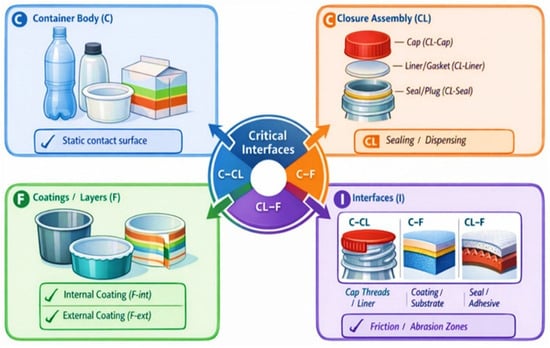
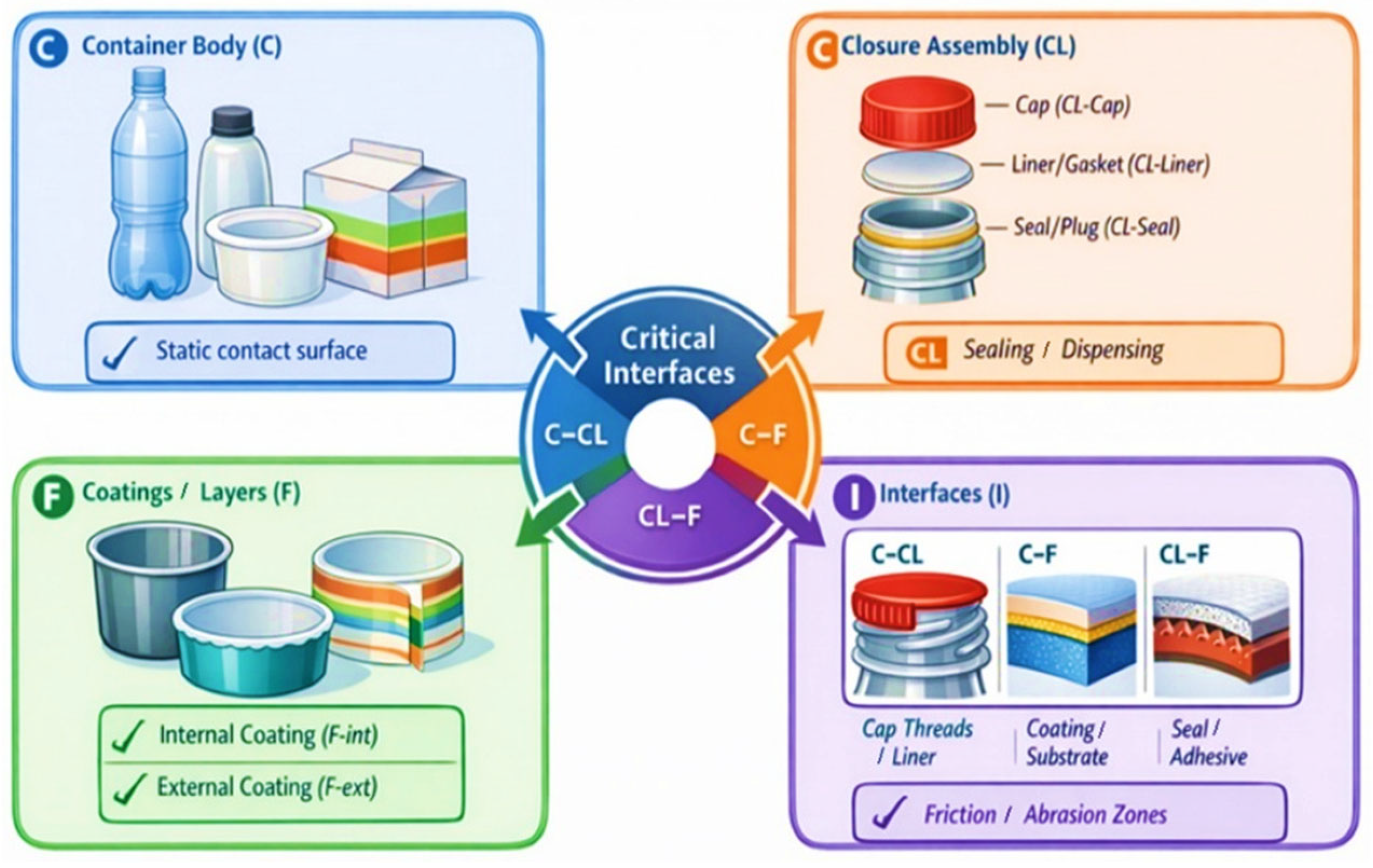
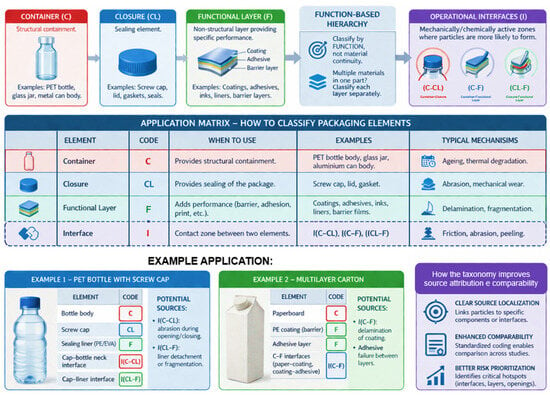
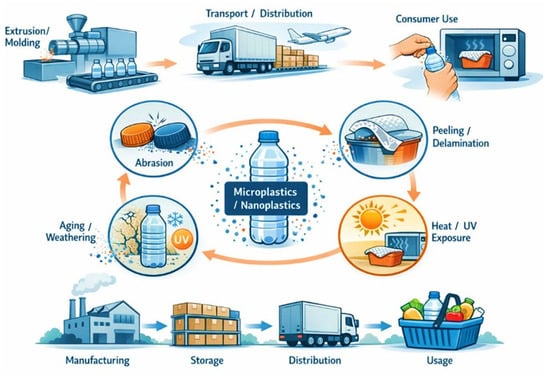
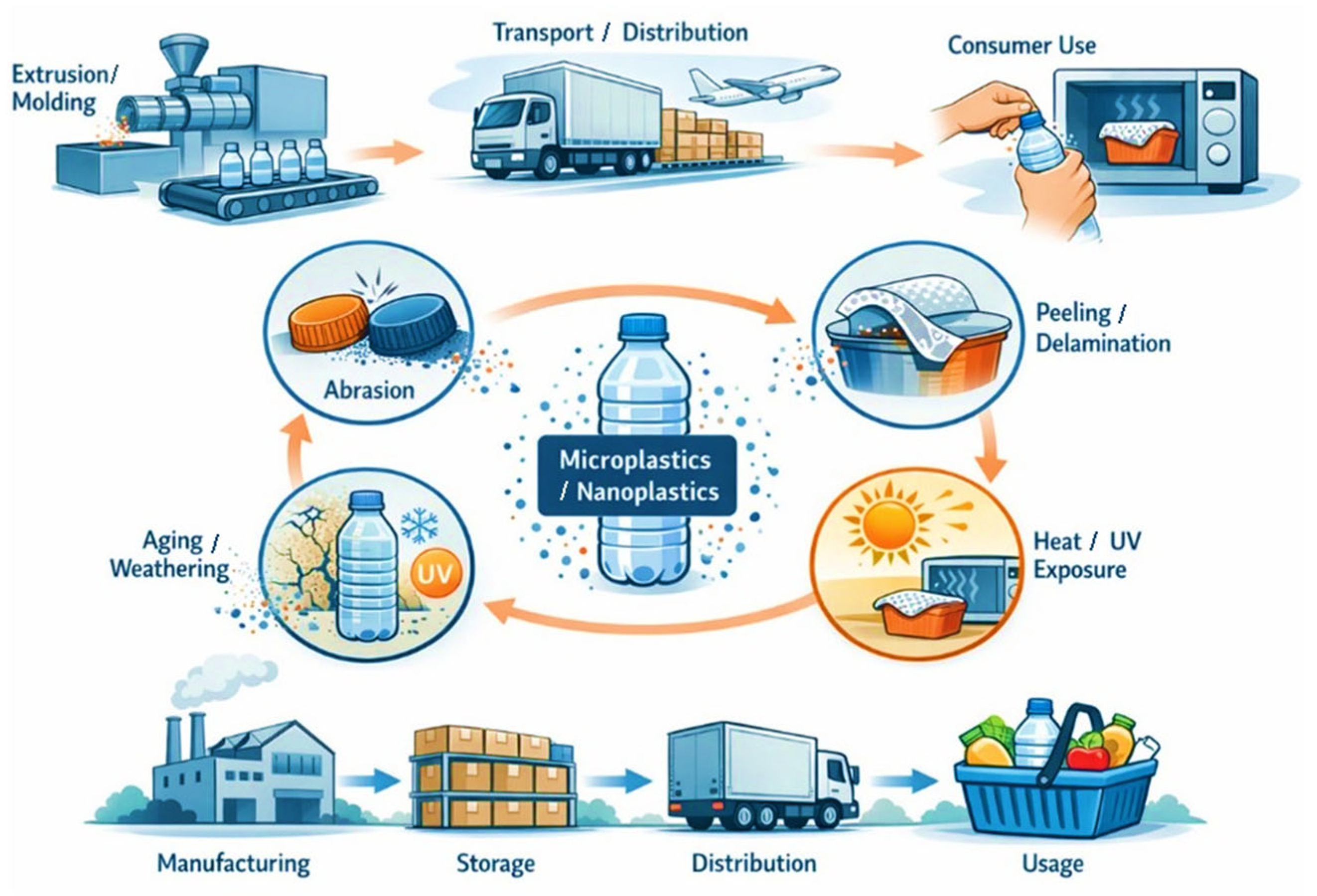
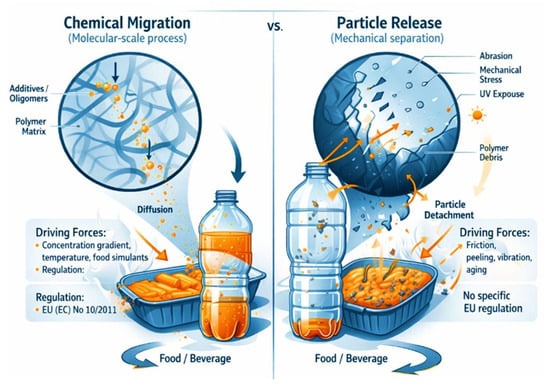
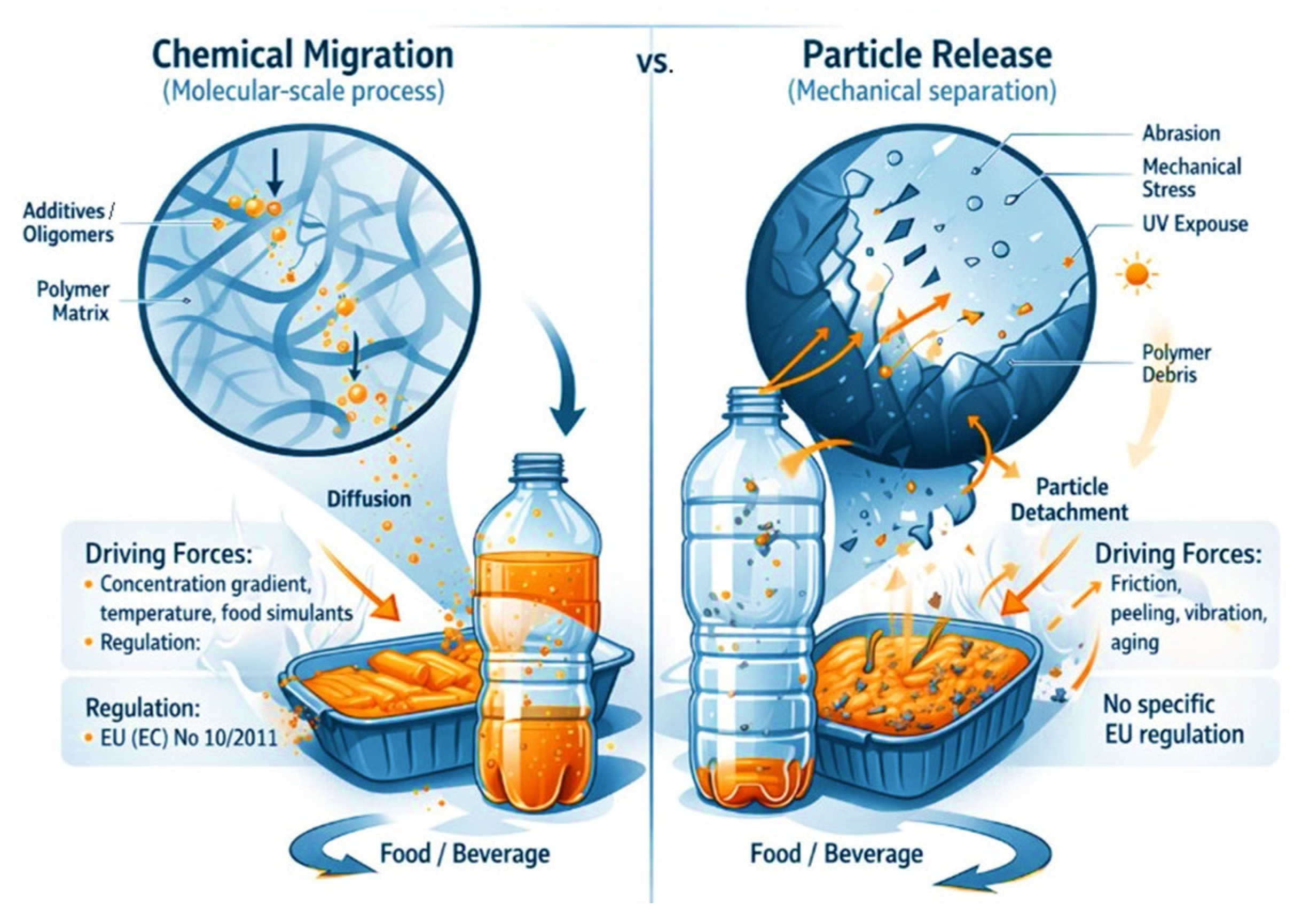
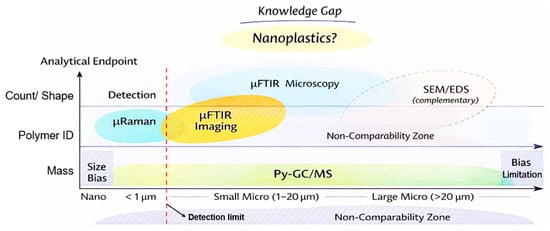
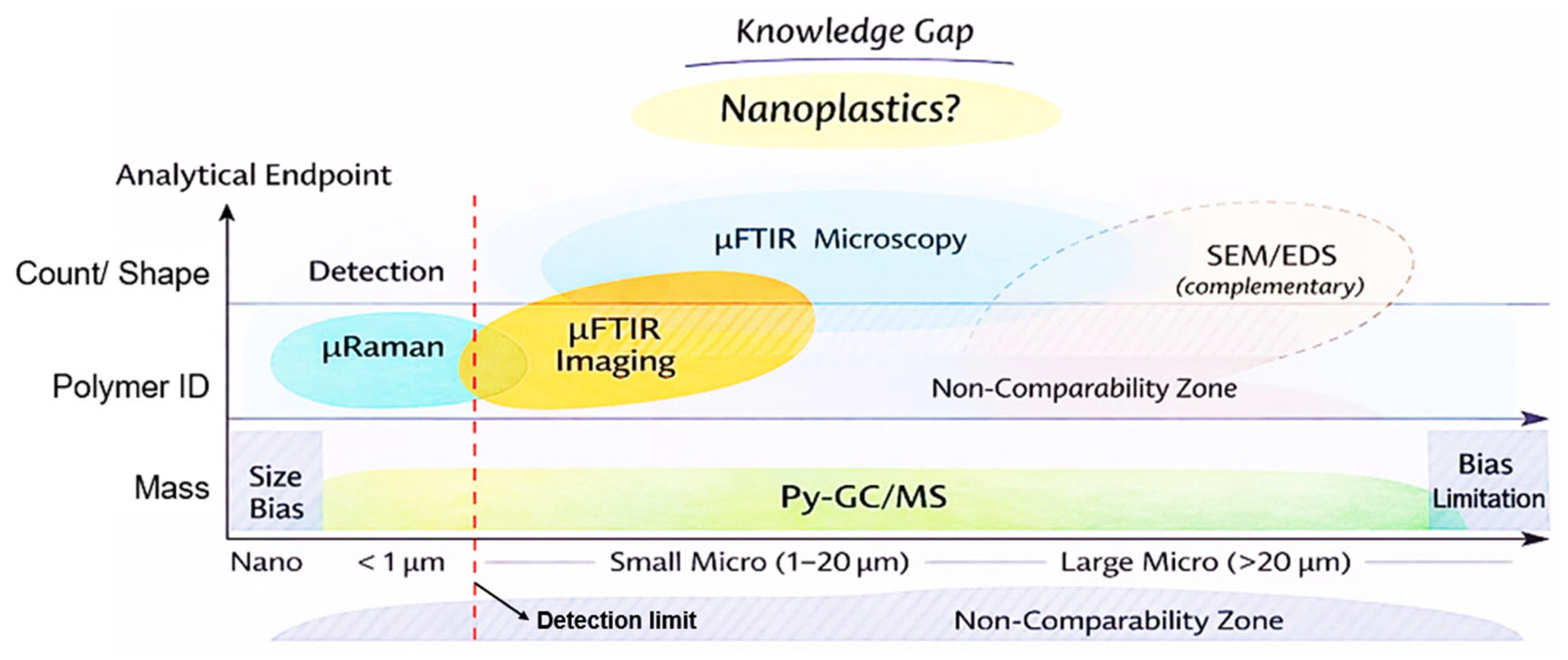
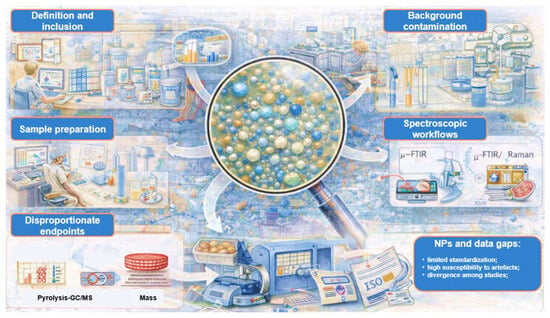
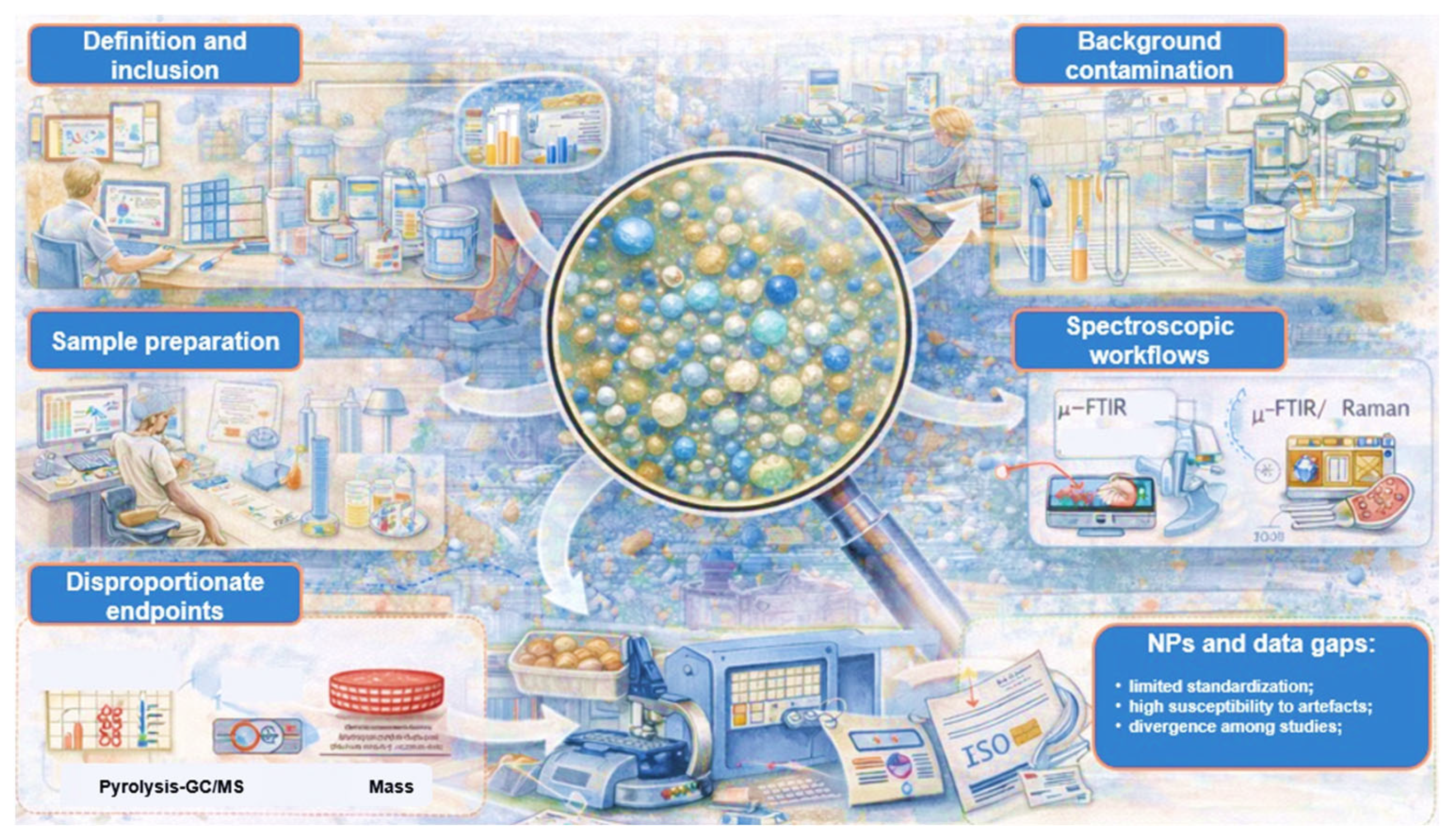
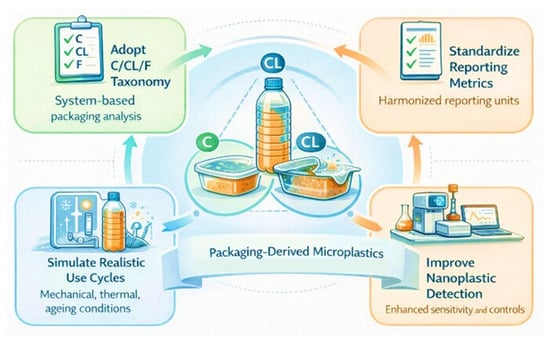
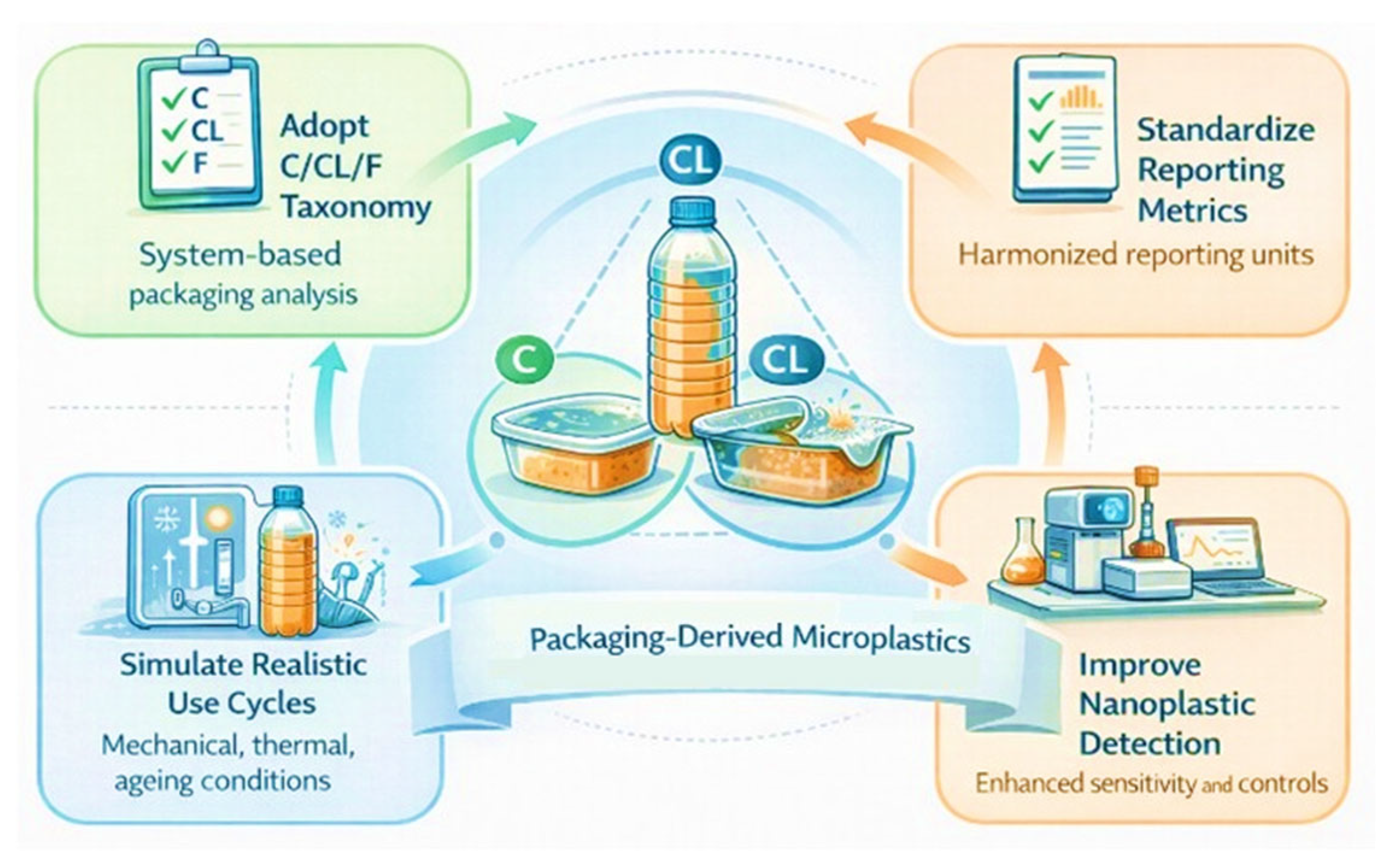



Disclaimer/Publisher’s Note: The statements, opinions and data contained in all publications are solely those of the individual author(s) and contributor(s) and not of MDPI and/or the editor(s). MDPI and/or the editor(s) disclaim responsibility for any injury to people or property resulting from any ideas, methods, instructions or products referred to in the content. |
© 2026 by the authors. Licensee MDPI, Basel, Switzerland. This article is an open access article distributed under the terms and conditions of the Creative Commons Attribution (CC BY) license.