


Abstract
Blended polyester (PET)-based textiles comprise a significant portion of post-consumer waste, posing substantial challenges to circular economy initiatives while contributing to microfiber (MF) pollution. Despite the considerable recycling potential of PET textiles, no commercially viable technologies currently exist that can efficiently separate and recycle blended PET-based textile waste on an industrial scale. This review provides a comprehensive analysis of recycling strategies for post-consumer blended PET-based textiles and their subsequent valorization pathways. Mechanical, chemical, and biological recycling processes are mostly not yet market-ready, although chemical approaches are considered particularly promising. The findings highlight a critical need for advanced sorting technologies, enhanced material traceability, and robust MF mitigation strategies to foster circularity and contribute to the United Nations Sustainable Development Goals (SDGs). The results further indicate that mechanical recycling of blended PET textiles leads to significant MF release due to fiber fragmentation, whereas chemical recycling offers the potential for improved material recovery, but remains limited by high energy demand and solvent-related challenges. While closed-loop approaches support true circularity by maintaining textile-to-textile material flows, open-loop pathways repurpose textile waste for high-value non-textile applications.
1. Introduction
It was estimated that worldwide thermoplastics production reached 445.25 million metric tons in 2025 [1], of which biobased plastics accounted for 2.31 million tons [2]. It is also estimated that, by 2040, more than 100 Mt of plastic waste will still be mismanaged [3]. Under a business-as-usual scenario, global plastic production is projected to reach 736 Mt, with waste generation of 617 Mt by 2040, driven by accelerated production outpacing waste management infrastructure [3]. This scenario drives a 60% growth in plastic-related greenhouse gas emissions, amounting to 2.8 Gt CO2e by 2040. Consequently, more than 445,000 metric tons of small plastic particles, known as microplastics, are released annually into the environment by companies across the global plastic supply chain [4]. To address this issue, the European Commission, as part of its 2021 Zero Pollution Action Plan, aims to diminish the release of microplastics by 30% by 2030 [5].
The textile industry, which produces garments for people and sportswear [6], fabrics for automotive interior [7], and footwear, accessories, and home décor items, including curtains and carpets [8], similarly contributes to environmental concerns. The fast textile and fashion sector drives a demand for approximately 80 billion new garments each year [9], resulting in per capita textile consumption of 7 to 13 kg [10,11]. By 2030, global textile sales revenues are projected to reach UDS 1320 billion [12]. Notably, approximately two-thirds of the world’s textile fibers are petrochemical-based (polyester, polyamide, elastane, and polypropylene), with the remaining one-third consisting mainly of cotton (36%) and wool (2%) [9,13,14]. This growing consumption has intensified the environmental challenges associated with textile production and waste generation [15]. To mitigate these impacts, Directive 2008/98/EC, as amended by Directive (EU) 2018/851, reinforced the waste hierarchy, promotes waste prevention, and mandates the separate collection of textiles by 1 January 2025 [16]. By establishing these requirements, the Directive provides the legal basis for extended producer responsibility (EPR) schemes and higher recycling targets, thereby directly supporting the transition toward circular textile systems. However, Europe still faces significant challenges in textile waste management. Only 15–20% of textile waste is separately collected, and about half of this is exported to developing countries [17]. Most discarded textiles continue to be landfilled or incinerated, while about 1% of garments are effectively recycled into new products [18,19]. These figures highlight the urgent need to transition from the prevailing linear “take–make–dispose” model toward more circular systems. In this context, the United Nations Sustainable Development Goal 12 (SDG 12), “Ensure sustainable consumption and production patterns”, emphasizes the need to adopt recycling, reuse, and closed-loop resource management. Aligned with this global objective, the European Union is actively promoting a circular economy for textiles, prioritizing the collection, recycling, and valorization of post-consumer textile waste. This transition is particularly critical for mixed polyester-based textiles, which represent a substantial share of the global market.
Polyethylene terephthalate (PET) is the most widely used thermoplastic polymer, with extensive applications in packaging and textiles due to its durability, versatility, and cost-effectiveness. In the textile industry, polyester fibers, first introduced in the mid-20th century [6], now dominate global fiber production, accounting for approximately 72% of the man-made fibers [14,20,21]. By 2023, 13% of the PET fibers produced worldwide were derived from recycled materials [22]. Notably, Polar Fleece, introduced in 1993, was the first recycled polyester textile made from post-consumer plastic soda bottles [23]. Today, almost all recycled polyester (r-PET) fibers are produced from post-consumer PET bottles [24,25,26,27], supporting both material circularity and functional textile design. This predominance can be largely attributed to the well-established collection, sorting, and recycling infrastructure developed for PET bottles, as well as their relatively high purity, uniform composition, and consistent molar mass (15,000 to 27,000 g mol−1 of bottle-grade PET) [28,29].
Despite these advances, the recycling rates for polyester remain low. For example, only about 12.5% of PET fibers have been recycled, and just around 1% originate from textile-to-textile recycling, with the majority of recycled PET derived from plastic bottles [25]. To address this gap, both mechanical and chemical recycling approaches for PET textile waste have been developed [12,25,27,28,30,31,32,33,34,35,36]. Fiber-to-fiber recycling, which aims to recover high-purity PET from post-consumer textiles, offers considerable environmental advantages over conventional virgin PET production [14,37]. Producing one ton of recycled PET requires less than 17% of the energy needed for virgin PET and significantly reduces emissions of CO2, CH4, and other hydrocarbons. Moreover, recycling one ton of PET can save approximately 17.2 tons of water, 0.65 tons of natural gas, 1.28 tons of crude oil, and 0.51 tons of coal [28]. Importantly, recycled PET exhibits properties comparable to those of virgin PET, making it suitable for high-quality textile applications [30].
However, despite the significant recycling potential of PET textiles, no commercially viable technologies currently exist that can efficiently separate and recycle blended polyester-based textile waste at an industrial scale [9,38]. Blended fabrics such as cotton/viscose/lyocell combined with polyester (polycotton), polyester–nylon, wool–polyester, or materials containing elastane consist of fibers with fundamentally different chemical properties. This heterogeneity makes their separation technically challenging and economically unfeasible using existing mechanical or chemical recycling processes [39]. The complexity is further exacerbated by the presence of dyes and finishing chemicals, which complicate fiber separation and reprocessing [9]. Certain additives, such as di-butyl phthalate, may act as initiators of polymer decomposition, accelerating material breakdown [40,41,42]. Laboratory simulations have estimated that the global annual release of these compounds could range from 1 to 5.5 tons, indicating their potential accumulation in the environment [40]. Mussels (Mytilus edulis) exposed to degraded PET nanoparticles (600 nm–3.1 µm) at environmentally relevant concentrations (10–105 particles/L) showed concentration and time-dependent cellular responses [43]. Hemocyte subpopulations, especially granulocytes and hyalinocytes, exhibited altered lysosomal stability, oxidative activity, and viability, with partial recovery over time.
Additionally, contaminants including detergents, flame retardants, antibacterial, and anti-mold agents, pesticides, dyes, pigments, catalysts, volatile organic compounds (VOCs), and nanomaterials pose challenges for both recycling processes and the safety and quality of the resulting products [15,29]. For example, PET/cotton blended fibers (60:40 ratio) have been reported to exhibit intermediate degradation levels of up to 20%, reaching a plateau after 30 days [11]. The partial degradation of the biodegradable cotton fraction may, in turn, accelerate the fiber fragmentation, further complicating material recovery and recycling efforts. Consequently, the release of microfibers (MFs), a distinct morphological form of microplastics, is no longer seen merely as a consumer “laundry problem” but as a systemic inefficiency within the textile recycling industry itself [44,45,46,47,48]. These MFs can be generated during the production, use, washing, disposal, and recycling of garments, highlighting an important environmental concern linked to both textile waste management and recycling limitations. The Regulation on the Registration, Evaluation, Authorization, and Restriction of Chemicals (REACH) (EU 2023/2055) [49] defines MFs as fibers up to 15 mm in length with a length-to-diameter ratio greater than three. In the textile industry, the term “microfiber” usually refers to ultra-fine synthetic fibers with a linear density of less than 1 denier, commonly used in clothing and household items, measuring less than 5 mm in all dimensions and maintaining a length-to-diameter ratio greater than 3 [50]. Fibrils are sub-micrometric fiber derivatives produced through the abrasion of synthetic MFs, with diameters not exceeding 10 μm, and usually failing below 5 μm [23].
Despite many review papers addressing the recycling of PET textile waste and microfiber release during the laundering process, scientific interest has recently accelerated toward the efficient separation and recycling of blended PET-based textile waste, as well as the release of MFs throughout different processing stages. In addition, there is a gap in the clear identification of the technical and environmental barriers that must be overcome to enable sustainable recycling of blended PET textile waste, as well as to better understand the mitigation and release of MFs during the recycling processes. In this context, the paper aims to (i) evaluate the mechanism and prevalence of MF release from blended PET textile waste, (ii) critically assess the recycling technologies currently used for the valorization of post-consumer blended polyester-based textiles, and (iii) identify the bottlenecks and solutions for implementing effective recycling strategies.
2. Research Methodology
This manuscript provides a comprehensive overview of advancements in the recycling and reuse of blended PET-based textile waste over the past decade, supported by a bibliometric analysis of publications indexed in the Web of Science from 2015 to the present. The literature search employed the keywords “microfibers”, “textile waste”, “blended PET textile”, and “blended PET textile waste” to capture the current knowledge on microfiber release and recycling technologies that promote circularity in PET-based blended textiles. A total of 864 publications related to blended PET textiles and blended PET textile waste were retrieved from the Web of Science Core Collection database.
As illustrated in Figure 1, research outputs in these areas have grown exponentially over the last ten years. Although the publications specifically addressing MFs have remained relatively stable, approximately 45% (289 publications) of studies on blended PET textiles and 63% (141 publications) of those on blended PET textile waste were published within the past three years, highlighting the increasing scientific and industrial attention devoted to this topic. After the elimination of duplicates and the removal of articles whose abstracts did not align with the research scope, 85 papers were selected for in-depth analysis, of which 25 were review articles.
Figure 1.
The number of annual publications for “microfibers”, “textile waste”, “blended PET textile”, and “blended PET textile waste” keywords found in Web of Science Core Collection database from 2015 to February 2026.
Figure 2a,b shows the keyword associations and their average citations per year, as analyzed with VOSviewer (version 1.6.20).
Figure 2.
The co-occurrence of the “microfibers”, “textile waste”, “blended PET textile”, and “blended PET textile waste” keywords (a) (where colors represent clusters of closely related keywords) and the average citations per year (b) (where blue indicates earlier topics and yellow highlights more recent research trends).
A total of 336 keywords were identified in the literature, of which 36 met the minimum co-occurrence threshold of three. The high average citation per year further demonstrates the importance and impact of the identified keyword clusters within this research field.
3. Blended Polyester-Based Textiles and Mechanisms of Microfiber Release
3.1. Types of Blended Polyester-Based Textiles
The diversity of textile fiber blends can be systematically classified into four primary chemical groups: cellulosic fibers (for example: cotton, jute, linen), synthetic fibers (for example: PET, polyurethane, acrylic, polyamide), protein fibers (for example: wool, silk), and regenerated fibers (for example: viscose, cellulose acetate, lyocell, rayon) [51].
Among these categories, polyester (PET)-based blends are the most extensively studied, particularly in combination with cotton [52,53,54], nylon (polyamide) [55], and elastane (spandex) [56]. These blends are widely used because they balance performance, cost, and processability. In addition to conventional blends, other polymer systems relevant to textile applications include polycarbonate [7], styrene–butadiene rubber (SBR) [57], and PP/SEBS-g-MA [58].
A prominent example is polycotton (PET/cotton), which combines the advantages of both fiber types. Cotton offers softness, breathability, and moisture absorption, while polyester provides strength, wrinkle resistance, and color fastness [52]. As a result, polyester/cotton blends form a key segment of the global textile market, projected to grow from USD 16.8 billion in 2025 to USD 20.6 billion by 2035 [53].
Another important class of blends involves nylon, particularly polyamide 6 (PA6), which is valued for its high moisture absorption, abrasion, and mechanical properties [55]. These characteristics primarily arise from strong intermolecular hydrogen bonding within the polymer structure [26]. In PET/PA6 blends, the incorporation of a small amount of PA6 (≤10 wt%) into the polyester melt can lead to the formation of a self-compatible copolymer form through the reaction between ester and amide groups [55]. This in situ compatibilization improves interfacial adhesion, enhances crystallization behavior, and increases the crystallization temperature due to heterogeneous nucleation effects. Consequently, the melt exhibits improved spinning stability, and the resulting fibers show improved hydrophilicity.
Blending also influences the functional performance of natural fiber systems. For example, increasing the proportion of recycled PET (r-PET) in r-PET/wool woven fabrics has been shown to enhance the thermal conductivity, air permeability, and moisture vapor transmission, while also influencing surface roughness and overall moisture management behavior [59].
This diversity of textile fibers, chemical structures, and interactions in blended textiles is the primary reason that makes blended fabrics difficult to recycle.
3.2. Mechanism of Microfiber Release During Washing
Domestic laundering of garments is widely recognized as the primary pathway for MFs release into the environment, with households estimated to contribute up to 35% of global emissions. Other sources include wear, abrasion during use, and drying processes [23]. It has been reported that washing 6 kg of mixed garments in real house conditions can generate 18 × 106 MFs per cycle [60]. Along with MFs, fibrils, smaller particles with diameters of less than 10 μm, are usually released into the environment during the washing process [23].
Figure 3 shows the shedding mechanism of MFs during wear, tear, washing, and drying of garments [8].
Figure 3.
Lifecycle of MFs release from textile garments to environment due to their wear and tear and washing [8] (Open Access).
First, during washing, both synthetic and natural fibers are mechanically detached from textiles as a result of agitation, friction, and chemical interactions with detergents [8,13,23,60,61]. This process initiates surface damage in the fuzz formation, which represents the initial stage of pilling. At this stage, loose fibers reach the surface of the fabric, rise up from the yarn structure, and create a fluffy appearance. As washing continues, these protruding fibers entangle and form pills [8,62]. Once discharged, a substantial fraction of these fibers enters wastewater streams and is transported to wastewater treatment plants (WWTPs) [8]. It is estimated that the microplastics released into WWTP will increase from 0.017 Mt in 2000 to 0.749 Mt by 2062 [63]. Although WWTPs can retain a large proportion of MFs in sewage sludge, some fibers still bypass treatment due to system inefficiencies or because their small size allows them to pass through conventional filtration systems. Consequently, MFs can be indirectly released into aquatic environments, including rivers, lakes, and coastal waters, contributing to widespread microplastic pollution [46,64,65,66,67,68].
3.3. Microfiber Release from Blended PET-Based Textiles
The release of microfibers (MFs) from textiles is strongly influenced by the fiber type, fabric structure, manufacturing history, and processing conditions. A major limitation in MF research is the absence of a standardized protocol for quantifying MF release from textiles, which creates significant challenges for both scientific assessment and industrial benchmarking [13,44]. As a result, reported MF shedding rates differ considerably and are expressed using different units and methodologies. This variability arises from differences in experimental conditions, including the type of washing equipment (household machines vs. laboratory simulators), detergent formulations, washing temperatures, cycle durations, and the size and composition of the textile sample, which complicate a direct comparison across studies and limit the reproducibility of results [13,53,69,70].
Regarding the chemical composition of textiles, polyester and natural fibers, such as cotton and wool, have been reported to release relatively high amounts of fibers during washing, with values of 161 ± 173 mg kg−1 and 165 ± 44 mg kg−1 of textile, respectively. In comparison, polyamide (PA) exhibits substantially lower emissions, releasing approximately six times less material (27 ± 14 mg kg−1) [71]. Cotton fabrics generally emit about four times more MFs compared to synthetic fabrics [54]. Overall, the reported release rates from synthetic textiles span a wide range, from approximately 1600 to 56,000 MFs per gram of fabric [23]. In addition, fiber shedding is strongly influenced by washing history. Initial washing cycles typically result in higher fiber losses than subsequent cycles [71], presumably because of residual loose fibers and particulates remaining from manufacturing processes.
Scientific studies on MFs release from polyester fabrics report conflicting findings, largely due to differences in the specific fabric structure and manufacturing characteristics. For example, Cui et al. [72] found that polyester knitted fabrics release significantly more MFs than woven fabrics. This behavior is attributed to the looser coil string sleeve structure of knitted fabrics, which allows fibers mobility and detachment during washing. Conversely, other studies have reported that woven fabrics can release higher MFs than knitted ones. This discrepancy is often linked to yarn characteristics, particularly when woven fabrics are produced from ply-twisted spun yarns, which have a higher “hairiness” compared to the single-filament yarns commonly used in certain knit structures [61]. In addition, the physical properties of fabrics play a significant role. The increased fabric thickness and mass have been associated with greater MF emissions, likely due to the higher material content and intensified mechanical friction within denser textile structures [61].
Several studies have reported no significant difference in MF shedding between virgin polyester and recycled polyester during key manufacturing stages, including spinning, weaving/knitting/tufting, dyeing, and washing processes [23,73]. In contrast, Persson et al. [45] observed a markedly different trend. After three mechanical recycling cycles of knitted fabrics made from 30% r-PET blended with 70% virgin PET, the MFs shedding under simulated wear and laundering increased by a factor of 6.2 compared to fabrics made entirely of virgin PET. This behavior was attributed to the progressive reduction in the polymer chain length and mechanical strength of r-PET during the successive recycling process. As a result, the reduced structural integrity makes the fibers more susceptible to thermo-mechanical stress during washing, leading to accelerated fiber breakage and increased MF release [74].
Currently, there is limited documented evidence on the release of MFs during the chemical recycling of blended PET-based textiles across processing stages [47]. Recently, Manivannan et al. [47] reported the generation of MFs during the chemical recycling of polycotton textiles, across key processing steps such as dye removal, acid hydrolysis, and alkaline hydrolysis—Figure 4.
Figure 4.
MF extraction methodology from polycotton waste treatment and their surface nature during: dye removal (A), acid hydrolysis (B), and PET depolymerization (C). Reproduced from [47] with permission from Elsevier.
Figure 5 illustrates the median length of MFs released from four polycotton fabric wastes compared with virgin PET during the chemical recycling process.
Figure 5.
Median length of MFs from fabrics across treatment stages (where the compositions are 100% PET for FT2; 50.03% cotton/49.96% PET for FT3; 59% cotton/41% PET for FT4; 31% cotton/69% PET for FT5; 56% cotton/44% PET for FT6). Reproduced from [47] with permission from Elsevier.
According to Figure 5, the highest release of MFs was observed during the dye-removal step, ranging from 11,325 ± 2306 MFs g−1 for 31% cotton/69% PET blends to 6700 ± 2372 MFs g−1 for 56% cotton/44% PET blends, and 6950 ± 1411 MFs g−1 was recorded for recovered cotton. During acid hydrolysis, 8350 ± 3295 MFs g−1 were generated for 59% cotton/41% PET and 6500 ± 1957 MFs g−1 for cotton/49.96% PET. In contrast, alkaline hydrolysis produced the lowest MFs release levels, ranging from 1058 ± 402 MFs g−1 for 100% PET to 925 ± 43 MFs g−1 for 31% cotton/69% PET blends. Recovered cotton yielded between 36 ± 3 MFs g−1 to 74 ± 23 MFs g−1, whereas the recycled cellulose values ranged from 119 MFs g−1 for a 59% cotton/41% PET blend to 245 MFs g−1 for a 50.03% cotton/49.96% PET composition. The order of MF generation during dye removal and chemical recycling of blended PET-based textiles was dye removal (43.64%) > acid hydrolysis (33.98%) > alkaline hydrolysis (9.6%) (Figure 5) [47].
The process parameters, including reaction duration, mixture composition, and stirring intensity, were found to strongly affect both the quantity and size distribution of MFs, while the temperature had a moderate influence on fiber degradation [47].
Material degradation further amplifies microfiber emissions. A study examining four polyester fabric types (interlock, fleece, single fibers, and single filaments) subjected to artificial aging under ISO 4892-2 [75] demonstrated that degraded textiles released 20–40 times more MFs than those observed during standard washing conditions [17]. This finding suggests potential mitigation strategies, such as pre-washing or industrial pre-treatment of new garments, to reduce microfiber emissions to the consumer level.
To address the significant environmental burden associated with MF release during washing, several mitigation strategies have been proposed. Research highlights that equipping washing machines with filters can significantly mitigate MF emissions [13,62,69,76]. For example, a laboratory-scale study reported a separation efficiency of up to 99.6% using a bio-inspired filter designed to mimic the gill arch system of fish [76]. An alternative approach was proposed by Cabigliera et al. [50], who examined eight types of micro- and nano-magnetic particles (MNPs) applied at a concentration of 1.3 g L−1 in water for MF mitigation during the laundering of 5 kg of PET and PA-based textiles at 30 °C for approximately 30 min, under both laboratory and industrial washing conditions. The study reported MF removal efficiencies of 66.0% at the laboratory scale and 73% at the industrial scale. These results were attributed to interactions between MNPs and fibers that promote fiber entrainment and their migration toward a magnetized zone via a dragging mechanism. Under the tested washing conditions, the release of MFs was estimated at approximately 7.5 × 10⁵ fibers per washing cycle.
4. Circular Pathways for Blended Polyester-Based Textile Waste
In the literature, secondary and tertiary recycling of post-consumer blended polyester textiles has been documented with the purpose of valorizing the entire or singular component of textile waste [19,21,51,77,78,79,80,81,82,83,84,85,86,87] as new fibers [9,19,55,88], adsorbents [89], fuel [10,90,91], and biocarbon [10,20,92,93], as well as the development of composite materials [7,78,94,95,96].
Table 1 contains examples of the valorization of blended polyester textile waste by mechanical, chemical, or biological technologies.
Table 1.
Technologies for valorization of blended polyester-based textile waste.
4.1. Mechanical Recycling
Roungpaisan et al. [19] demonstrated a closed-loop fiber-to-fiber recycling strategy, in which mechanically recycled PET was recovered from blended polyester–cotton textile waste. In this approach, the textile waste was first defibrillated using a recycling machine, followed by pretreatment with a 85% H3PO4 solution to selectively dissolve the cotton component. An additional enzymatic treatment was then applied to degrade any residual cotton after acid extraction. Finally, the purified PET was re-melted and re-extruded into fibers, enabling its reintroduction into the textile production cycle. Similarly, r-PET/rPA6 waste fibers can be reprocessed and reintegrated into textile manufacturing, supporting a fiber-to-fiber circularity [55].
In contrast, several studies have explored open-loop material recycling strategies, where the recovered materials are converted into alternative value-added products rather than being reused in textile fiber production, meaning circularity is partial rather than complete. For example, the cellulosic fraction of polyester/cotton textile waste has been transformed into nanocellulose, as a reinforcing agent in biodegradable nanocomposite film based on polyvinyl alcohol (PVA), 5 wt% nanocellulose, and 0.3 wt% AgNPs as a potential alternative to conventional films. This ecofriendly material records a significant mechanical performance, with a tensile strength of 2.37 ± 0.32 MPa and elongation at break of 214.26 ± 44.91% [78]. Similarly, the fibrous textile plastic waste has been directly incorporated into green composite materials for construction applications [95]. Tang et al. [94] converted post-consumer cotton/PET blended textiles into composite material for furniture applications.
Polycotton textile waste has also been used as a precursor for synthesizing carbon black for printed electronic patches [97]. The resulting material exhibited superior electrical conductivity compared to commercial carbon black, attributed to its more ordered graphitic structure. This process is strongly temperature-dependent. Furthermore, the printed patches demonstrated an excellent washing stability, with their conductivity remaining nearly unchanged even after five washing cycles.
4.2. Chemical Recycling
4.2.1. Thermo-Chemical Recycling
Thermochemical conversion technologies offer promising alternatives for managing blended PET-based textile waste that is difficult to recycle through conventional mechanical or chemical methods, which use reagents to achieve depolymerization. Among these, pyrolysis, co-pyrolysis, torrefaction, and hydrothermal carbonization (HTC) have emerged as viable strategies for energy recovery and material valorization.
Pyrolysis provides an effective method for converting mixed waste streams into value-added products under oxygen-limited conditions. For instance, Kar et al. [92] proposed a novel strategy for transforming polyester-based textile fabric waste into surface-modified biochar used for triclosan adsorption. Khan et al. [97] expanded the application spectrum of post-consumer polycotton textiles beyond the textile sector by transforming polycotton waste through pyrolysis into carbon black, which enables high-value applications, particularly in smart textiles and printed electronic systems.
Co-pyrolysis enables the simultaneous thermo-chemical conversion of the natural (cotton) and synthetic (polyester) fibers present in blended textiles. This approach enhances the overall efficiency of waste valorization by exploiting synergistic interactions between biomass and polymer fractions. Oxygen-containing radicals generated from the biomass component facilitate C–H bond cleavage in the synthetic polymer, improving the degradation kinetics. Meanwhile, the higher hydrogen content of PET mitigates the typically high char yield and low volatile fraction associated with biomass alone. These interactions result in improved product distribution and energy recovery efficiency, demonstrating a clear synergistic effect during co-pyrolysis [91]. Wang et al. [91] introduce a novel strategy for valorizing fibers of different compositions from PET-blended textile waste through co-pyrolysis, reaching a maximum fuel gas yield of 19.66 mmol/g.
Torrefaction, a mild thermochemical pretreatment typically conducted at 200–375 °C under inert conditions, represents another promising pathway for textile waste valorization. Aljomah et al. [90] demonstrated that the mixed cotton–polyester shearing waste can be converted into a high-energy, low-emission solid fuel through torrefaction. The optimal biochar sample, obtained at approximately 350 °C for 4 h, exhibited high combustion reactivity (~0.836 μg min−1 K−1), comparable to lignite coal, along with low ash (~1.8 wt%) and sulfur (~0.04 wt%) contents. These properties can contribute to SDG 12 (Responsible Consumption and Production) and SDG 7 (Affordable and Clean Energy).
Parrilla-Lahoz et al. [20,93] successfully upcycled model MFs composed of cotton and polyester collected from washing machine filters into high-tech carbonaceous materials via hydrothermal carbonization (HTC). During HTC, the MFs undergo a series of thermochemical transformations in the presence of water, including hydrolysis, dehydration, decarboxylation, aromatization, and deoxygenation reactions. These processes progressively convert the fibrous structures into carbon-rich materials with advanced functional properties. From a process design perspective, water reuse is an important consideration to enhance wastewater management and improve overall energy efficiency. Furthermore, the scalability of HTC is supported by existing industrial facilities that are capable of processing substantial quantities of biomass, indicating its potential applicability for the large-scale treatment and valorization of textile MFs.
4.2.2. Solvent-Based Recycling
A wide range of chemical valorization strategies for blended PET/cotton waste can be identified, including catalytic or switchable solvent systems for mild separation, chemical depolymerization into monomers and functional materials, ionic-liquid-based fiber separation and regeneration, and deep eutectic solvent (DES)-based separation approaches.
The degradation mechanism of PET involves chemical depolymerization (glycolysis) of the polyester chains into the monomer bis(2-hydroxyethyl) terephthalate (BHET). Depolymerization proceeds primarily through an endwise peeling mechanism, in which hydroxide ions attack the ester linkages at the polymer chain ends, leading to stepwise chain scission and the progressive release of monomeric products [99].
Using 25 g of ethylene glycol (EG) and 5 wt% [Betaine]Zn(OAc)2 catalyst at 190 °C, 5 g of PET fiber were completely converted into bis(2-hydroxyethyl) terephthalate (BHET) within 45 min, achieving a BHET yield of 82.3% [80]. Concurrently, 95% of the cotton fraction was recovered, demonstrating an efficient and selective separation of both polymeric components. The betaine-based deep eutectic solvent (DES) acts as a catalyst in a mild glycolysis reaction, enhancing bond cleavage in the PET backbone under EG treatment conditions and converting the depolymerization of PET into BHET, while preserving cotton integrity.
Similarly, Zhang et al. [79] proposed a selective depolymerization approach to break down PET from textile blend waste into its monomers (terephthalic acid (TPA)) and EG at ambient temperature using a tailored solvent system consisting of dichloromethane (DCM) and ethanol (EtOH). This method eliminates the requirement for laborious pre-sorting and complex separation processes of PET blends, while also reducing the environmental impact, with an energy factor of 3697 °C x min and emissions of 1169.4 kg CO2 equiv., which is less than one-third of that associated with traditional chemical hydrolysis. However, for industrial scalability, chemical safety concerns related to the use of volatile chlorinated solvent DCM must be addressed.
To prevent the degradation of individual components and enable the recovery and reuse of both fiber types, specialized solvent systems have been developed to selectively dissolve one component of polycotton textile waste. Using this approach, the cellulosic fraction can be recovered [96], while the PET component is depolymerized. For instance, chemical recycling of PET/viscose blends via alkaline hydrolysis has been demonstrated to effectively depolymerize PET, while preserving the cellulose fraction [99,100].
Building on this concept, an advanced valorization strategy for polycotton textile waste uses aqueous ionic liquids (IL) to selectively depolymerize polyester into TPA with yields up to 88%, while maintaining the integrity of the cotton fibers, allowing for the recycling of colored, mixed-textile streams [87]. This process also exhibits high biocompatibility and allows a one-pot approach for either conventional monomer recovery or direct biological upgrading.
In another study [82], a green and efficient method for separating polyester–cotton blends without damaging the polyester fiber was developed using a low eutectic solvent synthesized from ZnCl2, H3PO4, and H2O—Figure 6.
Figure 6.
Controlled separation and reutilization of PET and cotton fractions from polycotton blended textiles (a); reprocessing and reutilization of the separated components (b); comparative study of textile dissolution in the ZnCl2/H3PO4/H2O ternary solvent medium (c). Reproduced from [82] with permission from Elsevier.
The experimental procedure (Figure 6a) entails immersing chopped polyester–cotton-blended textiles in a prepared ZnCl2/H3PO4/H2O ternary cosolvent [82]. At ambient temperature, the cotton dissolves selectively, separating from the intact polyester fibers. The isolated polyester fibers, once cleaned and dried, are regenerated through melt spinning. The resulting cellulose solution is subsequently coagulated in deionized water, filtered, and dried to produce regenerated cellulose powder suitable for wet spinning. This approach allows for efficient component separation and fiber-to-fiber circular recycling of polyester–cotton blends at the laboratory scale (Figure 6b). Observations of the solvent system (Figure 6c) indicate that the metal salt hydrate solvent is initially a colorless, transparent liquid. During dissolution, cotton fibers form a light brown, viscous cellulose solution, while polyester fibers retain their original shape and color.
A recent valorization strategy proposed by Jungbluth [84] used a switchable solvent system composed of 1,8−diazabicyclo [5.4.0] undec−7−ene (DBU), dimethyl sulfoxide (DMSO), and CO2 to selectively dissolve and precipitate cellulose from polycotton textile blends without degrading the PET component. This innovative approach enables the intact recovery of both fibers. This method has the potential to increase recycling rates for mixed textile waste while reducing reliance on the hazardous solvents commonly used in conventional separation processes. DMSO is marked as flammable, an irritant, and a health hazard [25]. Different types of ILs have different toxicities and ecological footprints. The most relevant factor to their toxicity is the alkyl chain length of the cations. The longer the alkyl chain length of the cation, the more toxic the ionic liquids are.
The transition toward a circular economy for mixed PET/cotton garment waste was also demonstrated by a chemical separation and recycling process that used the superbase-based ionic liquid [DBNH][OAc] to selectively dissolve the cellulose component and transform it to new high-value fibers with fineness, strength, and elongation properties comparable to commercial Lyocell fibers [96].
Rosson et al. [83] developed a recycling-friendly coloration approach to treat both polyester and cotton from polycotton blends, in which the dye color is retained as a critical performance indicator of chemical separation. The difference in color (ΔE) between the original materials and the recovered materials was 3.7 for recovered polyester and 8.3 for regenerated cellulose.
Ara et al. [81] introduced a green and sustainable extraction method using natural deep eutectic solvents (NADES) to selectively dissolve and separate cellulosic cotton fibers from polyester in blended textile waste.
A significant advance in the chemical recycling of blended textile waste, offering a more efficient, less destructive, and widely applicable route toward circular textile materials, was presented by Wu et al. [85]. They proposed a mild alkaline hydrolysis process catalyzed by a binuclear zinc complex (Zn2L) to separate cotton from polyester in polycotton blends. Unlike many recycling methods that degrade cotton fibers, this approach preserves the cotton’s degree of polymerization and crystalline structure, resulting in recycled cotton with a quality nearly identical to the original material. Moreover, the use of the Zn2L catalyst improved the separation efficiency by approximately sevenfold compared with traditional alkaline hydrolysis.
A highly promising approach to addressing the complex challenge of polycotton waste valorization is the integration of chemical and enzymatic processes, which allows for the selective deconstruction of cotton and polyester components [101]. This enables the recovery of high-purity PET monomers alongside fermentable sugars from the cellulosic fraction. For instance, Abdel-Gawad et al. [98] activated polycotton post-consumer with biosynthesized copper oxide nanoparticles in the presence of Chlorella microalgae in an ecofriendly process. This transforms waste into “smart” functional materials rather than low-value recycling outputs. Activation of the textile waste using cellulase enzymes increases surface carboxyl and hydroxyl groups, significantly improving the binding and durability of nanoparticle immobilization, even after multiple washing cycles. The Chlorella-CuO-NP-loaded textile waste functions as a nano-biofilter, capable of significantly reducing microbial contamination in wastewater. Such a dual recovery strategy not only maximizes material utilization but also provides versatile feedstocks for polymer repolymerization and bio-based chemical production, thereby supporting a closed-loop, circular economy for textile waste.
Manivannan et al. [89] developed a novel valorization route for transforming post-consumer polyester–cotton blended textile waste into functional hydrogels with strong adsorption capacity (up to ~379 mg g−1) for anionic dyes, while simultaneously recovering cotton fibers as a second high-value product. The resulting hydrogels demonstrate rapid and efficient dye removal, achieving high removal rates within minutes to hours, and retain over 80% efficiency after multiple reuse cycles, highlighting their practical potential for wastewater treatment. Furthermore, the hydrogel exhibits pH-responsive behavior, with functional properties optimized through aminolysis, crosslinking, and the inclusion of activated carbon, enabling enhanced performance under realistic wastewater conditions.
Andini et al. [86] proposed another strategy for chemical recycling of mixed textile waste that contains polyester, cotton, nylon, and spandex, which typically cannot be recycled effectively by mechanical means. In a microwave-assisted glycolysis process, the mixed textile waste is treated with EG in the presence of a ZnO catalyst (Figure 7). Under optimized conditions, polyester can be selectively depolymerized within ~15 min to form bis(2-hydroxyethyl) terephthalate (BHET). Simultaneously, spandex is chemically broken down, yielding 4,4′-methylenedianiline (MDA). The remaining solid fraction primarily consisted of cotton (cellulose) and nylon (polyamide), which can then be separated by solvent dissolution based on their different solubility behaviors. Nylon can be dissolved in 90% formic acid while cotton remains insoluble, allowing efficient fractionation and recovery with different degrees of polymerization (DP). This approach leads to a textile circularity rate of 88%, avoiding the sorting of waste.
Figure 7.
Recycling strategy of mixed textile waste with unknown composition. Isolated components (A); textile to textile and open-loop recycling (B) [86]. (Open Access).
Thanks to advances in chemical recycling, textile waste valorization has evolved from simple separation processes into a multi-pathway circular economy framework, encompassing closed-loop fiber regeneration, selective solvent-based separation, chemical upcycling into monomers and functional materials, and integrated multi-component recycling systems.
4.3. Biological Recycling
Biological recycling of blended PET/cotton and PET/wool textile waste allows for valorization that ranges from functional environmental applications to fiber recovery and biochemical conversion.
To separate polyester from mixed polyester–textile materials, enzymatic and microbial nanobiotechnology [9,98] approaches have been used. Thus, PET MFs from blended polyester/wool fabrics can be recycled into yarn and reused in new garments or other products by using a keratinase, while nutrient-rich keratin hydrolysates derived from protein-based fibers may serve as microbial growth media, bio-fertilizers, or animal feed, supporting circular economy strategies [9]. Cellulase-treated PET/cotton textile waste is integrated into a microbial nanotechnology-based nano-biofilter system, where the modified textile structure serves as a functional filtration medium [98]. Rather than recovering fibers or monomers, valorization is achieved through functional upcycling, enabling wastewater treatment with very high removal efficiencies (>97% for total coliforms, 98% for E. coli, and 99.4% for Salmonella).
Subramanian et al. [18] conducted a systematic LCA of a 50/50 cotton/PET blended fabric waste sourced from H&M and subjected to a biological recycling process that simultaneously recovers PET fibers and glucose syrup. The bio-recycling process consists of three main steps: (i) pre-treatment of textile waste, during which the cotton fraction is prepared for enzymatic breakdown while the polyester component remains intact; (ii) enzymatic hydrolysis, in which the cellulosic cotton is hydrolyzed to produce glucose syrup; and (iii) melt-spinning of the remaining PET, whereby the recovered PET is melted and re-spun into new polyester fibers. The LCA results, based on a functional unit of 1 kg of recovered PET, indicate that pre-treatment is the most energy-intensive stage (207 MJ kg−1 PET recovered), followed by melt-spinning (98.5 MJ kg−1), while enzymatic hydrolysis accounts for 44.8 MJ kg−1. This approach represents a hybrid valorization strategy, combining partial closed-loop PET recovery with open-loop biochemical conversion of cellulose into platform chemicals.
Zangelmi et al. [102] developed an integrated green biorefinery strategy for valorizing polycotton textile waste (70% PET/30% cotton) through a sequential combination of mechanical pre-treatment, enzymatic hydrolysis, thermal processing, and microbial upgrading. Cotton was fully converted into glucose, while PET was efficiently depolymerized into TPA and EG, achieving a 98 ± 1% conversion. The recovered TPA was further upgraded via engineered E. coli into the high-value aromatic compound protocatechuic acid (PCA), demonstrating a strong potential for cascading valorization of both textile fractions. Overall, from 1 g of polycotton fabric, 500 mg of PCA are generated. Despite high product yields and process integration, the approach is currently limited by slow enzymatic kinetics, scalability challenges, sensitivity to real textile contaminants, and the need for improved enzyme efficiency and byproduct utilization.
4.4. Other Applications
Another direction for the valorization of blended polyester-based textile waste is its upcycling into high-performance rubber microfibrillar composites [57]. This cascade recycling avoids complex chemical separation processes, reducing additional chemical inputs and energy demand compared to depolymerization-based recycling routes.
A novel and facile chemo-thermo-mechanical approach was employed to produce extrudable pellets via a one-pot, TEMPO-mediated oxidation of post-consumer polycotton textiles. This was followed by a mild mechanical treatment without separating the individual constituents of the polycotton blend [103]. The resulting filaments showcase an innovative route for the upcycling of textile waste while leveraging the advantages of additive manufacturing. Furthermore, 3D-printed filters with tunable porosity were fabricated and evaluated for their efficacy in water treatment applications.
5. Prospects and Challenges
Post-consumer textile waste can be valorized through multiple recycling strategies, each offering distinct advantages, limitations, and performance outcomes.
Table 2 presents the advantages and disadvantages of blended polyester textile recycling.
Table 2.
Advantages versus disadvantages of circular approaches of blended polyester-based textile Waste.
Mechanical recycling benefits from established infrastructure, low operational costs, and reduced energy and water consumption compared to virgin material production, thereby lowering the overall environmental impact. It can achieve up to 60% material retrieval efficiency and mitigate approximately 30% of greenhouse gas (GHG) emissions. Replacing of virgin PET and PA with their recycled types directly supports SDG 12 on sustainable consumption and production, while also contributing to other interconnected goals, including clean water (SDG 6), affordable energy (SDG 7), sustainable cities (SDG 11), climate action (SDG 13), life on land (SDG 15), decent work and economic growth (SDG 8), zero hunger (SDG 2), and good health and well-being (SDG 3) [35,39]. By substituting virgin resources, recycling lowers carbon and wastewater emissions, decreases solid waste generation, and reduces the consumption of water, energy, chemicals, and arable land.
However, mechanical recycling’s effectiveness is significantly constrained by several technical limitations [12,32,35,52,77,104,105]. These include low efficiency in separating blended fibers, progressive degradation of polymer and fiber quality, and reduced mechanical integrity of recycled fibers. These lead to contamination, inefficient processing, and reduced recycling yields. Polycotton is the least identifiable fraction because it is prone to moisture noise, oily buildup, and the spectral obscurity of small, dark, and grey items [107].
These bottlenecks are prevented by emphasizing the implementation of improved separate collection systems, which ensure higher purity of input materials and reduce the need for intensive downstream sorting. The findings indicate that enhancing the separate collection of textile waste from 14% to 40%, coupled with the implementation of recycling, can substantially mitigate environmental impacts. Notably, reductions of up to 24% in fossil resource depletion are observed, along with significant decreases in climate change potential and freshwater ecotoxicity, largely driven by the reduced demand for virgin material [108].
To improve recycling process efficiency and reduce the losses associated with mixed-material treatment, a fiber-specific waste routing has been proposed, where cotton and polyester streams are directed toward dedicated recycling or reuse pathways.
Energy-demanding separation processes, expensive functionalization steps, and dependence on additional resins constitute major challenges in textile waste valorization and composite manufacturing [94]. To overcome these limitations, a resin-free processing approach has been introduced, utilizing direct hot-pressing under optimized thermal conditions to produce high-performance composites without chemical binders or functional additives. To ensure good dispersion of the recovered cellulose in nanocomposite materials, a two-step alkaline and acid hydrolysis process applied to polyester–cotton textile waste enables selective cellulose recovery for nanocellulose production, resulting in improved reinforcement performance and higher-value composite film applications [78].
To avoid the high temperatures required for PET melting, Hou et al. [77] proposed a feasible approach for separating cotton and polyester from mixed textile particles after size reduction, thereby facilitating subsequent material recovery.
Other critical challenges include insufficient traceability of textile compositions and the lack of automated sorting and segregation systems. The proposed solution is the development of an enhanced sorting infrastructure and better waste management logistics, including improved identification and pre-treatment of textile fractions before recycling [108].
In addition, the degradation of fiber quality during recycling is addressed indirectly through a strategic shift toward reuse prioritization over recycling, which extends product lifetime and reduces the frequency of fiber processing cycles. This approach minimizes the mechanical and chemical degradation associated with repeated recycling steps.
This study reveals that, if MF emissions contribute to the broader environmental problem of textile waste, only a small fraction of garments is collected for reuse or recycling. Owing to the mechanical characteristics of the recycling process, MFs are expected to form during the shredding stage. These particles can subsequently be discharged into the environment via effluent streams generated during washing procedures. Reported production rates of microplastics within the 0.212–1.18 mm size fraction range from 1.1 to 5.8 g per kg of processed plastic material [109]. The absence of standardized procedures not only hampers the reliable quantification of MF emissions but also limits the development of mitigation strategies, regulatory frameworks, and life cycle assessments. Establishing uniform testing protocols, including controlled washing conditions, fiber identification, and reporting units, is therefore critical to generate reproducible and comparable data across laboratories, textile types, and washing conditions, ultimately supporting evidence-based solutions to microfiber pollution.
Finally, conducting a life cycle assessment (LCA) study could ensure that reuse and recycling strategies are evaluated based on their overall environmental performance, rather than isolated technical efficiency. A life cycle assessment (LCA) assessing the environmental impact of r-PET textiles manufacturing in Pakistan reported a relatively high human carcinogenic toxicity potential of 105.36 kg 1,4-DCB eq., together with a relatively low global warming potential (GWP) of 3.43 kg CO2e [24]. The corresponding life cycle costing (LCC) analysis estimated the total production costs at approximately USD 28,000 per ton, of which 39.5% was linked to dyeing and finishing processes [24]. The study further demonstrated that substituting electricity generated from heavy fuel oil with solar energy could reduce GWP by 5–6%. In addition, adopting a 50:50 blend of r-PET and virgin cotton fibers significantly lowered the environmental burdens across all evaluated impact categories, including a 14% decrease in water consumption.
A comparison between 100% cotton and 50/50 polyester–cotton textile waste conducted by Morizet-Davis et al. [110] using modular bioenergy with carbon capture and storage (BECCS) technology showed that the polycotton achieved a higher energy output and a lower average cost of electricity (LCOE), approximately USD 0.17/kWh. In contrast, 100% cotton is more advantageous for carbon sequestration, achieving a carbon removal efficiency of about 91%, compared with 59% for polycotton. This result is due to the fully biogenic origin of carbon from cotton. However, the environmental performance of both textile compositions exceeded that of landfill disposal across most assessed impact categories.
Key bottlenecks identified in the thermo-chemical conversion of the polyester blended textile waste, such as pyrolysis, torrefaction, and HTC, include feedstock complexity, separation technical barriers, elevated temperature requirements, significant energy input, and the potential formation of hazardous byproducts. These thermal strategies enable the transformation of degraded, mixed fibers into high-value energy products like syngas, bio-oils, and char, while offering decentralized processing options [106]. These strategies, often combined with pretreatment, allow for the valorization of heterogeneous, post-consumer textile mixtures into chemical feedstock. Hydrochar produced via HTC can exhibit high combustion reactivity and low ash and sulfur contents, supporting energy recovery and circular economy objectives [90].
Chemical recycling provides high resource recovery rates exceeding 90%, making it particularly suitable for blended textiles. Its main challenges include high solvent costs, the need for high-purity solvent recovery, and strict pollution control measures. The extraction parameters need to be optimized with respect to temperature, CO2 pressure, and the purity of the reused chemicals. The solution to avoid highly corrosive or toxic chemicals typically used in textile recycling is to use natural deep eutectic (NADES) solvents, a cutting-edge green solution for separating polycotton [81]. NADES are eco-friendly, biodegradable, and often derived from natural, non-toxic components, making them a more sustainable alternative to conventional chemical solvents [111]. This approach has achieved recovery rates of up to 98% for cotton and 99% for polyester, with the recovered PET maintaining its structural integrity for reuse in new products like filtration membranes [81]. Beyond separation, betaine-based NADES have been used to catalyze the selective degradation of PET into its monomer, BHET, with yields around 85%, while keeping the cotton fraction structurally sound [80].
In addition, the influence of impurities introduced by textile waste on the extraction process must be addressed. A limited number of plasticizers, specifically bis(2-ethylhexyl) phthalate (DEHP) and dibutyl phthalate (DBP) at concentrations of 5 μg g−1 (under the European Union regulatory limits), were identified in cellulose nanoparticles derived from post-consumer cotton [112]. Conversely, the recovered polyester sequestered 829 significant chemical features, 65% of which occurred at markedly higher levels in the polyester residue [112]. Consequently, this fraction may be precluded from sensitive applications (such as food-grade packaging or medical textiles) due to the elevated risk of hazardous leaching.
With respect to a highly sustainable process, the amount of chemicals required for dissolution and precipitation must be minimized. In the long run, the use of bio-based alternatives for DMSO is advised [84].
Biological recycling leverages enzymatic depolymerization for selective PET breakdown, offering an environmentally friendly route with minimal chemical use. Its application is challenged by the high crystallinity of PET, which limits enzymatic efficiency, as well as high temperature requirements, extended reaction times, and elevated operational costs.
Recent regulations reflect an increasing political commitment to addressing textile sustainability and microfiber (MF) pollution, yet significant technical gaps remain. While the EU’s Strategy for Sustainable and Circular Textiles (2022) mandates durability, reparability, and recyclability, and jurisdictions such as California and France require labeling or filtration to curb MF emissions, these measures largely manage impacts downstream [13]. In contrast, effective upstream solutions, such as scalable textile redesign, low-shedding materials, and commercially viable recycling technologies for blended fabrics, remain technically immature or unavailable, highlighting a persistent disconnect between regulatory goals and technological readiness [8].
While several pilot and pre-commercial solutions are under development, recycling has not yet demonstrated scalability or consistent fiber-to-fiber outcomes. As a result, blended textiles continue to represent a significant barrier to circularity in the fashion and textile system.
Furthermore, the implementation of a new recycling infrastructure can create employment opportunities, promoting socio-economic development alongside environmental sustainability. For example, innovative catalytic approaches, including photocatalysis, advanced oxidation processes, and biotechnological methods, could be promising and environmentally sustainable strategies for converting MFs into less harmful and potentially value-added products [113,114]. Furthermore, research is needed to develop effective methods for capturing MFs and fibrils during the textile recycling process. Collectively, these initiatives illustrate how the textile industry can leverage recycling to advance a circular economy while contributing to the overall wellbeing of both people and the planet.
6. Conclusions
This review highlights the critical challenges and opportunities associated with the management of blended PET-based textile waste, with a focus on recycling strategies and the mitigation of microfiber release. The most studied PET-based textiles are those containing cotton and polyamide.
The separation of cellulose and PET from polycotton blends remains highly challenging due to the intrinsic structural and chemical complexity of these materials, particularly the difficulty in identifying a single solvent or processing method capable of selectively dissolving one component without affecting the other.
Overall, mechanical, chemical, and biological valorization routes contribute to circular economy objectives by recovering polyester and regenerative cellulose, energy or producing functional materials from textile waste streams.
Incremental improvements, such as partial substitution with recycled fibers, renewable energy adoption, and thermochemical valorization, can significantly enhance resource efficiency and contribute to the Sustainable Development Goals that address a responsible textile industry.
Future work should, therefore, focus on pilot-scale demonstrations, techno-economic assessments, and life cycle analyses to facilitate industrial-scale implementation of this environmentally beneficial process.
Author Contributions
Conceptualization, M.R.; Data curation, E.M.; Formal analysis, F.-A.D.; Investigation, M.R., C.G. and E.M.; Methodology, M.R.; Software, F.-A.D.; Supervision, C.G.; Validation, M.R.; Writing—original draft, M.R. and C.G.; Writing—review and editing, M.R., C.G., E.M. and F.-A.D. All authors have read and agreed to the published version of the manuscript.
Funding
This research was funded by EU-Horizon 2020 (InNoPlastic) G.A. no. 101000612.
Institutional Review Board Statement
Not applicable.
Informed Consent Statement
Not applicable.
Data Availability Statement
No new data were created or analyzed in this study.
Acknowledgments
C. Gaidău acknowledges the grant from the Romanian National Research Authority, grant number PN 23 26 03 02, BIO-LEATHER, under the Program Nucleus 6N/2023, TEX-PEL-CHALLENGE 2026.
Conflicts of Interest
The authors declare no conflicts of interest.
References
- Dokua Sasu, D. Production Forecast of Thermoplastics Worldwide from 2025 to 2050. Available online: https://www.statista.com/statistics/664906/plastics-production-volume-forecast-worldwide/ (accessed on 21 April 2026).
- Bioplastics Market Development Update. Available online: https://www.european-bioplastics.org/market/# (accessed on 21 April 2026).
- OECD. Policy Scenarios for Eliminating Plastic Pollution by 2040; OECD: Paris, France, 2024; Available online: https://www.oecd.org/content/dam/oecd/en/publications/reports/2024/10/policy-scenarios-for-eliminating-plastic-pollution-by-2040_28eb9536/76400890-en.pdf (accessed on 21 April 2026).
- Statista. Microplastics Worldwide—Statistics & Facts. Available online: https://www.statista.com/topics/13600/microplastics-worldwide/#topicOverview (accessed on 25 December 2025).
- European Commission. Zero Pollution Action Plan. Available online: https://environment.ec.europa.eu/strategy/zero-pollution-action-plan_en (accessed on 25 December 2025).
- Islam, M.; Hosen, M.; Islam, T.; Al Mamun, M.; Islam, T. Advancements in functional smart and wearable textiles for sportswear applications. RSC Adv. 2025, 15, 50206–50232. [Google Scholar] [CrossRef]
- Callsen, C.; Hampl, J.; Trinkwalter, B.; Meins, T. On The Structure-Property-Relationships of Textile Coated and Mechanical Recycled Polycarbonate Based Thermoplastic Blends for Automotive Interior Applications. Macromol. Rapid Commun. 2025, 46, 2500165. [Google Scholar] [CrossRef]
- Shukla, S.; Khan, R.; Roccaro, P. Plastic Waste Recycling is Insufficient to Mitigate Plastic Pollution: The Need for a Paradigm Shift. Curr. Pollut. Rep. 2025, 11, 62. [Google Scholar] [CrossRef]
- Navone, L.; Moffitt, K.; Hansen, K.; Blinco, J.; Payne, A.; Speight, R. Closing the textile loop: Enzymatic fibre separation and recycling of wool/polyester fabric blends. Waste Manag. 2020, 102, 149–160. [Google Scholar] [CrossRef] [PubMed]
- Athanasopoulos, P.; Zabaniotou, A. Post-consumer textile thermochemical recycling to fuels and biocarbon: A critical review. Sci. Total Environ. 2022, 834, 155387. [Google Scholar] [CrossRef]
- Lykaki, M.; Zhang, Y.; Markiewicz, M.; Brandt, S.; Kolbe, S.; Schrick, J.; Rabe, M.; Stolte, S. The influence of textile finishing agents on the biodegradability of shed fibres. Green Chem. 2021, 23, 5212–5221. [Google Scholar] [CrossRef]
- Abbas-Abadi, M.; Tomme, B.; Goshayeshi, B.; Mynko, O.; Wang, Y.; Roy, S.; Kumar, R.; Baruah, B.; De Clerck, K.; De Meester, S.; et al. Advancing Textile Waste Recycling: Challenges and Opportunities Across Polymer and Non-Polymer Fiber Types. Polymers 2025, 17, 628. [Google Scholar] [CrossRef] [PubMed]
- Luzi, B.; Miino, M.C.; Rada, E.C.; Zullo, R.; Baltrocchi, A.P.D.; Torretta, V.; Galafassi, S. Critical review of microfiber release from textiles: Results, comparative challenges, mitigation strategies, and legislative perspectives. Chemosphere 2025, 378, 144394. [Google Scholar] [CrossRef]
- Aneja, A.; Kupka, K.; Militky, J.; Venkataraman, M. Kinetics of Hydrolytic Depolymerization of Textile Waste Containing Polyester. Fibers 2024, 12, 82. [Google Scholar] [CrossRef]
- Undas, A.; Groenen, M.; Peters, R.; van Leeuwen, S. Safety of recycled plastics and textiles: Review on the detection, identification and safety assessment of contaminants. Chemosphere 2023, 312, 137175. [Google Scholar] [CrossRef]
- Official Journal of the European Union. DIRECTIVE (EU) 2018/851 of the European Parliament and of the Council of 30 May 2018 Amending Directive 2008/98/EC on Waste (Text with EEA Relevance). Available online: https://eur-lex.europa.eu/legal-content/EN/TXT/PDF/?uri=CELEX:32018L0851&rid=5 (accessed on 28 February 2026).
- Pinlova, B.; Nowack, B. Characterization of fiber fragments released from polyester textiles during UV weathering. Environ. Pollut. 2023, 322, 121012. [Google Scholar] [CrossRef]
- Subramanian, K.; Chopra, S.; Cakin, E.; Li, X.; Lin, C. Environmental life cycle assessment of textile bio-recycling—Valorizing cotton-polyester textile waste to pet fiber and glucose syrup. Resour. Conserv. Recycl. 2020, 161, 104989. [Google Scholar] [CrossRef]
- Roungpaisan, N.; Srisawat, N.; Rungruangkitkrai, N.; Chartvivatpornchai, N.; Boonyarit, J.; Kittikorn, T.; Chollakup, R. Melt Spinning Process Optimization of Polyethylene Terephthalate Fiber Structure and Properties from Tetron Cotton Knitted Fabric. Polymers 2023, 15, 4364. [Google Scholar] [CrossRef]
- Parrilla-Lahoz, S.; Zambrano, M.; Pawlak, J.; Venditti, R.; Reina, T.; Odriozola, J.; Duyar, M. Textile microfibers valorization by catalytic hydrothermal carbonization toward high-tech carbonaceous materials. iScience 2024, 27, 111427. [Google Scholar] [CrossRef]
- Depope, N.; Depope, A.; Archodoulaki, V.; Ipsmiller, W.; Bartl, A. Deep eutectic solvent as a solution for polyester/cotton textile recycling. Waste Manag. 2025, 208, 115177. [Google Scholar] [CrossRef] [PubMed]
- Statista. Recycled and Conventional Polyester Fiber as Share of Total Production Worldwide from 2008 to 2023. Available online: https://www.statista.com/statistics/1250998/global-share-recycled-polyester-fiber/ (accessed on 25 December 2025).
- Gao, M.; Yang, T.; Som, C.; Nowack, B. Differences in the release of microplastic fibers and fibrils from virgin and recycled polyester textiles. Resour. Conserv. Recycl. 2024, 207, 107659. [Google Scholar] [CrossRef]
- Fatima, A.; Khan, F.U.; Hussain, M.; Malik, R.N. Sustainability assessment of home textiles made of recycled PET fibre using life cycle assessment and life cycle costing analyses. Sci. Total Environ. 2025, 982, 179652. [Google Scholar] [CrossRef]
- Enking, J.; Becker, A.; Schu, G.; Gausmann, M.; Cucurachi, S.; Tukker, A.; Gries, T. Recycling processes of polyester-containing textile waste—A review. Resour. Conserv. Recycl. 2025, 219, 108256. [Google Scholar] [CrossRef]
- Choi, Y.; Kim, S. Characterization of recycled polyethylene terephthalates and polyethylene terephthalate-nylon6 blend knitted fabrics. Text. Res. J. 2015, 85, 337–345. [Google Scholar] [CrossRef]
- Bianchi, S.; Pinna, M.; Bartoli, F.; Minei, P.; Filidei, D.; Coltelli, M. Recycling Textiles: From Post-Consumer Polyester Garments to Materials for Injection Molding. Polymers 2025, 17, 748. [Google Scholar] [CrossRef]
- Mu, B.; Shao, Y.; McBride, L.; Hidalgo, H.; Yang, Y. Rapid fiber-to-fiber recycling of poly (ethylene terephthalate) and its dye from waste textiles without damaging their chemical structures. Resour. Conserv. Recycl. 2023, 197, 107102. [Google Scholar] [CrossRef]
- Standring, Z.; Macintyre, L.; Jiang, G.; Bucknall, D.; Arrighi, V. Impact of Chemicals and Processing Treatments on Thermo-Mechanical Recycling of Polyester Textiles. Molecules 2025, 30, 2758. [Google Scholar] [CrossRef] [PubMed]
- Guo, Z.; Eriksson, M.; de la Motte, H.; Adolfsson, E. Circular recycling of polyester textile waste using a sustainable catalyst. J. Clean. Prod. 2021, 283, 124579. [Google Scholar] [CrossRef]
- Hao, L.; Liu, N.; Zhang, B.; Niu, R.; Gong, J.; Tang, T. Waste-to-wealth: Sustainable conversion of polyester waste into porous carbons as efficient solar steam generators. J. Taiwan Inst. Chem. Eng. 2020, 115, 71–78. [Google Scholar] [CrossRef]
- Srivastava, R.; Sarangi, P.; Singh, A.; Parveen, A.; Sahoo, U.; Padil, V.; Abass, K.; Jumaniyozov, K.; Onn, C.; Kurniawan, T. Innovative recycling strategies for non-recycled plastics: Advancing the circular economy for a sustainable future. RSC Sustain. 2025, 3, 5433–5458. [Google Scholar] [CrossRef]
- Ma, H.; Luo, Q.; Zhou, J.; Reddy, N.; Wang, H.; Zhang, Y. Synthesis of photosensitive catalysts with wide-band absorption and ability to enhance the degradation of polyester fabric wastes. Chem. Eng. J. 2023, 454, 140377. [Google Scholar] [CrossRef]
- Muangmeesri, S.; Baddigam, K.; Navare, K.; Apostolopoulou-Kalkavoura, V.; Witthayolankowit, K.; Hakansson, H.; Mathew, A.; Van Acker, K.; Samec, J. Recycling of Polyesters by Organocatalyzed Methanolysis Depolymerization: Environmental Sustainability Evaluated by Life Cycle Assessment. ACS Sustain. Chem. Eng. 2024, 12, 4114–4120. [Google Scholar] [CrossRef]
- Mohtaram, F.; Fojan, P. From Waste to Value: Advances in Recycling Textile-Based PET Fabrics. Textiles 2025, 5, 24. [Google Scholar] [CrossRef]
- Islam, M.; Yin, R.; West, A. A Brief Review of Mechanical Recycling of Textile Waste. Textiles 2025, 5, 41. [Google Scholar] [CrossRef]
- De Felice, F.; Rehman, M.; Petrillo, A.; Barrios, M.; Baffo, I. Integrating IoT and circular economy in Textile supply chains: A closed-loop model for sustainable production using recycled PET and spent coffee grounds. J. Clean. Prod. 2025, 501, 145277. [Google Scholar] [CrossRef]
- Yousef, S.; Tatariants, M.; Tichonovas, M.; Sarwar, Z.; Jonuskiene, I.; Kliucininkas, L. A new strategy for using textile waste as a sustainable source of recovered cotton. Resour. Conserv. Recycl. 2019, 145, 359–369. [Google Scholar] [CrossRef]
- Loo, S.-L.; Yu, E.; Hu, X. Tackling critical challenges in textile circularity: A review on strategies for recycling cellulose and polyester from blended fabrics. J. Environ. Chem. Eng. 2023, 11, 110482. [Google Scholar] [CrossRef]
- Hwang, E.; Ahmad, R.; Shafique, I.; Shim, W.J.; Son, S.; Kim, S. Photodegradation of PET plastics produces persistent compounds that accumulate in sediments. Mar. Pollut. Bull. 2025, 222, 118664. [Google Scholar] [CrossRef] [PubMed]
- Sait, S.; Sorensen, L.; Kubowicz, S.; Vike-Jonas, K.; Gonzalez, S.; Asimakopoulos, A.; Booth, A. Microplastic fibres from synthetic textiles: Environmental degradation and additive chemical content. Environ. Pollut. 2021, 268, 115745. [Google Scholar] [CrossRef] [PubMed]
- Jarosz, K.; Borek-Dorosz, A.; Drozdek, M.; Rokicinska, A.; Kielbasa, A.; Janus, R.; Setlak, K.; Kustrowski, P.; Zapotoczny, S.; Michalik, M. Abiotic weathering of plastic: Experimental contributions towards understanding the formation of microplastics and other plastic related particulate pollutants. Sci. Total Environ. 2024, 917, 170533. [Google Scholar] [CrossRef]
- Hara, J.; Orano, G.B.; Vercauteren, M.; Mubiana, K.V.; Janssen, C.R.; Blust, R.; Asselman, J.; Town, R.M. Cellular and tissue-level responses of mussels (Mytilus edulis) to aged polyethylene terephthalate (PET) micro-and nanoplastic particles. Aquat. Toxicol. 2025, 283, 107369. [Google Scholar] [CrossRef]
- Allen, E.; Henninger, C.; Garforth, A.; Asuquo, E. Microfiber Pollution: A Systematic Literature Review to Overcome the Complexities in Knit Design to Create Solutions for Knit Fabrics. Environ. Sci. Technol. 2024, 58, 4031–4045. [Google Scholar] [CrossRef]
- Persson, M.; de Lima, J.; Kadi, N.; Persson, N. Mechanically Recycled Textiles: A Source of Microplastic Fiber Emissions. Environ. Sci. Technol. 2026, 60, 1810–1818. [Google Scholar] [CrossRef]
- Hossain, M.; Zhang, Y.; Haque, A.; Naebe, M. Fibrous Microplastics Release from Textile Production Phases: A Brief Review of Current Challenges and Applied Research Directions. Materials 2025, 18, 2513. [Google Scholar] [CrossRef]
- Manivannan, A.; Panneerselvan, L.; Kandaiah, R.; Ravindran, A.; Nachimuthu, G.; Conaty, M.; Palanisami, T. Textile Recycling’s Hidden Problem: Surface-Modified Fiber Fragments Emitted at Every Stage. Environ. Sci. Technol. 2025, 59, 8766–8776. [Google Scholar] [CrossRef]
- Chan, C.; Fang, J.; Fei, B.; Kan, C. Microfibres Release from Textile Industry Wastewater Effluents Are Underestimated: Mitigation Actions That Need to Be Prioritised. Fibers 2023, 11, 105. [Google Scholar] [CrossRef]
- European Union. Commission Regulation (EU) 2023/2055 of 25 September 2023 Amending Annex XVII to Regulation (EC) No 1907/2006 of the European Parliament and of the Council Concerning the Registration, Evaluation, Authorisation and Restriction of Chemicals (REACH) as Regards Synthetic Polymer Microparticles. European Commission, Directorate-General for Internal Market, Industry, Entrepreneurship and SMEs, 2023. Available online: https://eur-lex.europa.eu/legal-content/EN/TXT/?uri=OJ:JOL_2023_238_R_0003&qid=1695804976302 (accessed on 29 December 2025).
- Cabigliera, S.; Scopetani, C.; Muzzi, B.; Albino, M.; Chelazzi, D.; Cantagalli, D.; Cincinelli, A.; Martellini, T. Assessing the Efficacy of Magnetic Micro-Nanoparticles in Water Treatment as a Potential Solution for Textile Microplastic Pollution. Microplastics 2025, 4, 104. [Google Scholar] [CrossRef]
- Arun, C.; Panneerselvan, L.; Nachimuthu, G.; Conaty, M.; Palanisami, T. Eco-innovative approaches for recycling non-polyester/cotton blended textiles. Waste Manag. Bull. 2025, 3, 255–270. [Google Scholar] [CrossRef]
- Kahoush, M.; Kadi, N. Towards sustainable textile sector: Fractionation and separation of cotton/polyester fibers from blended textile waste. Sustain. Mater. Technol. 2022, 34, e00513. [Google Scholar] [CrossRef]
- Zhang, Y.; Haque, A.; Ranjbar, S.; Tester, D.; Naebe, M. Decoding microplastic shedding from cotton/polyester blends: An analysis through fiber identification. Environ. Pollut. 2025, 383, 126909. [Google Scholar] [CrossRef]
- Yu, H.; Zhang, S.; Sun, M.; Xu, C. Environmental Extended Multiregional Input-Output Model Unveiling the Microfiber Footprint Embodied in the Textile Interprovincial Trade in China. Environ. Sci. Technol. Lett. 2025, 12, 1567–1574. [Google Scholar] [CrossRef]
- Luo, L.; Chen, R.; Lian, Y.; Wu, W.; Zhang, J.; Fu, C.; Sun, X.; Xiao, L. Recycled PET/PA6 Fibers from Waste Textile with Improved Hydrophilicity by In-Situ Reaction-Induced Capacity Enhancement. Polymers 2024, 16, 1052. [Google Scholar] [CrossRef]
- Birkocak, D.; Acar, E.; Bakadur, A.; Ütebay, B.; Özdagoglu, A. An Application of the MARCOS Method Within the Framework of Sustainability to Determine the Optimum Recycled Fibre-Containing Fabric. Fibers Polym. 2023, 24, 2595–2608. [Google Scholar] [CrossRef]
- Yasin, S.; Hussain, M.; Uddin, A.; Zheng, Q.; Shi, J.; Song, Y. Recycling of binary polymer (PET/SBR) carpet into microfibrillar composites: A life cycle perspective with microplastics quantification. Sustain. Mater. Technol. 2024, 40, e00988. [Google Scholar] [CrossRef]
- Araujo, L.; Morales, A. Compatibilization of recycled polypropylene and recycled poly (ethylene terephthalate) blends with SEBS-g-MA. Polim.-Cienc. E Tecnol. 2018, 28, 84–91. [Google Scholar] [CrossRef]
- Gupta, A.; Bajya, M.; Choudhary, A.; Jajpura, L. Influences of Process Parameters on Thermophysiological Comfort of Mechanically Recycled PET and Wool-blended Woven Fabrics. AATCC J. Res. 2025, 12, 24723444241288280. [Google Scholar] [CrossRef]
- Galvao, A.; Aleixo, M.; De Pablo, H.; Lopes, C.; Raimundo, J. Microplastics in wastewater: Microfiber emissions from common household laundry. Environ. Sci. Pollut. Res. 2020, 27, 26643–26649. [Google Scholar] [CrossRef]
- Akyildiz, S.; Fiore, S.; Bruno, M.; Sezgin, H.; Yalcin-Enis, I.; Yalcin, B.; Bellopede, R. Release of microplastic fibers from synthetic textiles during household washing. Environ. Pollut. 2024, 357, 124455. [Google Scholar] [CrossRef] [PubMed]
- Chouchene, K.; Silva, A.; Costa, A.; Duarte, A.; Rocha-Santos, T.; da Costa, J. Textile microfibers: Emissions, quantification and analytical characterization. A household laundry perspective. Green. Anal. Chem. 2025, 14, 100293. [Google Scholar] [CrossRef]
- Suzuki, G.; Uchida, N.; Tanaka, K.; Higashi, O.; Takahashi, Y.; Kuramochi, H.; Yamaguchi, N.; Osako, M. Global discharge of microplastics from mechanical recycling of plastic waste. Environ. Pollut. 2024, 348, 123855. [Google Scholar] [CrossRef]
- Cecchi, T.; Poletto, D.; Berbecaru, A.C.; Carstea, E.M.; Rapa, M. Assessing Microplastics and Nanoparticles in the Surface Seawater of Venice Lagoon-Part I: Methodology of Research. Materials 2024, 17, 1759. [Google Scholar] [CrossRef]
- Râpa, M.; Cârstea, E.; Saulean, A.; Popa, C.; Matei, E.; Predescu, A.; Predescu, C.; Dontu, S.; Dinca, A. An Overview of the Current Trends in Marine Plastic Litter Management for a Sustainable Development. Recycling 2024, 9, 30. [Google Scholar] [CrossRef]
- Râpa, M.; Matei, E.; Cârstea, E.; Popa, C.; Matic, M.; Kosic, D. Unraveling the Plastic Pollution in the Aquatic Environment of the Croatian Krk Island. Water 2025, 17, 785. [Google Scholar] [CrossRef]
- Manikandan, S.; Preethi, B.; Deena, S.; Vijayan, D.; Subbaiya, R.; Vickram, S.; Karmegam, N.; Kim, W.; Govarthanan, M. Systematic Assessment of Mechanisms, Developments, Innovative Solutions, and Future Perspectives of Microplastics and Ecotoxicity—A Review. Adv. Sustain. Syst. 2024, 8, 2400294. [Google Scholar] [CrossRef]
- Gkika, D.; Tolkou, A.; Evgenidou, E.; Bikiaris, D.; Lambropoulou, D.; Mitropoulos, A.; Kalavrouziotis, I.; Kyzas, G. Fate and Removal of Microplastics from Industrial Wastewaters. Sustainability 2023, 15, 6969. [Google Scholar] [CrossRef]
- Swiatek, O.; Dabrowska, A. A Feasible and Efficient Monitoring Method of Synthetic Fibers Released during Textile Washing. Microplastics 2024, 3, 67–81. [Google Scholar] [CrossRef]
- Alex, R.; Muhammed, T.; Kannankai, M.; Radhakrishnan, A.; Borah, A.; Reghuvaran, A.; Devipriya, S. Microfiber pollution: Assessment, emission estimation, and time-series-based forecast of microfibers from domestic washing machine laundering and mitigation measures. Integr. Environ. Assess. Manag. 2024, 20, 2116–2127. [Google Scholar] [CrossRef] [PubMed]
- Vassilenko, E.; Watkins, M.; Chastain, S.; Mertens, J.; Posacka, A.; Patankar, S.; Ross, P. Domestic laundry and microfiber pollution: Exploring fiber shedding from consumer apparel textiles. PLoS ONE 2021, 16, e0250346. [Google Scholar] [CrossRef] [PubMed]
- Cui, H.; Xu, C. Study on the Relationship between Textile Microplastics Shedding and Fabric Structure. Polymers 2022, 14, 5309. [Google Scholar] [CrossRef]
- Wang, M.; Yang, J.; Zheng, S.; Jia, L.; Yong, Z.; Yong, E.; See, H.; Li, J.; Lv, Y.; Fei, X.; et al. Unveiling the Microfiber Release Footprint: Guiding Control Strategies in the Textile Production Industry. Environ. Sci. Technol. 2023, 57, 21038–21049. [Google Scholar] [CrossRef]
- Özkan, I.; Gündogdu, S. Investigation on the microfiber release under controlled washings from the knitted fabrics produced by recycled and virgin polyester yarns. J. Text. Inst. 2021, 112, 264–272. [Google Scholar] [CrossRef]
- ISO 4892-2:2013; Plastics — Methods of Exposure to Laboratory Light Sources. Part 2: Xenon-Arc Lamps. International Organization for Standardization: Geneva, Switzerland, 2013.
- Hamann, L.; Reuß, C.; Herzog, H.; Schreibe, K.; Geitner, C.; Blanker, A. A self-cleaning, bio-inspired high retention filter for a major entry path of microplastics. npj Emerg. Contam. 2025, 1, 18. [Google Scholar] [CrossRef]
- Hou, W.; Tunáková, V.; Hu, S.; Wang, D.; Wiener, J.; Fridrichová, L.; Novotná, J.; Zhang, X. Sustainable recycling of PET/cotton mixed waste fabrics: Mechanical decomposition and efficient component separation for reuse. Polym. Test. 2025, 149, 108874. [Google Scholar] [CrossRef]
- Srichola, P.; Witthayolankowit, K.; Sukyai, P.; Sampoompuang, C.; Lobyam, K.; Kampakun, P.; Toomtong, R. Recycling of Nanocellulose from Polyester-Cotton Textile Waste for Modification of Film Composites. Polymers 2023, 15, 3324. [Google Scholar] [CrossRef]
- Zhang, S.; Xu, W.; Du, R.; An, W.; Liu, X.; Xu, S.; Wang, Y. Selective depolymerization of PET to monomers from its waste blends and composites at ambient temperature. Chem. Eng. J. 2023, 470, 144032. [Google Scholar] [CrossRef]
- Liu, L.; Yao, H.; Zhou, Q.; Yao, X.; Yan, D.; Xu, J.; Lu, X. Recycling of full components of polyester/cotton blends catalyzed by betaine-based deep eutectic solvents. J. Environ. Chem. Eng. 2022, 10, 107512. [Google Scholar] [CrossRef]
- Ara, I.; Lopatina, A.; Mänttäri, M.; Kallioinen-Mänttäri, M.; Anugwom, I. Natural Deep Eutectic Solvent (NADES) Assisted Procedure to Separate Cotton and Polyester from Waste Blended Textile. Fibers Polym. 2025, 26, 5759–5767. [Google Scholar] [CrossRef]
- Yang, K.; Wang, M.; Wang, X.; Shan, J.; Zhang, J.; Tian, G.; Yang, D.; Ma, J. Polyester/Cotton-Blended Textile Waste Fiber Separation and Regeneration via a Green Chemistry Approach. ACS Sustain. Chem. Eng. 2024, 12, 4530–4538. [Google Scholar] [CrossRef]
- Rosson, L.; Wang, X.; Byrne, N. Investigating how the dye colour is impacted when chemically separating polyester-cotton blends. J. Text. Inst. 2024, 115, 656–666. [Google Scholar] [CrossRef]
- Jungbluth, M.; Beuermann, S. Separation of Polycotton for Textile Recycling Using the DBU/DMSO/CO2 Switchable Solvent System. ACS Sustain. Chem. Eng. 2025, 13, 4341–4348. [Google Scholar] [CrossRef]
- Wu, Y.; Che, Y.; Wei, X.; Hu, Q.; Xu, J.; Guo, B.; Niu, Z. Nondestructive Recovery of Cotton from Waste Polycotton Textiles by Catalytic Hydrolysis. ACS Sustain. Chem. Eng. 2024, 12, 10446–10454. [Google Scholar] [CrossRef]
- Andini, E.; Bhalode, P.; Gantert, E.; Sadula, S.; Vlachos, D. Chemical recycling of mixed textile waste. Sci. Adv. 2024, 10, eado6827. [Google Scholar] [CrossRef]
- Chen, X.; Lewis, T.; Hitt, A.; Palasz, J.; Krishnamoorthy, A.; Dou, C.; Choudhary, H.; Sun, N.; Simmons, B. Aqueous ionic liquid-mediated depolymerization of textile waste. J. Ion. Liq. 2026, 6, 100199. [Google Scholar] [CrossRef]
- Kronberg, S.; Baghaei, B. Transforming Polycotton Textile Waste into New Bicomponent Fibers: An Investigative Study. Adv. Polym. Technol. 2024, 2024, 5239028. [Google Scholar] [CrossRef]
- Manivannan, A.; Panneerselvan, L.; Ravindran, A.; Nachimuthu, G.; Conaty, M.; Palanisami, T. Upcycling polyester from post-consumer blended textile waste into hydrogel for dye removal. Chem. Eng. Sci. 2026, 320, 122599. [Google Scholar] [CrossRef]
- Aljomah, A.; Kardas, E.; Tasar, S.; Yilgin, M. Valorization of textile industry shearing waste via biochar production: An environmentally friendly energy resource. Energy 2025, 340, 139231. [Google Scholar] [CrossRef]
- Wang, L.; Liang, P.; Tian, Z.; Xu, L.; Song, Q.; Wang, C.; Zhao, M. Co-pyrolysis of cellulose and polyethylene terephthalate from waste textiles for fuel gas production by synergistic effect. J. Energy Inst. 2025, 120, 102095. [Google Scholar] [CrossRef]
- Kar, S.; Dey, S.; Ghosh, S.; Ray, N.; Mukhopadhyay, J.; Kumar, S.; Ghosh, S.; Majumdar, S. Upcycling of polyester based textile fabric waste into surface modified biochar: Assessment of triclosan adsorption efficiency and utilization of used biochar as electrode in supercapacitor. Mater. Chem. Phys. 2025, 345, 131207. [Google Scholar] [CrossRef]
- Parrilla-Lahoz, S.; Jiménez-Páez, E.; Masteghin, M.; Pawlak, J.; Venditti, R.; Bird, R.; Servin, P.; Odriozola, J.; Reina, T.; Duyar, M. Upcycling textile derived microplastics waste collected from washer and dryers to carbonaceous products using hydrothermal carbonization. Waste Manag. 2025, 200, 114740. [Google Scholar] [CrossRef]
- Tang, C.; Miao, X.; Shi, Z.; Dan, R.; Chen, Q.; Feng, X.; Liang, H.; Liang, F.; Shapon, N.; Shang, X.; et al. Structure-property behavior of composites fabricated from waste cotton/polyester fabrics and their potential application in the furniture industry. Int. J. Biol. Macromol. 2026, 339, 149816. [Google Scholar] [CrossRef]
- Malchiodi, B.; Cedillo-González, E.; Siligardi, C.; Pozzi, P. A Practical Valorization Approach for Mitigating Textile Fibrous Microplastics in the Environment: Collection of Textile-Processing Waste Microfibers and Direct Reuse in Green Thermal-Insulating and Mechanical-Performing Composite Construction Materials. Microplastics 2022, 1, 393–405. [Google Scholar] [CrossRef]
- Haslinger, S.; Hummel, M.; Anghelescu-Hakala, A.; Määttänen, M.; Sixta, H. Upcycling of cotton polyester blended textile waste to new man-made cellulose fibers. Waste Manag. 2019, 97, 88–96. [Google Scholar] [CrossRef] [PubMed]
- Khan, A.; Awais, M.; Mohsin, M. Recycling textile waste into innovative carbon black and applications to smart textiles: A sustainable approach. Biomass Convers. Biorefinery 2024, 14, 23485–23500. [Google Scholar] [CrossRef]
- Abdel-Gawad, H.; Matter, I.; Abo-Alkasem, M.; Al-Balakocy, N.; Darwesh, O. Phyco-biosynthesis of Chlorella-CuO-NPs and its Immobilization on Polyester/Cotton Blended Textile Waste Activated by Cellulase Enzymes for Application as Wastewater Disinfection Filter. Egypt. J. Chem. 2024, 67, 609–621. [Google Scholar] [CrossRef]
- Bengtsson, J.; Peterson, A.; Idström, A.; de la Motte, H.; Jedvert, K. Chemical Recycling of a Textile Blend from Polyester and Viscose, Part II: Mechanism and Reactivity during Alkaline Hydrolysis of Textile Polyester. Sustainability 2022, 14, 6911. [Google Scholar] [CrossRef]
- Peterson, A.; Wallinder, J.; Bengtsson, J.; Idström, A.; Bialik, M.; Jedvert, K.; de la Motte, H. Chemical Recycling of a Textile Blend from Polyester and Viscose, Part I: Process Description, Characterization, and Utilization of the Recycled Cellulose. Sustainability 2022, 14, 7272. [Google Scholar] [CrossRef]
- Rosini, E.; La Rocca, J.; Loro, C.; Broggini, G.; Pollegioni, L. Depolymerization of Polycotton-Blended Fabrics: Challenges and Opportunities. Chemsuschem 2026, 19, 2502002. [Google Scholar] [CrossRef] [PubMed]
- Zangelmi, E.; La Rocca, J.; Broggini, G.; Pollegioni, L.; Rosini, E. A biotechnological platform for the valorization of textile waste blend. Bioresour. Technol. 2026, 443, 133781. [Google Scholar] [CrossRef]
- Apostolopoulou-Kalkavoura, V.; Fijol, N.; Lombardo, S.; Ruiz-Caldas, M.; Mathew, A. In Situ Functionalisation and Upcycling of Post-Consumer Textile Blends into 3D Printable Nanocomposite Filaments. Adv. Sustain. Syst. 2024, 8, 2400132. [Google Scholar] [CrossRef]
- Abbas, A.; Awais, H.; Nawab, Y.; Ahmad, H.; Ashraf, W.; Ahmad, F.; Hussain, M. Serviceability and washing durability of recycled polyester, wool, and acrylic: Sustainability concerns and microfiber leaching. Ind. Crops Prod. 2025, 225, 120450. [Google Scholar] [CrossRef]
- Bianchi, S.; Bartoli, F.; Bruni, C.; Fernandez-Avila, C.; Rodriguez-Turienzo, L.; Mellado-Carretero, J.; Spinelli, D.; Coltelli, M. Opportunities and Limitations in Recycling Fossil Polymers from Textiles. Macromol 2023, 3, 120–148. [Google Scholar] [CrossRef]
- Loshin, A.; Samarina, T.; Vepsäläinen, V.; Tervonen, A.; Laatikainen, O. Valorisation scenarios of blended post-consumer textile waste with the focus on thermal processing strategies. Waste Manag. 2025, 204, 114966. [Google Scholar] [CrossRef]
- Stipanovic, H.; Koinig, G.; Fink, T.; Tischberger-Aldrian, A. Effects of surface contamination on automated textile sorting using NIR-spectroscopy. Waste Manag. 2026, 210, 115227. [Google Scholar] [CrossRef]
- Fois, F.; Terenzi, V.; Tratzi, P.; Serrecchia, S.; Bianconi, D.; Petracchini, F.; Paolini, V. Environmental impacts of cotton and polyester textile management strategies: Comparison of separate collection for reusing and textile waste recycling. Environ. IMPACT Assess. Rev. 2026, 116, 108088. [Google Scholar] [CrossRef]
- Stapleton, M.; Ansari, A.; Ahmed, A.; Hai, F. Evaluating the generation of microplastics from an unlikely source: The unintentional consequence of the current plastic recycling process. Sci. Total Environ. 2023, 902, 166090. [Google Scholar] [CrossRef]
- Morizet-Davis, J.; Qiu, Y.; Khongpatimakorn, J.; Daystar, J.; Lan, K.; Park, S.; Sagues, W.; Venditti, R. Environmental Life Cycle Assessment and Techno-Economic Analysis of Textile Waste Valorization via Modular Bioenergy with Carbon Capture, Utilization, and Storage. Bioenergy Res. 2025, 19, 4. [Google Scholar] [CrossRef]
- Thamer, I.; Kumaravel, V. Natural deep eutectic solvents for bio-based industrial applications: Properties and sustainable extraction with biomedical features. Ind. Crops Prod. 2026, 244, 123159. [Google Scholar] [CrossRef]
- Åström, T.; Ruiz-Caldas, M.; Skedung, L.; Chelcea, I.; Nilsson, C.; Mathew, A.; Sadiktsis, I.; Nilsson, U. The fate of hazardous textile pollutants in an upcycling process for post-consumer garments. Clean. Eng. Technol. 2024, 22, 100794. [Google Scholar] [CrossRef]
- Chen, J.; Wu, J.; Sherrell, P.; Chen, J.; Wang, H.; Zhang, W.; Yang, J. How to Build a Microplastics-Free Environment: Strategies for Microplastics Degradation and Plastics Recycling. Adv. Sci. 2022, 9, 2103764. [Google Scholar] [CrossRef]
- Stancu, A.; Râpa, M.; Popa, C.; Dontu, S.; Matei, E.; Covaliu-Mirela, C. Degradation of Emerging Plastic Pollutants from Aquatic Environments Using TiO2 and Their Composites in Visible Light Photocatalysis. Molecules 2025, 30, 3186. [Google Scholar] [CrossRef]
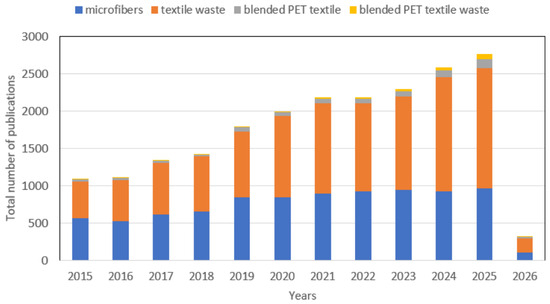
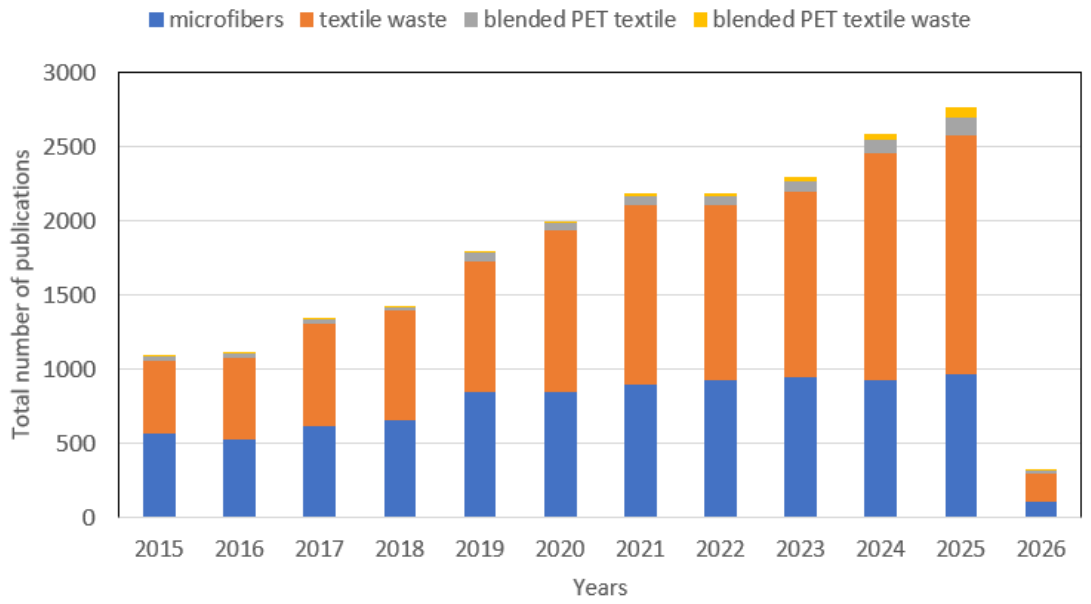
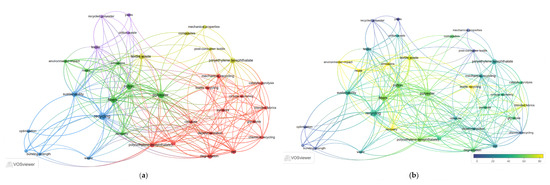
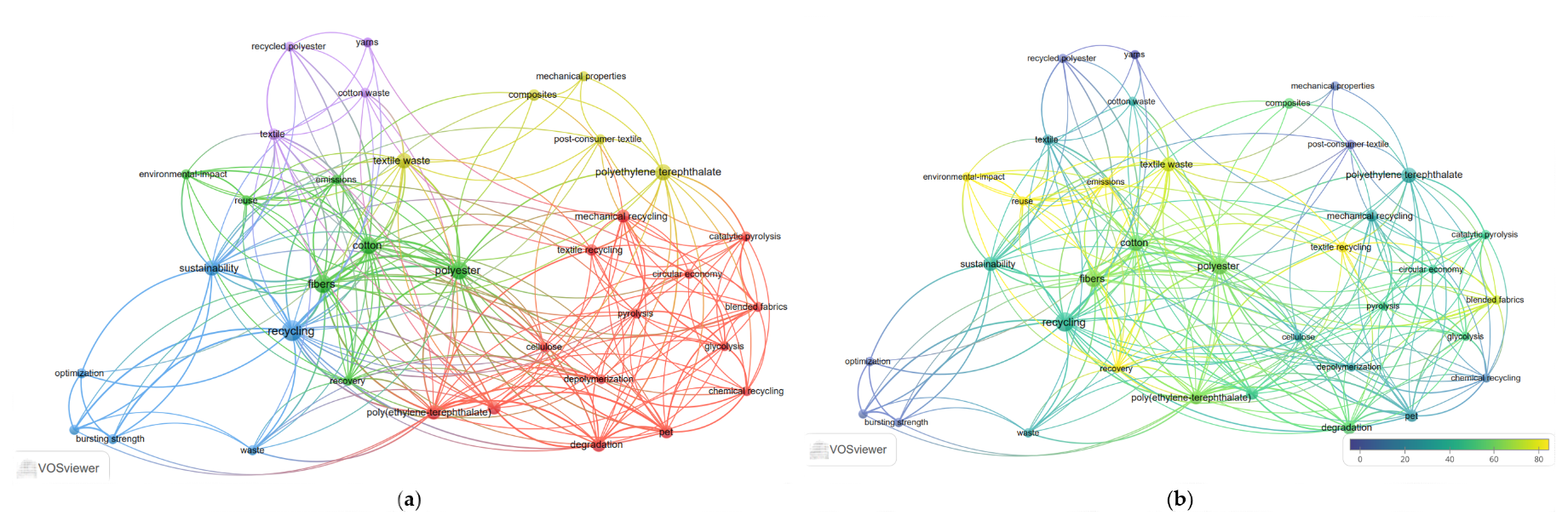
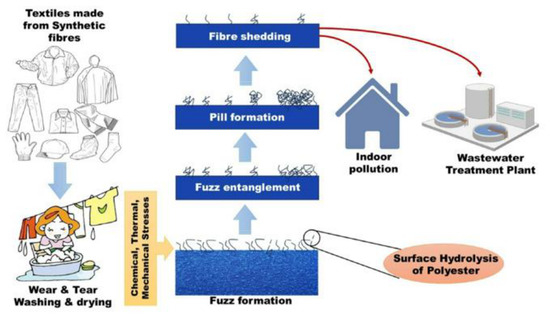
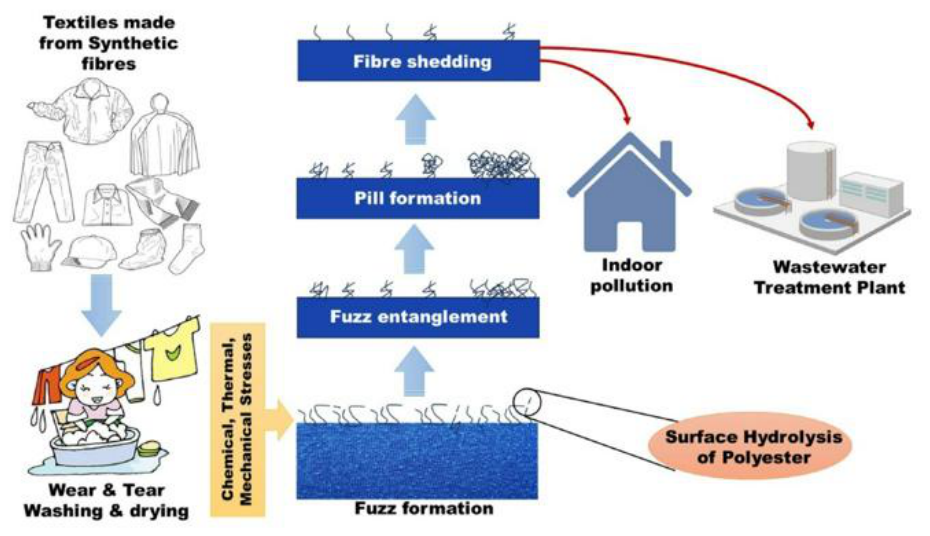
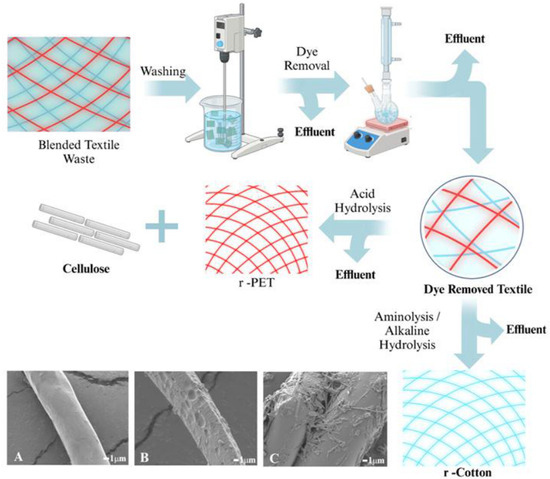
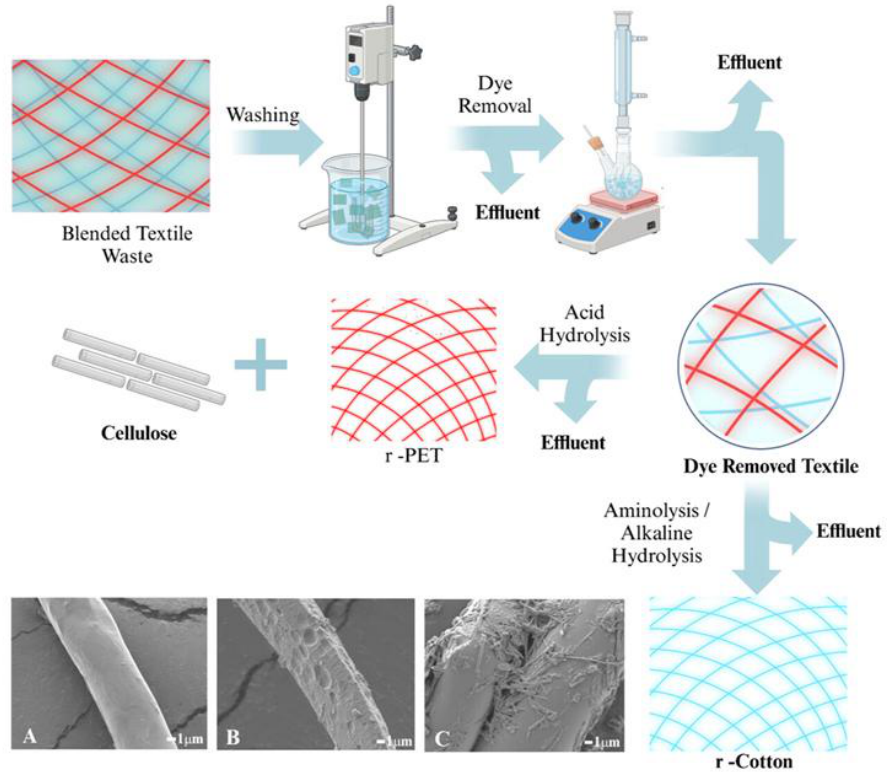
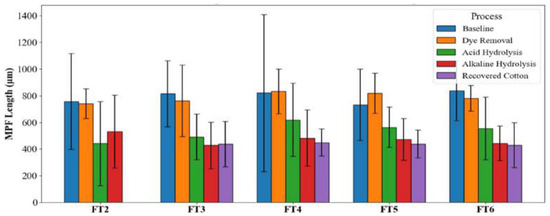
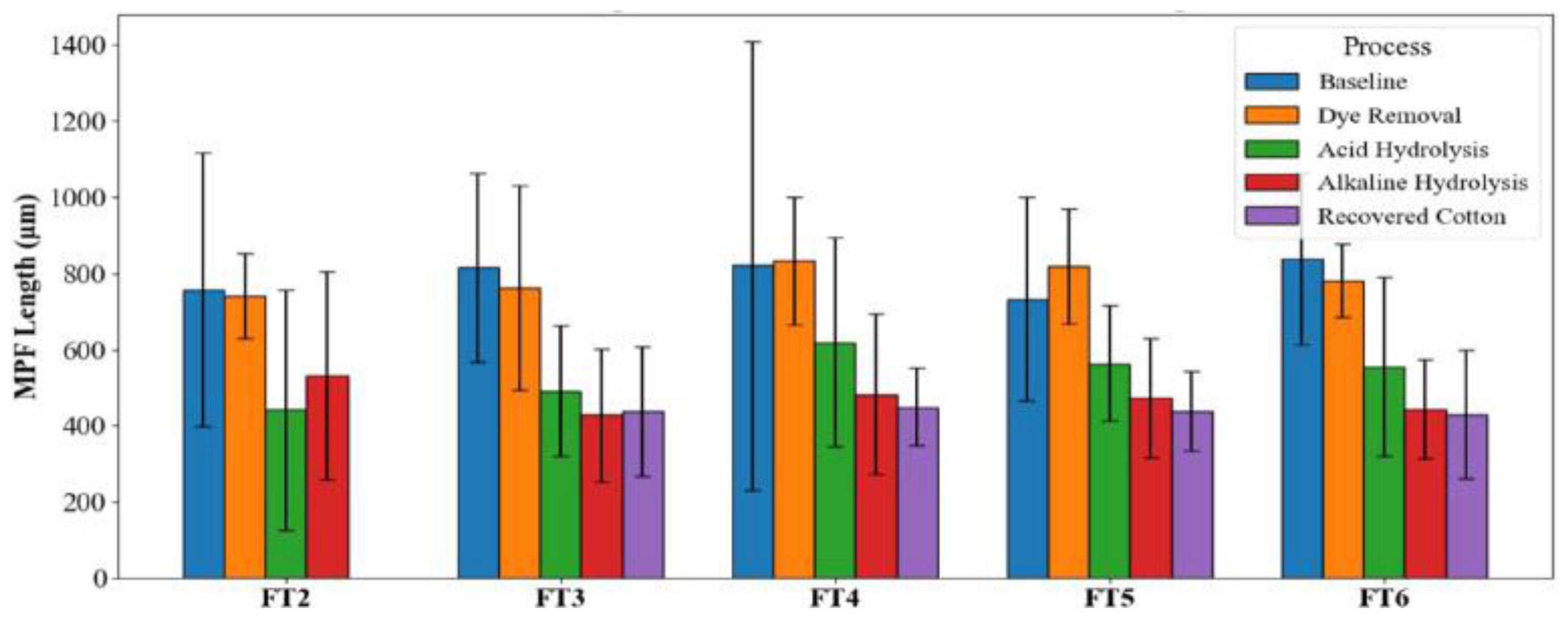
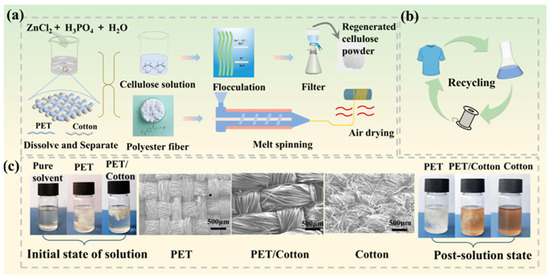
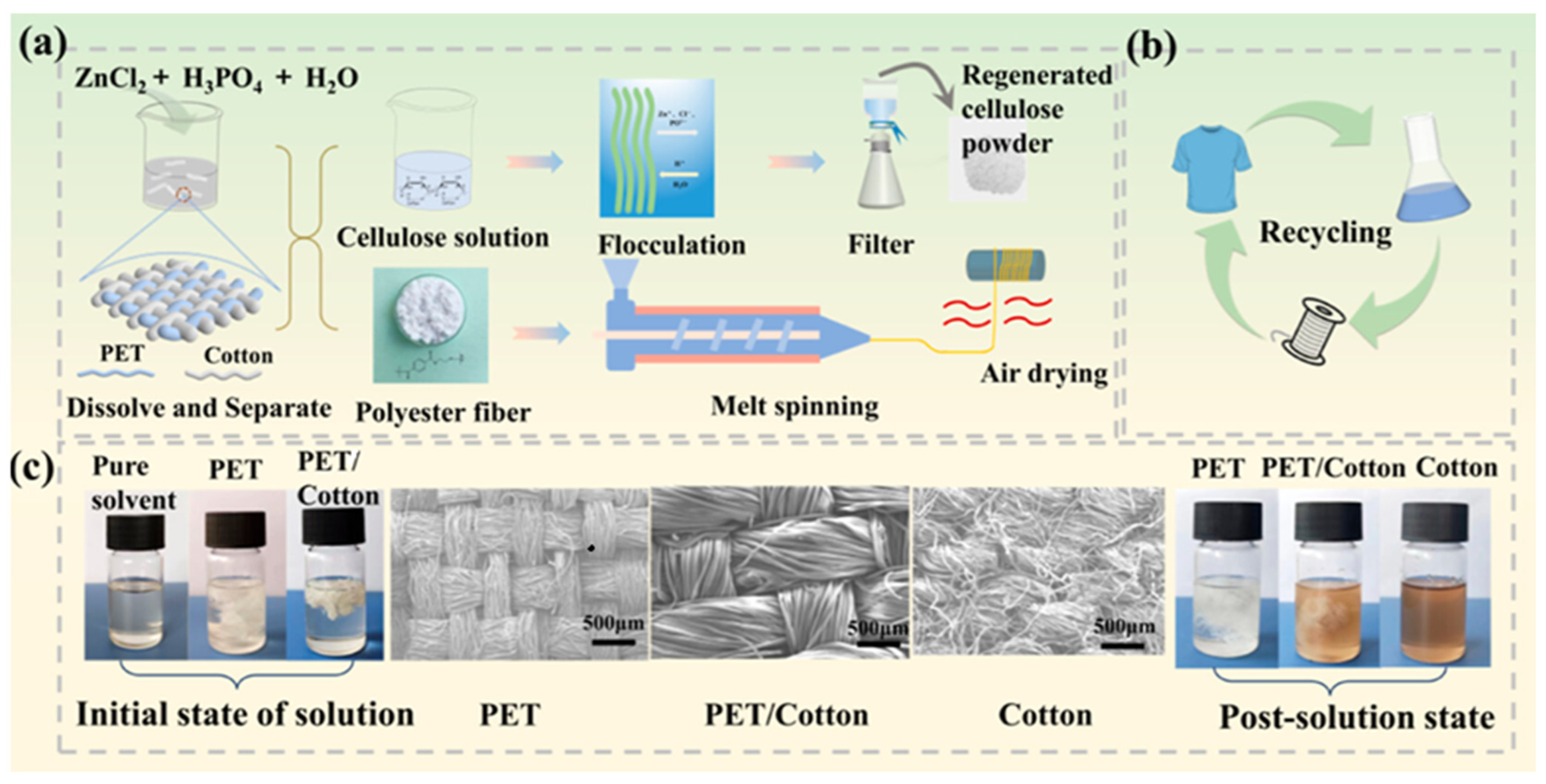
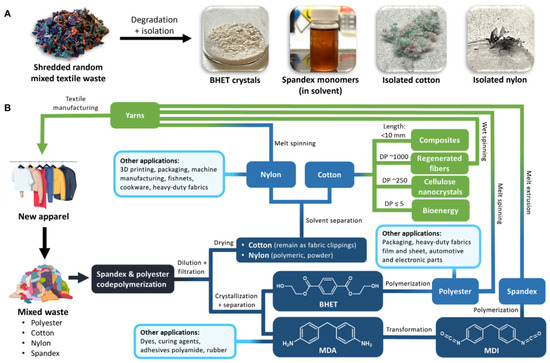
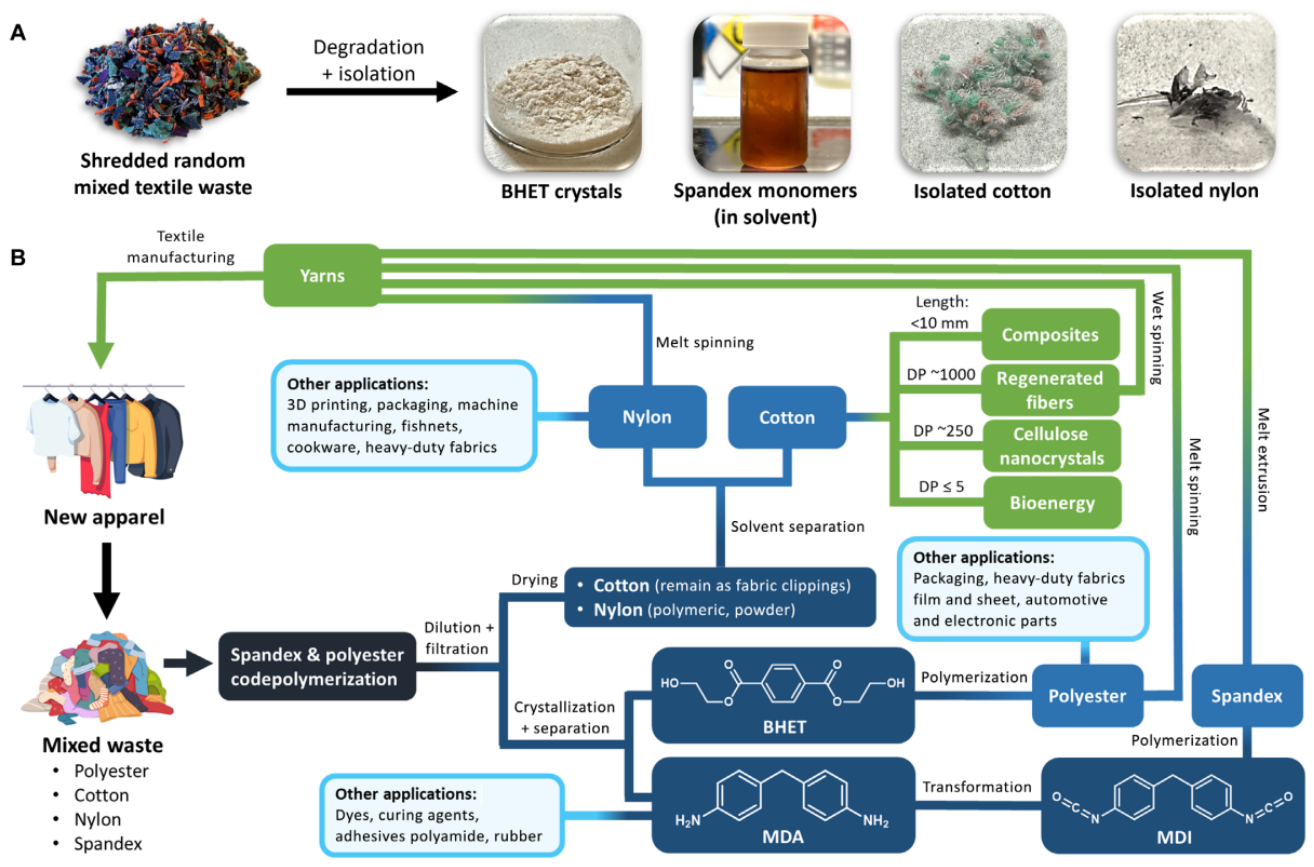

Disclaimer/Publisher’s Note: The statements, opinions and data contained in all publications are solely those of the individual author(s) and contributor(s) and not of MDPI and/or the editor(s). MDPI and/or the editor(s) disclaim responsibility for any injury to people or property resulting from any ideas, methods, instructions or products referred to in the content. |
© 2026 by the authors. Licensee MDPI, Basel, Switzerland. This article is an open access article distributed under the terms and conditions of the Creative Commons Attribution (CC BY) license.